
Achieving a Perfect Naked Cake Look Every Time

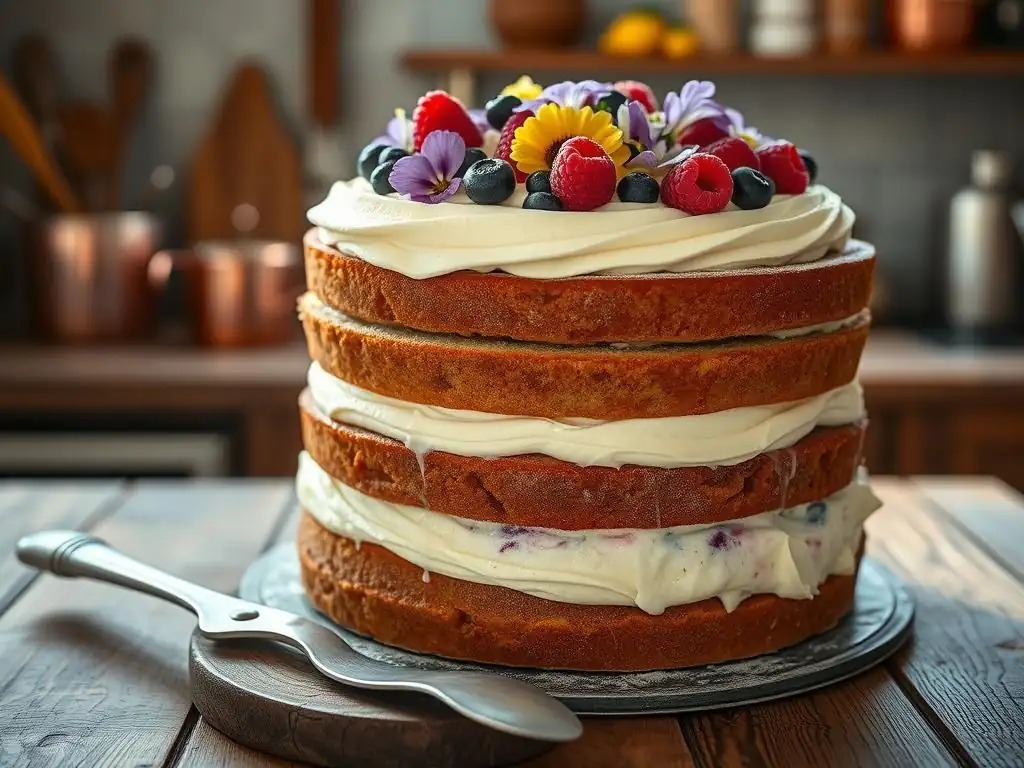
Welcome to BakeWithEase, your trusted guide to transforming ordinary ingredients into extraordinary baked creations! Ever dreamt of crafting a stunning, effortlessly elegant Naked Cake? Discover the secrets to achieving that flawless, minimalist frosting finish. Read on to unlock our foolproof naked cake frosting recipe and elevate your dessert game, one delicious layer at a time.
- Achieving a Perfect Naked Cake Look Every Time: A BakeWithEase Guide
- Introduction to Naked Cakes: The Rustic Elegance of Simplicity
- Planning Your Perfect Naked Cake: Essential Considerations
- Step-by-Step Guide to Baking the Perfect Naked Cake Layers
- Mastering the Naked Cake Frosting: Essential Techniques
- Assembling Your Naked Cake: A Layer-by-Layer Approach
- Achieving the "Naked" Look: Scraping and Smoothing Techniques
- Decorating Your Naked Cake: Adding the Final Touches
- Troubleshooting Common Naked Cake Problems
- Naked Cake Frosting Recipe Variations: Exploring Flavor Combinations
- Naked Cake Ideas and Inspiration: Unleashing Your Creativity
- Conclusion: Enjoy the Beauty and Simplicity of Your Homemade Naked Cake
-
Frequently Asked Questions
- What is a "naked cake," and what makes it different from other cakes?
- What type of frosting is best for a naked cake?
- How much frosting should I use on a naked cake?
- What are some tips for preventing a naked cake from drying out?
- Can I decorate a naked cake? If so, what are some popular decoration options?
- Final Reflection: The Art and Soul of the Imperfectly Perfect Naked Cake
- Unleash Your Inner Cake Artist: Master the Naked Cake Look!
Achieving a Perfect Naked Cake Look Every Time: A BakeWithEase Guide
Introduction to Naked Cakes: The Rustic Elegance of Simplicity
What is a Naked Cake and Why is it Trending?
A naked cake, in essence, is a cake that has very little or no exterior frosting, allowing the cake layers and filling to be partially or fully visible. Unlike traditional cakes coated in thick buttercream, the naked cake embraces a minimalist aesthetic. It showcases the natural beauty of the baked layers and the textures of the filling, giving it a rustic, organic, and often elegant appearance.
This style gained significant traction in the early 2010s, particularly in wedding and event décor, as it perfectly complemented popular themes like rustic chic, bohemian, and garden parties. Its popularity continues today due to its understated beauty and the visual appeal of distinct layers.
The trend also reflects a shift towards more natural and less "perfect" looking desserts. While still requiring skill to execute cleanly, the naked cake feels less intimidating than achieving a perfectly smooth, sharp-edged traditional cake. It highlights the quality of the cake itself and the chosen naked cake frosting recipe and filling.
For instance, a study by The Knot in 2018 indicated that naked and semi-naked cakes accounted for roughly 20-25% of wedding cake styles requested, a significant jump from previous years, demonstrating its strong foothold in contemporary celebrations. This style allows bakers to play with contrasting cake and frosting colors, adding to its visual charm.
The Allure of Minimalist Baking: Embracing the Imperfections
Minimalist baking, as exemplified by the naked cake, celebrates simplicity and authenticity. It encourages bakers to appreciate the natural textures and colors of their ingredients rather than hiding them under elaborate decorations. This approach can be incredibly freeing, shifting the focus from achieving absolute perfection in frosting application to ensuring the cake layers are beautifully baked and the flavors are harmonious. Embracing the "imperfections" – like the visible texture of the cake crumb or a slightly uneven scrape of frosting – is part of the charm.
This style also aligns with a growing preference for less overtly sweet desserts. With a reduced amount of exterior frosting compared to fully frosted cakes, the balance of flavors between the cake, filling, and the thin layer of frosting becomes more prominent. For example, a delicate vanilla bean cake paired with a tangy raspberry filling and a light cream cheese naked cake frosting recipe allows each component to shine.
This focus on flavor balance and natural aesthetics resonates with consumers seeking both visual appeal and a more refined taste experience. It's about creating something beautiful that feels approachable and genuine.
Planning Your Perfect Naked Cake: Essential Considerations
Choosing the Right Cake Recipe for a Naked Finish
Selecting the appropriate cake recipe is fundamental to a successful naked cake. Since the cake layers are exposed, they need to be sturdy enough to stack without crumbling excessively, yet moist enough to remain delicious without a thick protective layer of frosting. Delicate or very crumbly cakes, like some chiffon or angel food cakes, might be challenging to handle and frost minimally. Recipes for butter-based cakes, pound cakes, or even some sturdier sponge cakes often work best. A good recipe will produce layers that are relatively dense but still tender.
Consider the structure of the cake crumb. A tighter crumb is generally easier to work with when applying and scraping back a thin layer of frosting. For example, a classic vanilla butter cake, often made with a creaming method (beating butter and sugar until light and fluffy), tends to produce a stable yet moist crumb ideal for naked cakes. Ensure your recipe yields layers that are fairly level or can be easily leveled without significant waste. Baking in cake pans lined with parchment paper and using cake strips can help achieve even layers, crucial for a stable stack.
Selecting Complementary Flavors for Your Naked Cake
Flavor pairing is highlighted in a naked cake because the distinct layers of cake, filling, and the naked cake frosting recipe are so visible. Think about combinations that work well together and also offer visual contrast. For example, a rich chocolate cake pairs beautifully with a bright red raspberry filling and a classic vanilla bean buttercream. A lemon cake could be combined with a blueberry compote and a tangy cream cheese frosting. The goal is to create a harmonious taste experience.
Consider the seasonality of flavors. Fresh berries are perfect for summer naked cakes, while spiced apple or pumpkin flavors work well in the fall. The filling plays a significant role in both flavor and structure. Jams, fruit curds, ganaches, or thicker pastry creams can be used, but ensure they are not too runny, which could cause the layers to slip. A popular combination for a rustic wedding cake might be a vanilla bean cake with salted caramel filling and a stable Swiss meringue buttercream, offering a balance of sweetness, richness, and texture.
Naked Cake Frosting Recipe: The Key to Stability and Flavor
The naked cake frosting recipe is arguably the most critical component for both structure and aesthetics. Unlike a fully frosted cake where the frosting primarily provides coverage and decoration, the frosting on a naked cake serves multiple purposes: it acts as the "glue" between layers, adds flavor, and provides the thin, scrape-able layer that defines the look. The consistency of the frosting is paramount – it needs to be spreadable but firm enough to hold the weight of the layers without bulging or squeezing out excessively.
Buttercreams are the most common choice for naked cakes. American buttercream (butter, powdered sugar, liquid) is easy to make but can be very sweet and sometimes soft. Swiss meringue buttercream (butter, sugar, egg whites) or Italian meringue buttercream are often preferred for their smoother texture, less intense sweetness, and superior stability, especially in warmer conditions.
A good naked cake frosting recipe for a semi-naked finish should contain enough fat and sugar to set up slightly firm when chilled, allowing for clean scraping. For instance, a standard Swiss meringue buttercream recipe typically uses a ratio of about 1 part egg white to 2 parts sugar and 3 parts butter by weight, providing excellent stability.
Gathering Your Baking and Decoration Tools
Having the right tools makes the process of baking and assembling a naked cake much smoother. For baking, you'll need standard equipment like cake pans (ensure they are the same size), parchment paper, a kitchen scale for accuracy, measuring cups and spoons, mixing bowls, and a whisk or stand mixer. For leveling layers, a serrated knife or a cake leveler is essential.
When it comes to frosting and assembly, key tools include an offset spatula (various sizes are helpful), a bench scraper or a large, flat icing scraper, a rotating cake stand (a lazy Susan works too! ), and potentially piping bags and tips for applying filling or a thicker layer of frosting between layers. A spirit level can even be useful to ensure your cake stack is perfectly straight.
Having these tools organized before you start will save time and reduce stress during the assembly process. For example, using a bench scraper with a straight, clean edge is crucial for achieving the signature scraped-back look of a semi-naked cake.
Step-by-Step Guide to Baking the Perfect Naked Cake Layers
Baking Even Cake Layers: Tips and Tricks for Consistent Results
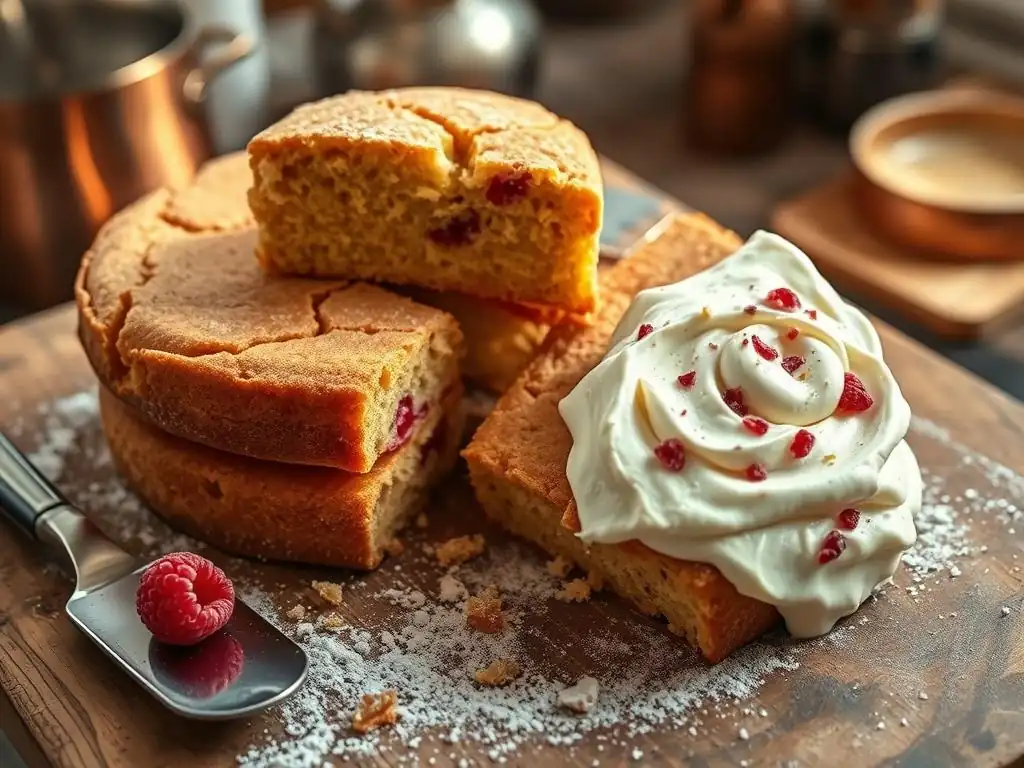
Achieving consistently even cake layers is vital for a stable and visually appealing naked cake. Start by ensuring your oven temperature is accurate; an oven thermometer is a worthwhile investment. Uneven heating can lead to domed tops or layers that bake unevenly. Prepare your cake pans meticulously: grease and flour them, or use baking spray with flour, and line the bottoms with parchment paper cut to size. This prevents sticking and ensures easy release.
Measure your batter accurately, dividing it evenly among the prepared pans. Using a kitchen scale to weigh the batter in each pan is the most precise method for achieving layers of identical thickness and density. Fill pans no more than two-thirds full to prevent excessive doming.
Baking strips, soaked in water and wrapped around the outside of the pans, help insulate the edges, allowing the cake to rise more evenly and reduce doming. Bake until a skewer inserted into the center comes out clean and the tops spring back gently when lightly pressed. For example, baking three 8-inch cake layers for a standard recipe might take approximately 25-30 minutes at 350°F (175°C), but always check for doneness as oven temperatures vary.
Cooling and Leveling Your Cake Layers for a Flawless Stack
Proper cooling is just as important as baking. Once out of the oven, let the cakes cool in their pans on a wire rack for 10-15 minutes. This allows them to firm up slightly before being inverted. Then, gently invert the cakes onto the wire rack and peel off the parchment paper.
Let them cool completely. Attempting to level or frost warm cakes will result in crumbling and a messy finish. Ensure the cakes are completely cool, ideally at room temperature, before proceeding. For best results, some bakers even wrap cooled layers tightly in plastic wrap and chill them in the refrigerator for at least an hour, or even freeze them for a short time, as cold cake is less prone to crumbling when handled.
Once fully cooled, level the cake layers. Use a long serrated knife or a cake leveler to carefully slice off any domed tops, creating a flat surface. Aim for layers of consistent height. You can use the trimmed-off cake scraps for cake pops or just enjoy them as a snack! For a standard 8-inch round cake layer that might be about 1.5 to 2 inches tall, you might trim off about 0.25 to 0.5 inches from the top to make it perfectly flat. A level cake is crucial for a stable, straight stack.
Mastering the Naked Cake Frosting: Essential Techniques
Preparing Your Naked Cake Frosting Recipe: Ingredients and Consistency
The success of your naked cake heavily relies on the quality and consistency of your naked cake frosting recipe. Start by ensuring all your ingredients, particularly butter and cream cheese (if using), are at the correct temperature as specified in the recipe. Butter for buttercream is typically soft but not melted, while cream cheese should be softened. Sift powdered sugar to remove lumps for a smooth finish. Follow your chosen recipe precisely, paying attention to mixing times and speeds.
The consistency needed for a naked cake is slightly firmer than a typical frosting used for full coverage. It needs to be spreadable enough to apply thinly but firm enough to cling to the cake and scrape back cleanly without pulling up too many crumbs. If your frosting is too stiff, add liquid (milk, cream, or flavoring) a teaspoon at a time.
If it's too soft, particularly if using a butter-based frosting, chilling it in the refrigerator for 15-30 minutes, stirring occasionally, can help it firm up. A good test is whether the frosting holds a medium peak when lifted with a spatula.
Achieving the Right Frosting Texture for Easy Application
Beyond consistency, the texture of the frosting impacts how smoothly it applies and scrapes. For buttercreams, ensure the butter is fully emulsified with the sugar and liquid, resulting in a homogenous mixture. Beat the frosting for several minutes (often 5-10 minutes for buttercreams) on medium speed after all ingredients are combined. This incorporates air, making it lighter and smoother, and helps dissolve sugar granules, especially in powdered sugar-based recipes. Overbeating, however, can sometimes introduce too much air, making it difficult to get a perfectly smooth scrape.
A perfectly textured frosting for a naked cake is smooth, spreadable, and free of lumps. If using a naked cake frosting recipe with powdered sugar, sifting is non-negotiable. For meringue-based buttercreams, ensure the meringue is whipped to firm peaks and the butter is incorporated gradually and fully. The final texture should be like a thick, smooth paste – pliable but not runny. If the frosting feels gritty, continue beating or gently warm a small portion and re-incorporate it (for buttercreams).
Different Types of Frosting Suitable for Naked Cakes
Several types of frosting work well for naked cakes, each offering different flavors, textures, and levels of stability.
- American Buttercream: Easy and quick, but very sweet. Can be used but needs to be made quite firm to hold shape.
- Cream Cheese Frosting: Tangy and delicious, especially with red velvet or carrot cake. Needs to be made with cold cream cheese and butter and shouldn't be overmixed once the cream cheese is added to avoid becoming too soft. A standard naked cake frosting recipe using cream cheese might call for 8 oz cream cheese, 1/2 cup unsalted butter, 3-4 cups powdered sugar, and a splash of vanilla.
- Swiss Meringue Buttercream (SMBC): Smooth, silky, less sweet, and very stable. Excellent for clean scraping. Made by whisking egg whites and sugar over heat, whipping to meringue, then beating in butter.
- Italian Meringue Buttercream (IMBC): Similar to SMBC but made by pouring hot sugar syrup into whipping egg whites. Very stable and smooth.
- Ermine Frosting (Boiled Milk Frosting): A classic for red velvet, made with flour, milk, sugar, and butter. Less sweet than American buttercream and has a unique, creamy texture.
The best choice depends on your flavor profile and desired level of stability and smoothness. SMBC and IMBC are often favored for their ability to yield a super smooth finish when scraped.
Assembling Your Naked Cake: A Layer-by-Layer Approach
Applying the Naked Cake Frosting: The "Crumb Coat" Technique
Even with a naked cake, a crumb coat is often beneficial, especially if your cake layers are prone to crumbling. The crumb coat is a very thin layer of frosting applied to the entire cake (top and sides) after the layers are stacked. Its purpose is to trap any loose crumbs, preventing them from getting into your final, visible layer of frosting. For a naked cake, the crumb coat effectively is your final, visible layer, or at least the base for it.
To apply the crumb coat, place your first cake layer on your cake stand or serving plate. Add a layer of filling and a ring of frosting around the edge (more on this below). Place the next layer on top. Once stacked, apply a thin, even layer of your naked cake frosting recipe all over the top and sides using an offset spatula.
Don't worry about making it perfect; just aim for a thin, consistent coverage that picks up all the crumbs. Once applied, chill the cake in the refrigerator for 20-30 minutes until the crumb coat is firm to the touch. This step is crucial for a clean final scrape.
Layering Your Cake: Ensuring Stability and Visual Appeal
Start with your bottom layer on your serving plate or cake stand. Secure it with a dab of frosting underneath. For filling, you can simply spread it over the layer, leaving about a 0.5-inch border around the edge. To prevent the filling from squeezing out when the next layer is added, pipe a ring of your chosen naked cake frosting recipe around the outer edge of the cake layer before adding the filling inside the ring. This acts as a dam.
Carefully place the next cake layer on top, aligning the edges. Gently press down to ensure it's level and makes good contact with the frosting dam. Repeat with the remaining layers. Try to stack them as straight as possible from the start. If a layer is slightly crooked, you can gently nudge it into place before applying the next layer. Ensure the layers are centered. For a three-layer cake, you'll typically have two layers of filling/frosting in between the cake layers.
The Importance of a Level Cake Stand
A level cake stand is surprisingly important for assembling and decorating a naked cake, especially taller ones. If your cake stand is tilted, even slightly, it will affect the alignment of your cake layers, potentially leading to a leaning or unstable cake. This is particularly noticeable with naked cakes where the structure is more visible.
Before you place your first cake layer, ensure your cake stand is on a flat, stable surface. If using a rotating stand, make sure it spins smoothly and doesn't wobble. If your serving plate or stand seems uneven, you can try placing a thin, flat object underneath one side to level it. For multi-tiered naked cakes, using dowels or supports within the bottom tiers is absolutely essential for stability, even with a firm naked cake frosting recipe. A level base provides the best foundation for a straight, beautiful stack.
Achieving the "Naked" Look: Scraping and Smoothing Techniques
How to Scrape the Frosting for a Semi-Naked Effect
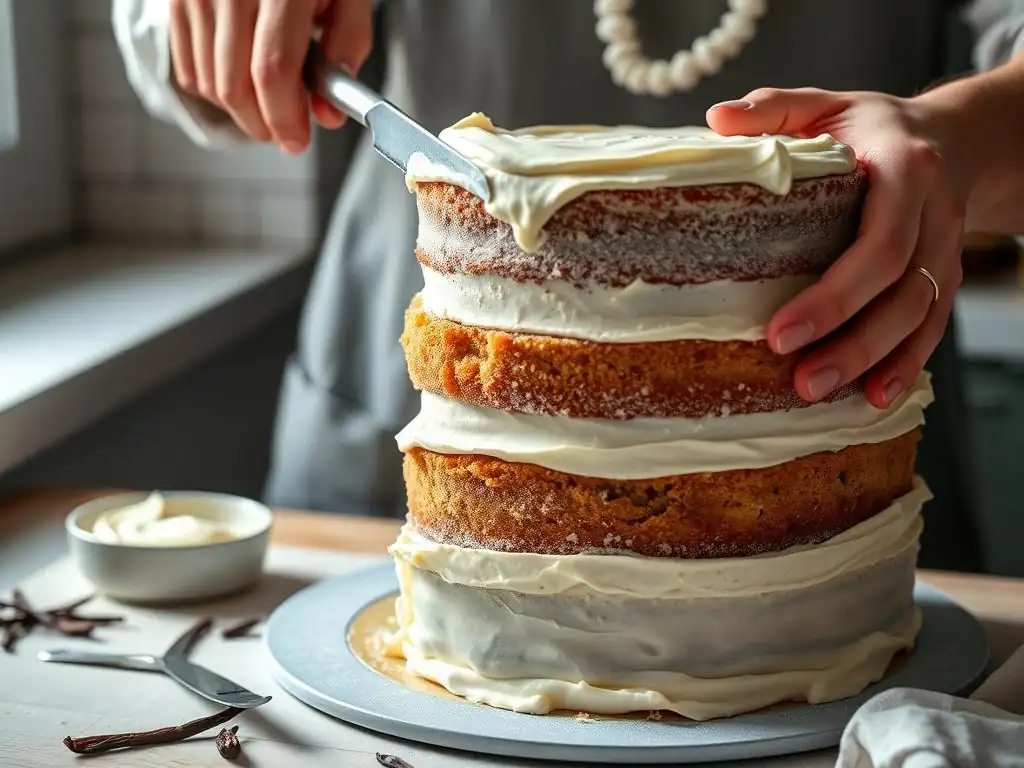
The signature "naked" or "semi-naked" look is achieved by applying a thin layer of frosting (often the crumb coat itself) and then carefully scraping most of it back off the sides, allowing the cake layers to show through. Once your crumb-coated (and chilled) cake is on a rotating stand, dollop a bit more of your naked cake frosting recipe onto the sides if needed, or work with the existing crumb coat.
Hold a bench scraper or a large, flat icing scraper perpendicular to the side of the cake, with the edge touching the frosting. Apply gentle, even pressure and rotate the cake stand slowly while holding the scraper steady. The scraper will remove the excess frosting, leaving a very thin, translucent layer that allows the cake color and texture to show. You can control how much frosting is left by adjusting the pressure and the angle of the scraper.
For a more "naked" look, use slightly more pressure and hold the scraper at a slight angle away from the cake. For a "semi-naked" look, use less pressure and hold the scraper flush against the cake. Wipe your scraper clean after each full rotation for the cleanest finish.
Creating Clean Edges and a Professional Finish
Clean edges elevate a naked cake from rustic to refined. After scraping the sides, you'll likely have a small ridge of frosting around the top edge of the cake. Use a small offset spatula to gently swipe this excess frosting towards the center of the top of the cake. Then, use the same offset spatula or your bench scraper held horizontally across the top to smooth the top surface.
For the sides, practice makes perfect. The goal is to have a consistent amount of frosting scraped away around the entire circumference. Some bakers prefer to apply a slightly thicker crumb coat initially specifically for scraping. Using a good quality, rigid bench scraper with a sharp, clean edge is key. If you accidentally scrape too much in one spot, you can apply a tiny bit more frosting with your spatula and re-scrape that section carefully. The chilled crumb coat beneath helps prevent pulling up cake crumbs during this process. Achieving a professional look depends on patience and steady hands.
Avoiding Common Mistakes When Frosting a Naked Cake
Several pitfalls can occur when frosting a naked cake. One common mistake is not chilling the crumb coat adequately. This leads to crumbs mixing into your final scrape, resulting in a messy appearance. Another error is using a naked cake frosting recipe that is too soft; it won't scrape cleanly and is prone to bulging. Conversely, frosting that is too stiff can be hard to spread thinly and may pull chunks off the cake.
Applying uneven pressure with the scraper is also a frequent issue, leading to areas with too much or too little frosting. Ensure your scraper is held straight and pressure is consistent as you rotate the cake. Don't rush the process. If you're struggling with a warm kitchen, chill the cake briefly between steps. Also, ensure your cake layers are fully cooled and leveled before you start; warm or uneven layers make the frosting process much harder. Using a rotating cake stand is almost essential for achieving an even scrape around the sides.
Decorating Your Naked Cake: Adding the Final Touches
Fresh Flowers and Fruits: Natural and Elegant Decorations
Fresh flowers and fruits are popular and fitting decorations for naked cakes, enhancing their natural and rustic appeal. Ensure any flowers used are food-safe or properly prepared. Do not use flowers that have been treated with pesticides or are known to be toxic. Examples of food-safe or commonly used flowers (with proper handling) include roses, peonies, ranunculus, baby's breath (use sparingly and carefully), and edible flowers like pansies or violets.
To use fresh flowers safely, wrap the cut stems tightly in floral tape and insert them into plastic floral picks or straws before inserting into the cake. This prevents the sap and chemicals from the stem from contacting the cake. Arrange them artistically on the top, cascading down the sides, or clustered around the base. Fresh fruits like berries, figs, or citrus slices add pops of color and freshness. A simple scattering of raspberries and a few sprigs of mint can beautifully adorn a vanilla cake with a cream cheese naked cake frosting recipe.
Using Berries and Edible Flowers to Enhance the Rustic Charm
Berries are a perfect match for the rustic charm of naked cakes. Their vibrant colors and natural shapes complement the exposed cake layers beautifully. Fresh strawberries, raspberries, blueberries, and blackberries can be arranged individually, clustered together, or used to create patterns. They add not only visual appeal but also a burst of fresh flavor.
Edible flowers add a delicate touch and a hint of whimsy. Varieties like violas, pansies, borage, and nasturtiums come in a range of colors and can be scattered over the top and sides of the cake. They work particularly well with lighter-colored frostings and cakes. For instance, a lemon naked cake with a light lemon naked cake frosting recipe could be adorned with yellow pansies and blueberries for a cheerful, natural look. Ensure you source edible flowers specifically grown for culinary use to avoid pesticides.
Chocolate Drips and Other Decorative Elements
While the naked cake is minimalist, a controlled chocolate drip can add a touch of decadence and visual interest without covering the cake entirely. A ganache made with chocolate and cream (typically a 1:1 ratio for dark chocolate, 2:1 for milk/white) can be carefully drizzled around the top edge, allowing it to naturally run down the sides. Ensure the cake is chilled before applying the drip so the ganache sets quickly upon contact.
Other decorative elements can include a light dusting of powdered sugar, strategically placed fresh herbs like rosemary or mint, or even very simple sugar work or macarons placed on top. The key is to use these elements sparingly so they enhance, rather than hide, the naked aesthetic. A chocolate naked cake with a chocolate naked cake frosting recipe might benefit from a dark chocolate ganache drip and some fresh raspberries on top.
Less is More: Keeping the Decoration Simple and Balanced
The guiding principle for decorating a naked cake is "less is more." The beauty lies in the simplicity and the visible cake layers. Over-decorating can defeat the purpose and make the cake look cluttered. Choose one or two main decorative elements and use them thoughtfully.
Consider the overall color palette. If your cake and frosting are neutral colors, vibrant fruits or flowers will stand out beautifully. If your cake is dark (like chocolate), lighter decorations will create contrast. Aim for balance – don't pile too many decorations onto one small area. A few well-placed items will have a greater impact than an overwhelming amount. The goal is to complement the cake's structure and the texture of the naked cake frosting recipe, not to bury it.
Troubleshooting Common Naked Cake Problems
Preventing Cake Layers from Drying Out
Since naked cakes lack a thick layer of protective frosting, the cake layers are more susceptible to drying out, especially if made in advance. To combat this, ensure your initial cake recipe is inherently moist. Using ingredients like buttermilk, sour cream, or oil in the batter can help retain moisture. Don't overbake the layers; remove them from the oven as soon as they are done.
Once cooled, wrap individual cake layers tightly in plastic wrap, then aluminum foil, and store them at room temperature for up to 2 days or in the freezer for longer storage. Thaw frozen layers in the refrigerator overnight before unwrapping. Assembling the cake closer to the serving time also helps. Some bakers lightly brush cake layers with a simple syrup (equal parts sugar and water, heated until sugar dissolves) before frosting to add moisture. This is particularly helpful if using a cake recipe that tends to be drier or if the cake has been stored for a while.
Addressing Frosting Issues: Too Soft, Too Stiff, or Uneven
Frosting consistency is critical for naked cakes. If your naked cake frosting recipe is too soft, it won't hold its shape, the layers may slide, and it will be impossible to scrape cleanly. Try chilling the frosting in the refrigerator for 15-30 minutes, stirring it periodically. If it's a buttercream, you can also try beating in a tablespoon or two of additional sifted powdered sugar (for American) or chilled butter (for meringue-based).
If the frosting is too stiff, it will be hard to spread thinly and may pull crumbs from the cake. For buttercreams, beat it on low speed for a few minutes to soften it. You can also add a tiny amount of liquid (like milk, cream, or water) a teaspoon at a time while beating on low speed until it reaches the desired consistency. Uneven frosting application before scraping can lead to a patchy look. Apply a thin, relatively even layer initially, ensuring all sides are covered before you begin scraping. Practice with the scraper to maintain consistent pressure.
Fixing Crooked Layers and Stability Problems
A leaning naked cake is a common issue, often caused by uneven layers, improper stacking, or a soft filling/frosting. If you notice a slight lean during stacking, try to correct it by gently nudging the layers into place before applying the crumb coat. Ensure each layer is centered before placing the next one.
If the cake starts to lean after frosting, and it's not too severe, you might be able to gently push it upright. For taller cakes (three layers or more), using cake dowels or supports is highly recommended for stability, especially if the filling is soft or the cake needs to travel. Insert dowels into the bottom layer(s), cut flush with the top of the layer, providing support for the layers above.
For very soft fillings, piping a firm frosting dam around the edge of each layer is essential to contain the filling and provide structural support. Using a firm naked cake frosting recipe like Swiss meringue buttercream also significantly improves stability.
Naked Cake Frosting Recipe Variations: Exploring Flavor Combinations
Cream Cheese Frosting for Naked Cakes: A Classic Choice
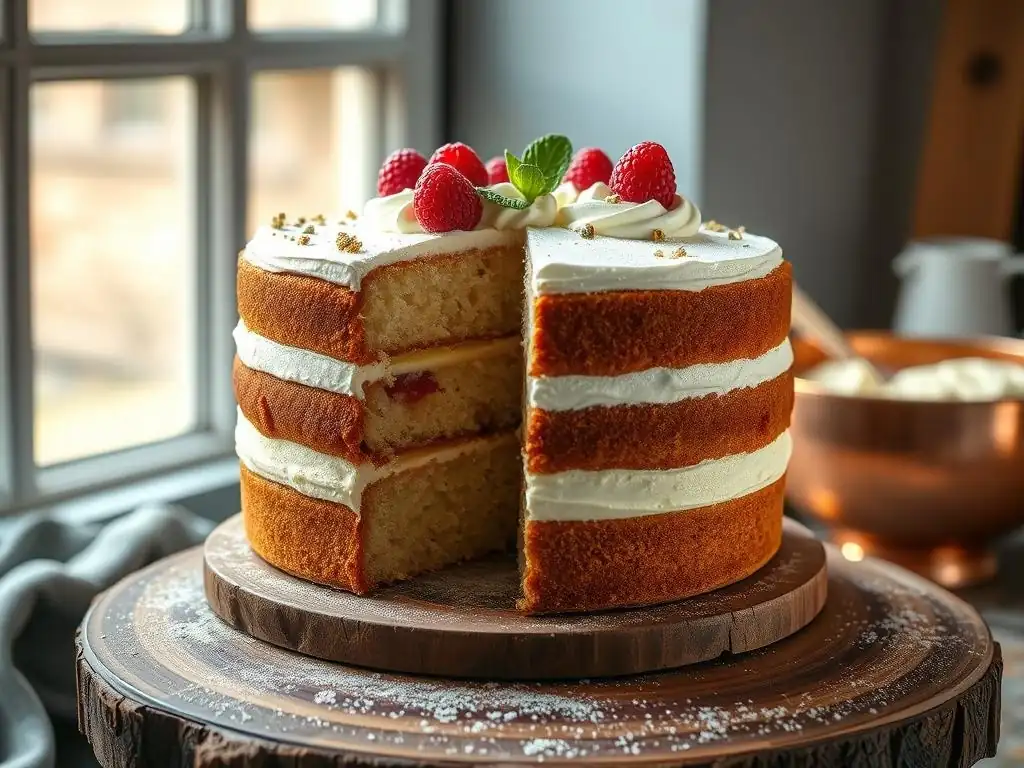
Cream cheese frosting is a beloved classic, offering a delightful tang that balances the sweetness of the cake. It pairs exceptionally well with flavors like red velvet, carrot, lemon, and spice cakes. A good naked cake frosting recipe using cream cheese needs to be firm enough to hold its shape and scrape cleanly. This is achieved by using cold, firm cream cheese and softened but not melted butter, and by being careful not to overmix the frosting once the powdered sugar is incorporated, as overmixing can make it too soft.
A typical recipe might involve beating 8 ounces of cold cream cheese with 1/2 cup of softened unsalted butter until smooth, then gradually beating in 3-4 cups of sifted powdered sugar until combined, followed by a teaspoon of vanilla extract. For a firmer consistency suitable for naked cakes, you might use slightly less liquid or a bit more powdered sugar, being careful not to make it too sweet. Chilling this frosting before use can also help firm it up for easier application and scraping.
Swiss Meringue Buttercream: A Smooth and Stable Option
Swiss meringue buttercream (SMBC) is a favorite among professional bakers for its incredibly smooth, silky texture, moderate sweetness, and excellent stability. It's made by gently heating egg whites and sugar over a double boiler until the sugar dissolves, then whipping the mixture into a stiff, glossy meringue. Softened butter is then gradually added and beaten until the mixture transforms into a luxurious buttercream.
An SMBC naked cake frosting recipe is ideal for achieving a very clean, smooth scrape on a naked cake. Its stable structure holds up well, even in warmer temperatures, making it a good choice for event cakes. The process involves precise temperatures and technique, but the result is a beautiful, less sweet frosting that pairs well with almost any cake flavor, from delicate vanilla to rich chocolate. A standard ratio often starts with 4 large egg whites and 1 cup granulated sugar heated, whipped with 1.5 cups unsalted butter.
Vegan Naked Cake Frosting Recipe: Delicious Dairy-Free Alternatives
Creating a delicious and stable vegan naked cake frosting recipe is entirely possible with the availability of plant-based ingredients. Vegan butter alternatives and plant-based milks (like almond, soy, or oat) can be used as direct substitutes in many traditional buttercream recipes. For a simple vegan American-style buttercream, you can cream vegan butter with sifted powdered sugar and a splash of plant-based milk and vanilla extract.
For a more refined option, a vegan meringue can be made using aquafaba (the liquid from canned chickpeas) whipped with sugar like a traditional meringue. Vegan butter is then beaten into the aquafaba meringue to create a stable, smooth frosting similar to Swiss or Italian meringue buttercream. This aquafaba-based frosting is excellent for naked cakes as it can be scraped cleanly and offers good stability. A typical aquafaba recipe might use the liquid from one can of chickpeas (about 1/2 cup) whipped with 1 cup of granulated sugar (heated into a syrup) and 1 cup of vegan butter.
Lemon, Chocolate, Raspberry Frosting
Varying the flavor of your naked cake frosting recipe allows for exciting pairings.
- Lemon Frosting: A bright, zesty option often made by adding lemon zest and juice to a cream cheese frosting or buttercream. Pairs wonderfully with vanilla, blueberry, or poppy seed cakes.
- Chocolate Frosting: Can range from a simple cocoa powder buttercream to a rich ganache-based frosting. Chocolate buttercream is often made by beating cocoa powder and melted chocolate into a standard buttercream base. It's a classic with chocolate cake or even vanilla for a contrast.
- Raspberry Frosting: Achieved by incorporating raspberry puree (strained to remove seeds) or freeze-dried raspberry powder into a buttercream or cream cheese frosting. The freeze-dried powder provides intense flavor and color without adding too much liquid, which could soften the frosting. Raspberry frosting is vibrant and pairs well with vanilla, lemon, or chocolate cakes. For a raspberry naked cake frosting recipe, using freeze-dried powder often yields a more stable result than fresh puree.
Experimenting with these variations allows you to customize your naked cake's flavor profile and visual appeal.
Naked Cake Ideas and Inspiration: Unleashing Your Creativity
Naked Wedding Cakes: Rustic Romance
Naked cakes have become incredibly popular for weddings, embodying a sense of rustic romance and understated elegance. They fit seamlessly into barn weddings, outdoor ceremonies, and bohemian themes. Often tiered, wedding naked cakes are typically adorned with fresh flowers that match the bridal bouquet or venue decor, greenery like eucalyptus, or fresh fruits.
A classic approach for a wedding is a vanilla or almond cake with a complementing naked cake frosting recipe like Swiss meringue buttercream or cream cheese, filled with fruit compotes or curds. For a multi-tiered cake, each tier might be a different flavor. For example, a four-tier naked cake could feature lemon-raspberry, chocolate-ganache, vanilla-salted caramel, and almond-cherry layers, all unified by a consistent exterior frosting style and floral decoration. The simplicity of the naked finish allows the beauty of the venue or the floral arrangements to take center stage.
Naked Birthday Cakes: Personalized Celebrations
Naked cakes are also fantastic for birthdays, offering a more relaxed and often more flavorful alternative to heavily frosted cakes. They can be easily personalized with specific flavor combinations, favorite fruits, or simple decorations like candles, a custom cake topper, or a scattering of sprinkles on top.
For a child's birthday, a colorful naked cake frosting recipe (achieved with natural food coloring) paired with fun fillings like sprinkles mixed into the frosting between layers can be a hit. For an adult's birthday, more sophisticated flavors like coffee-caramel or passion fruit-coconut in a naked format can be a delightful surprise. A popular birthday style is a two or three-layer cake adorned with a chocolate drip and the recipient's favorite fresh berries. The exposed layers make it easy to see the delicious fillings inside.
Seasonal Naked Cakes: Adapting to the Flavors of the Year
Embracing seasonality is a natural fit for the rustic style of naked cakes.
- Spring: Think light and fresh flavors like lemon-elderflower, strawberry-basil, or raspberry-rose. Decorate with edible flowers and fresh berries. A lemon naked cake frosting recipe with fresh strawberries makes a perfect spring cake.
- Summer: Highlight peak fruit season with combinations like peach-ginger, blueberry-lemon, or tropical flavors like mango-coconut. Adorn with vibrant berries and stone fruits.
- Fall: Move towards warmer, spiced flavors like apple-cinnamon, pumpkin-cream cheese, or pear-caramel. Decorate with figs, pears, or candied nuts. A spice cake with a cream cheese naked cake frosting recipe and caramelized apples is quintessentially fall.
- Winter: Embrace rich and comforting flavors such as gingerbread-orange, chocolate-peppermint, or cranberry-pistachio. Decorate with cranberries, rosemary sprigs, or sugared fruits.
Adapting your cake layers, fillings, and naked cake frosting recipe to the season ensures you're using the freshest ingredients and celebrating the flavors of the time of year.
Conclusion: Enjoy the Beauty and Simplicity of Your Homemade Naked Cake
Creating a naked cake is a rewarding process that results in a stunning, rustic dessert. Once you've mastered the techniques of baking even layers, preparing a stable naked cake frosting recipe, and achieving that perfect scrape, you'll have a beautiful centerpiece ready to share. Whether it's for a special occasion or just because, presenting a homemade naked cake showcases your baking skills and appreciation for natural beauty.
Take photos to capture your creation! The visible layers and textures are incredibly photogenic. When it's time to serve, use a sharp, hot knife (dipped in hot water and wiped dry) to get clean slices that show off the beautiful layers and filling inside. Share your creation with friends and family, and enjoy the compliments on its unique look and delicious flavor. Baking is about sharing joy, and a naked cake is a wonderful way to do that.
Storing Your Naked Cake for Optimal Freshness
Storing a naked cake requires a little more care than a fully frosted cake because the exposed cake layers are more prone to drying out. If the cake is assembled but not yet decorated, cover it loosely with plastic wrap or place it in a cake carrier and store in the refrigerator. The crumb coat (or thin layer of frosting) helps protect the cake slightly.
Once decorated, especially with fresh fruit or flowers, storing becomes trickier. Fresh fruit can weep or spoil, and flowers can wilt. It's best to decorate a naked cake as close to serving time as possible.
If you must store a decorated cake, cover it loosely with a cake dome or plastic wrap, trying not to touch the decorations, and refrigerate. Be aware that refrigeration can sometimes dry out cake; allowing it to sit at room temperature for 30-60 minutes before serving can help restore moisture and flavor, depending on the naked cake frosting recipe used (meringue-based buttercreams hold up well at room temperature for a few hours). For longer storage, leftover slices can be wrapped tightly and refrigerated for 2-3 days.
Frequently Asked Questions
What is a "naked cake," and what makes it different from other cakes?
A naked cake is a cake with minimal or no frosting on the sides, showcasing the cake layers. This differs from traditional cakes with a thick frosting covering. The focus is on the cake texture and flavor.
What type of frosting is best for a naked cake?
A stable, not-too-sweet frosting is ideal. Popular choices include Swiss meringue buttercream, whipped cream, or a light cream cheese frosting. Avoid overly sugary frostings, as they can appear too rich against the unfrosted layers.
How much frosting should I use on a naked cake?
Use just enough frosting to slightly fill the spaces between the layers and create a thin, even layer on top. The goal is to enhance, not hide, the cake's natural texture.
What are some tips for preventing a naked cake from drying out?
Brush each layer with simple syrup before frosting. Also, consider using a moist cake recipe. Store the finished cake in an airtight container or loosely covered with plastic wrap to retain moisture.
Can I decorate a naked cake? If so, what are some popular decoration options?
Absolutely! Fresh fruits, flowers, and a dusting of powdered sugar are popular choices. Using seasonal ingredients can add a beautiful and personalized touch.
Final Reflection: The Art and Soul of the Imperfectly Perfect Naked Cake
The pursuit of the perfect naked cake is not about achieving flawless frosting; it's about embracing the rustic charm and celebrating the inherent beauty of simplicity. This seemingly simple dessert has captured the hearts (and taste buds) of bakers and cake lovers alike, transforming from a niche trend to a widely celebrated style. The demand for that effortlessly elegant, slightly messy look continues to grow, proving that sometimes, less is truly more.
The naked cake's enduring appeal lies in its ability to showcase the quality of the ingredients and the baker's skill in achieving a delicate balance between structure and artful imperfection. It's a testament to the idea that beauty can be found in imperfection, a concept that resonates deeply with our increasingly authentic and less-filtered world. Perfection is not attainable, but if we chase perfection we can catch excellence.
– Vince Lombardi. This quote, while not directly about baking, perfectly encapsulates the spirit of the naked cake – striving for excellence in technique while embracing the natural beauty of the unadorned cake layers.
Now, consider your own baking journey. Have you been striving for that picture-perfect finish, perhaps feeling discouraged by the occasional mishap? Remember the lessons learned here: practice makes perfect, but the true magic lies in embracing the unique character of each cake. Don't be afraid to experiment, to let your creativity flow, and to celebrate the imperfectly perfect results. The next time you bake a naked cake, remember this: the most beautiful cakes are often the ones that whisper a story of passion, patience, and a touch of delightful imperfection.
Unleash Your Inner Cake Artist: Master the Naked Cake Look!
Thanks for joining us on this delicious journey into the world of naked cakes! We hope you've gained the confidence to create stunningly beautiful (and delicious!) cakes. Ready to take your baking skills to the next level?
- Bake your masterpiece: Use your newfound knowledge to create your own show-stopping naked cake. Don't be afraid to experiment with different flavor combinations and frostings!
- Share your creation: Post a picture of your finished cake on social media and tag us – we'd love to see your baking brilliance! Use #BakeWithEaseNakedCake to join the community.
- Challenge a friend: Inspire a friend to try their hand at a naked cake. Share this article and see who can create the most beautiful masterpiece!
What unexpected flavor combination will you try for your next naked cake?