
Quick Bread Basics: Simple Ingredients, Amazing Results

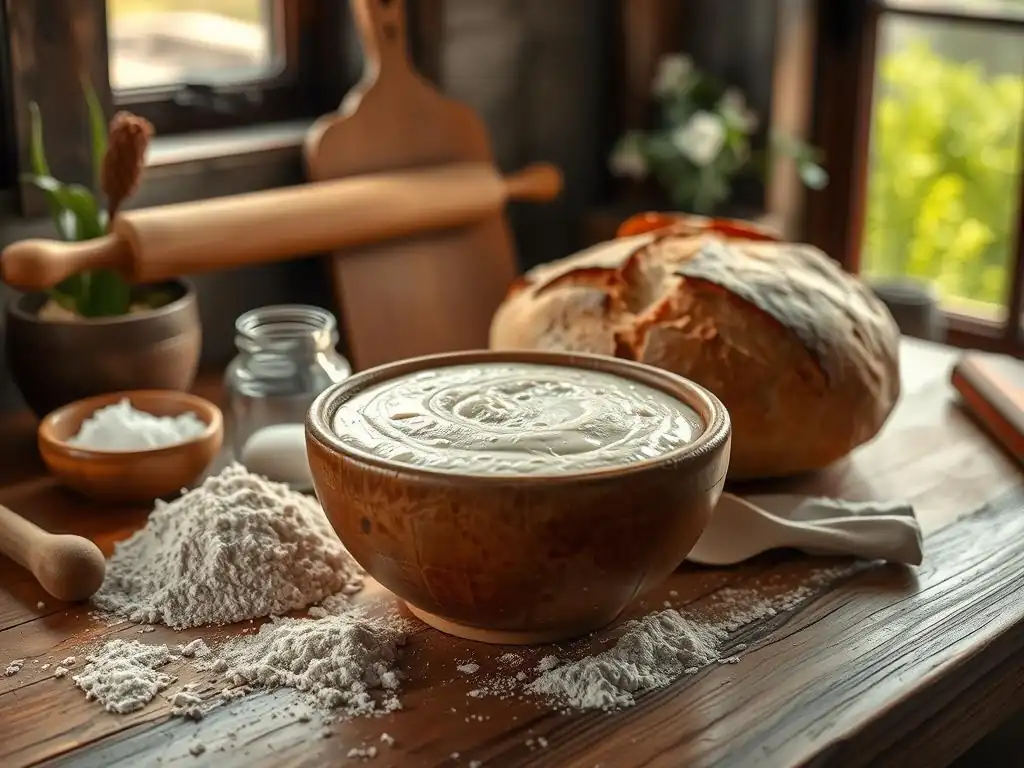
Welcome to BakeWithEase, your ultimate destination for mastering the delightful art of baking! Whether you’re just starting your culinary journey or looking to elevate your skills, we provide simple recipes, techniques, and tips tailored for bakers of all levels. Today, we invite you to dive into our featured article on the easy sourdough bread recipe—a staple that promises amazing results with minimal fuss.
Get ready to explore the world of pastries, breads, cakes, and cookies, and discover how easy it can be to create mouthwatering baked goods right from your kitchen. Join us as we unlock the secrets of baking success!
- Quick Bread Basics: Simple Ingredients, Amazing Results | BakeWithEase.com
- Understanding Quick Breads: Your Gateway to Easy Baking
- Essential Ingredients for Baking Delicious Quick Bread
- Mastering the Mixing Method: The Key to Perfect Quick Bread
- Quick Bread Recipes for Beginners: Simple and Delicious
- Troubleshooting Common Quick Bread Baking Problems
- Storing and Serving Your Homemade Quick Bread
- Elevating Your Quick Bread Baking
- Conclusion: Enjoy the Simplicity of Quick Bread Baking
- Frequently Asked Questions
- Final Reflection: The Unexpected Joy of Simple Sourdough
- Unlock Your Inner Baker: Master Quick Breads Today!
Quick Bread Basics: Simple Ingredients, Amazing Results | BakeWithEase.com
Understanding Quick Breads: Your Gateway to Easy Baking
Quick breads are a fantastic entry point into the world of baking. They live up to their name, offering delicious results without the time commitment often associated with yeast-leavened goods. If you've ever felt intimidated by the proofing times and kneading required for something like an easy sourdough bread recipe, quick breads are your new best friend. They rely on chemical leaveners, making the process fast, simple, and incredibly rewarding for beginners. Think moist muffins, tender scones, and flavorful loaf cakes – all ready in under an hour, sometimes even quicker!
Unlike traditional bread making, which can take several hours or even days from start to finish, quick breads can often be mixed and baked within a single hour. This speed comes from using ingredients like baking powder and baking soda instead of yeast. These leaveners create carbon dioxide gas rapidly when combined with liquid and heat, causing the batter or dough to rise quickly. This makes quick breads perfect for a last-minute treat or when you're short on time but craving something homemade. They are a testament to how simple ingredients can yield amazing results with the right techniques.
What Makes a Quick Bread "Quick"? The Science Behind Speed
The "quick" in quick bread refers to the leavening process. Instead of relying on yeast, which produces carbon dioxide through fermentation over time, quick breads use chemical leavening agents that react much faster. The primary culprits are baking powder and baking soda. Baking soda (sodium bicarbonate) requires an acidic ingredient (like buttermilk, yogurt, or brown sugar) to produce carbon dioxide when moistened. Baking powder, on the other hand, is typically double-acting, containing both an acid and a base. It produces carbon dioxide when moistened and again when heated in the oven.
This rapid gas production allows quick breads to bypass the lengthy proofing stages necessary for yeast breads. For instance, a typical loaf of yeast bread might require 1-2 hours for the first rise, followed by shaping and another 30-60 minutes for a second rise. In contrast, a quick bread batter is usually mixed until just combined and then immediately transferred to the baking pan and into a preheated oven. The leaveners get to work instantly upon mixing and heating, providing the necessary lift within minutes of hitting the heat, resulting in a speedy bake from start to finish.
Quick Bread vs. Yeast Bread: Key Differences for Beginner Bakers
The fundamental difference lies in the leavening agent and the resulting process. Yeast breads, like a classic loaf or an easy sourdough bread recipe, use live yeast organisms that consume sugars and produce carbon dioxide and alcohol. This fermentation process builds flavor over time and requires significant kneading to develop gluten structure, which gives yeast bread its characteristic chewy texture and airy crumb. The process is slower, requires patience for rising, and the dough is typically elastic and smooth after kneading.
Quick breads, conversely, use chemical leaveners (baking powder, baking soda). They require minimal mixing – often just enough to combine wet and dry ingredients – because overmixing can develop too much gluten, leading to a tough texture. The batter or dough is usually thicker than cake batter but less elastic than yeast dough. The texture of quick breads is generally more tender, cake-like, or crumbly compared to the chewy nature of yeast breads. This makes them much more forgiving for beginners who might struggle with kneading techniques or understanding proofing times.
Essential Ingredients for Baking Delicious Quick Bread
Flour Power: Choosing the Right Flour for Quick Breads
Flour is the structural backbone of any baked good, and for most quick breads, all-purpose flour is the go-to choice. All-purpose flour typically has a moderate protein content, usually ranging from 10% to 12%. This provides enough structure to hold the quick bread together without creating excessive gluten development, which can make the bread tough. Using standard all-purpose flour ensures a tender crumb, which is highly desirable in quick breads like muffins, scones, and loaf cakes.
While you could experiment with other flours, they often require recipe adjustments. For example, bread flour has a higher protein content (around 12-14%) and is designed for strong gluten development needed in yeast breads; using it in quick bread can lead to a tougher result unless liquid ratios are adjusted. Cake flour, with its lower protein (around 8-10%), can produce a very tender, almost crumbly texture, sometimes too delicate for a sturdy loaf. For consistent, reliable results in your quick bread adventures, sticking to standard all-purpose flour is the simplest and most effective approach for beginners.
Leavening Agents: Baking Powder vs. Baking Soda in Quick Bread
These are the stars of the show in quick bread, providing the lift. Baking soda is a single chemical compound (sodium bicarbonate) that requires an acid to react and produce carbon dioxide. Recipes using baking soda alone will always include an acidic ingredient like buttermilk, yogurt, sour cream, molasses, brown sugar, honey, or citrus juice. The reaction happens as soon as the soda contacts the acid and liquid, so quick action is needed after mixing. About 1/4 teaspoon of baking soda is typically enough to leaven one cup of flour when sufficient acid is present.
Baking powder is more complex, containing an acid, a base, and a starch filler. Most baking powders sold today are double-acting. This means they produce gas in two stages: first when mixed with liquid at room temperature, and again when heated in the oven. This double action provides a more sustained lift, making it more forgiving if your batter sits for a few minutes before baking.
Recipes relying solely on baking powder don't necessarily need an additional acidic ingredient. A common ratio is about 1 to 1.5 teaspoons of double-acting baking powder per cup of flour. Many quick bread recipes use a combination of both baking soda and baking powder to achieve optimal lift and control browning and flavor.
Sweeteners and Fats: Adding Flavor and Texture to Your Quick Breads
Sweeteners, like granulated sugar, brown sugar, honey, or maple syrup, do more than just add sweetness. They contribute to the tenderness and moistness of the quick bread by interfering with gluten development and attracting moisture. Sugar also plays a crucial role in browning the crust through the Maillard reaction and caramelization during baking, giving your quick bread that appealing golden-brown finish. Different sugars impart different flavors; brown sugar, for example, adds a slight molasses note and extra moisture.
Fats, such as melted butter, vegetable oil, or softened butter, are essential for creating a rich flavor and a tender, moist crumb. Fats coat the flour particles, preventing excessive gluten formation and resulting in a softer texture. Liquid fats like oil tend to produce a consistently moist crumb, while solid fats like butter can contribute to flakiness (especially in recipes like scones or biscuits where cold butter is cut in) and a richer flavor. The type and amount of fat significantly impact the final texture and richness of your quick bread.
Flavor Enhancers: Nuts, Fruits, and Spices for Quick Breads
This is where you can really personalize your quick breads! Common additions include chopped nuts like walnuts or pecans, fresh or dried fruits such as blueberries, cranberries, bananas, or apples, and warming spices like cinnamon, nutmeg, cloves, or ginger. Chocolate chips, cocoa powder, citrus zest, or even vegetables like zucchini or carrots are also popular. These additions not only provide bursts of flavor and texture but can also add moisture.
When adding fruits, especially fresh or frozen berries, you might need to toss them with a tablespoon or two of flour before folding them into the batter. This helps prevent them from sinking to the bottom during baking. For ingredients like mashed banana or shredded zucchini, they contribute significant moisture, which can affect the overall liquid balance of the recipe. Starting with a well-tested base recipe and then making small, measured additions is a great way to experiment successfully.
Mastering the Mixing Method: The Key to Perfect Quick Bread
The Muffin Method: Simple Steps for Quick Bread Success
The muffin method is the most common technique for mixing quick bread batters and is incredibly simple, making it ideal for beginners. It involves two main steps: combining all the dry ingredients in one bowl and all the wet ingredients (including melted fat) in another, and then quickly combining the two mixtures. The key is to mix just until the dry ingredients are moistened. Lumps are okay and even expected; overmixing is the enemy of tender quick bread.
Here's a typical outline using the muffin method:
- Preheat your oven and prepare your baking pan (greasing, flouring, or lining).
- In a large bowl, whisk together the dry ingredients: flour, sugar, leavening agents (baking powder/soda), salt, and any dry spices.
- In a separate medium bowl or large measuring cup, whisk together the wet ingredients: eggs, milk or buttermilk, melted butter or oil, and any liquid flavorings (vanilla extract, etc. ).
- Pour the wet ingredients into the bowl with the dry ingredients.
- Using a spatula or wooden spoon, gently fold the ingredients together just until no dry streaks of flour remain. Do not beat or mix vigorously.
- Fold in any solid additions like fruits or nuts.
- Immediately transfer the batter to the prepared pan and bake according to the recipe instructions.
Avoiding Overmixing: Tips for a Tender Crumb
Overmixing is the most common mistake when making quick breads and results in a tough, dense texture instead of a light, tender crumb. When you mix flour with liquid, gluten begins to develop. While gluten is essential for the structure of yeast breads, too much gluten development in quick breads makes them chewy and less desirable. The goal with quick breads is minimal gluten development.
To avoid overmixing, follow these guidelines:
- Use the muffin method: Keep wet and dry ingredients separate until the very last step.
- Mix by hand: A spoon or spatula gives you more control than an electric mixer, making it easier to stop mixing at the right point.
- Mix just until combined: Stop stirring as soon as you no longer see dry flour streaks. Lumps are perfectly fine; don't try to mix them out.
- Fold in additions gently: Add fruits, nuts, or chocolate chips at the very end and fold them in with minimal strokes.
- Don't be tempted to "smooth out" the batter: An uneven, slightly lumpy batter is often a sign you've done it correctly.
Quick Bread Recipes for Beginners: Simple and Delicious
Classic Banana Bread: A Beginner-Friendly Recipe
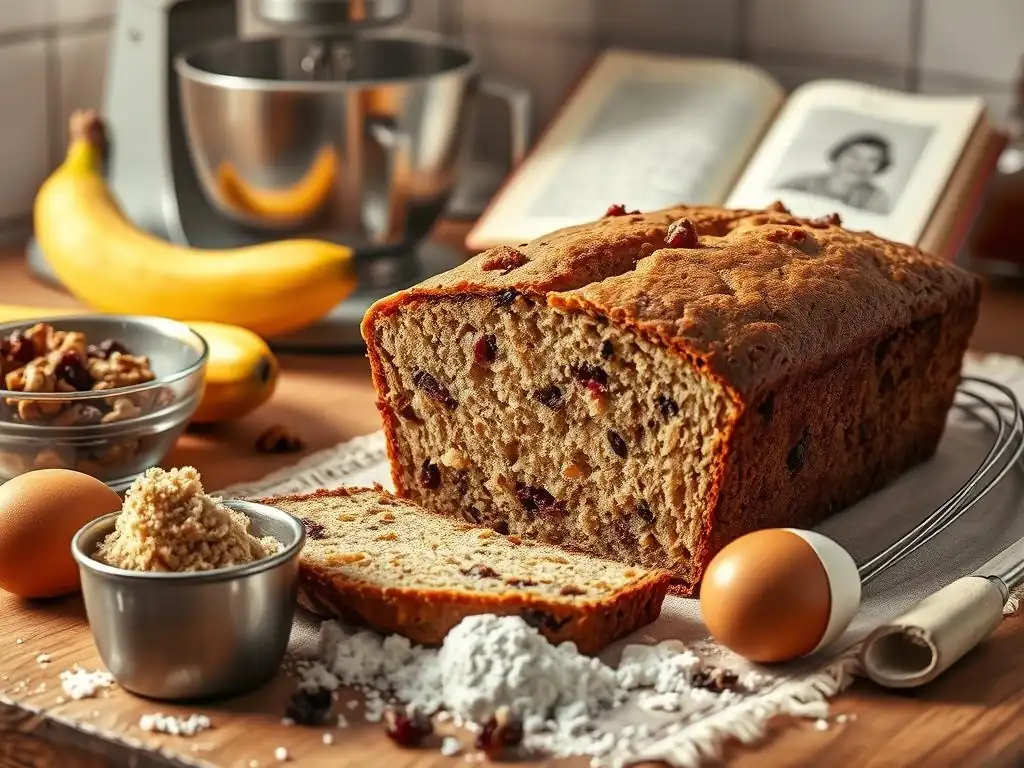
Classic banana bread is perhaps the quintessential quick bread for beginners, and for good reason! It's incredibly forgiving, especially when using overripe bananas, which provide natural sweetness and moisture. A typical recipe calls for about 2-3 very ripe bananas (skins should be spotted or almost black), which are mashed and combined with eggs, melted butter or oil, sugar, and vanilla. The dry ingredients usually include all-purpose flour, baking soda (which reacts with the slightly acidic bananas and often buttermilk or yogurt), salt, and sometimes baking powder.
The process follows the muffin method: whisk dry ingredients, whisk wet ingredients, combine wet and dry until just mixed, then bake. A standard loaf pan (like a 9x5 inch or 23x13 cm pan) works best, typically baked at around 350°F (175°C) for 50-70 minutes. The high moisture from the bananas helps keep it tender, and it's a great way to use up fruit that's past its prime for eating fresh. It's far less complex than starting an easy sourdough bread recipe from scratch!
Easy Blueberry Muffins: A Quick and Tasty Treat
Blueberry muffins are another quick bread favorite that's perfect for novice bakers. They are individual portions, which often bake faster than a loaf, offering quicker gratification. A basic recipe involves combining flour, sugar, baking powder, and salt in one bowl, and whisking together milk, egg, melted butter or oil, and vanilla extract in another. Fresh or frozen blueberries (about 1 to 1.5 cups for a standard batch of 12 muffins) are gently folded in at the very end.
Using the muffin method ensures a tender crumb. The batter is scooped into a greased or lined muffin tin, typically filled about two-thirds full. Baking is usually done at a slightly higher temperature, like 400°F (200°C), for a shorter time, around 18-25 minutes, until a toothpick inserted into the center comes out clean. The higher initial temperature helps the muffins rise quickly and form a nice dome.
Simple Irish Soda Bread: A No-Yeast Bread Recipe
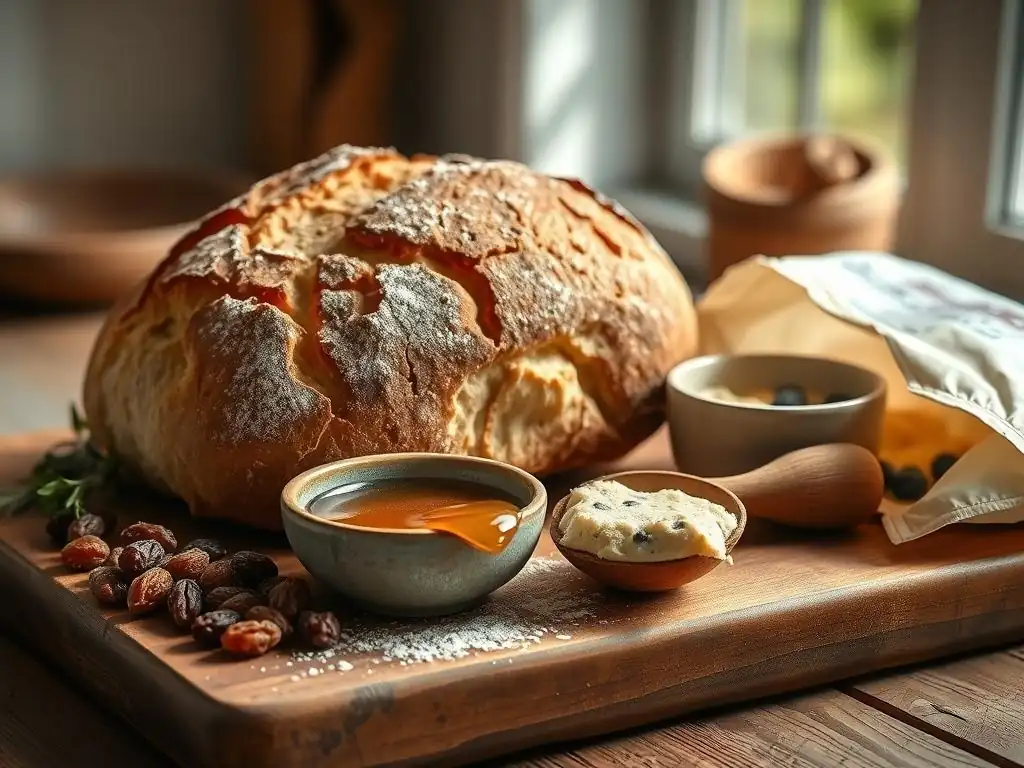
Irish Soda Bread is a unique quick bread that traditionally uses just four ingredients: flour, buttermilk, baking soda, and salt. The acidity of the buttermilk reacts with the baking soda to provide the leavening. Some modern versions might add a pinch of baking powder or a little sugar or butter, but the core principle remains simple. It's a prime example of a delicious bread that requires absolutely no yeast or kneading, unlike an easy sourdough bread recipe.
The dough is mixed until just combined, often forming a shaggy mass. It's then lightly kneaded just enough to bring it together into a round loaf, scored with a cross on top (traditionally to let the fairies out or to make it easier to divide), and baked. Baking is typically at 375-400°F (190-200°C) for 30-45 minutes, depending on the size. The texture is denser and more crumbly than yeast bread, with a characteristic tang from the buttermilk. It's incredibly simple and satisfying.
Troubleshooting Common Quick Bread Baking Problems
Why is my quick bread dry?
Dry quick bread is often a result of too much flour, too little liquid or fat, or overbaking. Flour measurements can be tricky; scooping flour directly from the bag with your measuring cup can pack it down, resulting in significantly more flour than intended (sometimes 20-30% more!). Always spoon flour into your measuring cup and level it off with a straight edge for accuracy. Using enough fat (like oil or melted butter) is also crucial for moisture.
Overbaking is another major culprit. Baking quick bread for too long, even by just 5-10 minutes past the point of doneness, can evaporate essential moisture. Start checking for doneness at the minimum time specified in the recipe. Use a toothpick or cake tester; it should come out clean or with just a few moist crumbs attached. If it comes out with wet batter, it needs more time. If it comes out completely clean and dry, it might already be slightly overbaked.
Why is my quick bread dense?
A dense quick bread is most commonly caused by overmixing the batter. As discussed earlier, overmixing develops gluten, which leads to a tough, heavy texture rather than a light, tender one. Ensure you are mixing wet and dry ingredients only until the flour streaks disappear – lumps are fine! Don't be tempted to keep stirring to get a smooth batter.
Other factors contributing to density can include using expired or ineffective leavening agents (baking powder/soda), which means the bread doesn't rise properly. Check the expiry dates on your leaveners. Also, using ingredients that are too cold can sometimes inhibit the reaction of leaveners, although this is less common than overmixing or old leaveners. Using too much flour or not enough liquid can also result in a heavy, dense crumb.
Why is my quick bread not rising?
If your quick bread didn't rise properly, the primary suspects are typically inactive or insufficient leavening agents. Baking powder and baking soda lose their potency over time, especially if exposed to moisture. Baking powder generally lasts about 6-12 months once opened, while baking soda can last longer but still benefits from being relatively fresh. To test baking powder, put a teaspoon in hot water; it should fizz vigorously. To test baking soda, put a teaspoon in a little vinegar or lemon juice; it should fizz immediately.
Other reasons for poor rise include forgetting to add the leavener altogether (it happens! ), using too much flour (which weighs down the batter), or the oven not being properly preheated or reaching the correct temperature. Make sure your oven is fully preheated before putting the quick bread in, as the initial burst of heat is important for the leaveners to work effectively.
Storing and Serving Your Homemade Quick Bread
Keeping Your Quick Bread Fresh: Storage Tips
Proper storage is key to enjoying your quick bread for more than a day. Once baked and completely cooled on a wire rack (cooling thoroughly prevents condensation which can make it soggy), wrap the quick bread tightly. For loaf cakes or muffins, plastic wrap or aluminum foil works well. An airtight container is also a great option, especially for muffins or smaller items. Stored this way at room temperature, most quick breads will stay moist and delicious for 2-4 days.
If you won't eat it within a few days, quick bread freezes exceptionally well. Wrap individual slices or whole loaves tightly in plastic wrap, then place them in a freezer bag or wrap again in foil to prevent freezer burn. Frozen quick bread can last for 2-3 months. Thaw wrapped at room temperature or gently warm slices in a toaster or oven. Freezing is a great way to preserve your delicious quick bread bounty!
Serving Suggestions: Pairing Your Quick Bread
Quick breads are incredibly versatile and can be enjoyed in many ways! A slice of warm banana bread is perfect on its own or simply spread with butter. Muffins are ideal for breakfast on the go or a snack. Irish soda bread is traditionally served with butter, often alongside soup or stew.
Consider these pairings:
- Loaf cakes (Banana, Zucchini, Pumpkin): Serve sliced with butter, cream cheese, a dollop of yogurt, or even toasted. They pair wonderfully with coffee or tea.
- Muffins: Enjoy plain, split and buttered, or alongside fruit and yogurt for breakfast.
- Scones (often considered a type of quick bread): Best served warm with clotted cream, jam, and butter – a classic treat!
- Savory Quick Breads (like cheese or herb): Excellent served with meals, alongside salads, or as a base for sandwiches.
Elevating Your Quick Bread Baking
Experimenting with Flavors: Variations on Basic Recipes
Once you've mastered the basics, don't hesitate to get creative! Most quick bread recipes are incredibly adaptable. Start with a reliable base recipe, like a plain muffin or loaf batter, and introduce new flavors. For a basic muffin recipe, you could swap blueberries for chocolate chips and a teaspoon of instant coffee granules for mocha muffins.
Consider these simple variations:
- Citrus Loaf: Add zest from one orange or lemon and replace some of the liquid with juice.
- Spice Bread: Add 1-2 teaspoons of cinnamon, nutmeg, cloves, and ginger to a basic batter. Include chopped apples or pears.
- Nutty Bread: Fold in toasted chopped nuts like pecans, walnuts, or almonds.
- Savory Swaps: Reduce sugar significantly, omit sweet flavorings, and add cheese, herbs (rosemary, thyme, chives), sun-dried tomatoes, or cooked crumbled bacon. Use buttermilk or yogurt for liquid.
Adding Glazes and Toppings: Enhancing Your Quick Bread
A simple glaze or topping can transform a plain quick bread into something special. A basic glaze is easily made by whisking powdered sugar with a small amount of liquid like milk, lemon juice, or a liqueur until it reaches a pourable consistency. Drizzle this over cooled quick bread. For extra flavor, steep tea or coffee in the liquid before mixing with the sugar.
Other popular toppings include:
- Streusel Topping: A crumbly mixture of flour, sugar, butter, and sometimes oats or nuts, sprinkled over the batter before baking.
- Sugar Crust: Sprinkle coarse sugar (like turbinado or sanding sugar) over the batter for a sweet, crunchy top.
- Simple Glaze: Powdered sugar mixed with milk, juice, or extract.
- Cream Cheese Frosting: A richer topping, perfect for carrot cake or zucchini bread.
Creating Unique Designs: Swirls and Layered Effects
For a visually appealing quick bread, try incorporating swirls or layers. A common technique is adding a ribbon of chocolate or cinnamon sugar. For a chocolate swirl, prepare a portion of the batter by mixing in cocoa powder and a little extra liquid if needed. Alternate dollops of plain and chocolate batter in the pan, then swirl gently with a knife or skewer.
For layered effects, you can divide the batter and mix different additions into each portion (e.g., one with blueberries, one with lemon zest). Spoon the different batters into the pan in alternating layers. Another method is to create a filling, like a cream cheese mixture or a nut filling, and spoon half the batter into the pan, top with the filling, and then add the remaining batter. This adds both visual interest and a burst of flavor in the center.
Conclusion: Enjoy the Simplicity of Quick Bread Baking
Quick breads truly are a beginner baker's dream. They offer the satisfaction of homemade baked goods with minimal fuss and time commitment. You don't need to worry about yeast activation, kneading techniques, or long proofing times – complexities you might encounter when tackling an easy sourdough bread recipe. With just a few simple ingredients and basic mixing techniques, you can whip up delicious muffins, loaves, or scones in under an hour.
Embrace the ease and versatility of quick breads. Experiment with flavors, add your favorite fruits and nuts, and enjoy the process. Whether it's a comforting slice of banana bread or a batch of fresh blueberry muffins, quick breads prove that baking delicious treats can be accessible, fast, and incredibly rewarding. So preheat your oven, gather your simple ingredients, and get ready to enjoy amazing results!
Frequently Asked Questions
What makes a sourdough bread recipe "easy"?
An "easy sourdough bread recipe" typically focuses on simplified steps, readily available ingredients, and a forgiving process suitable for novice bakers. This often involves a less active starter and a shorter fermentation time.
How does BakeWithEase help beginners with sourdough?
BakeWithEase provides step-by-step guides and easy-to-find ingredients lists for sourdough recipes. The site offers tips on managing a starter and troubleshooting common baking problems.
What if I don't have much experience baking bread?
BakeWithEase offers recipes for all skill levels, focusing on simple techniques and clear instructions. Even beginners can find success with our easy sourdough bread recipes.
Where can I find the ingredients for an easy sourdough recipe?
Most ingredients for our easy sourdough bread recipe are readily available at local grocery stores. We prioritize recipes with common ingredients for ease of access.
What kind of results can I expect from an easy sourdough recipe?
While perhaps not as complex as advanced recipes, an easy sourdough recipe can still yield a delicious and satisfying loaf. Expect a slightly tangy flavor and a pleasing crust.
Final Reflection: The Unexpected Joy of Simple Sourdough
The accessibility of sourdough baking, once considered a niche hobby, is exploding in popularity, and for good reason: it's surprisingly simple to achieve amazing results with minimal effort. This article has explored the fundamentals of quick sourdough bread, demonstrating that delicious, satisfying loaves are within reach even for complete beginners. Forget the complicated techniques and lengthy fermentation times often associated with sourdough; we've shown that a streamlined approach can yield truly exceptional bread.
The journey of learning to bake sourdough, for me, has been a testament to the power of patience and the unexpected rewards of embracing imperfection. It's a process that mirrors life itself – requiring attention to detail, but ultimately forgiving of minor missteps. The subtle tang, the satisfying chew, the warm aroma filling the kitchen… these are more than just sensory experiences; they're moments of connection to a tradition that spans centuries. Bread is the staff of life,
they say, and I've found that to be profoundly true, not just as sustenance, but as a source of immense satisfaction and creative expression.
Now, it's your turn. Don't be intimidated by the seemingly complex world of sourdough. Take the leap, gather your simple ingredients, and experience the joy of creating something beautiful and delicious with your own two hands. The satisfaction of slicing into a warm, crusty loaf you’ve baked yourself is an unparalleled reward. Embrace the process, learn from each bake, and discover the unexpected magic that awaits you in the world of quick sourdough bread.
Unlock Your Inner Baker: Master Quick Breads Today!
Thanks for taking the time to explore the wonderful world of quick breads! You've now got the knowledge to create amazing loaves with simple ingredients. Ready to put your newfound skills to the test?
- Bake your first masterpiece! Choose your favorite recipe from the article and get baking. Let the delicious aroma fill your kitchen!
- Share your baking journey! Snap a picture of your creation and post it on social media – tag us @BakeWithEase so we can see your success!
- Experiment with different flavors and additions. What unique twist will you add to your next loaf?
What unexpected ingredient will you try in your next quick bread adventure? Let us know in the comments below!