
Simple Vanilla Bean Cake Elevate Your Basics with Ease

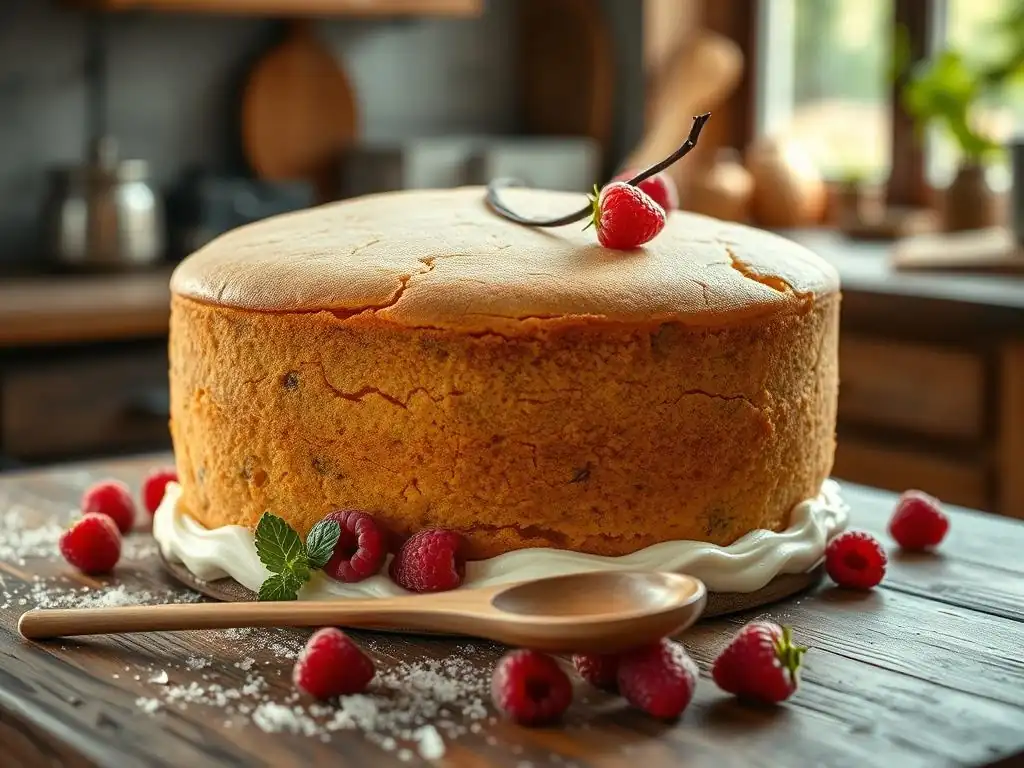
Welcome to BakeWithEase, where delicious baking becomes effortlessly achievable! Ever dreamt of creating a show-stopping dessert without the fuss? Then you're in the right place. This week, we're diving headfirst into a classic with a twist – our simple vanilla bean cake recipe. Get ready to discover how to elevate your baking basics and create a moist, flavorful masterpiece that's surprisingly easy to make. But that's just the beginning... what other baking secrets are waiting to be unlocked?
- Vanilla Bean Cake: A Classic Recipe
- Elevate Your Baking: Simple Vanilla Bean Cake
- Why This Recipe Works
- Ingredients
- Step-by-Step Guide
- Frosting Ideas
- Tips and Tricks
- Variations
- Further Exploration
-
Frequently Asked Questions
- How difficult is the Simple Vanilla Bean Cake recipe for a beginner baker?
- What are the key differences between this vanilla bean cake recipe and other vanilla cake recipes?
- Can I substitute vanilla extract for the vanilla bean in this recipe?
- What are some common mistakes to avoid when baking the Simple Vanilla Bean Cake?
- How should I store the Simple Vanilla Bean Cake to keep it fresh?
- Final Reflection: Baking Beyond the Basic Vanilla Bean Cake
- Unlock Your Inner Baker: Elevate Everyday Baking!
Vanilla Bean Cake: A Classic Recipe
Elevate Your Baking: Simple Vanilla Bean Cake
Baking a cake from scratch can feel like a big step, but mastering a simple vanilla bean cake recipe is incredibly rewarding. It's a fundamental skill that unlocks a world of dessert possibilities. This classic cake offers a delicate, sophisticated flavor profile that elevates it beyond a basic vanilla cake, making it perfect for any occasion, from a casual afternoon tea to a celebratory centerpiece.
This guide will walk you through creating a moist, tender vanilla bean cake using straightforward techniques suitable for beginners. We'll explore the magic of using real vanilla bean, provide a clear, step-by-step simple vanilla bean cake recipe, and share tips to ensure your success. Get ready to impress yourself and your loved ones with this delightful bake!
Why This Recipe Works
The Essence of Vanilla Bean in Cake
Using real vanilla bean is a game-changer for a vanilla cake. Unlike vanilla extract, which is derived from soaking vanilla beans in alcohol and water, the bean itself contains thousands of flavor compounds beyond just vanillin. This complexity results in a deeper, more nuanced aroma and taste.
Visually, the tiny black specks from the scraped vanilla bean seeds are a hallmark of quality and artisanal care. While a single premium vanilla bean might cost around $8-$10 compared to a bottle of extract at $15-$20, the intense flavor contribution from just half or a whole bean in a cake recipe is significant and truly elevates the final product. It's an investment in flavor that transforms a simple vanilla cake into something truly special.
Straightforward Recipe
This particular simple vanilla bean cake recipe is designed with ease in mind, making it ideal for those new to baking from scratch. It follows the reliable creaming method, where softened butter and sugar are beaten together to create a light, airy base, incorporating air essential for the cake's rise and texture.
The steps are logical and easy to follow: creaming, adding wet ingredients, and then alternating dry and wet additions. There are no complex techniques or obscure ingredients required. The process typically takes about 20-25 minutes of active preparation time before the cake goes into the oven, making it a manageable project even for busy schedules.
From Simple to Special
What makes this simple vanilla bean cake recipe so versatile is its ability to be dressed up for any event. The delicate, pure vanilla flavor provides a perfect canvas for a variety of frostings and decorations. It's the ideal base for a classic vanilla buttercream, a tangy cream cheese frosting, or even just a dusting of powdered sugar.
Consider a birthday celebration: a simple vanilla bean cake frosted with vibrant colors and sprinkles becomes the star. For a more elegant affair, pair it with a raspberry compote and a light glaze. The foundational quality of this easy vanilla cake means you can adapt it endlessly, proving that 'simple' doesn't mean 'boring' – it means 'potential'.
Ingredients
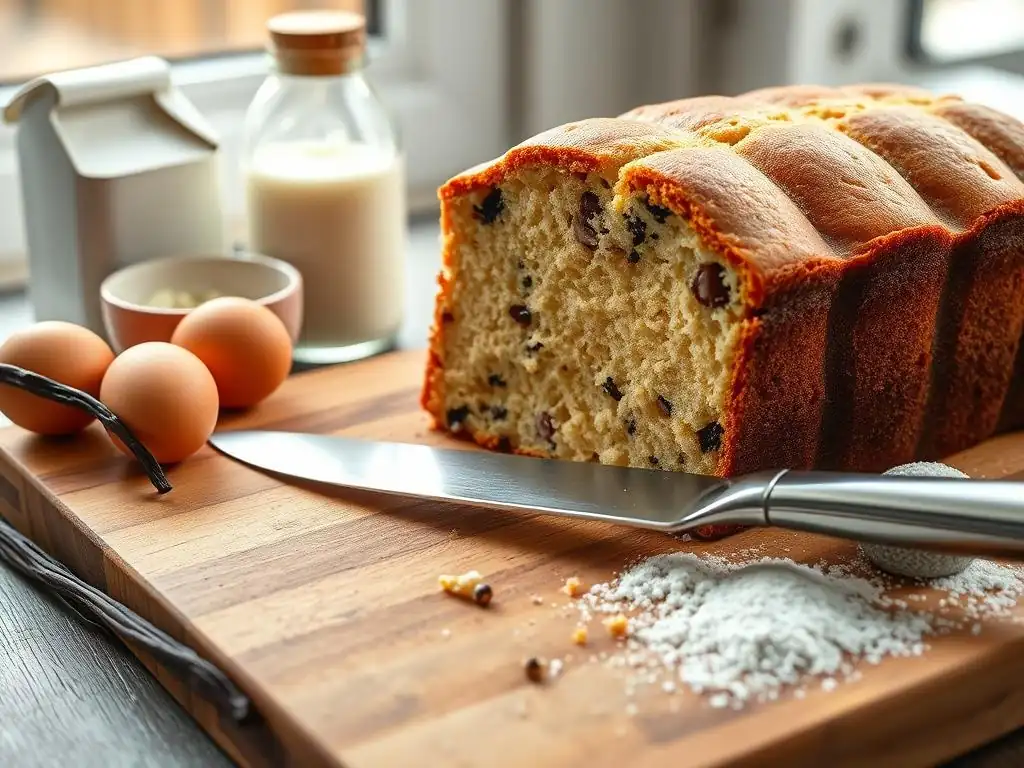
Vanilla Bean vs. Vanilla Extract
Choosing between vanilla bean and vanilla extract depends on the desired flavor intensity and visual appeal. Vanilla extract is convenient and provides a consistent vanilla flavor, primarily vanillin. It's made by macerating vanilla beans in alcohol, typically with a minimum of 35% alcohol content according to FDA standards.
Real vanilla bean, on the other hand, offers a more complex and potent flavor profile due to the presence of hundreds of volatile organic compounds. Scraping the seeds directly from the pod introduces these compounds, along with the visible black specks that indicate authentic vanilla. For this simple vanilla bean cake recipe, using the bean provides that unmistakable depth and visual cue of quality.
Essential Cake Ingredients
A moist and tender simple vanilla bean cake relies on a few key ingredients working together. All-purpose flour provides the structure, while granulated sugar contributes sweetness and tenderness. Unsalted butter is crucial for flavor and texture, and using it softened at room temperature is key for proper creaming.
Large eggs bind the ingredients and add richness. Milk, preferably whole milk, adds moisture and helps activate the leavening agent. Baking powder is the primary leavener, ensuring a light and airy crumb. A touch of salt balances the sweetness and enhances the overall flavor. Using ingredients at room temperature, especially butter, eggs, and milk, ensures they emulsify properly, leading to a smoother batter and a better cake texture.
Ingredient List
Here are the ingredients you'll need for this simple vanilla bean cake recipe:
- 2 ½ cups (315g) All-Purpose Flour
- 1 ½ teaspoons Baking Powder
- ½ teaspoon Salt
- 1 cup (227g) Unsalted Butter, softened
- 1 ¾ cups (350g) Granulated Sugar
- 3 large Eggs, room temperature
- 1 large Vanilla Bean
- 1 cup (240ml) Whole Milk, room temperature
- 1 teaspoon Vanilla Extract (optional, for extra boost)
Note: Using room temperature ingredients is vital for a smooth, well-emulsified batter.
Step-by-Step Guide
Preparing Your Baking Pans
Proper pan preparation prevents your simple vanilla bean cake from sticking and ensures easy removal. Start by greasing your cake pans thoroughly with butter or a non-stick baking spray. Make sure to get into all the corners and up the sides.
Next, line the bottom of each pan with parchment paper. You can trace the pan bottom onto parchment and cut it out. Place the parchment circle in the greased pan. Finally, grease the parchment paper as well. For two 8-inch round pans, this process takes just a few minutes but saves a lot of frustration later. Preheat your oven to 350°F (175°C) while you prepare the batter.
Creaming Butter and Sugar
This is a critical step in achieving a light crumb for your simple vanilla bean cake. In a large bowl, using an electric mixer (stand mixer or hand mixer), beat the softened unsalted butter on medium speed until creamy, about 1-2 minutes.
Gradually add the granulated sugar to the butter while continuing to beat. Increase the speed to medium-high and cream the mixture for 5-7 minutes. The mixture should become pale yellow, light, and fluffy. This process incorporates air bubbles into the fat, which expand during baking and help the cake rise. Scrape down the sides and bottom of the bowl occasionally to ensure even mixing.
Incorporating Eggs and Vanilla Bean
Add the eggs one at a time to the creamed butter and sugar mixture, beating well after each addition until fully incorporated. This step should take about 30 seconds per egg. Make sure each egg is completely mixed in before adding the next.
To add the vanilla bean, slice the bean lengthwise with a sharp knife. Use the back of the knife to scrape out the tiny black seeds. Add these seeds directly to the batter with the last egg. If you are also using vanilla extract, add it now. Beat for another minute until everything is well combined and the mixture is smooth and glossy.
Combining Dry and Wet Ingredients
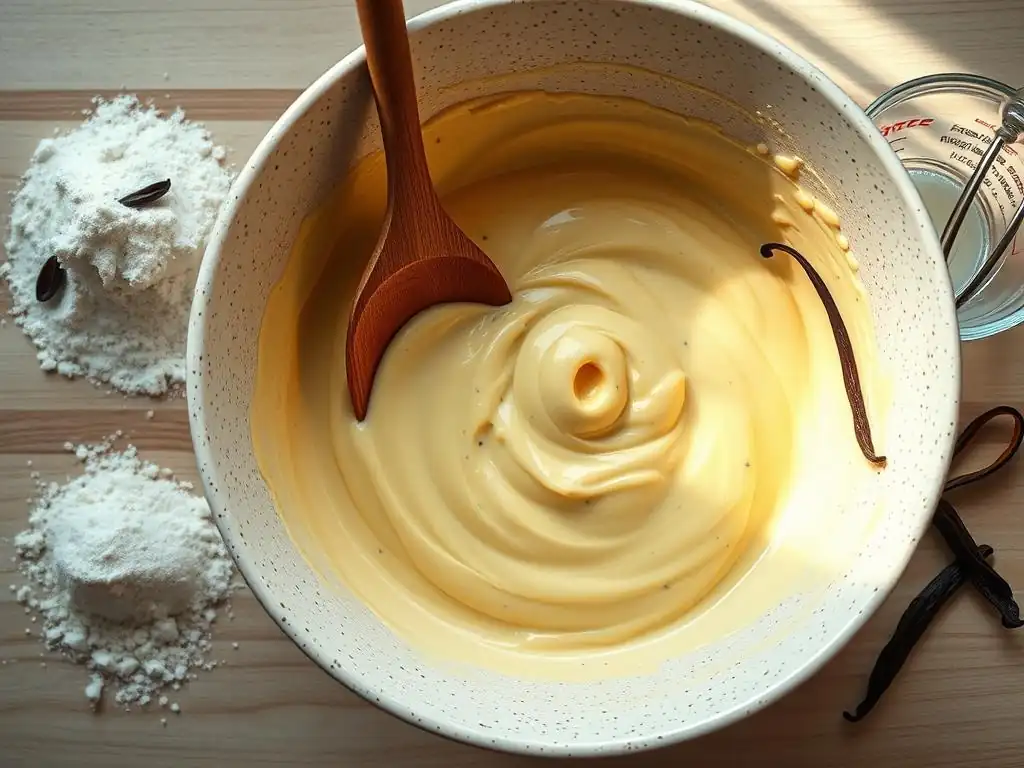
In a separate medium bowl, whisk together the dry ingredients: the all-purpose flour, baking powder, and salt. This distributes the leavening agent and salt evenly throughout the flour.
Now, you will add the dry ingredients and the milk to the wet ingredients alternately, beginning and ending with the dry ingredients. Add about one-third of the dry ingredients to the batter and mix on low speed until just combined. Next, add half of the milk and mix until just incorporated. Repeat with another third of the dry ingredients, the remaining milk, and finally the remaining dry ingredients. Mix on low speed only until the last streaks of flour disappear. Do not overmix, as this can develop gluten and result in a tough cake.
Baking Time and Temperature
Divide the batter evenly between your two prepared 8-inch round cake pans. Smooth the tops with a spatula. Place the pans in the preheated oven at 350°F (175°C).
Bake for 30-35 minutes, or until a wooden skewer or toothpick inserted into the center of the cakes comes out clean. You might notice the edges pulling slightly away from the sides of the pan. Baking times can vary slightly depending on your oven, so start checking around the 30-minute mark. For instance, in a convection oven, the time might be closer to 28-32 minutes.
Cooling and Preparing for Frosting
Once the simple vanilla bean cakes are baked, remove them from the oven and let them cool in their pans on a wire rack for about 10-15 minutes. This allows the cakes to set slightly and prevents them from breaking when you remove them.
After the initial cooling period, invert the cakes onto the wire rack and gently lift off the pans. Carefully peel off the parchment paper from the bottoms. Let the cakes cool completely on the wire rack before attempting to frost them. Frosting a warm cake will cause the frosting to melt. Ensure the cakes are at room temperature, which might take another 1-2 hours.
Frosting Ideas
Vanilla Buttercream Frosting
Classic vanilla buttercream is a perfect pairing for a simple vanilla bean cake recipe. It's rich, creamy, and complements the cake's flavor without overpowering it. A standard recipe involves beating softened butter until fluffy, then gradually adding powdered sugar, a splash of milk or cream, vanilla extract (or even more vanilla bean seeds! ), and a pinch of salt.
For approximately 2 cups of frosting, you'd typically use 1 cup (227g) of unsalted butter and 3-4 cups (360-480g) of powdered sugar. Beat the butter for 3-5 minutes first to make it light and airy before adding the sugar. This frosting pipes beautifully and provides a smooth finish.
Cream Cheese Frosting
For a tangy contrast to the sweet, simple vanilla bean cake, cream cheese frosting is an excellent choice. Its slight acidity cuts through the richness of the cake and provides a wonderfully moist texture. This frosting is generally less sweet than traditional buttercream.
A common ratio for cream cheese frosting is equal parts softened cream cheese and softened butter (by weight), say 8 ounces (227g) of each, mixed with about 3-4 cups (360-480g) of powdered sugar, vanilla extract, and a pinch of salt. Ensure your cream cheese and butter are very soft for a smooth, lump-free frosting. This frosting is particularly good with simple vanilla bean cake from scratch.
Frosting Options
Beyond the classics, the simple vanilla bean cake recipe serves as a base for many frosting variations. Consider a light and airy whipped cream frosting, perhaps stabilized with a little gelatin for structure. A chocolate ganache, either dark or white, would provide a rich contrast.
For a fruitier touch, a lemon glaze or a berry-flavored buttercream could be delightful. The beauty of a simple vanilla cake is its versatility; you can match the frosting to the occasion or your personal preference. Don't be afraid to experiment!
Tips and Tricks
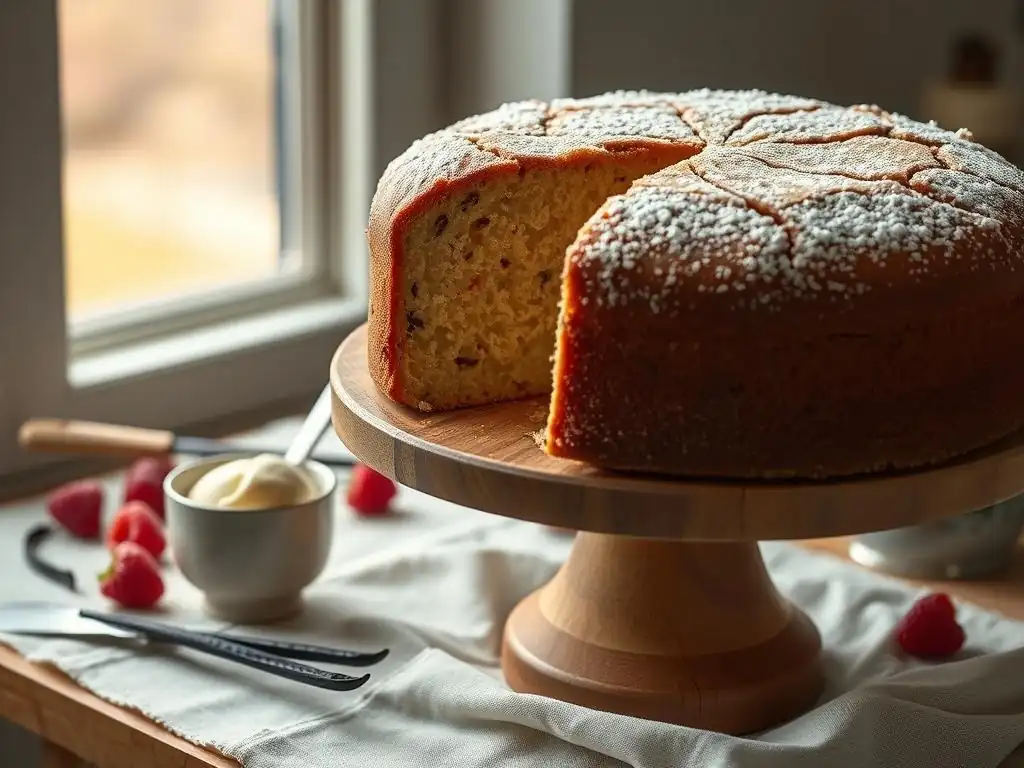
Achieving a Moist Crumb
Several factors contribute to a moist simple vanilla bean cake. Firstly, using room temperature ingredients ensures proper emulsification of fats and liquids, leading to a smoother batter and better moisture distribution. Secondly, accurately measuring your flour, preferably by weight (315g), prevents adding too much, which can result in a dry cake. If measuring by volume, spoon the flour into the measuring cup and level it off without packing.
Thirdly, do not overmix the batter after adding the dry ingredients. Mixing develops gluten, and too much gluten makes cakes tough and dry. Mix only until the flour streaks disappear. Finally, avoid overbaking. Use the toothpick test and remove the cake promptly when it's done.
Preventing a Dry Cake
To specifically combat dryness in your simple vanilla bean cake, focus on these points: Use a recipe that includes a good amount of fat (butter) and moisture (milk, eggs). This recipe does. Ensure your leavening (baking powder) is fresh; expired leaveners can cause cakes to sink or become dense and dry.
Consider adding a touch of sour cream or yogurt (about 1/4 cup) to the wet ingredients for extra moisture and tenderness, though this recipe works well without it if followed correctly. Lastly, proper storage is key. Once cooled, wrap the cake tightly in plastic wrap or store it in an airtight container to prevent it from drying out.
Troubleshooting Baking Issues
Encountering issues is part of the baking journey, even with a simple vanilla bean cake recipe.
- Cake sinking in the middle: Could be due to oven door opening too early, overmixing, expired leavening, or incorrect oven temperature. Ensure your oven thermostat is accurate.
- Dry or crumbly cake: Likely caused by overmeasuring flour, overmixing, or overbaking.
- Uneven rise: Pans too close together in the oven, uneven oven temperature, or improper batter distribution.
Keep notes on your baking process – oven temperature used, exact timing, appearance of the batter – to help diagnose issues for next time. Baking is a science, and small adjustments can make a big difference.
Storing Your Cake
Proper storage keeps your simple vanilla bean cake fresh and moist. If unfrosted, wrap cooled cake layers tightly in plastic wrap and store at room temperature for up to 2-3 days, or in the refrigerator for up to a week. For longer storage, wrap tightly in plastic wrap, then in foil, and freeze for up to 2-3 months. Thaw overnight in the refrigerator.
Once frosted, the cake should be stored in an airtight cake carrier or container. Cakes with buttercream or glaze can typically be stored at room temperature for 2-3 days. Cakes with cream cheese frosting or fresh fruit fillings should be refrigerated and are best consumed within 3-4 days. Always let refrigerated cake sit at room temperature for 30-60 minutes before serving for the best texture.
Variations
Adding Citrus Zest
Adding citrus zest is a simple way to brighten the flavor profile of your simple vanilla bean cake. The oils in citrus zest – lemon, orange, or lime – pair beautifully with vanilla.
Simply add 1-2 tablespoons of finely grated zest to the wet ingredients along with the eggs and vanilla bean. The zest will infuse the batter with a delicate, fragrant aroma and a subtle tangy note that complements the sweet vanilla. This variation works perfectly with a lemon glaze or a cream cheese frosting.
Incorporating Add-Ins
Once you've mastered the basic simple vanilla bean cake recipe, you can experiment with add-ins. Ensure any add-ins are not too heavy or wet, which could cause them to sink.
Fold in about ½ cup of mini chocolate chips, fresh berries (tossed lightly in flour to prevent sinking), or chopped nuts into the batter just before dividing it into pans. For instance, folding in blueberries creates a delicious vanilla-blueberry cake. This transforms the easy vanilla cake into a new creation with minimal effort.
Vanilla Bean Cupcakes
This simple vanilla bean cake recipe can easily be adapted into cupcakes. The batter amount should yield approximately 12-18 standard-sized cupcakes, depending on how full you fill the liners (aim for about two-thirds full).
Bake the cupcakes at the same oven temperature, 350°F (175°C), but for a shorter duration, typically 18-22 minutes. Check for doneness using the toothpick test. Let them cool in the muffin tin for 5-10 minutes before transferring to a wire rack to cool completely. This is a fantastic way to make individual portions of your delicious vanilla bean cake from scratch.
Further Exploration
Exploring Other Cake Recipes
Mastering this simple vanilla bean cake recipe is just the beginning! Once you feel comfortable with the basic techniques, you can explore other foundational cake recipes. Consider trying a classic chocolate cake, a light and airy sponge cake, or a rich pound cake.
Each type of cake involves slightly different techniques (like the reverse creaming method or whisking eggs for volume), expanding your baking repertoire. Look for simple, well-explained recipes that build on the skills you've developed here.
Mastering Baking Techniques
Improving your baking skills goes beyond just following recipes; it involves understanding the 'why' behind the steps. Practice techniques like creaming butter and sugar until perfectly light and fluffy, learning how to fold ingredients gently to avoid deflating the batter, and accurately measuring ingredients.
Understanding the role of each ingredient – how flour provides structure, sugar tenderizes, and eggs bind and enrich – will make you a more intuitive baker. Continue practicing this simple vanilla bean cake recipe or move on to slightly more complex bakes, focusing on refining your technique with each attempt.
Frequently Asked Questions
How difficult is the Simple Vanilla Bean Cake recipe for a beginner baker?
The recipe is designed with beginners in mind! It focuses on simple steps and easy-to-find ingredients, making it a great starting point. You'll be baking like a pro in no time.
What are the key differences between this vanilla bean cake recipe and other vanilla cake recipes?
This recipe emphasizes using real vanilla bean for superior flavor. It also provides tips for achieving a moist and tender crumb, setting it apart from drier alternatives.
Can I substitute vanilla extract for the vanilla bean in this recipe?
While vanilla extract can be used, the flavor will be significantly less intense and complex. If substituting, use a high-quality pure vanilla extract.
What are some common mistakes to avoid when baking the Simple Vanilla Bean Cake?
Overmixing the batter can lead to a tough cake. Also, be sure to measure ingredients accurately for the best results and avoid over-baking.
How should I store the Simple Vanilla Bean Cake to keep it fresh?
Wrap the cake tightly in plastic wrap or store it in an airtight container at room temperature. It's best enjoyed within 3-4 days for optimal freshness and moisture.
Final Reflection: Baking Beyond the Basic Vanilla Bean Cake
The humble vanilla bean cake, a seemingly simple dessert, holds a power far beyond its delicate crumb. Its ease of preparation belies the profound comfort and joy it brings, a truth resonating deeply in our increasingly fast-paced world. The recipe shared here aims to unlock that potential, offering a pathway to deliciousness that's both accessible and rewarding.
The enduring appeal of the vanilla bean cake lies not just in its taste, but in its ability to evoke memories and create new ones. It's a blank canvas for personal expression, adaptable to individual preferences and celebratory occasions alike. From childhood birthdays to quiet moments of self-care, this simple cake transcends its ingredients, becoming a symbol of connection and comfort. The simplest things are often the most beautiful.
– This sentiment perfectly captures the essence of this classic dessert and its enduring power.
Now, I invite you to consider the possibilities. Don't just bake this cake; experience it. Notice the subtle nuances of the vanilla bean, the soft texture of the crumb, the way it brings people together. Let this recipe be a springboard for your own culinary adventures, a reminder that even the most basic ingredients can yield extraordinary results. Embrace the simplicity, savor the moment, and create your own delicious memories with a perfectly baked vanilla bean cake.
Unlock Your Inner Baker: Elevate Everyday Baking!
Thanks for joining us on this delicious journey into the world of simple vanilla bean cake! We hope you gained valuable tips and tricks to elevate your baking skills. Now it's time to put your newfound knowledge into practice.
- Bake the Perfect Cake: Use the recipe and techniques you just learned to create your own magnificent vanilla bean cake. Don't be afraid to experiment with different extracts or frostings!
- Share Your Creation: Post a picture of your masterpiece on social media using #BakeWithEase and tag us – we’d love to see your baking triumphs!
- Explore New Flavors: Browse our website for more simple yet elegant recipes to expand your baking repertoire. What other classic desserts will you master next?
Ready to transform your kitchen into a haven of delicious aromas? What's the first flavor variation you'll try in your next baking adventure?