
Specific Ingredients That Supercharge Your Maillard Reaction

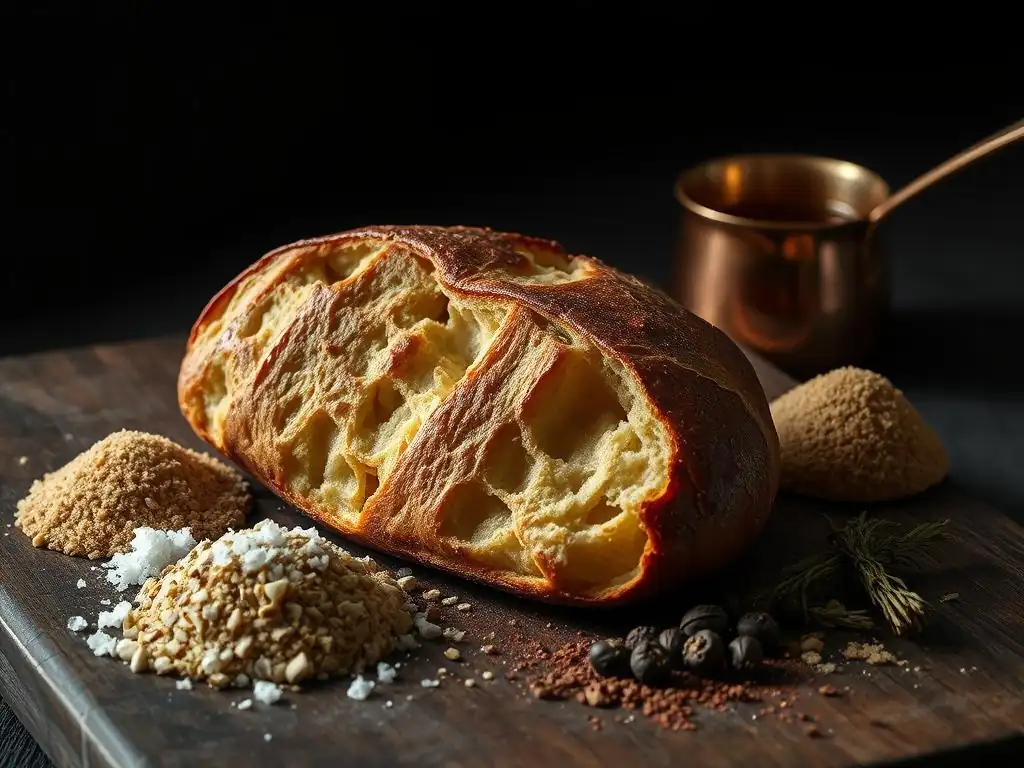
Welcome to BakeWithEase, where we unravel the science behind deliciousness! Ever wondered how to achieve that perfect golden-brown crust and irresistible flavor in your baked goods? We're diving deep into the fascinating world of the Maillard reaction, and today we're revealing the specific ingredients that supercharge your Maillard reaction in baking. Prepare to unlock a new level of baking brilliance – let's get started!
- Understanding the Maillard Reaction in Baking
- Key Maillard Reaction Baking Ingredients for Enhanced Flavor and Color
- Specific Ingredients That Amplify Maillard Browning
- Practical Applications: Using Specific Ingredients to Control Maillard Reaction
- Beyond the Basics: Advanced Maillard Reaction Techniques
- Troubleshooting Maillard Reaction Issues in Baking
- Conclusion: Mastering the Maillard Reaction with the Right Ingredients
-
Frequently Asked Questions
- What is the Maillard reaction and why is it important in baking?
- Which baking ingredients are particularly effective at promoting the Maillard reaction?
- How does the pH level of my dough or batter affect the Maillard reaction?
- Can I overdo the Maillard reaction, and if so, what are the consequences?
- Where can I find more information and detailed recipes that leverage the Maillard reaction effectively?
- Final Reflection: Unleashing the Magic of the Maillard Reaction in Your Baking
- Unlock the Secrets to Golden-Brown Perfection!
Understanding the Maillard Reaction in Baking
What is the Maillard Reaction and Why Does It Matter for Baking?
The Maillard reaction is a complex chemical process that occurs when amino acids and reducing sugars react under heat. It's not just one reaction, but a cascade of reactions that produce hundreds of different flavor compounds and contribute significantly to the color and aroma of baked goods. Think about the delicious smell of bread baking or the rich brown crust of a perfect cookie – that's the Maillard reaction at work! It's fundamental to developing depth of flavor and achieving that desirable golden-brown hue that signals deliciousness.
Understanding this reaction is key for any baker looking to elevate their craft. It's the reason why a piece of boiled chicken breast tastes different from a roasted one, or why a pale, underbaked cookie lacks the complex caramel and nutty notes of one baked to golden perfection. By learning which Maillard reaction baking ingredients play the biggest roles and how to control them, you gain precise control over the taste, texture, and appearance of everything you bake, moving beyond just following a recipe to truly mastering the process.
The Science Behind Browning: Amino Acids and Reducing Sugars
At its core, the Maillard reaction begins with the interaction between a reducing sugar and an amino acid (or protein, which is made of amino acids). Reducing sugars are sugars that have a free aldehyde or ketone group, such as glucose, fructose, and lactose. Sucrose (table sugar) is not a reducing sugar on its own, but it can break down into glucose and fructose under acidic conditions or high heat, allowing the reaction to proceed. The initial reaction between the sugar and amino acid forms unstable compounds that quickly rearrange and break down into a vast array of molecules.
These subsequent reactions lead to the formation of melanoidins, which are large, complex polymers responsible for the brown coloration seen in baked goods. Simultaneously, volatile aroma compounds are created, contributing to the characteristic smells associated with baking – everything from savory, meaty notes to sweet, caramel, and nutty aromas. The types of amino acids and reducing sugars present, along with factors like temperature, moisture, and pH, all influence the specific flavor and aroma compounds produced, making the choice of Maillard reaction baking ingredients incredibly important.
Key Maillard Reaction Baking Ingredients for Enhanced Flavor and Color
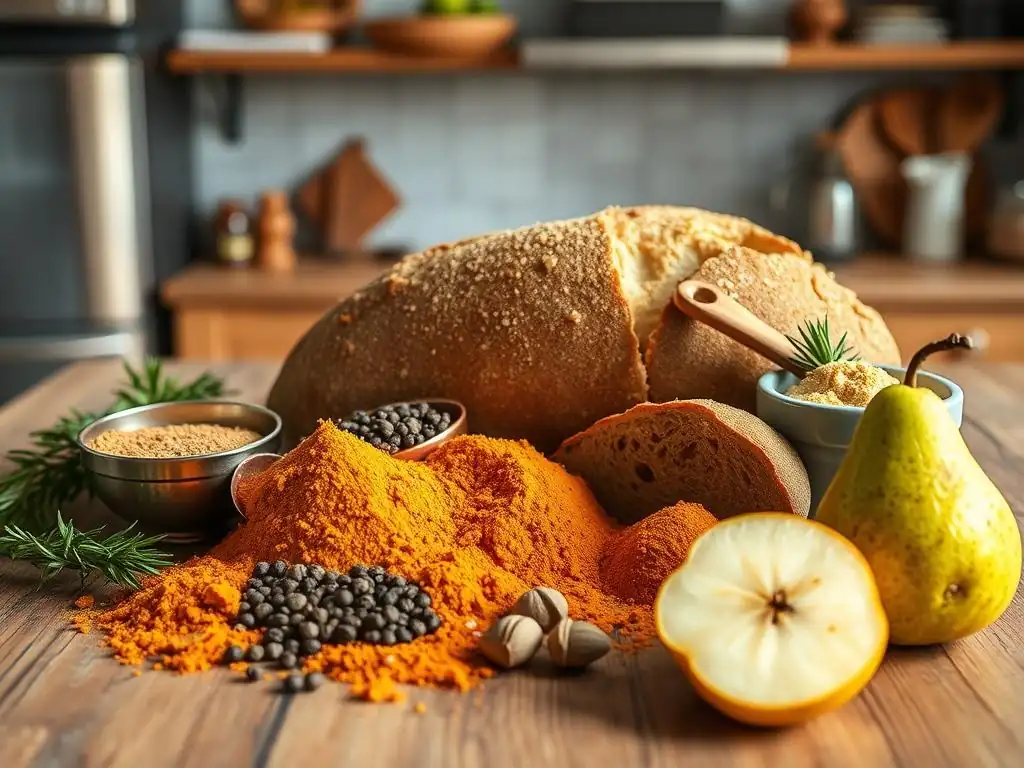
Sugars That Promote Maillard Reaction: A Baker's Guide
Sugars are one half of the dynamic duo required for the Maillard reaction. Not all sugars are created equal in their ability to participate, as the reaction specifically requires reducing sugars. However, even non-reducing sugars like sucrose can indirectly contribute by breaking down during the baking process. Understanding which sugars are most reactive helps bakers predict and control browning and flavor development.
Different sugars react at different rates and produce slightly different flavor profiles. While glucose and fructose are highly reactive, even lactose, a disaccharide found in milk, plays a significant role in specific baked goods. Choosing the right sugar or combination of sugars is a fundamental aspect of selecting effective Maillard reaction baking ingredients to achieve desired results.
Glucose: The Quick Browning Sugar
Glucose is a simple monosaccharide and a highly effective reducing sugar for the Maillard reaction. It reacts readily with amino acids under heat, leading to relatively rapid browning and the development of desirable flavors, often described as caramel or toffee notes. Ingredients like corn syrup are high in glucose (typically containing 20-30% glucose, though high-glucose syrups exist), making them excellent additions when you want to promote quick, even browning and add chewiness, such as in some cookies or caramels.
Using ingredients rich in glucose is a straightforward way to ensure your baked goods achieve good color. While table sugar (sucrose) is more common, substituting a portion with glucose-rich syrups or crystalline dextrose (pure glucose) can significantly impact the browning rate. For example, adding just a tablespoon or two of corn syrup to a cookie dough can result in a noticeably browner edge compared to using only granulated sugar, demonstrating glucose's power as a Maillard reaction baking ingredient.
Fructose: Enhancing Sweetness and Browning
Fructose, another simple monosaccharide, is often considered the most reactive reducing sugar in the Maillard reaction. It browns even faster than glucose at the same temperature. This high reactivity means that ingredients containing significant amounts of fructose can lead to quicker and sometimes deeper browning. Fructose also contributes a distinct sweetness profile, often perceived as sweeter than glucose.
Honey is a prime example of a fructose-rich ingredient, containing roughly 40% fructose and 30% glucose (with other sugars and water making up the rest). Using honey in baked goods not only imparts its unique flavor but also accelerates the Maillard reaction, resulting in a darker crust or edge at the same baking time. Similarly, agave syrup is very high in fructose (often 70-90%), making it another potent Maillard reaction baking ingredient for promoting rapid browning.
Lactose: Milk Sugar's Role in Maillard Reaction
Lactose is a disaccharide composed of glucose and galactose. Although it's a disaccharide, it functions as a reducing sugar because of the structure of the galactose unit. Lactose is the primary sugar found in milk and other dairy products. While it reacts slower than glucose or fructose, its presence is crucial for the characteristic golden-brown crust on many baked goods containing milk.
Consider milk bread or pastries brushed with milk or cream; the beautiful, even browning on the surface is largely due to the lactose reacting with proteins in the milk (like casein and whey, which are rich in amino acids). Milk itself contains about 4-5% lactose and roughly 3-4% protein, providing both key components for the Maillard reaction. Dried milk powder is an even more concentrated source of both lactose and protein, making it an exceptionally effective Maillard reaction baking ingredient for boosting browning and adding complex flavor notes in things like breads or rolls.
Amino Acid-Rich Ingredients for Deeper Flavor
Amino acids, the building blocks of proteins, are the other essential component for the Maillard reaction. Different amino acids react with sugars to produce a wide variety of flavor compounds. Ingredients high in protein naturally provide a good source of amino acids, contributing significantly to both the browning and the depth of flavor developed during baking.
Incorporating ingredients rich in protein means you are adding more potential reaction partners for the sugars in your recipe. This is why ingredients like dairy and eggs are such powerful Maillard reaction baking ingredients, going beyond just structure and moisture to actively contribute to the desirable colors and complex tastes we associate with well-baked goods.
Dairy Products: Milk, Cream, and Cheese
Dairy products like milk, cream, butter, and cheese are excellent sources of both proteins (amino acids) and lactose (a reducing sugar). This combination makes them incredibly effective at promoting the Maillard reaction. The proteins in milk, primarily casein (about 80% of milk protein) and whey (about 20%), contain various amino acids that readily react with sugars.
Using milk instead of water in bread dough or cake batter, or adding milk powder, significantly enhances browning and flavor development. For example, using milk powder, which is about 35-37% protein and 50-52% lactose, provides a concentrated dose of Maillard reaction baking ingredients, resulting in a more intensely browned crust and richer flavor profile compared to recipes without dairy. Even the small amount of protein and lactose in butter contributes to the browning of pie crusts or cookies.
Eggs: A Versatile Ingredient for Browning
Eggs are another powerhouse ingredient for the Maillard reaction, providing a good source of high-quality protein. Egg whites are mostly albumin, while yolks contain lipoproteins and other proteins. When eggs are incorporated into batters or used as washes, their proteins supply amino acids that react with sugars under heat.
An egg wash (often egg mixed with water or milk) brushed onto the surface of bread, pastries, or pies before baking is a classic technique to promote a beautiful, glossy, golden-brown finish. The proteins in the egg wash react rapidly on the hot surface. Even within a batter, like in cakes or cookies, the approximately 6 grams of protein in a large egg contribute amino acids that participate in the Maillard reaction throughout the crumb, adding to overall flavor complexity and slight internal browning.
Protein Powders: Concentrated Amino Acid Source
While not a traditional baking staple for everyone, protein powders (like whey, casein, or soy protein isolates) are highly concentrated sources of amino acids. Adding a small amount of unflavored protein powder to certain recipes can significantly boost the amino acid content, thereby supercharging the Maillard reaction, especially in recipes that might otherwise be lower in protein.
Whey protein isolate, for instance, can be over 90% protein. Incorporating even a tablespoon or two into a high-sugar, low-protein mixture (like some candy bases or specific types of bars) can dramatically increase browning and the development of savory-sweet, roasted flavors. This highlights how directly adding concentrated Maillard reaction baking ingredients in the form of protein can alter the outcome, though it's important to note that protein powders also absorb moisture and can affect texture.
Specific Ingredients That Amplify Maillard Browning
Beyond the core sugar and amino acid providers, certain ingredients influence the environment in which the Maillard reaction takes place, either accelerating or slowing it down. pH and moisture levels are critical factors, and specific additives can manipulate these conditions to optimize browning and flavor development.
Understanding these environmental modifiers allows for fine-tuning the Maillard reaction. By strategically including ingredients that adjust pH or manage moisture, bakers gain even more control over the final appearance and taste of their creations, leveraging the full potential of their Maillard reaction baking ingredients.
Alkaline Ingredients and the Maillard Reaction
The pH level of your dough or batter significantly impacts the rate of the Maillard reaction. The reaction proceeds much faster in alkaline (higher pH) environments and is slowed down in acidic (lower pH) conditions. This is why ingredients that alter pH are powerful tools for controlling browning.
By adding alkaline Maillard reaction baking ingredients, bakers can ensure that the reaction kicks into high gear quickly, leading to more intense color and flavor development. Conversely, acidic ingredients like buttermilk, yogurt, or cream of tartar will slow the reaction, resulting in less browning at the same temperature and time.
Baking Soda: Creating the Ideal pH for Browning
Baking soda, chemically known as sodium bicarbonate, is an alkaline salt with a pH of around 8-9 when dissolved in water. When used in baking, it reacts with acidic ingredients to produce carbon dioxide for leavening. However, if there are not enough acidic ingredients to neutralize all the baking soda, or if it's used in recipes where no acid is present (like a pretzel bath), the excess baking soda raises the overall pH of the dough or batter.
This elevated pH dramatically accelerates the Maillard reaction. This is evident in classic American chocolate chip cookies, which often use more baking soda than can be neutralized by the brown sugar and eggs; the resulting alkalinity contributes to their characteristic spread and deep golden-brown edges. Pretzels are famously dipped in an alkaline solution (historically lye, but often baking soda for home cooks) before baking specifically to promote intense, rapid Maillard browning on the surface at temperatures where the interior might not fully cook yet.
Baking Powder: A Balanced Approach to Alkalinity
Baking powder is a complete leavening agent containing both an alkaline component (usually baking soda) and one or more acidic components (like cream of tartar, sodium aluminum sulfate, or sodium acid pyrophosphate), along with a starch filler. When activated by moisture and/or heat, the acid and base react to produce carbon dioxide.
Because baking powder contains both acid and base, the overall pH effect on the dough or batter tends to be more neutral compared to using baking soda alone. While the baking soda component does contribute some alkalinity, the neutralizing acid prevents the dramatic pH increase seen with baking soda. This means baked goods leavened solely with baking powder will typically brown less intensely than those using excess baking soda, providing a more controlled approach to leveraging alkalinity as a Maillard reaction baking ingredient.
Moisture's Influence on Maillard Browning
Moisture plays a complex role in the Maillard reaction. Initially, a certain level of moisture is necessary for the sugars and amino acids to dissolve and interact. However, too much moisture inhibits the reaction because water boils at 100°C (212°F), and the Maillard reaction requires temperatures significantly higher than this to proceed at a meaningful rate (typically starting around 140°C or 284°F, but accelerating rapidly above 160°C or 320°F).
Therefore, for significant Maillard browning to occur on the surface of a baked good, the surface moisture must first evaporate. This is why the crust forms and browns while the interior remains softer and less colored – the interior stays closer to 100°C until it's fully cooked. Managing surface moisture is a key technique when working with Maillard reaction baking ingredients.
The Sweet Spot: Balancing Moisture for Optimal Reaction
The Maillard reaction cannot happen in a completely dry environment, as the reactant molecules need mobility to collide and react. A small amount of moisture facilitates this. However, as mentioned, excess water prevents the temperature from rising high enough. The "sweet spot" for Maillard browning on the surface occurs after enough surface moisture has evaporated to allow the temperature to climb above 140°C, but before the surface becomes so dry that the reactants can no longer move and interact.
In practice, this means that steam in the oven (often used at the beginning of baking bread) can delay crust formation and browning, allowing the loaf to expand fully before the crust sets. Once the steam is released or dissipates, the surface temperature can rise, and the Maillard reaction kicks in rapidly. Understanding this balance helps explain why recipes might call for starting at a high temperature and reducing it, or using a baking stone to ensure quick heat transfer to the base.
How to Control Moisture for Enhanced Browning
Bakers employ several techniques to manage moisture levels and encourage optimal Maillard browning. Applying an egg wash before baking is a prime example; the wash provides a thin layer containing proteins and sugars (if milk is added) that dries quickly and browns intensely due to direct heat exposure. Similarly, brushing bread with melted butter or oil can help promote browning once the water in the butter evaporates, as fats can reach higher temperatures.
Allowing cookie dough to rest in the refrigerator not only deepens flavor but also slightly dries the surface, leading to faster and more even browning when baked. For breads baked in humid environments (like using a Dutch oven), removing the lid partway through baking allows steam to escape, dropping the humidity and allowing the crust temperature to rise into the Maillard zone. These simple adjustments highlight how moisture control is intertwined with the effective use of Maillard reaction baking ingredients.
Practical Applications: Using Specific Ingredients to Control Maillard Reaction
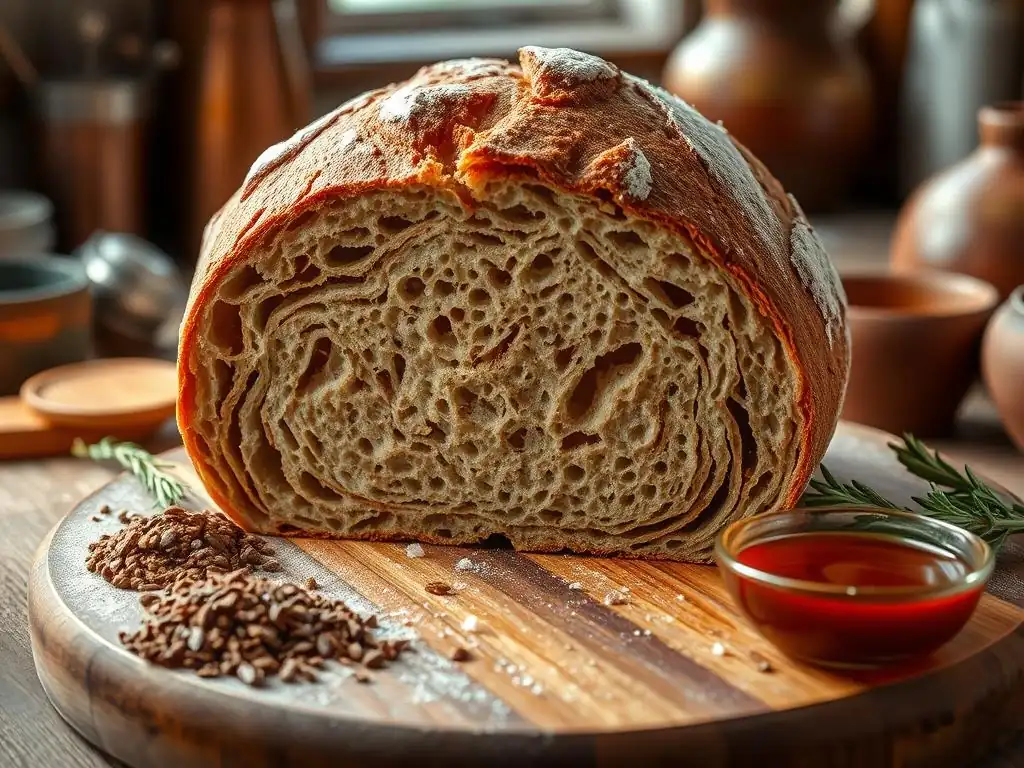
Applying the knowledge of Maillard reaction baking ingredients allows bakers to intentionally create specific outcomes in their recipes. Whether you want a deeply colored, flavorful bread crust, perfectly golden cookies, or a cake with a beautiful top, choosing and handling ingredients strategically is key.
Let's look at how these principles translate into tangible results in common baked goods. By focusing on the right sugars, proteins, and environmental modifiers, you can consistently achieve the desired color, aroma, and flavor characteristics.
Achieving the Perfect Crust: Bread Baking Tips
A well-baked loaf of bread is defined by its crust – its crispness, color, and rich flavor, all products of the Maillard reaction (and caramelization). Using milk or milk powder in bread dough provides lactose and proteins, significantly enhancing the crust's ability to brown compared to a simple water, flour, and yeast dough. A dough containing 5% milk powder, for example, will brown much more readily than one without.
Adding a small amount of sugar (like 1-2% of the flour weight) to your bread dough provides readily available reducing sugars (from sucrose breakdown and fermentation) that react with the flour's proteins and added amino acids (if using milk). Furthermore, brushing the shaped loaf with milk, an egg wash, or even a thin cornstarch wash (which helps keep the surface moist initially then allows rapid browning) just before baking ensures a beautiful, even, and flavorful crust, maximizing the potential of these Maillard reaction baking ingredients.
Cookies offer a fantastic canvas for controlling the Maillard reaction through ingredient choices. Brown sugar, which contains molasses, is particularly effective. Molasses contains trace amounts of proteins and minerals that boost the Maillard reaction, in addition to providing moisture and acids that affect spread. Using brown sugar instead of only white granulated sugar results in a chewier cookie with deeper caramel and toffee notes and more pronounced browning.
As mentioned earlier, baking soda is a common Maillard reaction baking ingredient in cookies. It raises the pH, accelerating browning and contributing to spread, which creates thinner edges that brown faster. Chilling cookie dough before baking is another technique that, by slightly drying the surface and keeping the fat solid longer, allows the surface to reach Maillard temperatures more efficiently before the cookie spreads too much, leading to better edge browning and flavor development.
Golden Brown Perfection: Maillard Reaction in Cakes
While the interior of a cake typically doesn't reach temperatures high enough for extensive Maillard browning, the crust and top certainly do. The sugars used in the batter (granulated sugar which breaks down, plus any brown sugar or honey), along with the proteins from eggs and dairy, are the primary drivers of the Maillard reaction in cakes.
Cakes baked at higher temperatures will develop a thicker, browner crust. Recipes often balance temperature to ensure the interior cooks through without the exterior burning. Using ingredients like buttermilk (which is acidic and can slow browning slightly, leading to a finer crumb and less crust) versus whole milk (higher pH, promoting browning) can subtly affect the crust color. Even the type of fat matters; butter contributes dairy solids that brown, while oil does not. Selecting the right combination of liquid dairy, eggs, and sugars are key Maillard reaction baking ingredients for cake crust success.
Beyond the Basics: Advanced Maillard Reaction Techniques
Mastering the Maillard reaction involves not just knowing which ingredients to use, but also understanding how external factors like temperature, time, and ingredient combinations interact. Advanced bakers manipulate these variables to achieve highly specific results in flavor, texture, and appearance.
Pushing the boundaries involves experimenting with less common Maillard reaction baking ingredients or employing techniques that precisely control the heat and duration of the reaction.
Controlling Temperature and Time for Optimal Results
Temperature is the most critical factor influencing the rate of the Maillard reaction; the reaction roughly doubles in speed for every 10°C increase within the effective range. Baking at higher temperatures (e.g., 200-220°C / 400-425°F) will lead to rapid surface browning, which is desirable for creating a crisp crust quickly on bread or searing certain pastries. However, high heat also increases the risk of burning before the interior is cooked.
Lower temperatures (e.g., 160-180°C / 325-350°F) result in slower, more gradual browning, allowing more time for the interior to cook evenly. This is often preferred for cakes, muffins, and certain cookies where even cooking is paramount. Baking time is directly linked; longer times at a given temperature allow the reaction to proceed further. Bakers often start at high heat for a short time to initiate browning, then reduce the temperature to finish cooking the interior without burning the exterior, demonstrating precise control over Maillard reaction baking ingredients and conditions.
Ingredient Combinations for Unique Flavor Profiles
The specific amino acids and sugars present dictate the flavor compounds produced by the Maillard reaction. Combining different Maillard reaction baking ingredients can unlock unique and complex taste profiles. For example, using a mix of granulated sugar, brown sugar, and a touch of honey brings together sucrose (which breaks down), fructose, glucose, and the minerals/amino acids from molasses and honey, creating a more nuanced flavor than using just one sugar type.
Incorporating ingredients like malt extract (which contains enzymes that break down starches into sugars, including maltose, glucose, and fructose) can add distinct malty notes and enhance browning, especially in bread. Even ingredients like cocoa powder (which contains proteins and some reducing sugars) contribute to browning and flavor, though its dark color can mask the visual browning. Experimenting with combinations of dairy, eggs, different sugars, and protein-rich flours allows for deep customization of Maillard-derived flavors.
Troubleshooting Maillard Reaction Issues in Baking
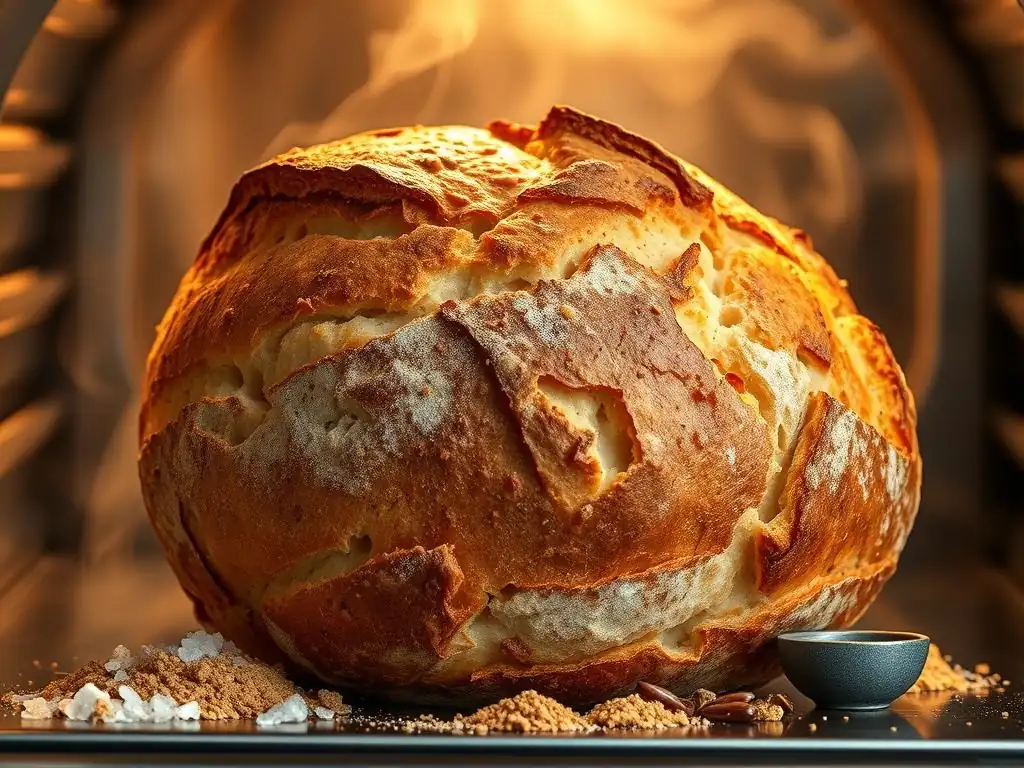
Even with the right Maillard reaction baking ingredients, things don't always go perfectly. Issues like over-browning, burning, or uneven color are common frustrations. Understanding the underlying causes related to the Maillard reaction can help you diagnose and fix problems.
Identifying whether an issue stems from ingredient ratios, temperature control, or moisture management is the first step to successful troubleshooting.
Preventing Over-Browning: Techniques for Avoiding Burned Crusts
Over-browning or burning typically occurs when the surface of your baked good gets too hot for too long, causing the Maillard reaction (and potentially caramelization) to proceed too rapidly or excessively. This often happens before the interior is fully cooked. One common solution is to reduce the oven temperature. If a recipe calls for 190°C (375°F) and your crust is burning, try dropping to 175°C (350°F).
Another effective technique is to cover the baked good loosely with aluminum foil once it has reached the desired color. The foil reflects radiant heat, slowing down further browning while allowing the interior to continue cooking. Adjusting the rack position in the oven (moving further from the heat source) or using lighter-colored baking pans (which absorb less heat than dark pans) can also help prevent the surface from getting too hot, giving you more control over your Maillard reaction baking ingredients.
Understanding Uneven Browning: Causes and Solutions
Uneven browning is often a sign that heat is not being distributed evenly across the surface of the baked good. This can be caused by hot spots in your oven – areas that are significantly hotter than others. Rotating your baking sheet or pan halfway through the baking time is the simplest way to counteract oven hot spots and promote more uniform browning across all items.
Overcrowding the baking sheet prevents hot air from circulating evenly around each item, leading to some areas browning faster than others. Giving items adequate space is crucial. The material and color of your baking pan also play a role; dark metal pans absorb and radiate heat more efficiently than lighter ones, leading to faster browning, especially on the bottom. If you consistently experience uneven browning, consider calibrating your oven or investing in an oven thermometer to check for temperature fluctuations and hot spots, ensuring your Maillard reaction baking ingredients perform consistently.
Conclusion: Mastering the Maillard Reaction with the Right Ingredients
Elevate Your Baking with Strategic Ingredient Choices
The Maillard reaction is a baker's best friend, responsible for so much of the deliciousness we crave in baked goods. It's not just about following a recipe; it's about understanding how the components interact under heat. By recognizing which sugars are most reactive, which proteins provide the necessary amino acids, and how pH and moisture influence the process, you gain the power to truly control the outcome. Selecting and combining the right Maillard reaction baking ingredients is the foundation of this control.
From choosing brown sugar over white for chewier, deeper-flavored cookies to using milk powder for an intensely browned bread crust or incorporating baking soda for accelerated browning in specific applications, each ingredient decision matters. Experimenting with these principles allows you to move beyond simply hoping for good results to confidently creating baked goods with consistent, desirable color, aroma, and flavor, harnessing the full potential of the Maillard reaction in your kitchen.
Frequently Asked Questions
What is the Maillard reaction and why is it important in baking?
The Maillard reaction is a chemical reaction between amino acids and reducing sugars that occurs upon heating. It's crucial in baking as it's responsible for the browning, flavor, and aroma of many baked goods.
Which baking ingredients are particularly effective at promoting the Maillard reaction?
Ingredients high in reducing sugars, like glucose or fructose, and those with available amino acids supercharge the reaction. Think honey, milk powder, and even certain types of flour.
How does the pH level of my dough or batter affect the Maillard reaction?
A slightly alkaline environment generally encourages a more robust Maillard reaction. This is why some recipes use a pinch of baking soda to enhance browning.
Can I overdo the Maillard reaction, and if so, what are the consequences?
Yes, overdoing it can lead to excessive browning and a bitter, burnt flavor. It's important to monitor oven temperature and baking time carefully.
Where can I find more information and detailed recipes that leverage the Maillard reaction effectively?
Visit BakeWithEase.com for simple recipes, techniques, and tips for bakers of all levels. We offer step-by-step guides and easy-to-find ingredients to help you master the art of baking.
Final Reflection: Unleashing the Magic of the Maillard Reaction in Your Baking
The quest for the perfect crust, the irresistible browning, the depth of flavor—these are all hallmarks of the Maillard reaction, a process as crucial to baking as flour itself. Understanding which ingredients supercharge this magical transformation is not just a matter of culinary curiosity; it's the key to unlocking a whole new level of baking excellence, impacting everything from the humble cookie to the most elaborate cake.
The Maillard reaction's influence extends far beyond the simple act of browning. It's a fundamental element of our culinary heritage, shaping tastes and traditions across cultures. The subtle nuances of a perfectly seared steak, the rich aroma of freshly baked bread, the complex flavors in a slow-cooked stew—all owe a debt to this remarkable chemical process. As Harold McGee so eloquently put it, The Maillard reaction is the most important chemical reaction in cooking.
This simple statement underscores the profound impact this seemingly small process has on our everyday lives and culinary experiences.
Now, armed with this knowledge of specific ingredients that amplify the Maillard reaction, I invite you to experiment. Don't be afraid to try new combinations, to push the boundaries of your baking, and to savor the incredible results. The journey of mastering the Maillard reaction is a continuous one, filled with delicious discoveries and the satisfaction of creating truly exceptional baked goods. Embrace the science, embrace the art, and most importantly, embrace the flavor.
Unlock the Secrets to Golden-Brown Perfection!
Thanks for diving deep into the world of Maillard reactions with us! You now have the knowledge to elevate your baking to the next level. Ready to put your new expertise into practice?
- Experiment with your favorite recipe: Substitute one or two of the mentioned ingredients to see the difference firsthand. Note the changes in color, texture, and flavor. This is where the real magic happens!
- Share your baking triumphs (and challenges!): Join our BakeWithEase community and share your results – both the stunning successes and the delicious learning experiences. Let's inspire each other!
- Explore our other articles: Dive deeper into mastering baking techniques by browsing our collection of expert guides on BakeWithEase.com.
What unique ingredient will you experiment with first to supercharge your next bake?