
Mastering the Sweet & Salty: Easy Asian Desserts with a Twist

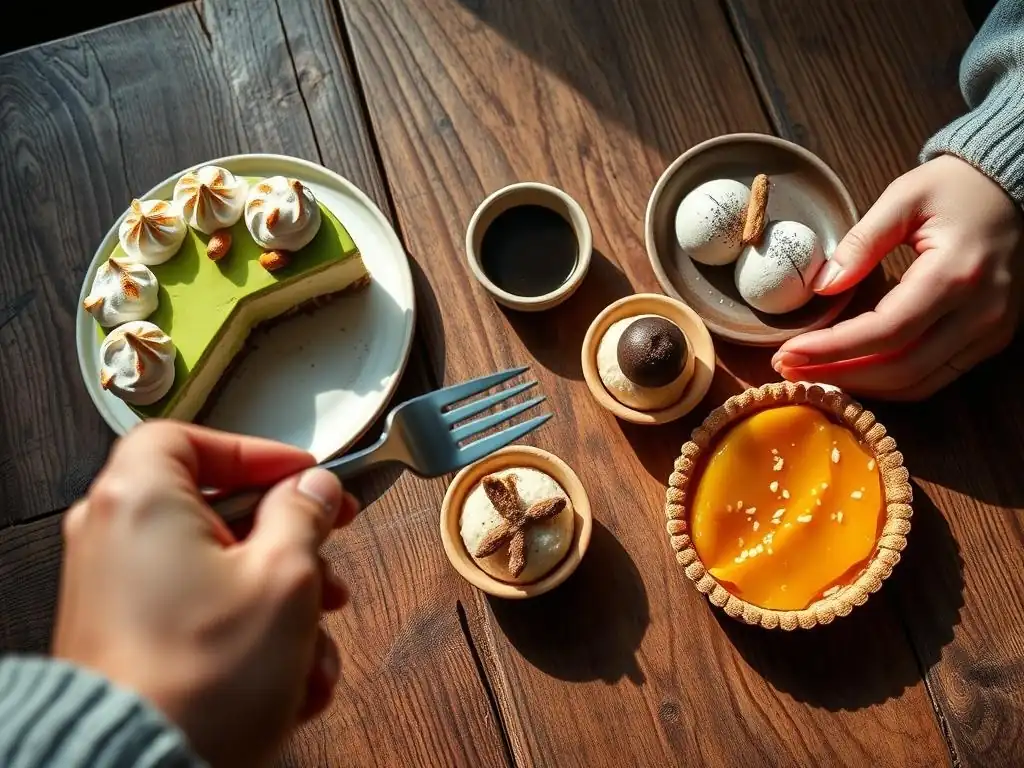
Welcome to BakeWithEase, your passport to the delightful world of baking! Ever wondered how to effortlessly create those tantalizingly sweet and savory Asian desserts you crave? Discover the secrets within our collection of Easy Asian Dessert Recipes, where we blend tradition with simplicity. Prepare to embark on a culinary adventure, exploring flavors and techniques that will transform your baking repertoire. But what exactly makes these recipes so easy, and what unique twists await? Dive in and find out!
- BakeWithEase Presents: Simple Asian Dessert Recipes for Home Bakers
- Exploring the World of Easy Asian-Inspired Desserts
- Must-Try Easy Asian Dessert Recipes: A Beginner's Guide
- Baking with Ease: Tips & Tricks for Asian-Inspired Desserts
- Beyond the Basics: Elevating Your Easy Asian Desserts
- Sweet & Salty Asian Dessert Recipe Roundup: Your Next Baking Adventure
-
Frequently Asked Questions
- What defines an "easy" Asian dessert recipe according to BakeWithEase?
- Does BakeWithEase offer recipes suitable for beginner bakers looking to explore Asian desserts?
- What types of Asian desserts are featured on BakeWithEase?
- Are the ingredients for the Asian dessert recipes easy to find in most grocery stores?
- Does BakeWithEase offer tips and techniques specifically for baking Asian desserts?
- Final Reflection: A Sweet Symphony of Tradition and Innovation
- Unlock Your Inner Pastry Chef: Sweet & Savory Baking Adventures Await!
BakeWithEase Presents: Simple Asian Dessert Recipes for Home Bakers
Welcome to BakeWithEase, your friendly guide to unlocking the delightful world of baking! Today, we're venturing into the vibrant and diverse realm of Asian-inspired sweets. Forget complicated techniques or hard-to-find ingredients; we're focusing on easy Asian dessert recipes that are accessible and incredibly rewarding to make right in your own kitchen. Whether you're a complete beginner or looking to expand your baking repertoire, these simple Asian dessert recipes offer a fantastic starting point.
Asian desserts often stand apart from Western confections with their unique textures, subtle sweetness, and fascinating flavor combinations, including the intriguing interplay of sweet and salty. From chewy mochi to fluffy cheesecakes, there's a vast landscape of easy Asian dessert recipes waiting to be explored. We'll guide you through some popular choices, breaking down the steps to ensure your baking journey is smooth, successful, and utterly delicious. Get ready to impress yourself and your loved ones with these delightful treats!
Exploring the World of Easy Asian-Inspired Desserts
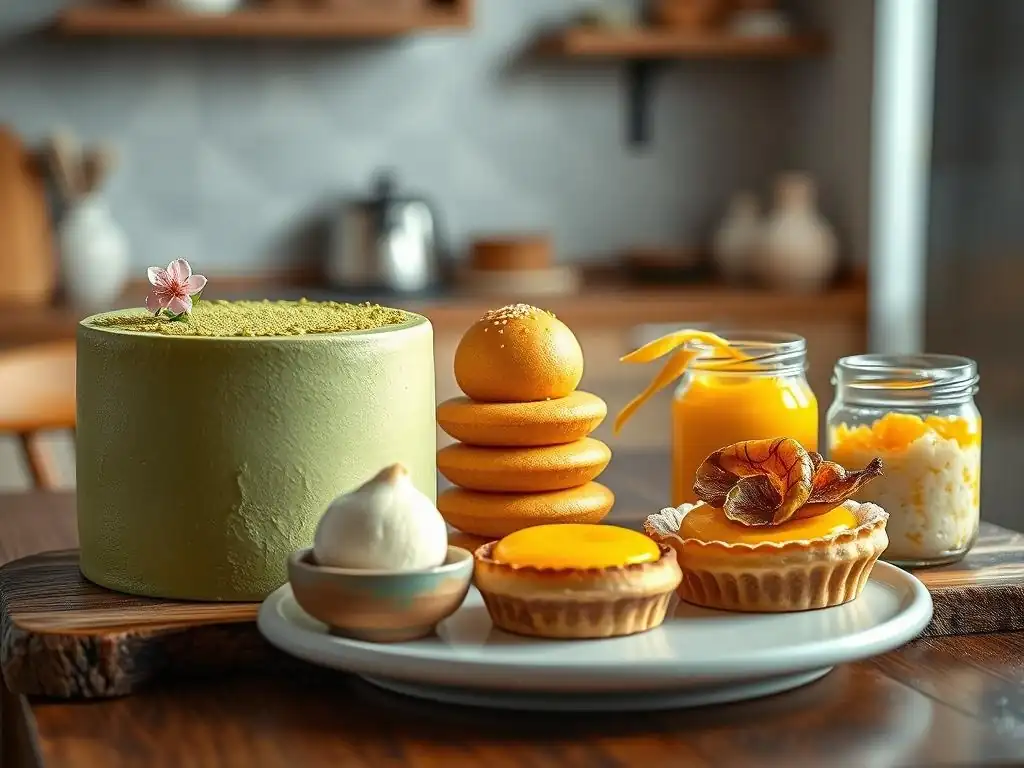
The beauty of easy Asian dessert recipes lies in their simplicity and the often-minimalist approach to ingredients, allowing the natural flavors to shine. Unlike some Western desserts that rely heavily on butter and sugar, many Asian sweets utilize ingredients like rice flour, coconut milk, various beans, and fruits, offering lighter textures and different kinds of sweetness. This makes them not only delicious but also often a fascinating departure from familiar baking norms.
Delving into easy Asian dessert recipes also opens up a cultural experience. Each dessert often carries a story, tied to traditions, festivals, or specific regions. Learning to make them provides a window into these cultures, making the baking process even more enriching. We'll explore some iconic examples that are surprisingly simple to recreate at home, proving that mastering delicious Asian sweets is well within reach for any home baker.
Why Asian Desserts are Perfect for Beginner Bakers
Many classic Asian desserts are based on straightforward techniques that don't require specialized equipment or advanced pastry skills. Think steaming, simple mixing, and basic shaping. For example, mochi making often involves just mixing sweet rice flour (glutinous rice flour) with water and sugar, then steaming or microwaving the mixture until it becomes a pliable dough – a process far less complex than mastering flaky pastry or intricate cake layers. This focus on fundamental steps makes easy Asian dessert recipes ideal for those just starting their baking adventure.
Furthermore, the ingredient lists for many easy Asian dessert recipes are often relatively short and utilize pantry staples or readily available items from your local Asian market or even larger supermarkets. Ingredients like glutinous rice flour, red bean paste, coconut milk, and sesame seeds are common building blocks. The simplicity of both the process and the ingredients reduces the potential for errors, boosting confidence and making the learning process enjoyable. Tackling an easy Asian dessert recipe can be a very encouraging first step into baking or a fun new challenge for expanding skills.
The Sweet & Salty Trend in Asian Confectionery
The combination of sweet and salty flavors is a hallmark of many Asian culinary traditions, and it translates beautifully into desserts. This isn't just about adding a pinch of salt; it's often a deliberate balance that enhances the overall taste profile, adding depth and complexity. Consider salted caramel, a popular Western example, but in Asian desserts, this balance can come from ingredients like salted duck egg yolks in mooncakes, a sprinkle of sea salt on a sweet rice cake, or the savory note in some bean pastes.
This sweet and salty dynamic creates a more nuanced tasting experience, preventing the dessert from being overwhelmingly sweet. It can elevate simple ingredients, making an easy Asian dessert recipe truly memorable. For instance, a touch of salt in a coconut sauce for mango sticky rice brightens the tropical sweetness of the mango and the richness of the coconut. Exploring this flavor trend is a delicious way to understand the unique palate of Asian sweets and adds an exciting dimension to your easy Asian dessert recipes repertoire.
Must-Try Easy Asian Dessert Recipes: A Beginner's Guide
Ready to dive in? We've curated some of the most popular and genuinely easy Asian dessert recipes perfect for beginners. These recipes are designed to be approachable, delicious, and offer a taste of different Asian culinary traditions. We'll break down the key steps and ingredients for each, giving you the confidence to recreate them at home.
Here's a quick look at what we'll cover:
- Mochi Magic: Chewy rice cakes
- Tangyuan Temptation: Sweet glutinous rice balls
- Mango Sticky Rice: A tropical favorite
- Japanese Cheesecake Wonders: Light and airy
- Korean Hotteok: Sweet filled pancakes
Each of these represents fantastic easy Asian dessert recipes to start with.
Mochi Magic: Simple Recipes for Chewy Rice Cakes
Mochi, those delightful, chewy rice cakes, might seem intimidating, but making simple mochi at home is surprisingly easy, especially using a microwave method. The key ingredient is glutinous rice flour (also known as sweet rice flour), which gives mochi its unique elastic texture. A basic mochi dough can be made with just three ingredients: glutinous rice flour, sugar, and water. The process often involves whisking these together, microwaving in short intervals, and stirring until a thick, translucent, and stretchy dough forms.
Once your basic mochi dough is ready, the real fun begins with shaping and filling. While traditional methods involve pounding steamed rice, these easy mochi recipes bypass that labor-intensive step. You can dust your workspace with cornstarch or potato starch to prevent sticking, then portion and shape the mochi. Common fillings include sweet red bean paste (anko), fruit, or even ice cream for the popular mochi ice cream. Mastering the simple dough is the first step to unlocking a world of mochi possibilities.
Classic Mochi Recipe: Sweet Red Bean Filling
Making mochi with a sweet red bean filling, or anko, is one of the most classic and satisfying easy Asian dessert recipes. For a small batch, you might start with 100g of glutinous rice flour, 30g of sugar, and 150ml of water. Whisk these together in a microwave-safe bowl until smooth.
Cover loosely and microwave on high for 1 minute. Stir, then microwave for another minute. Stir again, and microwave for 30-second intervals, stirring well after each, until the dough is thick, glossy, and pulls away from the sides – this might take another 1.5 to 3 minutes depending on your microwave.
Once the dough is ready, turn it out onto a surface generously dusted with cornstarch or potato starch. Let it cool slightly until handleable. Divide the dough into equal portions (e.g., 8-10 pieces). Flatten each piece into a disc, place about a tablespoon of sweet red bean paste in the center, and carefully gather the edges of the mochi dough around the filling, pinching to seal. Roll gently between your palms to smooth the shape. Dust again lightly with starch if needed. These simple steps yield delicious, chewy mochi, proving that easy Asian dessert recipes can deliver authentic flavors.
Kinako Mochi: Roasted Soybean Flour Delight
Kinako mochi is perhaps one of the simplest variations of mochi and a fantastic entry point into easy Asian dessert recipes involving rice cakes. Instead of a filling, it relies on a delicious coating. Once you've made your basic mochi dough using the microwave method described above, you simply cut the warm dough into bite-sized pieces. There's no need for filling or intricate shaping, making this even more straightforward.
The magic of kinako mochi comes from the coating: kinako, which is roasted soybean flour. This flour has a nutty, slightly savory flavor that pairs wonderfully with the subtly sweet mochi. You simply spread a generous amount of kinako on a plate and roll the mochi pieces in it until they are fully coated.
Often, kinako mochi is served with a drizzle of kuromitsu (Japanese black sugar syrup), adding another layer of sweet complexity. A typical ratio for the coating might be 3-4 tablespoons of kinako mixed with 1-2 tablespoons of sugar, adjusted to your preference. This minimal effort for maximum flavor makes kinako mochi a truly easy Asian dessert recipe winner.
Tangyuan Temptation: Glutinous Rice Balls in Sweet Soup
Tangyuan are soft, chewy glutinous rice balls, often served in a warm, sweet soup. They are traditionally enjoyed during festivals like the Lantern Festival and Winter Solstice, symbolizing togetherness. Making the rice balls themselves is quite simple, involving just glutinous rice flour and warm water. The dough is pliable and easy to work with, much like playdough. You mix the flour with warm water until a smooth, non-sticky dough forms, then roll small portions into spheres.
The beauty of tangyuan, and what makes them an easy Asian dessert recipe, is the versatility of both fillings and the soup base. While classic tangyuan are filled with black sesame or peanut paste, plain, unfilled tangyuan are also common and even easier to make. The sweet soup can be as simple as ginger-infused water sweetened with sugar or more complex with ingredients like red bean soup or pandan syrup. The core technique of making the rice balls remains the same, making this a flexible and easy Asian dessert recipe to adapt.
Black Sesame Tangyuan: A Traditional Favorite
Black sesame tangyuan are perhaps the most iconic version, beloved for their rich, nutty, and slightly grainy filling. To make the filling, black sesame seeds are typically toasted, ground into a paste, and mixed with sugar and often a bit of lard or butter to create a smooth, scoopable consistency. A common ratio might be 50g ground toasted black sesame, 20-30g sugar, and 10g melted fat. This filling can often be prepared in advance.
To assemble the tangyuan, take a small piece of the glutinous rice dough, flatten it into a disc (about 4-5 cm wide), place a small spoonful of the black sesame filling in the center, and carefully pinch the edges closed to form a ball. Ensure there are no cracks to prevent the filling from leaking during cooking. The filled balls are then gently boiled in water until they float to the surface, indicating they are cooked through. This simple filling and cooking method makes black sesame tangyuan a very achievable easy Asian dessert recipe.
Ginger Syrup for Tangyuan: A Warm and Comforting Addition
A simple and traditional soup base for tangyuan is a warm ginger syrup. This adds a comforting warmth and a pleasant spicy note that contrasts nicely with the sweet, chewy rice balls. Making the syrup is incredibly easy: you typically simmer slices of fresh ginger in water with sugar until the sugar dissolves and the ginger flavor infuses the liquid.
For a batch of tangyuan, you might use about 5-10 slices of ginger (depending on size and desired strength) simmered in 500ml of water with 50-80g of sugar for 10-15 minutes. You can adjust the sugar amount to your preference. Once the tangyuan are cooked and floating, you simply transfer them to bowls and ladle the warm ginger syrup over them. This simple syrup transforms the plain rice balls into a soothing, flavorful dessert, highlighting how easy Asian dessert recipes can be both simple and deeply satisfying.
Mango Sticky Rice: A Tropical Delight Made Easy
Mango sticky rice is a beloved Thai dessert that is surprisingly simple to make at home, making it a fantastic easy Asian dessert recipe. It consists of three main components: sweet sticky rice, fresh mango, and a rich coconut milk sauce. The key to success lies in preparing each component correctly. While it requires a bit of timing, none of the steps are inherently difficult.
The most crucial element is the sticky rice itself, also known as glutinous rice. It must be cooked properly to achieve the right chewy yet tender texture. The mango should be ripe and sweet – Ataulfo or Alphonso varieties are often preferred for their sweetness and smooth texture. The coconut sauce brings everything together, providing richness and a touch of saltiness that balances the sweetness of the mango and rice. With simple ingredients and straightforward steps, this is easily one of the most popular easy Asian dessert recipes globally.
Perfectly Cooked Sticky Rice: The Key to Success
Achieving the perfect texture for the sticky rice is paramount for this easy Asian dessert recipe. The process typically starts with soaking the glutinous rice. Rinsing the rice under cold water until the water runs clear is essential to remove excess starch, which helps prevent the rice from becoming gummy. Soaking times vary, but typically range from 30 minutes to several hours, or even overnight, depending on the recipe and type of rice. Soaking allows the rice to absorb water evenly.
After soaking, the rice is traditionally steamed, not boiled. Steaming results in a chewier texture compared to boiling. It's often steamed in a bamboo steamer lined with cheesecloth for about 20-30 minutes, or until the grains are tender and translucent.
Once steamed, the hot rice is immediately mixed with a warm coconut milk mixture (made with coconut milk, sugar, and a pinch of salt), covered, and left to steam further off the heat for about 10-15 minutes. This allows the rice to fully absorb the sweet coconut milk, transforming it into the sweet sticky rice base for this easy Asian dessert recipe.
Homemade Coconut Milk Sauce: Elevating Your Mango Sticky Rice
The coconut milk sauce is what truly elevates mango sticky rice, adding richness and flavor. While some recipes use thickened coconut milk straight from the can, a proper sauce is simple to make and significantly improves the dish. It typically involves simmering coconut milk with sugar and a pinch of salt until the sugar dissolves and the sauce thickens slightly. Using full-fat coconut milk is key for a creamy texture.
For about 200g of dry sticky rice, you might use 200-250ml of full-fat coconut milk, 50-70g of sugar, and about 1/4 teaspoon of salt. Simmering this mixture gently for 5-10 minutes is usually sufficient. Some recipes also add a pandan leaf for fragrance, which is steeped in the simmering sauce and then removed.
A small amount of cornstarch slurry can be added towards the end if a thicker sauce is desired, but often the natural fat in the coconut milk provides enough richness. This simple sauce is poured over the warm, cooked sticky rice, making this easy Asian dessert recipe a tropical dream.
Japanese Cheesecake Wonders: Light and Fluffy Recipes
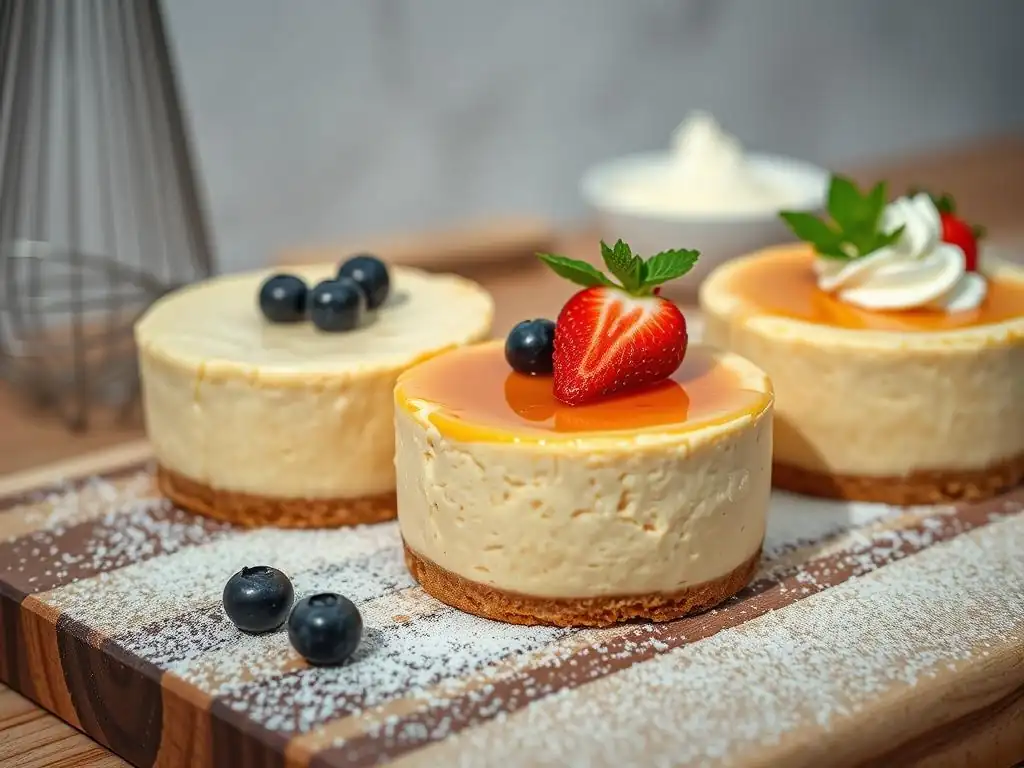
Japanese cheesecake, often called soufflé cheesecake or cotton cheesecake, is renowned for its incredibly light, airy, and jiggly texture, a stark contrast to dense Western cheesecakes. While it requires a bit more care than mochi or tangyuan, it's still an achievable easy Asian dessert recipe for home bakers. The key differences lie in the ingredients and technique: it uses fewer ingredients, relies on a meringue for lift, and is baked in a water bath (bain-marie) at a low temperature.
The basic components are cream cheese, sugar, eggs, milk, flour, and sometimes a little cornstarch. The technique involves separating the eggs, creating a smooth cream cheese base with the yolks, milk, and dry ingredients, and then carefully folding in a stiff meringue made from the egg whites and sugar. This folding technique is crucial for incorporating air without deflating the meringue. The water bath provides gentle, even heat, preventing cracks and ensuring the signature smooth, delicate texture. Mastering these steps unlocks a truly delightful easy Asian dessert recipe.
Classic Japanese Cheesecake: A Step-by-Step Guide
Making a classic Japanese cheesecake involves a few key steps that are simple once understood. First, prepare your pan (typically a round cake pan, 6 or 7 inches is common) by lining the bottom and sides with parchment paper. This prevents sticking and helps the delicate cake release cleanly. Next, melt the cream cheese gently with milk or butter over low heat or in a double boiler until smooth – avoid overheating. Whisk in the egg yolks, followed by sifted flour and cornstarch until a smooth batter forms.
In a separate bowl, whisk egg whites with sugar until stiff peaks form, creating a stable meringue. Gently fold about a third of the meringue into the cream cheese batter to lighten it, then carefully fold in the remaining meringue in two additions, being careful not to deflate the mixture. Pour the batter into the prepared pan.
Place the pan in a larger baking pan and add hot water to the outer pan, coming about 1-2 inches up the sides of the cheesecake pan. Bake in a preheated oven at a low temperature, typically around 150-160°C (300-325°F), for 60-90 minutes, or until the top is golden and a skewer inserted comes out clean. The water bath ensures even cooking and prevents the cake from drying out, resulting in that signature light texture, making this a rewarding easy Asian dessert recipe.
Ube Japanese Cheesecake: Adding a Purple Yam Twist
Adding ube (purple yam) to a Japanese cheesecake is a popular variation that adds vibrant color and a unique, subtly sweet, and slightly nutty flavor. This adaptation keeps the core technique of the classic Japanese cheesecake but incorporates ube halaya (ube jam) or ube extract into the cream cheese base. Ube is a staple ingredient in Filipino desserts and its beautiful purple hue makes for stunning baked goods.
To make Ube Japanese Cheesecake, follow the steps for the classic version, but incorporate about 50-100g of smooth ube halaya or 1-2 teaspoons of ube extract (for color and flavor) into the cream cheese mixture after it's melted and smooth, before adding the egg yolks. Ensure it's well combined and smooth. Proceed with adding the egg yolks, dry ingredients, and folding in the meringue as usual.
The baking time and temperature in the water bath remain the same. The result is a visually stunning and deliciously flavored easy Asian dessert recipe that showcases the versatility of the Japanese cheesecake base.
Korean Hotteok: Sweet Pancakes with a Crispy Edge
Hotteok are popular Korean street food pancakes, typically filled with a sweet mixture of brown sugar, cinnamon, and nuts. They are pan-fried until golden brown and crispy on the outside, with a warm, gooey filling inside. Making the dough is relatively straightforward, usually involving yeast, warm water, flour, and a bit of sugar and salt, similar to a simple bread dough but softer. The dough requires a short proofing time, typically 30-60 minutes, until it doubles in size.
Once the dough is proofed, small portions are taken, flattened, filled with the sweet mixture, and sealed into a ball. These filled balls are then placed on a hot, oiled griddle or frying pan and pressed down with a special hotteok press or a spatula to form the flat pancake shape. They are cooked for a few minutes on each side until golden brown and crispy. The simplicity of the dough and the cooking method makes Hotteok a delightful and easy Asian dessert recipe to try at home.
Sweet Filling Variations for Hotteok: Brown Sugar & Cinnamon, Brown Sugar & Peanuts
The classic Hotteok filling is a simple yet delicious mix of brown sugar and cinnamon. For a standard batch of Hotteok dough (using perhaps 200g of flour), you might prepare a filling with 50-70g of brown sugar mixed with 1-2 teaspoons of ground cinnamon. The heat from cooking melts the brown sugar into a luscious syrup inside the pancake.
Another popular variation adds chopped peanuts for extra texture and flavor. You can mix the brown sugar and cinnamon with about 20-30g of finely chopped roasted peanuts. Other additions can include sesame seeds or walnuts. When filling the dough, ensure the filling is well-contained within the ball before pressing, as the melted sugar can be very hot and sticky if it leaks out. These simple variations keep Hotteok firmly in the category of easy Asian dessert recipes while offering delightful flavor twists.
Tips for Achieving a Crispy Hotteok Crust
The contrast between the crispy exterior and the chewy interior with the molten filling is what makes Hotteok so appealing. Achieving that perfect crispy crust is key to this easy Asian dessert recipe. Firstly, make sure your pan or griddle is properly preheated over medium heat. It needs to be hot enough to develop a good crust but not so hot that the outside burns before the inside cooks and the sugar melts.
Using enough oil in the pan is also important – a tablespoon or two should suffice for a few pancakes. When you place the filled dough ball in the pan, let it cook for about 30 seconds to a minute before pressing it down. This initial cooking helps set the bottom crust slightly before you flatten it.
Press firmly but not excessively, aiming for a consistent thickness. Cook for 2-3 minutes per side, or until deep golden brown and crispy. Don't overcrowd the pan; cook in batches if necessary to maintain even heat and achieve that desirable crispy edge on your easy Asian dessert recipe.
Baking with Ease: Tips & Tricks for Asian-Inspired Desserts
Embarking on making easy Asian dessert recipes is a rewarding experience. Like any baking, a few fundamental tips and tricks can make the process even smoother and ensure delicious results. Understanding the unique ingredients and flavor profiles common in Asian sweets will significantly help you master these recipes with ease.
Mastering the Art of Rice Flour: Types and Uses
Rice flour is a staple in many easy Asian dessert recipes, but it's important to know that not all rice flours are the same. The two most common types you'll encounter are standard rice flour (sometimes labeled as plain rice flour) and glutinous rice flour (also called sweet rice flour). They behave very differently due to their starch composition.
Standard rice flour, made from long or medium-grain rice, is used similarly to wheat flour in some applications, providing structure but often resulting in a more crumbly or tender texture. It's used in some cakes and cookies. Glutinous rice flour, made from short-grain glutinous rice, is high in amylopectin starch, which is responsible for the chewy, sticky texture found in mochi, tangyuan, and sticky rice dishes. Using the wrong type of rice flour will drastically alter the texture of your easy Asian dessert recipe, so always double-check which type is specified!
Balancing Sweetness and Saltiness: Asian Dessert Flavor Profiles
As discussed earlier, the interplay of sweet and salty is a defining characteristic of many Asian desserts. This balance is often achieved through intentional ingredient pairings. For example, the sweetness of red bean paste is often balanced by a subtle savory note from a pinch of salt added during cooking or the use of ingredients like salted duck egg yolks in other pastries.
When making easy Asian dessert recipes, pay attention to the salt called for in the ingredient list, even in seemingly sweet dishes like coconut sauces or fillings. This small amount of salt isn't meant to make the dessert taste salty, but rather to enhance the other flavors and prevent the sweetness from being cloying. Tasting and adjusting the seasoning slightly as you go (where appropriate, like in sauces or fillings) can help you achieve that perfect, nuanced balance that makes these easy Asian dessert recipes so unique and delicious.
Easy Ingredient Substitutions: Adapting Recipes to Your Pantry
While some traditional ingredients are key to authentic flavor, many easy Asian dessert recipes can be adapted using common pantry items or readily available substitutes. For example, if a recipe calls for pandan extract, vanilla extract can sometimes be used as a substitute, although the flavor will be different. For sweeteners, while white sugar is common, brown sugar, honey, or maple syrup can often be swapped, keeping in mind they will add their own flavor profile and potentially affect moisture.
If glutinous rice flour is hard to find locally, check larger supermarkets in the international aisle or health food stores. For fillings like red bean paste, pre-made versions are widely available in Asian markets and are perfectly acceptable for easy Asian dessert recipes. If you can't find a specific nut, another type of nut can often be substituted in fillings or toppings. Being flexible and creative with substitutions allows you to enjoy making easy Asian dessert recipes even when you don't have every traditional ingredient on hand.
Beyond the Basics: Elevating Your Easy Asian Desserts
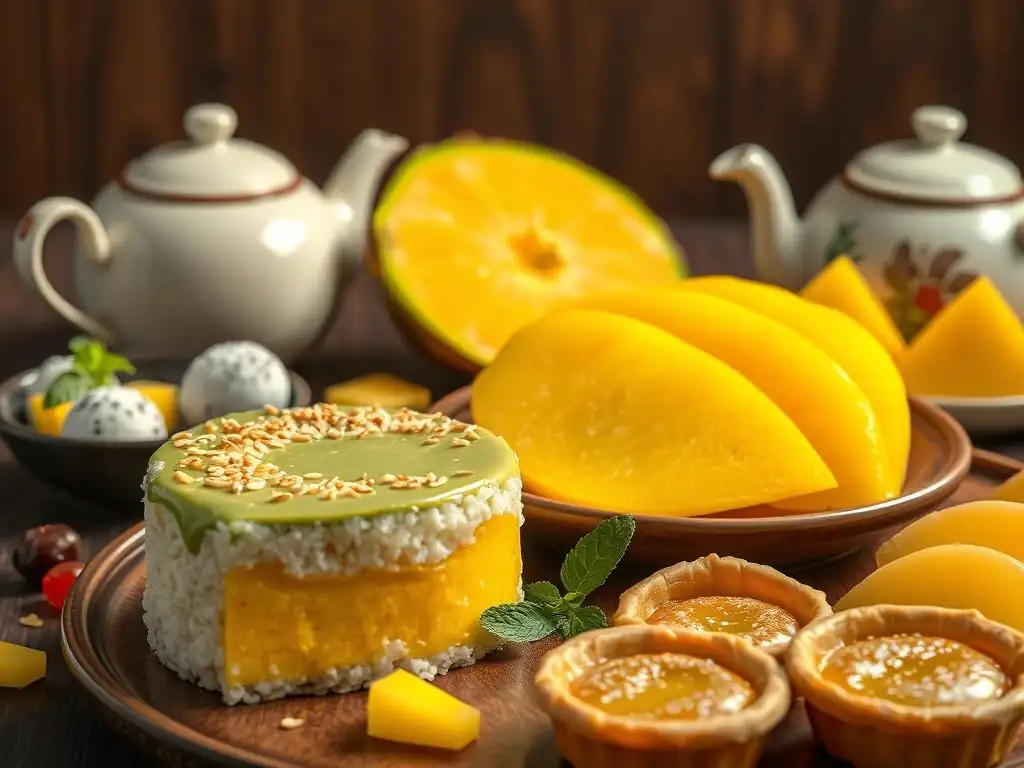
Once you've mastered the fundamental easy Asian dessert recipes, you might find yourself wanting to add your own touch or explore slightly more intricate presentations. Elevating your desserts doesn't necessarily mean making them complicated; it's about adding extra layers of flavor, texture, or visual appeal.
Adding Unique Toppings: Sesame Seeds, Crushed Peanuts, Toasted Coconut Flakes
Toppings are a simple yet effective way to add flavor, texture, and visual interest to your easy Asian dessert recipes. Toasted sesame seeds (white or black) add a nutty crunch and aroma, perfect for mochi or tangyuan. Crushed roasted peanuts provide a satisfying texture and rich flavor, excellent on Hotteok or even sprinkled over mango sticky rice.
Toasted coconut flakes offer a tropical crunch and sweetness that pairs beautifully with coconut-based desserts like mango sticky rice or certain types of mochi. Other ideas include a drizzle of condensed milk, a sprinkle of matcha powder, or fresh fruit slices. These simple additions require minimal effort but can significantly enhance the overall experience of your easy Asian dessert recipe.
Plating and Presentation: Making Your Desserts Instagram-Worthy
Presentation matters! Even the simplest easy Asian dessert recipe can look stunning with a little attention to plating. For individual portions like mochi or tangyuan, arranging them neatly in a bowl or on a small plate is a good start. Consider garnishing with a sprinkle of toasted nuts, a fresh mint leaf, or a drizzle of sauce.
For desserts like mango sticky rice or Japanese cheesecake, clean cuts and thoughtful arrangement make a big difference. Slice the mango cleanly and arrange it alongside the rice. For cheesecake, a dusting of powdered sugar or a dollop of whipped cream can enhance its appearance. Using attractive bowls or plates that complement the colors of the dessert also helps. Taking a moment to plate your easy Asian dessert recipes beautifully makes them even more enjoyable and shareable.
Exploring Advanced Asian Dessert Techniques: Layered Crepe Cakes, Bingsu
While we've focused on easy Asian dessert recipes, the world of Asian sweets is vast and includes more complex creations. Once you feel confident with the basics, you might be curious about exploring these. Examples include delicate, multi-layered crepe cakes (like the famous Mille Crêpe cake), which require patience and consistency in making many thin crepes and layering them with cream.
Another popular and slightly more involved dessert is Bingsu, a Korean shaved ice dessert with various toppings. While assembling Bingsu is simple, making the perfectly fine, snowy ice requires a specialized machine. Exploring these desserts can be a fun next step after mastering easy Asian dessert recipes, offering new challenges and delicious rewards for the adventurous baker.
Sweet & Salty Asian Dessert Recipe Roundup: Your Next Baking Adventure
You've now explored a range of easy Asian dessert recipes, from chewy mochi and tangyuan to tropical mango sticky rice, airy Japanese cheesecake, and crispy Hotteok. Each offers a unique taste and texture experience, showcasing the diversity and approachability of Asian sweets. We've highlighted how simple ingredients and techniques are often the foundation of these delightful treats, perfect for any home baker.
Remember the importance of understanding key ingredients like different rice flours and appreciating the subtle balance of sweet and salty flavors. With these easy Asian dessert recipes in your repertoire, you're well-equipped to bring the delicious tastes of Asia into your kitchen. So, pick a recipe that excites you, gather your ingredients, and get ready to embark on a sweet and salty baking adventure! Which easy Asian dessert recipe will you try first?
Frequently Asked Questions
What defines an "easy" Asian dessert recipe according to BakeWithEase?
An "easy" recipe on BakeWithEase means recipes with simple instructions, readily available ingredients, and require minimal specialized equipment. They are designed for bakers of all skill levels.
Does BakeWithEase offer recipes suitable for beginner bakers looking to explore Asian desserts?
Yes, BakeWithEase provides a range of Asian dessert recipes specifically tailored for beginners. These recipes focus on basic techniques and clear, step-by-step instructions to ensure success.
What types of Asian desserts are featured on BakeWithEase?
BakeWithEase covers a variety of Asian desserts, including pastries, cakes, and sweets. Expect to find recipes for popular treats like mochi, mango sticky rice, and variations of milk tea desserts.
Are the ingredients for the Asian dessert recipes easy to find in most grocery stores?
BakeWithEase prioritizes recipes that use easily accessible ingredients. While some recipes may require a trip to an Asian grocery store, the majority of ingredients can be found in standard supermarkets.
Does BakeWithEase offer tips and techniques specifically for baking Asian desserts?
Yes, the website provides specific tips and techniques tailored to Asian desserts. This includes advice on using ingredients like glutinous rice flour, achieving the right texture for mochi, and mastering the art of layered desserts.
Final Reflection: A Sweet Symphony of Tradition and Innovation
The enduring appeal of Asian desserts lies not just in their deliciousness, but in their ability to bridge cultures and generations. These recipes, often passed down through families, represent a rich tapestry of flavors and techniques, yet remain surprisingly accessible to the modern home cook. The ease with which these sweet and salty creations can be made allows us to savor a piece of culinary history without the need for extensive expertise.
The exploration of these easy Asian dessert recipes has been a journey of discovery, revealing the subtle nuances and surprising harmonies of flavors that define this culinary tradition. These recipes are more than just instructions; they are a window into different cultures, each bite telling a story. Food is symbolic of love when words are inadequate.
- Alan D. Wolfelt. This quote perfectly encapsulates the emotional connection we forge with food, especially when it's shared and enjoyed with loved ones. The simple act of baking these desserts can become a meaningful experience, fostering connection and creating lasting memories.
Now, I invite you to step into your kitchen and embark on your own culinary adventure. Don't be afraid to experiment, to adapt these recipes to your own tastes, and to share the joy of these delightful treats with those you cherish. Let the sweet and salty symphony of Asian desserts inspire you to create, to connect, and to savor the simple pleasures of life. The world of flavor awaits – are you ready to explore it?
Unlock Your Inner Pastry Chef: Sweet & Savory Baking Adventures Await!
Thanks for taking the time to explore the delightful world of sweet and salty Asian desserts! We hope you've discovered some exciting new flavor combinations and baking inspiration. Now it's time to put your newfound knowledge to the test!
- Try out your favorite recipe from the article: Which delectable dessert will you bake first? Let your taste buds be your guide!
- Share your baking journey: Snap a photo of your creation and share it on social media using #BakeWithEaseSweetSalty. We'd love to see your culinary masterpieces!
- Discover more exciting Asian-inspired recipes: Explore our recipe collection for more sweet and savory surprises. You might just find your new signature dessert!
Ready to embark on your next baking adventure? What unique twist will you add to your favorite Asian-inspired dessert?