
How to Store & Freeze Your Keto Bakes to Retain Freshness

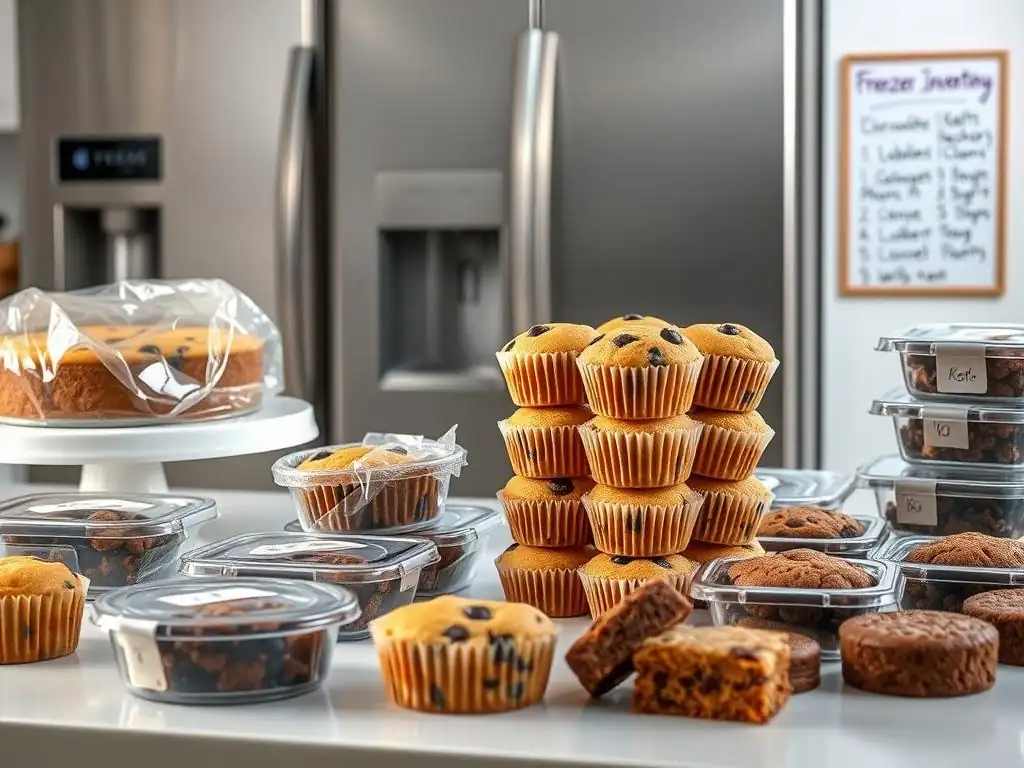
Welcome to BakeWithEase, your partner in creating delicious baked goods! Ever wondered how to keep your keto bakes tasting as fresh as the day they were made? Unlock the secrets of freezer storage and discover expert tips to extend the shelf life of your low-carb creations. Read on to learn how to maintain flavor and texture, ensuring your keto treats are always ready when you are!
- How to Store & Freeze Your Keto Bakes to Retain Freshness: BakeWithEase Guide
- Introduction: Preserving Your Keto Baking Creations
- Understanding the Challenges of Storing Keto Baked Goods
- Best Practices for Storing Keto Bakes at Room Temperature
- Freezing Keto Bakes: A Step-by-Step Guide for Optimal Freshness
- Thawing Keto Bakes: Maintaining Texture and Taste
- Reviving Keto Bakes After Thawing
- Troubleshooting Common Keto Bake Storage Problems
- Keto Bake Storage Tips for Specific Recipes
- Conclusion: Enjoying Fresh Keto Bakes Anytime
-
Frequently Asked Questions
- How long can I realistically store keto baked goods in the freezer without significant quality loss?
- What's the best way to prevent freezer burn on my keto muffins?
- Are there any specific keto baked goods that don't freeze well?
- What's the recommended method for thawing frozen keto baked goods?
- Can I refreeze keto baked goods after thawing them?
- Final Reflection: Unlocking the Delicious Potential of Frozen Keto Bakes
- Unlock the Secrets to Perfectly Preserved Keto Treats!
How to Store & Freeze Your Keto Bakes to Retain Freshness: BakeWithEase Guide
Introduction: Preserving Your Keto Baking Creations
Welcome to BakeWithEase's Guide to Keto Bake Storage
Welcome to BakeWithEase, your trusted resource for mastering the art of baking, including the unique world of keto-friendly treats! You've put time and effort into creating delicious low-carb delights, from fluffy muffins to hearty loaves of bread. Now, how do you ensure they stay as fresh and tasty as the moment they came out of the oven? Proper storage is key, especially when dealing with the unique properties of keto ingredients. This guide will walk you through the best practices for storing and freezing your keto bakes, helping you preserve their texture, flavor, and overall quality.
Maintaining the freshness of your keto baked goods isn't just about extending their shelf life; it's about protecting your investment in ingredients and effort. Unlike traditional baked goods that rely on sugar and gluten for moisture and structure, keto bakes often use alternative flours like almond or coconut flour, and sugar substitutes.
These ingredients behave differently, impacting how long items stay fresh and how they respond to various storage conditions. Learning effective keto bakes freezer storage tips and general storage techniques will ensure you can enjoy your creations days or even months later, reducing waste and always having a low-carb treat on hand.
Why Proper Storage Matters for Keto Baked Goods
Proper storage is critically important for keto baked goods because their composition differs significantly from conventional baked items. Traditional sugar acts as a humectant, meaning it attracts and retains moisture, keeping cakes and cookies soft and moist for longer. Gluten provides structure and elasticity. Keto bakes, lacking significant amounts of sugar and gluten, are more prone to drying out or becoming crumbly quickly. Ingredients like almond flour can oxidize if not stored correctly, potentially affecting flavor.
Furthermore, many keto recipes incorporate higher amounts of fats (like butter, cream cheese, or oils) and sometimes protein (from eggs or protein powders). While these contribute to flavor and texture initially, they can also impact storage. Fats can solidify and change texture when chilled or frozen, and dairy-based components require refrigeration for safety. Implementing sound keto bakes freezer storage tips and understanding room temperature limits ensures your delicious, low-carb efforts don't go to waste due to staleness or spoilage.
Understanding the Challenges of Storing Keto Baked Goods
The Science Behind Keto Texture Changes During Storage
The unique texture changes observed in keto baked goods during storage stem primarily from the absence of traditional wheat flour and sugar. Alternative flours like almond flour, coconut flour, or flaxseed meal absorb liquids differently and lack the gluten network that provides structure and elasticity in conventional bread and cakes. This means keto items can become dense or crumbly more easily. Without sugar, which helps retain moisture and prevent staling by interfering with starch retrogradation, keto bakes are more susceptible to drying out over time.
Fats play a crucial role in keto baking, often used in higher quantities to provide moisture and richness. While beneficial initially, these fats can solidify when cooled, affecting the texture of items like brownies or fat bombs, making them firmer. Conversely, in items like bread or muffins, the lack of sugar means moisture is less bound within the crumb structure, leading to faster moisture migration and staling compared to their sugary counterparts. Understanding these properties is the first step in mastering keto bakes freezer storage tips and general preservation.
Common Mistakes in Storing Keto Bakes and How to Avoid Them
One of the most common mistakes when storing keto bakes is not allowing them to cool completely before packaging. Warm baked goods create condensation inside containers, leading to soggy textures and creating an environment ripe for mold growth. Always ensure your items are cooled completely on a wire rack before storing. Another frequent error is using inappropriate storage containers or wrapping materials. Using loose-fitting lids or thin plastic wrap allows air exposure, which is the enemy of freshness, leading to dryness and freezer burn if freezing.
Avoiding these pitfalls is straightforward. For room temperature storage, opt for airtight containers. When freezing, double-wrap items or use vacuum-seal bags to create a tight barrier against air. Don't overcrowd containers, especially delicate items like decorated cakes. Labeling is also crucial – forgetting what's in a container or when it was stored can lead to items being kept too long. Implementing these simple steps significantly improves the longevity and quality of your keto treats, making your keto bakes freezer storage tips efforts worthwhile.
Best Practices for Storing Keto Bakes at Room Temperature
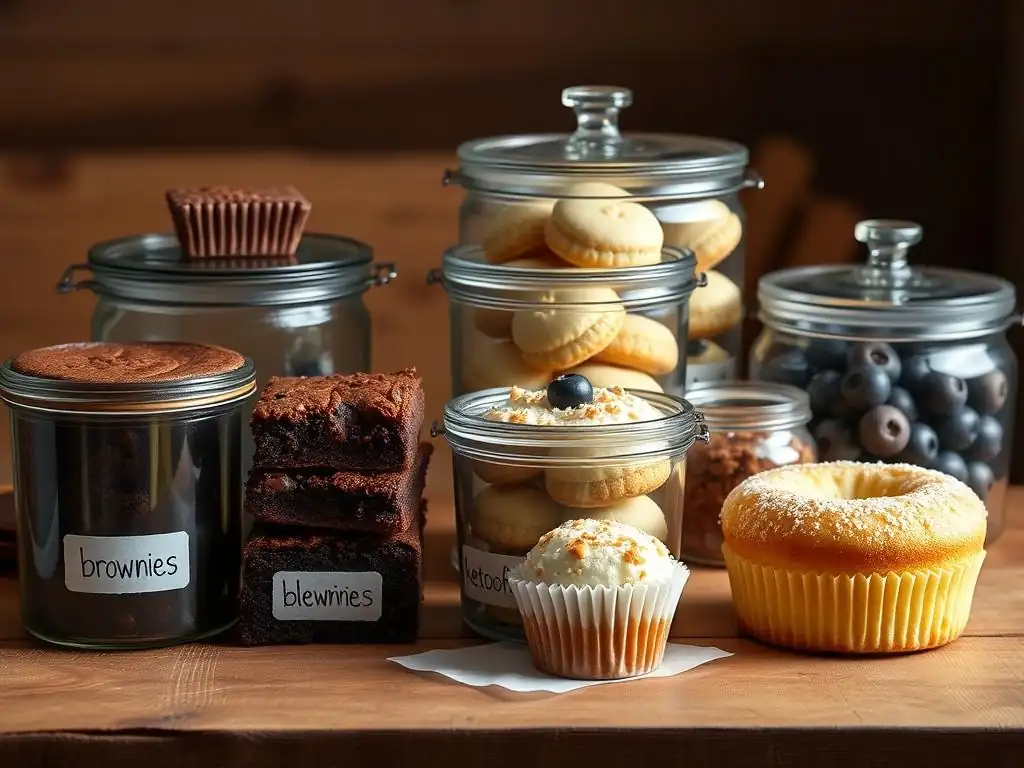
Short-Term Storage Solutions for Keto Cakes and Muffins
For short-term storage (typically 1-3 days) at room temperature, keto cakes and muffins require careful handling to maintain their delicate texture and moisture. Once completely cooled, items like keto cupcakes or loaf cakes should be stored in an airtight container. A cake dome or a container specifically designed for baked goods works well, provided it seals tightly. If the cake has frosting, especially cream cheese-based frosting common in keto recipes, refrigeration is generally recommended for safety within a few hours, depending on ambient temperature.
For unfrosted muffins or plain keto loaf cakes, an airtight container placed on the counter away from direct sunlight or heat sources is usually sufficient for a couple of days. To further protect muffins, you can place a paper towel at the bottom of the container to absorb any minimal moisture. Ensure the container is just large enough to hold the items without crushing them, minimizing excess air space while still preventing contact that could damage their shape or texture.
Maintaining Moisture in Keto Breads at Room Temperature
Maintaining moisture in keto breads at room temperature presents a unique challenge due to the nature of alternative flours and lack of gluten. Unlike wheat bread which can sometimes be stored in a bread box, keto breads often benefit from more controlled environments.
After cooling completely, a keto loaf is best stored wrapped snugly. A linen bread bag can work for very short periods (less than 24 hours) if your climate isn't too dry, but for longer storage at room temperature (up to 2-3 days), wrapping in plastic wrap followed by placing in a zip-top bag or airtight container is more effective at retaining moisture.
If the bread is sliced, storing the slices flat in an airtight container with parchment paper between layers can prevent them from sticking together while still protecting them from air. Avoid storing keto bread in the refrigerator if planning to eat it within a few days, as refrigeration tends to accelerate the staling process for most breads, making them dry and hard (though it does extend safety for items with perishable ingredients). Room temperature storage, correctly executed, helps preserve the soft crumb texture for a short duration.
Recommended Containers for Room Temperature Keto Storage
Selecting the right container is fundamental to effective room temperature storage for keto bakes. The primary goal is to minimize air exposure. Airtight plastic or glass containers with locking lids are ideal. Glass containers have the added benefit of not absorbing odors or stains over time. Ensure the container is appropriately sized for the baked goods – too large means excess air, too small can crush delicate items.
For items like cookies or bars, stacking them with parchment paper in between layers within an airtight container works well. For larger items like cakes or loaves, containers designed specifically for these shapes with secure lids are best.
Recommended Containers:
*   Glass containers with locking lids
*   Airtight plastic containers with secure seals
*   Cake carriers with airtight bases and domes
*   Heavy-duty zip-top bags (ensure air is pressed out)
Using containers that seal properly is a simple yet crucial step in prolonging the freshness and quality of your keto baking creations at room temperature.
Freezing Keto Bakes: A Step-by-Step Guide for Optimal Freshness
Freezing is often the best way to extend the life of your keto bakes significantly, preserving their flavor and texture for weeks or even months. However, successful freezing requires more than just tossing items into the freezer. Proper preparation and packaging are key to preventing common issues like freezer burn and maintaining quality. Following a systematic approach ensures that when you're ready to enjoy your frozen treats, they thaw beautifully, tasting almost as good as fresh.
Mastering keto bakes freezer storage tips allows you to bake in batches, saving time and ensuring you always have low-carb options readily available. From understanding how to cool your items correctly to selecting the best wrapping materials, each step in the freezing process plays a vital role in the final outcome. This section provides a detailed guide to help you freeze your keto baked goods effectively, maximizing their potential lifespan without sacrificing quality.
Preparing Keto Baked Goods for the Freezer
Proper preparation is the critical first step in successful keto bakes freezer storage. Rushing this stage can lead to disappointing results later. The two most important aspects of preparation are cooling completely and appropriate wrapping. Failing on either count can result in poor texture, off-flavors, or freezer burn.
Taking the time to prepare your keto treats correctly before they hit the cold environment of the freezer will pay off when you thaw them out. It ensures the integrity of the bake is maintained, making it easier to enjoy a high-quality result whenever the craving strikes.
Cooling Your Keto Bakes Before Freezing
Cooling your keto bakes completely before freezing is non-negotiable. Warm or even slightly warm baked goods will release steam. If packaged while still warm, this steam condenses inside the packaging, creating ice crystals. These ice crystals can damage the texture of the bake, making it soggy or crumbly upon thawing. More importantly, the moisture trapped inside the packaging can lead to freezer burn, which is dehydration of the food surface caused by exposure to cold, dry air.
Always transfer your keto bakes to a wire cooling rack immediately after they come out of the oven. This allows air to circulate around them, facilitating faster and more even cooling. Ensure they are completely at room temperature before you even think about wrapping them for the freezer. This might take anywhere from 1-2 hours for smaller items like cookies or muffins to 3-4 hours or longer for large loaves of bread or cakes. Patience at this stage is a virtue that preserves quality.
Properly Wrapping Keto Bakes for Freezing: Preventing Freezer Burn
Preventing freezer burn is the main goal when wrapping keto bakes for the freezer, and it requires creating an airtight barrier. Air circulating around the frozen food causes moisture on the surface to sublimate (turn directly from ice to vapor), leading to dry, discolored, and textured spots known as freezer burn. This significantly degrades the quality of your baked goods.
The best method involves a two-layer approach. First, wrap the cooled item snugly in plastic wrap, pressing out as much air as possible and ensuring no surfaces are exposed. For items like bread or cake slices, wrap individual portions. Then, add a second layer of protection using aluminum foil, freezer paper, or place the wrapped item inside a freezer-safe zip-top bag or airtight container. This double layer provides robust protection against air and odors, vital for effective keto bakes freezer storage tips.
Best Freezing Methods for Different Keto Bakes
Different types of keto bakes benefit from specific freezing techniques to best preserve their unique characteristics. A method that works well for dense brownies might not be ideal for a delicate frosted cake. Tailoring your approach ensures optimal results upon thawing, maintaining the texture and flavor you worked hard to achieve.
Understanding the best practices for each category of keto bake – breads, cakes, and cookies – allows for more effective use of your freezer space and ensures a better eating experience when it's time to enjoy them.
Freezing Keto Breads: Slicing and Portioning Tips
Freezing keto bread works exceptionally well and is a fantastic way to have low-carb slices ready for toast or sandwiches anytime. After the loaf has cooled completely and been double-wrapped (plastic wrap + foil/freezer bag), you can freeze it whole. However, slicing the bread before freezing is often more convenient. This way, you can grab just the number of slices you need without thawing the entire loaf.
To freeze sliced keto bread, first cool the loaf completely. Slice it to your desired thickness. Stack the slices and wrap the stack tightly in plastic wrap, pressing out the air. Then, place the wrapped stack into a freezer-safe zip-top bag or airtight container. For extra protection, you can place a small piece of parchment paper between individual slices before stacking, which makes it easier to separate them when frozen. This method is a cornerstone of effective keto bakes freezer storage tips for loaves.
Freezing Keto Cakes: Protecting Frosting and Decorations
Freezing keto cakes, especially those with frosting or decorations, requires careful handling to prevent damage. The goal is to freeze the cake structure first before wrapping tightly. For a frosted cake, place the unwrapped cooled cake on a baking sheet and flash freeze it for 1-2 hours, or until the frosting is firm to the touch. This prevents the wrapping material from sticking to and potentially ruining the frosting.
Once the cake or individual slices are flash-frozen, remove from the freezer and wrap them tightly in plastic wrap, followed by a layer of aluminum foil or place in a rigid airtight container. A rigid container is particularly recommended for whole cakes or delicate slices to prevent them from being crushed in the freezer. If storing slices in a container, placing parchment paper between layers helps. This method is vital for preserving the aesthetic and texture of your keto cake when employing keto bakes freezer storage tips.
Freezing Keto Cookies: Maintaining Texture and Flavor
Keto cookies freeze beautifully, whether baked or as dough. Freezing baked cookies is simple: ensure they are completely cooled, then flash freeze them on a baking sheet until firm (about 30-60 minutes). Once firm, transfer the cookies to a freezer-safe zip-top bag or airtight container, placing parchment paper between layers to prevent sticking. Press out as much air as possible before sealing.
Freezing keto cookie dough is also highly convenient. Shape the dough into a log, wrap tightly in plastic wrap, then foil, and freeze. Alternatively, scoop individual portions of dough onto a baking sheet, flash freeze until solid, and then transfer the dough balls to a freezer bag or container. Freezing dough allows you to bake just a few cookies at a time, providing fresh-baked treats on demand. Both methods are excellent for extending the enjoyment of your keto cookie batches.
Recommended Freezer Storage Containers and Bags for Keto Bakes
Using the right freezer storage materials is crucial for protecting your keto bakes from air exposure and odors, which are the primary causes of freezer burn and flavor degradation. While a simple layer of plastic wrap and foil works, dedicated freezer-safe options offer superior protection for longer-term storage.
Consider using:
- Freezer-Safe Zip-Top Bags: Thick, durable bags specifically designed for freezing. Ensure you squeeze out as much air as possible before sealing.
- Rigid Airtight Containers: Plastic or glass containers with tight-fitting lids. These are excellent for protecting delicate items from being crushed. Choose containers labeled "freezer-safe."
- Vacuum Seal Bags: For the ultimate protection against freezer burn, vacuum sealing removes almost all air. This is ideal for items like bread or cookie dough.
- Freezer Paper: A specialized paper with a plastic coating on one side, designed to wrap food for freezing. Use the coated side towards the food.
Combining plastic wrap directly on the food surface with one of these outer layers provides the best defense, making these essential tools in your keto bakes freezer storage tips arsenal.
How Long Can You Freeze Keto Bakes? Storage Times Explained
While freezing stops microbial growth, the quality of frozen keto bakes can degrade over time, primarily due to changes in texture and flavor from slow ice crystal formation and residual air exposure. General guidelines for freezing baked goods apply, though items with high fat content or delicate textures might have slightly shorter optimal windows.
As a general rule for keto bakes freezer storage:
- Breads, Muffins, Brownies, Cookies: Typically maintain good quality for 2-3 months. After this, they are still safe to eat if properly stored, but texture and flavor may decline.
- Cakes (frosted or unfrosted): Best within 1-2 months, especially if frosted, as frostings can change texture when frozen and thawed.
- Cookie Dough: Can last well for 3-4 months.
Always label your frozen items with the date they were frozen. This helps you keep track and use items within their peak quality window. While theoretically safe for longer periods if kept consistently frozen at 0°F (-18°C), consuming them within these recommended times ensures the best possible taste and texture experience.
Thawing Keto Bakes: Maintaining Texture and Taste
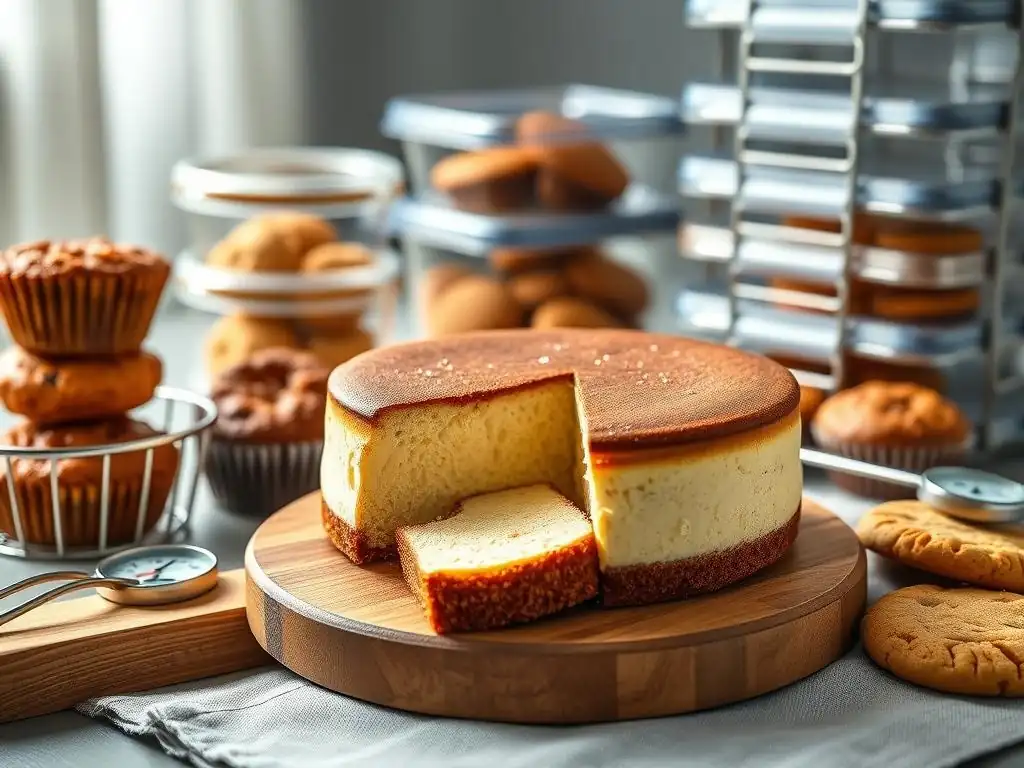
Proper thawing is just as important as proper freezing when it comes to preserving the quality of your keto bakes. Rushing the thawing process or using incorrect methods can lead to soggy textures, condensation issues, or a loss of the desired crumb structure. The goal is to allow the item to return to a ready-to-eat state gently, minimizing negative impacts.
Different types of keto bakes require different thawing approaches to achieve the best results. Understanding the nuances for breads, cakes, and cookies ensures that the effort you put into baking and freezing pays off with delicious outcomes.
Safe Thawing Methods for Frozen Keto Breads
Thawing keto bread safely and effectively is crucial for restoring its texture without making it soggy. The best method is almost always slow thawing. Remove the wrapped loaf or slices from the freezer and place them on the counter at room temperature. Keep the bread wrapped while it thaws to prevent condensation from forming on the surface, which can make the crust soggy.
A whole loaf might take several hours (3-6 hours depending on size) to thaw completely at room temperature. Slices will thaw much faster, usually within 30-60 minutes. Once thawed, unwrap the bread. If the crust feels a bit soft, you can often refresh it by toasting slices or warming the whole loaf in a low oven (around 300°F or 150°C) for 5-10 minutes. Avoid thawing bread in the microwave unless you plan to eat it immediately, as it can become tough and rubbery quickly.
Thawing Keto Cakes: Preventing Condensation
Thawing keto cakes, especially frosted ones, requires a strategy to prevent excessive condensation, which can make the cake layers soggy and the frosting weep or become sticky. The safest and most recommended method is to thaw the cake slowly in the refrigerator.
Remove the wrapped cake (or slices) from the freezer and place it in the refrigerator. Keep it wrapped until it is completely thawed. This slow, cold thawing process minimizes the temperature difference with the surrounding air when you eventually unwrap it, significantly reducing condensation. A whole cake may take 24 hours or longer to thaw in the fridge, while slices might take 4-6 hours. Once thawed, you can unwrap the cake and let it sit at room temperature for 30-60 minutes before serving, if desired, to bring it to an optimal eating temperature.
Thawing keto cookies is relatively straightforward, and the best method depends on whether you froze baked cookies or cookie dough. For baked cookies, simply remove the desired number from the freezer bag or container and let them sit at room temperature on a plate or wire rack. They will thaw quickly, usually within 15-30 minutes. Keeping them in a single layer helps them thaw evenly.
If you froze cookie dough balls, you can often bake them directly from frozen, adding a few extra minutes to the baking time specified in your recipe. Baking from frozen often results in cookies that spread less and maintain a thicker shape. Alternatively, you can thaw the dough balls in the refrigerator overnight before baking according to the recipe instructions. Both methods help ensure your keto cookies retain their intended texture and flavor.
Reviving Keto Bakes After Thawing
Sometimes, even with the best freezing and thawing practices, keto bakes might lose a little something in the process. Their unique composition means they can sometimes benefit from a little post-thaw revival to bring them back to their prime. Simple techniques can help restore moisture, improve texture, and enhance flavor, making your frozen and thawed keto treats taste nearly as good as fresh.
These revival tips are particularly useful for items that might have been stored for a longer period or those whose texture is especially sensitive to freezing, such as certain types of bread or delicate cakes.
Tips for Refreshing Keto Bread After Freezing
Thawed keto bread might sometimes feel a bit dry or have a slightly less appealing crust texture than when fresh. Fortunately, it's often easy to revive. If you thawed a whole loaf, you can refresh the crust and warm the interior by placing it directly on the rack in a preheated oven at around 300-325°F (150-160°C) for 5-10 minutes. This warms the bread through and helps crisp up the exterior.
For thawed slices, toasting is the simplest and most effective way to refresh them. Use a toaster, toaster oven, or even a pan on the stovetop. Toasting helps drive off any surface moisture accumulated during thawing and restores a pleasant texture, making the slices perfect for enjoying with butter or as part of a meal.
Restoring Moisture to Keto Cakes After Thawing
While thawing keto cakes in the refrigerator helps prevent sogginess, they can sometimes still feel a little less moist than when fresh. Restoring moisture can be tricky, as you don't want to make them heavy or wet. If your keto cake feels slightly dry after thawing, serving it with a complementary sauce, a dollop of sugar-free whipped cream, or fresh berries can add moisture and enhance the overall experience.
For unfrosted cakes or plain loaf cakes, a very light brush of a sugar-free simple syrup (made with water and a keto-friendly sweetener) or even a little melted butter brushed over the top while slightly warm can help. However, use this sparingly to avoid making the cake gummy. Often, allowing the cake to come fully to room temperature after thawing in the fridge improves its perceived moisture level.
Thawed keto cookies are perfectly fine to eat at room temperature, but a brief reheat can often enhance their flavor and texture, especially for varieties that are meant to be soft or slightly chewy. Placing thawed cookies on a baking sheet and warming them in a preheated oven at a low temperature (around 300°F or 150°C) for just 3-5 minutes can make them taste like they were freshly baked.
This gentle warming helps to soften the fats in the cookie, improving the texture and releasing aromatic compounds that boost the flavor. Be careful not to overheat them, as this can cause them to become dry or hard. Enjoying a slightly warm, thawed keto cookie is one of the simple pleasures enabled by good keto bakes freezer storage tips.
Troubleshooting Common Keto Bake Storage Problems
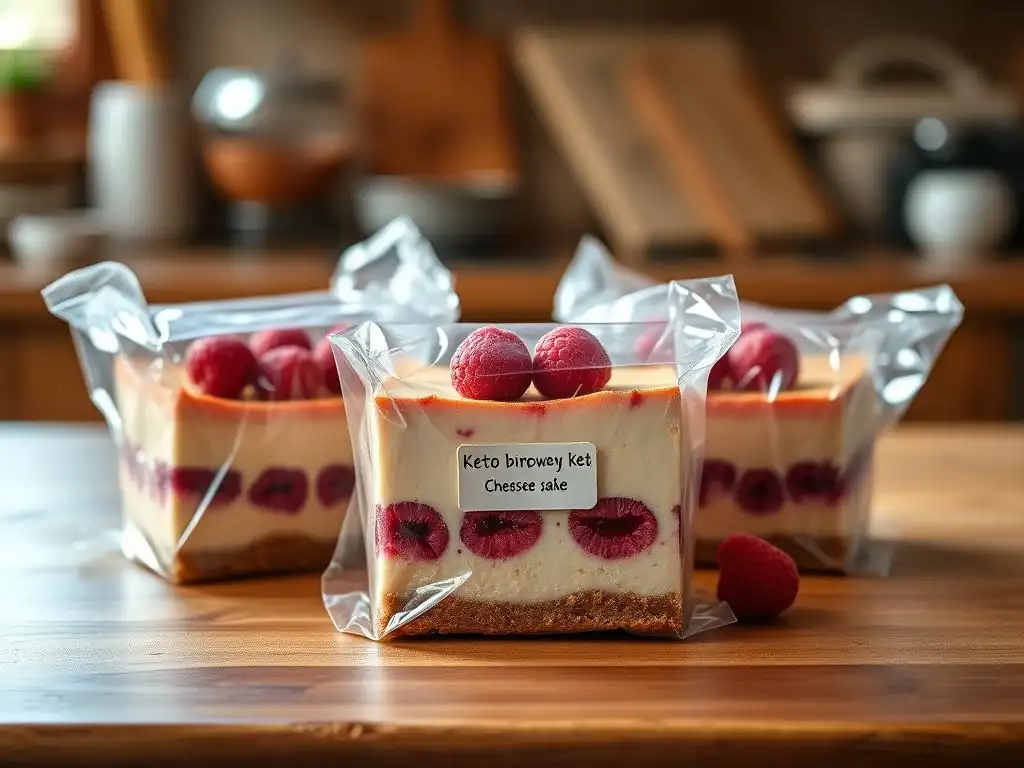
Even with the best practices, you might occasionally encounter issues when storing or thawing your keto bakes. Understanding the common problems and how to address them can help you salvage your treats or refine your storage techniques for future batches.
Identifying the cause of an issue, whether it's dryness, sogginess, or freezer burn, is the first step towards fixing it or preventing it from happening again. Let's look at some frequent challenges in keto baking storage.
Addressing Dryness in Stored Keto Breads
Dryness is a common complaint with stored keto breads, often due to the lack of gluten and sugar, which are natural moisture retainers in traditional bread. If your keto bread feels dry after room temperature storage or thawing, the best fixes often involve adding moisture back during consumption. As mentioned earlier, toasting slices and serving with butter or other moist toppings (like avocado or sugar-free cream cheese) is effective.
For a whole loaf that seems dry, a brief warming in a low oven can help redistribute any remaining moisture, but it won't magically rehydrate it. Ensuring the bread was properly cooled and tightly wrapped immediately after cooling is the best preventative measure against dryness during storage, highlighting the importance of correct keto bakes freezer storage tips and general handling.
Preventing Soggy Textures in Stored Keto Cakes
Soggy textures in stored keto cakes, particularly after thawing, are usually a result of condensation. This happens when a cold item is exposed to warmer, humid air, causing moisture to condense on the surface and soak into the cake structure. The key to prevention is slow thawing, ideally in the refrigerator, while keeping the cake wrapped.
If you find your cake layers are slightly soggy after thawing, you can try gently blotting the surface with a paper towel before serving. For future batches, ensure the cake is completely cooled before packaging for the freezer and always thaw it wrapped in the fridge. Using a rigid container can also help protect the cake from temperature fluctuations that might occur in a busy freezer.
Dealing with Freezer Burn on Keto Baked Goods
Freezer burn appears as dry, often discolored patches on the surface of frozen food. While it doesn't make the food unsafe to eat, it drastically affects the texture and flavor. It's caused by dehydration due to air exposure in the freezer. If you discover freezer burn on your keto bakes, you can often trim away the affected portions before thawing or serving.
The best way to deal with freezer burn is to prevent it entirely through proper packaging. Ensure items are cooled completely before wrapping. Wrap tightly in plastic wrap, pressing out all air, and follow with a second protective layer like foil, freezer paper, or a freezer-safe bag/container. Vacuum sealing is the most effective preventative measure if you freeze keto bakes frequently. Investing in good packaging is key to successful keto bakes freezer storage tips.
Keto Bake Storage Tips for Specific Recipes
Different keto recipes have unique ingredient compositions that can influence their optimal storage methods. While the general principles of cooling, wrapping, and temperature control apply, considering the specific characteristics of certain keto treats can further refine your approach.
Let's look at some popular keto items and specific considerations for their storage, reinforcing how specialized keto bakes freezer storage tips can be.
Storing Keto Brownies and Blondies
Keto brownies and blondies, often dense and moist due to fats like butter or cream cheese and ingredients like almond flour, store quite well. At room temperature, if made without perishable ingredients (like cream cheese frosting), they can last 2-4 days in an airtight container. The dense texture helps retain moisture better than some lighter bakes.
For longer storage, freezing is excellent. Cool completely, then cut into individual portions. Wrap each portion tightly in plastic wrap, then place wrapped portions in a freezer-safe container or bag. They freeze well for 2-3 months. Thaw individual portions at room temperature for 30-60 minutes. Their dense nature means they thaw without becoming overly fragile or soggy, making them ideal candidates for effective keto bakes freezer storage tips.
Storing Keto Pizza Crusts
Keto pizza crusts, whether thin and crispy or thicker, are fantastic candidates for freezing, allowing for quick keto meals. After baking and cooling the crust completely, you can freeze it as a whole crust or in individual serving sizes if you cut it before baking.
Wrap the cooled crust (or portions) tightly in plastic wrap, then in aluminum foil or place in a large freezer-safe bag. If stacking multiple crusts or portions, place parchment paper between them to prevent sticking. Frozen keto pizza crusts typically keep well for 2-3 months. Thaw at room temperature for about 30 minutes before adding toppings and baking according to your recipe. This is a practical application of keto bakes freezer storage tips for meal prep.
Storing Keto Fat Bombs
Keto fat bombs, often made with ingredients like cream cheese, coconut oil, nut butters, and cocoa, require refrigeration due to their high fat and sometimes dairy content. Store fat bombs in an airtight container in the refrigerator for up to 1-2 weeks, depending on the ingredients.
They also freeze exceptionally well. Once formed, place them on a baking sheet lined with parchment paper and flash freeze until solid (about 1-2 hours). Then, transfer the frozen fat bombs to a freezer-safe container or bag, separating layers with parchment paper if needed. Frozen fat bombs can last for 3-4 months. Thaw in the refrigerator for a few hours or enjoy directly from the freezer for a firm treat. This is a simple item where keto bakes freezer storage tips are particularly effective.
Conclusion: Enjoying Fresh Keto Bakes Anytime
Mastering Keto Bake Freezer Storage: Your Key to Consistent Deliciousness
Mastering the art of storing and freezing your keto bakes is truly your key to consistent low-carb deliciousness. By understanding the unique properties of keto ingredients and applying simple, effective storage techniques, you can significantly extend the life of your baked goods while preserving their quality. From choosing the right airtight containers for short-term storage to employing double-wrapping and flash freezing for long-term preservation, each step contributes to a better outcome.
Implementing these keto bakes freezer storage tips means you can bake larger batches less often, saving you time and effort in the kitchen. It ensures you always have a satisfying low-carb treat, snack, or bread option available whenever you need it, preventing reliance on less healthy alternatives. Proper storage is an essential skill for any successful keto baker.
BakeWithEase's Final Thoughts on Preserving Your Keto Creations
At BakeWithEase, we believe that baking should be enjoyable and rewarding, and that includes being able to savor your creations over time. Preserving the freshness of your keto bakes doesn't have to be complicated. Focus on cooling completely, wrapping tightly to exclude air, and choosing the appropriate temperature (room temp, fridge, or freezer) based on the ingredients and how long you need to store them.
By following the guidelines shared in this guide, you are well-equipped to handle the unique challenges of keto baking storage. So go ahead, bake that extra loaf of bread or double batch of cookies! With these effective keto bakes freezer storage tips and general storage advice, you can be confident that your delicious, low-carb efforts will remain fresh and ready to enjoy whenever the craving strikes. Happy baking and happy storing!
Frequently Asked Questions
How long can I realistically store keto baked goods in the freezer without significant quality loss?
Keto baked goods can generally be stored in the freezer for 2-3 months without a major decline in quality. Proper packaging is essential for optimal results.
What's the best way to prevent freezer burn on my keto muffins?
To prevent freezer burn, wrap your keto muffins tightly in plastic wrap, then place them in an airtight freezer-safe container or bag. This creates a barrier against moisture loss.
Are there any specific keto baked goods that don't freeze well?
Items with delicate icings or fillings might not freeze perfectly. Generally, avoid freezing keto bakes with cream-based fillings or fragile decorations.
What's the recommended method for thawing frozen keto baked goods?
The best method is to thaw them in the refrigerator overnight or at room temperature for a few hours. This allows for gradual thawing, preserving texture.
Can I refreeze keto baked goods after thawing them?
It is not recommended to refreeze keto baked goods after they have been thawed. Refreezing can significantly impact the texture and flavor, leading to a lower quality product.
Final Reflection: Unlocking the Delicious Potential of Frozen Keto Bakes
The art of preserving keto-friendly baked goods is not merely about convenience; it's about extending the joy and health benefits of this lifestyle. Mastering freezer storage techniques ensures you can enjoy your favorite low-carb treats whenever the craving strikes, without sacrificing taste or texture. This knowledge empowers you to plan ahead, minimize food waste, and maintain a consistent commitment to your keto journey.
The impact of readily available, delicious keto options extends far beyond individual kitchens. It's about fostering a supportive community where individuals can share recipes and techniques, making the keto lifestyle more accessible and enjoyable. This shared knowledge combats the common misconception that keto is restrictive and bland. The best way to find yourself is to lose yourself in the service of others,
– Mahatma Gandhi. This quote, while not directly about keto baking, speaks to the power of sharing knowledge and resources to build a stronger, more supportive community, which is precisely what we're striving for within the keto baking world.
Now, consider your own keto baking journey. What recipes are you eager to prepare in advance? Which cherished treats do you want to enjoy for weeks to come? Take the knowledge gained here and experiment! Don't be afraid to try different freezing methods, and most importantly, savor the delicious results. The ability to freeze your keto bakes successfully unlocks a world of culinary possibilities, allowing you to embrace the flexibility and convenience that will ultimately sustain your keto lifestyle. Embrace the freedom, and happy baking!
Unlock the Secrets to Perfectly Preserved Keto Treats!
Thanks for taking the time to learn how to keep your keto bakes fresh and delicious! You've now got the knowledge to enjoy your favorite treats for longer. Ready to put your new skills to the test?
- Master the art of freezing: Practice your newfound freezing techniques with your next batch of keto cookies or muffins. Note the differences in texture and taste compared to before!
- Share your success: Tell us (and your friends!) about your experience. What keto bake are you most excited to freeze and enjoy later?
- Explore more preservation tips: Dive deeper into our other resources for preserving delicious keto goodies. What other challenges are you facing in food storage?
What's your go-to keto bake for freezing, and what's your secret to keeping it perfect?