
How to Serve Frozen Desserts: Tips for Perfect Scoops & Slices

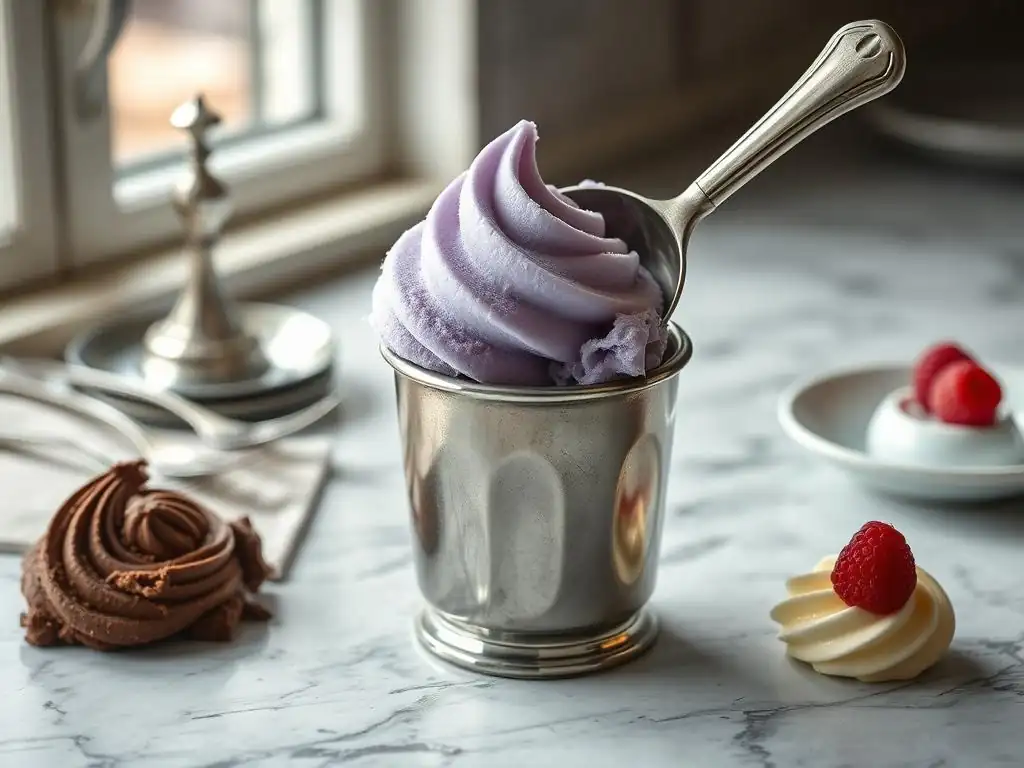
Welcome to BakeWithEase, your companion in the delightful world of baking! Ever struggle with serving frozen desserts? It's an art, not a struggle! Unlock the secrets to perfect scoops and flawless slices with our guide on Frozen Dessert Serving Tips. Curious to learn how to prevent that dreaded ice cream cement? Or achieve that picture-perfect sorbet presentation? Dive in and discover the easy techniques that will elevate your dessert game!
- Serving Different Types of Frozen Desserts: Tailored Approaches
-
Frequently Asked Questions
- How can I prevent my ice cream from being too hard to scoop?
- What's the best way to get clean, even slices of frozen desserts like ice cream cake?
- What are some creative serving suggestions for frozen desserts beyond just a bowl?
- How can I store leftover frozen desserts properly to maintain their quality?
- What's a simple trick for making homemade ice cream sandwiches?
- Final Reflection: The Art of the Perfect Frozen Dessert
- Unleash Your Inner Dessert Artist!
Serving Different Types of Frozen Desserts: Tailored Approaches
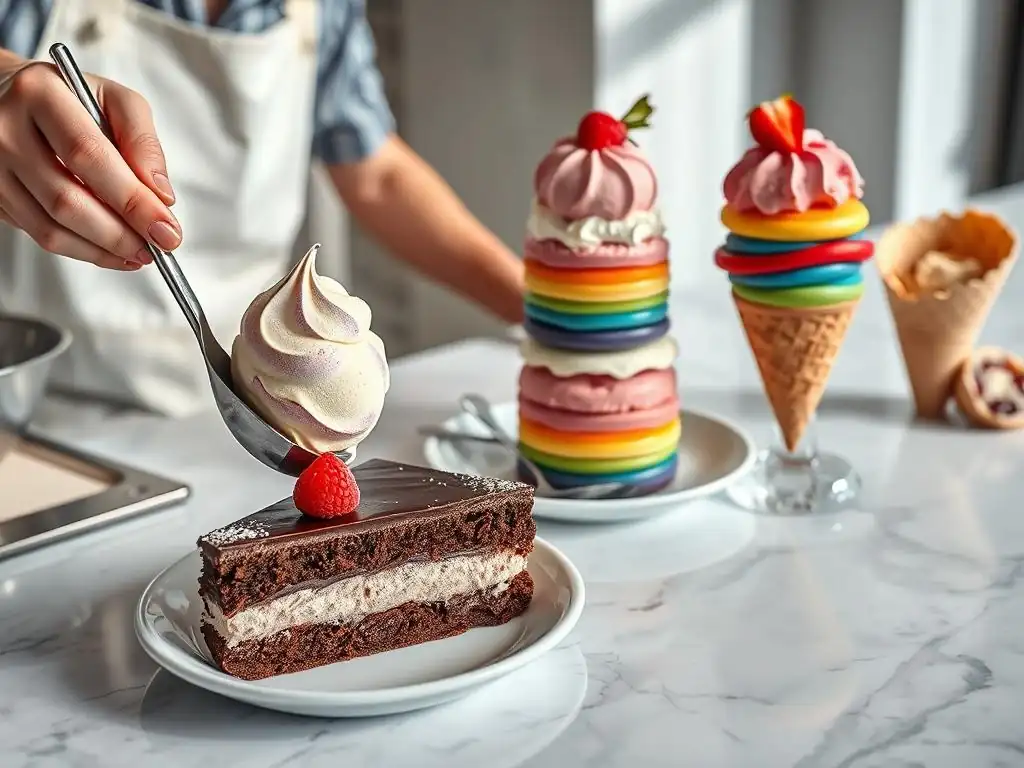
Not all frozen treats are created equal, and the best way to serve them often depends on their unique composition and texture. While general frozen dessert serving tips apply across the board, understanding the specific needs of ice cream, gelato, sorbets, and frozen cakes will elevate your presentation and ensure optimal flavor enjoyment. Each type benefits from a slightly different approach to temperature, scooping, or slicing.
Mastering the nuances of serving various frozen desserts allows you to showcase their best qualities. Whether it's preserving the airy texture of ice cream or highlighting the intense fruit flavor of a sorbet, tailoring your serving methods is key to a successful dessert experience. These specific tips for serving frozen desserts will help you handle everything from a simple scoop to an elaborate frozen cake with confidence and finesse.
Serving Ice Cream: From Classic Scoops to Sundaes
Serving ice cream perfectly starts with temperature. Ice cream typically contains more air than gelato and is often served at a slightly colder temperature, ideally between 6°F and 10°F (-14°C to -12°C). This range provides the ideal balance between firmness for scooping and softness for a pleasant mouthfeel. For classic scoops, ensure your scoop is warmed briefly in hot water before each dip. This helps create those beautiful, round balls without excessive effort or crushing the ice cream structure. Dip the scoop, rotate it against the ice cream surface, and roll it into the desired shape.
Beyond classic scoops for cones or bowls, ice cream shines in various preparations like sundaes, milkshakes, and affogatos. When building a sundae, consider the layers and toppings. Start with scoops of ice cream, then add sauces (like warm fudge or caramel), sprinkle on nuts or candy pieces, and finish with whipped cream and a cherry. For milkshakes, slightly softer ice cream blends more easily. These frozen dessert serving tips help ensure your ice cream is not just edible, but truly enjoyable in any format.
Serving Gelato: Maintaining Texture and Flavor
Gelato presents a different challenge than ice cream due to its lower fat content, slower churning process (which incorporates less air), and typically warmer serving temperature, often between 15°F and 20°F (-9°C to -7°C). This warmer temperature is crucial for highlighting its intense flavors and dense, smooth texture. Unlike ice cream, which is often served in round scoops, gelato is traditionally served using a flat spade or spatula, creating a more rustic, elongated shape that emphasizes its density and rich mouthfeel.
When serving gelato, avoid overworking it with a traditional scoop. The goal is to glide the spade through the gelato, layering it into the serving dish. This technique preserves its unique texture and prevents it from becoming too hard or icy. Focus on presenting the vibrant colors and rich consistency that are hallmarks of quality gelato. These specific frozen dessert serving tips are essential for anyone looking to serve this Italian treat authentically.
Serving Sorbets and Sherbets: Preventing Melting
Sorbets and sherbets, often fruit-based and containing little to no dairy (sorbet) or a small amount (sherbet), are refreshing but prone to melting quickly, especially sorbets which contain no fat to stabilize them. They are typically served at a temperature similar to or slightly warmer than gelato, around 18°F to 22°F (-8°C to -6°C), to enhance their bright, fruity flavors. The key to serving them well is efficiency and presentation in chilled dishes.
Prepare your serving dishes in advance by placing them in the freezer for a few minutes. Scoop or spade the sorbet/sherbet quickly and transfer it immediately to the chilled dish. For a refreshing palate cleanser between courses, serve a small scoop in a tiny bowl or shot glass. When serving as a dessert, pair it with fresh fruit or a light garnish that complements its flavor profile. Implementing these frozen dessert serving tips will help keep these lighter treats from turning into a puddle too quickly.
Serving Frozen Cakes and Pies: Tips for Neat Presentation
Serving frozen cakes and pies requires a balance between firmness and sliceability. Attempting to cut a cake or pie straight from a deep freeze will likely result in cracks, uneven slices, and a struggle. The most important step for neat presentation is allowing the dessert to temper slightly before cutting. A frozen cake or pie should typically sit at room temperature for 15 to 30 minutes, depending on its size and density, or in the refrigerator for 30 to 60 minutes. It should still be very cold, but the edges should yield slightly to pressure.
For the cleanest cuts, use a sharp, thin-bladed knife. Warming the knife under hot running water and drying it quickly before each slice makes a significant difference. Cut down firmly and cleanly, wiping the blade clean between each cut to prevent sticking and maintain sharp edges. This technique is particularly effective for ice cream cakes, layered frozen mousse cakes, or dense frozen pies like key lime or mud pie. Following these frozen dessert serving tips ensures your beautiful creation looks as good on the plate as it tasted frozen.
Frequently Asked Questions
How can I prevent my ice cream from being too hard to scoop?
The key is to temper the ice cream. Let it sit at room temperature for 5-10 minutes before serving to soften it slightly. This will result in easier scooping and a better texture.
What's the best way to get clean, even slices of frozen desserts like ice cream cake?
Use a warm knife. Run it under hot water and dry it before each slice. This will help the knife glide through the frozen dessert more easily.
What are some creative serving suggestions for frozen desserts beyond just a bowl?
Consider serving in waffle cones, on top of brownies, or as part of a dessert charcuterie board. Get creative with toppings like fresh fruit and sauces for added visual appeal.
How can I store leftover frozen desserts properly to maintain their quality?
Always return them to the freezer quickly in an airtight container. Avoid temperature fluctuations to prevent ice crystal formation, which can ruin the texture.
What's a simple trick for making homemade ice cream sandwiches?
Use pre-made cookies! Soften your ice cream slightly, spread it between two cookies, and then refreeze until firm. It's a quick and easy treat for any occasion.
Final Reflection: The Art of the Perfect Frozen Dessert
The seemingly simple act of serving frozen dessert is, in reality, a gateway to enhancing the entire culinary experience. A perfectly scooped ice cream ball or a cleanly sliced frozen pie can elevate a casual gathering into a memorable occasion, transforming a simple treat into a moment of pure delight. The details matter, and mastering these techniques unlocks a level of presentation and enjoyment often overlooked.
The impact of a beautifully served frozen dessert extends far beyond the immediate satisfaction of taste. It speaks to a level of care and attention to detail that resonates with guests, creating a sense of occasion and appreciation. This seemingly small act can significantly influence the overall perception of a meal or event. As the culinary writer M.F.K. Fisher once wisely observed, First we eat, then we do everything else.
A thoughtfully presented frozen dessert is the perfect punctuation mark to a satisfying meal, a final flourish that lingers in the memory long after the last bite.
Now, consider your own approach to serving frozen desserts. Will you continue to rely on haphazard scoops and haphazard slices, or will you embrace the art of presentation? I encourage you to experiment with the techniques discussed in this article, to find joy in the small details, and to elevate your next frozen dessert serving into a truly memorable experience. The reward? A heightened sense of satisfaction, both for you and for those you share your culinary creations with.
Unleash Your Inner Dessert Artist!
Thanks for joining us on this delicious journey into the world of frozen desserts! We hope you’ve picked up some game-changing tips for serving perfectly sculpted scoops and slices. Ready to put your newfound skills to the test?
- Master the Scoop: Practice your scooping technique with your favorite frozen treat – aim for those perfectly round, Instagram-worthy scoops!
- Share the Sweetness: Tag us (@BakeWithEase) on social media with your stunning dessert creations! We’d love to see your masterpieces.
- Experiment with Textures: Try different serving techniques – crumbles, swirls, even layered parfaits – to explore new flavor combinations and presentations.
So, what innovative dessert presentation will you create today?