
Fluffy GlutenFree Vanilla Cupcakes with Swiss Meringue Buttercream

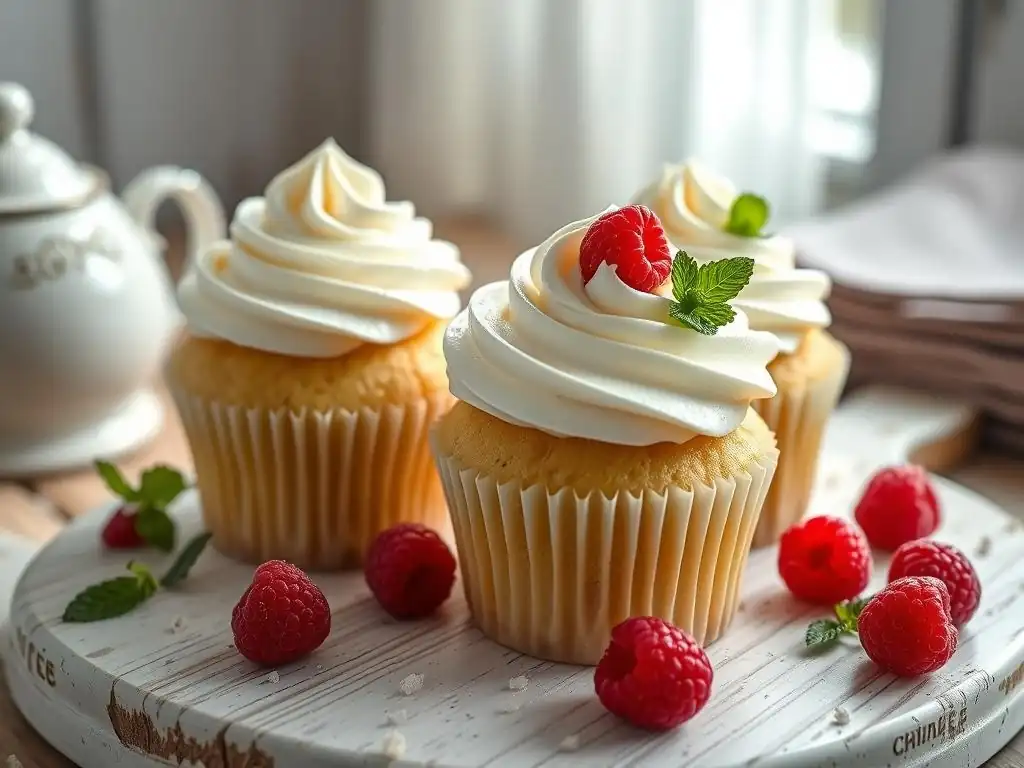
Welcome to BakeWithEase, your haven for baking brilliance! Ever dreamed of creating light and airy delights, even with dietary restrictions? Then prepare to be amazed! Today, we're diving into a world of fluffy, gluten-free goodness with a recipe that will redefine your cupcake expectations. Discover our GlutenFree Vanilla Cupcake recipe and learn how to top it with a silky smooth Swiss Meringue Buttercream. Intrigued? Let's unlock the secrets to baking perfection, one delicious cupcake at a time...
- Gluten-Free Lemon Poppy Seed Cupcakes with Cream Cheese Frosting
- BakeWithEase Presents: A Zesty Gluten-Free Delight
- Why This Gluten-Free Lemon Poppy Seed Cupcake Recipe Works
- Ingredients for Gluten-Free Lemon Poppy Seed Cupcakes
- Step-by-Step Guide: Baking Your Gluten-Free Lemon Poppy Seed Cupcakes
- Cream Cheese Frosting: A Step-by-Step Guide
- Assembling Your Gluten-Free Lemon Poppy Seed Cupcakes
- Tips and Tricks for Baking Gluten-Free Cupcakes
- Variations on This Gluten-Free Cupcake Recipe
- Perfect Pairings: What to Serve with Your Gluten-Free Lemon Poppy Seed Cupcakes
- Gluten-Free Baking Resources on BakeWithEase
-
Frequently Asked Questions
- What makes this gluten-free vanilla cupcake recipe stand out from others?
- Can I substitute the Swiss Meringue Buttercream with a simpler frosting?
- What kind of gluten-free flour blend is best for this recipe?
- Are there any tips for ensuring the cupcakes rise properly without gluten?
- How should I store these gluten-free vanilla cupcakes to maintain their freshness?
- Final Reflection: The Sweetness of Inclusion, One Cupcake at a Time
- Unleash Your Inner Baker: Bake These Fluffy Cupcakes Today!
Gluten-Free Lemon Poppy Seed Cupcakes with Cream Cheese Frosting
BakeWithEase Presents: A Zesty Gluten-Free Delight
A Bright and Flavorful Treat for Any Occasion
Lemon poppy seed cupcakes offer a delightful combination of bright citrus flavor and subtle texture from the poppy seeds. They are a perfect treat for spring gatherings, afternoon tea, or simply when you crave something light and refreshing. Crafting a gluten-free version that is just as moist and tender as traditional cupcakes can sometimes be a challenge, but with the right approach and ingredients, it's entirely achievable. This recipe is designed to guide you through the process seamlessly, ensuring a successful bake even if you're new to gluten-free baking.
These cheerful cupcakes are not just delicious; they cater to those with gluten sensitivities or celiac disease, allowing everyone to enjoy a sweet moment. The vibrant lemon zest and juice infuse the cake with a natural brightness, while the poppy seeds add a pleasant, slightly nutty crunch. Paired with a smooth, tangy cream cheese frosting, these gluten-free lemon poppy seed cupcakes are a truly satisfying dessert that feels both elegant and comforting. They prove that gluten-free baking can be full of flavor and wonderful texture, without compromise.
Why This Gluten-Free Lemon Poppy Seed Cupcake Recipe Works
Light and Tender Texture: Achieving Gluten-Free Success
Achieving a light and tender crumb in gluten-free baking often relies on a careful balance of ingredients and techniques. Unlike wheat flour, gluten-free flour blends lack the protein structure that provides elasticity and chewiness.
To compensate, this recipe utilizes a combination of ingredients like xanthan gum (often included in blends or added separately) to mimic gluten's binding properties, and specific wet ingredients and fats that contribute to moisture and tenderness. For instance, using a mix of oil and butter can help create a softer texture compared to using butter alone, as oil remains liquid at room temperature, keeping the cake moist.
Furthermore, the mixing method plays a crucial role. Overmixing gluten-free batters can sometimes lead to a crumbly texture, while undermixing can result in uneven baking. This recipe employs a method that ensures ingredients are just combined, minimizing the development of a tough or dry result. Incorporating ingredients like sour cream or yogurt, as this recipe does, also adds moisture and a slight tang that enhances the flavor profile while contributing to a tender crumb. The goal is a cupcake that holds together beautifully but melts in your mouth, much like its gluten-containing counterparts.
Tangy Cream Cheese Frosting: The Perfect Complement
Cream cheese frosting is a classic pairing for lemon baked goods, and for good reason. Its rich, slightly tangy flavor provides a beautiful contrast to the sweet and bright lemon cupcake. The acidity in the cream cheese cuts through the sweetness, creating a balanced taste profile that is incredibly moreish. This frosting is also wonderfully creamy and smooth, making it easy to pipe or spread, and it holds its shape well, allowing for attractive decoration.
Creating a smooth, lump-free cream cheese frosting requires starting with softened ingredients. Cream cheese and butter should be at room temperature, ideally around 68-70°F (20-21°C). If they are too cold, they won't cream together properly, leading to lumps. If they are too warm, the frosting can become too soft and runny. This recipe guides you on the optimal temperature and mixing steps, typically involving beating the softened cream cheese and butter until light and fluffy before gradually adding powdered sugar and flavorings. The result is a luscious frosting that elevates the gluten-free lemon poppy seed cupcake to dessert perfection.
Readily Available Ingredients: Bake With Ease
One of the aims of BakeWithEase is to make baking accessible, and this includes using ingredients that are easy to find in most standard grocery stores. This gluten-free lemon poppy seed cupcake recipe is designed with that in mind. The core ingredients – a gluten-free all-purpose flour blend, sugar, eggs, butter, oil, milk, lemon, poppy seeds, baking powder, baking soda, and salt – are staples that you likely already have or can easily purchase.
Even the ingredients for the cream cheese frosting, such as cream cheese, butter, powdered sugar, and lemon juice, are standard items. You won't need to hunt for specialty flours or obscure additives (beyond a typical gluten-free blend which is now widely available). This makes the process less intimidating and more enjoyable, allowing you to focus on the fun of baking rather than the stress of sourcing ingredients. For example, a popular gluten-free blend might contain rice flour, potato starch, tapioca starch, and sometimes sorghum or millet flour, along with xanthan gum – all common components.
Ingredients for Gluten-Free Lemon Poppy Seed Cupcakes
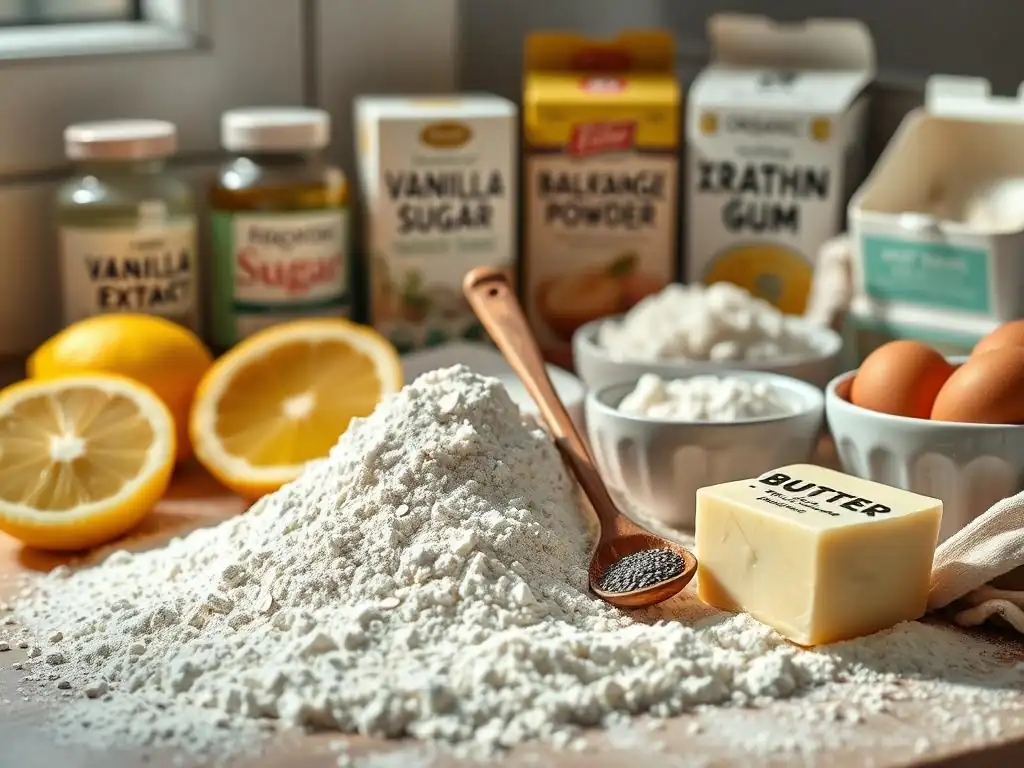
Gluten-Free All-Purpose Flour Blend: The Base of the Recipe
The choice of gluten-free all-purpose flour blend is crucial for the success of these cupcakes. Different blends contain varying ratios of rice flour, potato starch, tapioca starch, and other alternative flours, which can affect the texture and moisture absorption. It's generally recommended to use a reputable blend that is specifically designed for baking and contains a binder like xanthan gum. Using a blend without added xanthan gum might require you to add it separately, typically about 1/2 teaspoon per cup of flour in cake recipes, to provide structure.
For this recipe, a blend that works well cup-for-cup in place of wheat flour is ideal. Brands like King Arthur Baking Gluten-Free All-Purpose Flour or Bob's Red Mill 1-to-1 Baking Flour are popular choices that often yield consistent results in cupcake recipes. While the specific composition varies, they are formulated to absorb liquid similarly to wheat flour, helping to prevent a gummy or dry texture. Always measure your gluten-free flour blend using the spoon-and-level method or by weight (recommended, typically 120-130 grams per cup) for accuracy.
Wet Ingredients: Enhancing Moisture and Flavor
The wet ingredients in this recipe contribute significantly to the moisture, tenderness, and flavor of the gluten-free lemon poppy seed cupcakes. This typically includes elements like milk (dairy or non-dairy), eggs, vegetable oil, melted butter, lemon juice, and potentially sour cream or yogurt. The combination of oil and butter provides both moisture and flavor; oil keeps the cake moist over time, while butter adds richness and a classic baked goods flavor. Using buttermilk or adding a tablespoon of vinegar or lemon juice to regular milk and letting it sit for 5-10 minutes can create a similar tang and tenderness.
Eggs act as a binder and leavener, adding structure and richness. Using large eggs is standard in most recipes. The amount of lemon juice and zest is key to the bright citrus flavor; using fresh lemons is always recommended over bottled juice for the best taste. For example, one medium lemon typically yields about 2-3 tablespoons of juice and 1-2 teaspoons of zest. Ensuring all wet ingredients like milk and eggs are at room temperature helps them emulsify better with the dry ingredients, leading to a smoother batter and a more even crumb structure in the final baked good.
Other Essential Ingredients: [List Specific Ingredients and Quantities]
Here is a list of the other essential ingredients needed for these gluten-free lemon poppy seed cupcakes and the cream cheese frosting. Note: Specific quantities would be listed here in a real recipe.
- Granulated Sugar: Provides sweetness and helps with structure.
- Baking Powder: A leavening agent for lift.
- Baking Soda: Works with acidic ingredients (like lemon juice, buttermilk/sour cream) for leavening.
- Salt: Enhances overall flavor.
- Poppy Seeds: Adds texture and a subtle nutty flavor.
- Vanilla Extract: Enhances the overall flavor profile.
- Cream Cheese (for frosting): Full-fat block cream cheese is best for structure.
- Unsalted Butter (for frosting): Softened.
- Powdered Sugar (for frosting): Provides sweetness and structure to the frosting.
Step-by-Step Guide: Baking Your Gluten-Free Lemon Poppy Seed Cupcakes
Preparing the Batter: Achieving the Right Consistency
Preparing the batter for gluten-free cupcakes requires careful attention to mixing to avoid developing a tough or crumbly texture. Start by whisking together the dry ingredients: the gluten-free flour blend, sugar, baking powder, baking soda, salt, and poppy seeds in a large bowl. Whisking ensures they are evenly distributed, especially the leavening agents.
In a separate bowl, whisk together the wet ingredients: eggs, milk, vegetable oil, melted butter, lemon juice, lemon zest, and vanilla extract. Some recipes suggest creaming softened butter and sugar first, then adding eggs, and alternating dry and wet ingredients; others use the muffin method of combining wet and dry separately and then mixing.
For this recipe, we'll use a method that minimizes mixing after the wet and dry ingredients are combined. After whisking the dry ingredients, create a well in the center. Pour the wet ingredients into the well. Using a whisk or a rubber spatula, gently mix the ingredients until just combined.
It's okay if a few small lumps remain; overmixing can activate the binder (like xanthan gum) too much, leading to a dense texture. The batter should be thick but pourable, similar to a standard cupcake batter. Avoid using a stand mixer on high speed once the wet and dry are together; hand mixing or low speed on a mixer is best.
Filling the Cupcake Liners: Avoiding Overflow
Properly filling cupcake liners is essential for evenly baked cupcakes with appealing domes. Standard cupcake liners should be placed in a muffin tin. It's crucial not to overfill the liners, as the batter will rise during baking. A general rule of thumb is to fill each liner about two-thirds full. This allows enough room for the cupcake to rise without spilling over the edges of the liner, which can cause them to bake unevenly and stick to the pan.
Using a scoop, such as an ice cream scoop or a dedicated cupcake scoop, can help ensure consistent filling amounts across all the liners. A standard scoop size (like a 1/4 cup scoop) often provides the right amount for a regular-sized cupcake liner. Fill all the liners in the tin before placing it in the oven to ensure even baking. If you have leftover batter that doesn't fill a tin completely, add a few tablespoons of water to the empty cavities in the tin; this helps the pan heat evenly and prevents warping.
Baking to Perfection: Time and Temperature Guide
Baking gluten-free cupcakes to perfection involves precise temperature and timing. Preheat your oven to the specified temperature (often 350°F or 175°C) and ensure it has reached the correct temperature using an oven thermometer, as oven temperatures can vary significantly. Place the muffin tin in the center rack of the preheated oven. The baking time will vary depending on your oven and the size of the cupcakes, but typically ranges from 18 to 25 minutes for standard-sized cupcakes.
Look for visual cues to determine doneness. The edges of the cupcakes should be lightly golden, and the centers should appear set. To be sure, insert a toothpick into the center of a cupcake; if it comes out clean or with a few moist crumbs attached (but no wet batter), they are done. Be careful not to overbake, as this is a common cause of dry gluten-free baked goods. If they seem to be browning too quickly on top but aren't done in the center, you can loosely tent the tin with aluminum foil for the remaining baking time.
Cooling the Cupcakes: Essential for Frosting
Proper cooling is a critical step before frosting your gluten-free lemon poppy seed cupcakes. Once baked, remove the muffin tin from the oven and let it sit on a wire rack for about 5-10 minutes. This initial cooling period in the tin allows the cupcakes to firm up slightly before being moved. Attempting to remove them too soon can cause them to break apart, especially gluten-free ones which can be more delicate when hot.
After the initial cooling period in the tin, carefully transfer the cupcakes to the wire rack to cool completely. They need to cool entirely, usually for at least 30-60 minutes, before you apply any frosting. Frosting warm cupcakes will cause the frosting to melt and slide off. Cooling on a wire rack allows air circulation around the entire cupcake, preventing moisture from accumulating on the bottom and making the liners soggy. Ensure they are completely cool to the touch before moving on to the frosting step.
Cream Cheese Frosting: A Step-by-Step Guide
Preparing the Cream Cheese: Achieving the Right Temperature
The key to smooth, lump-free cream cheese frosting is using softened cream cheese and butter. Take your block of full-fat cream cheese out of the refrigerator at least 1-2 hours before you plan to make the frosting. It should be soft enough that you can easily press into it with your finger, but not so soft that it's greasy or melting.
The ideal temperature is around 68-70°F (20-21°C). If you're in a hurry, you can try cutting the cream cheese into smaller cubes and letting it sit for 15-20 minutes, or very briefly microwaving it on a low power setting (like 10%) in 10-second increments, being extremely careful not to melt it.
Using cold cream cheese is the most common reason for lumpy frosting. When cold cream cheese is beaten, it doesn't break down smoothly and resists incorporating with the other ingredients, leaving small, firm bits throughout the frosting. Softened cream cheese, on the other hand, creams beautifully with the butter, creating a smooth, uniform base for the frosting. Ensure you are using block-style cream cheese, not the whipped or spreadable kind, as the latter has a different consistency and moisture content that is not suitable for frosting.
Adding the Butter: Gradual Incorporation for Smoothness
Just like the cream cheese, the unsalted butter for the frosting must be properly softened to room temperature. Beat the softened butter in a large bowl using an electric mixer (handheld or stand mixer) until it is light and fluffy, typically for 2-3 minutes. This incorporates air and makes the frosting lighter. Once the butter is creamed, add the softened cream cheese to the bowl.
Beat the butter and cream cheese together on medium speed until the mixture is completely smooth and no lumps of cream cheese remain. This usually takes another 2-3 minutes. Stop and scrape down the sides and bottom of the bowl frequently to ensure everything is evenly mixed.
This step is crucial for achieving a silky-smooth frosting texture. Beating the cream cheese and butter thoroughly at this stage ensures a homogenous base before adding the powdered sugar. If the mixture is not smooth now, it will be very difficult to get rid of the lumps later once the powdered sugar is added. Some bakers even recommend beating the cream cheese by itself briefly first to ensure it's lump-free before adding the butter.
Flavoring: Enhancing the Lemon Flavor
Once the butter and cream cheese are smoothly combined, it's time to add the powdered sugar and flavorings. Gradually add the powdered sugar, about 1/2 to 1 cup at a time, mixing on low speed until just combined before adding more. Adding the sugar slowly prevents a cloud of sugar dust from flying everywhere. Once all the sugar is incorporated, increase the mixer speed to medium-high and beat the frosting for 2-3 minutes. This whips air into the frosting, making it lighter and fluffier.
Now add the flavorings: fresh lemon juice and vanilla extract. Start with a small amount of lemon juice (perhaps 1-2 tablespoons) and vanilla extract (around 1 teaspoon). Beat them into the frosting until fully incorporated. Taste the frosting and add more lemon juice if you desire a tangier flavor. Be cautious not to add too much liquid, as this can make the frosting too thin. If you want an even more intense lemon flavor, you can add a bit of lemon zest at this stage as well, though it will add tiny flecks to the frosting.
Troubleshooting: Common Frosting Issues and Solutions
Even with careful steps, you might encounter common issues when making cream cheese frosting. The most frequent problem is lumpy frosting, almost always due to cold cream cheese or butter. If your frosting is lumpy, try warming a small amount of the frosting gently (perhaps over a double boiler or in the microwave for just a few seconds) until it's slightly warmer than room temperature, then beat it again vigorously. Sometimes, pressing the frosting through a fine-mesh sieve can help remove stubborn lumps, although this is a bit tedious.
Another issue is frosting that is too thin. This can happen if too much liquid (like milk or lemon juice) is added, or if the butter or cream cheese was too soft. To thicken runny frosting, you can gradually add more powdered sugar, 1/4 cup at a time, beating well after each addition until the desired consistency is reached.
Alternatively, chilling the frosting in the refrigerator for 20-30 minutes can help it firm up, especially if it was just too warm. If the frosting is too thick, add milk or lemon juice, 1 teaspoon at a time, beating until smooth and spreadable.
Assembling Your Gluten-Free Lemon Poppy Seed Cupcakes
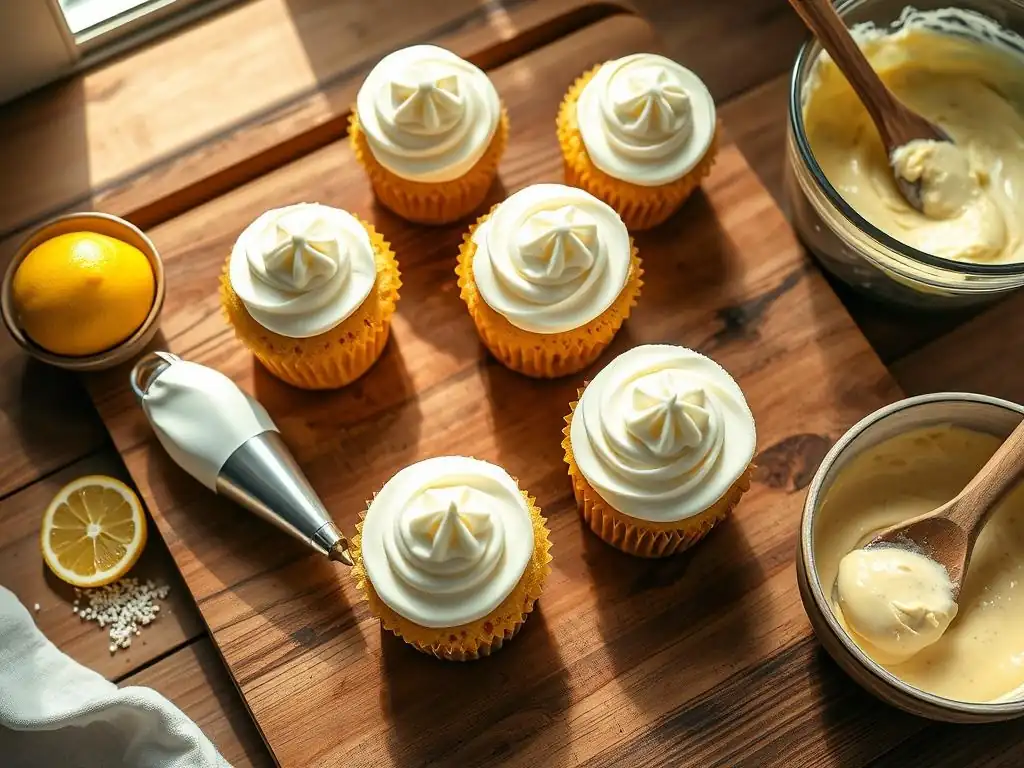
Frosting Techniques: Creating Beautiful Swirls
Once your gluten-free lemon poppy seed cupcakes are completely cool and the cream cheese frosting is prepared, it's time for assembly. There are several ways to apply frosting, from simple spreading to elaborate piping. For a classic look, you can use an offset spatula or knife to spread a generous dollop of frosting onto each cupcake, creating a rustic, swirled effect. Start in the center and push the frosting towards the edges, creating peaks.
For a more professional finish, use a piping bag fitted with a large tip, such as a star tip (like Wilton 1M) or a round tip (like Wilton 2A). Fill the piping bag about two-thirds full with frosting. Twist the top of the bag to secure the frosting and gently squeeze to push the frosting down towards the tip.
Hold the piping bag perpendicular to the cupcake and pipe a swirl starting from the outer edge and working your way towards the center, or start in the center and pipe upwards, depending on the desired effect. Practice on a piece of parchment paper first if you're new to piping.
Decorating Ideas: Lemon Zest and Poppy Seeds
Elevate the visual appeal and reinforce the flavor profile of your gluten-free lemon poppy seed cupcakes with simple decorations. A sprinkle of fresh lemon zest over the frosting adds a burst of vibrant yellow color and intensifies the lemon aroma. Use a microplane zester to get fine, delicate strands of zest. A light sprinkle of poppy seeds over the frosting also ties the decoration back to the cupcake flavor and adds a subtle visual cue.
For a touch of elegance, you could place a thin slice or wedge of candied lemon peel on top of the frosting. Edible flowers or a dusting of powdered sugar through a sieve are other simple yet effective ways to decorate. Remember, the goal is to make them look as appealing as they taste, and these simple additions highlight the key flavors of the cupcake beautifully.
Tips and Tricks for Baking Gluten-Free Cupcakes
Choosing the Right Gluten-Free Flour Blend: A Guide
Selecting the appropriate gluten-free flour blend is paramount for successful gluten-free baking. As mentioned earlier, blends vary significantly in composition. Blends labeled "cup-for-cup" or "1-to-1" are formulated to replace wheat flour in standard recipes without major adjustments, making them a good starting point for converting traditional recipes or using recipes specifically developed for these blends. These often contain a mix of rice flours, starches (like tapioca, potato, corn), and a binder like xanthan gum.
Avoid using single-ingredient gluten-free flours like almond flour, coconut flour, or buckwheat flour as a direct substitute for an all-purpose blend in this recipe, as they have different absorption rates and structural properties. If a recipe calls for a specific blend, using that blend will give you the most consistent results. If you need to substitute, look for a blend with a similar composition, particularly regarding the type of starches and the presence of xanthan gum.
Reading reviews or checking the manufacturer's website for recommended uses can also be helpful. For example, some blends are better suited for cakes than breads or cookies.
Preventing Dryness: Hydration Tips
Dryness is a common challenge in gluten-free baking because alternative flours can absorb moisture differently and often lack the fat-binding properties of gluten. To combat this, ensure your recipe includes adequate moisture from sources like oil, butter, milk, eggs, sour cream, or yogurt. This gluten-free lemon poppy seed cupcake recipe is formulated with a good balance of wet ingredients to promote moisture.
Overbaking is another major culprit for dry cupcakes. Always use the visual cues and the toothpick test mentioned earlier, and start checking for doneness at the lower end of the suggested baking time. If your gluten-free baked goods consistently turn out dry, consider slightly reducing the baking time or temperature in your oven. Some bakers also find that adding an extra egg yolk or a tablespoon of applesauce or plain yogurt can boost moisture without significantly altering the flavor profile. Ensuring ingredients are at room temperature also helps with proper emulsification, leading to a more hydrated and tender crumb.
Storing Your Cupcakes: Maintaining Freshness
Proper storage is essential to keep your gluten-free lemon poppy seed cupcakes fresh and moist. Once the cupcakes have cooled completely and are frosted, the best way to store them is in an airtight container at room temperature for 1-2 days. Place them in a single layer if possible, or use layers of parchment paper between them to prevent the frosting from sticking.
For longer storage, or if your kitchen is particularly warm, refrigerating the frosted cupcakes is recommended. Place them in an airtight container and store them in the refrigerator for up to 3-4 days. Note that the texture of gluten-free baked goods can sometimes change slightly when chilled, becoming a bit firmer.
To enjoy them at their best texture, take them out of the refrigerator about 20-30 minutes before serving to allow them to come closer to room temperature. Unfrosted cupcakes can be stored in an airtight container at room temperature for up to 2 days or frozen for up to 2-3 months. Thaw frozen unfrosted cupcakes at room temperature before frosting.
Variations on This Gluten-Free Cupcake Recipe
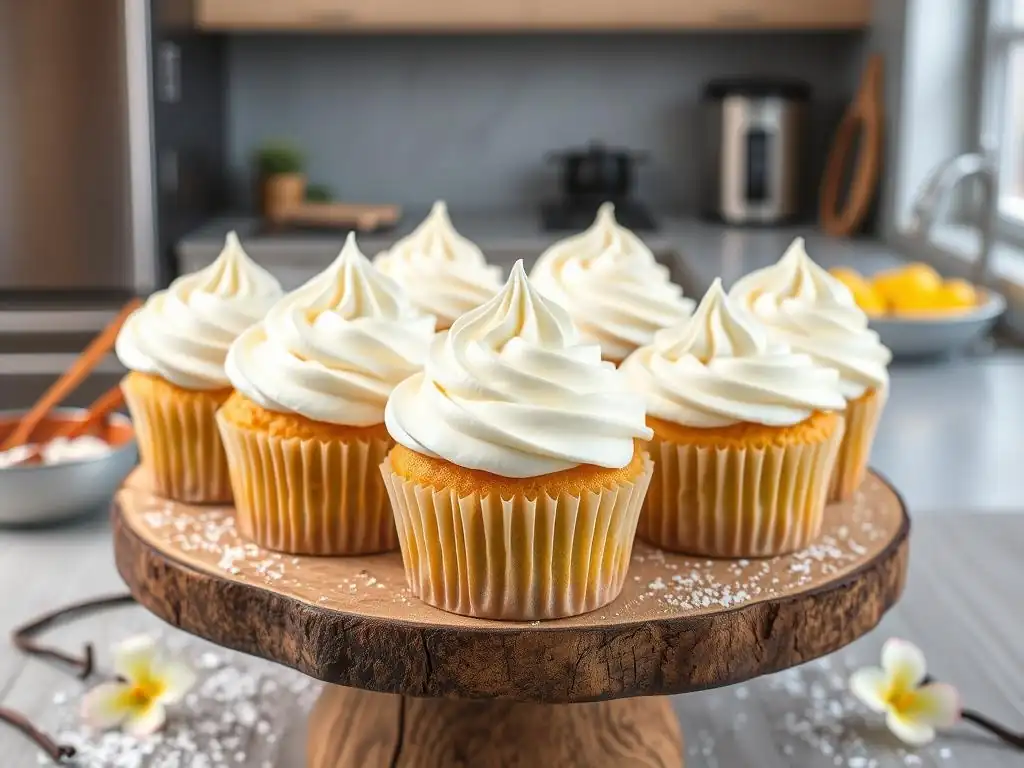
Gluten-Free Orange Poppy Seed Cupcakes: A Citrusy Alternative
While lemon provides a bright and zesty flavor, you can easily adapt this recipe to create delicious gluten-free orange poppy seed cupcakes. Simply replace the lemon zest and juice with the zest and juice of fresh oranges. Use the zest of one large orange and the juice needed to match the liquid quantity specified in the original recipe (typically 1/4 to 1/3 cup). Orange provides a sweeter, less tart citrus note than lemon, resulting in a slightly different but equally delightful flavor profile.
When making the cream cheese frosting for the orange variation, replace the lemon juice with orange juice. You can also add a bit of orange zest to the frosting for an extra burst of citrus flavor. This variation offers a warmer, sweeter citrus experience, perfect for those who prefer orange over lemon. The baking time and technique remain the same as the original recipe.
Adding Blueberries: A Fruity Twist
Adding fresh blueberries to the gluten-free lemon poppy seed batter introduces a lovely fruity element that pairs wonderfully with the lemon and poppy seeds. Gently fold about 1/2 to 3/4 cup of fresh blueberries into the batter just before scooping it into the cupcake liners. Coating the blueberries lightly in a tablespoon of the gluten-free flour blend before adding them to the batter can help prevent them from sinking to the bottom of the cupcakes during baking.
Be mindful that adding blueberries introduces extra moisture, which might slightly increase the baking time. Watch the cupcakes closely and use the toothpick test to ensure they are fully baked. The burst of juicy blueberries within the tender lemon poppy seed cake creates a delightful contrast in texture and flavor, making this variation a popular choice, especially when blueberries are in season.
Perfect Pairings: What to Serve with Your Gluten-Free Lemon Poppy Seed Cupcakes
Beverage Suggestions: Lemonade, Herbal Tea
Pairing the right beverage with your gluten-free lemon poppy seed cupcakes can enhance the overall enjoyment. Given the bright lemon flavor of the cupcakes, a refreshing glass of homemade lemonade is a natural and complementary choice. The sweet and tart notes of the lemonade echo the flavors in the cupcake without overpowering them.
For a warm beverage option, a light and fragrant herbal tea, such as chamomile, peppermint, or a gentle citrus blend, works beautifully. These teas offer a soothing contrast to the vibrant lemon flavor and don't compete with the delicate textures of the gluten-free cupcake and creamy frosting. Avoid strong, bold coffees or very tannic black teas, which might overwhelm the subtle nuances of the dessert.
Dessert Table Ideas: Fruit Salad, Lemon Bars
If you're serving these gluten-free lemon poppy seed cupcakes as part of a larger dessert spread, consider complementary items that align with the light and fruity theme. A fresh fruit salad, perhaps featuring berries, melon, and grapes, provides a refreshing contrast and caters to guests who might prefer something less rich.
Other gluten-free lemon-themed desserts, like gluten-free lemon bars or a lemon panna cotta, can create a cohesive flavor profile on the dessert table. For variety, consider adding something chocolatey or nutty, provided it's also gluten-free and won't cross-contaminate. The key is to offer a range of textures and flavors while ensuring all gluten-free items are clearly labeled to avoid confusion.
Gluten-Free Baking Resources on BakeWithEase
Explore More Gluten-Free Cake Recipes
BakeWithEase offers a growing collection of delicious and easy-to-follow gluten-free cake recipes, perfect for any occasion. Beyond these gluten-free lemon poppy seed cupcakes, you can find recipes for classic chocolate cake, simple vanilla cake, rich red velvet, and various fruit-based cakes, all adapted for gluten-free baking. Each recipe is tested and includes detailed instructions to help you achieve great results.
Whether you're looking for a celebration cake, a simple loaf cake for everyday enjoyment, or other glutenfree vanilla cupcake recipe variations, our gluten-free cake section provides reliable guides. We focus on recipes that use readily available gluten-free flour blends and techniques that promote moisture and tenderness, helping you navigate the unique aspects of gluten-free cake baking with confidence.
Mastering Gluten-Free Baking Techniques
Mastering gluten-free baking involves understanding how different flours and binders behave and adjusting techniques accordingly. Our resources on BakeWithEase delve into these specifics, offering articles and guides on topics like choosing the right gluten-free flour blend for different types of baked goods, the role of xanthan gum and other binders, and tips for preventing common issues like dryness or crumbliness.
You can learn about the "muffin method" versus the "creaming method" in gluten-free baking and how to adjust liquid ratios. We also cover techniques for working with delicate gluten-free doughs and batters. By exploring these resources, you'll gain a deeper understanding of the science behind gluten-free baking, empowering you to not only follow recipes successfully but also to experiment and adapt with greater confidence.
Frequently Asked Questions
What makes this gluten-free vanilla cupcake recipe stand out from others?
This recipe focuses on achieving a fluffy texture despite the absence of gluten, using a specific blend of flours and techniques to mimic traditional cupcake structures. It also features a Swiss Meringue Buttercream, known for its light and silky texture.
Can I substitute the Swiss Meringue Buttercream with a simpler frosting?
Yes, you can. While the Swiss Meringue Buttercream is recommended, a basic vanilla buttercream or even a cream cheese frosting would work as a substitute. However, the texture and flavor profile will be different.
What kind of gluten-free flour blend is best for this recipe?
A high-quality gluten-free all-purpose flour blend that contains xanthan gum is crucial for best results. Experimenting with different blends might be necessary, but ensure it's a blend suitable for baking.
Are there any tips for ensuring the cupcakes rise properly without gluten?
Avoid overmixing the batter, as this can lead to a dense cupcake. Also, be sure to measure ingredients accurately, especially the gluten-free flour and leavening agents, for optimal rise.
How should I store these gluten-free vanilla cupcakes to maintain their freshness?
Store the cupcakes in an airtight container at room temperature for up to 2 days or in the refrigerator for up to 5 days. Allow them to come to room temperature before serving for the best flavor and texture.
Final Reflection: The Sweetness of Inclusion, One Cupcake at a Time
The demand for delicious, gluten-free baked goods is not just a trend; it's a testament to the growing need for inclusive and accessible culinary experiences. These fluffy gluten-free vanilla cupcakes, topped with a cloud-like Swiss meringue buttercream, are more than just a recipe; they represent a commitment to making joy accessible to everyone.
Creating this recipe was a journey of experimentation and adaptation, a reminder that deliciousness knows no dietary restrictions. The process highlighted the importance of finding substitutions that don't compromise on flavor or texture. It underscored the power of baking to bring people together, regardless of their dietary needs. The best things in life are the simple things, and good food is one of them.
This quote perfectly encapsulates the heart of this recipe – simple ingredients, transformed into something extraordinary, shared with those we care about.
Now, I invite you to step into your kitchen and recreate this magic. Don't be intimidated by the "gluten-free" label; embrace the challenge and the reward of creating something both delicious and inclusive. Share these cupcakes with loved ones, celebrate small victories, and remember the sweetness of connection that a simple, perfectly baked cupcake can bring. Let's continue to bake a world where everyone can enjoy the joy of a truly delightful treat.
Unleash Your Inner Baker: Bake These Fluffy Cupcakes Today!
Thanks for joining us on this delicious journey into the world of fluffy, gluten-free vanilla cupcakes! We hope you've gained some valuable baking knowledge and inspiration. Ready to take your baking skills to the next level?
- Dive right in and bake these cupcakes! The recipe is simple, delicious, and perfect for any occasion. Imagine the joy on your loved ones' faces!
- Share your baking creations with us on social media using #BakeWithEaseFluffyCupcakes – we'd love to see your masterpiece!
- Consider experimenting with different flavor extracts or frostings to personalize your cupcakes. What unique twist will you add?
Ready to create your own fluffy cupcake masterpiece? What exciting flavor combinations are you dreaming up?