
Baking French Madeleines: Variations and Flavor Ideas

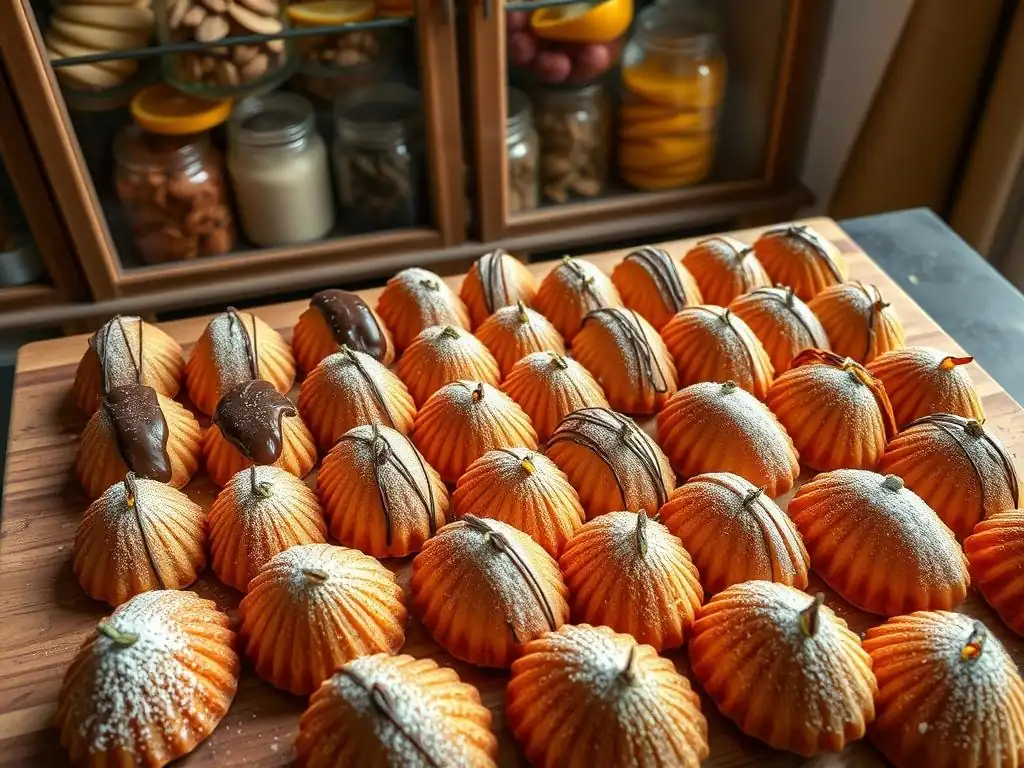
Welcome to BakeWithEase, your haven for baking brilliance! Ever wondered how to elevate the delicate charm of a French Madeleine? Dive into our exploration of French Madeleine flavor variations and discover a world of exciting possibilities. Prepare to unlock new dimensions of taste and texture in this classic treat – the journey to baking perfection starts now, so keep reading to find out more!
- Baking French Madeleines: Unique Variations and Flavor Ideas
- Introduction to French Madeleines: A Classic Pastry
- Mastering the Basic Madeleine Recipe
- Exploring Flavor Variations
- Creative Glazes and Finishes
- Storing and Serving Madeleines
- Conclusion: Unleash Your Creativity
-
Frequently Asked Questions
- What are the classic flavorings typically used in French Madeleines?
- Can I easily adapt the basic Madeleine recipe to incorporate new flavors?
- What are some unique and interesting flavor variations for French Madeleines?
- Are there any flavor combinations that don't work well with Madeleines?
- Where can I find more inspiration for Madeleine flavor variations and recipes?
- Final Reflection: The Enduring Allure of the Madeleine
- Unleash Your Inner Pâtissier: Master the Madeleine!
Baking French Madeleines: Unique Variations and Flavor Ideas
Introduction to French Madeleines: A Classic Pastry
What Makes a Madeleine a Madeleine?
A true French Madeleine is instantly recognizable by its distinctive shell shape on one side and a characteristic hump on the other. This beloved small sponge cake, often associated with the Commercy region of Lorraine in northeastern France, is traditionally made with a simple batter of eggs, sugar, flour, butter, and often lemon zest.
The key to its unique form lies in baking the batter in a specially shaped pan, typically cast iron or non-stick metal, which helps achieve the signature ridges and the sought-after hump through thermal shock. The texture is light and airy, with a slightly crisp edge and a tender, moist interior, making it a delightful treat enjoyed with coffee or tea.
Beyond its shape, the Madeleine's appeal lies in its delicate flavor profile, which is subtle yet comforting. While the basic recipe is straightforward, the quality of ingredients significantly impacts the final result. Using high-quality butter provides a rich, nutty undertone, and fresh eggs contribute to the cake's structure and tenderness.
The traditional addition of lemon zest brightens the flavor, cutting through the richness of the butter and adding a refreshing note. The process of making Madeleines often involves chilling the batter, which is believed to contribute to the prominent hump by allowing the outer edges to set faster than the center when they hit the hot pan.
The Allure of French Madeleines
French Madeleines hold a special place in culinary history and popular culture, perhaps most famously immortalized by Marcel Proust in his novel In Search of Lost Time, where the taste of a Madeleine dipped in tea evokes a flood of childhood memories. This powerful association with nostalgia and simple pleasures contributes significantly to their enduring allure. They represent a piece of classic French goûter (afternoon snack) culture, embodying elegance in their simplicity. Their small size makes them perfect for sharing or enjoying as a single portion, ideal for a moment of indulgence.
The popularity of Madeleines extends far beyond France, enjoyed by bakers and pastry enthusiasts worldwide. Their relatively simple ingredient list and quick baking time make them accessible for home bakers, while their elegant appearance makes them suitable for special occasions. From traditional tea parties to modern dessert platters, these little cakes offer a versatile canvas for creativity. Exploring French madeleine flavor variations allows bakers to put their own spin on this classic, keeping the tradition alive while introducing exciting new tastes.
Mastering the Basic Madeleine Recipe
Essential Ingredients for Perfect Madeleines
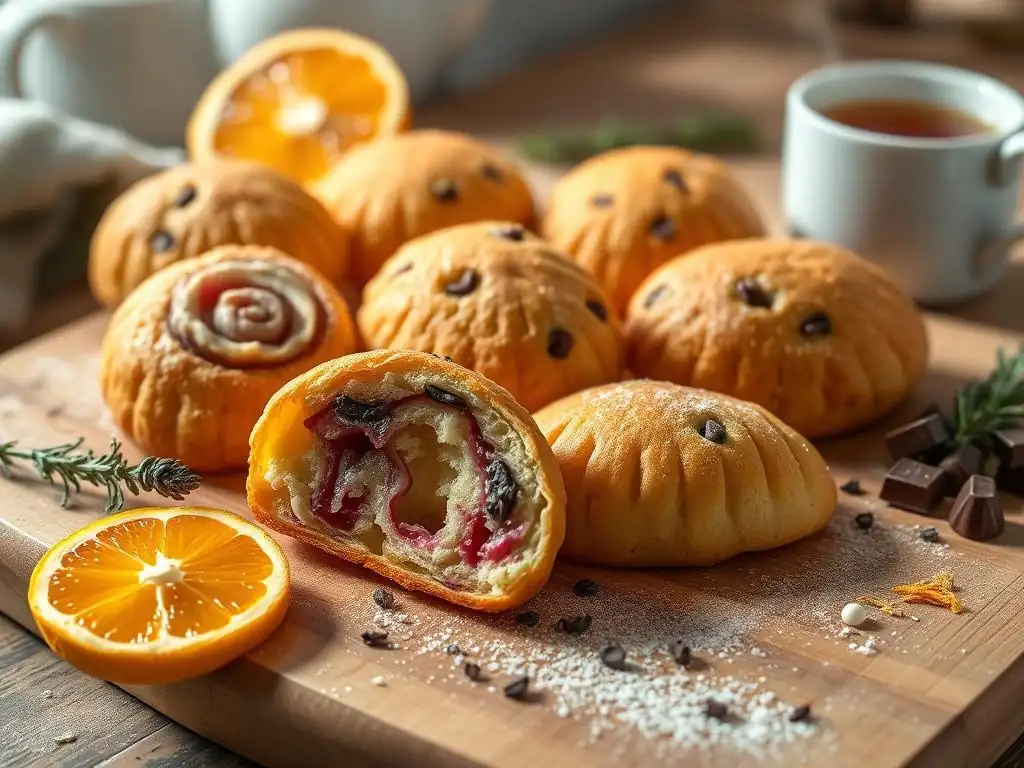
Crafting perfect French Madeleines begins with selecting quality ingredients. The core components are typically unsalted butter, granulated sugar, large eggs, all-purpose flour, baking powder, and salt. Many traditional recipes also call for a touch of lemon zest for that classic bright note. The butter is often melted and sometimes browned (beurre noisette) to add depth of flavor, then cooled slightly before being incorporated into the batter. Using unsalted butter allows you to control the salt content, ensuring a balanced sweetness.
The ratio of ingredients is crucial for achieving the desired texture and hump. A typical recipe for about 12-18 Madeleines might use around 115g of butter, 100-150g of sugar (depending on desired sweetness), 2-3 large eggs, 125g of flour, 1 teaspoon of baking powder, and a pinch of salt. Some recipes omit baking powder, relying solely on whipped eggs for leavening, resulting in a denser crumb.
Sifting the flour and baking powder together helps distribute the leavening evenly and aerates the dry ingredients, contributing to a lighter cake. Cooling the melted butter ensures it doesn't scramble the eggs when combined.
Step-by-Step Guide to Baking Classic Madeleines
The process of making classic French Madeleines is relatively quick once the batter is prepared. Start by melting the butter and setting it aside to cool. In a large bowl, whisk together the eggs and sugar until pale and thickened – this can take 5-10 minutes with an electric mixer, incorporating air which aids in leavening. Gently fold in the sifted flour, baking powder, and salt until just combined, being careful not to overmix. Finally, gradually fold in the cooled melted butter and any flavorings like lemon zest. The batter should be smooth and glossy.
For best results and the characteristic hump, the batter is often chilled for at least 30 minutes, or even several hours or overnight. This resting period allows the flour to hydrate and the flavors to meld. When ready to bake, preheat your oven to a relatively high temperature, typically around 190°C (375°F). Generously butter and flour your Madeleine pan, tapping out any excess flour – this is crucial for easy release and crisp edges.
Spoon about one tablespoon of chilled batter into each cavity. Bake for 8-12 minutes, or until the edges are golden brown and the hump is fully formed. Let them cool slightly in the pan before carefully transferring them to a wire rack.
Tips for Achieving the Perfect Madeleine Hump
Achieving the signature hump is a hallmark of a well-baked French Madeleine and a source of pride for many bakers. One of the most widely recommended techniques is chilling the batter. A cold batter hitting a hot pan creates a thermal shock. The edges of the batter set quickly against the hot metal, while the center remains cooler and continues to rise as the heat penetrates, pushing upwards to form the hump. Chilling for at least an hour, or even overnight, is often suggested for a more pronounced dome.
Another critical factor is the oven temperature. Baking Madeleines at a high initial temperature, around 190-200°C (375-400°F), helps set the outer crust rapidly while the interior continues to expand. Some bakers even recommend starting at a high temperature for the first few minutes (e.g., 5 minutes at 200°C) then reducing it to 180°C (350°F) to ensure the inside cooks through without the outside burning.
Ensuring your Madeleine pan is well-greased and floured (or using a non-stick spray specifically for baking) also helps the batter release cleanly and rise properly. Overfilling the cavities can prevent the hump from forming correctly, so stick to about a tablespoon of batter per mold.
Exploring Flavor Variations
Citrus Madeleines
Infusing French Madeleines with citrus flavors is a classic and delightful way to vary the traditional recipe. The bright, zesty notes of citrus cut through the richness of the butter, creating a refreshing and uplifting taste experience. This category of French madeleine flavor variations is incredibly popular due to the natural pairing of citrus oils with buttery cake. Using fresh zest is key, as it contains the potent oils that provide the most intense aroma and flavor. Approximately 1-2 tablespoons of finely grated zest are typically sufficient for a standard batch of 12-18 Madeleines.
Beyond just zest, citrus variations can also incorporate a small amount of fresh juice or citrus extracts to enhance the flavor profile. However, adding too much liquid can affect the batter consistency and potentially inhibit the rise, so moderation is advised. A drizzle of citrus glaze made from powdered sugar and juice after baking adds another layer of flavor and visual appeal. Exploring these types of French madeleine flavor variations allows bakers to tailor the intensity of the citrus note to their preference, from subtly fragrant to intensely zesty.
Lemon Madeleines
Lemon Madeleines are arguably the most traditional and beloved citrus variation. The sharp, tangy flavor of lemon zest perfectly complements the sweet, buttery cake base. Using the zest of one large organic lemon is a common starting point for a standard recipe. The fragrant oils released from the zest during baking permeate the cake, resulting in a wonderfully aromatic and flavorful treat. Some recipes might even incorporate a teaspoon or two of fresh lemon juice into the batter, though this requires careful balance to maintain the correct consistency.
To further enhance the lemon flavor, Lemon Madeleines are often finished with a simple glaze made from powdered sugar mixed with lemon juice. A ratio of about 1 cup of powdered sugar to 2-3 tablespoons of lemon juice creates a smooth, pourable glaze. Dipping the cooled Madeleines halfway or fully coating them provides an extra burst of tartness and sweetness. This classic French madeleine flavor variation remains a favorite for its refreshing taste and comforting familiarity, proving that sometimes the simplest twists are the most effective.
Orange Madeleines
Orange Madeleines offer a sweeter, slightly warmer citrus profile compared to lemon. The zest of a sweet orange, like a Navel or Valencia, imparts a beautiful aroma and a less acidic flavor. Using the zest of one medium orange is typically enough for a batch. The combination of butter and orange zest creates a flavor reminiscent of classic French pastries like financiers or génoise. This variation of French madeleine flavor variations is particularly lovely during autumn and winter months.
For an extra layer of flavor, a tiny splash of orange blossom water can be added to the batter, providing a delicate floral note that pairs wonderfully with the orange. Alternatively, finishing the Orange Madeleines with a glaze made from powdered sugar and orange juice, perhaps with a touch of Grand Marnier for an adult twist, elevates the flavor significantly. The sweetness of the orange zest makes these Madeleines slightly more dessert-like than their lemon counterparts, perfect for pairing with a less acidic tea or coffee.
Lime Madeleines
Lime Madeleines introduce a bolder, more exotic citrus twist. The vibrant, slightly more acidic flavor of lime zest offers a distinct departure from lemon or orange. Using the zest of 1-2 limes provides a zesty punch. This variation of French madeleine flavor variations brings a refreshing brightness that works well in warmer weather or as a palate cleanser. The flavor profile leans slightly tropical, especially when paired with other complementary ingredients.
Lime Madeleines can be enhanced with a glaze made from lime juice and powdered sugar, perhaps with a sprinkle of lime zest on top for garnish. Pairing lime with other flavors like coconut (using coconut oil instead of some butter or adding shredded coconut) or even a hint of ginger can create exciting new flavor combinations. While less traditional than lemon or orange, Lime Madeleines demonstrate the versatility of the base recipe and how simple ingredient swaps can lead to entirely new taste experiences within the realm of French madeleine flavor variations.
Nutty Madeleines
Adding nuts to French Madeleines introduces wonderful texture and a rich, earthy depth of flavor. Finely ground nuts, often almond or hazelnut flour, can partially replace some of the all-purpose flour in the recipe, or chopped nuts can be folded into the batter. This category of French madeleine flavor variations adds a delightful chewiness and a more substantial feel to the delicate sponge. The fat content in nuts also contributes to a moist crumb.
When incorporating nuts, it's important to consider the texture. Using nut flour (like almond flour) results in a finer crumb, while chopped nuts (like pecans or walnuts) add distinct bites of nuttiness. The amount of nut flour typically replaces 25-50% of the all-purpose flour by weight. Roasting the nuts before grinding or chopping can intensify their flavor significantly, adding another layer of complexity to these French madeleine flavor variations.
Almond Madeleines
Almond Madeleines are a popular nutty variation, often using almond flour (also known as almond meal) to replace some of the wheat flour. This imparts a subtle, sweet almond flavor and a tender crumb. A common ratio is to replace about 30-50g of the all-purpose flour with almond flour in a standard recipe. This not only adds flavor but also makes the Madeleines slightly more moist due to the oil content in the almonds.
For an extra almond punch, a few drops of almond extract can be added to the batter, though care must be taken as it is potent. Toasted slivered almonds can also be pressed into the bottoms of the Madeleine molds before adding the batter for a crunchy base, or sprinkled on top of a glaze. This type of French madeleine flavor variation is often finished with a dusting of powdered sugar or a simple almond-flavored glaze, highlighting the delicate nuttiness.
Hazelnut Madeleines
Hazelnut Madeleines offer a richer, more pronounced nutty flavor than almond. Using finely ground toasted hazelnuts (hazelnut flour or meal) is the best way to incorporate this flavor into the batter. Toasting the hazelnuts before grinding is crucial to bring out their full aroma and taste. Substituting around 40-60g of the all-purpose flour with hazelnut flour works well for a noticeable hazelnut flavor.
Hazelnut Madeleines pair beautifully with chocolate, making them a natural candidate for a mocha or chocolate chip variation as well. A simple finish could be a light dusting of cocoa powder mixed with powdered sugar, or a dip in melted dark chocolate. These French madeleine flavor variations are perfect for those who enjoy a deeper, more complex nutty flavor profile.
Walnut Madeleines
Walnut Madeleines provide a slightly more robust, earthy, and sometimes mildly bitter nut flavor. Finely chopped walnuts can be folded into the batter, or walnut flour can partially replace wheat flour. If using chopped walnuts, about 30-50g finely chopped nuts per batch adds texture and flavor without overwhelming the delicate cake structure. Toasting the walnuts briefly enhances their flavor and crunch.
Walnut Madeleines pair exceptionally well with warm spices like cinnamon or cardamom, and also with flavors like maple or brown butter. A brown butter base for the Madeleine batter itself can further complement the richness of the walnuts. These French madeleine flavor variations offer a more rustic charm and a deeper flavor profile suitable for pairing with heartier beverages.
Spiced Madeleines
Introducing warm spices transforms French Madeleines into comforting treats, perfect for cooler weather or holiday baking. Spices like cinnamon, cardamom, or anise can be incorporated directly into the dry ingredients, adding aroma and depth. The amount of spice used can be adjusted to preference, typically ranging from ¼ teaspoon to 1 teaspoon per standard batch. This category of French madeleine flavor variations opens up a world of aromatic possibilities.
Spiced Madeleines benefit from using high-quality, fresh spices for the most potent flavor. Ground spices are easy to incorporate, but whole spices can be steeped in the melted butter before it cools and is added to the batter, infusing the fat with flavor (e.g., a star anise pod or a cinnamon stick). These variations pair wonderfully with glazes or dips that complement the spice profile, such as a simple vanilla glaze or a dark chocolate coating.
Cinnamon Madeleines
Cinnamon Madeleines are a classic spiced variation, offering warmth and sweetness. Adding ½ to 1 teaspoon of ground cinnamon to the dry ingredients before folding them into the batter is a simple way to create this flavor. The amount can be adjusted based on how pronounced you want the cinnamon to be; some bakers prefer a subtle hint, while others like a strong cinnamon presence.
Cinnamon Madeleines are delightful on their own, but can also be enhanced. A light dusting of cinnamon sugar after baking adds sparkle and an extra layer of flavor. They pair wonderfully with a coffee glaze or a simple vanilla bean glaze. This type of French madeleine flavor variation is particularly popular during autumn and winter, evoking cozy feelings and holiday cheer.
Cardamom Madeleines
Cardamom Madeleines provide a more exotic and fragrant spiced flavor. Using ground green cardamom, typically ½ to 1 teaspoon, adds a distinct floral-citrusy note. For the most intense flavor, use freshly ground seeds from green cardamom pods. This spice pairs exceptionally well with citrus flavors, particularly orange or lemon, and also with nuts like pistachio or almond.
Cardamom Madeleines can be finished simply with a dusting of powdered sugar, or a glaze infused with a touch more cardamom or a complementary flavor like rosewater. These French madeleine flavor variations offer a sophisticated twist on the classic, appealing to those who enjoy unique and aromatic baked goods.
Anise Madeleines
Anise Madeleines offer a distinct licorice-like flavor, using either ground anise seeds or a small amount of anise extract. A small quantity, perhaps ¼ to ½ teaspoon of ground anise or just a few drops of extract, is usually sufficient as the flavor is quite strong. This variation is less common but provides a unique and traditional European flavor profile often found in cookies and cakes.
Anise Madeleines can be finished with a simple sugar glaze or left plain to let the unique spice flavor shine. They pair interestingly with coffee or a strong black tea. While perhaps an acquired taste for some, these French madeleine flavor variations represent a bold departure from the standard and are a great example of how diverse the flavor possibilities can be.
Chocolate Madeleines
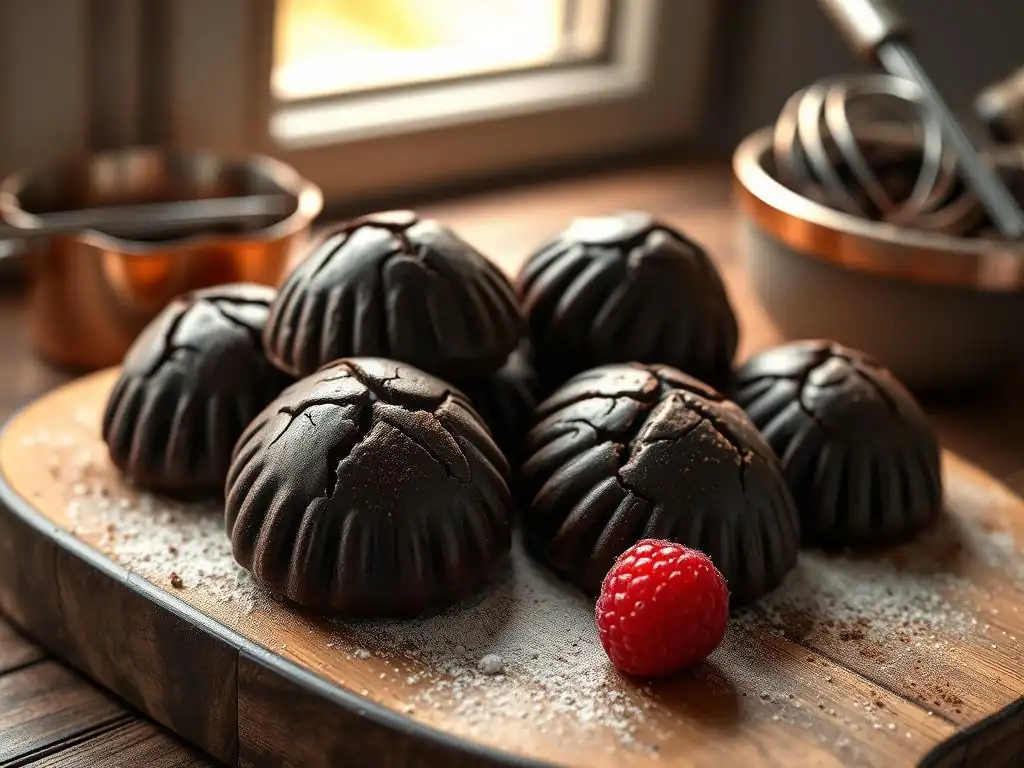
Chocolate is a natural partner for the buttery richness of French Madeleines, offering a decadent twist. Chocolate can be incorporated in various ways: cocoa powder in the batter, melted chocolate folded in, or chocolate chips added. This category of French madeleine flavor variations is universally loved, transforming the light sponge into a rich, indulgent treat. The type of chocolate used significantly impacts the final flavor.
When adding cocoa powder, it's usually unsweetened cocoa, and it replaces a small amount of the flour (e.g., 10-20g cocoa powder replacing an equal amount of flour). Melted chocolate is often folded in at the end, similar to the melted butter step. Chocolate chips provide pockets of melted chocolate within the cake. The amount of chocolate added can range from a subtle hint to an intense chocolate experience.
Dark Chocolate Madeleines
Dark Chocolate Madeleines are made by incorporating unsweetened or Dutch-process cocoa powder into the batter, sometimes along with a small amount of melted dark chocolate for extra richness. Replacing about 15g of flour with unsweetened cocoa powder in a standard recipe yields a good chocolate base. Using high-quality dark chocolate (around 60-70% cacao) when melting and adding to the batter provides a deep, intense chocolate flavor.
These Madeleines are often finished with a dip or drizzle of more melted dark chocolate, or dusted with cocoa powder. The slight bitterness of the dark chocolate balances the sweetness of the cake beautifully. This type of French madeleine flavor variation is perfect for serious chocolate lovers and pairs well with robust coffee.
Mocha Madeleines
Mocha Madeleines combine the rich flavors of chocolate and coffee. This can be achieved by adding instant espresso powder or finely ground coffee to the chocolate Madeleine batter. About 1-2 teaspoons of instant espresso powder dissolved in a tiny amount of hot water (or directly added to the dry ingredients) is usually sufficient to impart a noticeable coffee flavor without adding too much liquid.
Mocha Madeleines can be finished with a coffee glaze (powdered sugar mixed with brewed coffee) or a chocolate-coffee swirl. Adding mini chocolate chips also enhances the chocolate aspect. These French madeleine flavor variations are a sophisticated choice, offering a delightful balance of bitter coffee and sweet chocolate notes.
Chocolate Chip Madeleines
Chocolate Chip Madeleines are a simple yet crowd-pleasing variation. Mini chocolate chips are folded into the classic or a slightly chocolate-flavored batter. Using mini chips ensures they distribute evenly and don't weigh down the delicate batter too much. About 50-75g of mini chocolate chips per batch is a good starting point.
The chocolate chips melt during baking, creating pockets of gooey chocolate within the tender cake. This type of French madeleine flavor variation is particularly popular with children and those who enjoy the simple pleasure of chocolate chips in baked goods. They are often left plain or simply dusted with powdered sugar.
Fruity Madeleines
Incorporating fruit, either fresh, dried, or in puree form, adds moisture, sweetness, and vibrant flavor to French Madeleines. This category of French madeleine flavor variations can introduce tangy, sweet, or slightly tart notes, depending on the fruit used. Care must be taken when adding fresh fruit to avoid making the batter too wet, which can prevent the hump from forming properly.
Dried fruits can be chopped and folded into the batter, providing concentrated flavor and a chewy texture. Fruit zests, as discussed in the citrus section, are also a form of fruit flavoring. Fruit purees or reductions can be swirled into the batter or used in glazes. Approximately 30-50g of finely chopped dried fruit or a few tablespoons of thick puree can be incorporated per batch, adjusting other liquid components if necessary.
Raspberry Madeleines
Raspberry Madeleines can be made by gently folding a small amount of fresh raspberries or freeze-dried raspberry powder into the batter. If using fresh raspberries, use only a few per cavity (2-3 small berries) to avoid excess moisture. Freeze-dried raspberry powder (about 1-2 tablespoons) offers intense flavor without adding liquid and also imparts a lovely pink hue.
Raspberry Madeleines pair wonderfully with white chocolate. Dipping the cooled Madeleines in melted white chocolate creates a beautiful color contrast and a complementary sweet flavor. These French madeleine flavor variations offer a beautiful balance of the slight tartness of raspberries and the sweet, buttery cake.
Cranberry Madeleines
Cranberry Madeleines are particularly popular during the holiday season, offering a festive, tart flavor. Finely chopped dried cranberries are typically folded into the batter. About 40-60g of dried cranberries per batch provides plenty of flavor and chewiness. Plumping the dried cranberries in a little orange juice or hot water before chopping can make them more tender.
Cranberry Madeleines pair well with orange zest, creating a classic flavor combination. They can be finished with a simple orange glaze or left plain. These French madeleine flavor variations provide a delightful balance of sweet cake and tangy fruit.
Apricot Madeleines
Apricot Madeleines can be made by folding in finely chopped dried apricots or swirling apricot puree into the batter. If using dried apricots, about 40-60g finely chopped per batch works well. For puree, a few tablespoons of thick, smooth apricot puree can be gently swirled into the batter just before spooning it into the molds.
Apricot Madeleines have a lovely sweet and slightly tangy flavor. They pair well with almond or a hint of ginger. A simple apricot glaze (apricot jam warmed and strained, or powdered sugar mixed with apricot nectar) can enhance the flavor. These French madeleine flavor variations offer a taste of sunshine and are a less common but delicious option.
Creative Glazes and Finishes
Simple Glazes
Applying a simple glaze is an easy and effective way to add flavor and visual appeal to French Madeleines. A basic glaze is made by whisking powdered sugar with a small amount of liquid until smooth and pourable. The liquid can be milk, water, or fruit juice (like lemon, orange, or lime) to complement the Madeleine's flavor profile. A typical ratio is about 1 cup of powdered sugar to 2-3 tablespoons of liquid.
Adding extracts like vanilla, almond, or a touch of alcohol like rum or Grand Marnier to the glaze can further enhance the flavor. The Madeleines should be completely cooled before glazing to prevent the glaze from melting or becoming uneven. They can be dipped halfway, fully coated, or drizzled, offering different looks and levels of sweetness.
Chocolate Dips and Coatings
Dipping French Madeleines in melted chocolate adds a layer of richness and creates an elegant finish. Dark, milk, or white chocolate can be used, depending on the desired flavor pairing. Tempering the chocolate (heating and cooling it carefully) will result in a glossy, snappy coating that sets firmly at room temperature, though simply melting chocolate or chocolate chips works for a home-style finish.
About 100-150g of melted chocolate is usually sufficient to dip a batch of 12-18 Madeleines. The cooled Madeleines can be dipped halfway or fully submerged, then placed on parchment paper to set. Sprinkling toppings like chopped nuts, sprinkles, or sea salt onto the wet chocolate adds extra texture and visual appeal. This is a decadent way to finish various French madeleine flavor variations.
Nut and Seed Toppings
Adding nuts or seeds as a topping provides crunch and complementary flavor. Chopped toasted nuts (like almonds, hazelnuts, or pistachios) or seeds (like sesame or poppy seeds) can be sprinkled over a wet glaze or melted chocolate coating before it sets. This creates a textural contrast to the soft cake and adds a rustic or sophisticated touch.
Alternatively, nuts or seeds can be pressed into the bottoms of the buttered and floured Madeleine molds before the batter is added. During baking, they will adhere to the bottom of the cake (which becomes the top after unmolding). This method works particularly well with sliced almonds or sesame seeds, creating a delightful nutty crust on the iconic hump side.
Storing and Serving Madeleines
Best Practices for Madeleine Storage
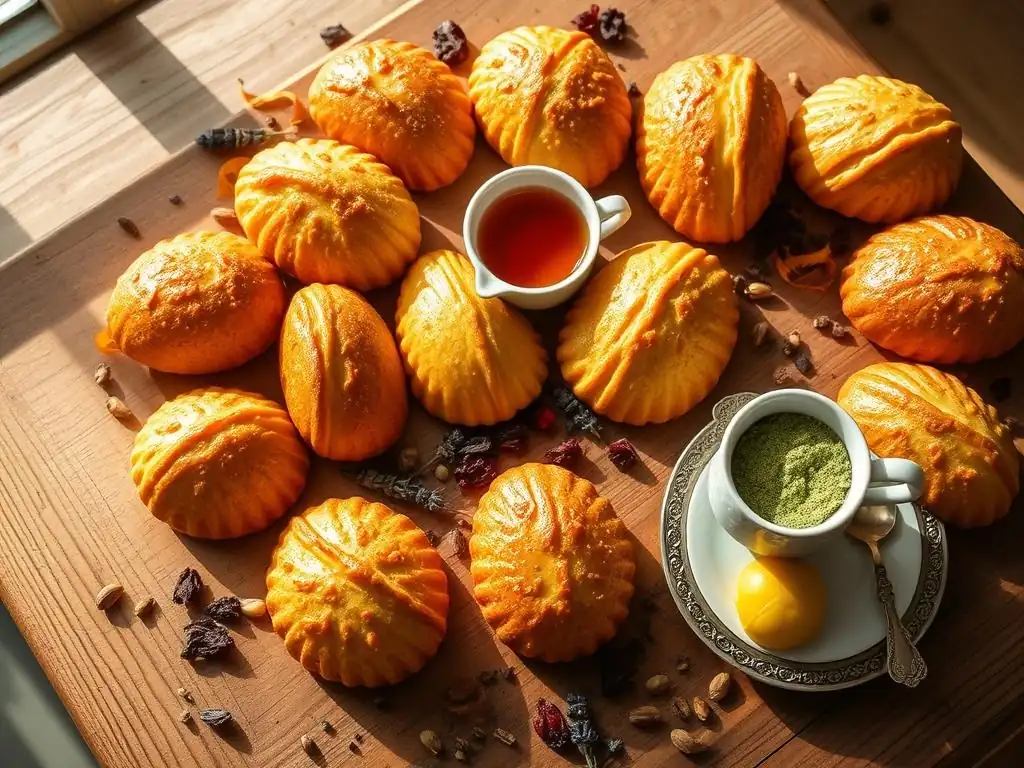
French Madeleines are best enjoyed fresh, ideally within a day or two of baking, when their texture is at its peak – slightly crisp edges and a tender interior. However, they can be stored to extend their shelf life. Once completely cooled, Madeleines should be stored in an airtight container at room temperature. Layering them with parchment paper can prevent them from sticking together, especially if they are glazed or have a sticky finish.
Storing Madeleines in the refrigerator is generally not recommended as it can dry them out and dull their flavor. If they need to be stored for longer, they can be frozen. Place cooled Madeleines in a single layer on a baking sheet to freeze, then transfer to a freezer-safe airtight container or bag. Frozen Madeleines can be thawed at room temperature or gently warmed in a low oven (around 150°C/300°F) for a few minutes to refresh their texture. Properly stored, plain Madeleines can last 3-4 days at room temperature and up to a month in the freezer.
Serving Suggestions
Classic French Madeleines are traditionally served simply with coffee, tea, or hot chocolate. Their delicate flavor and light texture make them perfect for dunking, a practice that enhances their moisture and releases more aroma. Serving them slightly warm can amplify their buttery flavor and soft interior.
Beyond the traditional tea pairing, French Madeleines can be served as part of a dessert platter, alongside fresh fruit, a scoop of ice cream, or a dollop of whipped cream. Different French madeleine flavor variations lend themselves to specific pairings; for instance, Lemon Madeleines with a berry compote, or Chocolate Madeleines with a vanilla bean sauce. Their elegant shape also makes them suitable for formal occasions or as charming edible gifts.
Conclusion: Unleash Your Creativity
From the simple elegance of the classic lemon-zest variety to exciting French madeleine flavor variations like bold Lime, nutty Hazelnut, warming Cardamom, or rich Dark Chocolate, the humble Madeleine offers a fantastic canvas for culinary creativity. Mastering the basic technique provides the foundation, but exploring different ingredients and finishes allows bakers to personalize this beloved French pastry. Whether you prefer citrusy brightness, warm spice, rich chocolate, or fruity hints, there's a Madeleine variation to suit every taste and occasion.
Don't be afraid to experiment with different combinations, try new glazes, or incorporate unique toppings. Baking French Madeleines is not just about following a recipe; it's about embracing the process, understanding the simple science behind the perfect hump, and ultimately, creating delicious moments to share. So, gather your ingredients, preheat your oven, and start exploring the delightful world of French madeleine flavor variations!
Frequently Asked Questions
What are the classic flavorings typically used in French Madeleines?
Classic French Madeleines are often flavored with lemon zest and a touch of vanilla extract. These ingredients provide a subtle, delicate flavor that complements the buttery base.
Can I easily adapt the basic Madeleine recipe to incorporate new flavors?
Yes, the basic Madeleine recipe is highly adaptable. You can easily incorporate different extracts, spices, citrus zests, or even finely ground nuts or cocoa powder to create new flavor profiles.
What are some unique and interesting flavor variations for French Madeleines?
Beyond the classics, consider experimenting with flavors like lavender honey, rosewater pistachio, or earl grey tea. These add a sophisticated and distinctive touch.
Are there any flavor combinations that don't work well with Madeleines?
Avoid overly strong or overpowering flavors that might mask the delicate buttery flavor of the Madeleine. Ingredients with a high water content might also alter the texture negatively.
Where can I find more inspiration for Madeleine flavor variations and recipes?
BakeWithEase.com provides a wealth of recipes, techniques, and tips for creating delicious Madeleines. Explore their website for step-by-step guides and inspiration for your next baking adventure.
Final Reflection: The Enduring Allure of the Madeleine
The humble madeleine, a seemingly simple shell of cake, holds within its delicate structure a world of flavor possibilities. Its enduring popularity speaks to a timeless appeal, a testament to the power of a perfectly balanced recipe and the endless creative potential it unlocks. From classic lemon to unexpected cardamom, the variations explored in this article highlight the madeleine's versatility and its capacity to surprise and delight.
The journey through these diverse flavor profiles has not only expanded my own baking repertoire but also underscored the rich cultural heritage embedded in this small, shell-shaped treat. The madeleine's history, its connection to Proust's evocative memories, and its ongoing presence in bakeries and home kitchens worldwide speaks volumes about its enduring charm. The taste was exquisite, and I stopped eating it for a moment to savour it fully.
This quote, though referencing a specific madeleine experience, encapsulates the profound sensory impact these little cakes can have. The simple act of baking and sharing them becomes a powerful act of connection and culinary exploration.
Now, it's your turn. Consider the flavors that resonate most deeply with you. Experiment with the combinations explored in this article, or dare to venture into uncharted territory. The world of madeleine flavors is vast and waiting to be discovered. Don't be afraid to let your creativity flow, to adapt and innovate, and to share the joy of these delightful little cakes with those you love. Each bite is a journey, a moment of pure indulgence, and a testament to the enduring magic of baking.
Unleash Your Inner Pâtissier: Master the Madeleine!
Thanks for joining us on this delicious journey into the world of madeleines! We hope you've discovered new flavor combinations and techniques to elevate your baking game. Ready to take your newfound skills to the next level?
- Craft your signature Madeleine: Experiment with the flavor variations we discussed – perhaps a lavender honey or a spicy chai? Don't be afraid to get creative! This is your chance to shine.
- Share your creations: Post a picture of your masterpiece on social media and tag us – we'd love to see what you bake! Use #BakeWithEaseMadeleines to connect with other baking enthusiasts.
- Challenge yourself: Try a completely new flavor combination – what unexpected ingredient could transform a classic Madeleine?
What unique twist will you add to your next batch of madeleines?