
Easy Recipe for French Crêpes (Classic Base)

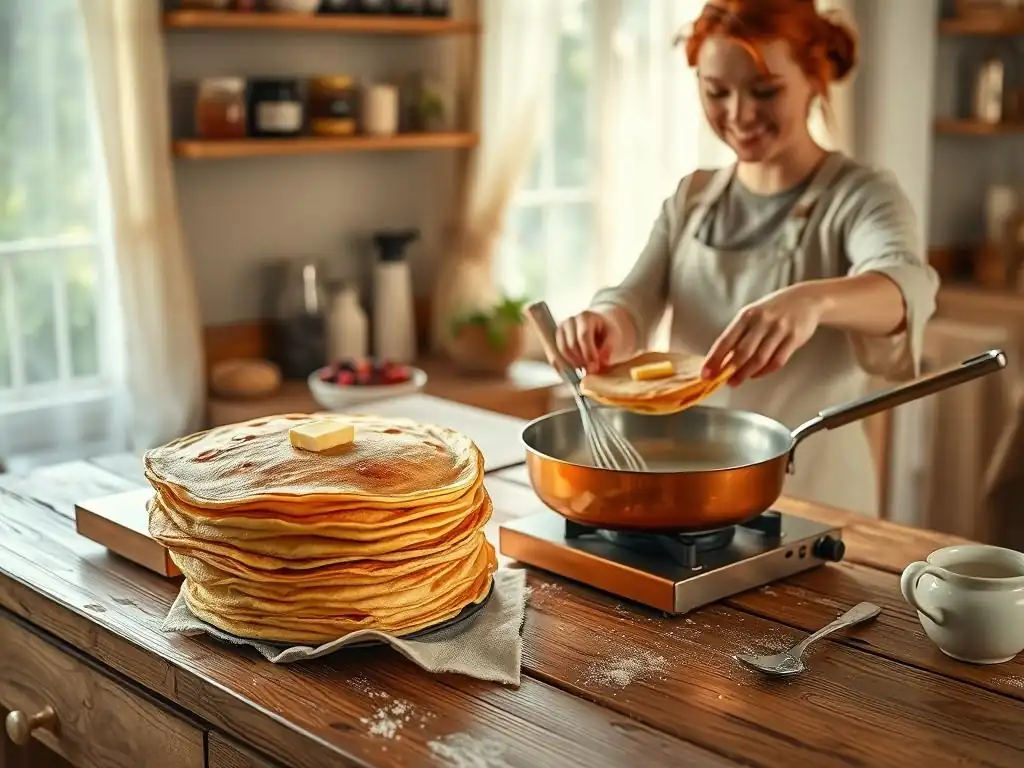
Welcome to BakeWithEase, your guide to unlocking the delicious world of baking! Ever dreamt of effortlessly whipping up delicate, authentic French crêpes? You're in the right place. Dive into our Easy French crêpe recipe below, and discover how simple ingredients and straightforward steps can transport you to a Parisian café in minutes. Ready to create crêpe magic? Let's get started!
- Easy French Crêpe Recipe: A Classic Base for BakeWithEase
- Introduction to Easy French Crêpes
- Understanding the Basic Crêpe Ingredients
- Step-by-Step Guide to Making the Crêpe Batter
- Cooking Your French Crêpes: A Visual Guide
- Troubleshooting Common Crêpe Problems
- Serving Suggestions and Crêpe Variations
- Storing and Reheating Crêpes
- Conclusion: Mastering the Art of the Easy French Crêpe
- Frequently Asked Questions
- Final Reflection: The Enduring Allure of the Simple Crêpe
- Unleash Your Inner Crêpe Artist!
Easy French Crêpe Recipe: A Classic Base for BakeWithEase
Introduction to Easy French Crêpes
Discover the Simplicity of Homemade Crêpes
Crêpes, those wonderfully thin and delicate pancakes originating from France, often conjure images of bustling Parisian street vendors or fancy brunch menus. Yet, the reality is that mastering homemade crêpes is surprisingly simple and accessible to anyone with a whisk and a pan. Unlike some more complex pastries that require intricate techniques or specific temperature controls, this easy French crêpe recipe relies on basic pantry staples and straightforward steps, making it an ideal starting point for beginners venturing into French baking classics.
The beauty of crêpes lies in their versatility and ease of preparation. With just a handful of ingredients – flour, eggs, milk, a touch of sugar or salt, and butter – you can create a batch of these versatile treats in under 30 minutes (plus resting time). They offer a delightful canvas for both sweet and savory fillings, proving that elegant results can be achieved with minimal fuss. This foundational easy French crêpe recipe is your gateway to a world of delicious possibilities right in your own kitchen.
Why This Easy French Crêpe Recipe is Perfect for Beginners
This specific easy French crêpe recipe has been designed with the novice baker in mind. It avoids complicated techniques and focuses on clear, step-by-step instructions that build confidence. Many beginners are intimidated by batters, fearing lumps or incorrect consistency. However, the method outlined here, which often involves whisking wet ingredients into dry and then resting, is quite forgiving and helps eliminate common pitfalls.
Furthermore, the cooking process itself, while requiring a little practice to get the perfect swirl, is quick. This means you can make several crêpes in a short time, allowing for immediate feedback and improvement with each one. You'll quickly get a feel for the right amount of batter and the ideal pan temperature. This approachable easy French crêpe recipe is not just about making crêpes; it's about experiencing success in baking and encouraging you to explore further.
BakeWithEase Presents: Mastering the Classic Crêpe
At BakeWithEase, we believe that baking should be enjoyable and accessible to everyone. This classic easy French crêpe recipe embodies that philosophy perfectly. It's a fundamental skill that, once learned, opens up a world of culinary creativity. We've broken down the process into manageable steps, providing insights into why each ingredient and technique is important.
Our goal is to empower you to create delicious crêpes that you'll be proud to share. By focusing on the basics and offering practical tips, we aim to demystify French baking and show you just how easy it is to whip up a batch of these delightful treats. Consider this your friendly guide to making perfect crêpes every time, setting you on a path to becoming a confident crêpe master.
Understanding the Basic Crêpe Ingredients
Essential Ingredients for Authentic French Crêpes
Creating authentic and delicious French crêpes requires only a few simple, everyday ingredients. The magic lies not in rare or expensive items, but in the quality of these basic components and how they are combined. You'll need all-purpose flour, fresh eggs, milk (whole milk is often preferred for richness, but others work), unsalted butter (melted), a pinch of salt, and optionally, a touch of sugar for sweet crêpes or leaving it out for savory ones.
These staple ingredients are likely already in your pantry and refrigerator, highlighting just how accessible this easy French crêpe recipe is. There's no need for leavening agents like baking powder or soda, which are common in thicker American pancakes. The thinness and delicate texture of crêpes come from the specific ratio of these few ingredients and the cooking method.
The Role of Each Ingredient in the Perfect Crêpe Batter
Understanding how each ingredient contributes to the final crêpe is key to troubleshooting and achieving consistent results with your easy French crêpe recipe.
All-Purpose Flour: The Foundation of Your Crêpe
All-purpose flour provides the structure for the crêpe. When mixed with liquid, the gluten in the flour develops, creating a network that holds the thin batter together as it cooks. Using the correct amount of flour is crucial; too much can result in thick, heavy crêpes, while too little can make them too fragile and prone to tearing. For a typical batch yielding about 10-12 crêpes, you might use around 1 cup (approximately 120-130 grams) of flour.
Milk: Achieving the Right Consistency
Milk is the primary liquid in the batter, hydrating the flour and creating the characteristically thin consistency of crêpes. Whole milk adds richness and flavor, contributing to a tender crêpe. However, 2% or even non-dairy milk can be used, though they might slightly alter the texture and richness. The amount of milk (often around 1.5 to 2 cups, or 350-470 ml) is critical for achieving a batter that is thin enough to swirl easily in the pan but not so watery that it lacks structure.
Eggs: Binding and Enriching the Batter
Eggs serve multiple vital functions in an easy French crêpe recipe. They act as a binder, helping to hold the batter together and preventing the crêpes from falling apart during cooking and flipping. Eggs also add richness, flavor, and contribute to the beautiful golden color of the cooked crêpes. Typically, 2-3 large eggs are used per batch, providing the necessary structure and tenderness.
Butter: Adding Flavor and Preventing Sticking
Melted butter is incorporated into the batter not just for its delicious flavor but also to make the crêpes tender and prevent them from sticking to the pan during cooking. The fat coats the flour particles, inhibiting excessive gluten development and resulting in a more delicate texture. Adding about 2-3 tablespoons (around 30-45 grams) of melted butter directly into the batter ensures even distribution of fat throughout.
Salt: Enhancing the Sweetness
A small pinch of salt (often just 1/4 teaspoon) is essential, even in sweet crêpes. Salt doesn't just add its own flavor; it significantly enhances the perception of sweetness and other flavors in the crêpe. It balances the richness of the milk and eggs and prevents the crêpes from tasting flat. For savory crêpes, you might increase the salt slightly or add other seasonings.
Step-by-Step Guide to Making the Crêpe Batter
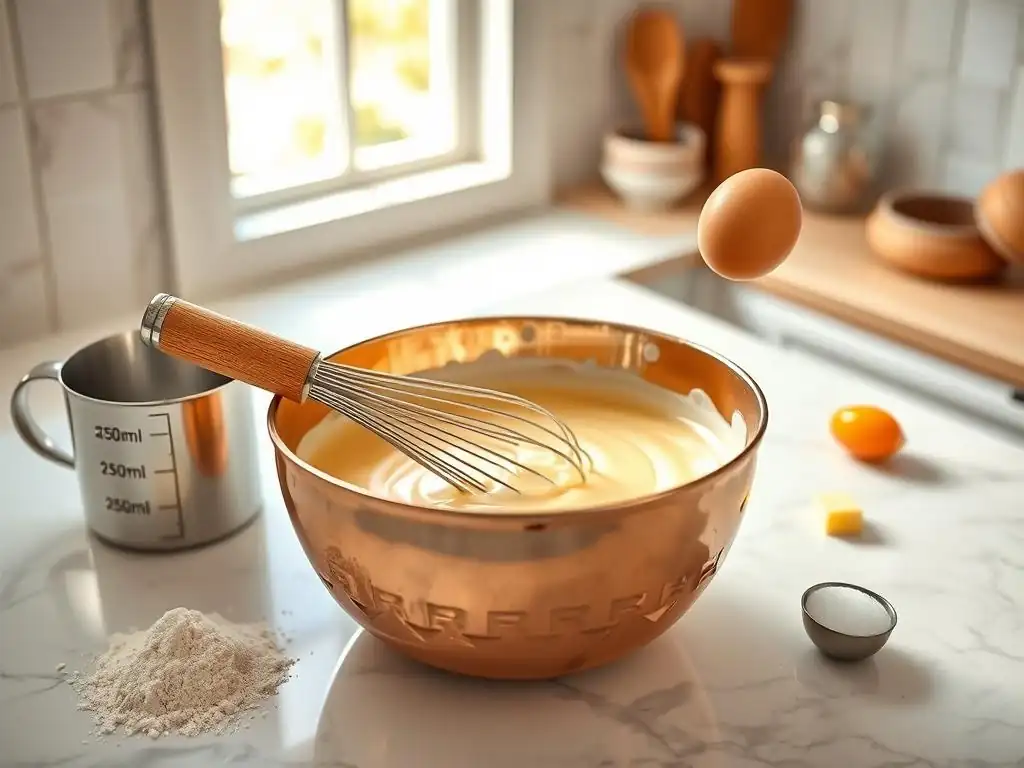
Preparing the Crêpe Batter: A Simple Method
Making the crêpe batter for this easy French crêpe recipe is incredibly straightforward. The key is to combine the ingredients in a way that minimizes lumps and achieves a smooth, pourable consistency. You don't need any fancy equipment – a whisk and two bowls, or even just a blender, will do the job perfectly.
The traditional method involves whisking, which gives you more control over the texture. However, for ultimate ease and a guaranteed lump-free result, a blender is an excellent tool. Whichever method you choose, the process is quick, usually taking less than 5 minutes of active work before the crucial resting period.
Step 1: Combining Dry Ingredients
Start by measuring your flour accurately. Spoon it into your measuring cup and level it off with a straight edge, or better yet, use a kitchen scale for precision (e.g., 125 grams of all-purpose flour). Place the flour in a medium bowl. Add the salt (1/4 teaspoon) and sugar (if using, typically 1-2 tablespoons for sweet crêpes). Whisk these dry ingredients together briefly to combine them and ensure the salt and sugar are evenly distributed within the flour.
This initial step is simple but important. Mixing the dry ingredients together helps prevent pockets of salt or sugar in the final batter. It also prepares the flour to be more easily incorporated into the wet ingredients in the following steps, reducing the chance of lumps forming later in your easy French crêpe recipe process.
Step 2: Whisking in the Wet Ingredients
In a separate bowl, whisk together the eggs (2 large) and milk (e.g., 1.5 cups or 350 ml). Whisk until they are well combined. Create a well in the center of your dry ingredients and gradually pour about half of the wet mixture into the flour mixture. Begin whisking from the center, slowly incorporating the surrounding flour into the liquid. Continue whisking until you have a thick, smooth paste.
This method, adding liquid gradually to the dry, helps prevent lumps better than adding dry to wet. Once the initial paste is smooth, gradually whisk in the remaining egg and milk mixture until fully combined. Finally, whisk in the melted butter (2 tablespoons). Ensure the butter is not hot, just melted and warm, to avoid cooking the eggs.
Step 3: Achieving a Smooth, Lump-Free Batter
After combining all ingredients, the batter should be smooth and have a consistency similar to thin cream or heavy cream. If you used the whisk method and notice small lumps, don't worry. You can pour the batter through a fine-mesh sieve into another bowl to catch any stubborn lumps. Alternatively, you can use an immersion blender or transfer the batter to a regular blender and pulse for about 10-15 seconds.
Using a blender from the start is perhaps the easiest way to guarantee a perfectly smooth batter for your easy French crêpe recipe. Simply add all the ingredients (flour, salt, sugar, eggs, milk, melted butter) into the blender carafe and blend on medium speed for about 20-30 seconds, or until completely smooth. Scrape down the sides if necessary.
Step 4: The Importance of Resting the Batter
Once your batter is smooth, cover the bowl or blender carafe and let it rest in the refrigerator for at least 30 minutes, or up to 24 hours. This resting period is a crucial step in making perfect crêpes, often overlooked in quick recipes but essential for the best texture.
Why Resting the Crêpe Batter is Crucial
Resting the batter allows the gluten in the flour to relax. When you whisk or blend the batter, gluten strands develop, which can make the crêpes slightly tough. Resting allows these strands to relax, resulting in more tender, delicate crêpes. Additionally, resting gives the flour time to fully absorb the liquid, leading to a more uniform consistency. This absorption also helps prevent the crêpes from tearing easily when cooked and flipped. A well-rested batter is key to the success of this easy French crêpe recipe.
Cooking Your French Crêpes: A Visual Guide
How to Cook Perfect Crêpes Every Time
Cooking the crêpes is where the magic happens! It requires a hot pan and a bit of technique to get that signature thinness. Don't be discouraged if the first crêpe (often called the "sacrifice crêpe") doesn't turn out perfectly; it's common and helps season the pan while you get a feel for the process.
The goal is a beautifully thin, evenly cooked crêpe with golden-brown spots. This easy French crêpe recipe aims for consistency, and with a few tries, you'll get the hang of it.
Step 1: Preparing Your Crêpe Pan or Griddle
You'll need a non-stick crêpe pan (usually 8-10 inches in diameter with low sides) or a good quality non-stick skillet. Heat the pan over medium heat. It's important that the pan is hot enough for the batter to set quickly, but not so hot that it burns. You can test the heat by flicking a drop of water onto the surface; it should sizzle and evaporate immediately.
Lightly grease the hot pan. While some non-stick pans claim not to need grease, a tiny amount of butter or oil ensures the first crêpe releases easily and contributes to a nice color. Swirl about 1/2 teaspoon of melted butter or a neutral oil (like canola or vegetable) around the pan, then pour off any excess.
Step 2: Ladling the Batter Onto the Hot Surface
Give your rested batter a quick whisk as some flour may have settled. Using a ladle (typically a 1/4 cup measure works well for an 8-inch pan), pour a portion of the batter into the center of the hot, greased pan. Immediately lift the pan off the heat and quickly tilt and swirl it in a circular motion so the batter spreads thinly and evenly across the entire bottom surface. This swirling technique is crucial for achieving thin crêpes in your easy French crêpe recipe.
Step 3: Cooking the First Side of the Crêpe
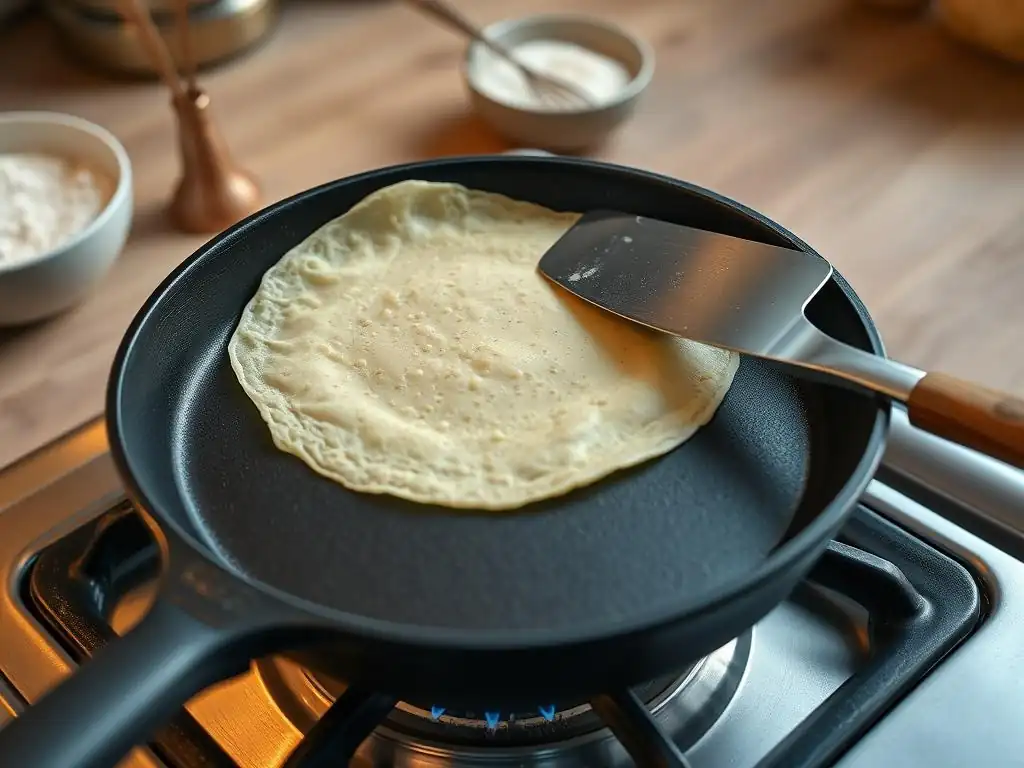
Return the pan to medium heat. Let the crêpe cook for approximately 1 to 2 minutes. You'll see the edges start to pull away slightly from the pan and turn golden brown. The surface of the crêpe will look set and lose its wet, glossy appearance. Small bubbles might form on the surface, similar to pancakes, but fewer and smaller.
Use a thin spatula (a flexible metal spatula works best) to gently lift an edge of the crêpe to check the color underneath. You're looking for a nice, even golden-brown hue with potentially darker brown spots.
Step 4: Flipping and Cooking the Second Side
Once the first side is beautifully golden, it's time to flip! Slide your thin spatula carefully under the crêpe to loosen it completely from the pan. Then, either carefully flip it over with the spatula or, for the adventurous, try a quick flick of the wrist to flip it in the air (practice over a towel first! ).
Cook the second side for a shorter amount of time, usually about 30 seconds to 1 minute, or until it is lightly golden brown. This side doesn't need as much cooking as the first as it finishes cooking through. The crêpe should be pliable but cooked through.
Step 5: Stacking Your Crêpes for Serving
As each crêpe is cooked, slide it out of the pan onto a plate. Stack the cooked crêpes on top of each other. The residual heat from the stacked crêpes helps keep them warm and also slightly steams them, making them even more tender and pliable.
You can cover the stack loosely with foil or a clean kitchen towel to keep them warm while you finish cooking the rest of the batter for your easy French crêpe recipe. This method ensures they stay soft and ready for filling.
Troubleshooting Common Crêpe Problems
Common Issues When Making Crêpes and How to Fix Them
Even with an easy French crêpe recipe, you might encounter a few hiccups along the way. Don't get discouraged; these are common learning experiences! Understanding the potential problems and their solutions will help you perfect your technique.
Most issues can be traced back to pan temperature, batter consistency, or technique. We'll address the most frequent problems here to help you troubleshoot effectively.
Crêpes Sticking to the Pan: Solutions and Tips
One of the most frustrating issues is crêpes sticking to the pan, leading to tearing. This is usually caused by one of three things: the pan isn't hot enough, the pan isn't properly greased, or the pan isn't truly non-stick or has scratches. Ensure your pan is heated to medium heat before adding batter. Test with a water droplet – it should sizzle instantly.
Always lightly grease the hot pan before cooking each crêpe, even if using a non-stick pan, especially the first few. Use a paper towel dipped in melted butter or oil to quickly wipe the surface. If your non-stick pan is old or scratched, it might be time for a new one for reliable crêpe making. Also, make sure the batter has rested adequately; well-rested batter is less likely to stick.
Crêpes Tearing: What to Do
Crêpes that tear easily can be a sign that the batter is too thin, you're trying to flip them too early, or the pan isn't hot enough. If the batter seems too thin (more watery than thin cream), whisk in an extra tablespoon or two of flour. Cook the first side long enough for the surface to look set and the edges to be visibly browning – this ensures the crêpe has developed enough structure to be flipped.
Using a thin, flexible spatula is also key to preventing tears. Slide it gently but firmly under the entire crêpe before attempting to flip. Ensure the pan is hot enough (medium heat) so the batter sets quickly upon contact.
Crêpes Too Thick or Too Thin: Adjusting the Batter
The ideal crêpe thickness is about that of a thin handkerchief. If your crêpes are coming out too thick, the batter is likely too thick. This could be due to inaccurate flour measurement or not enough liquid. Whisk in an additional tablespoon or two of milk into the batter until it reaches the desired consistency (like thin cream).
If your crêpes are too thin and fragile, the batter might be too runny. Whisk in a tablespoon or two of flour at a time until the batter is slightly thicker. Remember to rest the batter again for 10-15 minutes after adjusting the consistency to allow the new flour to hydrate.
Achieving the Perfect Golden-Brown Color
The beautiful golden-brown spots and edges on a crêpe are a sign of proper cooking. If your crêpes are pale, the pan is likely not hot enough. Increase the heat slightly to medium. If they are burning or getting dark spots too quickly, the pan is too hot; reduce the heat.
Using a little butter or oil to grease the pan before each crêpe also helps achieve that desirable color. The fat aids in the browning process, giving your easy French crêpe recipe results that look as good as they taste.
Serving Suggestions and Crêpe Variations

Delicious Ways to Enjoy Your Homemade Crêpes
One of the best things about mastering this easy French crêpe recipe is the endless possibilities for serving them. Crêpes can be enjoyed simply with a sprinkle of sugar, or dressed up with elaborate fillings and toppings for a special occasion. They can be served for breakfast, brunch, dessert, or even as a light lunch or dinner when filled with savory ingredients.
Whether you prefer sweet or savory, warm or cold, folded or rolled, crêpes are incredibly versatile. Here are some popular ideas to get you started.
Sweet Crêpe Fillings and Toppings
Sweet crêpes are perhaps the most classic way to enjoy them, perfect for breakfast, brunch, or dessert.
Classic Sugar and Lemon
A timeless favorite. Simply sprinkle granulated sugar over a warm crêpe and squeeze fresh lemon juice over it. Fold or roll the crêpe. The simplicity highlights the delicate texture of the crêpe itself, with the tart lemon balancing the sweet sugar.
Nutella and Banana
A universally loved combination. Spread a generous amount of Nutella (chocolate-hazelnut spread) over the crêpe, add slices of fresh banana, then fold or roll. This is a rich, satisfying, and incredibly easy filling.
Fresh Berries and Whipped Cream
Elevate your crêpes with seasonal fresh berries like strawberries, blueberries, or raspberries. Fill the crêpe with a mix of berries and a dollop of freshly whipped cream. A drizzle of honey or maple syrup can add extra sweetness.
Savory Crêpe Fillings and Toppings
Don't limit crêpes to sweet! Savory crêpes, particularly popular in regions like Brittany in France (where they are often made with buckwheat flour, called galettes), make a fantastic light meal.
Ham and Cheese
A simple yet satisfying classic. Place a slice of ham and some grated cheese (like Gruyère or Emmental) on one half of the crêpe while it's still in the warm pan, then fold the other half over to melt the cheese.
Spinach and Ricotta
A popular vegetarian option. Sauté fresh spinach with garlic, mix with ricotta cheese, and season with salt, pepper, and a pinch of nutmeg. Fill the crêpes with the mixture and fold or roll. A light béchamel sauce can also be added.
Mushrooms and Gruyere
Sauté sliced mushrooms (like cremini or button) with shallots and herbs until tender. Fill crêpes with the mushroom mixture and grated Gruyere cheese, then fold and warm until the cheese melts.
Exploring Different Crêpe Variations
Beyond fillings, you can lightly adapt the easy French crêpe recipe itself. While this recipe is for classic wheat flour crêpes, you could explore using buckwheat flour (for galettes), adding a touch of orange zest or vanilla extract to the batter for sweet versions, or incorporating finely chopped herbs for savory ones. The basic technique remains the same, allowing you to experiment confidently.
Storing and Reheating Crêpes
Tips for Storing and Reheating Your Crêpes
One great advantage of making crêpes using this easy French crêpe recipe is that they store and reheat beautifully, making them perfect for meal prep or enjoying leftovers. Properly stored, they can last for several days in the refrigerator or even months in the freezer.
Knowing how to store them correctly prevents them from drying out or sticking together, while reheating methods aim to restore their tender texture.
How to Keep Crêpes Fresh
To store cooked crêpes, allow them to cool completely to room temperature first. If they are still warm when stacked and wrapped, condensation can form and make them soggy. Once cool, stack them neatly. To prevent them from sticking together, you can place a small square of parchment paper or wax paper between each crêpe, although this is often only necessary if storing for more than a day or two, or if your batter wasn't quite right.
Wrap the stack tightly in plastic wrap, then place the wrapped stack in an airtight container or a resealable freezer bag. Label with the date. They will keep in the refrigerator for 2-3 days. For longer storage, place the wrapped stack in the freezer. Frozen crêpes can last for up to 2 months.
Reheating Crêpes for Optimal Taste and Texture
Reheating crêpes is quick and easy. From the refrigerator, you can gently warm them in a non-stick pan over low heat for about 30 seconds to 1 minute per side, until pliable and warm. Avoid high heat, which can make them rubbery.
Alternatively, you can stack a few crêpes on a microwave-safe plate and microwave them on medium power for 15-30 seconds, depending on the number of crêpes and your microwave's power. They can also be reheated in a warm oven (around 250°F / 120°C) wrapped in foil for about 5-10 minutes. If reheating from frozen, thaw them in the refrigerator overnight before using one of the methods above. Reheating ensures your easy French crêpe recipe results can be enjoyed again and again.
Conclusion: Mastering the Art of the Easy French Crêpe
You've Got This: Enjoy Your Homemade Crêpes!
Congratulations! You've successfully navigated the steps of making classic French crêpes using this easy French crêpe recipe. From gathering simple ingredients to whisking the batter, resting it for tenderness, and finally cooking those beautiful, thin rounds, you've acquired a fundamental baking skill. Don't worry if your first few weren't perfect; practice truly makes perfect when it comes to swirling and flipping. The key is that you started, and with each crêpe, you'll get better.
Now comes the best part: enjoying the fruits of your labor! Fill them with your favorite sweet or savory ingredients, fold them up, and savor the delicate texture and wonderful flavor of homemade crêpes. Share them with family and friends, or enjoy them all yourself – you've earned it!
Further Baking Adventures with BakeWithEase
Mastering this easy French crêpe recipe is just the beginning of your baking journey with BakeWithEase. We have a wealth of other simple and delicious recipes, from classic cookies and cakes to various breads and pastries. Each recipe is designed to be approachable, with clear instructions and helpful tips for bakers of all levels.
Explore our site for more regional classics, troubleshooting guides, and ideas to expand your baking repertoire. Whether you want to perfect your pie crust or tackle sourdough, BakeWithEase is here to support your culinary explorations.
We love seeing what you bake! Once you've made your batch using our easy French crêpe recipe, we encourage you to share your creations. Tag us on social media (though we can't provide links here!) or leave a comment on the article page to tell us how they turned out and what fillings you chose.
Your success stories and photos inspire other bakers in our community. Don't hesitate to share any tips you discovered along the way or ask questions if you encountered challenges. Happy baking!
Frequently Asked Questions
What makes this crêpe recipe considered "easy"?
This recipe emphasizes simple ingredients and a straightforward mixing process, making it accessible even for beginner bakers. It avoids complicated techniques often associated with French cuisine.
Can I substitute ingredients in this crêpe recipe?
While the recipe is designed for best results with the specified ingredients, some substitutions are possible. For example, you could try different types of milk, but it may affect the texture.
How thin should the crêpes be when cooking them?
Crêpes should be paper-thin. Use a thin layer of batter and spread it quickly across the pan to achieve the desired delicate texture.
What are some popular filling ideas for these crêpes?
Popular fillings include Nutella, fruit, whipped cream, and jam. You can also explore savory options like ham and cheese or spinach and ricotta.
How long can I store the cooked crêpes?
Cooked crêpes can be stored in the refrigerator for up to three days. Stack them between layers of parchment paper to prevent them from sticking together.
Final Reflection: The Enduring Allure of the Simple Crêpe
The seemingly simple act of making a crêpe belies a profound connection to culinary history and the joy of shared meals. From humble beginnings, this delicate pancake has transcended its origins to become a beloved treat worldwide, enjoyed in countless variations. Its enduring popularity speaks to the power of simplicity and the universal appeal of delicious, homemade food.
The crêpe's influence extends far beyond the kitchen; it's a canvas for creativity, a symbol of comfort, and a testament to the enduring power of tradition. The best things in life are simple.
This adage rings especially true when considering the humble crêpe, a dish that, despite its simplicity, offers endless possibilities for customization and enjoyment. From sweet fillings like Nutella and berries to savory combinations with cheese and ham, the crêpe adapts to every palate and occasion, fostering a sense of connection and shared experience.
Now, consider your own kitchen. Imagine the warmth of the crêpe pan, the delicate scent of butter, and the satisfying sizzle as the batter hits the hot surface. Take the time to make these crêpes; let the simple act of creation bring you joy and connect you to a culinary tradition spanning centuries. Don't be afraid to experiment, to add your own personal touch, and to share the delicious results with loved ones. The perfect crêpe awaits your creation.
Unleash Your Inner Crêpe Artist!
Thanks for joining us on this crêpe-making adventure! We hope you've gained the confidence to create delicious, classic crêpes at home. Ready to take your newfound skills to the next level?
- Master the art of the perfect crêpe flip: Practice makes perfect! Try making a batch this weekend and challenge yourself to a flawless flip every time.
- Share your crêpe creations: Tag us on social media with your beautiful (and delicious!) results – we'd love to see them!
- Experiment with fillings: Beyond the classics, what exciting fillings will you discover? Let your creativity run wild!
What unique twist will you add to your next crêpe masterpiece?