
Easy Recipe for French Crème Caramel (Flan)

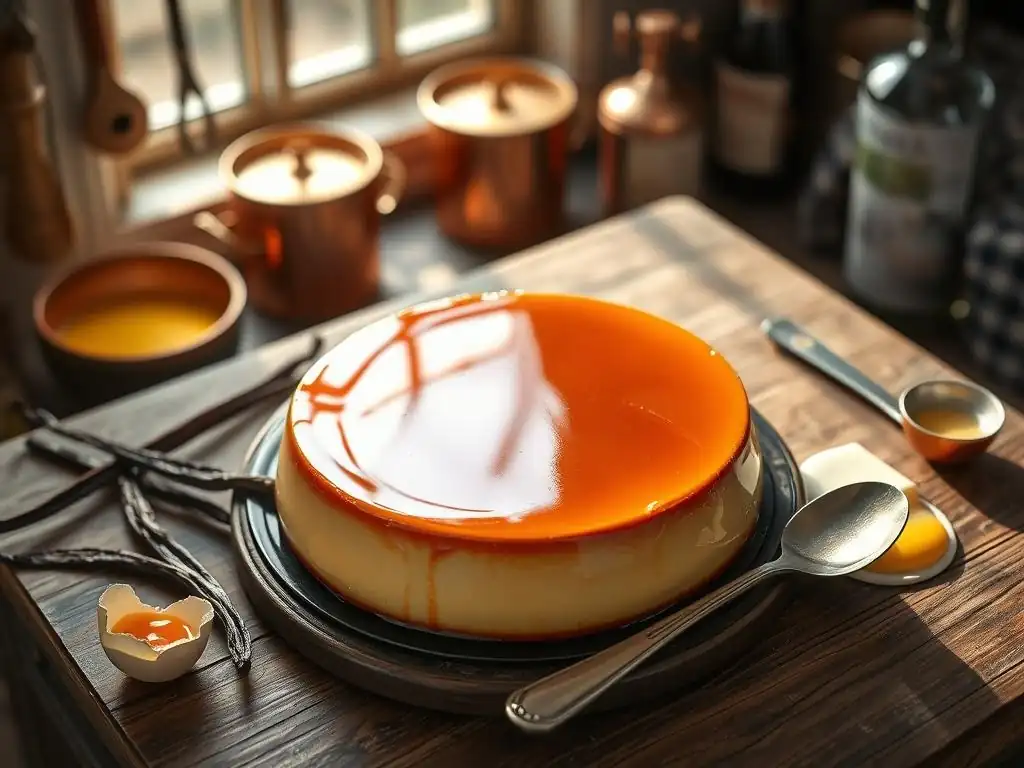
Welcome to BakeWithEase, your trusted guide to the delightful world of baking! Ever dreamt of creating a restaurant-worthy dessert at home? This week, we're unveiling the secrets to an Easy French crème caramel, a classic custard dessert that's surprisingly simple to master. Prepare to be amazed at how effortlessly you can create this decadent treat. Curious to learn the secrets to a perfectly smooth and creamy flan? Let's get baking!
- Classic French Crème Caramel Recipe
- Introduction to Crème Caramel: A Timeless Dessert
- Ingredients for Crème Caramel
- Step-by-Step Guide to Making Crème Caramel
- Cooling and Unmolding Your Crème Caramel
- Troubleshooting Common Crème Caramel Issues
- Serving and Storing Your Homemade Crème Caramel
- Expanding Your Dessert Baking Skills
- Frequently Asked Questions
- Final Reflection: The Enduring Allure of a Simple Dessert
- Unlock Your Inner Pâtissier: Master the Art of Crème Caramel!
Classic French Crème Caramel Recipe
Introduction to Crème Caramel: A Timeless Dessert
What is Crème Caramel? A Delicious Custard Dessert
Crème caramel, known also as flan in many parts of the world, is a classic dessert consisting of a rich custard base topped with a layer of clear caramel sauce. It's baked in a mold, often a ramekin, and then inverted before serving so that the liquid caramel cascades down the sides. The beauty of crème caramel lies in its simplicity: a few basic ingredients like milk, sugar, eggs, and vanilla come together to create a dessert that is both elegant and comforting.
This dessert has roots in various culinary traditions, but the French version is particularly renowned for its delicate texture and balanced sweetness. It's a staple on bistro menus and a beloved homemade treat, offering a smooth, creamy contrast to the slightly bitter, syrupy caramel. Mastering the technique, especially achieving the perfect caramel and custard consistency, is key to a truly exquisite result.
Why This Crème Caramel Recipe is Simple and Reliable
This specific easy French crème caramel recipe is designed with the home baker in mind, prioritizing straightforward steps without sacrificing authentic flavor or texture. It breaks down the process into manageable parts: making the caramel, preparing the custard, and baking. We focus on techniques that minimize common pitfalls, such as burning the caramel or curdling the custard.
Unlike some complex recipes that require precise temperature monitoring with special equipment, this guide relies on visual cues and timing approximations that are easier for beginners to follow. For instance, the caramel stage is described with clear color indicators, and the custard preparation emphasizes gentle mixing. We aim to remove the intimidation factor often associated with classic French desserts, making a delicious crème caramel accessible to everyone.
Your Guide to Classic Dessert Baking
Embarking on classic dessert baking can feel daunting, but this guide provides a solid foundation using the easy French crème caramel as a starting point. Learning to make crème caramel teaches fundamental skills like working with sugar at high temperatures, creating smooth custards, and mastering the gentle baking method of a water bath (bain-marie). These techniques are transferable to many other delicious treats.
By following this step-by-step guide, you'll gain confidence in handling core baking processes. The process of preparing the molds, making the caramel, and combining the custard ingredients instills good kitchen practices. Successfully baking and unmolding your first easy French crème caramel will be a rewarding achievement, encouraging you to explore other delights from the French baking repertoire.
Ingredients for Crème Caramel
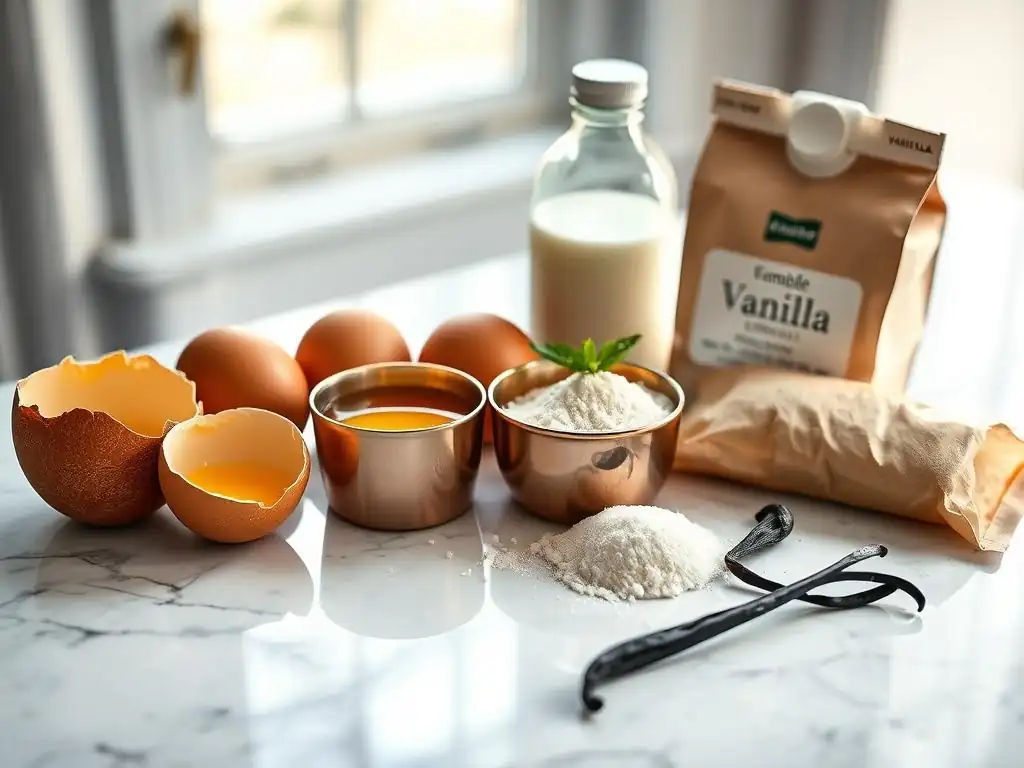
Essential Ingredients for a Perfect Flan
A classic easy French crème caramel relies on a few pantry staples. You will need sugar, primarily granulated sugar, for both the caramel and the custard. Whole milk and heavy cream are typically used for the custard base; the combination provides richness and a silky texture. Eggs, specifically whole eggs and sometimes extra yolks, provide structure and contribute to the custard's creaminess.
Vanilla is a crucial flavoring agent, often used in the form of extract or a vanilla bean pod. A pinch of salt balances the sweetness. While exact quantities vary slightly between recipes, a standard yield for four to six individual ramekins might call for around 500ml (about 2 cups) of liquid (milk/cream), 3-4 whole eggs plus 1-2 yolks, and roughly 100-150g (about 1/2 to 3/4 cup) of sugar for the custard, plus an additional 100g (about 1/2 cup) for the caramel.
High-Quality Ingredients for the Best Flavor
Using fresh, high-quality ingredients significantly impacts the final taste and texture of your easy French crème caramel. Opt for fresh, pasteurized whole milk and rich heavy cream for the creamiest custard. Farm-fresh eggs, if available, can also contribute to a richer flavor and vibrant color.
Pure vanilla extract offers a clean, classic vanilla taste. If using a vanilla bean, scrape the seeds directly into the milk/cream mixture for a more intense and complex flavor profile. While using premium ingredients might represent a slight cost increase, the difference in the depth of flavor and the overall luxuriousness of the finished easy French crème caramel is well worth it.
Variations: Infusing Your Flan with Different Flavors
While the classic easy French crème caramel is delightful on its own, you can easily adapt the recipe to incorporate other flavors. Infusing the milk or cream with citrus zest (like orange or lemon peel) during the heating process before adding it to the eggs is a popular variation. Simply steep the zest for about 15 minutes, then strain it out.
Another approach is adding spices like a cinnamon stick, star anise, or cardamom pods to the milk while it heats. For a coffee-flavored crème caramel, dissolve a teaspoon or two of instant espresso powder in the warm milk. These simple additions can transform the classic easy French crème caramel into a new dessert experience while keeping the core technique the same.
Step-by-Step Guide to Making Crème Caramel
Preparing the Caramel: The Sweet Foundation
The caramel layer is the signature of crème caramel, providing both sweetness and a beautiful liquid topping when inverted. It's made by melting sugar over heat until it turns into a liquid amber syrup. The goal is to achieve a rich, golden-brown color without burning, as burnt caramel is bitter.
You can make caramel dry (sugar only) or wet (sugar with a little water). The dry method is often quicker but requires careful monitoring to prevent burning. The wet method is more forgiving as the water helps dissolve the sugar evenly before caramelization begins. For this easy French crème caramel recipe, we'll focus on a method that balances speed and control.
Achieving the Perfect Amber Caramel
To achieve the perfect amber color, start with sugar in a heavy-bottomed saucepan over medium heat. If using the wet method, add just enough water to moisten the sugar – typically a few tablespoons per cup of sugar. Resist stirring initially; swirling the pan is usually sufficient.
As the sugar melts and boils, watch the color change from clear to pale yellow, then to a beautiful amber. This stage happens quickly. Once it reaches a rich, golden-amber hue (like dark honey or light maple syrup), immediately remove it from the heat. This takes approximately 5-8 minutes depending on the heat and quantity. Promptly pour the hot caramel into the bottom of your ramekins or mold, swirling to coat the bottom evenly. Be extremely cautious, as hot sugar is very dangerous.
Avoiding Burnt Caramel: Tips and Tricks
Burning caramel is a common pitfall, resulting in a harsh, bitter taste that can ruin your easy French crème caramel. The key is vigilance and controlling the heat. Use a heavy-bottomed pan, which distributes heat more evenly. Medium heat is generally preferred over high heat, even if it takes a minute longer.
Once the sugar starts to color, it changes very rapidly. Have your ramekins ready and nearby. As soon as the caramel reaches the desired amber shade, take it off the heat immediately. If you're nervous, you can even dip the bottom of the hot pan into an ice bath for a second to halt the cooking process instantly before pouring. Remember, the caramel will continue to cook slightly from residual heat after being removed from the stove.
Creating the Custard: A Silky Smooth Base
The custard is the heart of the easy French crème caramel. It's a simple mixture of dairy, sugar, eggs, and vanilla. The goal is a smooth, lump-free base that will set into a delicate, creamy texture when baked. Gentle handling of the eggs is crucial to prevent them from scrambling.
Typically, the milk and cream are gently heated with sugar and vanilla to infuse flavor and dissolve the sugar. This warm mixture is then tempered into the whisked eggs. Tempering involves slowly adding the hot liquid to the eggs while whisking continuously. This gradually raises the temperature of the eggs without cooking them too quickly.
Blending Ingredients for a Smooth Custard
For a silky smooth custard, start by whisking the eggs and any extra yolks with the remaining sugar in a bowl until just combined and slightly pale. Avoid over-whisking, which can incorporate too much air, potentially leading to a less dense custard. Heat the milk and cream mixture gently until it's hot but not boiling – approximately 80-85°C (175-185°F).
Slowly pour the hot milk mixture into the egg mixture in a thin, steady stream while whisking constantly. This tempering step prevents the eggs from scrambling. Once combined, strain the custard mixture through a fine-mesh sieve into a clean bowl or directly into your prepared ramekins. Straining removes any potential lumps or bits of cooked egg, ensuring the ultimate smooth texture for your easy French crème caramel.
Preventing Lumps in Your Crème Custard
Preventing lumps in your crème custard is essential for that signature smooth texture. The primary cause of lumps is scrambling the eggs during the tempering process. This happens when hot liquid is added too quickly to the eggs without sufficient whisking. Always pour slowly and whisk vigorously.
Another measure is straining the custard mixture before pouring it into the molds. Even with careful tempering, tiny bits of cooked egg can sometimes form, especially around the edges of the bowl. Straining through a fine-mesh sieve catches these imperfections. Ensuring your dairy is heated gently, not boiled, also helps maintain a consistent temperature for tempering, reducing the risk of hot spots that could cook the eggs prematurely.
Baking the Crème Caramel: Gentle Heat is Essential
Crème caramel is baked using a water bath, also known as a bain-marie. This method provides gentle, even heat around the molds, which is crucial for the custard to set slowly and smoothly. Direct oven heat would cause the edges to cook faster than the center, resulting in a rubbery or curdled texture.
The water bath creates a stable temperature environment for the custard, preventing it from overheating. The water level should come at least halfway up the sides of the ramekins. Baking time varies depending on the size of the molds, but small individual ramekins typically take around 35-50 minutes at a moderate oven temperature, often between 150-160°C (300-325°F).
The Water Bath (Bain-Marie) Method
To set up a water bath for your easy French crème caramel, place your caramel-coated ramekins in a larger baking pan or roasting dish. Carefully pour the strained custard mixture into each ramekin. Then, place the baking pan into the preheated oven. Once the pan is on the oven rack, carefully pour hot (but not boiling) water into the larger pan around the ramekins.
Ensure the water level reaches at least halfway up the sides of the ramekins, ideally two-thirds of the way. This ensures that the gentle heat surrounds most of the custard. Be careful not to splash water into the custard itself. The water bath maintains a consistent, moderate temperature, allowing the custard to bake evenly and develop its signature creamy, delicate texture without curdling.
Determining Doneness: The Jiggle Test
Determining when your easy French crème caramel is perfectly baked is key to its texture. The standard method is the "jiggle test." After the approximate baking time (e.g., 40-50 minutes for standard ramekins), gently shake one of the ramekins in the water bath.
The center of the custard should still have a slight wobble, like firm jelly, while the edges appear set. If the entire surface jiggles like liquid, it needs more time. If the center is completely firm and doesn't jiggle at all, it's likely overbaked. A thin knife inserted near the edge should come out clean, but avoid inserting it into the very center, as this can disrupt the setting process.
Cooling and Unmolding Your Crème Caramel
Cooling: Essential for Setting the Custard
Proper cooling is a critical step for your easy French crème caramel to set completely and achieve the correct texture. Once the custards are done baking (they pass the jiggle test), carefully remove the large baking pan from the oven. Let the ramekins cool in the water bath for about 30-60 minutes. This gradual cooling helps prevent the custard from cracking.
After the initial cooling period in the water bath, carefully remove the ramekins from the water and place them on a wire rack to cool completely to room temperature. This usually takes another hour or two. Once cool, cover each ramekin tightly with plastic wrap and refrigerate for at least 4 hours, or preferably overnight. Chilling allows the custard to firm up fully and ensures the caramel syrup is the right consistency when inverted.
Unmolding: Achieving a Clean Release
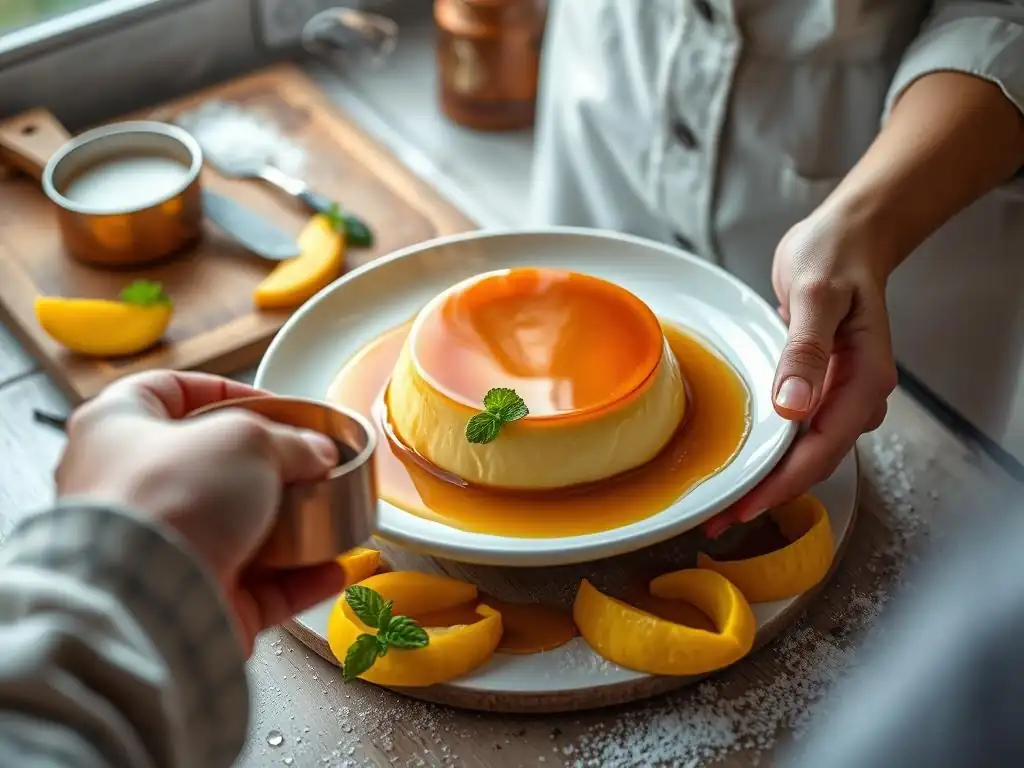
Unmolding can be the most nerve-wracking part, but with proper technique, you'll achieve a clean release with the beautiful caramel cascading down. First, run a thin, sharp knife or offset spatula around the edge of each chilled crème caramel, making sure to go all the way down to the bottom.
Place the serving plate upside down over the ramekin. Holding the plate and the ramekin firmly together, quickly and confidently invert them. You might hear a slight suction sound as the crème caramel releases. Lift the ramekin straight up. If it doesn't release immediately, give the ramekin a gentle shake or tap the bottom. The caramel should pour down and pool around the custard.
Troubleshooting Common Crème Caramel Issues
Why is My Crème Caramel Runny?
A runny crème caramel is typically a sign of underbaking. The custard didn't spend enough time in the oven or the water bath wasn't hot enough to allow the proteins in the eggs to set properly. This is a common issue, especially when making an easy French crème caramel for the first time.
- Checklist for Runny Custard:
- [ ] Was the oven preheated to the correct temperature?
- [ ] Was the water bath deep enough (at least halfway up the sides)?
- [ ] Was the water in the bath hot when placed in the oven?
- [ ] Did you bake for the minimum recommended time?
- [ ] Did the center still jiggle significantly after baking?
Ensure your oven thermostat is accurate (an oven thermometer can help). Always use hot water for the bain-marie. If the center is still too wobbly after the initial baking time, return it to the oven in the water bath for another 5-10 minutes and re-test.
My Caramel is Too Dark!
Caramel turning too dark, or even burning, is a frequent problem. This results in a bitter, unpleasant taste that permeates the entire dessert. It often happens because the sugar is left on the heat for too long, or the heat is too high, causing the edges to burn before the center caramelizes.
Sugar caramelizes rapidly once it reaches a certain temperature (around 170°C or 340°F). The key is to watch it constantly once it starts to color. Use a heavy-bottomed pan which helps distribute heat evenly and reduces hot spots. As soon as it reaches a rich amber color, remove it from the heat immediately. Remember, residual heat in the pan continues the cooking process for a moment after removal. If using the wet method, ensure all the water has evaporated before the sugar starts to color.
Achieving a Smooth Texture: Avoiding Overbaking
While underbaking leads to a runny custard, overbaking results in a tough, rubbery, or even curdled texture. This happens when the egg proteins coagulate too much due to excessive heat or time in the oven. Overbaking is the opposite extreme of the runny custard issue.
The water bath is your best defense against overbaking, as it regulates the temperature. However, leaving the crème caramel in the oven for too long, even in a water bath, can still lead to problems. Rely on the jiggle test: remove the custards when the edges are set but the center still has a slight wobble. They will continue to set as they cool. Avoid high oven temperatures; the moderate heat recommended for a bain-marie is essential for this easy French crème caramel recipe.
Serving and Storing Your Homemade Crème Caramel
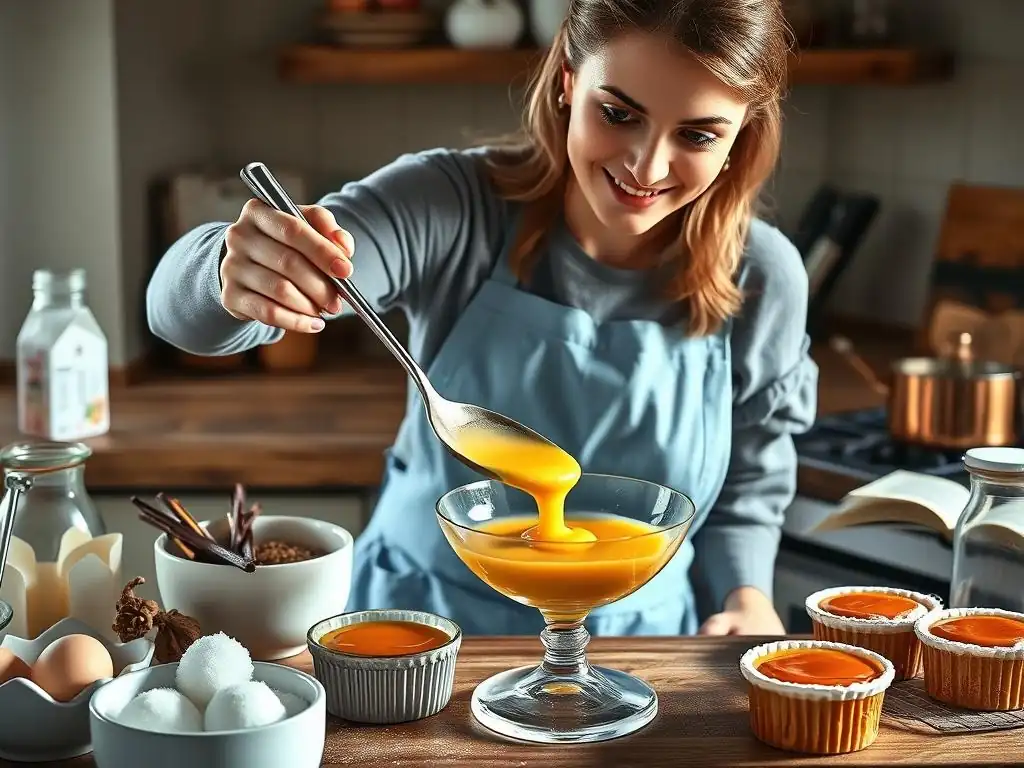
Serving Suggestions for Crème Caramel
The classic way to serve easy French crème caramel is simply inverted onto a plate, allowing the beautiful amber caramel syrup to pool around it. The contrast between the pale custard and the dark syrup is visually appealing. No additional garnishes are typically needed, as the dessert is perfect on its own.
However, for a touch of flair, you could add a single fresh berry, a sprig of mint, or a very light dusting of powdered sugar to the plate before inverting the crème caramel. Serve it chilled directly from the refrigerator for the best texture and flavor experience. The cool, creamy custard contrasts wonderfully with the sweet, slightly bitter caramel.
Storing: Maintaining Freshness
Homemade easy French crème caramel stores quite well in the refrigerator. Once completely chilled and unmolded onto serving plates, you can cover individual servings loosely with plastic wrap. If storing in their ramekins before unmolding, ensure each ramekin is tightly covered with plastic wrap.
Crème caramel is best consumed within 2-3 days of baking. Over time, the custard can potentially start to weep slightly, and the texture might change marginally, though it usually remains delicious. Always store it in the refrigerator; it should not be left at room temperature for extended periods due to the dairy and egg content.
Expanding Your Dessert Baking Skills
Other Classic Dessert Recipes to Explore
Mastering this easy French crème caramel recipe is a great stepping stone to exploring other classic desserts that utilize similar techniques. Consider trying a classic French chocolate mousse, which also relies on careful handling of ingredients to achieve a light yet rich texture. Crème brûlée is another excellent choice, featuring a similar custard base but topped with a hardened layer of torched sugar instead of liquid caramel.
Panna cotta, an Italian dessert, uses gelatin to set a creamy mixture, offering a different approach to chilled custards. Tarte Tatin, while not a custard, involves working with caramel and fruit, building confidence in handling hot sugar. Each of these desserts builds upon foundational baking skills, making them natural next steps after successfully creating your easy French crème caramel.
Tips for Successful Baking
Consistency and patience are key to successful baking, especially with delicate desserts like easy French crème caramel. Always measure ingredients accurately; baking is a science where ratios matter. Read the entire recipe through before you start to understand the process and timing.
Ensure your oven is properly preheated and consider using an oven thermometer to verify its accuracy. When working with custards and water baths, gentle handling and even temperatures are paramount. Don't rush the cooling and chilling process – it's essential for the custard to set correctly. Finally, don't be discouraged by imperfections on your first attempt; baking is a skill that improves with practice.
Enjoy Your Homemade Crème Caramel!
You've successfully navigated the steps to create a classic easy French crème caramel! Take a moment to appreciate your accomplishment. This timeless dessert, with its silky custard and rich caramel, is a testament to the beauty of simple ingredients and careful technique.
Whether you're sharing it with loved ones or savoring it yourself, enjoy the delightful experience of this homemade treat. Making easy French crème caramel from scratch is a rewarding process that yields delicious results and builds valuable baking skills. Congratulations on mastering this classic!
Frequently Asked Questions
What makes this Crème Caramel recipe "easy"?
This recipe focuses on simple ingredients and a straightforward cooking process, minimizing complex techniques often found in more traditional recipes. We break down each step for beginner-friendly baking.
What ingredients are essential for a perfect French Crème Caramel?
The core ingredients are milk, sugar, eggs, and vanilla extract. These create the custard base and contribute to the classic flavor. A little salt is also helpful to balance the sweetness.
How do I prevent my Crème Caramel from becoming rubbery?
Overbaking is the primary cause. Use a water bath and monitor the internal temperature closely. The custard should be slightly jiggly when removed from the oven.
Can I use a different type of milk for this recipe?
While whole milk is recommended for the richest flavor and texture, you can use 2% milk as a substitute. Avoid skim milk, as it may result in a less creamy final product.
How long does Crème Caramel need to chill before serving?
Ideally, chill the Crème Caramel for at least 4 hours, but preferably overnight. This allows the custard to fully set and develop its characteristic flavor and texture.
Final Reflection: The Enduring Allure of a Simple Dessert
The seemingly simple act of crafting a perfect French crème caramel transcends mere culinary skill; it's a journey into the heart of comfort and tradition. This recipe, designed for ease of execution, proves that achieving culinary excellence doesn't require hours of complex techniques or a professional kitchen. The creamy custard, the rich caramel, the satisfying simplicity – it’s a testament to the power of well-executed fundamentals.
The enduring appeal of this classic dessert lies not just in its deliciousness, but in its ability to evoke memories and connect us to a richer culinary heritage. It's a dish that has graced tables across generations, a symbol of both celebration and everyday comfort. As Julia Child once said, Find something you're passionate about and keep tremendously interested in it.
For me, this recipe represents that passion – the joy of sharing a simple, yet profoundly satisfying, dessert with loved ones. It's a small act of culinary love, and that resonates deeply.
Now, I invite you to embrace the simplicity and elegance of this recipe. Don't be intimidated by the seemingly delicate nature of crème caramel; with a little care and attention, you can create a dessert that will impress your family and friends, and perhaps even unlock a newfound appreciation for the beauty of classic culinary traditions. Try it, share it, and experience the magic for yourself. The sweet reward awaits.
Unlock Your Inner Pâtissier: Master the Art of Crème Caramel!
Thanks for joining us on this delicious journey into the world of French Crème Caramel! We hope you now feel confident enough to tackle this classic dessert. Ready to take your baking skills to the next level?
- Craft your own perfect Crème Caramel: Use the recipe and tips from this article as your guide, experimenting with different vanilla extracts or even adding a touch of cinnamon for a unique twist. This is your chance to shine!
- Share your creation: Post a picture of your masterpiece on social media and tag us @BakeWithEase – we’d love to see your culinary success!
- Explore other BakeWithEase recipes: Discover more delightful desserts and savory treats on our website for even more baking inspiration.
Ready to impress your friends and family with your newfound crème caramel expertise? What unique ingredient will you add to elevate your next flan?