
Easy Crème Anglaise (Custard Sauce) for French Desserts

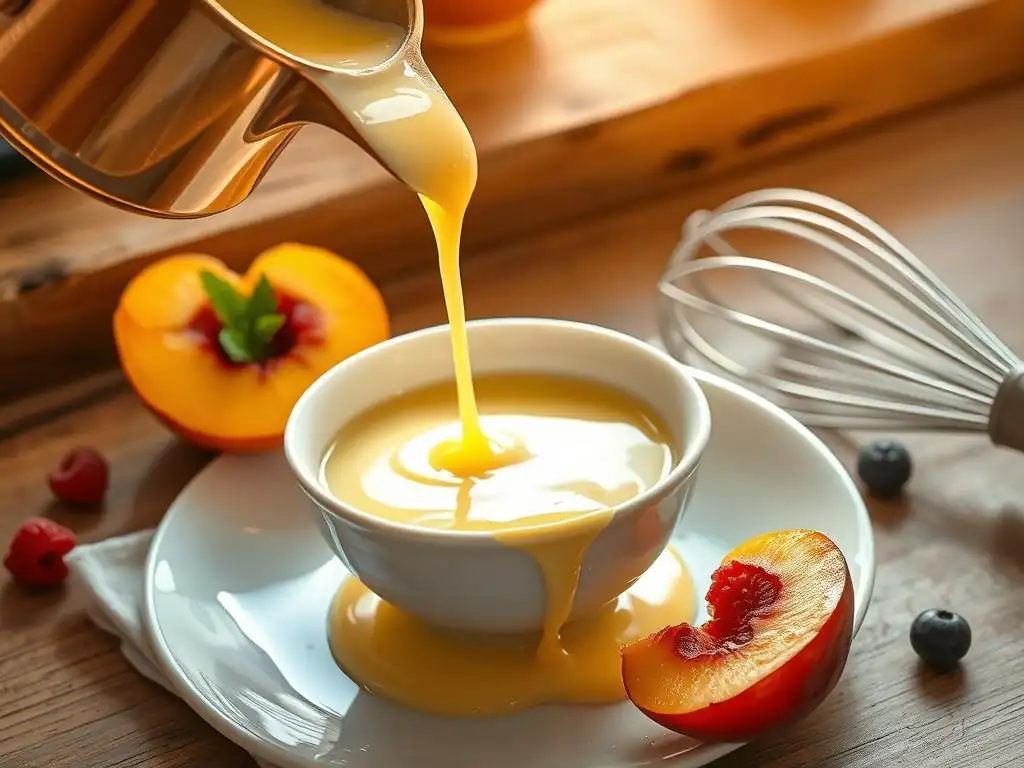
Welcome to BakeWithEase, your kitchen companion for unlocking baking brilliance! Ever dreamt of effortlessly drizzling a velvety smooth sauce over your favorite dessert? Then you're in the right place. Discover our Easy Crème Anglaise recipe for beginners, a deceptively simple custard sauce that will elevate your French desserts to a whole new level. Curious about the secret to perfect custard consistency? Read on to unravel the magic!
- What is Crème Anglaise? A Guide to this Classic French Custard Sauce
- Simple Crème Anglaise Recipe: Step-by-Step Instructions
- Tips and Tricks for Perfect Crème Anglaise
- Serving Suggestions: How to Use Crème Anglaise
- Storing Your Homemade Crème Anglaise: Maintaining Freshness
- Troubleshooting Your Crème Anglaise: Common Problems and Solutions
- Crème Anglaise Recipe: Printable Recipe Card
- Related Dessert Recipes
- Frequently Asked Questions
- Final Reflection: The Enduring Allure of Simple Perfection
- Unlock the Secrets of Silky Smooth Crème Anglaise!
What is Crème Anglaise? A Guide to this Classic French Custard Sauce
Understanding Crème Anglaise: Definition and Uses
Crème Anglaise, literally translating to "English Cream," is a fundamental preparation in French patisserie, though its name suggests a different origin. It's a light, pourable custard sauce made primarily from egg yolks, sugar, milk or cream, and typically flavored with vanilla. Unlike thicker custards like pastry cream (crème pâtissière) which are thickened with flour or cornstarch, crème anglaise relies solely on the gentle cooking of egg yolks for its subtle thickening, resulting in a silky, smooth consistency that coats the back of a spoon – a state known as nappe.
This versatile sauce serves multiple purposes in the world of desserts. It is often served warm as a sauce poured over cakes, puddings, or fruit tarts, adding a rich, creamy counterpoint. Alternatively, it can be chilled and used as a base for other preparations, such as ice cream, Bavarian cream (Bavarois), or mousses. Mastering this simple custard sauce is a foundational skill for anyone exploring French baking, making it a perfect easy crème anglaise recipe beginners can confidently tackle.
Why Crème Anglaise is Essential for Dessert Making
Crème Anglaise holds a special place in the dessert repertoire due to its incredible versatility and ability to enhance rather than overpower the main dessert. Its delicate sweetness and rich, creamy texture provide a perfect backdrop for a wide range of flavors, from intense chocolate and caramel to light fruits and sponges. It adds moisture and richness to drier cakes or complements the texture of fresh berries or poached fruits beautifully.
For beginners learning to make French desserts, mastering an easy crème anglaise recipe is a crucial step. It introduces fundamental techniques like tempering egg yolks and cooking a custard gently over heat, skills applicable to many other pastry preparations. Furthermore, its relatively simple list of ingredients and straightforward process make it accessible, offering a high reward for minimal complexity. It's the perfect entry point into the world of classic French sauces for anyone starting their baking journey.
Simple Crème Anglaise Recipe: Step-by-Step Instructions
Gathering Your Ingredients
Embarking on this easy crème anglaise recipe for beginners requires just a few basic ingredients, typically found in most kitchens. The core components are egg yolks, granulated sugar, milk, and a flavoring agent like vanilla. For a richer sauce, you can substitute some or all of the milk with heavy cream. The quality of your ingredients will significantly impact the final flavor, so opt for fresh eggs and good quality milk or cream.
Here's a typical list for a standard batch:
4-6 large egg yolks½ cup (100g) granulated sugar2 cups (475ml) whole milk or a mix of milk and heavy cream1 teaspoon pure vanilla extractor½ vanilla bean, split lengthwise
Ingredient Quality and Considerations
Using fresh, large egg yolks is paramount for the best texture and flavor in your simple custard sauce. The number of yolks can be adjusted slightly based on desired richness and thickness; more yolks yield a thicker, richer sauce. Whole milk is generally preferred over low-fat options as the fat contributes to the creamy texture and helps carry the flavor. If using a vanilla bean, scrape the seeds out and add both the seeds and the pod to the milk/cream for maximum flavor infusion.
Consider the temperature of your ingredients as well. While not strictly necessary for this easy crème anglaise recipe beginners, having milk/cream slightly warmed before combining with the tempered yolks can sometimes aid in a smoother process. However, the tempering step inherently handles temperature differences, making this less critical. Focus on having all ingredients measured and ready before you begin cooking.
Step 1: Heating the Cream
Begin by gently heating the milk (or milk/cream mixture) in a medium saucepan over medium heat. If using a vanilla bean, add the split pod and scraped seeds to the milk now. Bring the liquid just to a simmer, watching carefully to ensure it doesn't boil over. You'll see small bubbles forming around the edges of the pan. Once it reaches a simmer, remove the pan from the heat. If using vanilla extract, you will add this later.
Allow the milk to sit for a few minutes if you added a vanilla bean, letting the flavor infuse. This step is crucial because the hot liquid will be used to temper the egg yolks in the next step, preventing them from scrambling. Heating the milk gently ensures even heating and reduces the risk of scorching the bottom of the pan.
Step 2: Tempering the Egg Yolks
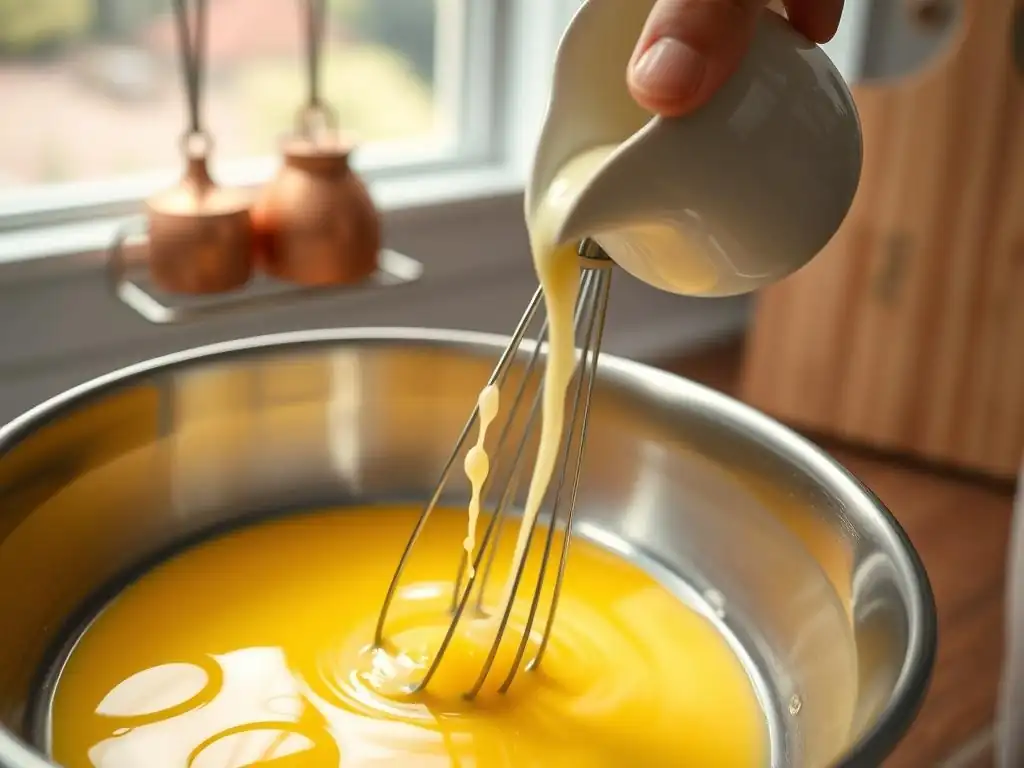
While the milk is heating, whisk the egg yolks and granulated sugar together in a heatproof bowl until the mixture is pale yellow and slightly thickened. This process, known as "blanching" or "ribbon stage" for more rigorous preparations, helps dissolve the sugar and prepare the yolks. Now comes the tempering: slowly ladle about half a cup of the hot milk into the egg yolk mixture while continuously whisking vigorously.
Gradually adding the hot liquid while whisking raises the temperature of the egg yolks gently, preventing them from cooking instantly when combined with the rest of the hot milk. Once you've incorporated the first half cup and whisked thoroughly, slowly pour in another half cup of hot milk, still whisking constantly. After adding about a cup of the hot milk to the yolks, the yolk mixture will be warmed and ready to combine with the remaining milk in the saucepan.
Step 3: Cooking the Crème Anglaise
Pour the warmed egg yolk mixture back into the saucepan with the remaining hot milk. Return the saucepan to low heat. Now, the most critical part of this easy crème anglaise recipe for beginners: cook the custard gently, stirring constantly with a wooden spoon or heatproof spatula. The key is low heat and continuous stirring to prevent the eggs from scrambling and sticking to the bottom of the pan.
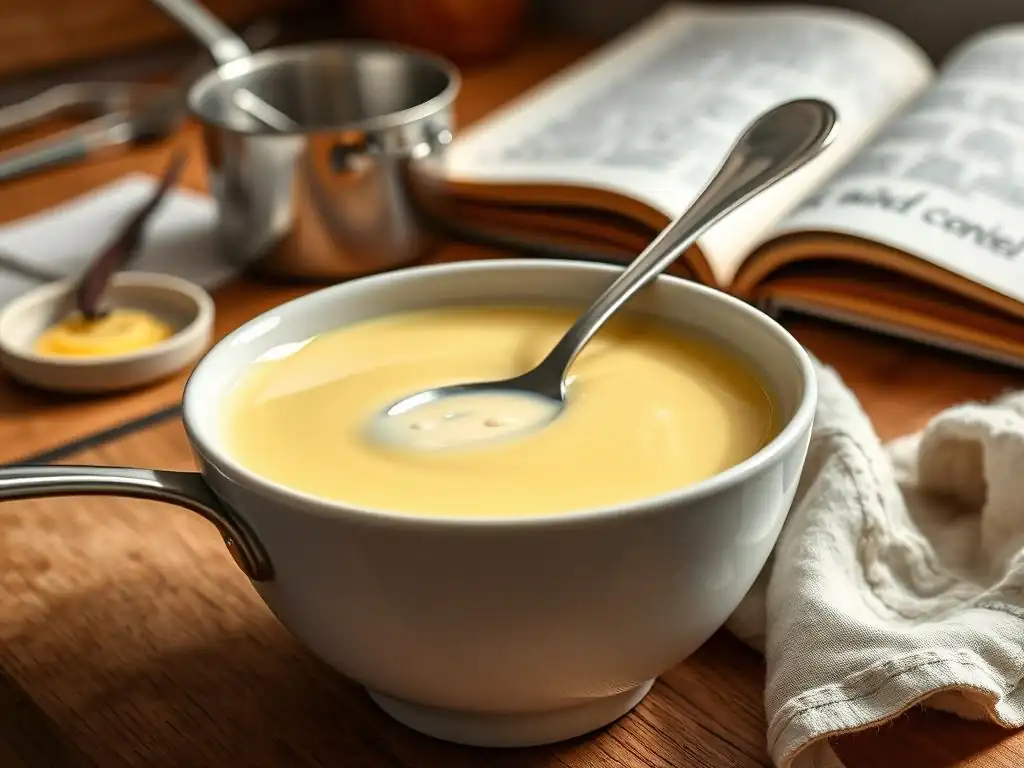
Cook until the sauce thickens enough to coat the back of the spoon (the nappe consistency). If you run your finger across the back of the coated spoon, the line should hold without the sauce running back into it. This typically happens when the custard reaches a temperature between 170°F and 175°F (77°C to 79°C). Do not let the mixture boil, as this will cause the eggs to curdle. This usually takes about 5-10 minutes of gentle heating and stirring.
Step 4: Chilling and Straining
Once the crème anglaise reaches the desired consistency, immediately remove the saucepan from the heat. If you used a vanilla bean pod, remove it now. If you are using vanilla extract, stir it in at this stage. For an extra smooth finish, pour the hot custard through a fine-mesh sieve set over a clean bowl. This step catches any small bits of cooked egg that might have formed despite careful cooking, ensuring a perfectly smooth sauce.
To cool the crème anglaise quickly and prevent bacterial growth, place the bowl over an ice bath (a larger bowl filled with ice and a little water) and stir occasionally until it cools down. Once cooled, cover the surface of the custard directly with plastic wrap to prevent a skin from forming. Refrigerate until ready to serve, typically for at least 2-3 hours to allow it to chill and thicken slightly further as it cools.
Tips and Tricks for Perfect Crème Anglaise
Avoiding Scrambled Eggs: Mistakes and Solutions
Scrambled eggs are the most common pitfall when making crème anglaise, especially for beginners. This happens when the egg yolks are heated too quickly or at too high a temperature, causing the proteins to seize up. The key prevention methods are gentle heat and constant stirring during the cooking phase. Never walk away from the stove!
If you notice small lumps forming, immediately remove the pan from the heat and plunge the bottom of the pan into an ice bath to stop the cooking process. Vigorously whisking might help break up very fine lumps. For more significant curdling, straining the sauce through a very fine sieve or even blending it briefly with an immersion blender (then straining) can sometimes rescue it, though the texture might not be as perfect as a sauce cooked without curdling. Remember, low and slow is the way to go for a smooth custard sauce.
Achieving the Perfect Consistency: Thickness and Smoothness
The ideal consistency of crème anglaise is nappe – thick enough to coat the back of a spoon but still pourable. This is achieved by cooking the egg yolks gently until the proteins slightly denature and thicken the liquid. Overcooking will result in a sauce that is too thick or even curdled, while undercooking will leave it too thin, like flavored milk.
Using a thermometer is the most precise way to ensure you reach the correct temperature range (170-175°F or 77-79°C). Without a thermometer, rely on the spoon test: dip a spoon into the custard, lift it out, and run your finger across the back. If the line holds cleanly, it's ready. If it runs back, it needs a little more cooking. If it's excessively thick or looks grainy, it might be overcooked or starting to curdle.
Flavor Variations: Enhancing Your Crème Anglaise
While classic vanilla is the standard, an easy crème anglaise recipe beginners can explore offers a fantastic base for other flavors. Instead of or in addition to vanilla, consider infusing the milk with citrus zest (lemon, orange), cinnamon sticks, star anise, or even coffee beans during the heating step. Strain these out before tempering the yolks.
For a chocolate version, whisk in finely chopped chocolate or cocoa powder after removing the sauce from the heat. For a boozy twist, stir in a tablespoon or two of liqueur (like Grand Marnier, rum, or coffee liqueur) after straining and cooling slightly. Always add extracts or alcohol after cooking to preserve their flavor. These simple variations allow you to customize your homemade custard sauce for different desserts.
Serving Suggestions: How to Use Crème Anglaise
Classic Pairings: Desserts That Complement Crème Anglaise
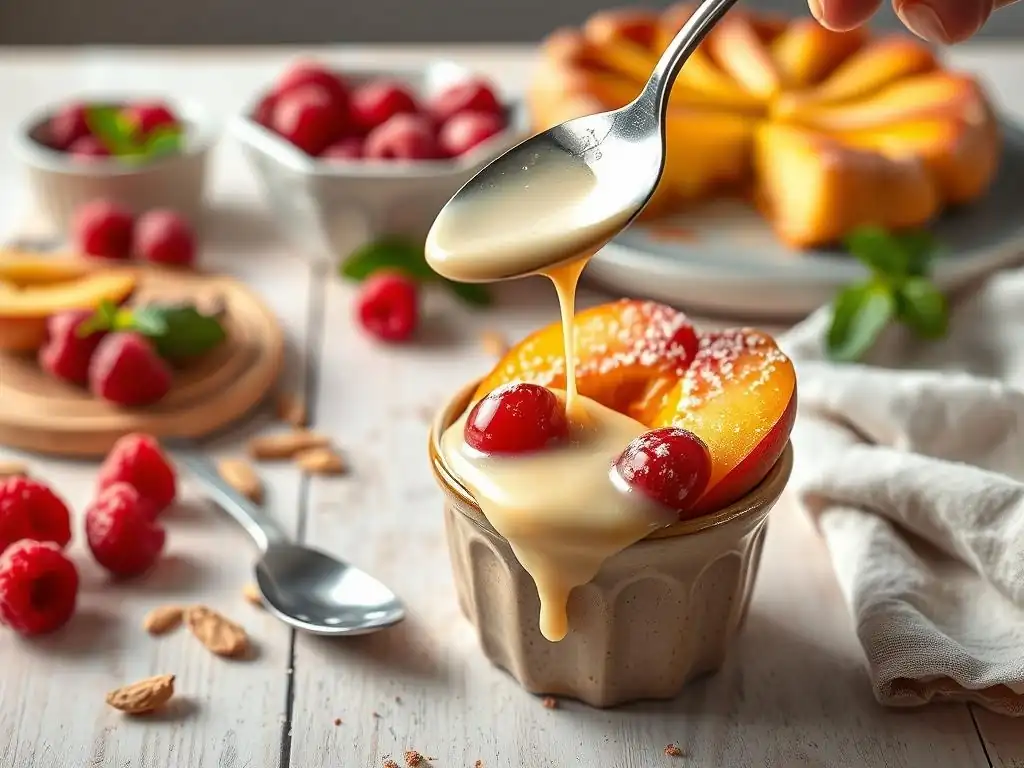
Crème Anglaise is a quintessential accompaniment to numerous French and international desserts. Its creamy texture and subtle sweetness make it a perfect partner. Classic French pairings include Ile Flottante (Floating Island), where soft meringue floats on a pool of crème anglaise, and Gateau Moelleux au Chocolat (Molten Chocolate Cake), served with warm custard sauce.
Other delightful combinations include pouring warm crème anglaise over fruit tarts (like apple or pear), bread pudding, poached pears, or simple sponge cakes. It's also the traditional sauce for Crème Caramel or Flan, often served alongside or underneath the caramelized custard. For an easy crème anglaise recipe beginners can enjoy immediately, simply serve it warm over fresh berries or sliced fruit.
Creative Uses: Beyond Traditional Applications
Beyond its classic roles, crème anglaise can be adapted for more creative dessert applications. Chilled crème anglaise forms the base for many frozen desserts; simply churn it in an ice cream maker to create a rich, smooth ice cream base. It's also the primary component of Bavarian cream, where it's combined with gelatin and whipped cream to create a light, molded dessert.
Consider using it as a dipping sauce for churros or madeleines. A slightly thicker version can even be piped onto plates as a decorative element for plated desserts. Don't limit yourself to sweet uses; while less common, savory applications exist in haute cuisine. However, for an easy crème anglaise recipe beginners will love, focusing on sweet pairings is the best starting point.
Storing Your Homemade Crème Anglaise: Maintaining Freshness
Proper Storage Techniques
To keep your homemade crème anglaise fresh and safe, proper storage is essential. Once cooled, the custard should be transferred to an airtight container. For the best results and to prevent a skin from forming on the surface (even after straining), press plastic wrap directly onto the surface of the crème anglaise before sealing the container with a lid.
Store the container in the coldest part of your refrigerator, typically towards the back. Avoid leaving it at room temperature for more than two hours, as dairy and egg-based products are susceptible to bacterial growth. Proper chilling immediately after cooking and straining is key to maintaining quality and safety.
Shelf Life and Best Practices
Properly stored in the refrigerator, crème anglaise typically lasts for about 3 to 4 days. While it might be safe slightly longer, the quality and fresh flavor are best within this timeframe. Always check for any off smells or signs of spoilage before using older batches.
It is generally not recommended to freeze crème anglaise because the freezing and thawing process can cause the emulsion to break, resulting in a separated or grainy texture. The delicate consistency achieved by cooking the egg yolks is easily compromised by freezing. For the best experience with your easy crème anglaise recipe beginners, plan to use your batch within a few days of making it.
Troubleshooting Your Crème Anglaise: Common Problems and Solutions
My Crème Anglaise is Too Thin: Troubleshooting
If your crème anglaise hasn't thickened to the nappe consistency after cooking, it's likely because it hasn't reached the necessary temperature (170-175°F or 77-79°C) to properly cook the egg yolks. Gently return the sauce to low heat and continue stirring constantly. Use the spoon test or a thermometer to check its progress. Be patient and keep the heat low to avoid overshooting and curdling.
Ensure you used the correct ratio of egg yolks to liquid as specified in the easy crème anglaise recipe for beginners. Using too much milk or too few yolks will result in a thinner sauce. If you've already cooked it and it's still too thin, you can try whisking in a slurry of a teaspoon of cornstarch mixed with a tablespoon of cold milk, then returning it to low heat to cook for another minute or two until thickened, stirring constantly. However, this changes the texture slightly from a pure yolk-thickened custard.
A crème anglaise that is too thick might be slightly overcooked or potentially starting to curdle. If it's just a little too thick but still smooth, you can gently whisk in a tablespoon or two of warm milk or cream until the desired pourable consistency is reached. Do this off the heat.
If it's very thick or looks grainy, it might have curdled. As mentioned earlier, immediately remove from heat, try an ice bath, strain, and potentially blend briefly. While blending can sometimes smooth out minor curdling, severe overcooking resulting in a very thick, pasty texture or significant curdling is difficult to fully correct, and starting over might be the best option for the desired silky smooth simple custard sauce.
My Crème Anglaise Has Lumps: Troubleshooting
Lumps in crème anglaise are almost always a sign that the egg yolks have scrambled slightly. This happens due to high heat, insufficient tempering, or not stirring constantly while cooking. If you discover lumps, stop cooking immediately.
Strain the entire batch through a very fine-mesh sieve. For persistent small lumps, you can try pressing the mixture through the sieve with the back of a spoon. If the lumps are significant, blending the sauce with an immersion blender for just a few seconds before straining can sometimes help break them down and smooth the sauce, though this is a last resort. Proper technique during cooking is the best prevention for a smooth easy crème anglaise recipe beginners can be proud of.
Crème Anglaise Recipe: Printable Recipe Card
Recipe Summary
Yields: Approximately 2 ½ cups
Prep time: 10 minutes
Cook time: 10-15 minutes
Chill time: 2-3 hours
Ingredients:
- 4-6 large egg yolks
- ½ cup (100g) granulated sugar
- 2 cups (475ml) whole milk or a mix of milk and heavy cream
- 1 teaspoon pure vanilla extract or ½ vanilla bean
Instructions:
- Heat milk (with vanilla bean if using) in a saucepan until just simmering. Remove from heat.
- In a bowl, whisk egg yolks and sugar until pale. Slowly ladle about 1 cup of hot milk into the yolks while whisking constantly to temper.
- Pour tempered yolk mixture back into the saucepan with remaining milk.
- Cook over low heat, stirring constantly with a spoon or spatula, until sauce coats the back of the spoon (170-175°F / 77-79°C). Do not boil.
- Remove from heat. Remove vanilla bean pod. Stir in vanilla extract if using.
- Strain immediately through a fine-mesh sieve into a clean bowl.
- Cool over an ice bath, stirring occasionally.
- Press plastic wrap directly onto the surface. Refrigerate for at least 2-3 hours until chilled.
Explore Other Dessert Recipes
Mastering this easy crème anglaise recipe for beginners opens the door to countless dessert possibilities. Once you're comfortable making this simple custard sauce, consider exploring recipes that feature it prominently. Try making a classic Ile Flottante, where airy meringues are poached and served floating on a sea of crème anglaise.
Another excellent next step is making a molten chocolate cake (Moelleux au Chocolat) and serving it warm with your homemade crème anglaise. You could also venture into making a simple fruit tart and using the crème anglaise as a lovely sauce alongside it. These recipes build upon the skills you've just learned and offer delicious results.
Mastering Dessert Techniques
Beyond specific recipes, practicing this easy crème anglaise recipe beginners allows you to refine fundamental dessert techniques. You've practiced tempering, gentle heating, and achieving a specific consistency through egg cookery. These skills are transferable to other custard-based desserts like pot de crème or even starting points for ice cream bases.
Continue exploring classic French baking techniques. Try making a simple pastry cream (crème pâtissière) which uses starch for thickening, offering a different texture profile. Or perhaps tackle a basic choux pastry to fill with your delicious crème anglaise (once thickened slightly with gelatin or starch for stability). Each new recipe reinforces core principles and expands your baking repertoire.
Frequently Asked Questions
What exactly is Crème Anglaise?
Crème Anglaise is a light, pourable custard sauce originating in France. It's primarily made from egg yolks, sugar, and milk or cream, often flavored with vanilla.
Is Crème Anglaise difficult to make, especially for beginners?
While it requires attention, this recipe is designed to be an easy crème anglaise recipe for beginners. The key is to cook it gently and avoid curdling the eggs.
What desserts pair well with Crème Anglaise?
Crème Anglaise is incredibly versatile! It complements almost any dessert, especially fruit tarts, pound cake, and chocolate desserts. It's also delicious drizzled over fresh fruit.
What's the best way to prevent Crème Anglaise from curdling?
The most important tip is to cook it over low heat and stir constantly. Also, be sure to remove it from the heat as soon as it thickens enough to coat the back of a spoon.
Can Crème Anglaise be made ahead of time?
Yes, absolutely! In fact, it's often better to make it a day in advance. Store it in an airtight container in the refrigerator and it will be ready to use when you need it.
Final Reflection: The Enduring Allure of Simple Perfection
The seemingly simple act of crafting a perfect crème anglaise transcends mere culinary technique; it's a gateway to unlocking the heart of classic French pastry. Mastering this foundational sauce unlocks a world of elegant desserts, proving that sometimes, the most exquisite flavors are born from the simplest of preparations. This ease of creation, however, shouldn't diminish the profound satisfaction derived from achieving that velvety smooth, subtly sweet perfection.
The influence of crème anglaise extends far beyond the individual dessert; it represents a connection to culinary history and tradition. It's a testament to the enduring power of simple, high-quality ingredients transformed by careful technique. The subtle nuances of flavor – the balance of richness, sweetness, and vanilla – speak to a timeless elegance that continues to inspire both professional chefs and home bakers alike. The simplest things are often the most beautiful.
This quote perfectly encapsulates the magic of crème anglaise, a sauce whose beauty lies in its unassuming simplicity.
Now, it's your turn. Don't be intimidated by the seemingly delicate nature of this classic sauce. Embrace the challenge, experiment with different vanilla extracts or even a hint of citrus zest, and experience the joy of creating something truly special. The creamy reward awaits – a testament to your culinary skills and a delicious addition to your repertoire of French dessert masterpieces. Go forth and create!
Unlock the Secrets of Silky Smooth Crème Anglaise!
Thanks for joining us on this delicious journey into the world of crème anglaise! We hope you gained a newfound appreciation for this classic French sauce and its versatility. Now it's time to put your newfound knowledge to the test!
- Master the perfect Crème Anglaise: Try the recipe again, experimenting with different flavor infusions like vanilla bean paste or a hint of orange zest. This is your chance to truly own this recipe!
- Share your culinary triumph: Post a picture of your delectable creation on social media and tag us @BakeWithEase – we'd love to see your results!
- Explore other BakeWithEase recipes: Discover even more simple yet elegant dessert sauces to elevate your baking game!
Ready to impress your friends and family with flawlessly smooth crème anglaise? What unique flavor twist will you add to your next batch?