
The Secret to Flaky French Apple Turnovers (Chaussons aux Pommes)

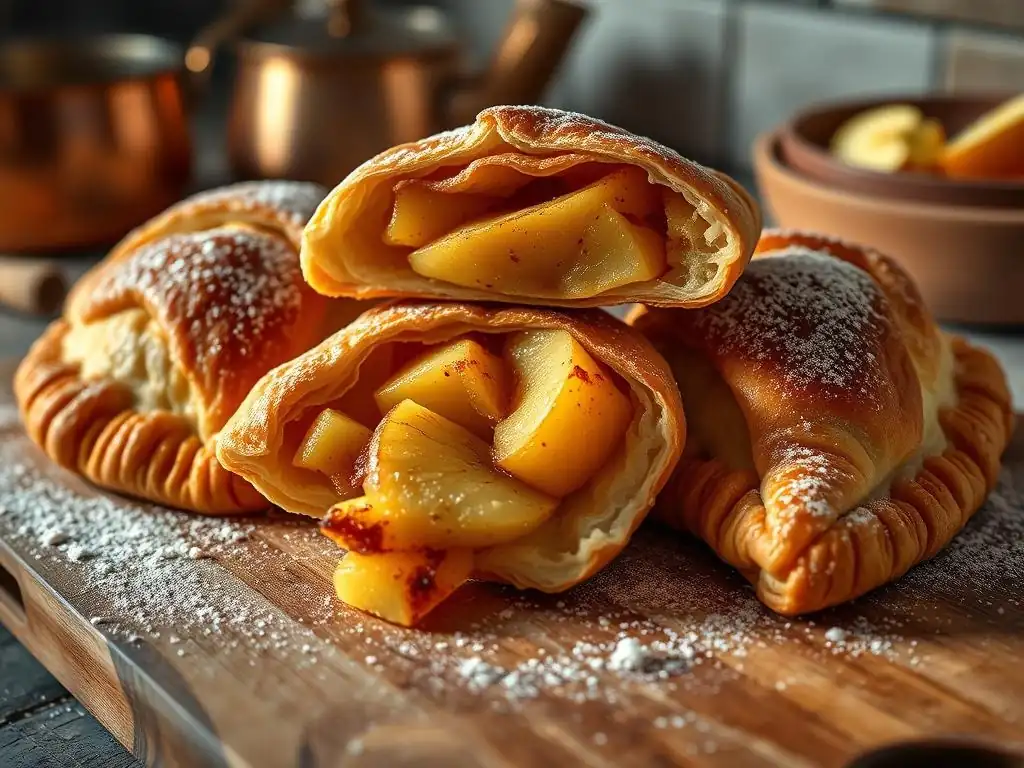
Welcome to BakeWithEase, where even the most daunting baking dreams become deliciously attainable! Ever wondered how French bakeries achieve that impossibly flaky perfection in their Chaussons aux Pommes? We're about to unlock the secrets behind the flaky apple turnover recipe you've been searching for. Get ready to embark on a culinary journey to France, one delectable, buttery layer at a time... Curious to see how easy it really is?
- The Secret to Flaky French Apple Turnovers (Chaussons aux Pommes) - A BakeWithEase Recipe
- Introduction: Mastering the Art of Flaky Chaussons aux Pommes
- Understanding the Key to Perfect Flakiness in Apple Turnovers
- Ingredients for Authentic French Apple Turnovers
- Step-by-Step Guide to Making Flaky Apple Turnovers (Chaussons aux Pommes)
- Tips and Tricks for the Best Apple Turnovers
- Variations on the Classic French Apple Turnover
- Troubleshooting Common Apple Turnover Problems
- The History and Tradition of Chaussons aux Pommes
- Enjoy Your Homemade Flaky Apple Turnovers!
-
Frequently Asked Questions
- What makes French apple turnovers (Chaussons aux Pommes) from BakeWithEase.com so flaky?
- Can I use store-bought puff pastry for the Flaky Apple Turnover recipe from BakeWithEase?
- What kind of apples does BakeWithEase recommend for their Flaky Apple Turnover recipe?
- What if I don't have all the specific spices listed in BakeWithEase's Flaky Apple Turnover recipe?
- How do I prevent the apple filling from leaking out of the turnovers while baking, according to BakeWithEase?
- Final Reflection: The Enduring Allure of the Perfect Flake
- Unleash Your Inner Pâtissier: Bake the Perfect Apple Turnover!
The Secret to Flaky French Apple Turnovers (Chaussons aux Pommes) - A BakeWithEase Recipe
Introduction: Mastering the Art of Flaky Chaussons aux Pommes
BakeWithEase Presents: A Deep Dive into French Baking Classics
Welcome to BakeWithEase, your trusted guide to mastering the delightful world of baking! Today, we're embarking on a journey into the heart of French patisserie with a beloved classic: the Chausson aux Pommes, or French apple turnover. This iconic pastry, with its golden, flaky crust and warm, sweet apple filling, is a staple in bakeries across France and a true testament to the elegance of simple, quality ingredients. Our mission at BakeWithEase is to demystify these seemingly complex bakes, making them accessible and enjoyable for everyone, regardless of your baking experience.
French baking is renowned for its precision and the exquisite results achieved through careful technique. From the delicate layers of a croissant to the rich crumb of a financier, these recipes often rely on the interplay of butter, flour, and temperature. The Chausson aux Pommes is no exception, requiring attention to detail, particularly when it comes to crafting the perfect pastry dough. We'll guide you through each step, ensuring you build confidence and produce results that taste and look like they came straight from a Parisian patisserie.
Why This Flaky Apple Turnover Recipe is a Must-Try
If you've ever bitten into a perfectly executed Chausson aux Pommes, you know the magic: a shatteringly crisp, buttery exterior giving way to a tender, slightly tart apple filling. Achieving this sublime texture is the goal of any great flaky apple turnover recipe. Unlike some recipes that yield a more cake-like or bread-like crust, our focus is squarely on maximizing those delicate, ethereal layers that define a truly exceptional French turnover. This recipe is designed to provide that ultimate flakiness, making it incredibly satisfying to bake and even more delightful to eat.
Beyond the incredible texture, this flaky apple turnover recipe offers a wonderful balance of flavors. The natural sweetness and slight acidity of the apples, enhanced by warming spices, pair beautifully with the rich, buttery pastry. It's comfort food elevated to an art form. Learning this recipe not only grants you the ability to recreate a French classic but also teaches fundamental pastry techniques that are transferable to countless other bakes. Prepare to impress yourself and anyone lucky enough to share these with you!
Understanding the Key to Perfect Flakiness in Apple Turnovers
The Role of Butter in Creating Flaky Pastry
The secret weapon in achieving those coveted flaky layers in any pastry, including our flaky apple turnover recipe, is cold, high-quality butter. When cold butter is cut into the flour, it doesn't fully combine. Instead, it remains in small pieces or thin sheets within the dough. As the dough is rolled and folded (a process often referred to as lamination, though simpler for this type of dough than for puff pastry or croissants), these butter pieces are flattened into thin layers separated by layers of dough.
During baking, the water content in the butter turns to steam. This steam forces the layers of dough apart, creating air pockets. Simultaneously, the fat from the melting butter coats the flour particles, preventing gluten development and resulting in a tender, crisp texture. The colder the butter, the more distinct these layers remain until baking, leading to a more pronounced lift and flakiness. Using butter with a higher fat content (around 82% or more, common in European-style butters) can further enhance flakiness compared to standard butters (typically around 80% fat).
Achieving the Right Dough Consistency for Chaussons aux Pommes
Creating the ideal dough consistency is paramount for a flaky apple turnover recipe. The dough should be just hydrated enough to come together, but not so wet that it becomes sticky or difficult to handle. A slightly drier dough encourages less gluten development, which is desirable for a tender, flaky crust. Overworking the dough activates gluten, leading to a tough, chewy texture instead of the desired crisp layers.
Temperature also plays a critical role. Both the ingredients (especially the butter and water) and the dough itself must be kept cold throughout the process. Warm dough is sticky and the butter can melt into the flour prematurely, hindering layer formation. Chilling the dough multiple times allows the gluten to relax, makes the dough easier to roll thinly without snapping back, and, most importantly, keeps the butter solid and in distinct pieces, preserving the potential for flakiness during baking. Aim for a dough that feels firm but pliable after chilling, one that rolls out smoothly without excessive resistance.
Ingredients for Authentic French Apple Turnovers
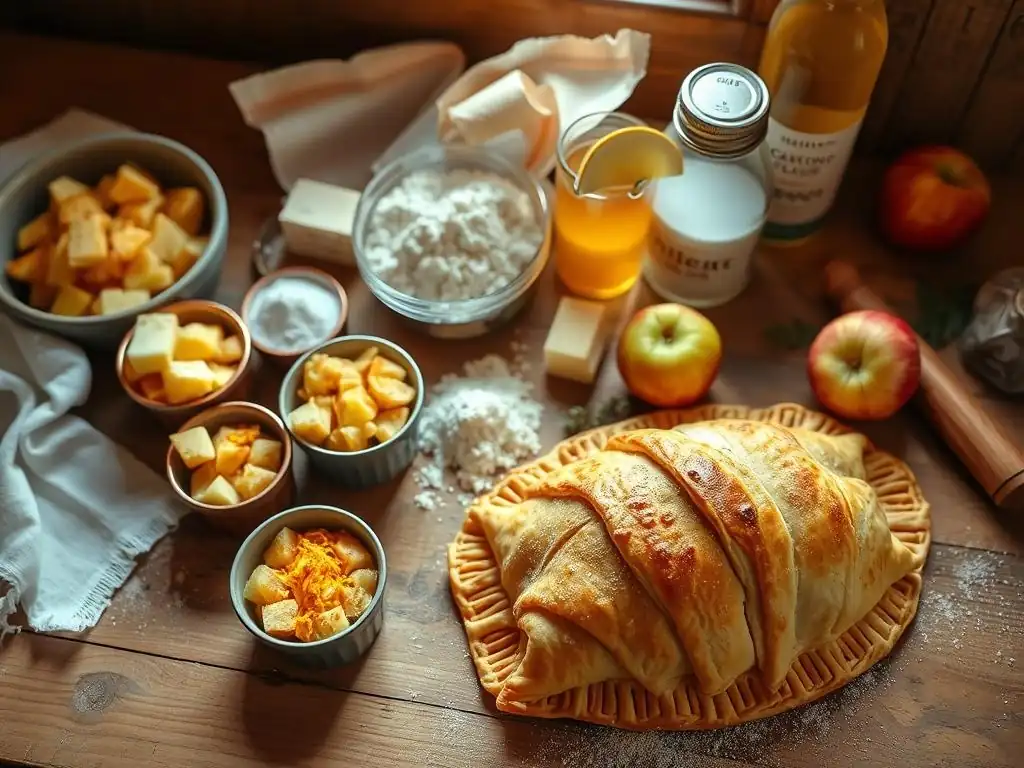
List of Ingredients for the Dough
- 250 grams all-purpose flour, plus extra for dusting
- 1/2 teaspoon salt
- 1 tablespoon granulated sugar (optional, for a slightly sweeter crust)
- 150 grams unsalted butter, very cold, cut into small cubes (about 1/2 inch or 1 cm)
- ~80-100 ml ice water (start with 80ml and add more, a tablespoon at a time, only if needed)
- 1 large egg, beaten (for egg wash)
List of Ingredients for the Apple Filling (Compote)
- 4-5 medium apples (about 600-700 grams), such as Granny Smith, Honeycrisp, or Jonagold (a mix is great!)
- 2-3 tablespoons unsalted butter
- 3-4 tablespoons granulated sugar (adjust to the sweetness of your apples)
- 1 tablespoon fresh lemon juice
- 1/2 teaspoon ground cinnamon
- Pinch of ground nutmeg (optional)
- 1 tablespoon cornstarch or flour (optional, to thicken the filling)
- 2 tablespoons water or apple cider (if using thickener)
Essential Tools for Making Chaussons aux Pommes at Home
To successfully execute this flaky apple turnover recipe, having the right tools can make a significant difference. You don't need a professional kitchen, but a few key items are very helpful.
- Large mixing bowl: For combining dry ingredients and the initial dough mixing.
- Pastry blender or forks: To cut the cold butter into the flour. A food processor can also be used, pulsing just until the butter is pea-sized.
- Rolling pin: Essential for rolling out the dough evenly.
- Sharp knife or pastry wheel: For cutting the dough into squares or rectangles.
- Measuring cups and spoons: For accurate ingredient measurements.
- Large saucepan: For cooking the apple compote.
- Spatula or wooden spoon: For stirring the compote.
- Baking sheets: At least one, preferably two, lined with parchment paper.
- Pastry brush: For applying the egg wash.
- Cooling rack: For cooling the baked turnovers.
Step-by-Step Guide to Making Flaky Apple Turnovers (Chaussons aux Pommes)
Preparing the Dough: A Detailed Walkthrough
Crafting the dough is the foundation of this flaky apple turnover recipe. Patience and keeping ingredients cold are key.
Step 1: Combining Dry Ingredients
In your large mixing bowl, whisk together the 250 grams of all-purpose flour, 1/2 teaspoon of salt, and 1 tablespoon of optional granulated sugar. This ensures the salt and sugar are evenly distributed throughout the flour before the butter is added. Using a whisk also helps to aerate the flour slightly.
Step 2: Incorporating Cold Butter for Flaky Layers
Add the 150 grams of very cold, cubed unsalted butter to the dry ingredients. Using a pastry blender, two forks, or your fingertips (working quickly to avoid warming the butter), cut the butter into the flour until the mixture resembles coarse meal with some larger, pea-sized pieces of butter remaining. These larger pieces are crucial for creating flaky layers. If using a food processor, pulse a few times until this texture is achieved.
Step 3: Adding Liquid and Forming the Dough
Gradually add the ice water, starting with 80ml, a tablespoon at a time, mixing gently with a fork or your hands until the dough just comes together. Be careful not to add too much water; the dough should be shaggy and slightly dry, not sticky. It's better to have some dry bits in the bowl than a wet dough. Turn the dough out onto a lightly floured surface and gently bring it together into a rough disc or rectangle. Do not knead.
Step 4: Chilling the Dough for Optimal Results
Wrap the dough tightly in plastic wrap and flatten it into a disc or rectangle about 1 inch thick. Refrigerate for at least 1 hour, or preferably 2-3 hours. This chilling period is vital. It allows the gluten to relax, making the dough easier to roll, and ensures the butter is firm, ready to create those essential flaky layers during baking. A well-chilled dough is the cornerstone of a successful flaky apple turnover recipe.
Crafting the Apple Filling (Compote) for Chaussons aux Pommes
While the dough chills, prepare the delicious apple filling. This compote provides the sweet and slightly tart counterpoint to the rich pastry.
Step 1: Preparing the Apples
Peel, core, and dice your 4-5 medium apples into small pieces, roughly 1/2 inch (1 cm) cubes. Smaller pieces cook down more evenly and are easier to enclose in the turnover. Dicing them directly into a bowl containing the lemon juice can help prevent them from browning.
Step 2: Cooking the Apples to Perfection
Melt the 2-3 tablespoons of unsalted butter in a large saucepan over medium heat. Add the diced apples and 3-4 tablespoons of granulated sugar (adjusting based on the sweetness of your apples). Cook, stirring occasionally, for about 10-15 minutes, or until the apples have softened but still hold some shape. They should release some of their liquid.
Step 3: Adding Spices and Flavors for an Authentic Taste
Stir in the 1/2 teaspoon of ground cinnamon and optional pinch of nutmeg. If you prefer a thicker filling that won't potentially leak during baking, mix the 1 tablespoon of cornstarch or flour with 2 tablespoons of water or apple cider in a small bowl until smooth. Add this mixture to the simmering apples and stir constantly for 1-2 minutes until the compote thickens. Remove from heat and let the compote cool completely before assembling the turnovers. A warm filling will melt the butter in the dough.
Assembling and Baking Your Apple Turnovers
Now for the exciting part: bringing it all together!
Step 1: Rolling Out the Dough
Remove the chilled dough from the refrigerator. On a lightly floured surface, roll the dough into a large rectangle, about 1/8 inch (3-4 mm) thick. Try to keep the edges as straight as possible to minimize scraps. If the dough becomes too warm or sticky, return it to the refrigerator for 10-15 minutes.
Step 2: Cutting and Shaping the Turnovers
Using a sharp knife or pastry wheel, cut the dough rectangle into squares or rectangles. A common size is about 5-6 inches (12-15 cm) per side, but you can adjust this based on your preference. For instance, a 10x12 inch rectangle could yield four 5x6 inch turnovers.
Step 3: Filling the Turnovers with Apple Compote
Place a generous spoonful (about 2-3 tablespoons) of the cooled apple compote onto one half of each dough square/rectangle, leaving a border of about 1/2 inch around the edges. Don't overfill, as this can lead to leaks.
Step 4: Sealing and Glazing for a Golden Finish
Fold the empty half of the dough over the filling to create a triangle or rectangle. Press the edges firmly together to seal. You can use the tines of a fork to crimp the edges, ensuring a good seal and adding a decorative touch. Place the sealed turnovers on a baking sheet lined with parchment paper. Brush the tops of the turnovers with the beaten egg wash. For a traditional look, you can score the tops with a sharp knife (making a few small slits) to allow steam to escape during baking and prevent puffing too much.
Step 5: Baking to Golden Brown Perfection
Preheat your oven to 400°F (200°C). Bake the turnovers for 20-25 minutes, or until they are puffed, golden brown, and the pastry is visibly flaky. Baking time can vary depending on your oven and the size of your turnovers. Monitor them closely in the last 5-10 minutes.
Tips and Tricks for the Best Apple Turnovers
Achieving Maximum Flakiness: Expert Baking Techniques
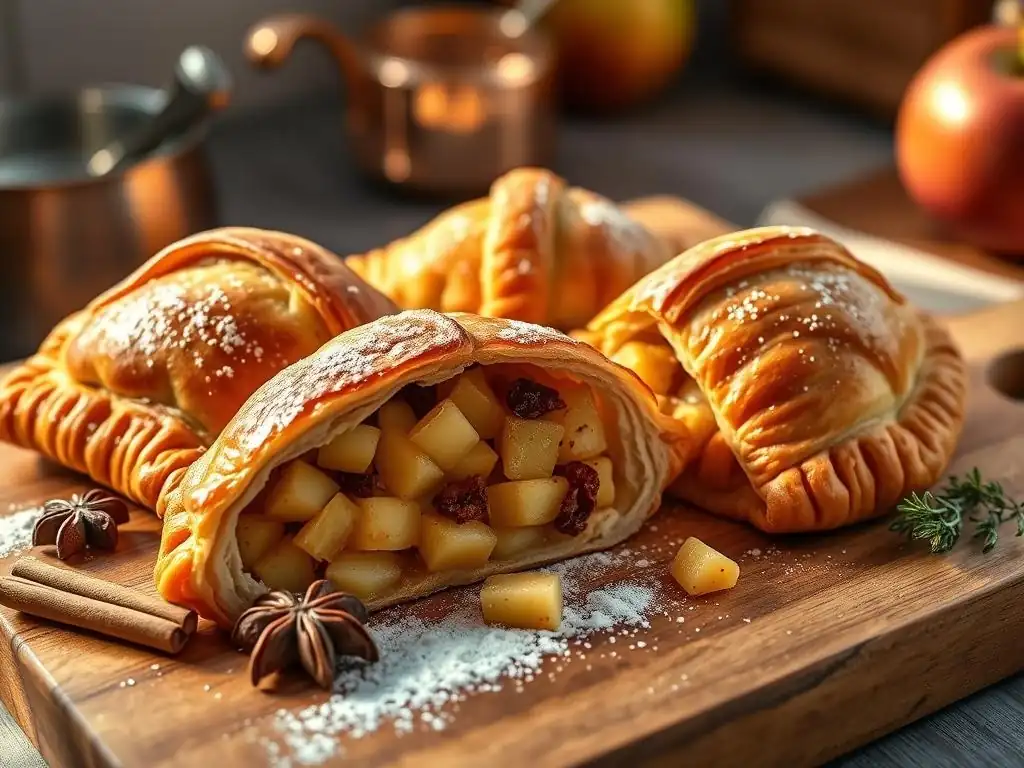
To truly maximize the flakiness in your flaky apple turnover recipe, consider these expert tips. Firstly, ensure your butter is exceptionally cold, almost frozen, when you cut it into the flour. Some bakers even freeze the cut butter cubes for 10-15 minutes before adding them. Secondly, handle the dough as little as possible. Overworking develops gluten, which is the enemy of flakiness. Mix just until the dough comes together.
Thirdly, chilling is non-negotiable and multiple chilling steps are beneficial. Chill the dough after mixing, after rolling and cutting, and even briefly after assembling before baking if your kitchen is warm. A cold turnover hitting a hot oven causes the butter to steam rapidly, creating lift. Finally, bake at a sufficiently high temperature (around 400°F / 200°C). A hot oven helps set the layers quickly before the butter melts completely out of the dough.
Preventing Soggy Bottoms: Solutions and Strategies
Soggy bottoms are a common frustration with filled pastries. Several strategies can help prevent this in your flaky apple turnover recipe. The most important is ensuring your apple filling is not too wet. Cook the compote until most of the liquid has evaporated or thickened. Using a thickener like cornstarch or flour (as suggested in the recipe) is highly effective in binding excess moisture.
Another key factor is ensuring the turnovers are baked thoroughly. A pale bottom indicates insufficient baking. Baking on a lower oven rack or using a baking steel/stone (if you have one) can help transfer heat more effectively to the bottom of the pastry. Also, don't place turnovers too close together on the baking sheet; allow space for air circulation around them, which promotes even baking and crisping.
Storing and Reheating Chaussons aux Pommes
Freshly baked is always best for maximizing flakiness, but you can store leftover Chaussons aux Pommes. Once completely cooled, store them in an airtight container at room temperature for 1-2 days. For longer storage, refrigerate for up to 4 days. The pastry may lose some of its crispness upon storage, especially in humid conditions.
To reheat and regain some of that lovely flakiness, the best method is using an oven or toaster oven. Place the turnovers on a baking sheet and warm them at 300-350°F (150-175°C) for 5-10 minutes, or until heated through and the crust feels crisp again. Avoid microwaving, as this will make the pastry soft and potentially rubbery. You can also freeze unbaked turnovers (after assembling and egg washing) on a baking sheet until solid, then transfer them to a freezer bag. Bake directly from frozen, adding a few extra minutes to the baking time.
Variations on the Classic French Apple Turnover
Adding Different Fruits to Your Chaussons aux Pommes
While apples are traditional, this flaky turnover recipe can be adapted for other fruits. Consider using pears, cherries (fresh or frozen, ensuring they are well-drained), berries like blueberries or raspberries (often mixed with a little cornstarch), or even stone fruits like peaches or apricots (peeled and diced). A mix of apples and pears is particularly delightful.
When substituting fruits, consider their moisture content. Juicier fruits will require more thickening (cornstarch or flour) in the compote stage to prevent a soggy bottom. Adjust the sugar level based on the sweetness of the fruit you choose. For instance, tart cherries will need more sugar than ripe peaches.
Experimenting with Spices and Flavors
The classic apple and cinnamon combination is fantastic, but feel free to experiment. A pinch of cardamom adds an exotic warmth that pairs wonderfully with apples. Ground ginger or a tiny amount of clove can also enhance the apple flavor. For a more complex profile, consider adding a splash of vanilla extract or a teaspoon of orange zest to the apple compote after cooking.
Some bakers like to add a bit of calvados (apple brandy) or rum to the apple filling for an extra layer of flavor – just be sure to cook it down to evaporate the alcohol. Adding a small amount of almond extract or even a thin layer of frangipane (almond cream) at the bottom before adding the apples can also create a delicious twist on the traditional flaky apple turnover recipe.
Vegan or Gluten-Free Apple Turnover Options
Adapting this flaky apple turnover recipe for dietary needs is possible with some modifications. For a vegan version, substitute the butter with a high-quality vegan butter alternative designed for baking (one with a similar fat content to dairy butter). Use a plant-based milk or water mixed with a little maple syrup or agave for the egg wash. The filling is typically vegan already, but ensure any sugar used is vegan-friendly.
Creating a gluten-free flaky turnover dough is more challenging but achievable using a gluten-free flour blend specifically designed for pastry or pie crusts. These blends often contain a mix of flours and starches. The technique of keeping ingredients cold and minimizing handling remains crucial for achieving any semblance of flakiness with gluten-free doughs. The apple filling is naturally gluten-free.
Troubleshooting Common Apple Turnover Problems
Dough Too Sticky or Dry
If your dough is too sticky after adding the liquid, it likely means you added too much water. Try incorporating a tablespoon or two more flour, working it in gently until the stickiness subsides. Handle it minimally. If it's still too sticky, wrap it and chill it thoroughly; cold dough is less sticky.
If the dough is too dry and crumbly, it needs more liquid. Add ice water, a teaspoon at a time, bringing the dough together gently until it just holds. Avoid adding too much at once. Remember, a slightly dry dough is preferred over a sticky one for flakiness.
Filling Leaking During Baking
Leaking filling is often caused by overfilling the turnovers or not sealing the edges properly. Ensure you leave an adequate border (at least 1/2 inch) around the filling when assembling. Press the edges firmly together, and using a fork to crimp provides an extra layer of security.
Another major culprit is a filling that is too wet. Cook the apple compote longer to reduce liquid, or use the suggested cornstarch/flour slurry to thicken it before filling. Also, ensure the filling is completely cool before adding it to the dough, as warm filling will melt the butter and weaken the seal.
Turnovers Not Flaky Enough
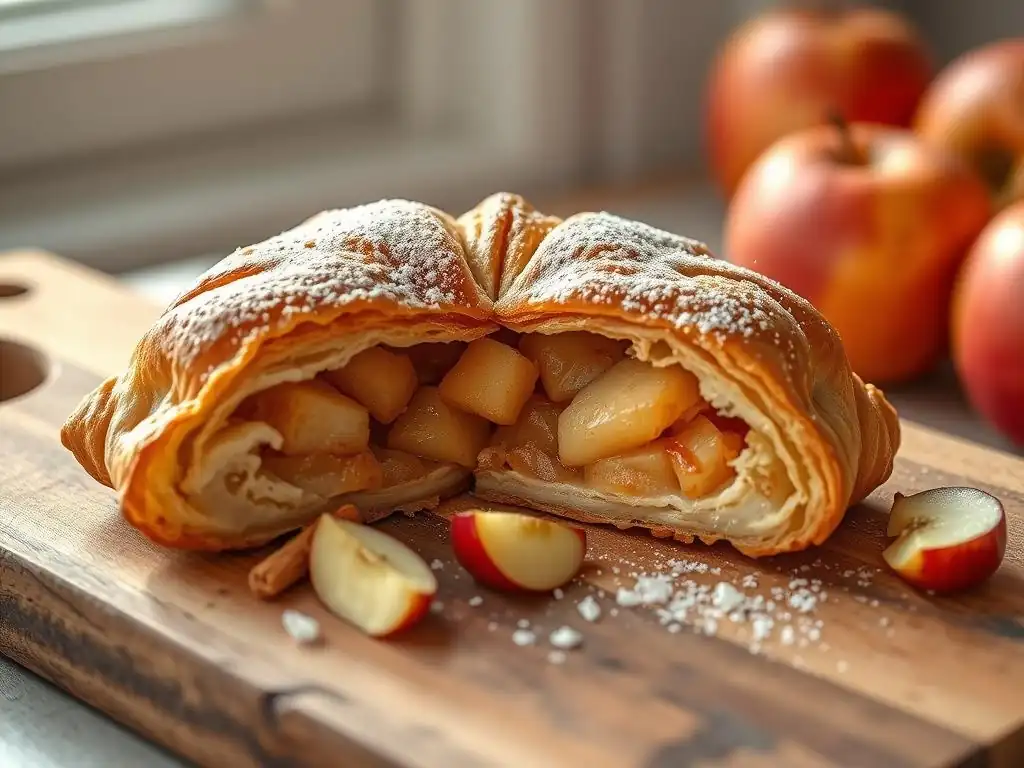
Lack of flakiness in a flaky apple turnover recipe usually stems from issues with butter incorporation or temperature control. If the butter wasn't cold enough or was overworked into the flour, it won't create distinct layers. Ensure your butter is very cold and cut it in until pea-sized pieces remain. Insufficient chilling is also a major factor.
The dough must be well-chilled before rolling and baking. Finally, oven temperature matters; if your oven isn't hot enough, the butter melts before the layers set. Calibrating your oven or using an oven thermometer can help ensure you are baking at the correct temperature (around 400°F / 200°C).
The History and Tradition of Chaussons aux Pommes
Exploring the Origins of this French Pastry Classic
The Chausson aux Pommes, meaning "apple slipper," has a history rooted in French culinary tradition, dating back centuries. While the exact origin is somewhat debated, pastries filled with fruit have been made across Europe for ages. The form of the Chausson aux Pommes as we know it today, a semi-circular or triangular turnover made with a flaky pastry dough (often akin to a quick puff pastry or pâte demi-feuilletée), became popular in France, particularly associated with apple harvests.
One famous anecdote links the Chausson aux Pommes to the town of Saint-Calais in the Sarthe department of France. Legend has it that following a plague in 1590, the lady of the manor distributed apple turnovers to the surviving villagers. This act is commemorated annually with a festival, solidifying the pastry's local significance. Regardless of specific origin stories, the Chausson aux Pommes became a beloved staple, found in boulangeries and pâtisseries throughout the country, enjoyed as a breakfast pastry, snack, or simple dessert.
Regional Variations of Apple Turnovers in France
While the basic concept of a flaky pastry filled with apples is consistent, there are regional nuances to the Chausson aux Pommes in France. For example, in some areas, the pastry might be made with pâte brisée (shortcrust pastry) rather than a flakier dough, resulting in a more tender, crumbly texture. The apple filling itself can vary; some regions might use specific local apple varieties, while others might add a touch of local alcohol, like Calvados in Normandy, famous for its apple production.
The shape can also differ slightly, although the iconic slipper shape is most common. Some might be more triangular, while others are distinctly semi-circular. The finishing touch can also vary, from a simple egg wash to a sprinkle of coarse sugar or even a light glaze after baking. These subtle variations reflect the rich diversity of French regional cuisine, but the essence of a warm, comforting, apple-filled pastry remains the heart of the Chausson aux Pommes across France.
Enjoy Your Homemade Flaky Apple Turnovers!
Serving Suggestions and Pairing Ideas
Your freshly baked flaky apple turnovers are a treat best enjoyed warm. Serve them simply as they are, allowing the buttery pastry and spiced apple filling to shine. For a touch of indulgence, a dusting of powdered sugar adds elegance, or a drizzle of a simple glaze made from powdered sugar and milk or lemon juice can enhance the sweetness.
Pairing suggestions include a scoop of vanilla ice cream or a dollop of crème fraîche or whipped cream for a delightful dessert experience. As a breakfast pastry or snack, they are wonderful with a cup of coffee, tea, or a glass of cold milk. The warmth and spice of the filling make them particularly comforting on a cool day.
We hope you've enjoyed learning how to make this classic flaky apple turnover recipe. Baking these Chaussons aux Pommes brings a little piece of French patisserie into your home. The process, while requiring attention to detail, is incredibly rewarding, yielding pastries that are far superior to anything you might find pre-made.
Remember the key elements: cold butter, minimal handling, and proper chilling. Master these, and you'll be well on your way to achieving truly flaky results every time. We encourage you to try this recipe and share your creations with the BakeWithEase community! Tag us in your photos and let us know how your Chaussons aux Pommes turned out. Happy baking!
Frequently Asked Questions
What makes French apple turnovers (Chaussons aux Pommes) from BakeWithEase.com so flaky?
The secret lies in the puff pastry technique. Specifically, achieving multiple layers of butter and dough that separate during baking, creating that signature flakiness.
Can I use store-bought puff pastry for the Flaky Apple Turnover recipe from BakeWithEase?
Yes, store-bought puff pastry is perfectly acceptable and can save time. Just ensure it's an all-butter puff pastry for the best flavor and texture, as suggested by BakeWithEase.
What kind of apples does BakeWithEase recommend for their Flaky Apple Turnover recipe?
BakeWithEase typically suggests using tart apples like Granny Smith or Honeycrisp. These hold their shape well during baking and provide a nice contrast to the sweetness of the filling.
What if I don't have all the specific spices listed in BakeWithEase's Flaky Apple Turnover recipe?
While the recipe provides a specific spice blend, you can adjust it to your liking. Cinnamon is the most important, but other warm spices like nutmeg or allspice can be substituted.
How do I prevent the apple filling from leaking out of the turnovers while baking, according to BakeWithEase?
Ensure you seal the edges tightly with a fork or egg wash. Also, don't overfill the turnovers; BakeWithEase likely provides a specific amount to prevent leakage and ensure even baking.
Final Reflection: The Enduring Allure of the Perfect Flake
The pursuit of the perfect flaky pastry, a seemingly simple goal, reveals a profound connection to culinary tradition and the enduring power of simple pleasures. Mastering the art of the chausson aux pommes, as we've explored, isn't just about following a recipe; it's about understanding the delicate balance of ingredients, technique, and patience. This understanding translates far beyond the kitchen, impacting our appreciation for craftsmanship and the satisfaction derived from creating something beautiful and delicious.
The journey of making these turnovers, from the initial chilling of the dough to the golden-brown blush in the oven, mirrors life's own processes. It requires careful attention to detail, a willingness to embrace imperfection, and the understanding that sometimes, the most rewarding experiences are born from the simplest ingredients. The best things in life are simple.
This adage rings especially true when considering the profound satisfaction of biting into a perfectly flaky, warm apple turnover – a testament to the magic found in mindful creation.
Now, I invite you to consider your own approach to baking, to cooking, and even to life itself. Will you embrace the challenge of achieving that perfect flake? Will you experiment with different techniques, allowing yourself the freedom to learn and grow? The secret to a truly exceptional chausson aux pommes, and indeed to a fulfilling life, lies not just in the recipe, but in the dedication, passion, and joy you bring to the process. Go forth and create your own masterpiece!
Unleash Your Inner Pâtissier: Bake the Perfect Apple Turnover!
Thanks for joining us on this delicious journey into the world of flaky French apple turnovers! We hope you've gained the confidence to tackle this classic pastry. Now it's time to put your newfound skills to the test.
- Bake your own masterpiece: Gather your ingredients and follow our recipe to create your own stunning chaussons aux pommes. Imagine the aroma filling your kitchen!
- Share your baking success: Snap a picture of your beautiful creations and share them on social media using #BakeWithEaseChaussons – we'd love to see them!
- Explore other BakeWithEase recipes: Discover more delightful pastries and baked goods on our website; perhaps you'll find your next favorite recipe!
Ready to experience the joy of homemade French pastries? What unique twist will you add to your apple turnovers?