
Simple Steps to Making French Pastry Glazes

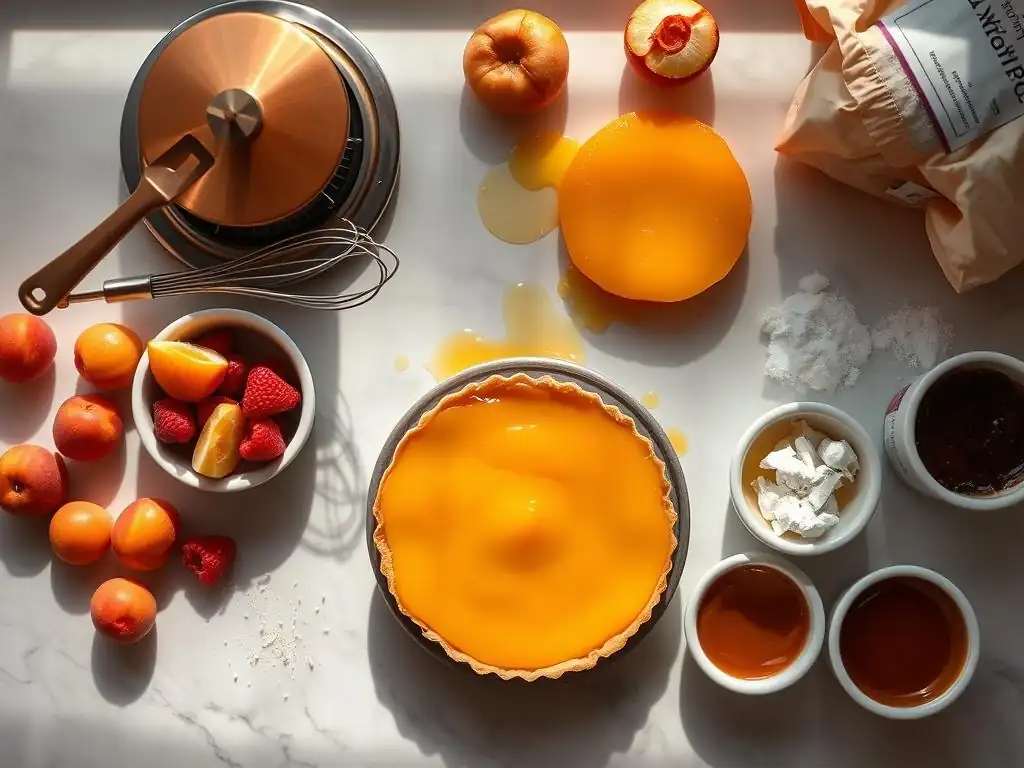
Welcome to BakeWithEase, your trusted guide to the delightful world of baking!
Ever wondered how to achieve that professional, shimmering finish on your pastries? Unlock the secrets to authentic French baking with our Easy French pastry glaze recipe. Discover how just a few simple steps can transform your creations into works of art. Intrigued? Let's get started and elevate your baking game!
- Simple Steps to Making French Pastry Glazes: BakeWithEase Guide
- Introduction to French Pastry Glazes: Elevate Your Baking with Ease
- Mastering the Art of French Glazes: A Step-by-Step Recipe Guide
- Easy French Pastry Glaze Recipe: The Basic Steps
- Variations on the Classic Easy French Pastry Glaze
- Troubleshooting Common Glaze Issues
- Pro Tips for Baking with French Glazes
- Beyond the Basics: Exploring Advanced French Glazing Techniques
- Conclusion: Unleash Your Creativity with Easy French Pastry Glazes
-
Frequently Asked Questions
- How can I make a simple French pastry glaze at home?
- What are the common ingredients in an easy French pastry glaze recipe?
- What makes a French pastry glaze different from a regular glaze?
- How do I achieve a glossy finish on my pastries using a glaze?
- What kind of pastries are best suited for a French pastry glaze?
- Final Reflection: The Sweet Simplicity of Glaze
- Unlock Your Inner Pâtissier: Glaze Game Strong!
Simple Steps to Making French Pastry Glazes: BakeWithEase Guide
Introduction to French Pastry Glazes: Elevate Your Baking with Ease
Why Glazes are Essential for French Pastries
Glazes play a crucial role in French patisserie, serving both functional and aesthetic purposes. Functionally, a well-applied glaze acts as a protective barrier, helping to seal in moisture and prevent pastries from drying out too quickly. This can significantly extend the visual appeal and perceived freshness of delicate items like fruit tarts or éclairs. For example, a simple French glaze on a fruit tart prevents the cut fruit from oxidizing and losing its vibrant color, potentially extending its attractive shelf life on display by a day or two compared to an unglazed version.
Beyond preservation, glazes provide that signature professional finish that is synonymous with French baking. The shine and smooth surface they create elevate the visual appeal of cakes, pastries, and tarts, making them look irresistible. This isn't just about beauty; it impacts how the pastry is perceived and valued. A shiny, perfect glaze communicates quality and care, influencing a customer's decision to purchase or enhancing the enjoyment of a home-baked treat. Think of the difference between a dull croissant and one with a light, flaky glaze – the glazed version simply looks more appealing and expertly crafted.
BakeWithEase: Your Guide to Perfect French Baking
At BakeWithEase, we believe that mastering classic baking techniques doesn't have to be intimidating. Our mission is to break down complex processes into simple, manageable steps that anyone can follow, regardless of their experience level. We provide clear guidance, helpful tips, and reliable recipes to help you achieve delicious and beautiful results right in your own kitchen.
This guide focuses on the Easy French pastry glaze recipe, designed to give your creations that authentic French touch without requiring specialized skills or obscure ingredients. We'll walk you through the basic techniques, share essential tips for success, and explore simple variations, empowering you to confidently add this elegant finish to your favorite baked goods. Get ready to transform your pastries with a simple, yet stunning, glaze.
Mastering the Art of French Glazes: A Step-by-Step Recipe Guide
Essential Equipment and Ingredients for an Easy French Pastry Glaze
Creating a simple French glaze requires only a few basic tools and readily available ingredients, making it an accessible technique for any home baker. The essential equipment includes a small to medium saucepan, a whisk or spoon for stirring, and a pastry brush or small ladle for application. A small fine-mesh sieve is also highly recommended to ensure a smooth, lump-free glaze. Using a non-reactive saucepan, such as stainless steel, is best, especially if you plan to add acidic ingredients like lemon juice or fruit purées, to prevent any metallic off-flavors.
The core ingredients for a basic Easy French pastry glaze recipe are granulated sugar and water. These form the simple syrup base. The ratio of sugar to water can vary, but a common starting point is a 1:1 ratio by weight or volume for a lighter glaze, or a 2:1 ratio for a thicker, more syrupy glaze. Optional ingredients like vanilla extract, a pinch of salt, or a squeeze of lemon juice can enhance the flavor and shine. For flavored or colored glazes, you might need fruit purées, cocoa powder, coffee, or food coloring.
Easy French Pastry Glaze Recipe: The Basic Steps
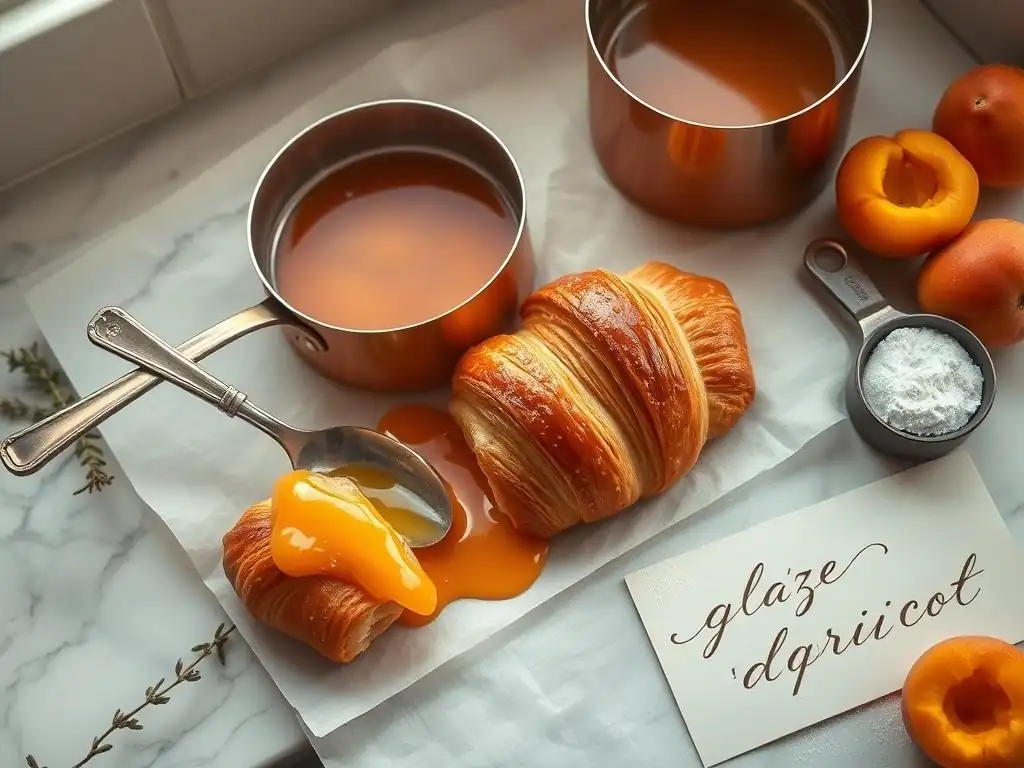
Step 1: Preparing the Simple Syrup Base
The foundation of most Easy French pastry glaze recipes is a simple sugar syrup. This involves combining sugar and water in a saucepan and gently heating the mixture until the sugar is completely dissolved. It's crucial to heat it just enough to dissolve the sugar crystals; you don't want to cook it into a caramel or candy syrup unless the recipe specifically calls for it. Stirring occasionally helps the sugar dissolve evenly.
- Combine sugar and water in the saucepan.
- Place over medium heat.
- Stir gently until the mixture is clear and no sugar crystals are visible at the bottom.
- Bring the mixture just to a simmer, then immediately remove from heat. Avoid vigorous boiling.
- Optional: For extra clarity and to prevent crystallization, you can add a tiny pinch of cream of tartar or a few drops of lemon juice while heating.
Achieving the Perfect Consistency for Your Syrup
The desired consistency of your simple syrup base depends on the type of pastry and the finish you want. A thinner syrup (like a 1:1 sugar to water ratio) will create a lighter, less noticeable glaze that provides just a subtle sheen and moisture barrier. This works well for items like croissants or brioche. A thicker syrup (like a 2:1 ratio) will result in a more substantial, shinier coating, ideal for fruit tarts, Danish pastries, or pound cakes.
If your syrup feels too thick after cooling slightly, you can gently whisk in a very small amount of hot water, a teaspoon at a time, until the desired consistency is reached. Conversely, if it's too thin and not creating enough shine, you can return it to low heat and gently simmer for a minute or two to reduce some of the water, making it more concentrated. Always test a small amount on a cool surface to see how it sets.
Step 2: Incorporating Flavor and Color
Once your simple syrup base is ready, this is where you can customize your Easy French pastry glaze with various flavors and colors. For a classic, clear glaze, you might just add a splash of vanilla extract after removing the syrup from the heat to preserve its delicate aroma. Ensure any extracts are added once the heat is off to prevent the alcohol from evaporating too quickly.
Natural Flavoring Options for French Glazes
Many delicious natural flavorings can be incorporated into your simple French glaze. Fruit juices or purées, strained to remove any solids, can be added to the warm syrup – think strained raspberry purée for a vibrant pink glaze on fruit tarts or orange juice for a citrusy finish on cakes. Spices like cinnamon or cardamom can be infused by simmering them with the water and sugar, then straining. Coffee or espresso can be added for a rich coffee glaze, perfect for chocolate pastries.
Natural Glaze Flavorings:
*   Vanilla extract
*   Citrus zest or juice (lemon, orange)
*   Strained fruit purées (apricot, raspberry)
*   Coffee or espresso
*   Spices (cinnamon, cardamom - infused)
*   Almond extract
Using Food Coloring Effectively
If you desire a specific color for your glaze, food coloring is the way to go. Gel food colorings are generally preferred over liquid ones as they are more concentrated and less likely to thin out the glaze. Add color gradually, mixing well after each addition, until you achieve the desired shade. Remember that the color often deepens slightly as the glaze cools.
- Start with a very small amount of gel coloring (a tiny drop or the tip of a toothpick).
- Add the coloring to the warm (but not hot) simple syrup.
- Stir thoroughly to distribute the color evenly.
- Add more coloring as needed, one tiny drop at a time, until the desired hue is reached.
- Pro Tip: If using vibrant colors, consider the underlying color of the pastry, as it will affect the final appearance of the glaze.
Step 3: Applying the Glaze to Your Pastries
Applying the glaze correctly is key to achieving a smooth, professional finish on your French pastries. The temperature of both the glaze and the pastry matters. Generally, the pastry should be cool or at room temperature, while the glaze should be warm but not hot – typically between 90°F and 110°F (32°C to 43°C). If the glaze is too hot, it might melt the pastry or soak in unevenly; if it's too cool, it will be too thick to spread smoothly.
Tips for a Smooth and Even Glaze Application
Several techniques can be used depending on the pastry type. For flat surfaces like tarts or cakes, gently pouring the glaze over the top and letting it spread naturally can create a very smooth finish. For curved surfaces like éclairs or choux buns, dipping the top into a bowl of warm glaze works well. For delicate items or intricate surfaces, using a pastry brush to lightly brush on the glaze layer by layer is often the best approach.
Application Techniques:
*   Pouring: Best for flat-topped cakes or tarts.
*   Dipping: Ideal for choux pastries (éclairs, profiteroles) or donuts.
*   Brushing: Suitable for fruit tarts, croissants, brioche, or intricate surfaces.
- Ensure the pastry surface is clean and free of crumbs.
- Work quickly once the glaze is at the right temperature, as it will start to set as it cools.
- Apply the glaze in a single, smooth motion or in even strokes if brushing.
- Allow excess glaze to drip off before placing the pastry back on a cooling rack.
- Let the glaze set completely before handling or storing the pastry. This usually takes 15-30 minutes at room temperature.
Variations on the Classic Easy French Pastry Glaze
While the basic clear Easy French pastry glaze recipe is versatile, exploring variations adds depth and flavor to your baking repertoire. These variations often build upon the simple syrup base, incorporating additional ingredients for distinct tastes and appearances. Mastering these allows you to pair the perfect glaze with specific pastry types.
Creating variations like apricot or chocolate glazes uses the fundamental techniques of dissolving sugar and heating, but adds specific flavor components at the appropriate stage. This demonstrates the adaptability of the basic simple French glaze concept. For example, adding melted chocolate requires careful tempering or simply stirring it into a warm syrup, while incorporating fruit purée means ensuring it's smooth and lump-free before combining.
Apricot Glaze: A Traditional French Pastry Finish
Apricot glaze is a staple in French patisserie, particularly for finishing fruit tarts and cakes. It provides a beautiful shine and a subtle fruity tang that complements most fruit fillings. Traditionally, this glaze is made from sieved apricot jam or preserves, diluted with a little water or fruit juice and heated until smooth and brushable. A common ratio is about 1 cup of apricot jam to 2-3 tablespoons of water.
To make it: Gently heat the apricot jam with the liquid in a small saucepan, stirring until the jam is fully melted and the mixture is smooth. Press the warm mixture through a fine-mesh sieve to remove any lumps or fruit pieces, resulting in a perfectly clear, golden glaze. Apply while warm using a pastry brush. This glaze is particularly excellent on apple tarts, peach tarts, or any pastry featuring stone fruits.
Chocolate Glaze: Decadent and Delicious
A simple chocolate glaze can transform a basic cake or pastry into a decadent treat. This variation often involves melting chocolate (bittersweet, semi-sweet, or milk) and combining it with a warm simple syrup, butter, or cream for richness and shine. A common method for an Easy French pastry glaze version is to stir finely chopped chocolate or chocolate chips into the warm simple syrup base until melted and smooth, then whisk in a pat of butter for extra gloss.
For a quick version, you can melt about 4 ounces of chocolate with 2 tablespoons of butter and 2-3 tablespoons of warm simple syrup or light corn syrup. Stir until completely smooth and glossy. This glaze is perfect for éclairs, chocolate cakes, or choux buns. Ensure the pastry is cool before applying, as warm chocolate glaze can melt the surface.
Coffee Glaze: Adding a Rich Aroma
Coffee glaze offers a sophisticated flavor profile that pairs wonderfully with chocolate, vanilla, or nut-based pastries. This glaze is typically made by incorporating strong brewed coffee or espresso into the simple syrup base, often with the addition of a little powdered sugar for body and opacity, and sometimes butter for richness.
To create a coffee glaze: Prepare a strong coffee or espresso. Make a simple syrup (1:1 or 2:1 ratio). Combine warm simple syrup with the coffee. For an opaque glaze, whisk in sifted powdered sugar until the desired consistency is reached. A ratio might be 1/4 cup strong coffee to 1 cup powdered sugar and a tablespoon of warm simple syrup. Add a small knob of butter for extra shine. This glaze is fantastic on coffee cakes, financiers, or mocha-flavored pastries.
Lemon Glaze: A Zesty and Refreshing Option
Lemon glaze provides a bright, zesty finish that cuts through the richness of cakes, muffins, and cookies. This glaze is typically made by combining powdered sugar with fresh lemon juice and sometimes a small amount of simple syrup or water. The acid from the lemon juice also helps to enhance the shine.
For an Easy French pastry glaze variation using lemon: Start with sifted powdered sugar in a bowl. Gradually whisk in fresh lemon juice, a teaspoon at a time, until a smooth, pourable, or brushable consistency is achieved. For extra shine and a less opaque finish, you can use warm simple syrup instead of water to adjust the consistency. A common ratio is about 1 cup powdered sugar to 2-3 tablespoons lemon juice. This vibrant glaze is perfect for madeleines, pound cake, or lemon tarts.
Troubleshooting Common Glaze Issues
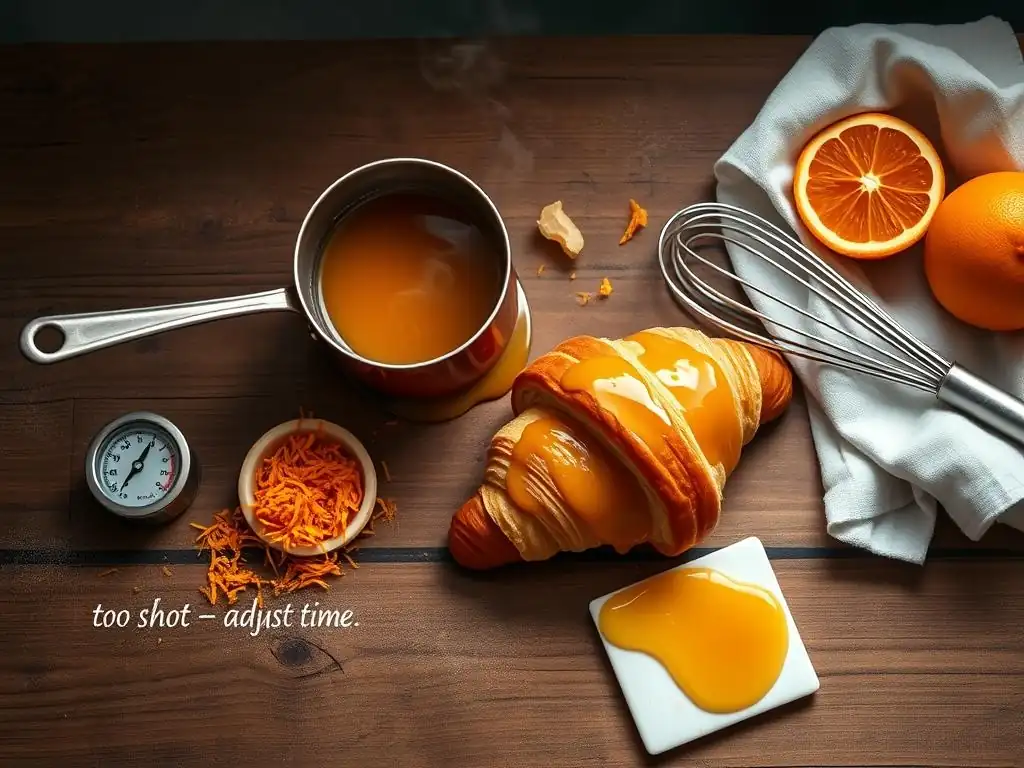
Even with an Easy French pastry glaze recipe, you might encounter a few common issues. Understanding how to troubleshoot them can save your batch of glaze and your pastries. Most problems relate to consistency or clarity, and they are usually simple to fix with minor adjustments.
These troubleshooting steps are based on the fundamental properties of sugar syrups and the ingredients used. For example, a glaze that is too thick has too much sugar relative to liquid or is too cool, while a glaze that is too thin needs more sugar or less liquid. Cloudiness often results from undissolved sugar crystals or impurities, highlighting the importance of proper technique.
Glaze is Too Thick
If your simple French glaze has become too thick to pour or brush smoothly, it likely needs more liquid or is too cool. The easiest fix is to gently warm it up slightly. Place the saucepan over very low heat or set the bowl over a pot of simmering water (bain-marie) and stir until it loosens.
If warming isn't enough, or if it thickened because too much liquid evaporated during heating, whisk in a very small amount of hot water, simple syrup, or the liquid used in your specific glaze variation (like lemon juice for a lemon glaze), one teaspoon at a time, until the desired consistency is reached. Stir well after each addition before adding more.
A glaze that is too thin won't provide a sufficient coating or shine. This means there is too much liquid relative to the sugar or other thickening agents (like powdered sugar or chocolate). To fix this, you need to reduce the liquid or add more solids.
For a simple syrup-based glaze, you can return it to a clean saucepan and gently simmer over low heat for a few minutes to allow some of the water to evaporate, concentrating the sugar. For glazes made with powdered sugar, gradually whisk in more sifted powdered sugar until the desired thickness is achieved. Ensure you whisk thoroughly to avoid lumps.
Glaze is Cloudy or Dull
Ideally, a simple French glaze should be clear and shiny. If yours turns out cloudy or dull, several factors could be the cause. One common reason is not fully dissolving the sugar crystals when making the simple syrup base. Another is stirring too vigorously while heating, which can introduce air bubbles or cause crystallization. Impurities from ingredients or equipment can also contribute.
To improve clarity and shine: If the glaze is still warm, you can try gently reheating it over low heat without stirring vigorously, which might help stubborn crystals dissolve. Passing the warm glaze through a very fine-mesh sieve or even a cheesecloth-lined sieve can remove any undissolved solids or impurities causing cloudiness. Adding a tiny amount of acid, like a few drops of lemon juice, to a warm simple syrup glaze can also sometimes enhance shine.
Pro Tips for Baking with French Glazes
Achieving bakery-quality results with your Easy French pastry glaze recipe involves more than just following the steps; a few professional tips can make a significant difference in the final appearance and longevity of your pastries. These tips focus on preparation, application technique, and proper handling after glazing.
Implementing these pro tips can elevate your home baking from good to outstanding. For instance, understanding the optimal temperature for application is crucial – apply the glaze too hot, and it runs off or melts the pastry; too cool, and it becomes thick and uneven. Proper storage ensures the beautiful finish you achieved lasts as long as the pastry itself.
Storing Your Glazed Pastries Properly
Once your pastries are beautifully glazed and the glaze has set, proper storage is essential to maintain their appearance and freshness. Glazed pastries are best stored in a single layer in an airtight container at room temperature, unless they contain perishable fillings (like cream or fresh fruit), in which case they should be refrigerated.
Avoid stacking glazed pastries directly on top of each other before the glaze is completely set, as this can damage the surface. If you must stack them for storage, place a sheet of parchment paper or wax paper between the layers after the glaze has fully hardened. A simple syrup-based glaze itself, if stored separately, can typically be kept in an airtight container in the refrigerator for up to two weeks and gently reheated for future use.
Achieving a Professional-Looking Finish Every Time
Consistency and technique are key to a professional finish. Always ensure your pastry surface is smooth and cool before applying the warm glaze. Use the right tool for the job – a brush for delicate surfaces, a ladle for pouring, or a bowl for dipping.
- Use a clean, lint-free pastry brush.
- Apply glaze in thin, even coats rather than one thick layer. You can often apply a second coat after the first has set slightly for extra shine.
- For poured glazes, ensure the glaze covers the entire surface quickly and evenly, allowing excess to drip off onto a wire rack placed over a tray.
- Minimize handling the pastry after glazing until the glaze is completely set.
- Wipe away any drips from the edges of the pastry or plate for a clean presentation.
Beyond the Basics: Exploring Advanced French Glazing Techniques
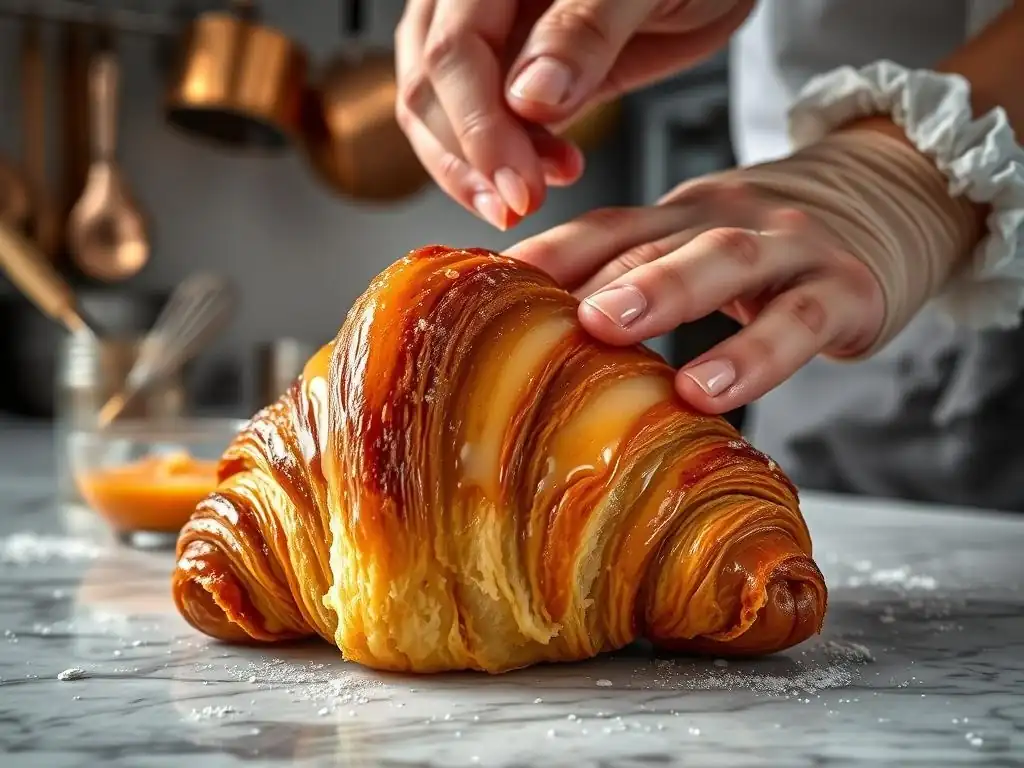
Once you've mastered the Easy French pastry glaze recipe and its simple variations, you might be curious about more advanced techniques seen in high-end patisseries. These methods require more precision and specialized ingredients but can create stunning results.
While the basic simple French glaze focuses on shine and a light coating, advanced techniques like mirror glazes and royal icing offer different textures, opacities, and decorative possibilities. Mirror glazes provide an intensely glossy, reflective surface, while royal icing allows for intricate piping and structural decorations.
Mirror Glazes: A Modern Pastry Trend
Mirror glazes, or glaçage miroir, are highly glossy glazes, often made with condensed milk, gelatin, sugar, water, and sometimes white chocolate, colored with food dyes. They are poured over perfectly smooth, frozen mousse cakes or entremets, creating a flawless, reflective surface.
Achieving a perfect mirror glaze requires precise temperature control and a very smooth underlying surface on the pastry. The glaze is poured when it reaches a specific temperature, usually around 90°F (32°C), to ensure it sets correctly and maintains its shine. It's a technique that offers dramatic visual impact but is more complex than a simple brush-on glaze.
Royal Icing: For Intricate Decorations
Royal icing is a hard-drying icing made from powdered sugar, egg whites (or meringue powder), and sometimes lemon juice. While not a glaze in the traditional sense of providing a smooth, shiny coating over an entire pastry, it is a classic French decorating medium used for intricate piping, writing, and creating structural elements like flowers or lattice work on cakes and cookies.
Unlike the warm, pourable Easy French pastry glaze, royal icing is applied at room temperature and dries to a completely hard, matte finish. Its stiffness makes it ideal for detailed work that holds its shape, often used on gingerbread houses, detailed cookie decorations, or as a decorative border on cakes.
Conclusion: Unleash Your Creativity with Easy French Pastry Glazes
Mastering the Easy French pastry glaze recipe is a fantastic step in your baking journey, adding both beauty and longevity to your creations. With just a few simple ingredients and techniques, you can achieve that coveted professional finish that elevates your homemade pastries. We've covered the basics, explored delicious variations like apricot, chocolate, coffee, and lemon glazes, and provided tips for troubleshooting and achieving perfect results every time.
Don't hesitate to experiment with different flavors and colors to find your favorites. Whether you're glazing a classic fruit tart, adding shine to croissants, or finishing a simple cake, an easy French glaze is a versatile tool in your baking arsenal. It's a small step that makes a big difference, transforming ordinary baked goods into extraordinary treats.
BakeWithEase: Continue Your French Baking Journey
This guide is just one example of how BakeWithEase aims to make French baking accessible and enjoyable for everyone. We offer a wealth of resources, from step-by-step recipes for classic French pastries like croissants, madeleines, and macarons, to detailed explanations of techniques like pâte à choux or puff pastry. Our goal is to empower you with the knowledge and confidence to recreate the magic of a French patisserie in your own home kitchen.
Continue exploring our website for more French baking classics and delve deeper into the art of pastry making. With BakeWithEase, you have a friendly guide every step of the way, helping you build your skills, expand your repertoire, and share the joy of delicious, homemade French baked goods with friends and family. Happy baking!
Frequently Asked Questions
How can I make a simple French pastry glaze at home?
It's easier than you think! Most easy French pastry glaze recipes involve combining powdered sugar with a liquid like milk, water, or lemon juice. Adjust the liquid for your desired glaze consistency.
What are the common ingredients in an easy French pastry glaze recipe?
The core ingredients are typically powdered sugar and a liquid. You can use water, milk, cream, fruit juice, or even extracts for added flavor. Some recipes may also include a touch of corn syrup for extra shine.
What makes a French pastry glaze different from a regular glaze?
While similar to other glazes, French pastry glazes often emphasize simplicity and shine. They aim to enhance the pastry's appearance without overpowering the flavor with excessive sweetness or complexity. Think elegant simplicity.
How do I achieve a glossy finish on my pastries using a glaze?
The key to a glossy finish is using a smooth glaze and applying it evenly. Ensure your glaze is free of lumps and apply it while the pastry is slightly warm. A thin, even coat is better than a thick, uneven one for maximum shine.
What kind of pastries are best suited for a French pastry glaze?
French pastry glazes are incredibly versatile! They work beautifully on éclairs, cream puffs, fruit tarts, and even simple cakes and cookies. Anything that benefits from a touch of sweetness and shine is a good candidate.
Final Reflection: The Sweet Simplicity of Glaze
The art of creating a perfect French pastry glaze, once perceived as an intimidating culinary feat, is now surprisingly accessible. This article has demonstrated that achieving professional-looking, delicious glazes is within everyone's reach, regardless of baking experience. With just a few simple steps and readily available ingredients, you can elevate your pastries from good to truly exceptional.
The impact of a beautifully glazed pastry extends far beyond its visual appeal; it's a testament to the power of simple elegance. It's a small detail that can transform a humble tart into a showstopper, a cupcake into a celebration. The process itself is meditative, a quiet act of creation that connects us to a rich culinary tradition. The simplest things are often the most beautiful.
– This sentiment perfectly encapsulates the magic of a well-executed glaze. It's a reminder that sometimes, the most impactful creations come from the most straightforward methods.
Now, I invite you to embrace the simplicity and unleash your inner pastry chef. Don't be afraid to experiment with different flavors and techniques – the possibilities are endless! Try your hand at the recipes outlined in this article, and let the sweet satisfaction of creating your own perfect glaze inspire you to explore the world of pastry further. The journey of culinary discovery is a rewarding one, and it all starts with a single, shimmering glaze.
Unlock Your Inner Pâtissier: Glaze Game Strong!
Thanks for joining us on this delicious journey into the world of French pastry glazes! We hope you've gained the confidence to create stunning and flavorful finishes for your baking. Now it's time to put your newfound skills to the test!
- Master the Mirror Glaze: Try making the perfect mirror glaze—it's easier than you think! Experiment with different colors and flavors to personalize your creations.
- Share Your Success: Show off your glossy masterpieces on social media using #BakeWithEaseGlaze and inspire others.
- Explore Beyond the Basics: Dive deeper into glaze techniques by exploring different types, like fruit glazes or isomalt decorations – the possibilities are endless!
Ready to transform your pastries from ordinary to extraordinary? What unique flavor combination will you create with your new glaze skills?