
Simple French Butter Cookies (Sablés Bretons) Recipe

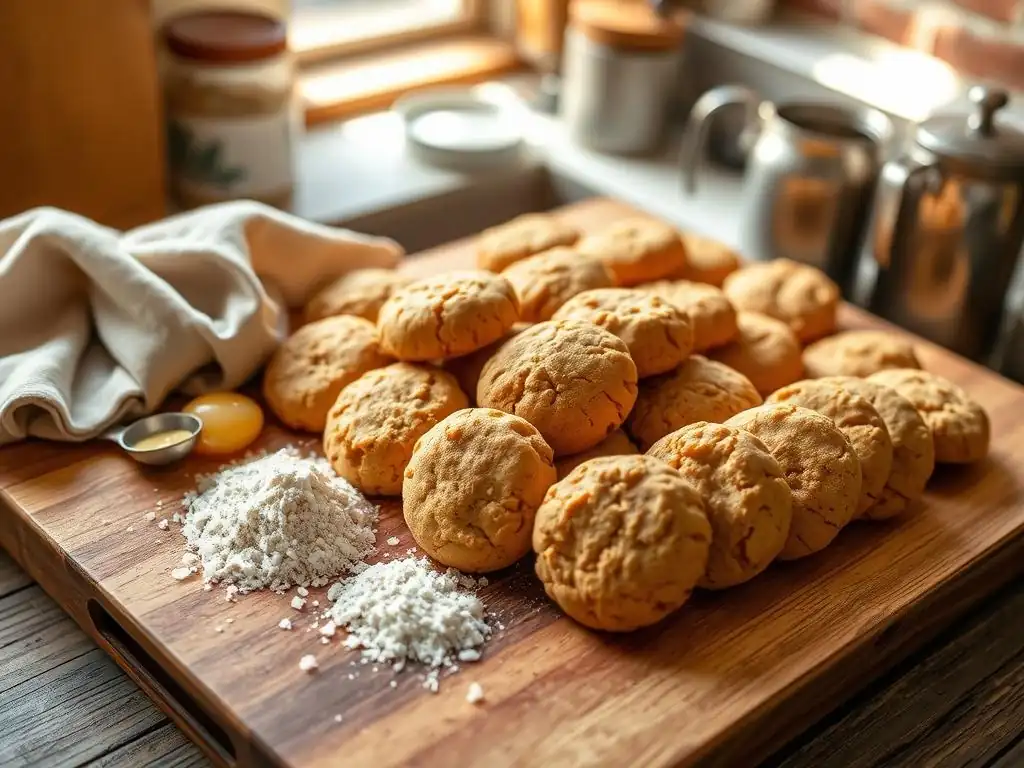
Welcome to BakeWithEase, your companion on a delectable journey through the world of baking! Are you ready to unlock the secrets to creating melt-in-your-mouth masterpieces?
Today, we're diving into the heart of French patisserie with our Easy French butter cookie recipe. Buttery, crumbly, and utterly irresistible, these Sablés Bretons are surprisingly simple to make. Intrigued to discover the secret ingredient that elevates these cookies from ordinary to extraordinary? Keep reading to find out, and prepare to impress with your newfound baking prowess!
- Introduction
- What are Sablés Bretons?
- Ingredients
- Step-by-Step Guide
- Variations and Flavor Enhancements
- Tips and Tricks
- Serving and Enjoying
- Troubleshooting
- Conclusion
-
Frequently Asked Questions
- What makes this French butter cookie recipe "easy"?
- What are Sablés Bretons, and how are they different from other butter cookies?
- What kind of butter is recommended for the best results?
- Can I add any flavorings to this easy French butter cookie recipe?
- How should I store these simple French butter cookies to keep them fresh?
- Final Reflection: The Enduring Charm of Simple Pleasures
- Unleash Your Inner Pâtissier: Bake These Delicious Sablés!
Introduction
Mastering the Classic Sablé Breton
The Sablé Breton is more than just a cookie; it's a culinary emblem of Brittany, the picturesque region in northwestern France renowned for its exceptional butter and sea salt. These rich, crumbly cookies are celebrated for their distinctive sandy texture, derived from a high proportion of butter and egg yolks, and a subtle hint of salt that perfectly balances the sweetness. While they might sound sophisticated, mastering this classic is surprisingly accessible, even for beginner bakers. This easy French butter cookie recipe demystifies the process, breaking down each step into manageable parts.
Historically, Sablés were simple treats made with local ingredients, reflecting the region's agricultural bounty. Today, they represent a benchmark of quality in French patisserie, often served alongside coffee or tea, or used as a base for more elaborate desserts like tarts and verrines. Learning to make them at home allows you to capture a piece of this rich tradition, bringing the authentic taste of France into your own kitchen. Our approach focuses on simplicity without sacrificing authenticity, ensuring that anyone can achieve that coveted delicate crumb and rich, buttery flavor characteristic of true Sablés Bretons.
Why This Recipe Will Become Your Go-To
Finding an easy French butter cookie recipe that consistently delivers perfect results can be a challenge, but this version is designed for reliability and deliciousness. We've streamlined traditional techniques to make the process straightforward, focusing on key steps like proper creaming and chilling that are crucial for success. Unlike some recipes that require complex maneuvers, this guide emphasizes simplicity, using standard kitchen equipment and readily available ingredients. You won't need specialized skills to create bakery-quality cookies.
This recipe is perfect for busy home bakers because it allows for flexibility. The dough can be made ahead of time and chilled for up to 3 days, making it ideal for preparing in advance for parties or spontaneous baking sessions. The yield is generous, typically producing around 2-3 dozen cookies depending on size, perfect for sharing or keeping a stash for yourself. With clear instructions and helpful tips for troubleshooting common issues, you'll find yourself returning to this easy French butter cookie recipe again and again, confident in the delicious outcome every time.
What are Sablés Bretons?
Sablés Bretons hail from the region of Brittany, known for its rugged coastline, Celtic heritage, and incredible dairy products. The name "Sablé" itself comes from the French word for sand, a perfect description of the cookie's unique crumbly texture that melts in your mouth. These cookies are deeply ingrained in Breton culture, enjoyed as a simple pleasure and often shared during gatherings. The quality of the butter is paramount in traditional Sablés, often made with the region's famous beurre demi-sel (half-salted butter), which imparts a distinct flavor profile.
While some traditional recipes might call for salted butter, this easy French butter cookie recipe uses unsalted butter and adds salt separately to give you more control over the flavor balance. The simplicity of the core ingredients – butter, sugar, egg yolks, flour, baking powder, and salt – highlights the quality of each component, particularly the butter. Making these cookies is a way to connect with a centuries-old baking tradition that values simple, high-quality ingredients and careful technique to produce something truly delicious.
Key Characteristics
The defining features of Sablés Bretons are their rich flavor, sandy texture, and often, their appearance. A classic Sablé is relatively thick, usually about 1 cm (or roughly half an inch), which contributes to its unique crumbly structure rather than a crisp snap. The edges are typically golden brown, while the center remains a paler yellow. Traditionally, they are marked with a fork around the edge before baking, creating a decorative pattern that also helps prevent excessive spreading.
Flavor-wise, the dominant note is the intense richness of high-quality butter, beautifully complemented by the sweetness of the sugar and the depth from the egg yolks. The addition of salt, even in small amounts, is crucial as it cuts through the richness and enhances the overall taste profile. This combination results in a cookie that is luxurious yet simple, satisfyingly buttery, and wonderfully tender. Understanding these characteristics is key to appreciating what makes a truly great Sablé Breton and guides the techniques used in this easy French butter cookie recipe.
Ingredients
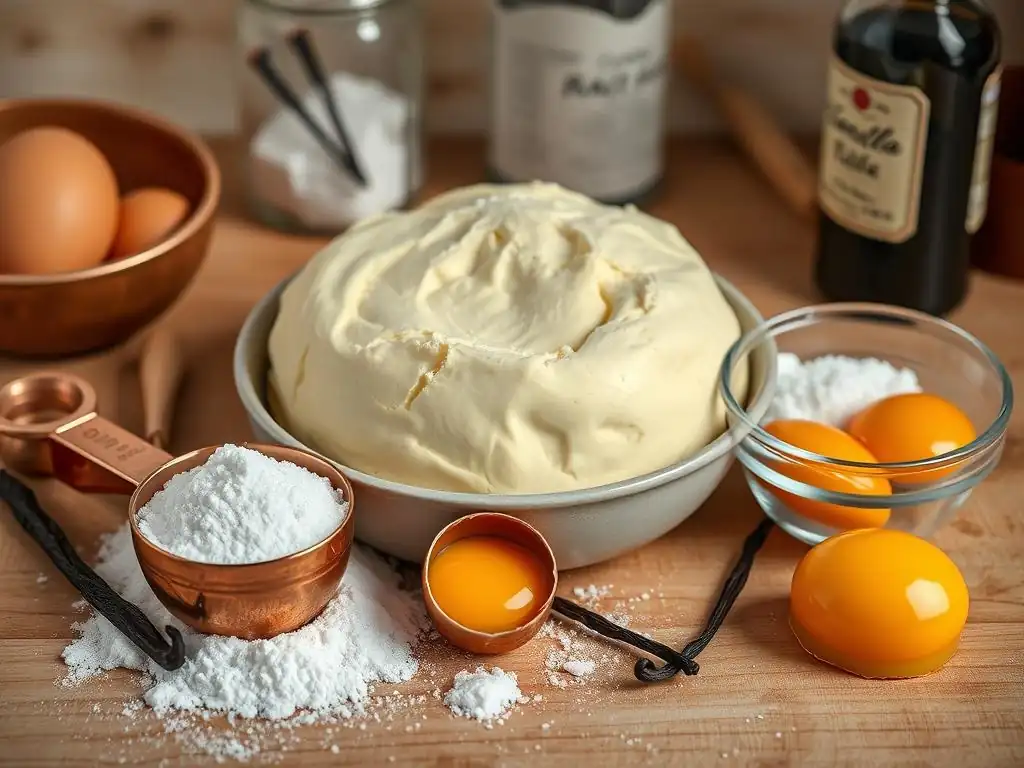
Essential Ingredients
Making these simple French butter cookies requires just a few key ingredients. The quality of each component significantly impacts the final result, so choose the best you can find, especially for the butter. Using precise measurements is also important for achieving the correct dough consistency and texture.
Unsalted Butter
High-quality unsalted butter is the foundation of this easy French butter cookie recipe. It provides the rich flavor and contributes significantly to the tender, crumbly texture. Use butter that is softened but still cool to the touch, not melted. Typical butter contains around 80-82% fat, which is ideal for this type of cookie. Using cold butter would result in a different texture, while melted butter would make the dough greasy and hard to handle.
Granulated Sugar
Granulated sugar provides sweetness and helps create the characteristic sandy texture when creamed with the butter. The crystals cut into the butter, incorporating air. While other sugars like superfine or powdered sugar could be used, they would alter the texture. Granulated sugar is the standard for achieving the classic Sablé crumb.
Egg Yolks
Egg yolks are crucial for richness, color, and binding the dough. They contribute to the cookie's golden hue and luxurious mouthfeel. This recipe specifically calls for only yolks, as the whites would add too much moisture and protein, resulting in a crispier, less crumbly cookie. Using large egg yolks (typically around 18-20 grams each) is recommended for consistent results.
All-Purpose Flour
Standard all-purpose flour provides the structure for the cookie. Measuring the flour accurately is essential; spoon it lightly into your measuring cup and level off, avoiding packing it down. Too much flour can result in a dry, tough cookie, while too little might cause excessive spreading.
Baking Powder
A small amount of baking powder provides a little lift, contributing to the cookie's thickness and tender crumb. It helps prevent the cookies from being too dense. Ensure your baking powder is fresh for optimal leavening.
Salt
Salt is vital for balancing the sweetness and enhancing the rich butter flavor. Even though we use unsalted butter, adding a specific amount of fine sea salt or table salt allows precise control over the flavor. This is a key element that distinguishes the Sablé Breton.
Ingredient Substitutions
While this easy French butter cookie recipe is best with the specified ingredients, some substitutions are possible, though they may alter the final texture or flavor. For instance, if you only have salted butter, you can use it but omit the added salt in the recipe. Be aware that the salt content can vary significantly between brands of salted butter.
You could potentially use a gluten-free all-purpose flour blend, but results may vary depending on the blend composition, often requiring adjustments to liquid or chilling times. Using brown sugar instead of granulated sugar would add moisture and a caramel-like flavor, changing the classic profile. However, for an authentic Sablé Breton experience, sticking to the essential ingredients as listed is highly recommended.
Step-by-Step Guide
Preparing the Dough
The foundation of a perfect Sablé Breton lies in properly preparing the dough. Taking care during these initial steps ensures the right texture and consistency before chilling and baking.
Creaming Butter and Sugar
Begin by creaming the softened unsalted butter and granulated sugar together in a medium bowl. Use an electric mixer or a sturdy whisk and spatula. Beat the mixture on medium speed for about 3 to 5 minutes, or until it becomes pale yellow and fluffy. This process incorporates air into the butter, which is crucial for the cookie's tender crumb. Do not rush this step; proper creaming is key to preventing dense cookies. Scrape down the sides of the bowl occasionally to ensure everything is evenly mixed.
Once the butter and sugar are light and airy, the mixture should look significantly lighter in color than when you started. The texture will be smooth and creamy. This aerated base is essential for the structure and texture of your simple French butter cookies.
Incorporating Egg Yolks
Add the egg yolks to the creamed butter and sugar mixture. Beat on medium speed until the yolks are fully incorporated and the mixture is smooth and uniform in color. This usually takes about 1-2 minutes. The mixture might look slightly curdled at first, but continue mixing until it comes together. The egg yolks add richness and help bind the dough.
Ensure each yolk is completely mixed in before adding the next, if adding them one at a time. Scrape down the bowl again to ensure no unincorporated yolks remain at the bottom or sides. The resulting mixture should be a rich yellow color and have a smooth, emulsified texture.
Adding Dry Ingredients
In a separate bowl, whisk together the all-purpose flour, baking powder, and salt. This step helps distribute the leavening and salt evenly throughout the flour. Gradually add the dry ingredients to the wet ingredients, mixing on low speed just until combined. It is crucial not to overmix the dough at this stage. Overmixing develops gluten in the flour, which can lead to tough cookies.
Stop mixing as soon as you see no dry streaks of flour. The dough will be soft and may appear slightly crumbly, but it should hold together when pressed. A common sign of overmixing is a smooth, elastic dough; aim for a more sandy or shaggy texture at this point.
Chilling the Dough
Chilling is perhaps the most critical step in this easy French butter cookie recipe. It allows the butter to firm up, which prevents excessive spreading during baking and makes the dough much easier to handle and roll.
Gather the dough into a ball, flatten it into a disk or rectangle, and wrap it tightly in plastic wrap. Chill the dough in the refrigerator for a minimum of 1 to 2 hours. For best results, especially if you live in a warm climate or your kitchen is warm, chilling for 3 to 4 hours, or even overnight, is highly recommended. The dough should be firm enough to roll without sticking excessively to your work surface or rolling pin.
Adequate chilling ensures the butter is solid when the cookies enter the hot oven. As the butter melts, it creates steam, which helps lift the cookie slightly and contributes to the sandy texture before the flour structure sets. Insufficient chilling is a primary reason for cookies spreading too much and losing their shape.
Shaping and Cutting
Once the dough is properly chilled and firm, it's ready to be shaped and cut into cookies.
Rolling the Dough
Lightly flour your work surface and rolling pin. Take the chilled dough from the refrigerator and let it sit for just a few minutes to make it slightly more pliable, but not so long that it becomes soft. Roll the dough to a thickness of about 1 cm (or roughly half an inch). Rolling too thin will result in a crispier, less traditional Sablé; rolling too thick may require a slightly longer baking time. Roll evenly to ensure consistent thickness across all cookies.
If the dough becomes too soft while rolling, gather the scraps, re-form, wrap, and chill again briefly before continuing. This helps maintain the desired thickness and prevents misshapen cookies.
Using Cookie Cutters
Use your preferred cookie cutters to cut out shapes. Traditionally, Sablés Bretons are round, often using a plain or fluted 6-8 cm (approx. 2.5-3 inch) cutter. Carefully transfer the cut-out cookies to a baking sheet lined with parchment paper. Leave about 2-3 cm (1 inch) of space between cookies to allow for a little spread. Gather the scraps, gently press them together (do not knead), and re-roll once or twice, chilling if necessary between re-rolls.
Before baking, you can gently score the tops of the cookies with a fork in a crosshatch pattern, and/or prick them a few times with the fork tines. This is a traditional decoration and helps steam escape, contributing to an even bake.
The final step is baking these simple French butter cookies to golden perfection.
Oven Temperature and Baking Time
Preheat your oven to 180°C (350°F). This moderate temperature allows the cookies to bake through and develop flavor without burning the edges before the center is done. Baking time will vary depending on your oven and the size and thickness of your cookies, but typically ranges from 12 to 15 minutes. For thicker cookies, it might take closer to 15-18 minutes.
A key indicator of readiness is the color. The edges of the cookies should be golden brown, while the center may still look slightly pale but set. Do not wait for the entire cookie to turn deeply golden, as they will continue to bake slightly on the hot baking sheet after removal from the oven.
Monitoring the Cookies
Keep a close eye on the cookies as they bake, especially towards the end of the suggested time frame. Ovens can vary significantly, so what takes 12 minutes in one oven might take 15 in another. If baking multiple sheets, rotate them halfway through the baking time for more even browning. Once baked, carefully transfer the baking sheet to a wire rack and let the cookies cool on the sheet for 5-10 minutes before gently moving them directly to the wire rack to cool completely. They are delicate when hot.
Baking Checklist:
[ ] Preheat oven to 180°C (350°F)
[ ] Roll dough to ~1 cm thickness
[ ] Cut out shapes
[ ] Place on parchment-lined baking sheet
[ ] Score tops with a fork (optional)
[ ] Bake for 12-18 minutes
[ ] Check for golden edges
[ ] Cool on sheet 5-10 mins
[ ] Transfer to wire rack to cool completely
Variations and Flavor Enhancements
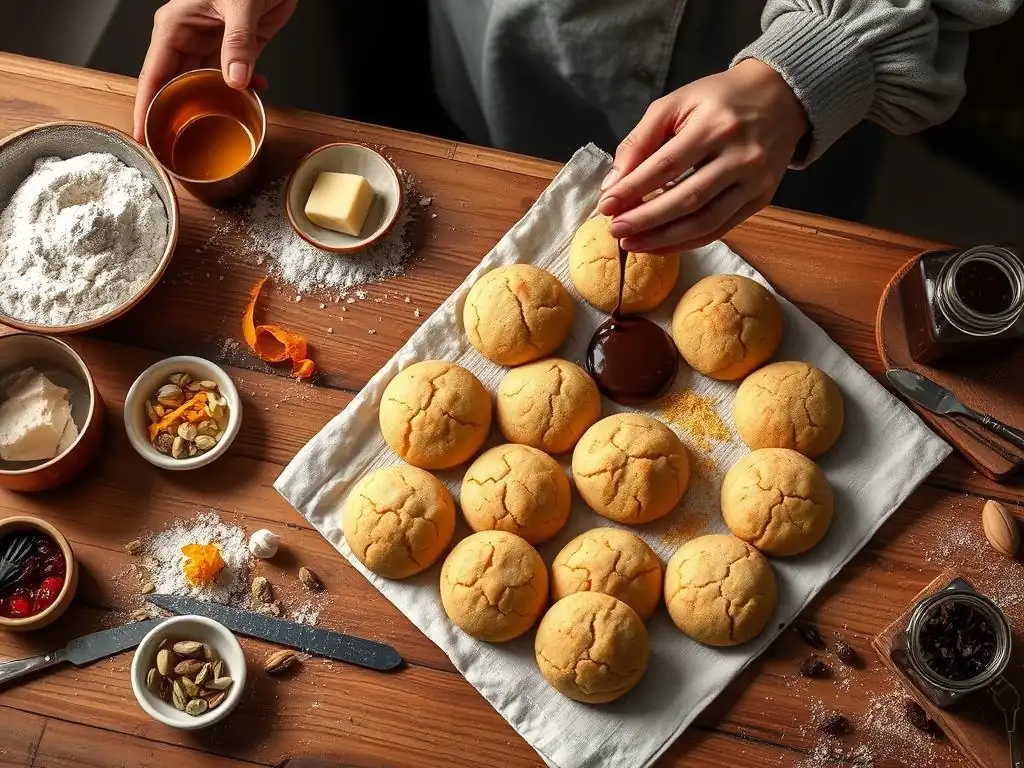
While the classic Sablé Breton is perfect in its simplicity, this easy French butter cookie recipe serves as an excellent base for adding your own twists. Experimenting with flavors can lead to delightful new versions of this beloved cookie.
Adding Citrus Zest
One of the simplest and most effective ways to enhance the flavor is by adding citrus zest to the dough. The fine zest of half a lemon or one orange, added with the wet ingredients, infuses the cookies with a bright, aromatic note that complements the rich butter beautifully. Use a microplane zester to get very fine zest, avoiding the bitter white pith.
The natural oils in the zest release their fragrance during baking, resulting in cookies that are both buttery and subtly perfumed with citrus. This variation is particularly refreshing and pairs wonderfully with tea.
Incorporating Vanilla Extract
Adding a teaspoon or two of good quality vanilla extract or the seeds from half a vanilla bean to the wet ingredients introduces a classic warmth and depth of flavor. Vanilla is a natural partner to butter and sugar, enhancing their inherent sweetness and richness without overpowering the delicate Sablé character.
Ensure you use pure vanilla extract for the best flavor; imitation vanilla won't provide the same nuanced taste. This simple addition makes the easy French butter cookie recipe even more comforting and familiar.
Experimenting with Nuts
Finely ground nuts can be incorporated into the dry ingredients to add texture and nutty flavor. About 1/4 to 1/2 cup of finely ground almonds, hazelnuts, or pecans works well. Be sure the nuts are ground very finely, almost to a powder, to maintain the sandy texture of the Sablé.
Adding nuts requires careful mixing to avoid overworking the dough once the nuts are incorporated. The resulting cookies will have a slightly richer flavor and a subtle crunch within the crumbly texture.
Chocolate Chip Sablés
For a more decadent twist, fold in about 1/2 cup of mini chocolate chips or finely chopped chocolate after the dry ingredients are just combined. Mini chips work better than standard size to maintain the cookie's structure and delicate crumb. Dark or milk chocolate can be used depending on preference.
Baking time might need a slight adjustment if adding chocolate, and the chocolate may melt and spread slightly. This variation transforms the classic into a beloved favorite, combining the buttery richness with pockets of melted chocolate.
Tips and Tricks
Achieving the perfect Sablé texture and appearance is easy with a few insider tips. These pointers will help you get the most out of this easy French butter cookie recipe.
Achieving a Tender Texture
The key to the signature sandy, tender texture of Sablés Bretons lies in the high ratio of butter and egg yolks, minimal liquid (no milk or water), and avoiding overmixing the dough. Creaming the butter and sugar properly incorporates air, while the egg yolks add richness and fat, inhibiting gluten development. When adding the dry ingredients, mix only until the flour disappears. Overworking the dough develops gluten strands, resulting in a tough or chewy cookie, which is the opposite of the desired sandy crumb.
Another factor is the baking time. Baking just until the edges are golden ensures the center remains slightly tender and doesn't become hard and brittle.
Preventing Spreading
Excessive spreading is a common issue with high-butter cookies like Sablés. The most effective way to prevent this is thorough chilling of the dough before rolling and cutting, and chilling the cut-out cookies again before baking. The cold butter holds the cookie's shape in the initial minutes in the oven before it melts and helps set the structure.
Using parchment paper on your baking sheet also helps prevent sticking and promotes even heat distribution. Ensure your oven is fully preheated to the correct temperature; baking in a too-cool oven can also contribute to spreading.
Storing Sablés
Once completely cooled, Sablés Bretons store very well. Place them in an airtight container at room temperature. They will maintain their texture and flavor for up to a week. For longer storage, you can freeze the baked cookies for up to 2-3 months. Thaw them at room temperature before serving.
You can also freeze the unbaked dough. Wrap the disk of dough tightly in plastic wrap, then place it in a freezer bag. It can be frozen for up to 3 months. Thaw overnight in the refrigerator before rolling and baking as directed. Freezing cut-out cookies is also an option; freeze them solid on a baking sheet, then transfer to an airtight container or freezer bag. Bake from frozen, adding a minute or two to the baking time.
Serving and Enjoying
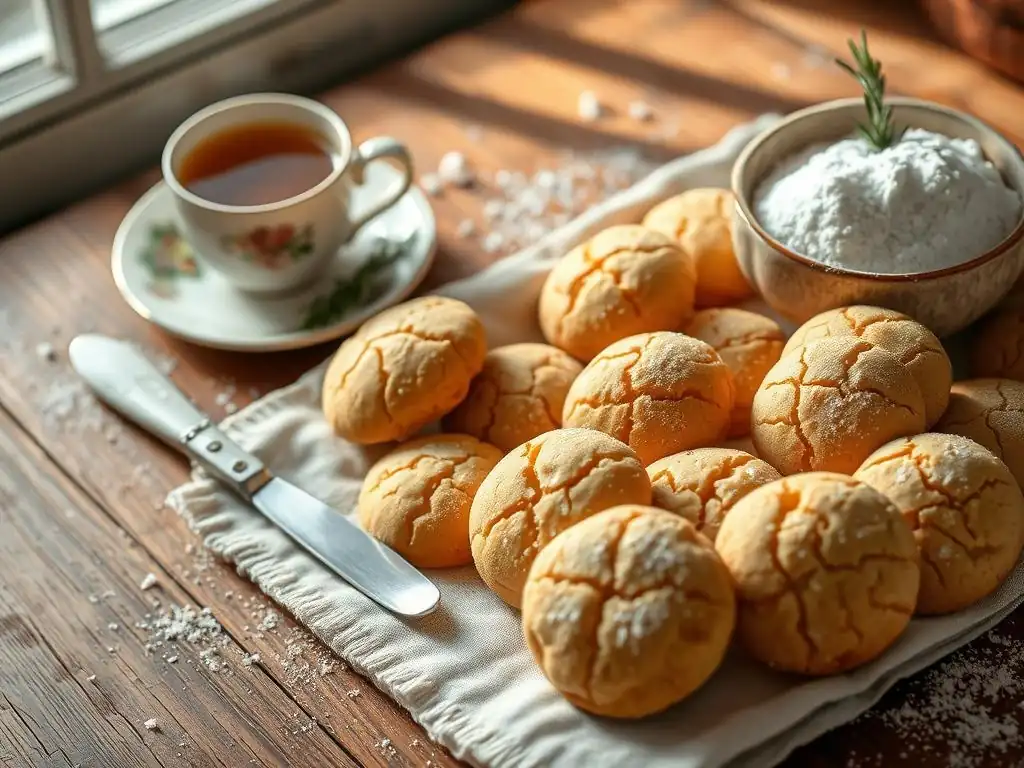
Sablés Bretons are wonderful on their own, but they truly shine when paired thoughtfully. Their rich, buttery flavor makes them incredibly versatile.
Pairing Suggestions
These simple French butter cookies are traditionally served with coffee or tea. Their richness is a perfect counterpoint to a robust café au lait or a classic black tea. They also pair beautifully with dessert wines, such as a Sauternes, or even a dry cider, a nod to the traditional beverage of Brittany.
For a lighter pairing, serve them alongside fresh fruit, like berries or sliced peaches. The sweetness and slight acidity of the fruit cut through the butteriness of the cookie. They are also a delightful accompaniment to simple desserts like panna cotta, mousse, or fresh fruit tarts, providing a contrasting texture.
Presentation Ideas
To showcase their simple elegance, arrange Sablés Bretons neatly on a serving platter or in a cookie tin. If you scored them with a fork, ensure that pattern is visible. For a rustic look, stack them slightly unevenly. For a more refined presentation, arrange them in concentric circles.
You can dust them lightly with powdered sugar just before serving, although traditional Sablés are often served plain. Serving them with small bowls of fresh fruit, a dollop of whipped cream, or a small pitcher of crème anglaise can elevate the presentation and offer delightful combinations for your guests.
Troubleshooting
Even with an easy French butter cookie recipe, sometimes things don't go exactly as planned. Here are solutions to some common issues.
Dough Too Dry
If your dough seems too dry and crumbly to come together, it might be due to inaccurate flour measurement (too much flour) or ingredients being too cold. Do not add water. The best fix is to add a tiny amount of melted unsalted butter, a teaspoon at a time, mixing gently until the dough just comes together.
Alternatively, if it's just slightly dry, letting it sit at room temperature for 10-15 minutes can help, as the butter will soften slightly and make the dough more pliable. Ensure you are using large egg yolks, as smaller ones can contribute to a drier dough.
If dough is too dry:
- Check flour measurement.
- Add 1 tsp melted butter at a time, mixing gently.
- Or, let dough sit at room temp for 10-15 mins.
Excessive spreading is usually a sign that the dough was not chilled sufficiently before baking, or that the butter was too soft when you started creaming. Ensure your dough is thoroughly chilled (at least 1-2 hours, preferably longer) and that the cut-out cookies are also chilled before going into the oven. If your kitchen is warm, chilling the cut-out cookies on the baking sheet for 10-15 minutes in the freezer before baking can work wonders. Also, double-check your oven temperature with an oven thermometer to ensure it's accurate; a too-low temperature can cause spreading.
Block Quote Example:
Remember, cold butter is your friend when making Sablés. It helps the cookies hold their shape in the heat of the oven before the structure sets, preventing them from becoming flat puddles.
If the edges of your cookies are burning before the centers are done, your oven temperature might be too high, or the cookies might be too thin. Use an oven thermometer to verify your oven's temperature. If it's running hot, reduce the temperature by 10-15°C (25-35°F). Ensure you rolled the dough to the recommended thickness of about 1 cm. Baking on parchment paper also helps prevent the bottoms from burning. If necessary, you can try baking on a slightly lower oven rack.
Conclusion
Embarking on the journey to master French baking might seem daunting, but with this easy French butter cookie recipe for Sablés Bretons, you've taken a delicious first step. These humble yet exquisite cookies are a testament to the power of simple, quality ingredients and careful technique. By following this guide, you've learned the essential steps from creaming butter to achieving that perfect sandy texture, gaining confidence in handling classic doughs. Each batch you bake will bring you closer to understanding the nuances of French patisserie.
Whether you enjoy them plain, with a twist of citrus, or studded with chocolate, these simple French butter cookies are sure to impress with their rich flavor and melt-in-your-mouth texture. They are more than just a treat; they are a connection to a rich culinary tradition and a reminder that sometimes, the simplest things are the most rewarding. Keep practicing, keep baking, and enjoy the delightful process of creating these classic French treasures right in your own home.
Frequently Asked Questions
This recipe emphasizes simple ingredients and straightforward steps, making it accessible even for beginner bakers. It avoids complex techniques or hard-to-find ingredients.
Sablés Bretons are French butter cookies known for their rich, buttery flavor and slightly crumbly texture. They often have a characteristic pattern pressed into the top.
What kind of butter is recommended for the best results?
Using high-quality unsalted butter is crucial for achieving the best flavor and texture. European-style butter, with a higher fat content, is often recommended.
Yes, you can experiment! Consider adding vanilla extract, lemon zest, or a pinch of sea salt to enhance the flavor profile of the cookies.
Store the cooled cookies in an airtight container at room temperature for up to a week. This helps maintain their crispness and prevents them from becoming stale.
Final Reflection: The Enduring Charm of Simple Pleasures
The seemingly simple act of baking a French butter cookie transcends mere culinary creation; it's a journey into tradition, a celebration of shared moments, and a testament to the enduring power of uncomplicated joy. These delicate, melt-in-your-mouth Sablés Bretons, as easy to make as they are delightful to eat, offer a tangible connection to a rich culinary heritage. Their simplicity belies the profound satisfaction derived from both the process and the result.
The influence of simple recipes like this one extends far beyond the kitchen. They represent a comforting anchor in a fast-paced world, a reminder to slow down and appreciate the small, beautiful things. These cookies, passed down through generations, embody the spirit of sharing and connection. The best things in life are simple,
a sentiment perfectly encapsulated by the humble yet exquisite Sablé Breton. The act of baking them, sharing them, and savoring them fosters a sense of community and belonging that transcends cultural boundaries.
Now, I invite you to embrace the simplicity and elegance of this recipe. Don't be intimidated by the seemingly straightforward instructions; allow yourself to be fully present in the process, to appreciate the aroma of browned butter, and the satisfying crumble of the finished product. Let the making of these cookies be a moment of mindful creation, a small act of self-care, and a delicious way to share joy with those you love. The enduring charm of the Sablé Breton lies not just in its taste, but in the experience it offers.
Unleash Your Inner Pâtissier: Bake These Delicious Sablés!
Thanks for taking the time to explore the world of Simple French Butter Cookies with us! We hope you've gained a new appreciation for this classic treat and its surprisingly simple recipe. Now it's time to get baking!
- Whip up a batch of these delightful Sablés Bretons: The recipe is designed for ease, so don't be intimidated! Even baking novices will find success.
- Share your baking journey: Post a picture of your cookies on social media using #BakeWithEaseSablés – we'd love to see your creations!
- Experiment with flavors: Try adding a touch of vanilla, lemon zest, or even a hint of sea salt for a unique twist.
Ready to transform your kitchen into a French patisserie? What unique flavor combination will you try first?