
Your First Galette des Rois: Easy French King Cake

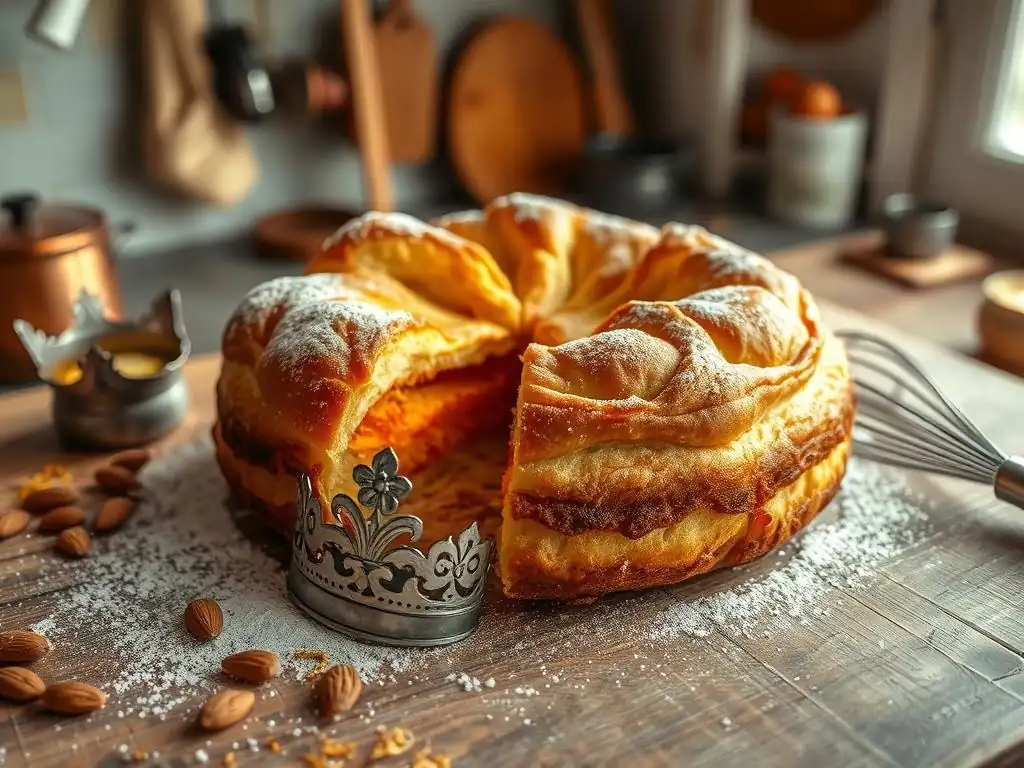
Welcome to BakeWithEase!
Ready to experience the magic of French baking? Dive into the heart of tradition with our Easy French King Cake Recipe and unlock the secrets to creating a stunning Galette des Rois. This isn't just a recipe; it's a journey into regional baking, filled with flaky layers and a delightful surprise. Intrigued? Let's get baking and discover the history and joy behind this iconic treat!
- Authentic Galette des Rois: A Traditional French King Cake Recipe
- Introduction to Galette des Rois: Celebrating Epiphany with French King Cake
- Classic Galette des Rois Recipe: Detailed Instructions
- Mastering Puff Pastry: Homemade for Optimal Flavor and Texture
- Preparing the Almond Cream Filling: The Soul of Your King Cake
- Assembling Your Galette des Rois: A Traditional Approach
- Baking the Galette des Rois to Perfection: Achieving a Golden Hue
- Serving and Enjoying Your Homemade French King Cake: A Festive Occasion
- Troubleshooting Your Galette des Rois: Common Baking Problems and Solutions
- Variations on the Classic Galette des Rois Recipe: Regional Twists
- Mastering French Pastry: Expanding Your Baking Repertoire
- Conclusion: Celebrate Epiphany with Your Authentic Homemade Galette des Rois
-
Frequently Asked Questions
- What is a Galette des Rois (French King Cake), and when is it traditionally eaten?
- What makes this French King Cake recipe "easy"?
- What is "frangipane," and can I substitute it with something else?
- What is the "fève," and why is it hidden inside the cake?
- Can I prepare parts of the Galette des Rois in advance?
- Final Reflection: A Slice of Tradition, A Taste of Home
- Unleash Your Inner Pâtissier: Bake Your Own Galette des Rois!
Authentic Galette des Rois: A Traditional French King Cake Recipe
Introduction to Galette des Rois: Celebrating Epiphany with French King Cake
Understanding the History and Significance of the Galette des Rois
The Galette des Rois, or "King Cake," is a beloved French tradition deeply rooted in history, primarily celebrated on January 6th, the Christian feast day of Epiphany. This day commemorates the arrival of the Three Wise Men (Magi) in Bethlehem, bringing gifts to the infant Jesus. The cake itself symbolizes the journey and presentation of the kings.
While its religious significance is central to Epiphany, the tradition also has older ties to Roman Saturnalia festivals, where a king was chosen for the day using a bean hidden in a cake. This blend of ancient pagan customs and Christian tradition makes the Galette des Rois a unique cultural artifact.
Across France, families and friends gather to share this special cake, hoping to find the fève (a small figurine or bean) hidden inside. The person who finds the fève in their slice is crowned king or queen for the day and traditionally gets to choose their queen or king from the group. This playful ritual adds excitement to the celebration, turning a simple dessert into a communal event filled with laughter and anticipation. Mastering this easy French king cake recipe allows you to partake in this delightful cultural practice, bringing a piece of French heritage into your home kitchen.
Why This Traditional Recipe Captures the True Essence of Galette des Rois
This particular easy French king cake recipe stays true to the classic Parisian style, featuring layers of flaky puff pastry encasing a rich, creamy almond filling known as frangipane. The contrast between the crisp, buttery pastry and the moist, fragrant filling is what defines the authentic Galette des Rois experience. Unlike some variations found outside of France, this recipe focuses on the simplicity and quality of these core components, ensuring a result that is both elegant and deeply satisfying.
By focusing on homemade elements, particularly the puff pastry (though store-bought is an option for a quicker take on this easy French king cake recipe), we achieve unparalleled texture and flavor. The careful preparation of the almond cream, balancing sweetness and nuttiness, is also crucial. This recipe guides you through each step with clarity, making the process approachable even for those new to French baking. The goal is to replicate the taste and feel of a Galette des Rois purchased from a traditional French boulangerie or pâtisserie, allowing you to share an authentic slice of French tradition.
Classic Galette des Rois Recipe: Detailed Instructions
Ingredients for an Authentic Galette des Rois
Creating a truly authentic Galette des Rois requires a few key ingredients, focusing on quality to achieve the best flavor and texture. The list might seem simple, but the combination is magical. For the puff pastry, you'll need all-purpose flour, cold unsalted butter (around 250-300 grams for two sheets), a pinch of salt, and ice-cold water.
The quality of your butter is paramount; a high-fat European-style butter often yields flakier results. For the almond cream (frangipane), gather softened unsalted butter (about 100-120 grams), granulated sugar (around 100 grams), almond flour or finely ground almonds (about 125 grams), two large eggs, a splash of vanilla extract, and optionally, a tablespoon of rum or almond extract for added depth.
To ensure a beautiful golden finish and a proper seal, you'll also need one egg yolk mixed with a tablespoon of milk or water for the egg wash. Don't forget the fève! This can be a traditional porcelain figurine, a large dried bean (like a fava bean), or even a coin (ensure it's clean and food-safe). Having these components ready before you begin is key to a smooth baking process for your easy French king cake recipe.
Essential Baking Equipment for French King Cake
While you don't need a professional kitchen setup to bake a Galette des Rois, having the right tools makes the process significantly easier and helps ensure success. A rolling pin is indispensable for working with the puff pastry, preferably one with a smooth, non-stick surface or using a floured surface. You'll need a large baking sheet, preferably lined with parchment paper or a silicone baking mat to prevent sticking and ensure even heat distribution. A sharp knife or a pizza cutter is essential for trimming the pastry edges neatly.
For preparing the almond cream, a medium-sized mixing bowl and a whisk or electric mixer are necessary to achieve a smooth, well-combined filling. A pastry brush is crucial for applying the egg wash evenly, giving your Galette that characteristic shine and golden color. Finally, a small paring knife or the tip of a sharp knife is needed for scoring the top of the galette before baking, creating the traditional decorative patterns. Having these basic tools on hand will make tackling this easy French king cake recipe much more manageable.
Mastering Puff Pastry: Homemade for Optimal Flavor and Texture
Step-by-Step Guide to Homemade Puff Pastry
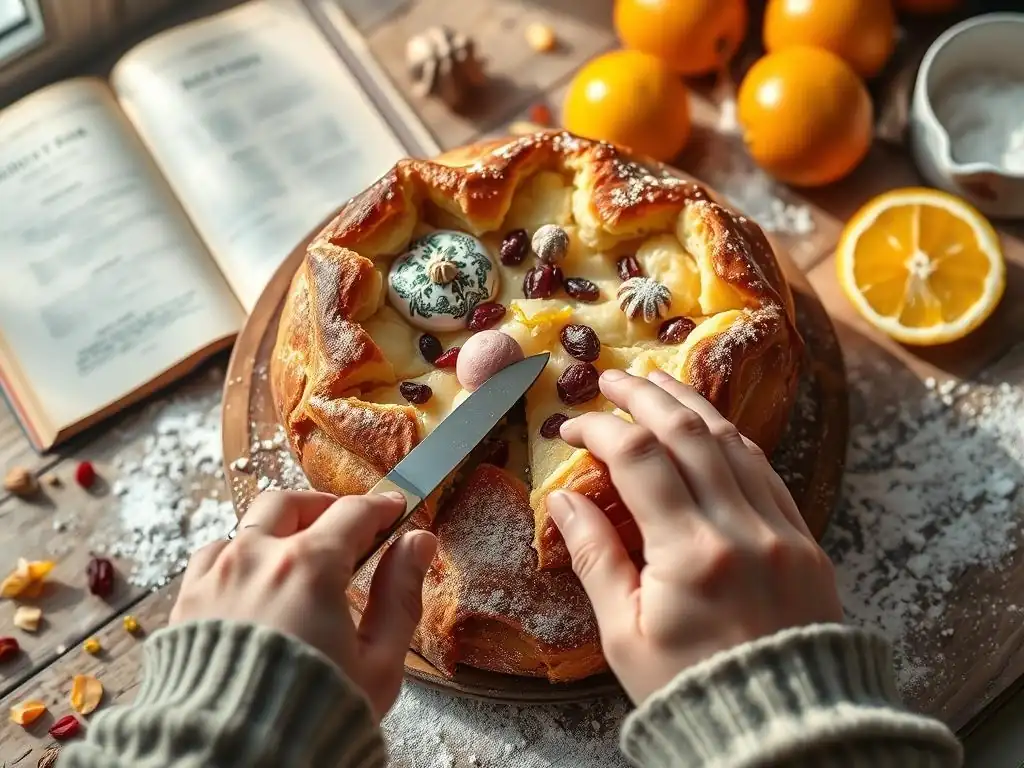
Making puff pastry from scratch is often seen as daunting, but it's a rewarding process that yields superior results compared to most store-bought options. The fundamental principle is creating layers of butter and dough, which expand when baked, creating that signature flaky texture. Start by making the détrempe, a simple dough of flour, water, and salt. Knead it briefly until just combined, then let it rest. Next, prepare the butter block by shaping cold butter into a rectangle. The key is to keep both the dough and butter cold at all times; chilling is your best friend.
The process involves enclosing the butter block within the détrempe and then repeatedly rolling and folding the dough – this is called "turning." A standard puff pastry requires several turns, usually four to six, with chilling periods of at least 30 minutes between each turn. For example, after the first turn, fold the dough like a letter (in thirds), chill, then repeat the rolling and folding process.
Each turn creates more layers. After 4-6 turns and a final chill, you'll have a beautifully layered dough ready to be shaped. While it adds time, this step elevates your easy French king cake recipe significantly.
Preparing the Almond Cream Filling: The Soul of Your King Cake
Ingredients for the Rich Almond Cream Filling
The heart of an authentic Galette des Rois is its rich and flavorful almond cream, often referred to as frangipane when mixed with pastry cream, though the classic uses only almond cream ( crème d'amande). The essential ingredients include softened unsalted butter, granulated sugar, finely ground almond flour (or blanched almonds pulsed into a fine meal), large eggs, and a flavoring extract.
A typical ratio might involve equal parts butter, sugar, and almond flour by weight, with eggs binding it all together. For instance, using 100 grams each of butter, sugar, and almond flour, you would likely need two medium to large eggs.
Optional additions like a tablespoon of dark rum, almond extract, or even a touch of orange blossom water can enhance the flavor profile, adding complexity to the sweet almond base. Ensure your butter is genuinely softened but not melted, allowing it to cream smoothly with the sugar. The almond flour should be fine to prevent a gritty texture. Having these ingredients at room temperature (except the eggs, which can be cold for creaming) will make the mixing process much easier for this crucial part of your easy French king cake recipe.
Detailed Instructions for Making Almond Cream
Making the almond cream is a straightforward process. Begin by creaming the softened butter and granulated sugar together in a bowl until the mixture is light and fluffy. This incorporates air and ensures the sugar dissolves somewhat, leading to a smoother texture. Use a whisk or an electric mixer on medium speed for a few minutes.
Next, beat in the eggs one at a time, ensuring each egg is fully incorporated before adding the next. Scrape down the sides of the bowl as needed. Once the eggs are mixed in, stir in the almond flour and any chosen extract or liquor (like rum or almond extract).
Mix until just combined; do not overmix once the flour is added. The resulting cream should be thick, smooth, and spreadable, similar to a thick cake batter or frosting. Cover the bowl and chill the almond cream in the refrigerator for at least 30 minutes before assembling the galette; chilling helps it firm up and makes it easier to spread neatly onto the pastry.
Assembling Your Galette des Rois: A Traditional Approach
Rolling Out the Homemade Puff Pastry
Assuming you've made your homemade puff pastry (or are using good quality store-bought), the first step in assembly is rolling it out. Divide the dough in half. On a lightly floured surface, roll out one half into a large circle, approximately 12-14 inches (30-35 cm) in diameter and about 1/8 inch (3-4 mm) thick. Aim for an even thickness across the entire circle to ensure uniform puffing during baking. You can use a large plate or cake pan as a guide to cut a perfect circle using a sharp knife or pizza cutter.
Carefully transfer this first circle of pastry onto your prepared baking sheet lined with parchment paper. Keep the second half of the dough chilled in the refrigerator while you work with the first piece. Trim the edges cleanly; these scraps can be lightly pressed together (don't knead) and re-rolled once if needed, though they won't puff as well as the initial sheet. Rolling and handling the dough gently is key to maintaining those precious layers you worked hard to create for your easy French king cake recipe.
Filling the Galette with Almond Cream
Now it's time to add the delicious almond cream filling. Remove the chilled almond cream from the refrigerator. Spoon the cream onto the center of the first pastry circle, leaving a border of about 1 to 1.5 inches (2.5 to 4 cm) around the edge. This border is crucial for sealing the two pastry layers together and preventing the filling from leaking out during baking.
Spread the almond cream evenly within the border using an offset spatula or the back of a spoon. Ensure the layer of cream is relatively uniform in thickness. Avoid spreading the cream too thick, as this can make the galette difficult to seal and prone to bursting. A thickness of about 1/2 to 3/4 inch (1-2 cm) is usually sufficient. The cream should be cold and firm, which helps it hold its shape as you spread it, making this step much easier for your easy French king cake recipe.
Inserting the Fève: The Symbol of Luck
This is the fun part! The fève is what makes the Galette des Rois unique and adds the element of surprise. Once the almond cream is spread within the border, carefully place the fève somewhere within the filling. Tradition dictates that the fève should be hidden randomly. Some people place it near the edge or slightly off-center to make the search more exciting.
Ensure the fève is fully submerged in the almond cream so it's not visible from the outside before baking. You can gently push it down into the cream. Make a mental note (or discreetly mark the parchment paper underneath) where you placed the fève so you know which slice contains it after baking, in case of any disputes or just for fun. Hiding the fève is a simple but essential step in preparing this traditional easy French king cake recipe.
Sealing and Scoring the Galette: Creating Classic Designs
With the filling and fève in place, it's time to seal the galette. Lightly brush the exposed pastry border with water using a pastry brush. This helps the top layer of pastry adhere to the bottom layer. Now, roll out the second half of your puff pastry dough into another circle of the same size as the first. Carefully lift this second pastry circle and place it directly on top of the first circle, covering the filling.
Gently press down the edges of the top pastry layer onto the moistened border of the bottom layer. Work your way around the entire circumference, pressing firmly but not so hard that you squeeze out the filling. To ensure a strong seal and create the classic decorative edge, use the back of a knife or your fingers to crimp the edges together.
You can gently press down every half inch or so along the border. For a traditional look, use the back of a knife to press diagonal lines around the edge, creating a rope-like pattern. This step is vital to prevent leaks during baking your easy French king cake recipe.
Before baking, score the top of the galette with a sharp paring knife. Avoid cutting all the way through the pastry; you are just creating surface patterns. Classic designs include spirals, diamonds, or criss-cross patterns radiating from the center. You can draw a small circle in the very center and score around it.
Make sure to pierce the top pastry layer in a few spots (vent holes) within the scored design to allow steam to escape during baking. This helps the pastry puff evenly and prevents cracking. After scoring, place the assembled galette in the refrigerator for at least 30 minutes (or even better, an hour) to chill thoroughly before applying the egg wash. This chilling period helps the pastry hold its shape and the scored design during baking.
Baking the Galette des Rois to Perfection: Achieving a Golden Hue
Optimal Oven Temperature and Baking Time for Even Cooking
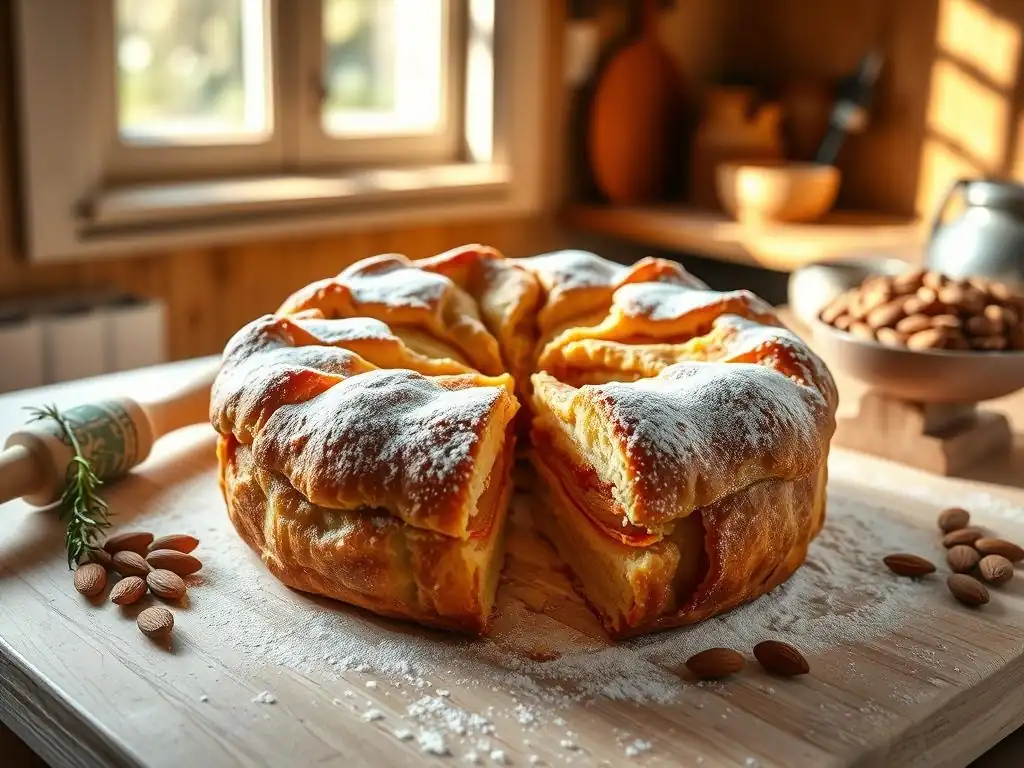
Baking the Galette des Rois requires a specific temperature profile to ensure the puff pastry rises properly and the filling cooks through without the pastry burning. Preheat your oven to a relatively high temperature, typically around 400°F (200°C). This initial high heat helps the pastry layers quickly expand. Bake the galette at this temperature for about 15-20 minutes, or until you see the pastry starting to puff significantly and turn pale golden.
After this initial period, reduce the oven temperature to a moderate 350°F (175°C) and continue baking for another 20-30 minutes. This lower temperature allows the pastry to finish cooking through and the almond cream filling to set without the exterior burning. The total baking time is usually between 35 and 50 minutes, depending on your oven. The galette is done when the top is deeply golden brown, the pastry is puffed, and you can see some filling bubbling slightly around the edges (though ideally, the seal prevents significant leakage).
Achieving a Beautiful Golden-Brown Crust with Egg Wash
The signature glossy, golden-brown finish of a perfect Galette des Rois is achieved through the application of an egg wash. After the assembled galette has been chilled and scored, gently brush the entire surface of the top pastry layer with the egg wash mixture (egg yolk mixed with milk or water). Be careful not to let the egg wash drip down the sides, as this can glue the pastry layers together and inhibit proper puffing.
For an even deeper golden color and shine, you can apply a second thin coat of egg wash after about 10-15 minutes of the initial high-temperature baking. This double wash technique is often used by professional bakers. The egg wash not only provides color but also helps create that slightly crisp, beautiful exterior that contrasts wonderfully with the flaky layers beneath. Ensuring an even application is key to a uniformly golden finish on your easy French king cake recipe.
Serving and Enjoying Your Homemade French King Cake: A Festive Occasion
The Tradition of Cutting and Sharing the Galette: Finding the King or Queen
Serving the Galette des Rois is as much a part of the tradition as baking it. The cake is typically served warm or at room temperature. Before cutting, the youngest person present often goes under the table and calls out the name of the person who should receive each slice as it is cut.
This ensures fairness and randomness in distributing the fève. Cut the galette into as many slices as there are people present, plus one extra slice known as the "part du bon Dieu" (God's share) or "part de la Vierge" (Virgin's share), traditionally set aside for the first poor person who comes to the door, though nowadays it's often just an extra slice.
As each person receives their slice, they carefully eat it, hoping to be the one who finds the fève. The lucky person who finds the fève is declared the king or queen for the day. They then get to wear a paper crown (often sold with the cake) and choose their partner. This ritual adds a fun, interactive element to the dessert, making the consumption of this easy French king cake recipe a memorable event.
Tips for Storing Leftover Galette des Rois to Maintain Freshness
While a freshly baked Galette des Rois is always best, it is possible to store leftovers and enjoy them later. The key is to preserve the crispness of the puff pastry and the moisture of the almond filling. Once the galette has cooled completely to room temperature, wrap any leftover slices or the remaining cake tightly in plastic wrap or aluminum foil.
Store the wrapped galette at room temperature for up to 2-3 days. Avoid refrigerating the galette if possible, as the humidity can make the puff pastry soggy. If you must refrigerate it due to warm temperatures or if the filling contains dairy (though traditional almond cream does not), it will keep for 3-4 days. To reheat and regain some crispness, place slices on a baking sheet and warm them in a preheated oven at around 300°F (150°C) for 5-10 minutes until heated through. This helps revive the texture of your easy French king cake recipe leftovers.
Troubleshooting Your Galette des Rois: Common Baking Problems and Solutions
Puff Pastry Not Puffing Properly
One of the most common frustrations when baking a Galette des Rois is when the puff pastry doesn't achieve that beautiful, airy lift. This issue is often related to the butter layers melting or integrating too much into the dough before baking. Ensure your butter is very cold and distinct layers are visible (if homemade) or that the store-bought pastry is kept chilled until immediately before use. Overworking the dough or letting it get too warm during rolling and assembly can lead to a tough texture and poor puff.
Another culprit can be insufficient chilling time before baking. Chilling the assembled galette firms up the butter layers, ensuring they melt slowly and create steam, forcing the pastry layers apart. If your oven isn't hot enough initially, the butter can melt before the structure sets. Ensure your oven is accurately preheated to the correct high temperature. Also, avoid getting egg wash on the cut edges, as this can glue the layers together and prevent them from rising.
Almond Cream Leaking During Baking
Leaking filling is another frequent problem, often resulting in a messy baking sheet and a less attractive galette. The primary cause is an inadequate seal between the top and bottom pastry layers. When assembling, make sure to brush the border of the bottom layer generously with water before placing the top layer on. Then, press the edges together firmly all the way around.
Crimping the edges with the back of a knife or your fingers provides an extra layer of security for the seal. Also, ensure you haven't overfilled the galette or spread the filling too close to the edge. Leaving a sufficient border (1 to 1.5 inches) is crucial. Chilling the assembled galette before baking helps firm up both the pastry and the filling, making them less likely to spread and leak in the initial heat of the oven.
Uneven Baking and Browning
If your Galette des Rois bakes unevenly, with some spots browning too quickly while others remain pale, several factors could be at play. An uneven oven temperature is a common issue; many ovens have hot spots. Rotating your baking sheet halfway through the baking time (perhaps when you reduce the temperature) can help promote more even browning.
Applying the egg wash unevenly will also result in splotchy color. Ensure the egg wash is smoothly and evenly brushed over the entire surface, avoiding puddles or missed spots. If you notice certain areas browning too rapidly, you can loosely tent that part of the galette with aluminum foil for the remainder of the baking time. Using a baking sheet that isn't too dark can also help; dark sheets can sometimes cause the bottom to brown faster than the top. Proper scoring also allows steam to escape evenly, contributing to uniform puff and browning.
Variations on the Classic Galette des Rois Recipe: Regional Twists
Exploring Regional Variations in France
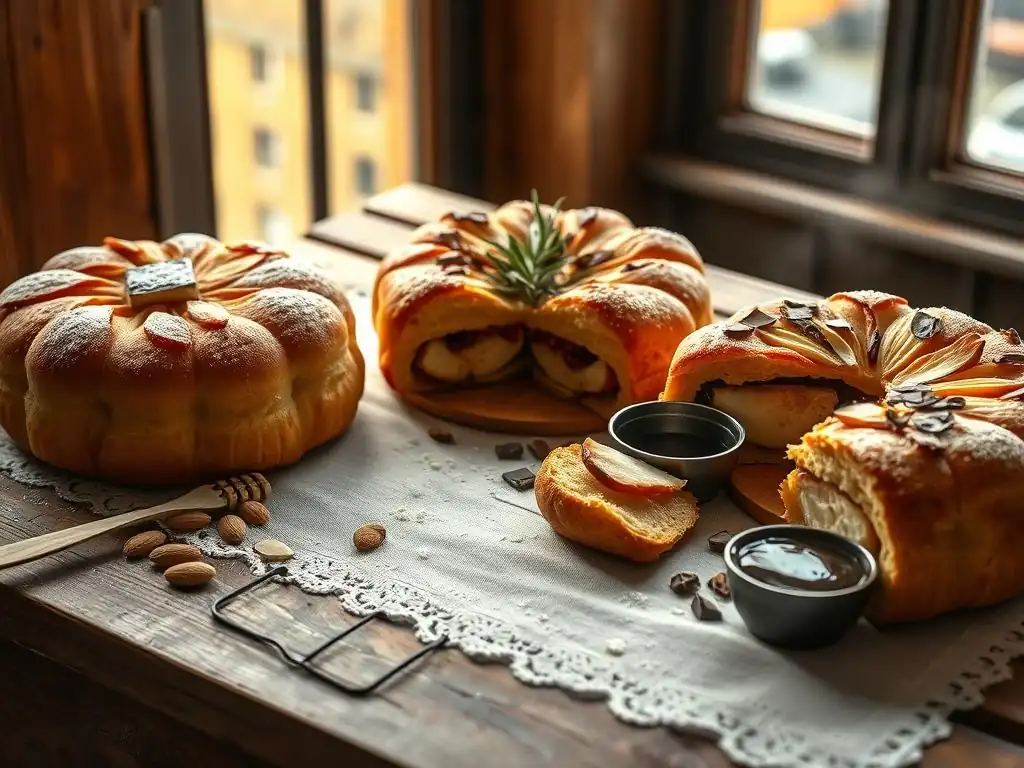
While the puff pastry and almond cream version is most popular, especially in Northern France and Paris, there are notable regional variations of the "King Cake" across the country. In Southern France, particularly in regions like Provence and Languedoc, the traditional cake is often a Gâteau des Rois or Couronne des Rois. This version is a brioche-like sweet bread, typically flavored with orange blossom water and decorated with candied fruits and pearl sugar, shaped into a ring or crown.
This brioche version is softer and sweeter, lacking the flaky layers of the puff pastry galette. It still contains a fève and is shared with the same rituals. Exploring these regional differences highlights the diverse culinary landscape of France. While this easy French king cake recipe focuses on the classic Parisian style, knowing about the Couronne adds another layer to the tradition. Some bakeries even offer both types during the Epiphany season.
Incorporating Different Flavors and Textures
While the classic almond cream is beloved, you can easily introduce variations to this easy French king cake recipe by altering the filling. One popular twist is frangipane, which is a mixture of almond cream and pastry cream ( crème pâtissière). This results in a slightly lighter, more complex filling. You can make a batch of pastry cream, cool it, and then fold it into your prepared almond cream in equal parts.
Other flavor variations include adding chocolate chips to the almond cream, incorporating fruit preserves (like raspberry or cherry) before adding the top pastry layer, or flavoring the almond cream with pistachio paste, hazelnut paste, or even a touch of orange zest. For a textural contrast, some bakers add chopped nuts or pieces of candied fruit to the filling. These simple modifications allow you to personalize your homemade Galette des Rois while still respecting the core structure of the easy French king cake recipe.
Mastering French Pastry: Expanding Your Baking Repertoire
Exploring Other Traditional French Pastries
Successfully baking a Galette des Rois is a fantastic step towards mastering French pastry techniques. French baking is renowned for its precision and the exquisite results achieved with relatively simple ingredients transformed through skillful technique. Beyond the Galette, you might consider exploring other classics like croissants, pain au chocolat, éclairs, or macarons.
Croissants and pain au chocolat utilize a similar layered dough technique (laminated dough), though with yeast, offering a different challenge. Éclairs and cream puffs require mastering pâte à choux, a cooked dough that puffs dramatically in the oven. Macarons demand precision in meringue making and careful technique. Each pastry introduces unique skills, building your confidence and expanding your understanding of how ingredients interact to create incredible textures and flavors.
Tips for Perfecting French Pastry Techniques
Achieving success with French pastries often comes down to attention to detail and patience. Here are a few tips:
- Ingredient Quality: Use high-quality butter, flour, and eggs. It truly makes a difference in flavor and performance.
- Temperature Control: Many French pastry techniques, especially those involving butter like puff pastry or croissants, rely heavily on keeping ingredients and dough cold. Work quickly and don't hesitate to chill dough if it becomes too warm.
- Accuracy: French baking often feels like a science. Weighing ingredients, especially flour, is more accurate than using volume measurements.
- Patience: Laminated doughs require time for chilling and resting between turns. Pâte à choux needs time to dry out on the stovetop. Allow components like pastry cream or almond cream to chill properly before use. Rushing steps often leads to suboptimal results.
- Practice: Don't be discouraged if your first attempt isn't perfect. Baking is a skill that improves with practice. Each attempt teaches you something new.
By applying the skills learned from making this easy French king cake recipe to other pastries, you'll find yourself well on your way to mastering the delightful world of French baking.
Conclusion: Celebrate Epiphany with Your Authentic Homemade Galette des Rois
Baking an authentic Galette des Rois is a wonderful way to connect with a rich French tradition and celebrate Epiphany. This easy French king cake recipe guides you through the process, from preparing the flaky puff pastry and creamy almond filling to assembling, baking, and finally, the joyous ritual of finding the hidden fève. While it requires attention to detail, the steps are approachable, making it a rewarding project for bakers of all levels.
Sharing this homemade Galette des Rois with loved ones creates a memorable experience, filled with anticipation and fun as everyone hopes to be crowned king or queen. The combination of the crisp, buttery pastry and the sweet, fragrant almond cream is truly irresistible. By following this guide, you've not only baked a delicious dessert but also participated in a centuries-old cultural celebration. We hope this easy French king cake recipe becomes a cherished part of your own Epiphany traditions for years to come.
Frequently Asked Questions
What is a Galette des Rois (French King Cake), and when is it traditionally eaten?
A Galette des Rois is a French King Cake, traditionally enjoyed on Epiphany (January 6th). It's a flaky pastry filled with frangipane.
What makes this French King Cake recipe "easy"?
This recipe emphasizes simple techniques and easy-to-find ingredients. It avoids complex steps, making it accessible to beginner bakers.
What is "frangipane," and can I substitute it with something else?
Frangipane is a sweet almond cream. While substitutions are possible, the authentic flavor relies on the almond component.
The fève is a small trinket (often a bean or porcelain figure) hidden inside the cake. Whoever finds it is crowned "king" or "queen" for the day.
Can I prepare parts of the Galette des Rois in advance?
Yes, you can often prepare the frangipane filling ahead of time. You can also use pre-made puff pastry to save even more time.
Final Reflection: A Slice of Tradition, A Taste of Home
The simple act of baking a Galette des Rois, a seemingly small gesture, connects us to a rich tapestry of French culinary history and the enduring power of shared traditions. It's more than just a delicious pastry; it's a portal to a cultural experience, readily accessible even to the most novice baker. This ease of creation, surprisingly, is what makes the Galette des Rois so powerful.
The joy of sharing this cake, the anticipation of finding the fève, and the resulting playful competition, transcends language and cultural barriers. It's a moment of connection, a reminder of simpler times, and a celebration of community. The best things in life are the people we love, the places we've been, and the memories we've made along the way.
This sentiment perfectly encapsulates the spirit of the Galette des Rois; it's about the experience, not just the ingredients.
So, I encourage you, dear reader, to embrace the challenge. Don't be intimidated by the seemingly complex name; the recipe itself is surprisingly straightforward. Gather your loved ones, roll up your sleeves, and create your own slice of French tradition. Let the aroma of warm pastry and the thrill of the hidden fève fill your home with laughter and joy. The experience, the memories you create, will be far more valuable than any perfectly executed pastry. This year, make your own Galette des Rois – and make some memories.
Unleash Your Inner Pâtissier: Bake Your Own Galette des Rois!
Thanks for joining us on this delicious journey into the world of French baking! We hope you now feel confident tackling the delightful Galette des Rois. Ready to take your newfound skills to the next level?
- Bake your own Galette des Rois this week! Use the recipe as a springboard—experiment with different fillings or frostings. Let your creativity shine!
- Share your baking adventures on social media using #BakeWithEaseGalette. We’d love to see your creations!
- Consider trying another classic French pastry – maybe a croissant or pain au chocolat next?
So, what delicious twist will you add to your next Galette des Rois?