
StepbyStep Keto Flour Blend Recipes You Can Make at Home

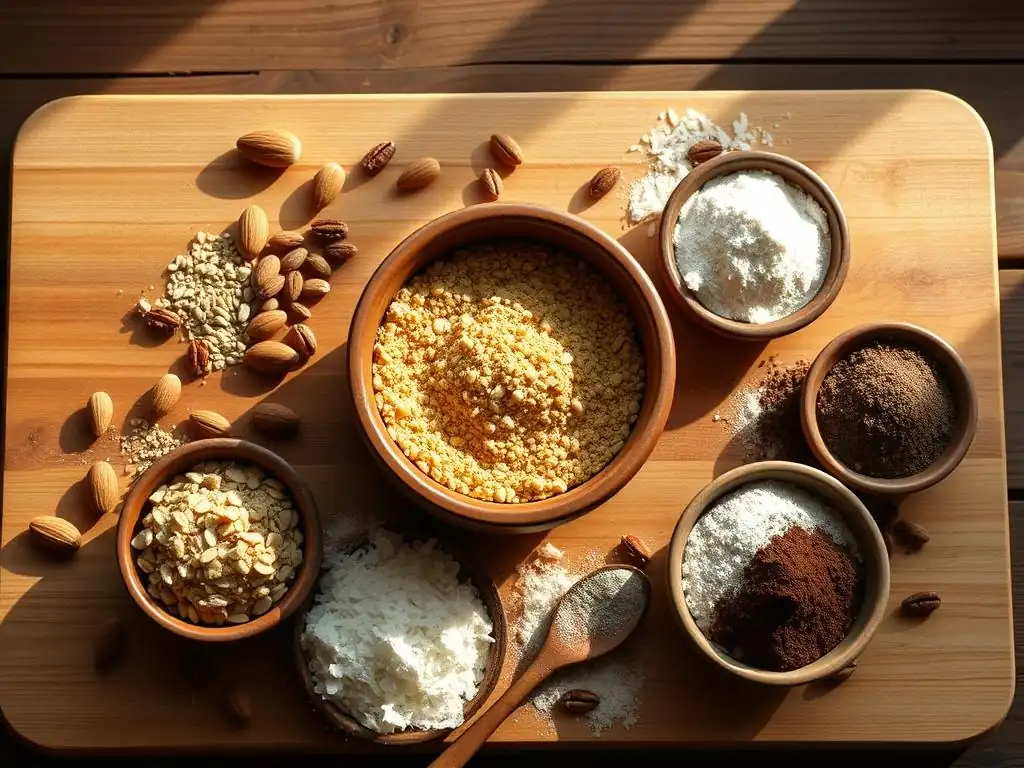
Welcome to BakeWithEase, your trusted guide to the delightful world of baking! Ever dreamed of indulging in delicious treats without compromising your dietary needs? Unlock the secrets to creating your own perfect Keto flour blend recipes with our simple, step-by-step guide. Discover how easy it is to bake scrumptious, guilt-free goodies that will tantalize your taste buds and leave you wanting more. Ready to get started and revolutionize your ketogenic baking experience?
- Homemade Keto Flour Blend Recipes
- Introduction to Keto Flour Blends
- Recipe 1: All-Purpose Keto Flour Blend
- Recipe 2: Coconut Flour Keto Blend
- Recipe 3: Almond Flour Keto Blend
- Recipe 4: Sunflower Seed Flour Keto Blend
- Troubleshooting Keto Flour Blends
- Tips for Using Keto Flour Blends in Recipes
- Conclusion: Keto Baking with Flour Blends
-
Frequently Asked Questions
- What is a Keto flour blend and why is it used in baking?
- What are some common ingredients in a Keto flour blend?
- Can I substitute a Keto flour blend directly for wheat flour in any recipe?
- Where can I find recipes that specifically use Keto flour blends?
- What are some tips for baking successfully with Keto flour blends?
- Final Reflection: The Power of Homemade Keto Flour
- Unleash Your Inner Keto Baker!
Homemade Keto Flour Blend Recipes
Introduction to Keto Flour Blends
For anyone embarking on a low-carb or ketogenic lifestyle while still cherishing the joy of baking, traditional wheat flour poses a significant challenge due to its high carbohydrate content. This is where keto flour blend recipes become invaluable. They offer a fantastic way to replicate the texture and structure provided by gluten in conventional baking, using a combination of low-carb flours that are friendly to the keto diet. Creating your own homemade keto flour blends gives you control over ingredients, allowing you to tailor textures and flavors precisely to your baking needs and dietary preferences.
Using specific keto flour blend recipes is often more successful than simply substituting a single keto flour (like almond or coconut) one-to-one for wheat flour. Each low-carb flour has unique properties – absorption rates, fat content, and binding capabilities differ vastly. By blending them, you can achieve a more balanced structure, better moisture retention, and a crumb that's closer to what you expect from baked goods, whether you're making bread, cookies, muffins, or cakes. These custom blends open up a world of possibilities for delicious, low-carb treats right in your own kitchen.
Benefits of Using Keto Flour Blends
One of the primary advantages of using keto flour blend recipes is the significant reduction in net carbohydrates compared to traditional baking. A typical all-purpose wheat flour can contain around 22 grams of net carbs per quarter cup, while a well-formulated keto blend using flours like almond, coconut, and psyllium husk might bring that down to approximately 3-5 grams of net carbs for the same volume. This drastic difference makes it possible to enjoy baked goods without derailing ketosis, offering a sustainable way to maintain dietary goals while satisfying cravings for sweet or savory treats.
Beyond just carb reduction, homemade keto flour blends also offer enhanced nutritional profiles. Low-carb flours are often rich in healthy fats, fiber, vitamins, and minerals. For example, almond flour is a good source of Vitamin E and magnesium, while coconut flour provides a substantial amount of fiber. Incorporating these flours through carefully crafted blend recipes means your baked goods aren't just low in carbs; they're also adding valuable nutrients to your diet. This makes keto baking not just a carb-cutting measure but a way to create more nutrient-dense versions of your favorite foods.
Common Keto-Friendly Flours
Several flours form the foundation of most keto flour blend recipes. Almond flour, made from ground blanched almonds, is perhaps the most popular due to its mild flavor and texture, which can mimic wheat flour in many applications. It's relatively low in net carbs (around 6g per 1/4 cup) and adds moisture and richness to baked goods. However, it lacks the binding power of gluten, often requiring additional binders like eggs or xanthan gum. It's important to use blanched almond flour for smoother textures, as unblanched flour with skins can result in a coarser crumb.
Another staple in low-carb flour mixes is coconut flour, derived from dried coconut meat. Coconut flour is extremely absorbent and high in fiber, containing roughly 3-4 grams of net carbs per quarter cup but requires significantly more liquid than other flours. Its distinct coconut flavor works well in many recipes but can be noticeable.
Because of its high absorbency, you typically need much less coconut flour than almond or wheat flour in a recipe. Blending it with other flours helps balance its drying effect and strong binding capabilities, which come from its high fiber content. Other useful flours include flaxseed meal, psyllium husk powder (a powerful binder), and sometimes small amounts of lupin flour or sunflower seed flour for specific textures and nutrient profiles.
Recipe 1: All-Purpose Keto Flour Blend
This all-purpose keto flour blend is designed to be versatile, suitable for everything from muffins and quick breads to cookies and even some pie crusts. It balances the moisture of almond flour with the absorbency of coconut flour and adds a touch of binding power.
Ingredients
- 2 cups Blanched Almond Flour
- 1/2 cup Coconut Flour
- 1/4 cup Psyllium Husk Powder (whole or fine)
- 1 tablespoon Xanthan Gum
- 1/2 teaspoon Fine Sea Salt (optional, enhances flavor)
Step 1: Combining the Flours
Begin by measuring out the specified amounts of each flour and ingredient accurately. Precision is key in keto flour blend recipes, as the ratios significantly impact the final texture and structure of your baked goods. It's highly recommended to use a digital kitchen scale for the most accurate measurements, especially for ingredients like psyllium husk and xanthan gum, which are potent even in small quantities. Using cups can lead to variations depending on how the flour is packed.
Once measured, combine all the ingredients – the almond flour, coconut flour, psyllium husk powder, xanthan gum, and optional salt – in a large bowl. Sifting the flours together before mixing can help break up any clumps, particularly common in coconut flour and psyllium husk, and ensures a lighter, more evenly distributed blend. A fine-mesh sieve works well for this step, making sure all ingredients are airy and separate before mixing.
Step 2: Mixing for Consistency
After combining the ingredients, the next crucial step is to mix them thoroughly to create a uniform blend. Use a whisk or a large spoon to gently stir the mixture, ensuring that the lighter flours (like coconut) and the binding agents (psyllium husk and xanthan gum) are evenly dispersed throughout the bulk of the almond flour. Proper mixing prevents pockets of concentrated binders or flours, which could lead to inconsistent results in your baking, such as dense spots or areas that don't bind properly.
Continue mixing until you can no longer see distinct layers or clumps of individual ingredients. The goal is a homogenous powder where every scoop contains the same ratio of flours and binders. You can also use a food processor for a few short pulses (be careful not to over-process, which could turn the almond flour into paste) or even place the mixture in a large airtight container and shake vigorously. The key is uniformity, ensuring reliable results every time you use this homemade keto flour blend.
Step 3: Storage
Proper storage is essential to maintain the freshness and efficacy of your keto flour blend. Once thoroughly mixed, transfer the blend to an airtight container. Glass jars with tight-fitting lids, or sturdy plastic containers designed for food storage, are ideal. Ensure the container is completely dry before adding the flour blend, as moisture can cause clumping or spoilage. Label the container clearly with the name of the blend (e.g., "All-Purpose Keto Blend") and the date it was made.
Store the airtight container in a cool, dry place, such as a pantry or cupboard away from direct sunlight and heat sources. For extended freshness, especially if you live in a humid climate or won't use the blend quickly, consider storing it in the refrigerator or freezer. Stored correctly in the pantry, it should last for several months (typically 3-6 months). Refrigerated or frozen, it can last even longer, up to a year. Always check for any off smells or signs of spoilage before use.
Baking Tips
When using this all-purpose keto flour blend in your baking, remember that it behaves differently than wheat flour. Because of the high absorbency of coconut and psyllium, the dough or batter might seem thicker than you're used to. It's often beneficial to let the batter sit for 5-10 minutes after mixing to allow the flours, particularly the psyllium husk, to fully absorb the liquid. This rest period helps predict the final consistency before adding more liquid unnecessarily.
Also, due to the lack of gluten, keto baked goods can be more delicate. Handle doughs gently and avoid overmixing, which can make items tough. For recipes like cookies or scones, chilling the dough before baking can help them hold their shape better. When converting traditional keto flour blend recipes, you'll likely need fewer eggs than a standard recipe using only almond or coconut flour, as the blend provides better structure. Start by substituting cup-for-cup in recipes designed for keto blends, or experiment cautiously when converting traditional recipes, often reducing the liquid slightly initially.
Recipe 2: Coconut Flour Keto Blend
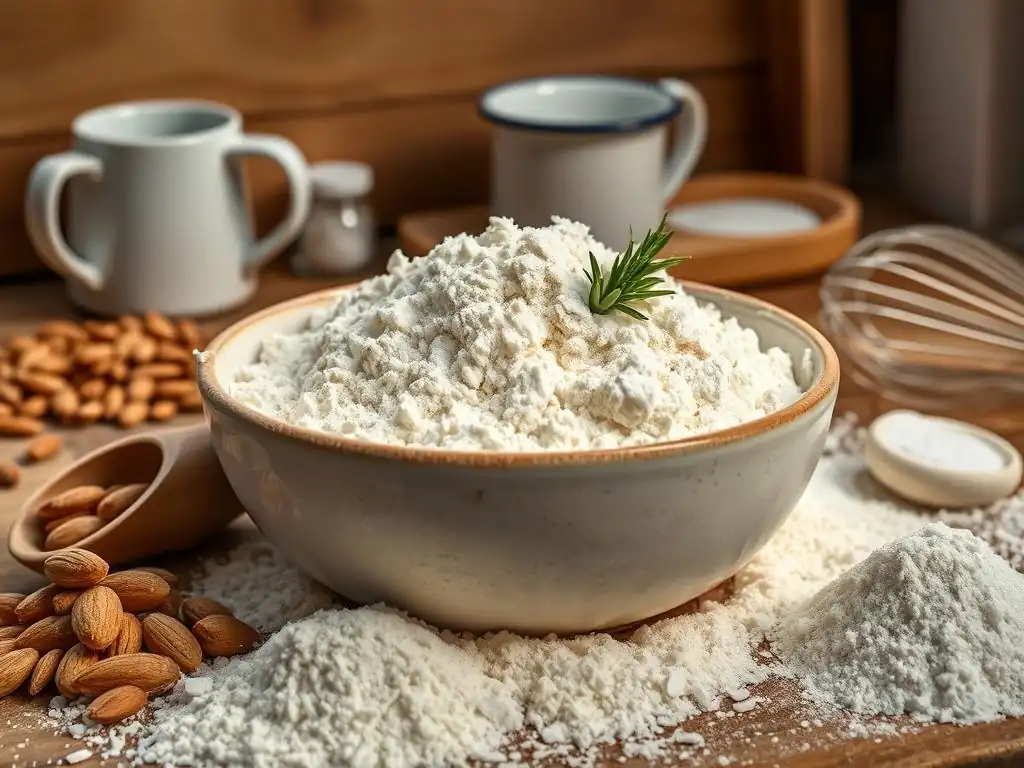
This blend focuses on leveraging the unique properties of coconut flour, often combined with other flours to temper its absorbency and distinct flavor while creating effective keto flour blend recipes.
Coconut Flour Properties in Keto Baking
Coconut flour is a powerhouse in keto baking due to its incredibly high fiber content and low net carbs, often around 3-4 grams per 1/4 cup. This high fiber means it acts like a sponge, absorbing a significant amount of liquid. This property is a double-edged sword: it makes baked goods moist but requires a much higher liquid-to-flour ratio than wheat or even almond flour. A recipe using coconut flour might call for as many eggs as flour by volume to provide sufficient moisture and binding.
Furthermore, coconut flour has a relatively strong binding ability compared to almond flour, thanks to its fiber. However, it lacks elasticity, resulting in a denser, sometimes crumbly texture if not balanced correctly in a blend. Its distinct flavor is another factor; while pleasant in many contexts, it can overpower delicate flavors. Combining it with other flours in keto flour blend recipes helps dilute the flavor and create a more manageable texture, reducing the extreme absorbency and yielding a lighter crumb.
Ingredients
- 1 cup Coconut Flour
- 1 cup Blanched Almond Flour
- 1/4 cup Flaxseed Meal (Golden or Brown)
- 1/2 teaspoon Xanthan Gum
- 1/4 teaspoon Fine Sea Salt (optional)
Step 1: Combining Ingredients
Start by accurately measuring all the components of your coconut flour keto blend. As with the all-purpose blend, using a kitchen scale is highly recommended for consistency, especially when measuring ingredients like coconut flour and xanthan gum, where even slight variations can impact the outcome. Ensure your flaxseed meal is fresh; stale flax can impart an unpleasant flavor.
Combine the measured coconut flour, almond flour, flaxseed meal, xanthan gum, and optional salt in a mixing bowl. Whisk the ingredients together thoroughly. Coconut flour is prone to clumping, so sifting it before adding to the bowl, or whisking vigorously, is crucial to ensure it is evenly distributed throughout the lighter almond flour and flaxseed meal. Proper mixing guarantees that the binding agents (flax and xanthan) and the absorbent coconut flour are spread uniformly, leading to reliable results when you use this homemade keto flour blend.
Step 2: Adjusting Liquid Ratios
When using a keto flour blend with a significant amount of coconut flour, understanding and adjusting liquid ratios is paramount. Due to coconut flour's high absorbency, this blend will require more liquid than a wheat flour recipe or even an almond-dominant keto blend. Expect to use roughly 1.5 to 2 times the amount of liquid (including eggs, milk, or water) you might initially think necessary based on traditional recipes.
It's often best to add liquid gradually and observe the batter's consistency. Unlike wheat flour batter, which becomes smooth and elastic, keto batters, especially those with coconut flour, will be thicker and may resemble a dense paste or dough. Allow the mixture to sit for 5-10 minutes after combining wet and dry ingredients. This allows the coconut flour and flaxseed meal to fully hydrate, showing you the true consistency before adding more liquid. If the batter is still too stiff or dry after resting, add liquid a tablespoon at a time until the desired texture is achieved.
Baking Tips
Baking with a coconut flour keto blend requires patience and attention to moisture levels. Because the flour blend absorbs so much liquid, baked goods can sometimes turn out dry or crumbly. Ensure you use enough eggs and other liquids as specified in the recipe or adjusted for your blend. Eggs are particularly important as they provide both moisture and structure in the absence of gluten.
Items made with this blend might brown faster on the outside due to the fat content from the almond flour and flaxseed meal, while remaining moist inside. Consider baking at a slightly lower temperature (e.g., 325°F or 160°C) or covering the baked good loosely with foil partway through baking if the top is browning too quickly. Always cool baked goods completely on a wire rack; keto items firm up as they cool, and slicing them too soon can result in crumbling. This blend is excellent for muffins, quick breads, and some cookie keto flour blend recipes.
Recipe 3: Almond Flour Keto Blend
Almond flour is a cornerstone of many keto flour blend recipes due to its ease of use and relatively neutral flavor profile. This blend highlights its versatility while adding binders for better structure.
Almond Flour Versatility
Blanched almond flour is incredibly versatile in keto baking, serving as a primary ingredient in everything from delicate cakes and cookies to savory bread and pizza crusts. Its fine texture mimics that of traditional flour more closely than coconut flour, making it an easier substitute in many recipes, though it still requires adjustments. Almond flour adds a pleasant richness and moisture to baked goods thanks to its natural fat content (approximately 14g of fat per 1/4 cup).
While versatile, almond flour alone lacks the gluten structure needed for airy, light baked goods. Items made with 100% almond flour can sometimes be dense or crumbly. By combining it with binders like psyllium husk or xanthan gum in homemade keto flour blends, you can significantly improve the texture, providing more elasticity and stability. This allows for a wider range of successful keto flour blend recipes, from chewy cookies to sturdy loaves of bread.
Ingredients
- 3 cups Blanched Almond Flour
- 1/4 cup Psyllium Husk Powder (whole or fine)
- 1 tablespoon Xanthan Gum
Step 1: Selecting Almond Flour
The quality of your almond flour significantly impacts the outcome of your keto flour blend and subsequent baking. Always choose blanched almond flour, which means the skins have been removed before grinding. This results in a finer, lighter texture and a more consistent pale color compared to unblanched almond flour, which is coarser and contains speckles of brown skin. The finer texture of blanched almond flour contributes to a smoother crumb in your baked goods.
Look for finely ground almond flour, not almond meal. Almond meal is typically coarser and contains the skins, making it better suited for rustic recipes like bread or muffins where texture is desired, but less ideal for delicate cakes or cookies. Using finely ground blanched almond flour ensures better incorporation into your blend and more predictable results across various keto flour blend recipes. Store your almond flour in the refrigerator or freezer to prevent it from going rancid due to its high fat content.
Step 2: Mixing and Storing

Once you have selected high-quality blanched almond flour, measure the 3 cups accurately. Combine it in a large bowl with the measured psyllium husk powder (1/4 cup) and xanthan gum (1 tablespoon). Whisk these ingredients together thoroughly. It's crucial to mix until the psyllium and xanthan gum are completely dispersed throughout the almond flour. These binders are powerful, and pockets of concentration can lead to gummy or uneven textures in your final baked goods.
After achieving a uniform blend, transfer the mixture to an airtight container. Due to almond flour's fat content, this blend is best stored in the refrigerator or freezer to extend its shelf life and prevent spoilage. Label the container with the blend name and date. Stored properly in the fridge, it can last for several months. In the freezer, it can remain fresh for up to a year. Allow the blend to come closer to room temperature before using in recipes for best results.
Baking Tips
This almond flour keto blend is quite versatile. It works wonderfully in recipes where a tender, moist crumb is desired, such as cakes, cupcakes, and muffins. It's also excellent for cookies, providing a chewy texture. When using this blend, you'll find it behaves more similarly to traditional flour than blends heavily reliant on coconut flour, but it still requires adjustments.
Because almond flour is high in fat, baked goods made with this blend can brown quickly. Monitor baking times and temperatures, and consider covering with foil if needed. The psyllium husk and xanthan gum provide good binding, but you may still need slightly more eggs or a binder like flax egg compared to wheat flour recipes. This blend is particularly good for keto flour blend recipes that are adapted from standard almond flour recipes, offering improved structure and texture thanks to the added binders.
Recipe 4: Sunflower Seed Flour Keto Blend
Sunflower seed flour offers a nut-free alternative for keto flour blend recipes, providing a unique flavor and texture profile.
Sunflower Seed Flour Benefits
Sunflower seed flour, made from ground sunflower seeds, is an excellent nut-free option for those with almond allergies or who simply prefer a different flavor. It's relatively low in net carbs (comparable to almond flour) and high in healthy fats and vitamin E. It provides a texture similar to almond flour but can sometimes impart a slightly green hue to baked goods when combined with baking soda due to a reaction between chlorogenic acid in the seeds and the alkali. This color change doesn't affect flavor but is something to be aware of.
Using sunflower seed flour in keto flour blend recipes adds a distinct, slightly nutty flavor that works well in many applications, particularly savory bread, crackers, and certain cookies. It provides a good structure but, like almond flour, benefits from added binders to prevent crumbliness. Its nutritional benefits, combined with its suitability as an allergen-friendly substitute in low-carb baking, make it a valuable ingredient for diversifying your homemade keto flour blends.
Ingredients
- 2 cups Sunflower Seed Flour (or finely ground sunflower seeds)
- 1/2 cup Coconut Flour
- 1 tablespoon Psyllium Husk Powder
- 1 teaspoon Xanthan Gum
Step 1: Combining Ingredients
To create this sunflower seed flour keto blend, accurately measure the sunflower seed flour, coconut flour, psyllium husk powder, and xanthan gum. If you are grinding your own sunflower seeds, ensure they are ground very finely to a flour-like consistency; grinding too long can result in sunflower seed butter. Using pre-ground sunflower seed flour is often easier for consistency.
Combine all measured ingredients in a bowl. Whisk vigorously to ensure everything is thoroughly mixed. Both coconut flour and psyllium husk can clump, so take extra care to break up any lumps and achieve a uniform blend. The goal is to distribute the binders and absorbent coconut flour evenly throughout the sunflower seed flour base. This meticulous mixing is key for successful keto flour blend recipes that use this alternative flour.
Step 2: Baking Tips
When baking with this sunflower seed flour keto blend, be mindful of the potential for the "green" reaction if your recipe includes baking soda. This is purely cosmetic and doesn't affect taste or safety, but you can minimize it by adding a splash of acid (like lemon juice or apple cider vinegar) to your wet ingredients, which helps neutralize the alkali.
This blend works well in recipes where a slightly heartier, nuttier flavor is welcome. It's great for savory muffins, quick breads, or flatbreads. Due to the combination of sunflower seed flour and coconut flour, the blend is quite absorbent and requires adequate liquid. Allow batters to rest for a few minutes before baking to allow the flours and binders to hydrate fully. As with other keto blends, bake until golden brown and a toothpick inserted comes out clean, but avoid overbaking, which can lead to dryness.
Step 3: Adjusting Flavors and Textures
This keto flour blend provides a good base, but you can adjust it slightly for different applications. For a finer texture in baked goods like cakes, you might slightly increase the amount of sunflower seed flour relative to the coconut flour, perhaps using a 3:1 ratio instead of 2:1, while keeping the binders the same.
To enhance flavors in your homemade keto flour blends using sunflower seed flour, consider adding spices directly to the blend for specific uses, like cinnamon and nutmeg for sweet baked goods or herbs and garlic powder for savory items. Remember that sunflower seed flour has a more pronounced flavor than almond flour, so it pairs well with robust flavors like chocolate, spices, or strong cheeses in savory applications. Experiment with small batches of keto flour blend recipes to find the perfect balance for your taste and textural preferences.
Troubleshooting Keto Flour Blends
Even with the best keto flour blend recipes, you might encounter challenges. Understanding common issues helps you adjust and achieve better results.
Common Mistakes
One frequent mistake when working with keto flour blends is treating them exactly like wheat flour. Keto flours lack gluten, the protein network that provides elasticity and structure in traditional baking. Simply substituting cup-for-cup from a non-keto recipe without adjusting liquids, binders (like eggs, psyllium, or xanthan gum), and sometimes leavening agents will almost certainly lead to dense, crumbly, or wet results. Keto baked goods require more careful formulation to achieve the desired texture and rise.
Another common error is not measuring ingredients accurately, particularly potent binders like psyllium husk and xanthan gum. Using too much can result in a gummy or slimy texture, while too little leads to crumbling. These ingredients work differently than flour, often swelling significantly when hydrated. Using a digital scale for these smaller, impactful ingredients ensures you use the precise amount called for in keto flour blend recipes, leading to more consistent outcomes and preventing textural issues.
Dealing with Dryness or Crumbliness
Dryness and crumbliness are classic signs that a keto flour blend recipe lacks sufficient moisture or binding. If your baked goods are too dry, it could be due to under-hydrating the flours. Keto flours, especially coconut flour and psyllium husk, absorb a lot of liquid. Ensure you are adding enough eggs, dairy, or other wet ingredients. Allowing the batter or dough to rest for 5-10 minutes before baking can also help the flours absorb the liquid fully, giving you a better sense of the final consistency before adding more.
If the issue is crumbliness, it often indicates a lack of binding. While the keto flour blend recipes provided include binders like psyllium husk and xanthan gum, some recipes might benefit from additional binding agents. Increasing the number of eggs slightly (eggs provide both moisture and protein structure) or adding a small amount of ground chia seeds or more xanthan gum (start with 1/4 teaspoon extra) can help ingredients hold together better. Ensure you are not over-baking your items, as this can also dry them out and make them crumbly.
Adjusting Sweeteners
Sweeteners behave differently in keto flour blend recipes compared to sugar. Granulated erythritol or xylitol (use with caution if you have pets, as it's toxic to them) can sometimes leave a cooling sensation. Powdered versions of these sweeteners, or blends containing monk fruit or stevia, often dissolve better and provide a smoother sweetness profile. However, some sugar alcohols like erythritol don't brown like sugar and can crystallize upon cooling, leading to a gritty texture.
When adjusting sweeteners in your homemade keto flour blends or recipes using them, consider the sweetener's bulk and moisture contribution. Liquid sweeteners (like liquid stevia or monk fruit drops) add moisture but no bulk, while granulated or powdered erythritol adds bulk but can absorb some moisture. You might need to slightly adjust liquid ratios based on the type and amount of sweetener used. Experimentation is key; start with a recommended amount for keto baking and adjust to your personal taste, keeping in mind that over-sweetening can sometimes lead to off-flavors or digestive upset with certain sugar alcohols.
Tips for Using Keto Flour Blends in Recipes
Mastering keto flour blend recipes involves understanding how these unique mixes interact with other ingredients and traditional baking methods.
Converting Traditional Recipes
Converting traditional wheat-based recipes to use your homemade keto flour blends can be tricky but rewarding. A direct cup-for-cup substitution rarely works. Start by looking for existing keto flour blend recipes with similar structures (e.g., find a keto muffin recipe if you want to convert a traditional one). Analyze the ratios of keto flour blend to wet ingredients and binders in successful keto recipes.
When attempting a conversion, you'll likely need to increase the number of eggs or add a binder like xanthan gum (if your blend doesn't already contain enough). You'll also need to significantly reduce or replace the sugar with a keto-friendly sweetener.
The amount of liquid will need careful adjustment; start with less liquid than the original recipe calls for and add more gradually until you achieve a thick but scoopable or spreadable batter, allowing it to rest briefly to absorb. It's often a process of trial and error, so be prepared for some initial experiments that might not turn out perfectly.
Experimenting with Flavors
One of the joys of using keto flour blend recipes is the opportunity to experiment with different flavor combinations that complement the base flours. Almond flour has a subtle, nutty flavor that pairs well with vanilla, chocolate, berries, and warm spices like cinnamon and nutmeg. Coconut flour's distinct taste is fantastic with tropical flavors like lime, pineapple extract, and other coconut ingredients, as well as chocolate and vanilla.
Sunflower seed flour, with its slightly earthy taste, works wonderfully in savory applications with herbs, cheese, and garlic. You can also pair it with bold sweet flavors like chocolate or molasses extract (used sparingly for flavor, not sweetness). Don't be afraid to add extracts, zest, spices, or even sugar-free chocolate chips and nuts directly to your batters and doughs made with homemade keto flour blends to create delicious and varied low-carb treats.
Best Practices for Keto Baking
Consistency is key in keto baking. Always measure your ingredients accurately, preferably using a kitchen scale, especially for flours and binders in your keto flour blend recipes. Ensure your ingredients are at the correct temperature (e.g., eggs and dairy often work best at room temperature). Don't overmix batters once wet and dry ingredients are combined, as this can develop toughness, even without gluten.
Keto baked goods often benefit from being baked at slightly lower temperatures (around 325-350°F or 160-175°C) for a longer time compared to traditional recipes, which helps them cook through without burning. They also typically need to cool completely before slicing or handling to allow them to set properly. Store finished keto baked goods in an airtight container, often in the refrigerator or freezer, as they lack the preservatives found in many commercial baked goods and the sugar that helps retain moisture.
Conclusion: Keto Baking with Flour Blends
Creating your own keto flour blend recipes at home is a powerful step towards mastering low-carb baking. By understanding the properties of different keto-friendly flours like almond, coconut, sunflower seed, and binders such as psyllium husk and xanthan gum, you can tailor blends to suit specific baking needs and dietary requirements. These homemade keto flour blends offer a way to significantly reduce net carbs while often increasing fiber and healthy fats in your baked goods, making your low-carb journey more enjoyable and sustainable.
Experimenting with different low-carb flour mixes opens up a world of possibilities, allowing you to recreate many of your favorite traditional baked treats in a keto-friendly format. While there's a learning curve involved in understanding how these blends behave compared to wheat flour, the tips and recipes provided here offer a solid starting point. With practice, accurate measuring, and a willingness to experiment with liquid and binder ratios, you'll be well on your way to baking delicious, satisfying, low-carb goods using your own custom keto flour blend recipes. Happy baking!
Frequently Asked Questions
What is a Keto flour blend and why is it used in baking?
A Keto flour blend is a combination of low-carb flours used to replace traditional wheat flour in recipes. It's used to create baked goods that are suitable for a ketogenic diet, which is low in carbohydrates.
What are some common ingredients in a Keto flour blend?
Common ingredients include almond flour, coconut flour, and psyllium husk. Other options are flaxseed meal, sunflower seed flour, and vital wheat gluten (if you're not strictly gluten-free, it helps with structure).
Can I substitute a Keto flour blend directly for wheat flour in any recipe?
No, you generally can't substitute a Keto flour blend 1:1 for wheat flour. Keto flours absorb liquids differently and require adjustments to the recipe's liquid and binding agents.
Where can I find recipes that specifically use Keto flour blends?
BakeWithEase.com is a great resource! Many other websites and cookbooks dedicated to Keto baking offer recipes designed for specific Keto flour blends, focusing on taste and texture.
What are some tips for baking successfully with Keto flour blends?
Hydration is key! Allow the dough to rest to allow the flours to fully absorb the liquids. Also, be mindful of oven temperatures, as Keto flours can burn more easily.
Final Reflection: The Power of Homemade Keto Flour
The accessibility of healthy eating is revolutionized by embracing the art of homemade keto flour blends. No longer are those following a ketogenic diet limited by expensive, pre-packaged options; the power to control ingredients, quality, and cost now rests firmly in the hands of the home cook. This empowers individuals to truly personalize their keto journey and achieve their health goals with greater ease and confidence.
Creating your own keto flour blends is more than just a cost-saving measure; it's a journey of discovery and empowerment. It's about understanding the nuances of different flours, experimenting with textures, and ultimately, crafting delicious keto-friendly baked goods that meet your specific needs and preferences. This process fosters a deeper connection to your diet, transforming it from a restrictive regime into a creative culinary adventure. The best way to find yourself is to lose yourself in the service of others.
While not directly about keto baking, this quote speaks to the self-discovery and empowerment that comes from mastering a new skill, like creating your own keto flour blends.
Now, it's your turn. Don't just passively consume keto recipes; actively participate in their creation. Experiment with the blends outlined in this article, adapt them to your taste, and discover the joy of baking delicious and healthy treats that align perfectly with your lifestyle. The kitchen is your laboratory; embrace the challenge, explore the possibilities, and savor the rewards of a healthier, more fulfilling keto journey.
Unleash Your Inner Keto Baker!
Thanks for taking the time to explore the world of delicious, homemade keto flour blends! We hope you've discovered some exciting new possibilities for your baking adventures. Ready to get started?
- Whip up your first keto masterpiece: Use the recipes from the article to create your own custom keto flour blend and bake something amazing. Don't be afraid to experiment!
- Share your keto creations: Post pictures of your keto-baked goods on social media and tag us – we'd love to see what you create! Use #BakeWithEaseKeto
- Try a surprising substitution: See how your favorite non-keto recipe tastes with your new keto flour blend. What unexpected delights await?
What innovative keto baking creation will you be making first? Let us know in the comments below!