
Beyond Lecithin: Exploring Other Powerful Natural Baking Emulsifiers

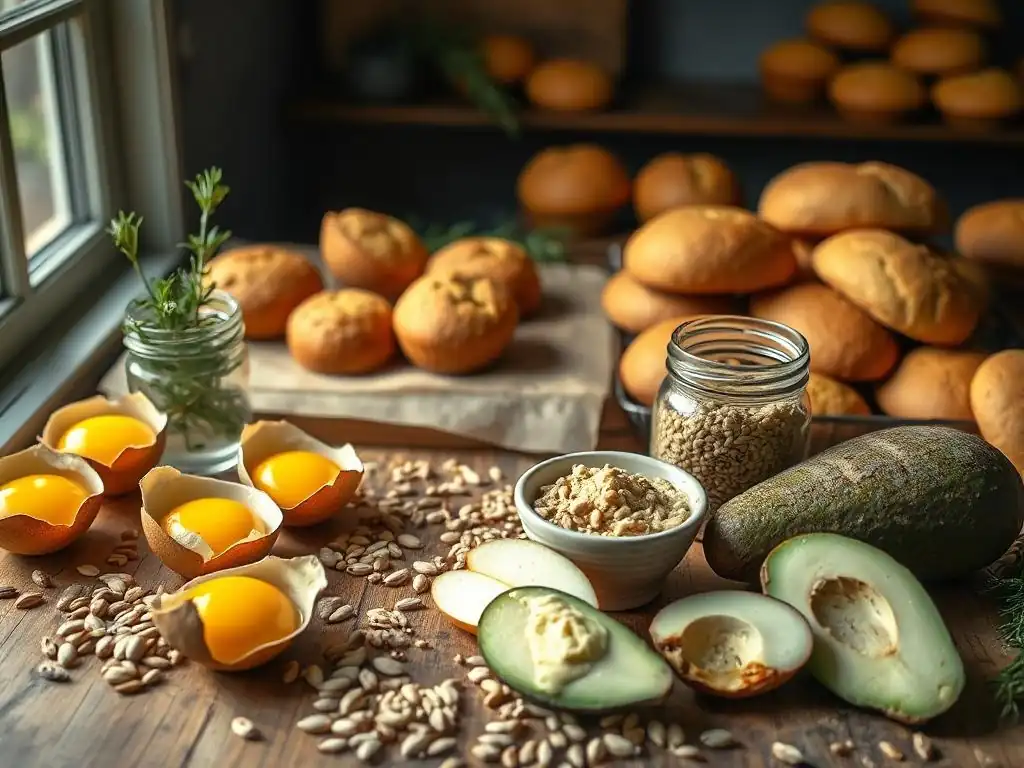
Welcome to BakeWithEase, where we unlock the secrets to baking brilliance! Are you ready to elevate your baking game and ditch the lecithin? This week, we're diving deep into the fascinating world of natural baking emulsifier alternatives, exploring ingredients that can transform your recipes and deliver exceptional results. Prepare to discover the power of nature in your kitchen – the possibilities might just surprise you!
- Beyond Lecithin: Exploring Natural Baking Emulsifier Alternatives for Easier Baking
- Understanding Emulsification in Baking
- The Limitations of Lecithin: Exploring Other Options
- Powerful Natural Baking Emulsifier Alternatives Recipe
- Top Natural Emulsifier Alternatives for Baking
- Recipe Adaptations: Using Natural Emulsifiers Effectively
- Tips for Choosing the Right Natural Emulsifier
- Troubleshooting Common Issues with Natural Emulsifiers
- Conclusion: Embracing Natural Emulsifier Alternatives for Baking Excellence
-
Frequently Asked Questions
- What are some natural alternatives to lecithin as an emulsifier in baking?
- How do egg yolks function as a natural emulsifier in baking?
- Can honey act as a natural emulsifier in baking recipes?
- Is applesauce a viable natural emulsifier alternative for baking?
- Will using a natural emulsifier alternative significantly change the taste of my recipe?
- Final Reflection: The Bountiful World of Natural Baking Emulsifiers
- Unlock Your Baking Potential: Discover Amazing Emulsifier Alternatives!
Beyond Lecithin: Exploring Natural Baking Emulsifier Alternatives for Easier Baking
BakeWithEase's Guide to Natural Emulsifiers in Baking
Welcome to BakeWithEase, your friendly guide to mastering baking science! Today, we're diving deep into the fascinating world of emulsification – the unsung hero behind many perfectly textured baked goods. While lecithin, often derived from soy or sunflower, is a common commercial emulsifier, many powerful and effective alternatives can be found right in your pantry. Exploring these natural options not only expands your baking repertoire but can also cater to dietary preferences or ingredient availability.
This guide will walk you through the science of how these ingredients work, why you might choose them over traditional options like lecithin, and provide practical tips for incorporating them into your favorite natural baking emulsifier alternatives recipe ideas. Get ready to unlock new levels of texture and stability in your cakes, breads, cookies, and more, all while using simple, natural ingredients.
Understanding Emulsification in Baking
What is Emulsification and Why Is It Important for Baking?
At its core, emulsification is the process of mixing two liquids that don't normally mix, like oil and water, into a stable, homogeneous blend. Think of salad dressing – if you shake oil and vinegar together, they mix temporarily but quickly separate. Adding an emulsifier, like mustard or egg yolk, helps keep them bound together longer. In baking, batters and doughs often contain both fat (from butter, oil, or egg yolks) and water (from milk, water, or eggs). Without proper emulsification, these components can separate during mixing or baking, leading to undesirable textures.
The importance of emulsification in baking cannot be overstated. It's crucial for creating smooth batters, preventing fat from separating out during baking, and ensuring an even distribution of ingredients. A well-emulsified mixture results in finer crumb structures in cakes, prevents cookies from spreading too much, and contributes to the overall stability and shelf life of baked goods. It's the secret handshake between fat and water that makes baking magic happen.
The Role of Emulsifiers in Achieving Perfect Texture and Consistency
Emulsifiers act as intermediaries, possessing both a "water-loving" (hydrophilic) end and a "fat-loving" (lipophilic) end. They position themselves at the interface between fat and water droplets, reducing the surface tension and creating a stable barrier that prevents the droplets from coalescing and separating. This allows fats to be dispersed evenly throughout the water phase, and vice versa, leading to a uniform and stable mixture.
In baking, this stability translates directly to texture. Consider a cake batter: emulsifiers help disperse fat droplets evenly within the liquid matrix, which is critical for creating a fine, tender crumb. In bread dough, they can help strengthen the gluten network and improve dough handling. For cookies, they prevent excessive spread by stabilizing the fat and sugar structure. Essentially, emulsifiers are key players in controlling how your ingredients interact, ensuring your final baked good has the desired consistency, volume, and mouthfeel.
The Limitations of Lecithin: Exploring Other Options
Why Consider Alternatives to Lecithin in Baking?
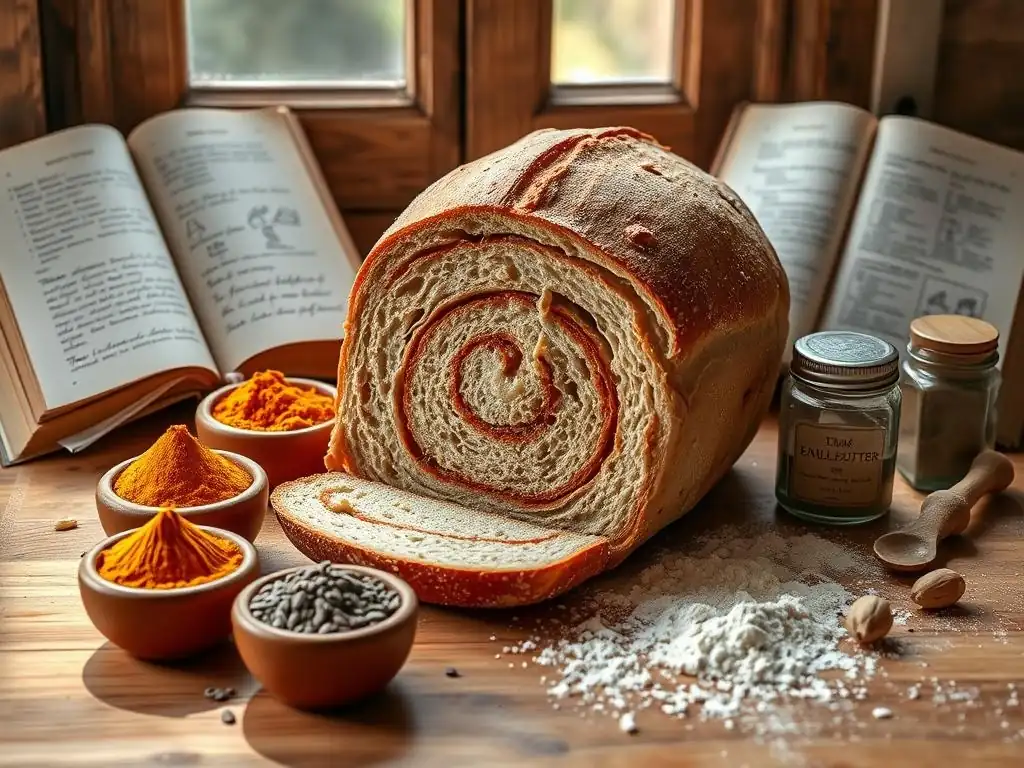
While lecithin is a highly effective emulsifier widely used in commercial baking and many recipes, there are several reasons why a home baker might look for natural alternatives. One common consideration is dietary restrictions or preferences. Soy-derived lecithin is prevalent, and individuals with soy allergies or those avoiding soy may seek alternatives. Similarly, sunflower lecithin is an option but can sometimes be harder to source or more expensive. Exploring other options provides flexibility and ensures you can bake successfully regardless of specific ingredient availability or limitations.
Furthermore, some bakers prefer to use whole, unprocessed ingredients whenever possible. Many natural emulsifiers come as part of other common baking ingredients, adding not just emulsification but also flavor, moisture, and nutritional value. Utilizing ingredients like egg yolks, honey, or fruit purees allows you to achieve excellent results while keeping your ingredient list simple and familiar. This approach aligns well with a desire for more natural baking emulsifier alternatives recipe creations.
Potential Drawbacks of Using Lecithin in Specific Recipes
Although lecithin is a powerful emulsifier, its use isn't always without potential considerations, particularly in delicate or specific recipes. For instance, in some very lean doughs or low-fat batters, adding isolated lecithin might slightly alter the hydration balance or require careful measurement to avoid undesirable effects. While generally neutral in flavor at typical concentrations (often used at levels like 0.25% to 0.5% of total flour weight), using too much or in certain recipes could potentially introduce a subtle off-flavor, though this is rare with standard food-grade lecithin.
Another point, less of a drawback and more of a characteristic, is that lecithin primarily functions by stabilizing fat-in-water emulsions. While highly effective for many applications, other natural emulsifiers might offer different functional benefits depending on their composition. For example, egg yolks contain not just lecithin but also proteins and cholesterol, which contribute to richer textures and different emulsifying properties compared to isolated lecithin. Understanding these nuances helps in choosing the best natural baking emulsifier alternatives recipe component for your specific needs.
Powerful Natural Baking Emulsifier Alternatives Recipe
A Deep Dive into Natural Emulsifier Options
Moving beyond commercial lecithin opens up a world of natural ingredients that possess excellent emulsifying capabilities, often bringing additional benefits like flavor, moisture, or structure to your baked goods. These alternatives leverage different compounds – proteins, complex carbohydrates, natural fats, and yes, sometimes even their own forms of lecithin – to bridge the gap between fat and water. Exploring these options allows for creativity and adaptation in your baking.
This section will introduce you to several readily available natural ingredients that can function as effective emulsifiers. We'll look at how they work and discuss their strengths and ideal applications in various types of baked goods. Understanding the science behind these natural helpers is the first step to successfully incorporating them into your own natural baking emulsifier alternatives recipe repertoire, leading to delicious and consistently textured results.
Top Natural Emulsifier Alternatives for Baking
Egg Yolks: The Classic and Versatile Emulsifier
Egg yolks are arguably the most classic and widely used natural emulsifier in baking and cooking. Their power comes primarily from phospholipids, particularly lecithin, which makes up about 9% of the egg yolk's weight. But egg yolks also contain proteins and cholesterol, which contribute to their emulsifying strength and ability to create rich, stable emulsions like mayonnaise or hollandaise sauce.
In baking, egg yolks provide incredible richness, color, and tenderness, while also acting as binders and emulsifiers. They are essential in doughs like brioche or challah, where they help distribute the high amount of fat evenly, resulting in a soft, fine crumb. In cakes and pastries, they contribute to a smooth batter, prevent oil separation, and enhance the overall texture and stability.
Utilizing Egg Yolks Effectively in Baking Recipes
To maximize the emulsifying power of egg yolks, ensure they are fully incorporated into your fat or liquid components. In many recipes, egg yolks are creamed with sugar and butter, a process that helps create a stable emulsion early in the mixing stage. For instance, in a classic pound cake, creaming butter and sugar until light and fluffy, then incorporating egg yolks one by one, builds a strong emulsified base that supports the structure and prevents the cake from becoming greasy or dense.
When substituting egg yolks for other emulsifiers or simply adding them for their emulsifying properties, consider the liquid and fat they introduce. A large egg yolk weighs roughly 17-20 grams and contains about 5-6 grams of fat and 3 grams of protein. This adds richness and moisture, so adjustments to other liquid or fat ingredients might be necessary depending on the original recipe and the number of yolks used.
Honey: A Sweet and Natural Emulsifier
Honey, beyond being a natural sweetener, possesses mild emulsifying properties. This is attributed to the presence of proteins, colloids, and complex sugars within its composition. While not as potent as egg yolks or lecithin, honey can help stabilize emulsions, particularly in recipes where it's already used as a liquid sweetener, like certain cakes, muffins, or bread doughs.
Its ability to attract and hold onto water molecules also contributes to moisture retention in baked goods, which can indirectly aid in maintaining a stable structure alongside its emulsifying effects. Using honey can contribute to a finer crumb and a more evenly distributed fat phase in batters where it is a significant ingredient.
Honey's Emulsifying Properties and Baking Applications
Honey's emulsifying action is subtle but effective, especially when creamed with fats. When you cream butter and sugar (or honey) together, the sharp sugar crystals traditionally cut into the fat, creating air pockets. Honey, being liquid, works differently; its emulsifying compounds help create a more stable dispersion of fat and air. This is particularly useful in recipes like honey cakes or gingerbread, where honey is a primary liquid component.
Consider a honey-based muffin recipe. Creaming butter with honey before adding eggs and dry ingredients helps to create a more stable batter that is less likely to separate during mixing or baking. While you might not add honey solely as an emulsifier if it wasn't already in the recipe, recognizing its properties allows you to leverage its benefits when it is included as a sweetener or flavor agent in your natural baking emulsifier alternatives recipe creations.
Mustard: An Unexpected Emulsifier for Savory Bakes
Mustard might seem like an unusual addition to a baking emulsifier list, but it's a well-known emulsifier in cooking, particularly for vinaigrettes and sauces. Its emulsifying power comes from mucilage, a type of complex carbohydrate found in mustard seeds, and a small amount of protein. These compounds help stabilize oil-in-water emulsions effectively.
While not typically used in sweet baked goods due to its distinct flavor, a small amount of mustard can be a surprisingly effective natural emulsifier in savory applications like bread, biscuits, or savory scones. It adds a subtle tang that can complement savory flavors without being overwhelming, while simultaneously improving texture.
How Mustard Works as an Emulsifier in Bread and Other Savory Recipes
In bread dough, mustard's mucilage and proteins can help distribute fats (like butter or oil) more evenly throughout the dough. This can contribute to a softer crumb and potentially improve dough handling. A common application is adding a teaspoon or two of Dijon mustard to a savory biscuit or scone recipe. The mustard helps the fat (butter or shortening) disperse evenly within the flour and liquid, leading to a more tender and uniform texture without the fat separating during baking.
Using mustard as a natural baking emulsifier alternatives recipe ingredient requires careful consideration of the flavor profile. It's best suited for recipes where a slight tang is desirable or where other strong savory flavors can mask it. Start with a small amount, perhaps 1-2% of the fat weight in a savory recipe, and adjust based on taste and desired effect.
Aquafaba: The Vegan Emulsifier Made From Chickpeas
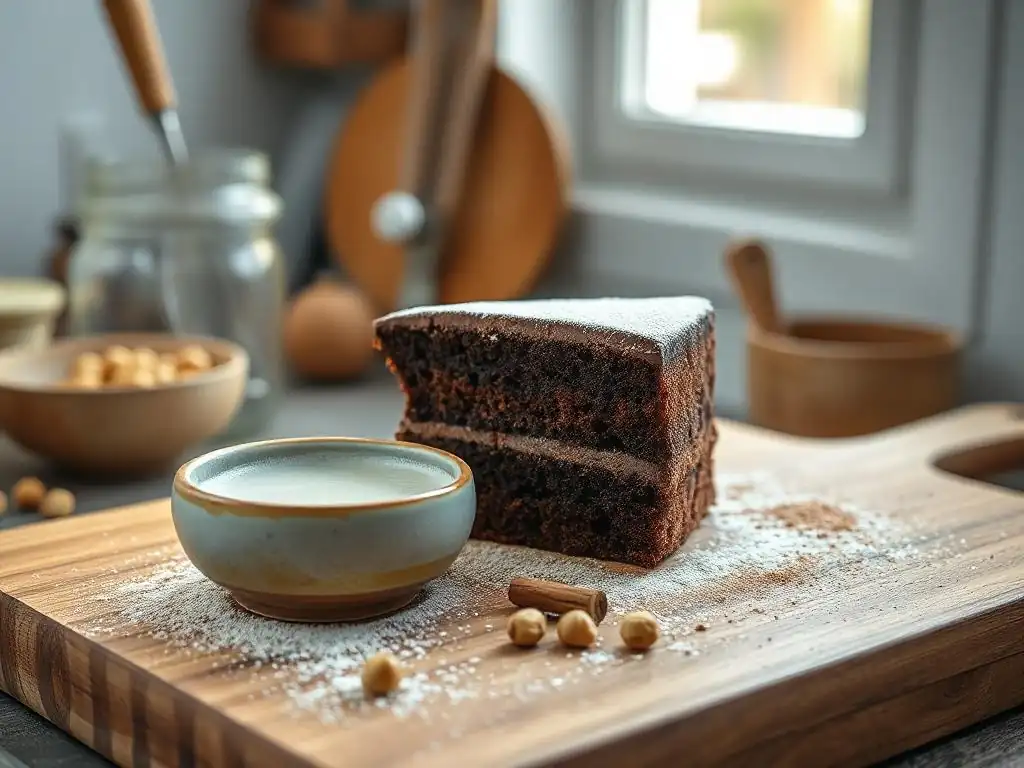
Aquafaba, the liquid from cooked chickpeas (or other legumes), is a relatively new but incredibly popular natural emulsifier, particularly in vegan baking. Its emulsifying properties are attributed to a complex mix of proteins and starches that leach into the water during the cooking process. These compounds mimic the functional properties of egg whites and, to some extent, egg yolks, allowing it to create stable foams and emulsions.
It can be whipped into a meringue-like foam, used as an egg binder, or incorporated into batters to improve texture and stability. Aquafaba is a fantastic example of a waste product being repurposed into a valuable baking ingredient, offering a versatile natural baking emulsifier alternatives recipe component.
Using Aquafaba as an Egg Replacement and Emulsifier
Aquafaba is most famously used as a direct replacement for egg whites in meringues, macarons, and mousses, whipping up into a stiff, stable foam. However, its emulsifying properties also make it useful in batters and doughs where eggs are used for binding and emulsification. For example, in vegan muffin or cake recipes, aquafaba can be whisked lightly and added to the wet ingredients to help emulsify the fat and liquid components, contributing to a lighter texture and preventing gumminess.
Typical ratios for substituting aquafaba for eggs in recipes vary, but a common guideline is about 3 tablespoons (around 45-50 grams) of aquafaba per whole egg, or 2 tablespoons (around 30-35 grams) per egg white. The concentration of proteins and starches can vary depending on how the chickpeas were cooked or the brand of canned chickpeas, so some experimentation may be needed to find the optimal amount for your natural baking emulsifier alternatives recipe.
Fruit Purees: Adding Flavor and Emulsification
Certain fruit purees, like applesauce, banana puree, or pumpkin puree, can also act as mild natural emulsifiers in baked goods. This is due to their natural pectin content, complex carbohydrates, and sometimes a small amount of protein. Pectin is a gelling agent that can help stabilize mixtures by increasing viscosity and preventing separation of fat and water.
Beyond their emulsifying effects, fruit purees add moisture, sweetness, and flavor, making them excellent additions to cakes, muffins, and quick breads, often used as a partial replacement for fat or eggs. They contribute to a moist, tender crumb and can enhance the overall sensory experience of the baked good.
How Fruit Purees Contribute to Texture and Emulsification in Cakes and Muffins
In cake and muffin batters, fruit purees help create a more stable suspension of ingredients. The pectin in the puree can form a network that traps fat droplets and prevents them from migrating or coalescing during baking. This leads to a more even distribution of fat, contributing to a finer and more uniform crumb structure. For example, using unsweetened applesauce to replace half the butter in a muffin recipe not only reduces fat but the applesauce's natural compounds help keep the remaining fat and liquid bound together.
When using fruit purees as a natural baking emulsifier alternatives recipe ingredient, consider the added moisture and sweetness they bring. You may need to slightly reduce other liquid ingredients or sugar. A common substitution ratio is replacing up to half the fat (by weight) with fruit puree, though this varies by recipe and desired outcome. The consistency of the puree also matters; thicker purees tend to work better.
Nut Butters: Natural Emulsifiers and Flavor Enhancers
Nut butters, such as peanut butter, almond butter, or cashew butter, are essentially emulsions themselves – a stable mixture of ground nuts and their natural oils. The proteins and fiber present in the nuts, along with a small amount of naturally occurring lecithin (especially in peanuts), act as emulsifiers, keeping the oil from separating from the nut solids. When added to batters or doughs, nut butters contribute these emulsifying properties.
They are particularly effective in cookies, bars, and certain cakes, adding richness, flavor, and density. They help bind ingredients together and can prevent fat separation, leading to a more cohesive and tender final product. Nut butters offer a delicious way to incorporate natural baking emulsifier alternatives recipe components into your baking.
Utilizing Nut Butters for Emulsification and Richness in Baking
Adding nut butter to a cookie dough, for instance, helps to emulsify the added butter or oil, leading to a more consistent texture and preventing excessive spread during baking. The proteins in the nut butter also contribute to structure. In a recipe like peanut butter cookies, the nut butter is the primary emulsifier, creating a stable dough that bakes into a crumbly yet tender cookie.
When using nut butter as a natural baking emulsifier alternatives recipe ingredient, be mindful of its fat content (which varies but is typically high, around 50-60% for peanut butter) and its distinct flavor. It works best in recipes where the nut flavor is complementary or desired. You can often replace a portion of the solid fat (like butter or shortening) with an equal weight of smooth, natural nut butter to leverage its emulsifying properties and add richness.
Recipe Adaptations: Using Natural Emulsifiers Effectively
Converting Recipes to Utilize Natural Emulsifier Alternatives
Adapting a recipe to use natural emulsifier alternatives requires understanding the function of the original emulsifier and the properties of your chosen alternative. If a recipe relies heavily on egg yolks for richness and emulsification, substituting with something like aquafaba might require adding a small amount of fat back into the recipe to compensate for the missing richness. If replacing lecithin in a bread dough, a small amount of egg yolk or even a touch of mustard powder (in savory bread) might help.
A general approach is to start by identifying the primary role of the emulsifier in the original recipe – is it for texture, stability, richness, or binding? Then, select a natural alternative that offers similar benefits. For instance, for a fine cake crumb, egg yolks or even a fruit puree might be suitable. For a stable vegan batter, aquafaba is a strong contender. Be prepared to experiment with quantities, as the emulsifying strength of natural ingredients can vary. Document your adjustments – this is key to perfecting your natural baking emulsifier alternatives recipe adaptations.
Adjusting Baking Times and Temperatures for Optimal Results
Using natural emulsifier alternatives can sometimes influence the overall moisture content and structure of your dough or batter, which in turn might affect baking times and temperatures. For example, using fruit purees adds significant moisture, which might require a slightly longer baking time or a slightly lower temperature to prevent the outside from browning too quickly before the inside is cooked through.
Ingredients like egg yolks or nut butters add fat and protein, which can lead to richer, more tender results that might bake faster or require a slightly different temperature to achieve the desired crust development. Pay close attention to visual cues like browning and doneness tests (like the toothpick test) when baking with natural emulsifier alternatives recipe variations. It's often wise to start checking for doneness a few minutes earlier than the original recipe suggests.
Tips for Choosing the Right Natural Emulsifier
Considering Flavor Profiles When Selecting Emulsifiers
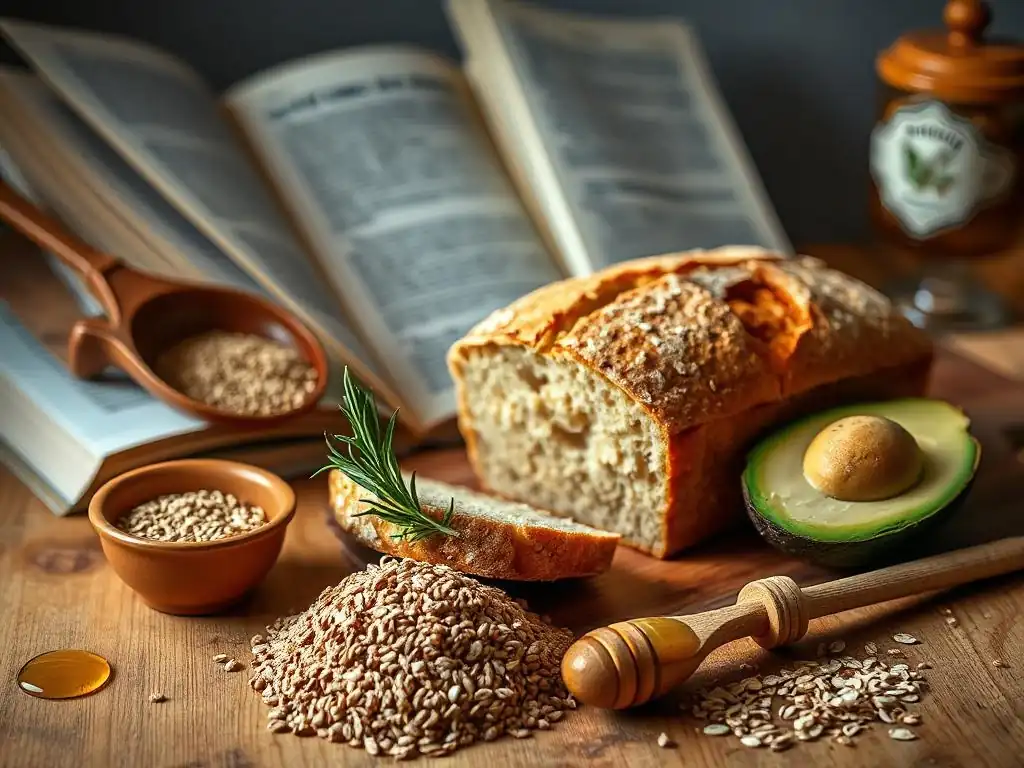
One of the most important factors when choosing a natural emulsifier alternative is its flavor. Unlike commercial lecithin, which is relatively neutral, many natural emulsifiers bring their own distinct tastes. Egg yolks add a rich, savory note; honey contributes sweetness and floral undertones; mustard adds tang; fruit purees impart fruity flavors; and nut butters bring nutty richness.
Choose an emulsifier whose flavor complements or enhances the other ingredients in your recipe. For a delicate vanilla cake, egg yolks are a natural fit. For a rustic whole wheat bread, a touch of mustard might work. For vegan chocolate chip cookies, a creamy nut butter could be perfect. Always taste your batter or dough (if safe) and consider how the emulsifier's flavor will interact with the final baked product. This careful consideration is vital for successful natural baking emulsifier alternatives recipe development.
Matching Emulsifiers to Specific Baking Applications
Different natural emulsifiers are better suited for specific types of baked goods based on their unique properties.
- Egg Yolks: Excellent for rich doughs (brioche), custards, pound cakes, and any recipe needing significant richness, binding, and a fine crumb.
- Honey: Best in recipes where it's already a sweetener, adding moisture and subtle emulsification in cakes, muffins, and some breads.
- Mustard: Ideal for savory breads, biscuits, or scones where a slight tang is welcome and fat needs to be evenly dispersed.
- Aquafaba: A go-to for vegan meringues, macarons, and as an egg replacer/emulsifier in vegan cakes, muffins, and cookies.
- Fruit Purees: Great for adding moisture and mild emulsification to cakes, muffins, and quick breads, often used as a fat replacer.
- Nut Butters: Perfect for cookies, bars, and dense cakes where nut flavor and richness are desired, also contributing structure and emulsification.
Consider the desired outcome – texture, structure, flavor, dietary needs – when selecting the best natural baking emulsifier alternatives recipe ingredient for your project.
Troubleshooting Common Issues with Natural Emulsifiers
Dealing with Separation or Inconsistent Textures
One common issue when using natural emulsifier alternatives, especially when adapting recipes, is separation or inconsistent textures. This can happen if the emulsifier isn't strong enough for the amount of fat and liquid, or if it hasn't been properly incorporated. For instance, a batter might look curdled, or oil might leach out during baking.
If your batter appears separated during mixing, try whisking it vigorously for an extra minute or two to help the emulsifier bind the ingredients. If the issue persists, adding a very small amount of additional emulsifier (like another tablespoon of aquafaba or a tiny bit more fruit puree) might help.
Inconsistent texture in the final product, like a greasy layer at the bottom of a cake or uneven crumb, can also indicate insufficient emulsification. Ensure all ingredients, especially fats and liquids, are at room temperature unless the recipe specifies otherwise, as this helps with easier emulsification. When developing your natural baking emulsifier alternatives recipe variations, start by substituting a small portion of the original emulsifier or fat before attempting a full replacement.
Adjusting Recipes to Compensate for Variations in Emulsifier Strength
The emulsifying strength of natural ingredients can vary. The protein and starch content of aquafaba can differ between batches or brands of chickpeas. The pectin content in fruit purees varies depending on the fruit's ripeness and preparation. Even the exact composition of egg yolks can have slight variations. This means you might need to adjust quantities slightly from batch to batch or when using different brands of ingredients in your natural baking emulsifier alternatives recipe.
If a batch seems less stable than usual, gently increase the amount of the natural emulsifier in your next attempt. If a batter is too thick or the baked good too dense, you might have used too much of a binding/emulsifying puree or nut butter; try reducing the amount slightly or increasing the liquid. Keeping notes on your adjustments is incredibly helpful for achieving consistent results with your natural baking emulsifier alternatives recipe explorations.
Conclusion: Embracing Natural Emulsifier Alternatives for Baking Excellence
Using natural emulsifier alternatives in your baking opens up exciting possibilities for flavor, texture, and dietary adaptability. From the classic richness of egg yolks to the surprising utility of mustard and the vegan versatility of aquafaba, nature provides a bounty of ingredients that can help you achieve perfectly emulsified batters and doughs. These alternatives are not just substitutes; they are powerful ingredients in their own right, each bringing unique characteristics to your baked goods.
Experimenting with these natural options allows you to deepen your understanding of baking science and tailor recipes to your preferences and needs. Whether you're aiming for a richer brioche, a tender vegan muffin, or a perfectly uniform savory scone, there's a natural emulsifier waiting to help you succeed. Embrace the exploration of a natural baking emulsifier alternatives recipe – your taste buds and your bakes will thank you!
The Future of Emulsification in Baking: Focusing on Natural Ingredients
The trend in baking, both professional and home-based, is increasingly leaning towards simpler, more recognizable ingredients. As consumers become more interested in what goes into their food, the appeal of using whole, natural ingredients like egg yolks, fruit purees, and aquafaba as emulsifiers is growing. This focus on natural alternatives aligns with broader movements towards clean eating and sustainable practices, such as utilizing aquafaba from canned chickpeas rather than discarding it.
Research continues into the functional properties of various plant-based ingredients, uncovering new ways to leverage their natural emulsifying, binding, and texturizing capabilities. As bakers become more comfortable working with these natural options and as more information and natural baking emulsifier alternatives recipe ideas become widely shared, we can expect to see these ingredients play an even more prominent role in achieving baking excellence without relying solely on commercial additives. The future of emulsification in baking is bright, natural, and delicious.
Frequently Asked Questions
What are some natural alternatives to lecithin as an emulsifier in baking?
Besides lecithin, you can use egg yolks, honey, and apple sauce as natural emulsifiers. These ingredients help bind fat and water-based ingredients in your baked goods.
How do egg yolks function as a natural emulsifier in baking?
Egg yolks contain lecithin naturally, acting as a bridge between fats and liquids. This prevents separation, resulting in a smooth and consistent batter and a tender crumb.
Can honey act as a natural emulsifier in baking recipes?
Yes, honey can act as an emulsifier due to its viscosity and sugar content. It helps to create a more stable emulsion in baked goods, contributing to a better texture.
Is applesauce a viable natural emulsifier alternative for baking?
Applesauce, especially unsweetened, can contribute to moisture and emulsification in baking. It contains pectin, which aids in binding ingredients, resulting in a more even texture.
Will using a natural emulsifier alternative significantly change the taste of my recipe?
It might slightly alter the flavor profile. For example, honey will add sweetness, while applesauce might impart a subtle fruitiness. However, the changes are often minimal and can even enhance the overall taste of your baked goods.
Final Reflection: The Bountiful World of Natural Baking Emulsifiers
The quest for naturally derived baking emulsifiers is not merely a trend; it's a fundamental shift in how we approach food production. We are increasingly aware of the impact of our choices on our health and the environment, and this extends to the ingredients we use in our kitchens. This article has explored a range of alternatives to lecithin, highlighting their unique properties and potential applications in baking. The possibilities are truly exciting.
This exploration has profoundly impacted my own baking practices. I've discovered a newfound appreciation for the subtle nuances each emulsifier brings to the table, from the airy lightness of aquafaba to the rich texture imparted by sunflower lecithin. The best things in life are simple, and so are the best ingredients.
This sentiment rings especially true when considering the power of nature's own emulsifiers. The journey of discovery continues, and I am eager to experiment further with these versatile ingredients.
Now, it's your turn. Consider the recipes you cherish, the textures you crave, and the impact you want to have on your health and the planet. Experiment with these natural emulsifier alternatives, and let your creativity flourish. Don't be afraid to deviate from traditional recipes; embrace the unexpected results and the journey of culinary exploration. The world of natural baking is waiting to be discovered, one delicious creation at a time.
Unlock Your Baking Potential: Discover Amazing Emulsifier Alternatives!
Thanks for exploring the world of natural baking emulsifiers with us! We hope you've gained valuable insights into alternatives beyond lecithin. Ready to elevate your baking game?
- Experiment with a new emulsifier: Try one of the alternatives discussed in the article in your next baking project. Note the differences in texture and taste! Which one will become your new favorite?
- Share your baking journey: Tell us about your experience using a new emulsifier in the comments below! Let's build a community of bakers who love exploring natural ingredients.
- Explore further: Dive deeper into the science of baking by researching the unique properties of different emulsifiers. What other amazing ingredients could enhance your creations?
What exciting baking adventure will you embark on next?