
Rapid Bake Recipes: Delicious Bread Ready in Under an Hour

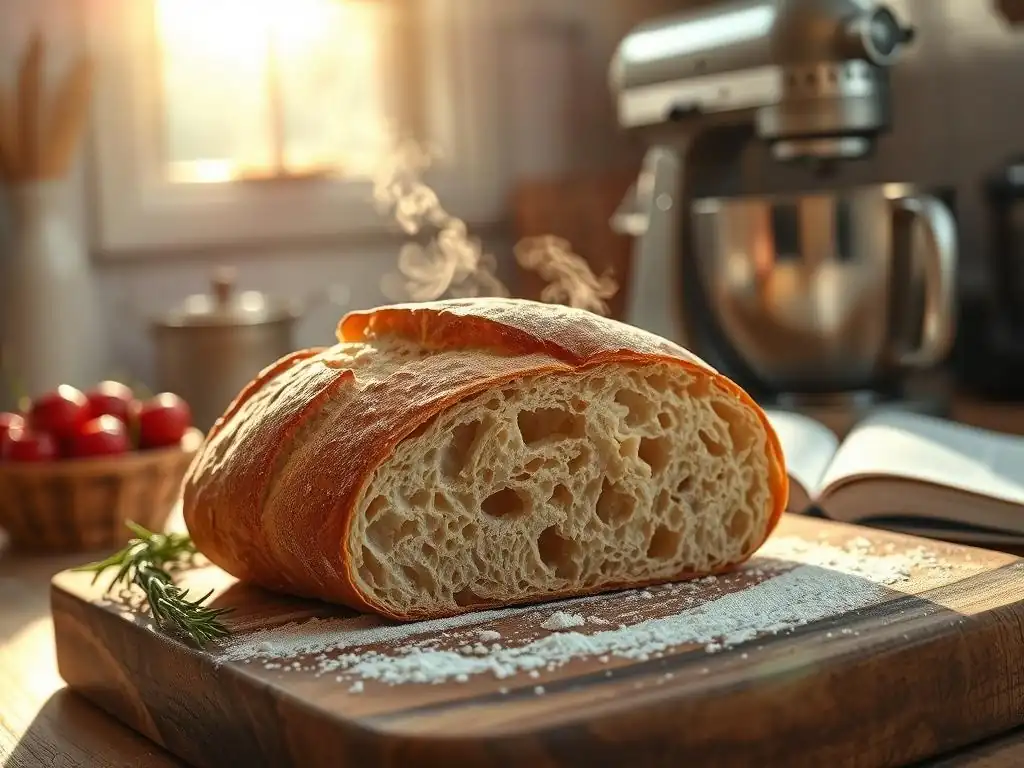
Welcome to BakeWithEase, your trusted companion in the delightful world of baking! Ever craved the comforting aroma of freshly baked bread but felt short on time? Discover the magic of quick bread recipes under an hour – surprisingly delicious and utterly achievable. Intrigued? Let's unlock the secrets to rapid baking success, starting with the essentials you'll need.
- Rapid Bake Recipes: Delicious Bread Ready in Under an Hour - BakeWithEase
- Introduction to Quick Bread Baking
- Top 5 Quick Bread Recipes Under an Hour
- Essential Baking Tips for Speedy Bread
- Variations and Customizations for Your Quick Bread
- Troubleshooting Common Quick Bread Baking Problems
- Storing and Serving Your Rapid Bake Bread
- Mastering the Art of Fast Bread Baking: Conclusion
- Frequently Asked Questions
- Final Reflection: The Joy of Instant Gratification in Baking
- Unlock Your Inner Baker: Quick Breads, Amazing Results!
Rapid Bake Recipes: Delicious Bread Ready in Under an Hour - BakeWithEase
Introduction to Quick Bread Baking
The Appeal of Fast Bread Recipes: Baking on a Tight Schedule
Life moves fast, and finding time for traditional baking, which often involves hours of rising and kneading, can be a challenge. This is where the magic of quick bread recipes under hour comes in. These recipes are specifically designed to deliver warm, delicious loaves without the lengthy proofing times associated with yeast-leavened bread. Imagine deciding you want fresh bread for dinner and having a beautiful loaf ready to slice and serve in less than 60 minutes. It's a game-changer for busy weeknights, impromptu gatherings, or simply satisfying a sudden craving for homemade goodness.
The primary appeal lies in efficiency. Many quick bread recipes require minimal hands-on time – often just a few minutes of mixing – before heading straight into the oven. This dramatically reduces the overall time commitment compared to yeast breads, which might take 2-3 hours or even longer from start to finish, including multiple rises.
For instance, a classic sourdough can easily take 12-24 hours from starter activation to baked loaf, whereas a simple soda bread can be mixed and baked within 45 minutes. This speed doesn't compromise on flavor or texture; quick breads offer a delightful variety, from moist, cake-like loaves to dense, rustic rounds.
What Makes a Bread Recipe "Quick"? Exploring Yeast-Free Options
The fundamental difference between quick breads and traditional yeast breads lies in the leavening agent. Traditional breads rely on yeast, a living organism that produces carbon dioxide gas as it ferments sugars in the dough, causing it to rise slowly over time. Quick breads, on the other hand, use chemical leaveners like baking soda and baking powder. These leaveners react with acidic ingredients (like buttermilk, yogurt, or vinegar) or moisture and heat to produce carbon dioxide rapidly, often within minutes of mixing or upon hitting the oven's heat.
This reliance on chemical leaveners is the secret to their speed. There's no need for a lengthy fermentation period to develop gluten structure or allow yeast to work its magic. The structure in quick breads is typically developed through the mixing of ingredients and the protein structure provided by flour and eggs (if used).
The immediate reaction of the leaveners means the dough or batter can go directly into the oven, resulting in a bread that is fully baked and ready to eat in a fraction of the time. This makes them perfect candidates for quick bread recipes under hour, offering diverse options like muffins, scones, and various loaves that fit the rapid bake category.
Top 5 Quick Bread Recipes Under an Hour
Recipe 1: Classic Irish Soda Bread - Ready in 45 Minutes
Irish Soda Bread is a quintessential example of a fast bread recipe. Its simplicity and reliance on baking soda as the primary leavener mean it can be mixed and baked in under 45 minutes, making it one of the fastest quick bread recipes under hour available. It's traditionally made with just four ingredients: flour, salt, baking soda, and buttermilk, though variations exist. The acidic buttermilk reacts with the baking soda to create lift, resulting in a dense yet tender crumb.
This bread is incredibly forgiving and requires minimal kneading, often just enough to bring the dough together. The traditional cross cut into the top isn't just decorative; it helps the heat penetrate the thick loaf evenly and, according to folklore, lets the fairies out. Baking at a relatively high temperature initially helps the bread rise quickly before the temperature is lowered to ensure the inside cooks through. This efficient process ensures a delicious, crusty loaf is ready for butter in well under an hour.
Ingredients for Irish Soda Bread
- 2 cups all-purpose flour
- 1 teaspoon baking soda
- 1/2 teaspoon salt
- 1 1/2 cups buttermilk (approximately)
Irish Soda Bread Baking Instructions
-
- [ ] Preheat your oven to 425°F (220°C). Lightly flour a baking sheet or line it with parchment paper.
-
- [ ] In a large bowl, whisk together the flour, baking soda, and salt.
-
- [ ] Make a well in the center of the dry ingredients. Pour in most of the buttermilk, reserving a tablespoon or two.
-
- [ ] Using one hand, mix the flour into the buttermilk, drawing the flour in from the sides of the bowl. Add a little more buttermilk if needed, until the mixture just comes together as a shaggy dough. Do not overmix.
-
- [ ] Turn the dough out onto a lightly floured surface. Gently knead just a few times (about 30 seconds) to bring it into a rough ball shape. Avoid developing the gluten too much.
-
- [ ] Shape the dough into a round loaf, about 6-7 inches in diameter and 2 inches high. Place it on the prepared baking sheet.
-
- [ ] Using a sharp knife, score a deep cross into the top of the loaf, extending almost to the edges.
-
- [ ] Bake for 15 minutes. Reduce the oven temperature to 375°F (190°C) and bake for another 20-25 minutes, or until the crust is golden brown and the loaf sounds hollow when tapped on the bottom. The internal temperature should reach around 200°F (93°C).
-
- [ ] Transfer the bread to a wire rack to cool slightly before slicing.
Recipe 2: Cheddar Jalapeño Beer Bread - A Simple, Flavorful Loaf
Beer bread is another fantastic example of quick bread recipes under hour, and adding cheddar and jalapeño elevates it to a savory delight. The carbonation in the beer, combined with baking powder, acts as a powerful leavener, creating a relatively light and airy texture for a quick bread. The process is incredibly simple: mix dry ingredients, add beer and melted butter, stir, and bake. It's perfect for serving alongside chili, soup, or as a flavorful snack.
What makes this version special is the addition of sharp cheddar cheese and diced jalapeños, which infuse the loaf with savory, spicy notes. The cheese melts into pockets of gooey goodness, while the jalapeños add a pleasant kick. Because it requires minimal mixing – often just stirring with a spoon – it's hard to overwork the dough, making it very beginner-friendly. From combining ingredients to pulling it from the oven, this bread can easily be ready in 50-55 minutes, comfortably fitting within the under-an-hour timeframe.
Ingredients for Cheddar Jalapeño Beer Bread
- 3 cups self-rising flour (or 3 cups all-purpose flour + 4 1/2 tsp baking powder + 1 tsp salt)
- 1/4 cup granulated sugar (optional, for a touch of sweetness)
- 1 teaspoon salt (omit if using self-rising flour + adding salt separately)
- 1 cup shredded sharp cheddar cheese
- 1/4 cup finely diced pickled jalapeños (or fresh, seeded)
- 1 (12 ounce) bottle beer (at room temperature)
- 1/2 cup unsalted butter, melted
Cheddar Jalapeño Beer Bread Baking Instructions
-
- [ ] Preheat your oven to 375°F (190°C). Grease a 9x5 inch loaf pan.
-
- [ ] In a large bowl, whisk together the self-rising flour (or flour, baking powder, and salt if using all-purpose), sugar (if using), cheddar cheese, and diced jalapeños.
-
- [ ] Pour the bottle of beer into the dry ingredients. Stir with a spoon until just combined. The batter will be thick and sticky. Do not overmix.
-
- [ ] Pour half of the melted butter into the bottom of the prepared loaf pan.
-
- [ ] Scoop the batter into the loaf pan, spreading it evenly.
-
- [ ] Pour the remaining melted butter over the top of the batter.
-
- [ ] Bake for 45-50 minutes, or until a toothpick inserted into the center comes out clean and the top is golden brown and crusty. The internal temperature should be around 200°F (93°C).
-
- [ ] Let the bread cool in the pan for 10-15 minutes before turning it out onto a wire rack to cool completely before slicing.
Recipe 3: Honey Cornbread - A Southern Comfort
Honey Cornbread is a beloved staple, known for its moist crumb and slightly sweet flavor. It's a classic quick bread that relies on baking powder and sometimes baking soda for lift, making it incredibly fast to prepare. Unlike yeast breads, the batter is simply mixed until the dry and wet ingredients are just combined, then poured into a hot pan (often cast iron) for baking. This minimal mixing prevents the development of tough gluten strands, resulting in that signature tender texture.
Adding honey not only contributes sweetness but also moisture, helping to keep the cornbread from drying out during the relatively short baking time. Many recipes call for baking this bread in a hot cast iron skillet, which helps create a wonderfully crispy crust while the inside remains soft. From start to finish, including mixing and baking, a batch of honey cornbread can be ready in about 30-35 minutes, easily making it one of the speediest quick bread recipes under hour.
Ingredients for Honey Cornbread
- 1 cup yellow cornmeal
- 1 cup all-purpose flour
- 1/2 cup granulated sugar
- 1 tablespoon baking powder
- 1/2 teaspoon salt
- 2 large eggs, lightly beaten
- 1 cup milk
- 1/2 cup melted unsalted butter or vegetable oil
- 1/4 cup honey
Honey Cornbread Baking Instructions
-
- [ ] Preheat your oven to 400°F (200°C). If using a cast iron skillet (recommended for a crispy crust), place it in the oven while it preheats. Add about 2 tablespoons of butter or oil to the skillet to melt.
-
- [ ] In a large bowl, whisk together the cornmeal, flour, sugar, baking powder, and salt.
-
- [ ] In a separate medium bowl, whisk together the eggs, milk, melted butter (or oil), and honey.
-
- [ ] Pour the wet ingredients into the dry ingredients. Stir with a spoon or spatula until just combined. A few lumps are okay; do not overmix.
-
- [ ] Carefully remove the hot skillet from the oven (if using). Swirl the melted butter/oil to coat the bottom and sides.
-
- [ ] Pour the batter into the hot skillet (or a greased 8x8 inch baking pan).
-
- [ ] Bake for 20-25 minutes, or until the cornbread is golden brown around the edges and a toothpick inserted into the center comes out clean. The internal temperature should be around 200°F (93°C).
-
- [ ] Let the cornbread cool slightly in the pan before slicing and serving warm.
Recipe 4: Chocolate Chip Banana Bread - A Ripe Banana Solution
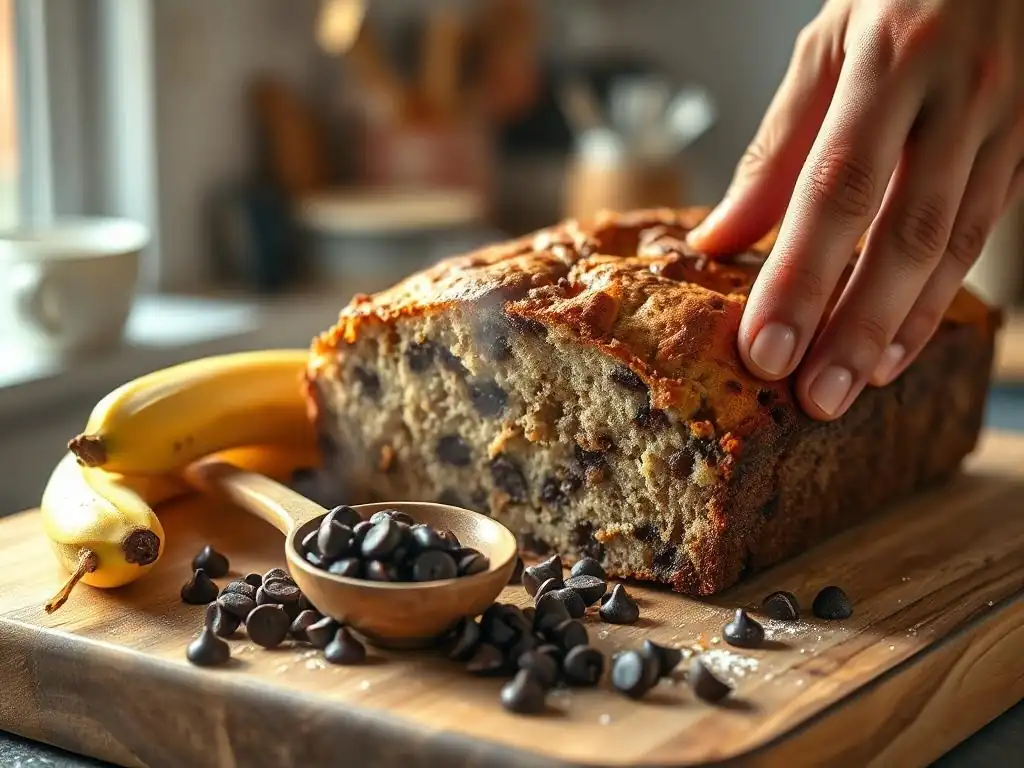
While often thought of as a cake, Banana Bread is technically a quick bread because it uses baking soda and/or baking powder for leavening and requires no yeast or rising time. It's the perfect solution for using up those overly ripe bananas on your counter. The mashed bananas provide moisture and natural sweetness, contributing to the bread's dense, moist texture. Adding chocolate chips makes it an irresistible treat.
The process involves mixing wet ingredients (including mashed bananas) and dry ingredients separately, then combining them gently. Overmixing is the enemy here, as it can lead to a tough loaf. The batter is then poured into a loaf pan and baked. With minimal preparation and a baking time typically around 50-60 minutes (for a standard loaf size), it often just fits into the category of quick bread recipes under hour, especially if you have your ingredients ready.
Ingredients for Chocolate Chip Banana Bread
- 3 very ripe bananas, mashed (about 1 1/2 cups)
- 1/3 cup melted unsalted butter
- 1/2 teaspoon baking soda
- Pinch of salt
- 1/2 cup granulated sugar
- 1 large egg, lightly beaten
- 1 teaspoon vanilla extract
- 1 1/2 cups all-purpose flour
- 1/2 cup chocolate chips (milk, dark, or semi-sweet)
Chocolate Chip Banana Bread Baking Instructions
-
- [ ] Preheat your oven to 350°F (175°C). Grease and flour a 9x5 inch loaf pan.
-
- [ ] In a large bowl, mash the ripe bananas thoroughly with a fork.
-
- [ ] Stir the melted butter into the mashed bananas.
-
- [ ] Stir in the baking soda and salt.
-
- [ ] Add the sugar, egg, and vanilla extract to the banana mixture and stir until well combined.
-
- [ ] Add the flour to the wet ingredients. Stir until just combined; do not overmix. A few streaks of flour are okay.
-
- [ ] Gently fold in the chocolate chips.
-
- [ ] Pour the batter into the prepared loaf pan.
-
- [ ] Bake for 50-60 minutes, or until a toothpick inserted into the center comes out clean. The top should be golden brown. If the top starts to brown too quickly, you can loosely tent it with foil after about 40 minutes.
-
- [ ] Let the bread cool in the pan for 10 minutes before turning it out onto a wire rack to cool completely before slicing.
Recipe 5: Whole Wheat Irish Brown Bread - A Rustic Delight
Whole Wheat Irish Brown Bread is a hearty, rustic quick bread that, like its white counterpart, relies on baking soda and buttermilk for leavening. The inclusion of whole wheat flour gives it a nuttier flavor and denser texture compared to white soda bread. It's incredibly simple to make, requiring minimal mixing and no rising time, making it another excellent candidate for quick bread recipes under hour.
The higher fiber content from the whole wheat flour means it absorbs liquid differently than white flour, so the amount of buttermilk can sometimes vary slightly depending on the flour's absorption. The key is to mix just until the dough comes together. This bread is traditionally baked as a round loaf, often with the signature cross scored on top. It pairs wonderfully with butter, jam, or cheese. With a total time often around 45-50 minutes, it's a fast and satisfying bake.
Ingredients for Whole Wheat Irish Brown Bread
- 2 cups whole wheat flour
- 1/2 cup all-purpose flour
- 1 teaspoon baking soda
- 1/2 teaspoon salt
- 1 3/4 cups buttermilk (approximately)
Whole Wheat Irish Brown Bread Baking Instructions
-
- [ ] Preheat your oven to 400°F (200°C). Lightly flour a baking sheet or line it with parchment paper.
-
- [ ] In a large bowl, whisk together the whole wheat flour, all-purpose flour, baking soda, and salt.
-
- [ ] Make a well in the center of the dry ingredients. Pour in most of the buttermilk, reserving a little.
-
- [ ] Using one hand, mix the flour into the buttermilk, drawing the flour in from the sides of the bowl. Add a little more buttermilk if needed, until the mixture just comes together as a shaggy dough. It will be stickier than white soda bread dough. Do not overmix.
-
- [ ] Turn the dough out onto a generously floured surface. Gently shape it into a round loaf, about 6-7 inches in diameter. Do not knead.
-
- [ ] Place the loaf on the prepared baking sheet. Using a sharp knife, score a deep cross into the top of the loaf.
-
- [ ] Bake for 35-40 minutes, or until the crust is firm and the loaf sounds hollow when tapped on the bottom. The internal temperature should reach around 200°F (93°C).
-
- [ ] Transfer the bread to a wire rack to cool slightly before slicing.
Essential Baking Tips for Speedy Bread
Measuring Ingredients Accurately for Quick Bread Baking
Accuracy in measuring ingredients is paramount when working with quick bread recipes under hour. Unlike yeast breads where slight variations in flour or liquid can often be adjusted during kneading or proofing, quick breads rely on precise chemical reactions between leaveners and wet ingredients. Too much flour can result in a dry, dense loaf, while too little might make it too wet and unable to hold its structure.
For dry ingredients like flour, the scoop-and-level method (gently spooning flour into the measuring cup and leveling off the excess with a straight edge) is generally recommended over scooping directly from the bag, which can pack the flour too tightly. A difference of just a quarter cup of flour in a recipe calling for 2 cups can significantly impact the final texture and rise.
Liquid ingredients, especially acidic ones like buttermilk or yogurt, are also critical. The ratio of acidic liquid to baking soda needs to be balanced for the leavening reaction to occur correctly and efficiently. Using a liquid measuring cup at eye level ensures accurate volume. Even fats like melted butter or oil play a key role in moisture and tenderness, so measuring them precisely prevents greasiness or dryness. Taking a moment to measure carefully ensures the chemical leaveners perform optimally within the rapid baking timeframe, leading to a successful rapid bake.
Oven Temperature and Baking Time Considerations
The correct oven temperature is crucial for quick bread recipes under hour. These recipes often start at a slightly higher temperature than yeast breads (e.g., 375°F to 425°F) for the first part of the bake. This initial blast of heat helps activate the chemical leaveners quickly, providing a rapid initial rise (known as oven spring) before the structure sets. Baking powder reacts immediately upon contact with liquid and gets a second boost from heat, while baking soda needs an acidic ingredient and heat. A properly preheated oven is essential to trigger these reactions at the right time.
Baking times provided in recipes are estimates. Ovens can vary significantly in temperature accuracy – sometimes by as much as 25-50°F. An oven thermometer is a small investment that ensures your oven is actually at the temperature the recipe specifies. For quick breads, baking times typically range from 20 minutes for smaller items like muffins up to 60 minutes for larger loaves.
To check for doneness without cutting, look for visual cues like a golden-brown crust and edges pulling away from the pan. A toothpick inserted into the center should come out clean, and for denser loaves, tapping the bottom should produce a hollow sound. An internal temperature check (around 200°F) is the most reliable method.
Using the Right Baking Pan for Optimal Results
The type and size of the baking pan significantly impact how quick bread recipes under hour bake. Using the pan size specified in the recipe is important because it affects the batter's thickness and how heat distributes.
A batter spread too thin in a large pan will overcook quickly, resulting in a dry loaf, while a batter too deep in a small pan might result in a raw center by the time the outside is done. A standard loaf pan size is 9x5 inches, but recipes might call for 8x4 inches, square pans (like 8x8 inches), or even round cake pans for soda bread.
Material also matters. Metal pans, particularly darker ones, conduct heat efficiently and can lead to faster browning and crispier crusts. Glass pans heat up more slowly but retain heat longer, which can be beneficial for thorough cooking but sometimes requires reducing the oven temperature by 25°F to prevent overbrowning. Ceramic or stoneware pans also retain heat well. Greasing and potentially flouring the pan (or using parchment paper) is vital to prevent sticking, especially with moist quick bread batters. Ensuring the pan is properly prepared guarantees your delicious rapid bake releases cleanly.
Variations and Customizations for Your Quick Bread
Adding Flavors: Herbs, Cheese, and Spices
Quick bread recipes under hour offer a fantastic canvas for flavor experimentation. Savory additions like fresh or dried herbs, cheeses, and spices can transform a simple loaf into something special. For instance, adding chopped fresh rosemary and black pepper to a basic soda bread or beer bread recipe can create a fragrant, savory accompaniment to soups or stews. Incorporating shredded sharp cheddar and a pinch of cayenne pepper into a standard quick bread batter yields a cheesy, slightly spicy loaf perfect for sandwiches or snacking.
Spices like garlic powder, onion powder, or even a touch of smoked paprika can add depth to savory quick breads. Consider folding in ingredients like sun-dried tomatoes, olives, or caramelized onions for more complex flavors. When adding these ingredients, ensure they are evenly distributed throughout the batter without overmixing. For every 2 cups of flour, start with about 1/4 to 1/2 cup of cheese or other solid mix-ins and 1-2 teaspoons of dried herbs or spices, adjusting to your taste. These simple additions can significantly enhance the appeal of your rapid bake creations.
Sweet Variations: Fruits, Nuts, and Chocolate Chips
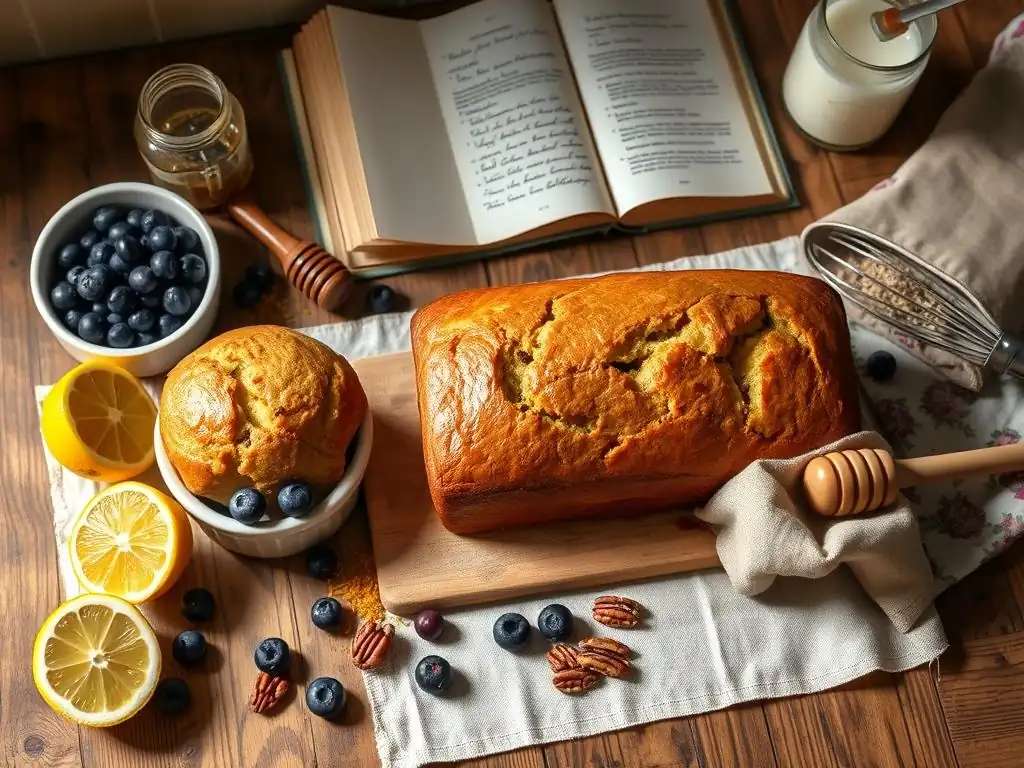
For those with a sweet tooth, quick bread recipes under hour are easily adapted with fruits, nuts, and chocolate chips. Banana bread is the classic example, but many quick bread bases can accommodate these additions. Adding fresh or frozen berries (like blueberries or raspberries), diced apples, or shredded zucchini (surprisingly moist!) can add natural sweetness and moisture. Ensure fruits are not excessively wet, or toss them lightly in a tablespoon of flour before adding to the batter to prevent them from sinking to the bottom.
Nuts such as walnuts, pecans, or almonds provide crunch and nutty flavor. Toasted nuts offer an even richer taste. Chocolate chips, butterscotch chips, or white chocolate chunks are always popular additions, melting slightly during baking to create pockets of indulgence. For a typical loaf recipe using about 2 cups of flour, incorporating 1/2 to 1 cup of total mix-ins (fruits, nuts, chips) is a good starting point. These sweet variations make quick breads perfect for breakfast, dessert, or a satisfying snack.
Adapting Recipes for Dietary Needs: Gluten-Free and Vegan Options
Many quick bread recipes under hour can be adapted to accommodate dietary restrictions, such as gluten-free or vegan diets. For gluten-free quick breads, replacing wheat flour with a good quality gluten-free all-purpose baking blend (often containing a mix of rice flour, sorghum flour, tapioca starch, etc.) is the most common approach. Some blends work as a direct 1:1 substitute for wheat flour, while others may require slight adjustments to liquid. Adding a binder like xanthan gum (usually 1/4 to 1/2 teaspoon per cup of flour blend) is often necessary to provide structure that gluten would normally provide.
To make a quick bread vegan, substitute eggs with alternatives like flax eggs (1 tablespoon ground flaxseed + 3 tablespoons water per egg, let sit for 5 minutes), mashed banana, applesauce, or commercial egg replacers. Dairy milk can be replaced with plant-based milks (almond, soy, oat, etc. ), and butter can be swapped for vegan butter or oil. Buttermilk can be replicated by adding 1 tablespoon of vinegar or lemon juice to 1 cup of plant-based milk and letting it sit for 5-10 minutes. These substitutions allow everyone to enjoy delicious, rapid bake goods regardless of dietary needs.
Troubleshooting Common Quick Bread Baking Problems
Bread Not Rising Properly: Common Causes and Solutions
One of the most frustrating issues with quick bread recipes under hour is when the bread doesn't rise as expected, resulting in a dense, heavy loaf. The most common culprits relate directly to the leavening agents. Ensure your baking powder and baking soda are fresh; they lose potency over time, typically after 6-12 months once opened. You can test baking powder by adding a teaspoon to hot water; it should fizz vigorously. For baking soda, add a teaspoon to a little vinegar; it should also bubble strongly.
Another frequent cause is overmixing the batter. Quick breads rely on the delicate reaction of chemical leaveners. Vigorous or prolonged mixing develops gluten in the flour, which creates a tough structure that can restrict the leavening agents' ability to create air pockets and lift the bread. Mix only until the dry and wet ingredients are just combined – a few lumps are perfectly fine. Lastly, ensure your liquid ingredients, especially buttermilk if using baking soda, are present and correctly measured, as the acid is necessary to activate the leavening.
Bread Too Dry: Preventing and Correcting Dryness
A dry quick bread is often the result of too much flour, too little liquid or fat, or overbaking. As mentioned earlier, inaccurate flour measurement (e.g., packing flour into the cup) is a major contributor to dryness. Using the scoop-and-level method helps prevent this. Ensure you are using the correct amount of liquid (milk, buttermilk, eggs, mashed fruit) and fat (butter, oil) as specified in the recipe, as these provide essential moisture. If your batter seems exceptionally thick before baking, you might need a tablespoon or two more liquid, depending on the recipe and flour type.
Overbaking is another common cause. Baking for too long or at too high a temperature (if your oven runs hot) evaporates moisture from the bread. Always start checking for doneness at the minimum time suggested in the recipe. Relying on visual cues and the toothpick test helps prevent overbaking. If you suspect your oven runs hot, use an oven thermometer and adjust the temperature accordingly. Storing the bread properly after baking (see below) can also help maintain moisture.
Bread Too Dense: Achieving a Lighter Texture
Density in quick bread recipes under hour can stem from several factors, often overlapping with issues of poor rise or dryness. Overmixing is a primary cause; developing too much gluten creates a tight, dense crumb structure instead of a tender one. Mix gently and only until the dry and wet ingredients are just incorporated. Using expired or inactive leavening agents will also result in a lack of lift, leaving the bread heavy and dense.
Insufficient leavening or an incorrect ratio of leavener to flour or acidic ingredient is another reason. Ensure you're using the specified type and amount of leavening (baking powder, baking soda, or a combination) and that your acidic ingredient (like buttermilk) is fresh and measured correctly if the recipe relies on baking soda. Sometimes, the recipe itself might be formulated for a denser texture (like some rustic soda breads), but if you're aiming for a lighter crumb, ensuring fresh leaveners and minimal mixing are the most critical steps.
Storing and Serving Your Rapid Bake Bread

Best Practices for Storing Quick Bread
Proper storage is key to keeping your quick bread fresh and moist after it comes out of the oven within the under-an-hour timeframe. Once the bread has cooled completely on a wire rack (cooling while warm can trap steam and make it soggy), the best way to store most quick breads is wrapped tightly. For loaves, wrapping in plastic wrap or aluminum foil is effective. This creates a barrier that prevents moisture loss and keeps the bread from drying out.
Alternatively, you can store quick bread in an airtight container or a resealable plastic bag. This is particularly good for sliced bread or smaller items like muffins or scones. Stored at room temperature, most quick breads will stay fresh for 2-3 days. For longer storage, quick breads freeze exceptionally well. Wrap cooled loaves or slices tightly in plastic wrap, then place in a freezer bag or foil. Frozen quick bread can maintain quality for 2-3 months. Thaw at room temperature or gently warm slices in a toaster or oven.
Serving Suggestions and Complementary Dishes
Quick bread recipes under hour are incredibly versatile and can be served in numerous ways, depending on whether they are savory or sweet. Savory quick breads like Irish Soda Bread or Cheddar Jalapeño Beer Bread are wonderful served warm with butter, alongside hearty stews, chilis, or soups. They make excellent bases for open-faced sandwiches or can be served as part of a cheese board. A warm slice of savory quick bread pairs perfectly with a pat of butter melting into its crumb.
Sweet quick breads like Honey Cornbread or Chocolate Chip Banana Bread are delightful for breakfast or brunch, served simply sliced or with butter, jam, honey, or cream cheese. Banana bread is often enjoyed as is or lightly toasted. Cornbread is a classic accompaniment to Southern dishes like collard greens or barbecue. For a dessert-like experience, serve sweet quick breads with a scoop of ice cream or a drizzle of glaze. The speed of these recipes makes them perfect for complementing a meal without adding significant preparation time.
Mastering the Art of Fast Bread Baking: Conclusion
Mastering quick bread recipes under hour opens up a world of possibility for enjoying homemade bread anytime, even on the busiest days. By understanding the role of chemical leaveners, practicing accurate measurement, and paying attention to oven temperature and baking time, you can consistently produce delicious, rapid bake loaves. From rustic soda breads to sweet banana loaves, the variety is vast, and the process is forgiving enough for bakers of all skill levels.
Embracing these fast bread recipes means more opportunities to enjoy warm, fresh bread with minimal effort. Experiment with different flavors, adapt recipes to suit dietary needs, and use the troubleshooting tips to navigate common issues. With these quick bread recipes under hour in your repertoire, you're never more than 60 minutes away from a satisfying, homemade loaf that brings comfort and flavor to any meal or moment. Happy baking!
Frequently Asked Questions
What exactly qualifies as a " quick bread"?
Quick breads are breads leavened with chemical agents like baking powder or baking soda, rather than yeast. This allows for a much faster baking time.
What are some common ingredients found in " quick bread recipes"?
Typical ingredients include flour, sugar, eggs, a fat (like butter or oil), and a leavening agent such as baking powder or baking soda. Liquid, such as milk or buttermilk, is also essential.
How can I ensure my " quick bread" is moist and doesn't dry out?
Avoid overmixing the batter, as this can develop the gluten too much, leading to a tough bread. Also, ensure you're using the correct oven temperature and checking for doneness with a toothpick.
What makes " quick bread recipes" ideal for busy bakers?
Their appeal lies in their speed and simplicity. Because they don't require proofing time like yeast breads, you can have a freshly baked loaf in under an hour.
Can I customize " quick bread recipes" with different add-ins?
Absolutely! Quick breads are incredibly versatile. You can add fruits, nuts, chocolate chips, spices, or even vegetables to create endless variations based on your preferences.
Final Reflection: The Joy of Instant Gratification in Baking
The accessibility of quick bread recipes has revolutionized home baking, proving that delicious, homemade bread doesn't require hours of painstaking effort. This newfound ease allows even the busiest individuals to experience the simple pleasure and rewarding aroma of freshly baked bread, transforming the kitchen into a haven of comforting scents and satisfying results.
The impact of readily available quick bread recipes extends beyond mere convenience; it fosters a sense of accomplishment and connection to culinary traditions. It empowers individuals to create something beautiful and nourishing from simple ingredients, fostering a deeper appreciation for the process and the final product. Baking is at once child's play and adult joy. And love, of course.
This quote perfectly encapsulates the emotional resonance of baking, especially when the process is streamlined and accessible to all.
Now, consider your own kitchen. Imagine the possibilities: a warm loaf of sourdough ready for a weeknight dinner, or sweet cornbread perfectly complementing a chili. Don't let the perceived complexity of baking hold you back. Embrace the speed and simplicity of these recipes, experiment with different flavors and ingredients, and discover the joy of creating something delicious and satisfying in under an hour. The aroma alone is worth the effort!
Unlock Your Inner Baker: Quick Breads, Amazing Results!
Thanks for joining us on this delicious journey into the world of rapid-bake bread! We hope you've discovered some new favorites and feel inspired to get baking. Now it's time to put your newfound knowledge into action.
- Try out your favorite recipe from the article today! Grab those ingredients and experience the joy of fresh-baked bread in under an hour. This is your chance to prove to yourself that delicious baking doesn't have to be time-consuming.
- Share your baking triumphs (and maybe even your flops!) with us on social media! Let's inspire each other with our baking adventures! Use #BakeWithEaseRapidRecipes to join the conversation.
- Explore our other quick bread recipes on BakeWithEase.com – we have a whole library waiting to be discovered!
What quick bread will you bake first, and what unexpected ingredient are you going to experiment with? Let’s hear it in the comments!