
Packaging for Protection: Ensuring Food Safety During Transport

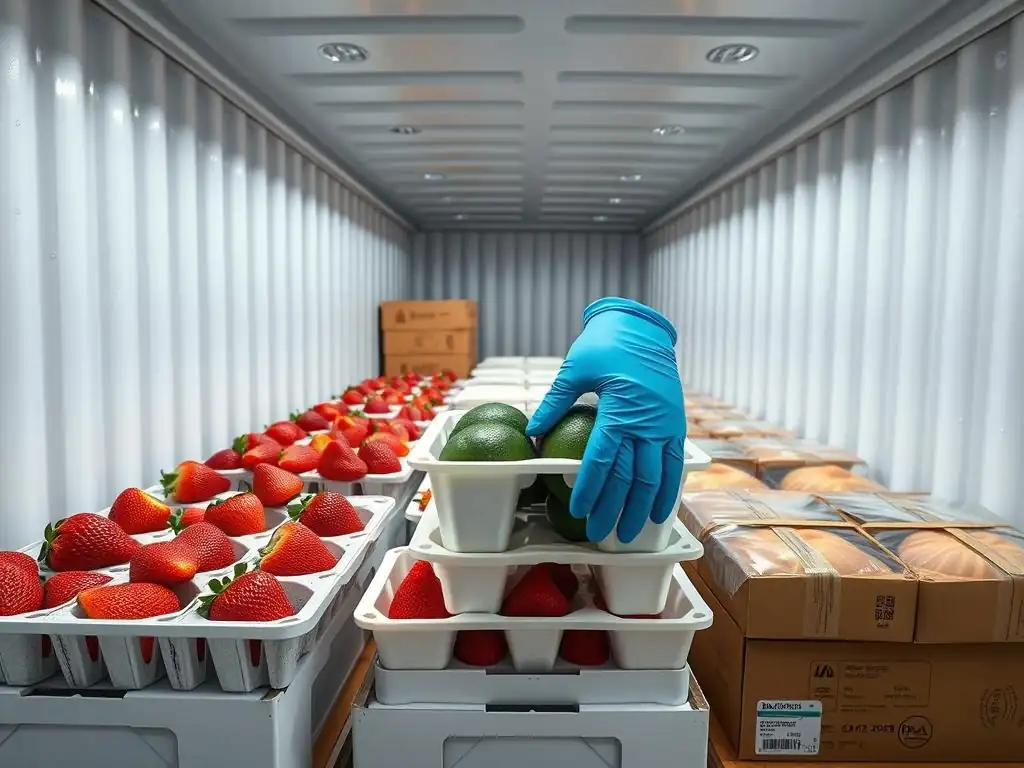
Welcome to BakeWithEase, your trusted guide to the delightful world of baking! Ever wondered how to ensure your meticulously crafted creations arrive in perfect condition, ready to impress? Dive into our latest article, " Packaging for Protection: Ensuring Food Safety During Transport," and discover essential insights into food transport packaging safety. Learn how to safeguard your baked goods and maintain their quality, whether you're sharing with loved ones or building your own home baking business. Intrigued? Keep reading to unlock the secrets to safe and successful transport!
- Introduction to Food Transport Packaging Safety for Baked Goods
- Understanding Food Safety Risks During Transport
- Selecting the Right Food Transport Packaging Materials
- Best Practices for Packaging Baked Goods for Transport
- Maintaining Temperature Control During Food Transportation
- Safe Food Handling Procedures During Transport
- Complying with Food Safety Regulations for Home Baking Businesses
- DIY Food Transport Packaging Solutions for Small Batches
- Advanced Food Transport Packaging Solutions for Larger Operations
- Troubleshooting Common Food Transport Packaging Challenges
- The Future of Food Transport Packaging for Home Bakers
-
Frequently Asked Questions
- How does BakeWithEase ensure food safety during transport in its recipes?
- What types of Food transport packaging does BakeWithEase recommend for different baked goods?
- Why is proper Food transport packaging safety important, according to BakeWithEase?
- What are some common mistakes to avoid when selecting Food transport packaging?
- Where can I find more detailed information about Food transport packaging safety on BakeWithEase?
- Final Reflection: The Enduring Importance of Safe Food Transport
- Elevate Your Baking: Secure Your Sweet Success!
Introduction to Food Transport Packaging Safety for Baked Goods
Why Food Transport Packaging Matters for Home Bakers
For home bakers turning their passion into a business, ensuring the safety and quality of your delicious creations during transit is just as crucial as perfecting your recipes. Effective food transport packaging safety isn't merely about aesthetics; it's a critical step in preventing contamination, maintaining freshness, and protecting your customers' health. Think about the journey your goods take – from your cooling rack to your customer's hands. Without proper packaging, your beautifully crafted cake or fresh loaf of bread is vulnerable to physical damage, environmental contaminants, and temperature fluctuations that can compromise its safety and appeal.
Prioritizing safe food transport packaging helps build trust with your customers. When they receive your baked goods in pristine condition, knowing they were handled and packaged with care, it reinforces your commitment to quality and safety. This attention to detail can significantly impact repeat business and word-of-mouth referrals. Investing time in understanding and implementing best practices for food transport packaging safety is an investment in your business's reputation and long-term success, ensuring that every bite your customer takes is as safe and delightful as intended.
The Importance of Safe Food Handling and Packaging
Safe food handling practices begin long before packaging, covering everything from ingredient sourcing and preparation to baking and cooling. However, the transition from kitchen to customer introduces new risks. This is where safe food transport packaging becomes paramount. It acts as the final barrier, protecting your products from the external environment during what can be the most unpredictable part of their journey. Without this protective layer, baked goods can easily become exposed to airborne pathogens, pests, or cross-contamination from other items being transported.
Furthermore, proper packaging plays a vital role in maintaining the intended characteristics of your baked goods, which indirectly relates to safety. For instance, packaging that prevents moisture loss keeps bread from staling too quickly, reducing waste. Packaging that prevents moisture gain keeps cookies crisp, preventing textures that could signal spoilage or improper storage. Adhering to principles of food transport packaging safety ensures that the quality you baked into your product is the quality your customer receives, minimizing risks associated with degradation or contamination during handling and transit.
Understanding Food Safety Risks During Transport
Temperature Control and Its Impact on Baked Goods Safety
Temperature is a critical factor in maintaining the safety of many baked goods, especially those containing perishable fillings like custards, creams, or fresh fruit. The "danger zone" for bacterial growth is generally considered to be between 40°F (4°C) and 140°F (60°C).
While many traditional baked goods like plain bread or cookies are less susceptible to rapid bacterial growth at room temperature, items with high moisture or protein content can become breeding grounds for harmful microorganisms if they remain in this temperature range for extended periods during transport. For example, a cheesecake left in a warm car could quickly reach unsafe temperatures, potentially leading to foodborne illness.
Effective food transport packaging safety strategies must address temperature control. This might involve ensuring products are properly cooled before packaging, using insulated materials, or incorporating cooling elements for items requiring refrigeration. The goal is to keep perishable goods out of the danger zone during their entire journey. Even items that don't strictly require refrigeration can benefit from temperature consideration; excessive heat can degrade fats, alter textures, and reduce the overall shelf life and quality, though the primary concern for perishable items remains preventing microbial proliferation.
Potential Contamination Sources During Food Transportation
During transport, baked goods face numerous potential sources of contamination. These can be biological, chemical, or physical. Biological contaminants include bacteria, viruses, and mold, which can be introduced from unclean hands, dirty surfaces, or airborne particles. Chemical contaminants might come from cleaning supplies, vehicle exhaust, or inappropriate packaging materials that leach substances into the food. Physical contaminants could be anything from dust and dirt to pests or foreign objects that find their way into poorly sealed packaging.
Ensuring food transport packaging safety means creating a robust barrier against these threats. Packaging should be sealed properly to prevent ingress of contaminants. Transport vehicles must be clean and dedicated, or at least thoroughly cleaned, before loading food products. Imagine a scenario where baked goods are transported alongside cleaning chemicals or raw produce; without secure, protective packaging, cross-contamination is a significant risk. Implementing strict hygiene protocols during loading and unloading is also essential to minimize the risk of introducing contaminants from handlers or the environment.
The Role of Packaging in Preventing Foodborne Illness
Packaging is the frontline defense in preventing foodborne illness during the transport phase. By creating a protective barrier, it isolates the baked goods from environmental hazards. Proper food transport packaging prevents direct contact with potentially contaminated surfaces, hands, or air. It also helps maintain the product's intended temperature, slowing or preventing the growth of pathogens in perishable items.
Consider a delicate pastry. Appropriate packaging not only protects it from being crushed but also shields it from dust and microbes in the air. For items requiring refrigeration, insulated packaging, combined with coolants, maintains a safe temperature, directly mitigating the risk of bacterial growth that could lead to illness. Effective food transport packaging safety measures are not just about preserving the product's appearance; they are fundamentally about ensuring that the food remains safe to eat from the moment it leaves your kitchen until it reaches your customer.
Selecting the Right Food Transport Packaging Materials
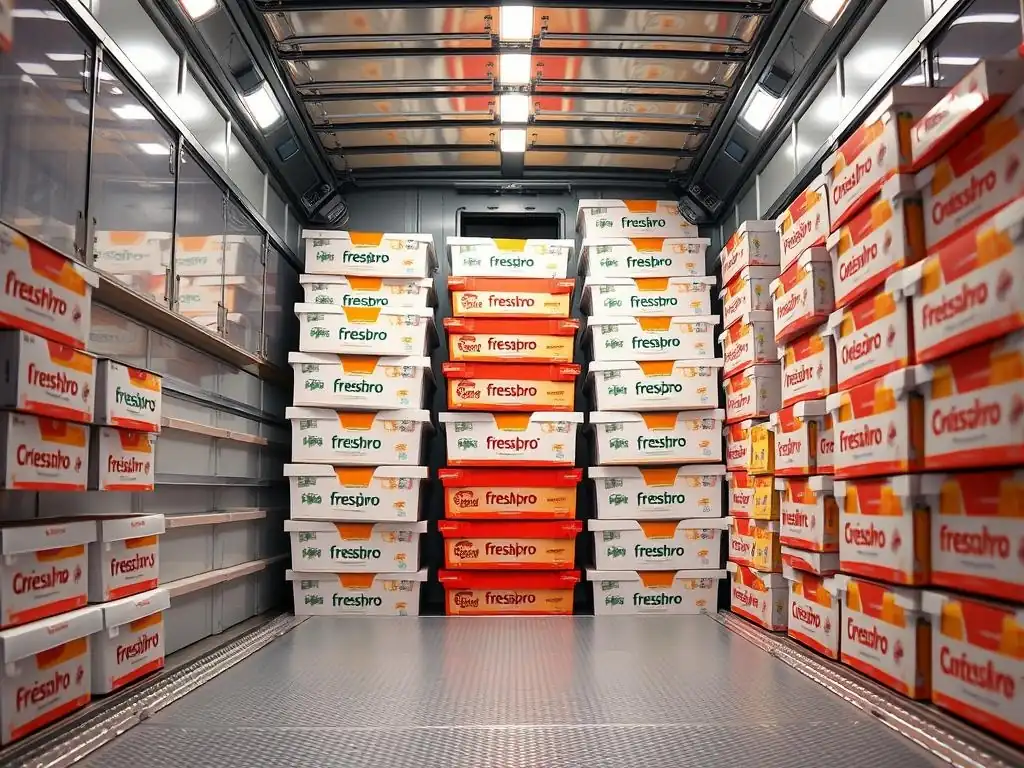
Best Packaging Materials for Different Types of Baked Goods
Choosing the appropriate packaging material is fundamental to food transport packaging safety and maintaining product quality. Different baked goods have unique needs. For instance, cakes and cupcakes require rigid packaging that prevents crushing and allows for secure handling, while cookies need packaging that protects them from breakage and moisture.
Common materials include corrugated cardboard boxes (often lined with food-safe paper or film), plastic containers (PET, PP, etc. ), paperboard boxes, and various types of films and wraps (cellophane, polypropylene). The choice depends on the product's fragility, moisture content, temperature requirements, and shelf life. Selecting the right material ensures the packaging performs its primary function: protecting the food safely during transport.
Choosing Packaging for Cakes and Cupcakes
Cakes and cupcakes are particularly vulnerable during transport due to their delicate structure and often elaborate decorations. The best packaging provides robust structural support. Sturdy cardboard boxes with internal supports or inserts for cupcakes are standard. These boxes prevent the items from shifting and colliding with each other or the box walls.
For larger or tiered cakes, custom boxes or specialized cake carriers might be necessary. The material should be food-grade and strong enough to handle the weight and potential bumps of transit. A common practice for home bakers is using corrugated cardboard boxes that are easy to assemble and provide good insulation and protection against physical damage, ensuring food transport packaging safety for these fragile items.
Selecting Packaging for Cookies and Brownies
Cookies and brownies require packaging that protects them from breakage while also managing moisture. If cookies are meant to be crisp, packaging should ideally limit moisture exposure. If brownies are meant to be soft and moist, the packaging should help retain that moisture. Flexible films, like cellophane or polypropylene, are often used for wrapping individual cookies or stacking them in bags, providing a barrier against moisture and air.
For larger quantities or gift packaging, paperboard boxes or tins are popular. Lining these with food-grade paper or using food-safe wraps inside adds an extra layer of protection and helps maintain freshness. The key for food transport packaging safety with cookies and brownies is balancing protection from physical damage with the need to preserve their intended texture and prevent staling or mold growth.
Packaging Solutions for Breads and Pastries
Breads and pastries have varied needs. Crusty breads benefit from packaging that allows some air circulation to prevent the crust from becoming soggy, such as paper bags (often lined or specially treated). However, for longer transport or to maintain freshness, a combination of paper and breathable plastic or a ventilated plastic bag might be used.
Soft breads, like challah or brioche, and most pastries require packaging that protects their shape and prevents drying out. Heat-sealed plastic bags, often made of polypropylene or polyethylene, are common as they provide a good moisture barrier. Boxes, similar to those for cakes but potentially less rigid depending on the item, are also used for pastries like croissants or danishes to prevent crushing, ensuring effective food transport packaging safety.
Factors to Consider When Choosing Food-Safe Packaging
Beyond the type of baked good, several critical factors influence the choice of food-safe packaging materials. These factors directly impact the effectiveness of your food transport packaging safety measures and the overall quality of your product upon arrival.
- Task List:
- Assess product characteristics (fragility, moisture, temperature needs).
- Evaluate material properties (durability, barrier, insulation).
- Check for food-grade certification and regulatory compliance.
- Consider transport duration and conditions.
- Evaluate environmental impact and sustainability options.
- Factor in cost-effectiveness for your business scale.
Making an informed decision based on these points is vital for successful and safe delivery.
Material Durability and Resistance
The packaging material must be durable enough to withstand the rigors of transport. This includes handling, stacking, and potential bumps or vibrations. A flimsy box won't protect a cake, and a thin bag might tear, exposing cookies. Corrugated cardboard, for example, offers good stacking strength and resistance to impact, making it suitable for boxes.
Resistance to environmental factors is also key for food transport packaging safety. This might mean resistance to moisture (preventing soggy packaging or moisture ingress) or grease (preventing stains and structural weakening). Materials like grease-resistant paperboard or coated cardboard are often used for items like brownies or pastries with buttery crusts to maintain the packaging's integrity and appearance.
Temperature Insulation Properties
For baked goods that need to maintain a specific temperature during transport, the packaging material's insulation properties are crucial. While standard cardboard offers some minimal insulation, materials like expanded polystyrene (EPS - styrofoam) or insulated cardboard boxes provide much better thermal barriers.
Using packaging with good insulation helps keep cold items cold and can offer a slight buffer against external heat for non-refrigerated items. This is particularly important for perishable items or during long transport times or in challenging weather conditions, directly contributing to food transport packaging safety by controlling the environment around the food.
Compliance with Food Safety Regulations
Perhaps the most critical factor is ensuring that all packaging materials comply with food safety regulations. In the US, this often means materials must meet FDA standards for food contact. Materials should be labeled as "food-grade" or specifically approved for use with food.
Using non-food-grade materials can lead to chemical migration from the packaging into the food, posing a health risk. Always source packaging from reputable suppliers who can provide documentation confirming compliance. Understanding and adhering to these regulations is a non-negotiable aspect of food transport packaging safety for any home baking business.
Best Practices for Packaging Baked Goods for Transport
Proper Cooling and Preparation Techniques Before Packaging
Before any baked good is packaged for transport, it must be properly cooled. Packaging warm or hot items can create condensation inside the packaging, leading to sogginess, structural breakdown of the product (especially cakes and pastries), and creating a moist environment conducive to bacterial and mold growth. Cakes, for example, should be cooled completely on a wire rack before frosting or packaging.
A general guideline is to ensure the internal temperature of the baked good is close to room temperature, typically below 70°F (21°C), before packaging. For items requiring refrigeration, they should be cooled to below 40°F (4°C) before being placed in insulated packaging with coolants. Proper cooling is a fundamental step in food transport packaging safety, setting the stage for the packaging to perform its protective function effectively.
Sealing and Labeling for Food Safety and Traceability
Effective sealing is paramount to food transport packaging safety. Packaging should be securely closed to prevent tampering and protect the contents from environmental contaminants like dust, pests, and moisture during transit. Methods range from simple tape or adhesive seals on boxes to heat-sealing plastic bags. The seal should be robust enough to remain intact throughout the journey.
Labeling is also a key component. Beyond branding and product information, labels should include details relevant to food safety, such as ingredients (important for allergy information), date of production, and instructions for storage (e.g., "Keep Refrigerated"). Clear labeling aids traceability in case of an issue and provides crucial safety information to the consumer, reinforcing your commitment to food transport packaging safety.
Protecting Baked Goods from Physical Damage During Transport
Physical damage is a major concern during transport, impacting both appearance and potentially safety if packaging is compromised. This involves using appropriately sized and sturdy packaging that fits the baked goods snugly without crushing them. Internal packing materials, like food-grade tissue paper, bubble wrap (specifically approved for food contact if it touches the food), or cardboard inserts, can help cushion items and prevent movement within the package.
For items like layered cakes or cupcakes, using boxes with dividers or securing the item to the base of the box prevents shifting. The goal is to minimize any opportunity for the baked goods to move around inside the packaging, reducing the risk of breakage, smudging, or structural collapse, thereby maintaining both quality and contributing to overall food transport packaging safety.
Maintaining Temperature Control During Food Transportation
Insulated Containers and Temperature-Controlled Packaging Options
For baked goods that are temperature-sensitive, such as those with cream cheese frosting, fresh fruit fillings, or dairy components, maintaining a consistent, safe temperature during transport is non-negotiable. Insulated containers are specifically designed for this purpose. These can range from simple insulated bags or boxes made of materials like EPS foam or insulated cardboard to more robust commercial-grade coolers.
These containers create a thermal barrier that slows down temperature exchange with the external environment. When combined with appropriate cooling elements, they can keep perishable baked goods within safe temperature ranges for several hours, significantly enhancing food transport packaging safety for these products during delivery or pickup.
Using Ice Packs and Coolants Safely
Ice packs and other coolants are essential companions to insulated packaging for temperature-sensitive items. Common options include gel packs, dry ice (used with extreme caution and proper ventilation), or frozen water bottles. Gel packs are often preferred for home baking due to their ease of use and reusability.
It's crucial to use enough coolant to keep the product cold for the expected duration of transport, plus a buffer. Coolants should be placed strategically within the insulated container, often on top and/or sides of the packaged baked goods, ensuring they don't directly touch the food packaging unless the coolant packaging is specifically designed for direct contact. Proper use of coolants is a vital step in maintaining safe temperatures and ensuring food transport packaging safety.
Monitoring Temperature During Transit
While not always practical for every small home baking operation, monitoring temperature during transit adds an extra layer of assurance for food transport packaging safety, especially for longer journeys or highly sensitive products. Simple, inexpensive temperature indicators can be placed inside the insulated packaging to show if the temperature has exceeded a certain threshold.
For more critical operations, digital data loggers can record temperatures throughout the entire transport time, providing a clear record. While this might be overkill for a local delivery, understanding that tools exist to monitor temperature reinforces the importance of temperature control as a key aspect of food transport packaging safety for perishable items.
Safe Food Handling Procedures During Transport
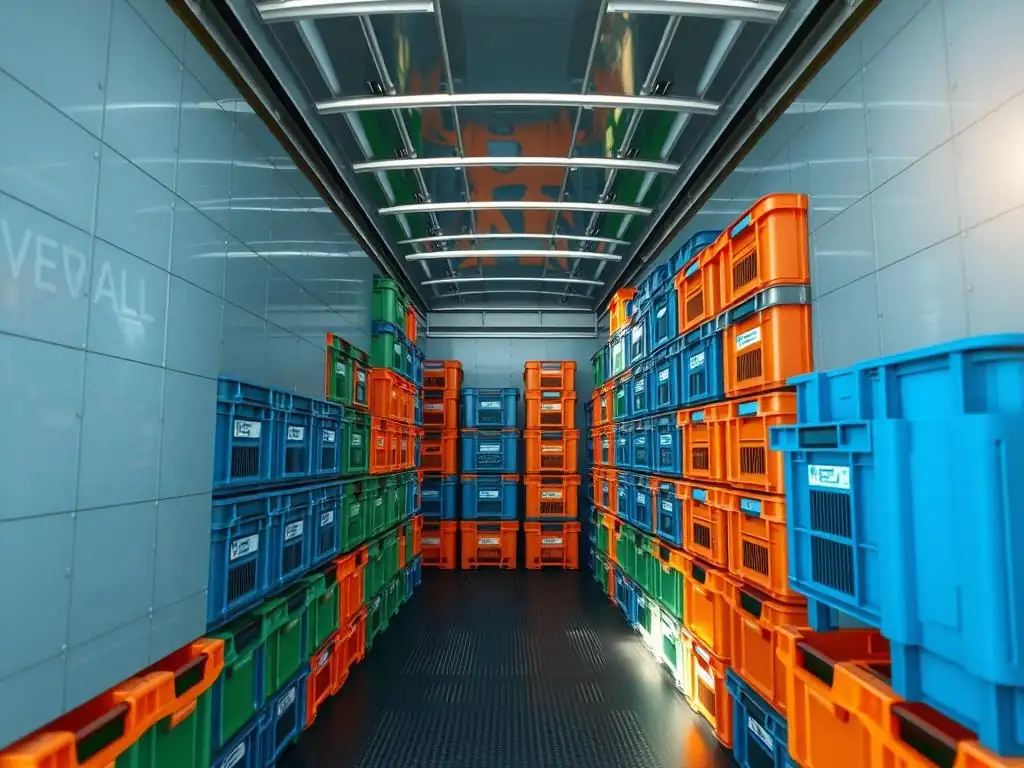
Personal Hygiene and Cleanliness Practices
Maintaining high standards of personal hygiene during the packaging and transport process is just as important as kitchen hygiene. Anyone handling the baked goods or their packaging must have clean hands, preferably using gloves, especially when touching the primary food packaging. Hair should be tied back, and clean clothing should be worn.
Transport vehicles and any equipment used for loading or unloading (like dollies or crates) must also be clean. Even if the baked goods are securely packaged, dirty handling environments can still pose a risk through contact with the outer packaging, which customers will touch. Strict personal hygiene protocols are a foundational element of overall food transport packaging safety.
Preventing Cross-Contamination in Transport Vehicles
Cross-contamination occurs when harmful bacteria or allergens are transferred from one substance or object to another. In the context of food transport, this is a significant risk if baked goods are transported alongside non-food items, raw ingredients, or even different types of food with potential allergens.
To prevent cross-contamination, transport vehicles or areas within them should be dedicated solely to finished, packaged food products. If this isn't possible, strict separation is necessary. Ensure all baked goods are securely sealed in their food transport packaging to create a barrier against potential contaminants encountered in the transport environment. Cleaning the transport space before loading is essential.
Safe Loading and Unloading Procedures
Loading and unloading are points where packaging can be damaged and where baked goods are exposed to the transport environment. Packages should be handled carefully to prevent dropping or crushing. They should be stacked securely in the transport vehicle, avoiding overloading that could damage lower boxes.
During unloading, the same care is required. Packages should be placed directly into a clean, safe holding area. Minimizing the time baked goods spend outside of controlled environments (like the insulated container or the final destination's safe storage) during loading and unloading is crucial for maintaining temperature control and preventing exposure to contaminants, thereby upholding food transport packaging safety standards.
Complying with Food Safety Regulations for Home Baking Businesses
Understanding Local Food Safety Guidelines and Regulations
Operating a home baking business often means navigating specific local food safety regulations. These regulations vary significantly by state, county, or city and dictate everything from where you can bake (some require a separate kitchen or licensed facility) to packaging and labeling requirements. Many areas have specific rules regarding the sale of "cottage food" products, which often include baked goods.
These regulations frequently address food transport packaging safety, specifying approved materials, labeling necessities, and temperature control mandates for certain products. It is absolutely essential for home bakers to research and understand the specific rules in their operating area. Contacting the local health department is a good starting point to ensure full compliance with all food safety guidelines related to your business operations, including transport.
Labeling Requirements for Food Transport Packaging
Labeling is not just for branding; it's a critical food safety requirement. Regulations typically mandate that food packaging includes specific information. This often includes:
- Product name
- Ingredients (especially allergens)
- Net weight or volume
- Name and address of the business
- Date of production or best-by date
- Handling or storage instructions (e.g., "Keep Refrigerated")
Some jurisdictions may also require a statement indicating that the product was produced in a home kitchen. Accurate and complete labeling on your food transport packaging provides consumers with vital information for their safety, particularly regarding allergens and proper storage, contributing significantly to overall food safety.
Documentation and Record-Keeping for Food Safety Compliance
Maintaining records is a key aspect of demonstrating compliance with food safety regulations. While requirements for home bakers might be less stringent than large commercial facilities, keeping basic records is still advisable. This could include records of ingredients purchased (especially for traceability in case of a recall), production dates and batch numbers, and potentially temperature logs for transport of perishable items if required by local rules or as a best practice.
Documentation proves that you are following safe practices. In the event of a food safety concern, having detailed records can help identify the source of the issue quickly and efficiently. While it might seem like extra work, diligent record-keeping is a component of robust food transport packaging safety and professional business operation.
DIY Food Transport Packaging Solutions for Small Batches
Repurposing and Safely Using Existing Containers
For home bakers just starting out or producing small batches, investing heavily in commercial packaging might not be feasible. Repurposing existing containers can be a cost-effective solution, provided it's done safely. Glass jars, sturdy plastic containers, or clean tins can be used, but they must be thoroughly cleaned and sanitized before use.
It is crucial that any repurposed container is made of food-safe material and has not previously held non-food items or strong chemicals. While this approach can save money, the primary focus must remain on food transport packaging safety. Ensure the container is robust enough for transport and can be securely sealed to protect the contents.
Creating Custom Packaging for Unique Baked Goods
Home bakers often create unique or unusually shaped baked goods that standard packaging doesn't fit. Creating custom packaging using materials like food-grade cardboard, paperboard, or even carefully cut and folded corrugated sheets can provide a tailored fit that protects delicate items.
Using food-safe adhesives or tapes to construct custom boxes is important. Lining the custom packaging with food-grade paper or film adds an extra layer of safety. While DIY custom packaging requires creativity and effort, it ensures that even your most unique creations are protected and transported safely, maintaining the integrity of your food transport packaging safety efforts.
Cost-Effective Packaging Options for Home Bakers
Balancing cost with food transport packaging safety is a common challenge for home bakers. Affordable options that still meet safety standards include bulk purchases of basic paperboard boxes, food-grade plastic bags, and rolls of food-safe wrap. Plain packaging can be customized with stickers or labels for branding.
Consider the minimum requirements for safe transport for your specific products. For many non-perishable baked goods, a sturdy, food-grade box or bag that prevents crushing and contamination might suffice. Focus on sourcing affordable materials that are explicitly labeled as food-safe from reputable suppliers, rather than opting for the cheapest option that might compromise food transport packaging safety.
Advanced Food Transport Packaging Solutions for Larger Operations
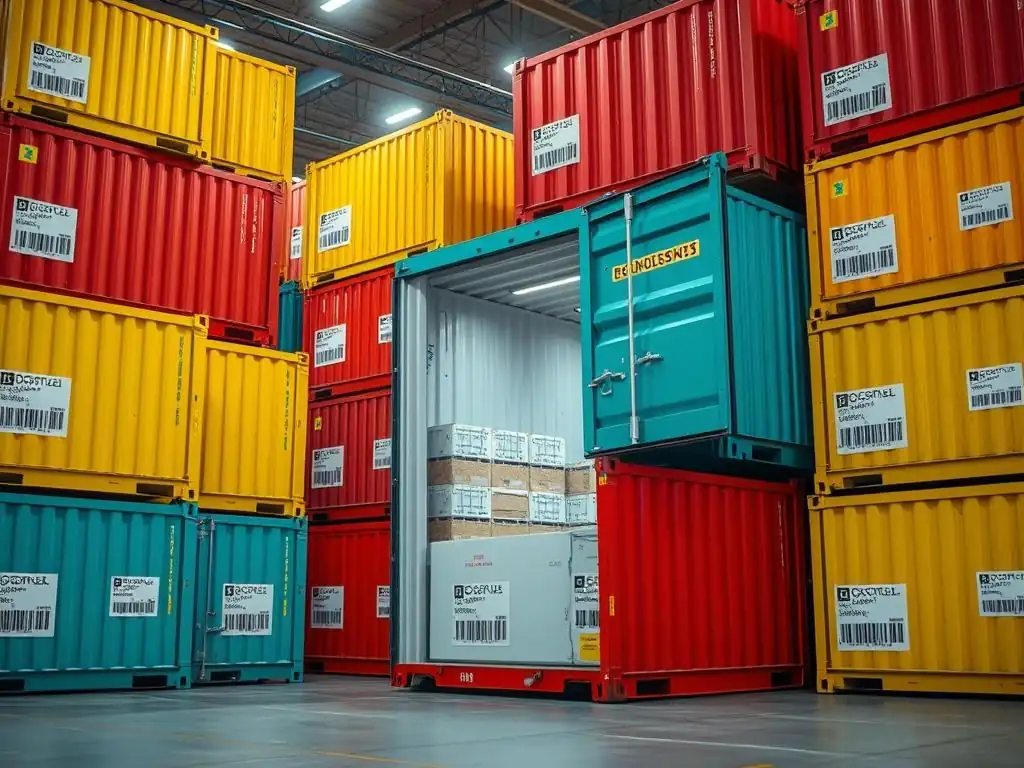
Investing in Commercial-Grade Insulated Containers
As a home baking business grows and delivery radius or volume increases, investing in commercial-grade insulated containers becomes a practical step towards enhancing food transport packaging safety. These are typically more durable and offer superior insulation compared to basic consumer-grade options.
Commercial containers, often made of thick EPS foam or insulated plastic, are designed for repeated use and can maintain internal temperatures more effectively for longer periods. While a higher upfront cost, they offer reliability and efficiency for transporting larger quantities or during extended delivery routes, ensuring perishable goods arrive safely within temperature limits.
Partnering with Packaging Suppliers for Custom Solutions
Larger operations can benefit from establishing relationships with packaging suppliers. These suppliers often offer bulk pricing, a wider range of food-grade materials, and the possibility of custom-designed packaging tailored to specific products or branding needs.
Working with a supplier can ensure consistency in packaging quality and help navigate the complexities of food transport packaging safety regulations. They can provide materials certified for food contact and advise on the best packaging structures for durability and protection during transport, streamlining the packaging process as the business scales.
Optimizing Packaging for Efficiency and Cost Savings
Efficiency becomes increasingly important as order volume grows. Optimizing packaging involves selecting materials and designs that are easy and quick to assemble, fill, and seal. This reduces labor time and can indirectly impact costs. Buying materials in bulk generally offers better pricing per unit.
Consider the dimensions and weight of packaging in relation to shipping costs if you ship products. Lighter and more compact packaging can reduce freight expenses. While cost savings are important, optimization should never come at the expense of food transport packaging safety or the ability of the packaging to adequately protect the baked goods during their journey.
Troubleshooting Common Food Transport Packaging Challenges
Preventing Moisture Build-Up in Packaging
Moisture build-up, or condensation, inside packaging is a common issue, especially when packaging items that haven't fully cooled or when moving between environments with different temperatures and humidity levels. Condensation can make products soggy, degrade packaging, and encourage mold growth.
Ensuring baked goods are completely cool before packaging is the most effective preventative measure. For items that naturally release moisture (like fresh bread), using packaging with some ventilation (e.g., small holes or breathable sections) or incorporating food-grade absorbent pads can help manage internal humidity, contributing to better food transport packaging safety and product quality.
Addressing Temperature Fluctuations During Transport
Temperature fluctuations are a significant threat to food transport packaging safety for perishable items. While insulated packaging and coolants help, extreme external temperatures or unexpected delays can still cause internal temperatures to rise.
For sensitive products and longer trips, using temperature monitoring indicators can alert you if unsafe temperatures were reached. Planning transport routes to minimize exposure to extreme conditions (e.g., avoiding leaving packages in a hot vehicle for extended periods) and using appropriately sized insulated containers packed full to minimize air space can help maintain a more stable internal temperature.
Handling Delicate Baked Goods with Care
Delicate items like macarons, decorated cookies, or pastries with flaky crusts require extra care during packaging and handling. The packaging must provide ample cushioning and prevent movement. Using custom inserts or cavities within the box is often necessary to secure each item individually.
Packing materials like food-grade tissue paper or crinkle paper can fill empty spaces and provide cushioning. Clearly labeling packages containing delicate items with "Fragile" or "Handle with Care" alerts transporters, although relying solely on these labels isn't a substitute for robust internal protection. Meticulous packaging is the best defense for ensuring these fragile items arrive intact, a key aspect of food transport packaging safety for premium products.
The Future of Food Transport Packaging for Home Bakers
Sustainable and Eco-Friendly Packaging Options
Consumer demand for sustainable practices is growing, influencing packaging choices for home bakers. The future of food transport packaging safety will increasingly involve eco-friendly materials. Options include biodegradable or compostable plastics, recycled paperboard, and innovative materials derived from plant sources.
While some sustainable options might currently be more expensive or have different performance characteristics (e.g., barrier properties), ongoing research and development are improving these materials. Home bakers can explore using packaging made from recycled content or materials that are easily recyclable or compostable in their area, aligning their business with environmental values while still prioritizing food transport packaging safety.
Innovative Packaging Technologies for Enhanced Food Safety
Packaging technology is constantly evolving, offering new ways to enhance food safety during transport. This includes active packaging that can release antimicrobial agents or oxygen absorbers to extend shelf life and inhibit microbial growth. Smart packaging features, like time-temperature indicators that visually change if the product has been exposed to unsafe temperatures, are also becoming more accessible.
While some of these technologies are currently more common in large-scale commercial food production, they are gradually becoming available in formats suitable for smaller businesses. Staying informed about these innovations can provide home bakers with future opportunities to further improve their food transport packaging safety protocols and offer added assurance to customers.
Trends in Food Delivery and Packaging Solutions
The rise of food delivery services and direct-to-consumer sales has put a greater focus on the entire transport chain. This trend is driving innovation in packaging designed specifically for delivery, emphasizing durability, temperature maintenance, and ease of handling by third-party couriers.
Future food transport packaging solutions for home bakers might include standardized, modular packaging systems compatible with various delivery platforms or integrated packaging that simplifies the cold chain. Adapting to these trends and utilizing packaging solutions optimized for delivery will be key for home bakers looking to expand their reach while maintaining the highest standards of food transport packaging safety.
Frequently Asked Questions
How does BakeWithEase ensure food safety during transport in its recipes?
Our recipes emphasize using food-safe and appropriate packaging based on the type of baked good. We also provide tips on maintaining safe temperatures during transport to prevent spoilage.
What types of Food transport packaging does BakeWithEase recommend for different baked goods?
We recommend various options, including airtight containers for cakes and cookies, parchment paper and boxes for breads, and insulated bags for temperature-sensitive items like pastries.
Why is proper Food transport packaging safety important, according to BakeWithEase?
Improper packaging can lead to contamination, spoilage, and damage to your baked goods. This can render them unsafe to eat or simply ruin the presentation.
What are some common mistakes to avoid when selecting Food transport packaging?
Avoid using non-food-grade containers, overcrowding the packaging, and neglecting temperature control. These mistakes can compromise food transport packaging safety.
Where can I find more detailed information about Food transport packaging safety on BakeWithEase?
Look for our articles and recipe notes that specifically address packaging recommendations and food safety guidelines. We also provide links to external resources for further information.
Final Reflection: The Enduring Importance of Safe Food Transport
The integrity of our food supply chain hinges on effective packaging; a broken link can lead to widespread contamination and devastating consequences. This is not merely a logistical concern, but a matter of public health and global food security. The increasing complexities of our globalized food systems only amplify the need for robust and innovative packaging solutions designed to protect our food from contamination throughout its journey.
The impact of inadequate food transport packaging extends far beyond spoiled produce; it touches upon economic stability, environmental sustainability, and ethical considerations. The sheer volume of food wasted due to improper packaging is staggering, representing a significant loss of resources and contributing to increased food prices. Food waste is a moral, economic, and environmental scandal,
as the UN Environment Programme has stated. This underscores the urgent need for continuous improvement and innovation in this critical area, demanding a collaborative effort from producers, transporters, and consumers alike.
Consider the implications of the information presented within this article. What steps can you take to support safer food transport? Perhaps you can advocate for better packaging practices within your community, support businesses committed to sustainable and safe food handling, or simply become a more informed consumer, making conscious choices about the food you buy and how it is packaged. Let us all work together to ensure that the food that nourishes us reaches our tables safely and sustainably.
Elevate Your Baking: Secure Your Sweet Success!
Thanks for diving into the world of food-safe transport! You now have the knowledge to keep your delicious creations pristine from oven to table. Ready to put this newfound expertise into action?
- Master the art of perfect packaging: Experiment with different materials and techniques to find the best fit for your baking style and transportation needs. Which method will best protect your next masterpiece?
- Share your packaging secrets: Join the BakeWithEase community and share your tips and tricks with fellow bakers. Let's build a resource of expert knowledge together!
- Challenge yourself: Try baking something new this week and apply your newfound packaging skills to transport it safely. What will you create and how will you protect it?
What innovative packaging solution will you implement for your next baking adventure?