
Citrus Zest & Juice: Brightening Your Baked Goods

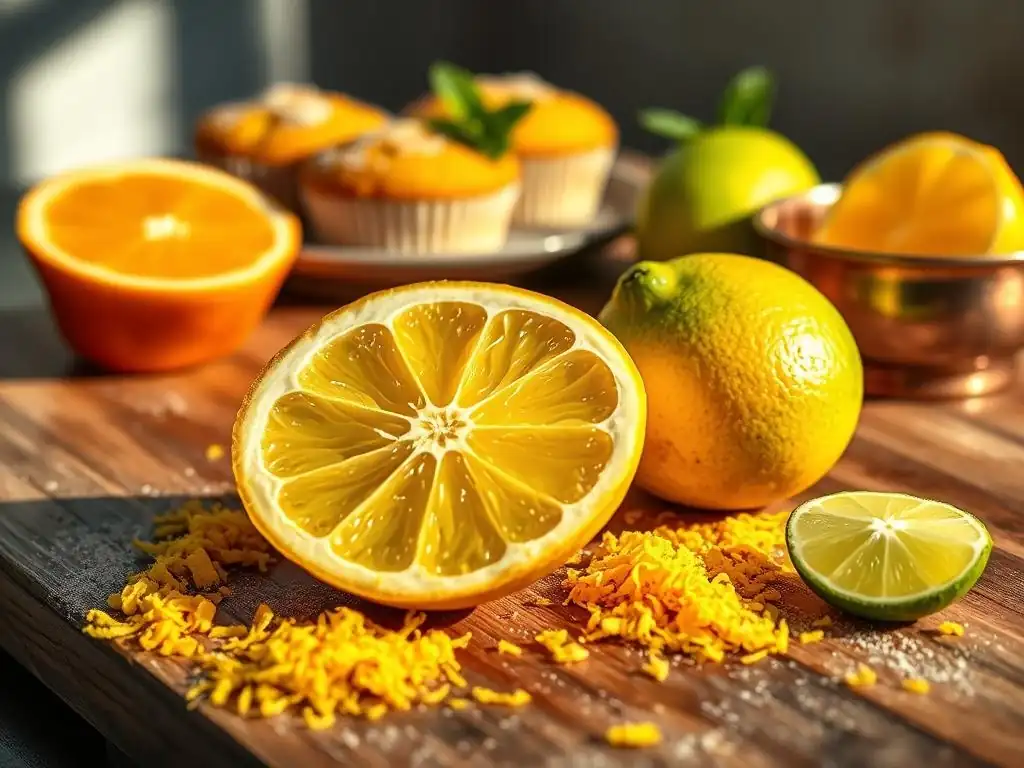
Welcome to BakeWithEase, where the joy of baking meets effortless execution! Ever wondered how a simple twist of citrus can transform your ordinary treats into vibrant, flavor-packed masterpieces? Dive into our Ingredient Deep Dives and discover the secret to crafting the perfect easy citrus baked goods recipe, unlocking a world of zesty possibilities that will leave your taste buds tingling. Ready to add a little sunshine to your oven? Let's get baking!
- Introduction: The Magic of Citrus in Baking
- Understanding Citrus Zest and Juice for Baking
- Easy Citrus Baked Goods Recipe Techniques
- Citrus Baked Goods Recipes: Inspiration and Ideas
- Tips for Enhancing Citrus Flavor in Baking
- Storing and Preserving Citrus Zest and Juice
- Troubleshooting Common Citrus Baking Problems
- Conclusion: Embrace the Zest Life in Your Baking
- Frequently Asked Questions
- Final Reflection: The Enduring Zest of Citrus in Baking
- Unlock the Zesty Potential of Citrus!
Introduction: The Magic of Citrus in Baking
Why Citrus is a Baker's Secret Weapon
Citrus fruits are the unsung heroes in many baking endeavors, capable of transforming a simple recipe into something truly vibrant and memorable. Their unique combination of acidity and aromatic oils provides a complexity that fats and sugars alone cannot achieve. Unlike many other fruit flavors that can become muted or overly sweet when baked, citrus maintains its bright, tangy profile, cutting through richness and adding a refreshing lift. From the sharp tang of lemon to the sweet perfume of orange, each citrus variety offers a distinct personality that can complement or contrast with other ingredients, creating layers of flavor.
Beyond just taste, citrus adds critical functional elements to baking. The acid in juice can react with baking soda, providing lift and tenderizing gluten, resulting in lighter, fluffier textures in cakes and muffins. Zest, packed with concentrated essential oils, infuses batters and doughs with intense aroma and flavor without adding significant liquid. This dual power – flavor enhancement and structural contribution – makes citrus an indispensable tool for anyone looking to elevate their baked goods from good to spectacular. It's often the secret ingredient that makes an easy citrus baked goods recipe stand out.
Understanding Citrus Zest and Juice for Baking
What is Citrus Zest and Why Use It?
Citrus zest is the outermost colored layer of the fruit's peel, containing a wealth of potent essential oils. This is where the majority of the fruit's aromatic flavor resides. Unlike the white pith beneath it, which is bitter, the zest is pure flavor gold. When you grate or peel zest, you release these volatile oils, which are incredibly fragrant and flavorful. Using zest allows you to impart a strong, bright citrus taste to your baked goods without adding excess liquid or acidity that might alter the recipe's structure or balance.
Incorporating zest into your recipes is a simple yet effective way to significantly boost flavor. For instance, adding the zest of just one lemon to a simple pound cake batter can dramatically enhance its aroma and taste profile compared to using only lemon juice. The oils in the zest disperse throughout the dough or batter during mixing and baking, providing a consistent burst of citrus flavor in every bite. It's a key component in many an easy citrus baked goods recipe because it delivers maximum flavor impact with minimal effort.
The Power of Citrus Juice in Baked Goods
Citrus juice brings acidity and liquid to baking, playing a different but equally important role compared to zest. The tartness of the juice balances sweetness, preventing baked goods from being cloying. This is particularly effective in recipes like glazes, curds, or cheesecakes, where sweetness is a primary component. For example, a simple glaze made from powdered sugar and lemon juice achieves a perfect sweet-and-sour balance that complements a sweet cake or scone beautifully.
Furthermore, the acidity in citrus juice interacts with leavening agents. When combined with baking soda, acid produces carbon dioxide gas, contributing to lift and a tender crumb. While not typically the sole leavener, juice can augment the action of baking powder or soda, especially in quick breads and muffins. A tablespoon or two of orange juice in a muffin batter can add moisture, flavor, and a little extra lift, making it a versatile ingredient in various easy citrus baked goods recipe applications.
Choosing the Right Citrus Fruit for Your Recipe
The best citrus fruit for your baking depends entirely on the flavor profile you want to achieve. Lemons offer unparalleled brightness and acidity, perfect for recipes where a sharp, clean tang is desired, such as lemon bars, lemon drizzle cakes, or lemon poppy seed muffins. Oranges, on the other hand, provide a sweeter, warmer, and more aromatic flavor, ideal for pairing with chocolate, spices, or in classic cakes and muffins like orange glazed pound cake.
Limes bring a distinct, often sharper and more complex tang than lemons, fantastic in tropical-inspired bakes like key lime pie or coconut-lime cookies. Grapefruits offer a unique bittersweet note that can add sophistication to scones or tarts. Consider the overall flavor harmony of your recipe. A rich chocolate cake might benefit from the contrast of orange zest, while a light sponge cake is beautifully enhanced by delicate lemon. Always choose fresh, ripe fruit for the best flavor and highest juice yield; organic is often preferred, especially when using the zest.
Easy Citrus Baked Goods Recipe Techniques

Mastering the Art of Zesting: A Step-by-Step Guide
Getting the most flavor from citrus zest while avoiding bitterness is a key technique in creating delicious baked goods. The goal is to remove only the brightly colored outer layer, where the fragrant oils are concentrated, leaving the bitter white pith behind. A microplane grater is arguably the most efficient tool for this, yielding fine, fluffy zest that disperses easily in batters.
Here’s a simple process for effective zesting:
- Wash and dry the citrus fruit thoroughly.
- Hold the fruit in one hand and the microplane in the other.
- Gently rub the fruit against the grater, applying light pressure.
- Rotate the fruit as you go, zesting only the colored part.
- Stop zesting when you see the white pith appear.
- Tap the grater to collect the zest.
Alternatively, you can use a channel zester to create long strips or a vegetable peeler for wider strips, which can be finely minced with a knife. Whichever tool you use, remember that consistency and avoiding the pith are crucial for a perfect easy citrus baked goods recipe.
How to Juice Citrus Fruits for Maximum Flavor
Extracting the maximum amount of flavorful juice from your citrus fruit is essential for recipes that rely on its liquid component. Room temperature fruit generally yields more juice than cold fruit. Before cutting, try rolling the fruit firmly on a counter with the palm of your hand; this helps break down the internal membranes and release more juice.
Once the fruit is prepared, cut it in half. You can juice it using:
- A manual citrus reamer or juicer: Place the fruit half on the reamer and twist, pressing down firmly. Strain the juice to remove seeds and pulp if desired.
- A fork: Stick a fork into the cut side of the fruit and twist it around to break up the pulp and release juice. Squeeze the fruit as you go.
- Your hands: Simply squeeze the fruit halves firmly over a bowl, potentially using a strainer to catch seeds.
For recipes requiring a significant amount of juice, an electric juicer is the most efficient tool. Regardless of the method, always strain the juice unless the recipe specifically calls for pulp, ensuring a smooth texture in your easy citrus baked goods recipe.
Measuring Citrus Zest and Juice Accurately
Accurate measurement of citrus zest and juice is vital for consistent baking results. While recipes often call for "the zest of one lemon" or "juice of half an orange," fruit sizes vary significantly. For precision, especially in more sensitive recipes, it's best to measure by volume (teaspoons, tablespoons, or cups).
As a general guideline:
- One medium lemon typically yields about 1 teaspoon of zest and 2-3 tablespoons of juice.
- One medium orange yields roughly 1-2 tablespoons of zest and 1/4 to 1/3 cup of juice.
- One medium lime yields about 1/2 to 1 teaspoon of zest and 1-2 tablespoons of juice.
Always measure zest lightly packed into the spoon. Measure juice using liquid measuring cups or spoons, ensuring you've strained out any seeds or large pulp pieces first. Following these measurement tips will help ensure your easy citrus baked goods recipe turns out exactly as intended every time.
Citrus Baked Goods Recipes: Inspiration and Ideas
Lemon Poppy Seed Muffins
Lemon poppy seed muffins are a quintessential easy citrus baked goods recipe, beloved for their bright flavor and delightful texture. The combination of tangy lemon zest and juice with the subtle nuttiness and slight crunch of poppy seeds creates a harmonious balance. The lemon zest is typically incorporated directly into the batter, infusing every bite with its fragrant oils, while lemon juice adds moisture, tang, and helps activate leaveners for a light crumb.
Often, these muffins are finished with a simple lemon glaze made from powdered sugar and lemon juice. This adds an extra layer of intense lemon flavor and a touch of sweetness that complements the muffin perfectly. The simplicity of the ingredients and technique makes this a fantastic starting point for anyone exploring easy citrus baked goods recipe options.
Orange Glazed Pound Cake
An orange glazed pound cake showcases the warmer, sweeter side of citrus in baking. Pound cake, known for its dense yet tender crumb, provides a rich base that stands up well to the vibrant flavor of orange. Orange zest is usually folded into the cake batter, ensuring the characteristic orange aroma is present throughout the cake.
The glaze, a simple mixture of powdered sugar and fresh orange juice, is poured over the warm cake, allowing it to soak in slightly and create a beautiful, slightly crackled finish. This glaze provides a burst of sweet-tart orange flavor that contrasts wonderfully with the buttery richness of the cake. It's a comforting and impressive easy citrus baked goods recipe that's surprisingly simple to execute.
Lime Bars
Lime bars are the zesty cousin to the classic lemon bar, offering a distinctly tangy and sometimes slightly floral flavor. They typically feature a buttery shortbread crust topped with a vibrant, smooth lime curd filling. The filling relies heavily on fresh lime juice for its intense tartness and lime zest for its aromatic depth.
The balance between the sweet crust and the sharp, tangy filling is what makes lime bars so addictive. The filling is often thickened with eggs and a small amount of flour or cornstarch, then baked until set. Once cooled, the bars are usually dusted with powdered sugar. This easy citrus baked goods recipe highlights the power of concentrated citrus flavor in a simple bar format.
Grapefruit Scones
Grapefruit scones offer a more sophisticated, bittersweet citrus flavor profile compared to their lemon or orange counterparts. The unique tang and slight bitterness of grapefruit pair wonderfully with the richness of butter and cream in a scone dough. Both grapefruit zest and juice can be used; the zest adds concentrated aroma, while the juice contributes acidity and liquid, helping to create a tender texture.
Often, grapefruit scones might include complementary flavors like cardamom or poppy seeds. A simple grapefruit glaze, made from powdered sugar and grapefruit juice, can finish them off, adding another layer of complex citrus taste. This easy citrus baked goods recipe is a great way to experiment with a less common baking citrus, perfect for breakfast or tea.
Tips for Enhancing Citrus Flavor in Baking
Maximizing Citrus Aroma and Taste
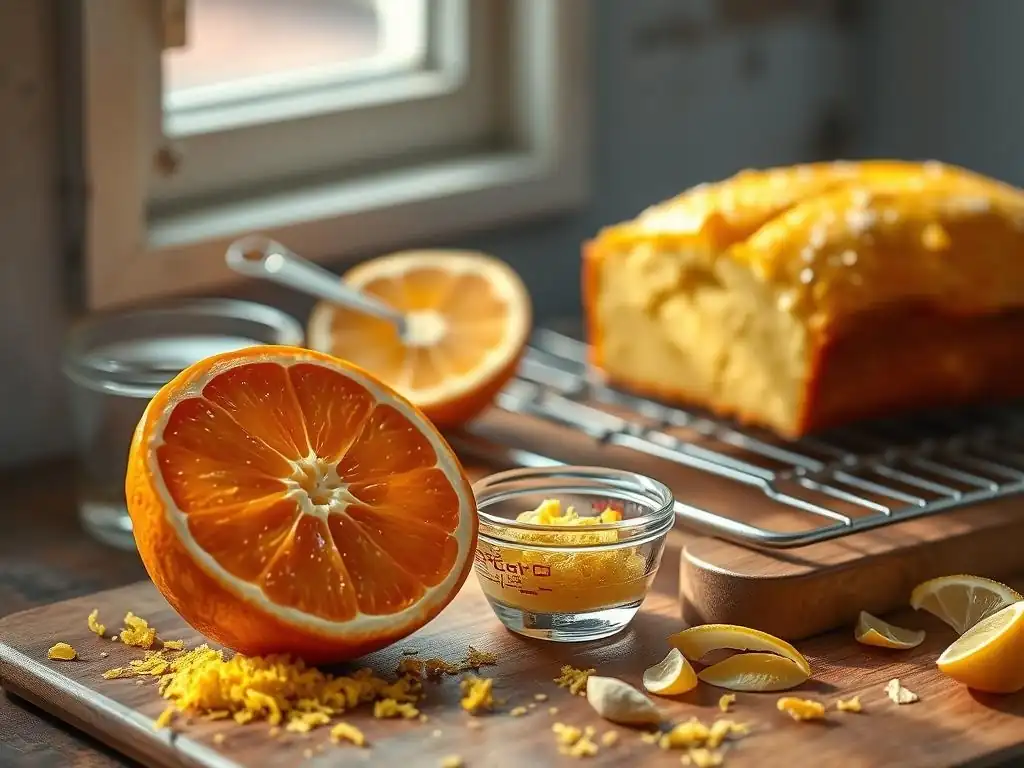
To truly make the citrus flavor pop in your baked goods, focus on using fresh, high-quality fruit and incorporating both zest and juice where appropriate. As mentioned, the oils in the zest contain the most intense aroma; adding zest directly to fats (like butter or oil) or sugar before mixing into the batter can help release and distribute these oils effectively. For example, rubbing lemon zest into sugar with your fingertips before adding it to a cake batter helps infuse the sugar crystals with flavor.
Consider layering citrus flavor. Use zest in the batter or dough, juice in a glaze or soak, and perhaps even candied citrus peel as a garnish. For recipes where the flavor might bake out easily, like muffins, consider adding a final sprinkle of zest over the top just before baking. Also, don't be shy with the amount; a little extra zest can make a significant difference in the final intensity of your easy citrus baked goods recipe.
Combining Citrus with Other Flavors
Citrus flavors are incredibly versatile and pair well with a wide range of other ingredients, allowing for creative flavor combinations in your baking. Lemon is a classic partner for berries (like blueberries and raspberries), vanilla, and ginger. Orange complements chocolate, cranberries, warm spices like cinnamon and cloves, and nuts like almonds.
Lime is fantastic with coconut, tropical fruits (mango, pineapple), and herbs like mint or cilantro (in savory baked goods). Grapefruit pairs surprisingly well with rosemary, olive oil, and certain spirits. Don't be afraid to experiment! A simple easy citrus baked goods recipe like a basic muffin or scone can be transformed by adding a complementary spice or fruit alongside the citrus.
Preventing Bitterness in Citrus Baked Goods
Bitterness in citrus baking usually comes from one primary source: the pith. The white layer between the zest and the fruit's flesh contains compounds that are decidedly bitter. When zesting, it is crucial to only remove the thin, colored outer layer. If you're using a peeler or knife for zest, scrape away any white pith from the underside of the peel before mincing.
Another potential source of bitterness, particularly with orange juice, can be related to processing or storage if not using fresh juice. Freshly squeezed juice is always recommended for the purest flavor. Some citrus varieties naturally have more bitter notes (like certain grapefruits or Seville oranges), so understanding the fruit you're using is key. For an easy citrus baked goods recipe, always aim for fresh, ripe fruit and careful zesting technique.
Storing and Preserving Citrus Zest and Juice
Best Practices for Storing Citrus Zest
Fresh citrus zest is most potent immediately after zesting, but you can store it for later use. For short-term storage (a few days), place the zest in a small airtight container or zip-top bag in the refrigerator. Ensure the container is tightly sealed to prevent the aromatic oils from evaporating and the zest from drying out.
For longer storage, freezing is an excellent option. Spread the zest in a thin layer on a small baking sheet or plate and freeze until solid, about 30-60 minutes. Then transfer the frozen zest to a freezer-safe bag or container, pressing out as much air as possible before sealing. Frozen zest will retain its flavor for several months. You can measure out portions before freezing for convenience when preparing an easy citrus baked goods recipe.
Freezing Citrus Juice for Later Use
If you have leftover citrus juice, freezing is a great way to preserve it for future baking projects. Pour the juice into ice cube trays and freeze until solid. Once frozen, transfer the juice cubes to a freezer-safe bag or container. This method is particularly useful as you can easily grab just the amount you need for a recipe (e.g., one cube might be roughly 1-2 tablespoons, depending on your tray size).
Frozen citrus juice will retain its flavor and acidity for up to six months or even longer. Thaw the required amount in the refrigerator or at room temperature before using. Freezing ensures you always have fresh-tasting citrus juice on hand, making spontaneous easy citrus baked goods recipe creation much simpler.
Making Citrus Sugar for Baking
Citrus sugar is a wonderful ingredient to have on hand, infusing granulated sugar with the vibrant aroma of citrus zest. It's incredibly easy to make and elevates the flavor of any recipe that uses sugar and citrus. To make it, simply combine fresh citrus zest (from lemons, oranges, limes, or grapefruit) with granulated sugar in a food processor.
Pulse the mixture until the zest is very finely minced and evenly distributed throughout the sugar. The sugar will take on a slightly damp texture and a lovely pale color, depending on the citrus used. Alternatively, you can simply combine zest and sugar in a jar and shake it, letting it sit for a few days to infuse, though the food processor method is faster. Store citrus sugar in an airtight container at room temperature. Use it in place of regular sugar in your easy citrus baked goods recipe for an extra burst of flavor.
Troubleshooting Common Citrus Baking Problems

Dealing with Dryness in Citrus Cakes
Sometimes, cakes made with citrus juice can turn out drier than expected. This can be due to the acidity in the juice interacting with proteins or leaveners, or simply because the recipe wasn't balanced to account for the added liquid and acid. If your easy citrus baked goods recipe for cake consistently turns out dry, consider a few adjustments.
You might need to slightly increase the fat content (like butter or oil) or add a bit more liquid overall, perhaps milk or buttermilk, to compensate for the juice's effect. Ensuring you don't overmix the batter is also crucial, as overmixing can develop gluten and lead to a tougher, drier texture. Baking the cake just until a toothpick comes out clean prevents moisture loss from overbaking.
Preventing Citrus Glazes from Becoming Too Sticky
A classic citrus glaze, made from powdered sugar and juice, should be smooth and pourable, setting into a slightly firm but not excessively sticky layer. If your glaze is too sticky, it likely has too much liquid relative to the powdered sugar. Powdered sugar measurements can vary based on how packed it is.
To fix a sticky glaze, gradually whisk in more powdered sugar, a tablespoon at a time, until you reach the desired consistency – thick enough to coat a spoon but still able to drip slowly. If the glaze is too thick, add a tiny amount more juice or milk. For an easy citrus baked goods recipe glaze, starting with a smaller amount of liquid and adding more as needed is always better than adding too much at once.
Adjusting Recipes for Different Citrus Varieties
Substituting one citrus variety for another in a recipe requires careful consideration of their different flavor profiles and acidity levels. Lemon is generally the most acidic, followed by lime, then grapefruit, and finally orange, which is the sweetest and least acidic. Zest potency also varies; lemon zest is typically very intense, while orange zest is milder and sweeter.
If an easy citrus baked goods recipe calls for lemon and you want to use orange, you'll likely need more orange juice and zest to achieve a comparable level of citrus flavor, and you might need to slightly reduce the sugar in the recipe to account for the orange's sweetness. Conversely, substituting lemon for orange might require less juice and zest, and possibly a touch more sugar. Start with a conservative substitution and adjust to taste if possible, especially in glazes or fillings.
Conclusion: Embrace the Zest Life in Your Baking
Unlock Baking Possibilities with Citrus Flavors
Citrus zest and juice are truly transformative ingredients in the world of baking. They offer a simple yet powerful way to add brightness, balance, and complexity to a vast array of baked goods, from humble muffins to elegant cakes and tarts. Understanding the unique roles of zest (intense aroma and flavor) and juice (acidity, liquid, balance, and lift) allows you to wield these fruits like a culinary artist. Whether you're making a simple glaze or incorporating zest into a complex batter, citrus provides a refreshing counterpoint to the richness of traditional baking ingredients.
By mastering basic techniques like proper zesting and juicing, and knowing how to store these ingredients, you can easily elevate your baking game. Experimenting with different citrus varieties and combining them with complementary flavors opens up a world of delicious possibilities. Incorporating citrus is one of the simplest ways to create exciting, flavorful treats. So go ahead, grab a lemon, orange, or lime, and discover the joy and vibrancy that citrus brings to your next easy citrus baked goods recipe.
Frequently Asked Questions
What types of citrus fruits work best in baked goods?
Generally, lemons, limes, oranges, and grapefruits are excellent choices. The specific fruit depends on the desired flavor profile and the recipe's needs.
How does citrus zest enhance a baked good?
Citrus zest contains concentrated citrus oils, offering a potent burst of flavor and aroma. It adds a bright and refreshing element to baked goods.
Can I substitute citrus juice for water or milk in a recipe?
Yes, you can often substitute citrus juice for water or milk, but consider the acidity and how it might affect the texture and overall flavor balance.
How do I properly zest a citrus fruit for baking?
Use a microplane or zester to gently remove only the colored outer layer (zest) of the fruit, avoiding the bitter white pith underneath.
What are some easy citrus baked goods recipes I can start with?
Begin with simple recipes like lemon poppy seed muffins, orange scones, or a lime glazed pound cake. These recipes showcase the citrus flavor without being overly complex.
Final Reflection: The Enduring Zest of Citrus in Baking
The vibrant burst of citrus in baked goods isn't just a fleeting trend; it's a timeless technique that continues to elevate simple recipes into extraordinary experiences. From the classic lemon poppy seed muffin to the sophisticated orange olive oil cake, the bright, refreshing notes of citrus offer a delightful counterpoint to the richness of baked goods, proving their enduring appeal in today's culinary landscape.
The influence of citrus in baking extends far beyond mere flavor; it speaks to a deeper connection with nature and the simple pleasures of fresh ingredients. The fragrant zest and juicy pulp transform ordinary flour and sugar into something truly special, a testament to the power of humble ingredients. The simplest things are often the most beautiful,
a sentiment that perfectly encapsulates the magic of citrus in baking. This simple addition can transform a mundane afternoon into a moment of pure sensory delight, a feeling I believe resonates deeply with many home bakers.
Now, I invite you to consider the possibilities. Don't just bake another batch of cookies; experiment with the zesty punch of lemon, the subtle sweetness of orange, or the exotic tang of lime. Let the bright, refreshing flavors of citrus inspire you to create your own unique culinary masterpieces. Embrace the simplicity, the joy, and the enduring zest of citrus in your baking journey. The possibilities are as endless as your imagination.
Unlock the Zesty Potential of Citrus!
Thanks for exploring the bright world of citrus in baking! We hope you've discovered some delicious new ideas to elevate your treats. Now it's time to put your newfound knowledge into action!
- Bake a citrus-infused masterpiece today! Try one of the recipes mentioned, or let your imagination run wild and create your own zesty creation.
- Share your citrusy triumphs! Snap a photo of your baked goods and post it on social media using #BakeWithEaseCitrus. We'd love to see what you come up with!
- Explore other flavorful ingredients on our website to broaden your baking horizons!
What unique citrus combination will you create next?