
The History of Spices in Sweet Baking

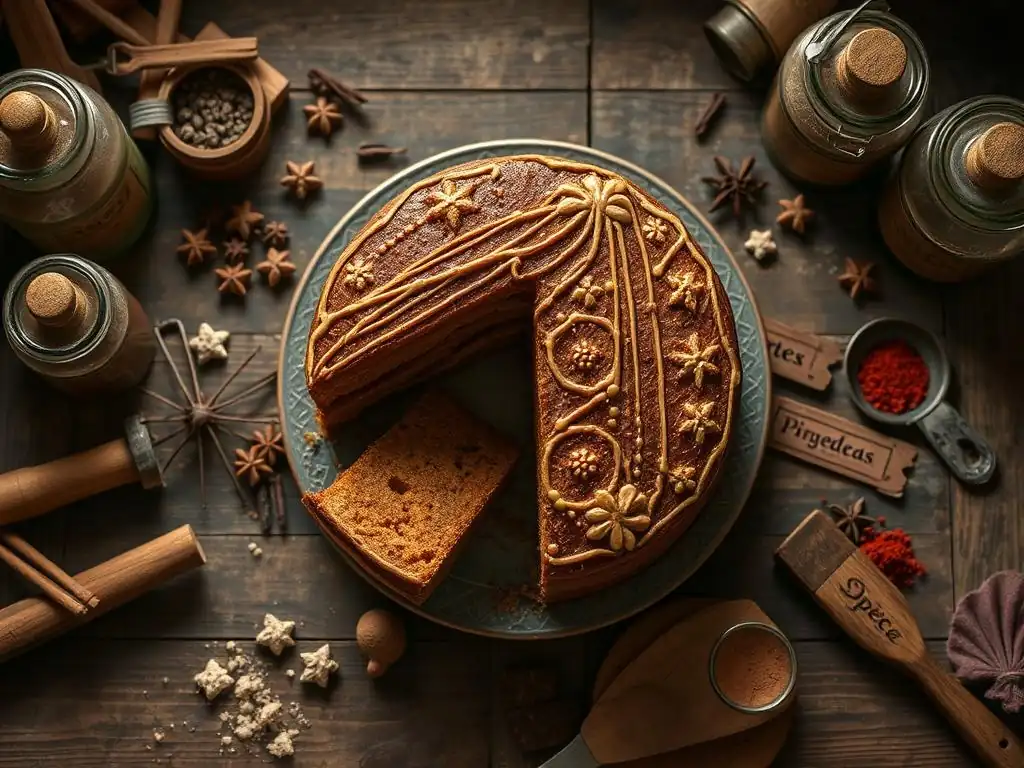
Welcome to BakeWithEase, where we unlock the secrets to delicious baking! Ever wondered about the fascinating journey of ingredients that transform ordinary recipes into extraordinary delights? This week, we're diving deep into the captivating history of spices in sweet baking. Get ready to be surprised as we uncover the ancient origins and global influence of these aromatic treasures, and discover how they've shaped the flavors we love today. Intrigued? Let's explore together!
- Introduction: Aromatic Beginnings
- Ancient Roots: Earliest Uses in Baking
- Medieval Spice Renaissance
- Age of Exploration: New Spices, New Possibilities
- 18th & 19th Centuries: Refined Baking & Spice Blends
- 20th & 21st Centuries: Modern Baking & Global Influences
- Future of Spices in Sweet Baking: Trends & Innovations
- Conclusion: Enduring Legacy of Spices in Baking
-
Frequently Asked Questions
- How did spices initially find their way into sweet baking?
- Which spices were most commonly used in early sweet baking recipes?
- How did the availability of spices impact the development of sweet baking?
- How did the use of spices in sweet baking vary across different cultures and regions?
- What role did spices play in the preservation of sweet baked goods historically?
- Final Reflection: A Sweet History, A Spicy Future
- Unlock the Sweet Secrets of Spices!
Introduction: Aromatic Beginnings
Exploring the History of Baking Spices
The journey of spices in sweet baking is a rich tapestry woven through centuries of trade, exploration, and culinary innovation. From ancient civilizations valuing them for medicinal and religious purposes, spices gradually found their way into kitchens, transforming simple baked goods into aromatic delights. Understanding the history of spices in sweet baking reveals not just culinary evolution but also significant global connections. Early bakers, often working with limited ingredients, discovered that even a pinch of precious spice could elevate a humble loaf or pastry, making it desirable and often, a status symbol.
This historical exploration delves into how different cultures utilized available spices, how trade routes facilitated the spread of these valuable commodities, and how specific spices became synonymous with certain types of sweet treats. The narrative traces the progression from the scarcity of spices in ancient times to their eventual widespread availability, examining how this shift influenced baking techniques and flavor profiles across different eras and continents. It's a story of how potent flavors, once reserved for the elite, became accessible to bakers of all levels, fundamentally shaping the art of sweet baking as we know it today.
Enhancing Baking Through Historical Understanding
Delving into the history of spices in sweet baking offers more than just fascinating facts; it provides valuable insights for modern bakers. Knowing the origins and traditional uses of spices can inspire new flavor combinations and deepen appreciation for classic recipes. For instance, understanding why certain spices like cinnamon and nutmeg were historically paired with apples or pumpkin can inform contemporary recipe development, allowing bakers to build upon time-tested flavor harmonies.
Furthermore, a historical perspective encourages experimentation. By learning about the spices used in different periods and regions, bakers can step outside their usual repertoire. Perhaps trying grains of paradise in a medieval-inspired tart or exploring the use of star anise in a modern cake, drawing from Asian culinary influences. This historical knowledge acts as a creative springboard, pushing the boundaries of flavor and allowing bakers to connect with the past through their creations, making the process both educational and incredibly rewarding.
Ancient Roots: Earliest Uses in Baking
Spices in Ancient Egyptian Baking
Ancient Egyptians were among the earliest documented civilizations to incorporate spices into their food, though their use in baking was often tied to religious practices or medicinal beliefs rather than purely culinary delight. Spices like cinnamon, cassia, and perhaps cardamom, believed to have arrived via early trade routes from the East, were highly valued.
While evidence specifically detailing their use in sweet baking is less abundant than their use in perfumery, embalming, or medicinal concoctions, archaeological finds and historical texts suggest that honey cakes and breads, sometimes enriched with fruits or seeds, were part of their diet and rituals. It's plausible that these precious spices, when available, were used sparingly to add flavor or preserve these baked goods, especially those intended for offerings or feasts.
Funerary texts and tomb paintings depict loaves of bread and cakes, some possibly sweetened with dates or honey. While specific recipes listing spice quantities are rare, the presence of spice residues in ancient vessels indicates their use in food preparation. The value placed on spices like cinnamon was immense; it was often as valuable as gold, limiting its widespread use in everyday baking. Therefore, any application in baking would have been significant, likely reserved for the wealthy or for special occasions, highlighting the early link between spices, luxury, and potentially, enhanced baked goods.
Spices in Ancient Roman Baking
The Roman Empire, with its vast trade networks, had access to a wider array of spices than many preceding Western civilizations. Spices like pepper, ginger, cloves, cinnamon, and nutmeg were imported from Asia and Africa, though they remained expensive. Roman cookbook author Apicius, in his work De Re Coquinaria (On the Subject of Cooking), mentions spices extensively, often in savory dishes, but also in some sweet preparations or confections. They used honey as the primary sweetener in baked goods like placenta (a layered cake) or various pastries.
While not explicitly detailing "sweet baking" as we know it, Roman texts describe cakes and honeyed breads that likely incorporated spices for flavor, aroma, and possibly preservation. Pepper, surprisingly, was sometimes used in sweet dishes.
The Romans understood the aromatic power of spices and integrated them into their more elaborate meals and treats, which were enjoyed by the elite. The panis mellitus (honey bread) or cakes made with passum (a sweet raisin wine) could have been vehicles for these exotic flavors, demonstrating an early appreciation for the combination of sweetness and spice, a key element in the history of spices in sweet baking.
Spice Trade Routes and Ingredient Spread
The spread of spices crucial for baking throughout history is intrinsically linked to the development of ancient trade routes. The Silk Road and maritime routes across the Indian Ocean were vital arteries connecting the spice-rich regions of Asia (like India, Sri Lanka, Indonesia) with the Mediterranean world and eventually Europe. Spices like cinnamon, cloves, nutmeg, and mace traveled thousands of miles, passing through numerous intermediaries, which added to their cost and mystique.
By the Roman era, Alexandria in Egypt was a major hub for the spice trade, with goods then distributed across the Empire. Later, during the early Middle Ages, Arab merchants dominated these routes, bringing spices into the Byzantine Empire and then into Europe via ports like Venice and Genoa.
The high demand and difficulty of transport meant that spices were among the most valuable commodities traded, significantly influencing economies and fostering cultural exchange. This complex network ensured that while expensive, these exotic flavors eventually reached bakers far from their point of origin, slowly embedding themselves into the fabric of sweet baking traditions across continents.
Medieval Spice Renaissance
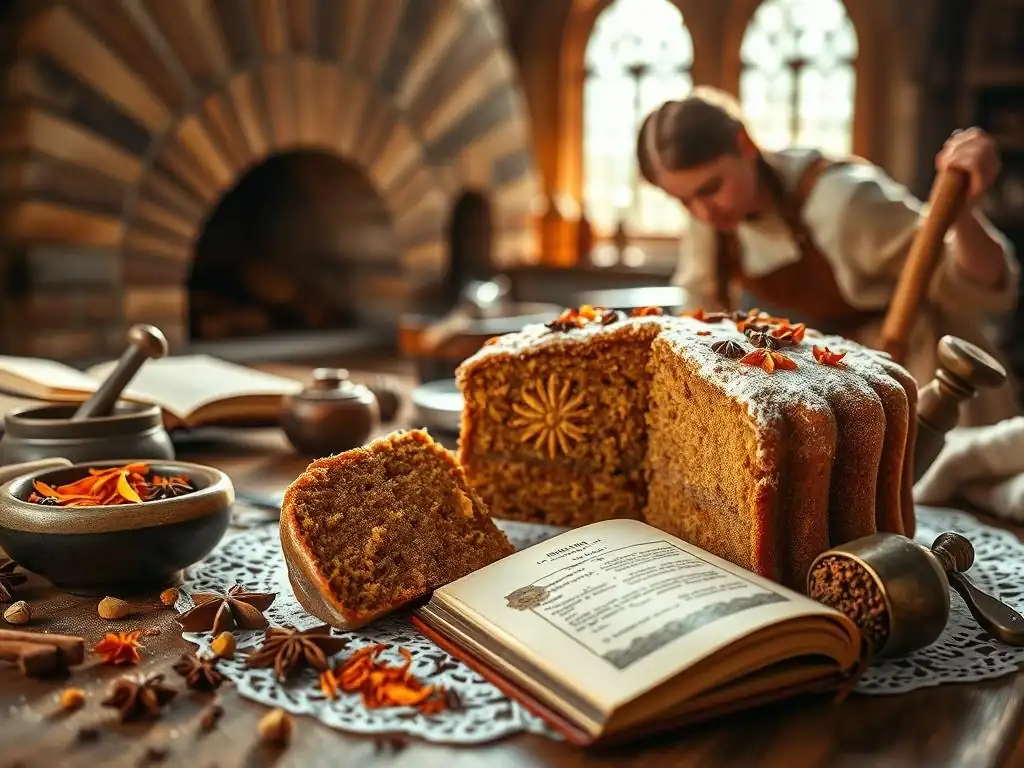
Spice Trade Influence on Medieval Recipes
The Middle Ages saw a dramatic increase in the availability and use of spices in European cooking, largely due to the Crusades and the growing power of Italian city-states like Venice and Genoa, which controlled much of the lucrative spice trade from the East. While still costly, spices became more accessible to the wealthy aristocracy and merchant classes. Their use in food became a clear indicator of status and wealth. Medieval cookbooks, such as Le Viandier attributed to Guillaume Tirel (Taillevent), feature numerous recipes incorporating generous amounts of spices.
Spices were not merely used for flavor; they were also believed to have medicinal properties and were employed to mask the taste of less-than-fresh ingredients, a common issue before refrigeration. In sweet dishes and baked goods, spices like ginger, cinnamon, cloves, nutmeg, and grains of paradise were used lavishly alongside sweeteners like honey and later, sugar (which was also a luxury import). The desire to consume and display spices fueled demand, driving further exploration and solidifying their central role in the elaborate cuisine of the period, including its sweet aspects.
Popular Medieval Baking Spices
Several spices became particularly favored in medieval European baking. Cinnamon and ginger were incredibly popular, used in everything from spiced wines to tarts and gingerbread. Cloves and nutmeg, though perhaps even more expensive, also appeared in recipes for rich cakes and custards. Grains of Paradise, an African spice with a peppery, cardamom-like flavor, was another prized ingredient, especially before black pepper became more common.
- Common Medieval Baking Spices:
- Cinnamon
- Ginger
- Cloves
- Nutmeg
- Grains of Paradise
- Cardamom (less common but used)
These spices were often used in combinations, creating complex and potent flavor profiles unlike modern baking. A typical recipe might call for "a good quantity" of several different spices, reflecting a preference for strong, aromatic tastes. The use of these spices in sweet baking history became a hallmark of medieval feasting and luxury, distinct from the simpler fare of ordinary people who might only have access to local herbs or native sweeteners.
Spiced Breads and Cakes of the Middle Ages
Spiced breads and cakes were prominent features of medieval banquets and celebrations. Gingerbread, though often more like a dense, spiced bread than the crisp cookies we know today, was particularly popular. Recipes involved mixing breadcrumbs or flour with honey or molasses and a generous amount of ginger and other spices. These were sometimes pressed into molds to create decorative shapes.
Other spiced baked goods included rich fruitcakes, often made with dried fruits, nuts, and a heavy hand with spices like cinnamon, cloves, and nutmeg. These cakes were dense and long-lasting, suitable for travel or storage. The concept of a delicate, fluffy cake was less common; medieval cakes were typically more robust. The emphasis was on the rich ingredients – nuts, fruits, honey, and especially the expensive spices – which made them highly prized treats, showcasing the host's wealth and sophistication through the potent flavors derived from the history of spices in sweet baking.
Age of Exploration: New Spices, New Possibilities
Introduction of New World Spices
The Age of Exploration, beginning in the late 15th century, had a profound impact on the global spice trade and, consequently, on baking. While the initial focus was on finding new routes to the sources of traditional Asian spices, explorers also discovered entirely new ingredients in the Americas. Among the most significant for sweet baking were vanilla and chili peppers (though chili's use in sweet applications would become more prominent much later). Cacao, the source of chocolate, was another revolutionary discovery, though its use in solid form for baking developed over centuries.
Vanilla, derived from the fermented pods of an orchid native to Mexico, offered a completely new, sweet, and aromatic flavor profile that contrasted with the warm, pungent notes of Asian spices. Initially, it was a rare and costly import to Europe. While not a "spice" in the traditional sense of bark, root, or seed, vanilla bean quickly became a prized flavoring agent in desserts and eventually, baked goods, adding another dimension to the evolving history of spices in sweet baking.
Colonialism's Impact on Spice Availability
European colonialism played a critical role in transforming the spice trade from a network of intermediaries into a system dominated by European powers like Portugal, Spain, the Netherlands, France, and Britain. These nations established direct control over spice-producing regions in Asia, Africa, and the Americas, leading to increased supply and, over time, a reduction in prices (though spices remained valuable commodities for centuries).
This increased availability meant that spices, while still not cheap, became more accessible to a broader segment of the population in Europe and eventually in colonial settlements. This shift spurred innovation in baking. Recipes could now afford to use spices more freely, moving beyond mere status symbols to become integral components of flavor. The control of trade routes and production by colonial powers directly influenced which spices were most readily available in different parts of the world, shaping regional baking traditions and contributing significantly to the global history of spices in sweet baking.
Baking in the Americas: Adapting to Local Spices
As Europeans settled in the Americas, they brought their baking traditions and preferences for spices with them. However, they also encountered new ingredients and adapted their recipes based on what was available locally or through trade. In regions where traditional spices like cinnamon or nutmeg were expensive imports, bakers might substitute or supplement with native flavorings where possible, though the classic European spices remained highly desired.
In areas where vanilla was cultivated, it began to be incorporated into local baking. Similarly, ingredients like maple syrup or molasses became common sweeteners, often paired with familiar spices like ginger and cinnamon in dishes like gingerbread or spiced cakes. This period saw a fascinating fusion, where European techniques met New World ingredients and resources. The reliance on imported spices highlighted their continued value, while the incorporation of local ingredients demonstrated adaptation and the beginnings of distinct American baking styles, further adding layers to the history of spices in sweet baking.
18th & 19th Centuries: Refined Baking & Spice Blends
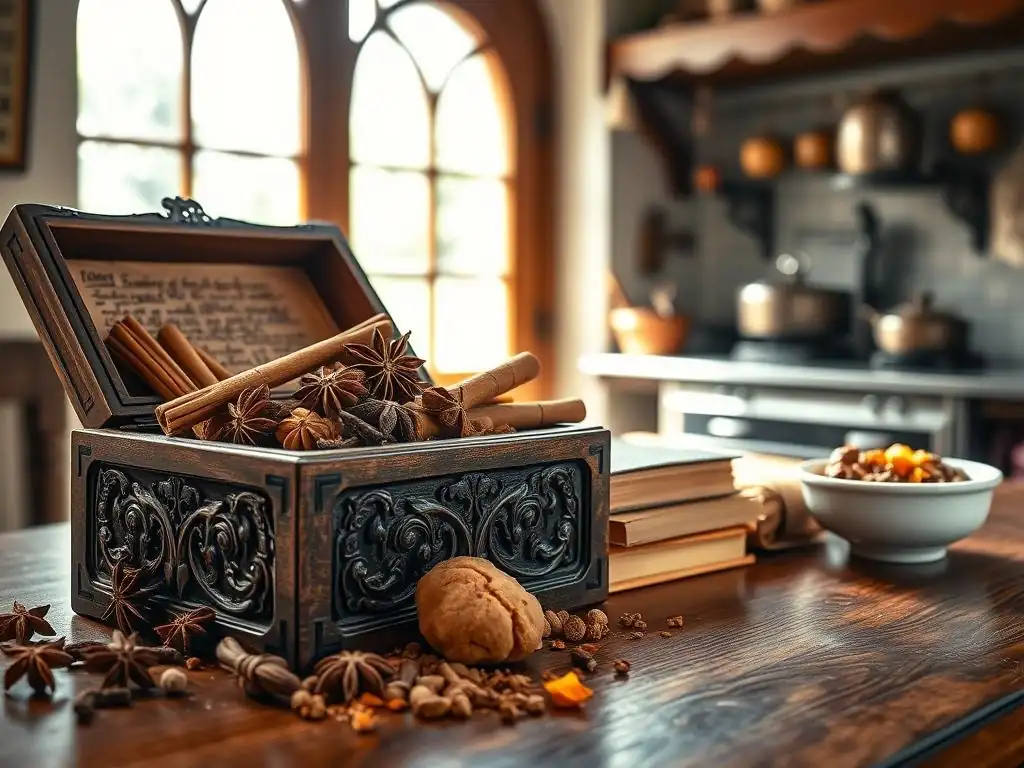
Rise of Professional Baking and Standardized Usage
The 18th and 19th centuries witnessed the development of more refined baking techniques and the professionalization of the craft, particularly in Europe. The invention of more reliable leavening agents like baking soda and baking powder, coupled with improvements in oven technology, allowed for lighter, more delicate cakes and pastries. Sugar also became more widely available and affordable due to the expansion of sugar plantations (often relying on enslaved labor), replacing honey as the primary sweetener in many recipes.
This era saw spices move from being used in sometimes haphazard, large quantities to more measured and standardized applications. Cookbooks became more precise, listing specific amounts of ingredients, including spices. Professional bakers and confectioners developed sophisticated recipes that balanced sweetness with the warmth and aroma of spices like cinnamon, nutmeg, mace, cloves, and ginger. The history of spices in sweet baking in this period is marked by a transition towards nuanced flavor profiles and a growing understanding of how different spices interacted in baked goods.
Spice Blends and Baking Applications
The 19th century, in particular, saw the popularization of specific spice blends designed for baking. As access to individual spices increased, it became convenient to pre-mix combinations frequently used together. This period laid the groundwork for modern blends like "pumpkin pie spice" or "apple pie spice," which typically combine cinnamon, nutmeg, cloves, and sometimes ginger or allspice.
These blends made it easier for home bakers to achieve consistent flavor profiles in popular desserts. Recipes for spiced cakes, gingerbreads, fruit pies, and cookies became staples, with specific spice combinations becoming traditional for certain items. For example, a simple pound cake might be flavored with mace, while an apple pie would almost certainly feature cinnamon and nutmeg. This era solidified the role of specific spice combinations in classic Western baking, contributing a key chapter to the history of spices in sweet baking.
Iconic Spiced Baked Goods of the Era
This period gave rise to many spiced baked goods that remain popular today. Gingerbread, in various forms from soft loaves to crisp cookies, continued its reign. Spiced fruitcakes, rich with dried fruit and nuts and heavily spiced, were traditional for holidays. Apple pie, often considered an American classic, became inextricably linked with cinnamon and nutmeg.
- Iconic Spiced Baked Goods:
- Gingerbread (loaves, cookies)
- Spiced Fruitcake
- Apple Pie (with cinnamon, nutmeg)
- Spice Cake (often with a blend of cinnamon, cloves, nutmeg)
- Shrewsbury Biscuits (spiced shortbread)
These baked goods weren't just delicious; they were often imbued with cultural significance, tied to seasons, holidays, and family traditions. The careful use of spices, combined with increasingly refined baking techniques, created comforting and memorable flavors that defined the sweet baking of the 18th and 19th centuries and cemented the enduring appeal of spices in sweet baking history.
20th & 21st Centuries: Modern Baking & Global Influences
Evolution of Spice Usage in Modern Recipes
The 20th century brought further accessibility to spices, driven by industrial processing, improved packaging, and global distribution networks. Spices became kitchen staples for most households in developed countries, no longer exclusive luxuries. This widespread availability led to spices being used more freely and in a wider variety of baked goods. While classic spice blends remained popular, modern bakers began experimenting more, incorporating spices into lighter cakes, muffins, and even delicate pastries.
The focus shifted from using spices to mask flavors or display wealth to using them precisely to enhance and complement other ingredients. Recipes became more standardized and accessible through cookbooks, magazines, and later, the internet. The history of spices in sweet baking in the modern era is characterized by convenience, consistency, and a growing interest in exploring a broader spectrum of flavors beyond the traditional European palate.
Unique and Exotic Spices in Contemporary Baking
The 21st century has seen a surge in interest in unique and "exotic" spices, fueled by global travel, culinary television, and the internet. Spices that were once difficult to find are now relatively accessible in many parts of the world. This includes spices from different culinary traditions, such as:
- Spices gaining popularity in modern baking:
- Cardamom (used beyond Scandinavian baking)
- Star Anise
- Pink Peppercorns
- Mahlab (from cherry pits, used in Middle Eastern baking)
- Grains of Paradise (rediscovered)
- Smoked Paprika (for a savory-sweet twist)
Bakers are increasingly experimenting with these less common spices, incorporating them into everything from cookies and cakes to tarts and custards. This trend reflects a desire for novel flavor experiences and a broader appreciation for the diverse ways spices are used around the world, adding exciting new chapters to the history of spices in sweet baking.
Global Fusion of Flavors: Spices in International Baking
Contemporary sweet baking is increasingly influenced by global culinary fusion. Bakers are borrowing techniques and flavor combinations from different cultures, leading to innovative uses of spices. For instance, incorporating Japanese shichimi togarashi (a blend that includes chili, orange peel, sesame, ginger, and nori) into chocolate chip cookies, or using Indian cardamom and pistachios in a Western-style cake.
This fusion creates exciting new taste sensations, blending familiar baking structures with unexpected spice profiles. It’s a celebration of diversity, where traditional boundaries are blurred, and the history of spices in sweet baking becomes a truly global narrative. This trend encourages creativity and allows bakers to explore the vast potential of spices from every corner of the world in their sweet creations.
Future of Spices in Sweet Baking: Trends & Innovations
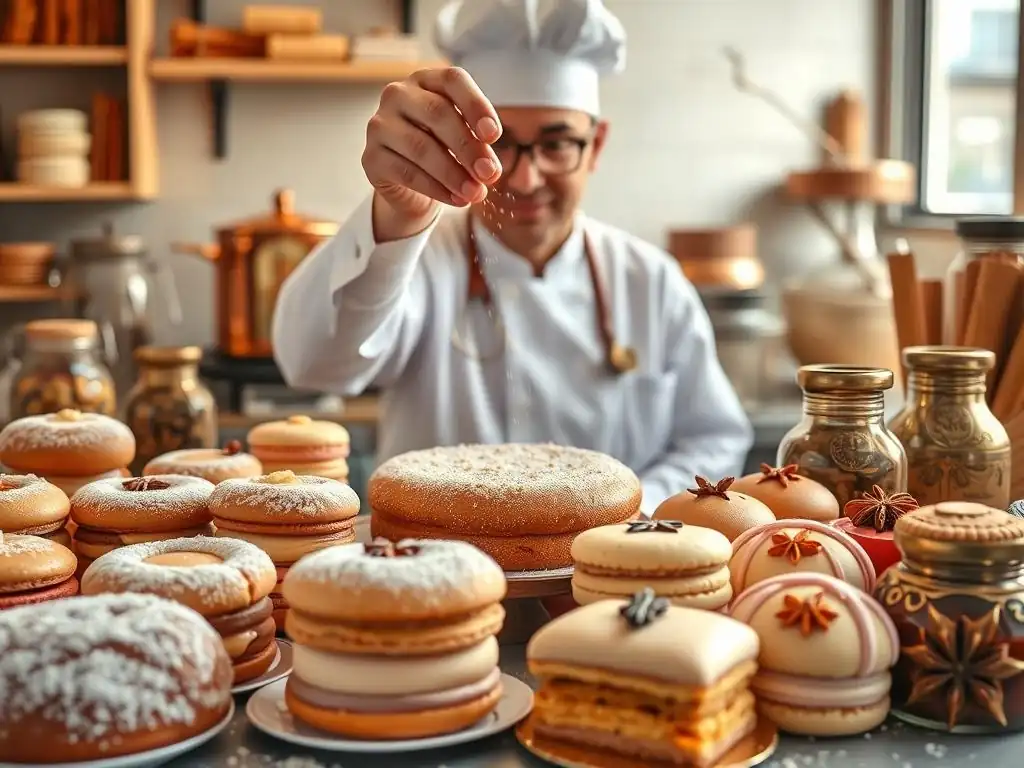
Emerging Spices and Potential in Baking
The exploration of new flavors continues, with several spices poised to become more common in sweet baking. Beyond the currently trending "exotic" spices, there's growing interest in regional African spices like grains of selim (a smoky, peppery pod) or lesser-known varietals of common spices, such as different types of cinnamon or pepper with distinct flavor nuances.
There's also potential in utilizing parts of plants not traditionally used as spices, or exploring indigenous spices from various regions that haven't yet gained global prominence. As supply chains become more diverse and sustainable sourcing becomes a priority, bakers may gain access to an even wider pantry of aromatic ingredients, pushing the boundaries of flavor in sweet baked goods. The future history of spices in sweet baking promises exciting new tastes.
Sustainable Sourcing and Ethical Considerations
A significant trend shaping the future of spices in baking is the increasing awareness of sustainability and ethical sourcing. Consumers and bakers are becoming more interested in where their spices come from, how they are grown, and ensuring fair labor practices for spice farmers. This is leading to a greater demand for ethically sourced, organic, or fair-trade certified spices.
This focus influences which spices are chosen and how they are marketed. Bakers might highlight the origin of a specific vanilla bean or the community that produced their cinnamon. This not only adds a layer of story to the baked good but also supports responsible practices within the spice industry. The history of spices in sweet baking is moving towards a more conscious approach, where flavor is intertwined with social and environmental responsibility.
Spice Pairings and Flavor Combinations
The future of spices in sweet baking will likely involve increasingly sophisticated spice pairings and flavor combinations. As bakers become more knowledgeable about the complex flavor profiles of individual spices, they can create more nuanced blends. This might involve pairing spices with unexpected ingredients – think black sesame and cardamom, or smoked paprika and dark chocolate.
There's also potential in exploring the interaction of spices with natural sweeteners beyond sugar, like date syrup, maple syrup, or different types of honey, each of which brings its own flavor notes that can complement or contrast with spices. Molecular gastronomy and culinary science may also play a role, helping bakers understand the chemical interactions of spice compounds to create perfectly balanced flavors. The possibilities for innovative spice use in sweet baking are vast and continually expanding.
Conclusion: Enduring Legacy of Spices in Baking
Encouraging Experimentation with Spices
The long and fascinating history of spices in sweet baking provides a wealth of inspiration for today's baker. From the ancient Egyptians' precious imports to the global fusion of modern times, spices have consistently elevated baked goods from simple sustenance to extraordinary treats. Understanding this history encourages us to be more adventurous in our own kitchens. Don't be afraid to move beyond the familiar cinnamon and nutmeg!
Try incorporating a pinch of cardamom into your next batch of cookies, add a touch of ginger to a fruit crumble, or explore the subtle warmth of mace in a pound cake. Experiment with different proportions and combinations. The beauty of spices lies in their power to transform a dish with just a small amount. Think of each spice jar in your pantry as a connection to centuries of culinary history, inviting you to continue the tradition of using these aromatic treasures to create delicious, memorable baked goods.
Timeless Appeal in Creating Delicious Baked Goods
The enduring legacy of spices in sweet baking lies in their timeless appeal. They provide warmth, depth, aroma, and a touch of the exotic that can turn everyday ingredients into something special. Whether it's the comforting scent of cinnamon wafting from an apple pie or the intriguing aroma of cardamom in a delicate pastry, spices engage our senses and create powerful connections to memory and tradition.
From ancient feasts to modern bake sales, spices have consistently played a vital role in making sweet treats more appealing and satisfying. They are a testament to humanity's long-standing desire to enhance food with flavor and aroma. As we continue to bake, we participate in this rich history, using spices to create delicious moments for ourselves, our friends, and our families, ensuring that the aromatic journey of spices in sweet baking continues for generations to come.
Frequently Asked Questions
How did spices initially find their way into sweet baking?
Spices entered sweet baking primarily through trade routes and cultural exchange, with ingredients like cinnamon and ginger being highly valued commodities. These spices were initially used sparingly due to their high cost and rarity.
Which spices were most commonly used in early sweet baking recipes?
The most common spices included cinnamon, ginger, cloves, nutmeg, and mace. These offered warmth and depth of flavor, transforming simple baked goods into delicate and aromatic treats.
How did the availability of spices impact the development of sweet baking?
As spices became more readily available, bakers were able to experiment more freely, leading to a wider variety of recipes and flavor profiles. This availability also helped to democratize sweet baking.
How did the use of spices in sweet baking vary across different cultures and regions?
Different cultures have unique spice blends and preferences, leading to a diverse range of sweet baked goods. For example, some regions favor warm spices like cardamom, while others use citrus zests more prominently. This creates regional specialties still enjoyed today.
What role did spices play in the preservation of sweet baked goods historically?
Certain spices, like cloves and cinnamon, possess natural preservative properties that helped extend the shelf life of baked goods. This was particularly important before modern refrigeration, allowing people to enjoy baked treats for longer periods.
Final Reflection: A Sweet History, A Spicy Future
The enduring allure of spices in sweet baking isn't merely a nostalgic trend; it's a testament to humanity's innate desire to elevate the simple into the extraordinary. From ancient civilizations carefully preserving their precious cardamom to modern bakers experimenting with innovative blends, the story of spices in sweet treats reflects our ongoing quest for flavor complexity and sensory delight. This journey through time reveals a fascinating interplay between culture, trade, and culinary innovation.
The influence of spices on the cultural landscape of baking is undeniable. The very act of incorporating these potent ingredients transformed simple cakes and pastries into expressions of artistry and status. Spices were not merely flavorings; they were symbols of wealth, power, and exotic allure, shaping culinary traditions and social hierarchies for centuries.
This quote highlights how the availability and use of spices often reflected social standing and access to global trade routes, leaving an indelible mark on the development of baking techniques and recipes across different cultures. The legacy continues today, as we see a renewed appreciation for traditional spice combinations alongside exciting new fusions.
Consider the rich tapestry of flavors you can create with just a pinch of this or a dash of that. You, the reader, now hold the key to unlocking a world of culinary possibilities. Don't just bake; experiment! Explore the history behind your favorite spices, try incorporating new ones into your recipes, and share your creations with others. Let the legacy of spices in sweet baking inspire your own unique culinary journey, one delicious creation at a time.
Unlock the Sweet Secrets of Spices!
Thanks for exploring the fascinating world of spices in baking with us! We hope you've gained a new appreciation for the history and flavor profiles these incredible ingredients bring to your sweets. Now it's time to put your newfound knowledge to the test!
- Experiment with a new spice blend: Try substituting cardamom for cinnamon in your next batch of cookies, or add a pinch of nutmeg to your usual muffin recipe. See what delicious surprises you uncover!
- Share your baking creations: Post a photo of your spice-enhanced masterpiece on social media and tag us – we’d love to see what you bake!
- Explore our extensive spice guide (on our website) for even more recipe inspiration and baking tips.
Ready to embark on your next baking adventure with a dash of history and a whole lot of flavor? What unexpected spice combination will you try first?