
DIY NutFree Cake Mix: Pantry Staple for LastMinute Celebrations

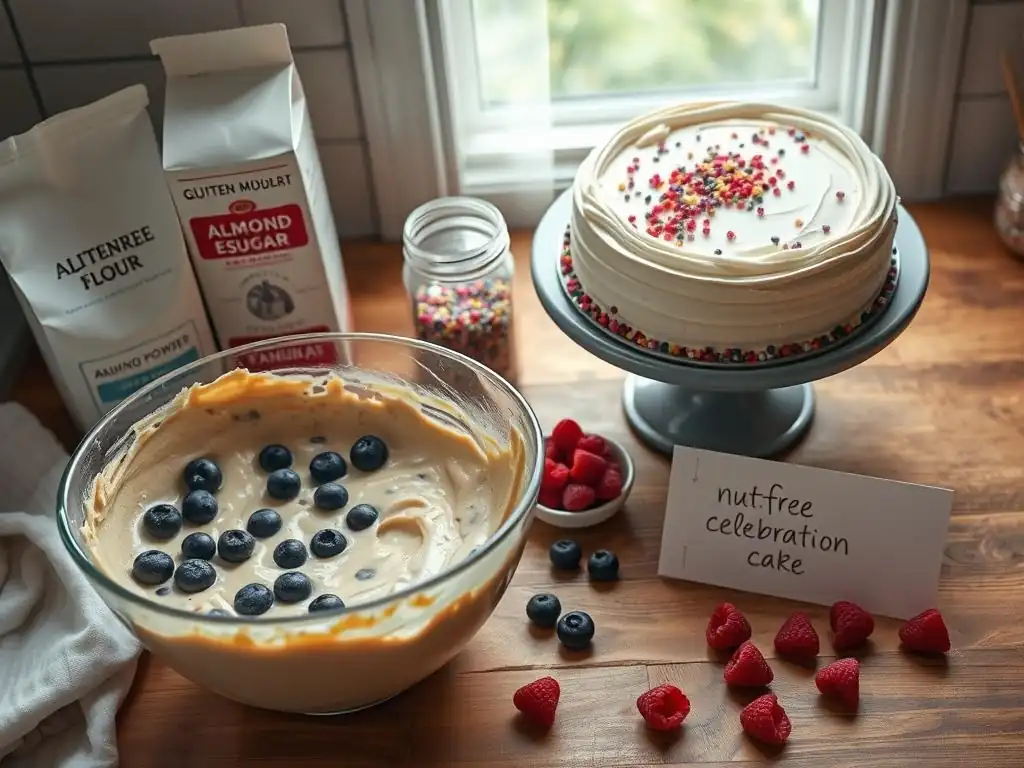
Welcome to BakeWithEase, your haven for effortless baking! Ever found yourself needing a cake now, only to realize you're out of mix and worried about nut allergens? This guide unveils a game-changing solution: a nut-free cake mix recipe you can whip up from pantry staples. Intrigued? Let's unlock the secrets to delicious, safe, and spontaneous baking!
- BakeWithEase Presents: The Ultimate Nut-Free Cake Mix Recipe
- Understanding Nut Allergies in Baking and the Importance of Nut-Free Recipes
- The Best Nut-Free Cake Mix Recipe: Step-by-Step Guide
- Using Your DIY Nut-Free Cake Mix: Baking Instructions and Tips
- Troubleshooting Your Nut-Free Cake Baking
- Where to Find Certified Nut-Free Baking Ingredients
- Enjoying Your Delicious and Safe Nut-Free Cakes
- Frequently Asked Questions
- Final Reflection: Baking Freedom, One Nut-Free Cake at a Time
- Unleash Your Inner Baker: Nut-Free Cake Magic Awaits!
BakeWithEase Presents: The Ultimate Nut-Free Cake Mix Recipe
Baking should be a joyous activity, a way to share delicious treats with everyone you care about. For those navigating nut allergies, however, baking can often feel daunting, fraught with the risk of cross-contamination. Finding a reliable, safe, and genuinely tasty nut-free cake mix recipe can be a game-changer, transforming baking from a potential hazard into the simple pleasure it should be. A homemade nut-free cake mix offers peace of mind, knowing exactly what ingredients are used and ensuring a safe environment from start to finish.
This guide will walk you through creating your own DIY nut-free cake mix, a perfect pantry staple ready for those spontaneous baking moments. Having a pre-made mix means you're always prepared for a last-minute birthday, bake sale, or simply a sudden craving for cake. We'll cover everything from understanding common allergens and ensuring a safe baking space to mixing and storing your homemade blend. Get ready to simplify your baking and bake delicious, worry-free cakes!
Why a Homemade Nut-Free Cake Mix is a Baking Essential
Creating your own nut-free cake mix recipe at home offers unparalleled control over the ingredients, which is crucial for managing nut allergies. Unlike store-bought mixes, which may carry warnings about potential cross-contamination due to shared equipment, making your own mix guarantees you are using only certified nut-free ingredients in a dedicated, safe environment. This significantly reduces the risk of accidental exposure, providing immense peace of mind for bakers and those enjoying the treats. It's about more than just avoiding nuts; it's about building trust and safety into every bite.
Beyond safety, a DIY nut-free cake mix also allows for customization. You can control the type of flour, the amount of sugar, and even add specific flavorings like extra vanilla or a hint of spice directly into the mix. This flexibility means you can tailor the base mix to your family's preferences or dietary needs beyond just being nut-free, such as adjusting for lower sugar content or using a preferred gluten-free flour blend. It turns a simple baking task into a personalized culinary experience, ensuring delicious results every time while maintaining strict allergen control.
Understanding Nut Allergies in Baking and the Importance of Nut-Free Recipes
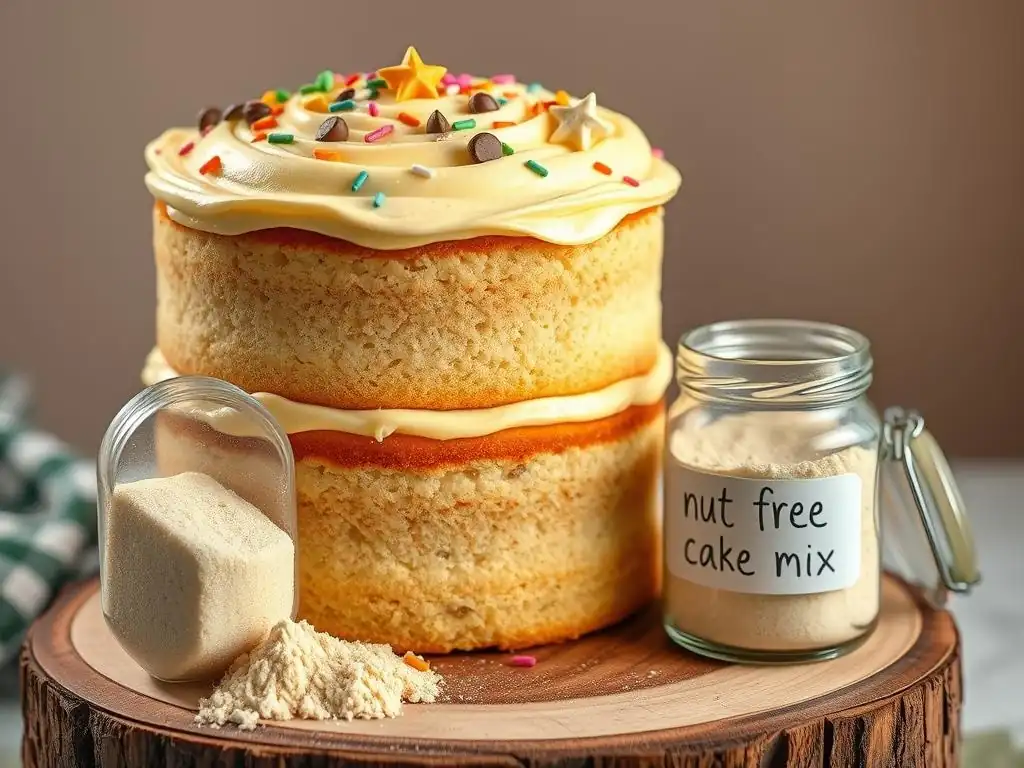
Nut allergies are among the most common food allergies, affecting millions of people worldwide. Reactions can range from mild symptoms like hives and digestive issues to severe, life-threatening anaphylaxis. For individuals with nut allergies, even trace amounts of nuts or nut-derived ingredients can trigger a reaction. This makes baking, which often involves ingredients like nuts for flavor or texture, particularly challenging. Developing a reliable nut-free cake mix recipe and practicing rigorous nut-free baking techniques are not just preferences but essential safety measures.
The importance of nut-free cake mix recipes extends beyond avoiding whole nuts. Nut proteins can be found in various forms, including nut flours, nut oils, nut extracts, and even in ingredients processed in facilities that also handle nuts, leading to cross-contamination. This hidden risk is why relying on recipes and ingredients specifically vetted as nut-free is vital. It requires careful label reading, understanding potential sources of hidden nuts, and establishing safe baking practices at home to ensure that the final cake is truly safe for consumption by someone with a nut allergy.
Common Nut Allergens to Avoid in Cake Mixes
When creating a nut-free cake mix, it's essential to be aware of the most common nut allergens. Tree nuts, such as almonds, walnuts, pecans, cashews, pistachios, and Brazil nuts, are frequent culprits. Peanuts, while technically legumes, are often grouped with tree nuts due to similar allergic reactions and cross-reactivity. Coconut is sometimes questioned, but the American Academy of Allergy, Asthma & Immunology classifies it separately from tree nuts; however, some individuals may react, so caution is advised depending on the specific allergy profile.
Avoiding these allergens means meticulously checking ingredient labels on all components of your homemade nut-free cake mix. This includes not just flours and sugars but also leavening agents, salt, and any added flavorings like vanilla extract or cocoa powder. Many packaged goods carry "may contain" warnings if processed on equipment shared with nuts. For maximum safety, seek out ingredients explicitly labeled as certified nut-free, processed in dedicated nut-free facilities. This level of diligence is key to ensuring your DIY nut-free cake mix is genuinely safe.
Ensuring a Safe Baking Environment for Nut-Free Cakes
Creating a safe environment is paramount when baking for someone with a nut allergy, especially when using a nut-free cake mix recipe. The primary concern is preventing cross-contact, where nut proteins accidentally contaminate nut-free ingredients or surfaces. This requires thorough cleaning of all baking surfaces, utensils, bowls, and equipment before starting. Washing with hot, soapy water is a good first step, followed by sanitizing surfaces if possible. Pay special attention to hard-to-clean items like mixing bowls, whisks, and measuring cups.
Beyond cleaning, consider dedicated nut-free baking tools if possible, or ensure tools previously used with nuts (like a food processor or stand mixer) are scrupulously cleaned. Store nut-free ingredients separately from any nut-containing items in your pantry to avoid accidental contact. When preparing your DIY nut-free cake mix, use clean, dry containers that have not previously stored nuts. This systematic approach to cleanliness and separation is fundamental to successfully using your homemade nut-free cake mix without risk.
The Best Nut-Free Cake Mix Recipe: Step-by-Step Guide
Crafting the perfect nut-free cake mix recipe is simpler than you might think. The goal is to combine the dry ingredients typically found in a cake mix in the correct proportions to create a versatile base. This mix will then require adding wet ingredients like eggs, oil (or butter), milk (or a dairy-free alternative), and vanilla extract when you're ready to bake a cake. Having this mix ready means you're only minutes away from a delicious, safe cake.
The beauty of this DIY nut-free cake mix is its adaptability. While we'll provide a basic formula, you can slightly adjust the ratios or add-ins based on your preferred flour type or desired cake texture. The key is to use high-quality, certified nut-free ingredients and measure them accurately. With your pantry stocked with this homemade nut-free cake mix, spontaneous celebrations or dessert cravings become easy to satisfy safely.
Gathering Your Nut-Free Baking Ingredients
To make your nut-free cake mix, you'll need several key dry ingredients. The exact quantities will depend on how large a batch you want to make, but let's outline the components for a standard-sized mix, roughly equivalent to a large box mix (yielding one standard layer cake or about 12 cupcakes). You'll need flour, sugar, a leavening agent (baking powder and/or baking soda), and salt. Optional but recommended are dry flavorings like powdered vanilla or a pinch of spice.
Ensuring each ingredient is certified nut-free is the most critical step in preparing your DIY nut-free cake mix. Read labels carefully and, if possible, purchase ingredients from brands known for their allergen safety protocols or those specifically labeled "processed in a nut-free facility." Investing a little extra time in sourcing safe ingredients is essential for the peace of mind that comes with using your homemade nut-free cake mix.
Essential Flours for a Nut-Free Cake Mix
For a classic nut-free cake mix recipe, all-purpose flour is a common choice, provided it's certified nut-free. Look for brands that explicitly state their flour is processed in a facility free from nuts. Approximately 3 cups (about 360-390 grams, depending on measuring method) is a good starting point for a standard mix size. Cake flour, which has a lower protein content, can also be used for a finer crumb, but ensure it meets the same nut-free safety standards.
If you're also navigating gluten sensitivities along with a nut allergy, a certified nut-free gluten-free all-purpose blend can be substituted. These blends often contain a mix of rice flour, potato starch, and tapioca starch. The specific blend might slightly alter the texture of the final cake baked from your DIY nut-free cake mix, but many high-quality blends perform very well in cake recipes. Experimenting with a small batch can help determine your preferred flour type.
Nut-Free Sugar Options for Baking
Granulated sugar is the standard sweetener for most cake mixes and is generally considered nut-free. Approximately 1 ½ to 2 cups (about 300-400 grams) is a typical amount for a standard mix, depending on how sweet you like your cakes. Ensure the sugar is stored in a clean container, away from any potential cross-contamination sources. While sugar itself is unlikely to contain nuts, the processing facility or packaging environment is always a factor to consider for severe allergies.
For variations or specific dietary needs, you could potentially use superfine sugar or even a portion of powdered sugar in your nut-free cake mix, though powdered sugar often contains cornstarch which should also be verified as nut-free. Brown sugar is less common in dry cake mixes due to its moisture content but is safe from a nut perspective if sourced carefully. Stick to granulated sugar for the basic homemade nut-free cake mix for best results and ease of storage.
Raising Agents: Baking Powder and Baking Soda
Leavening agents are crucial for giving your cake lift and a tender crumb. Your nut-free cake mix recipe will require baking powder, and sometimes baking soda, depending on the type of cake you plan to make with it. For a versatile mix, include both. A common ratio might be around 1 tablespoon of baking powder and ½ teaspoon of baking soda per batch equivalent to a standard box mix.
Ensure your baking powder is fresh and double-acting for reliable results. Both baking powder and baking soda are typically nut-free, but it's always wise to check the packaging or manufacturer's website for allergen statements, especially for severe allergies. These ingredients react with liquids and acids when the cake is mixed and baked, creating carbon dioxide gas that causes the cake to rise. Using fresh leavening agents is key to avoiding a dense cake when using your DIY nut-free cake mix.
Flavor Enhancers: Vanilla Extract and Spices
While liquid vanilla extract is added when baking the cake, incorporating dry flavorings into your nut-free cake mix itself can enhance its versatility. A teaspoon or two of powdered vanilla bean or vanilla powder can be added directly to the dry mix for a richer vanilla flavor. Similarly, a pinch of salt (about ½ teaspoon per mix) is essential for balancing sweetness and enhancing all other flavors; ensure your salt is plain table salt or kosher salt, free from additives processed with nuts.
For a spice cake variation using your homemade nut-free cake mix, you could add ground cinnamon, nutmeg, or other spices directly to the mix. Start with about 1-2 teaspoons of total spice for a noticeable but not overpowering flavor. Ensure your ground spices are pure and haven't been cross-contaminated. Adding these dry flavor enhancers means your basic nut-free cake mix recipe can be easily transformed into different cake varieties simply by adding the wet ingredients.
Mixing the Nut-Free Cake Mix: The Perfect Blend
Once you have gathered all your certified nut-free dry ingredients, mixing your DIY nut-free cake mix is straightforward. In a very large bowl, whisk together the flour, sugar, salt, baking powder, baking soda, and any optional dry flavorings like powdered vanilla or spices. Whisk thoroughly for several minutes to ensure all ingredients are evenly distributed. This step is crucial; uneven distribution of leavening agents, for instance, can lead to an unevenly risen cake.
Alternatively, you can pulse the ingredients together a few times in a food processor (ensuring it's been scrupulously cleaned of any nut residue). However, whisking by hand is often sufficient and minimizes the risk of over-processing or static cling. The goal is a homogenous mixture where every scoop contains the correct proportion of each ingredient. This perfectly blended homemade nut-free cake mix is now ready for storage.
Storing Your Homemade Nut-Free Cake Mix for Optimal Freshness
Proper storage is key to keeping your nut-free cake mix fresh and ready to use. The best way to store it is in an airtight container in a cool, dry place like your pantry. Glass jars with tight-fitting lids, sturdy plastic containers with secure seals, or even heavy-duty zip-top bags (with as much air removed as possible) work well. Ensure the container is completely dry before adding the mix.
Stored correctly, your DIY nut-free cake mix should remain fresh for several months, typically up to 3-6 months, similar to store-bought mixes. The leavening agents may lose some potency over time, so for best results, aim to use the mix within this timeframe. Label the container clearly with the contents ("Nut-Free Cake Mix") and the date it was prepared. This ensures you always know what's inside and when it was made, keeping your homemade nut-free cake mix system organized.
Using Your DIY Nut-Free Cake Mix: Baking Instructions and Tips
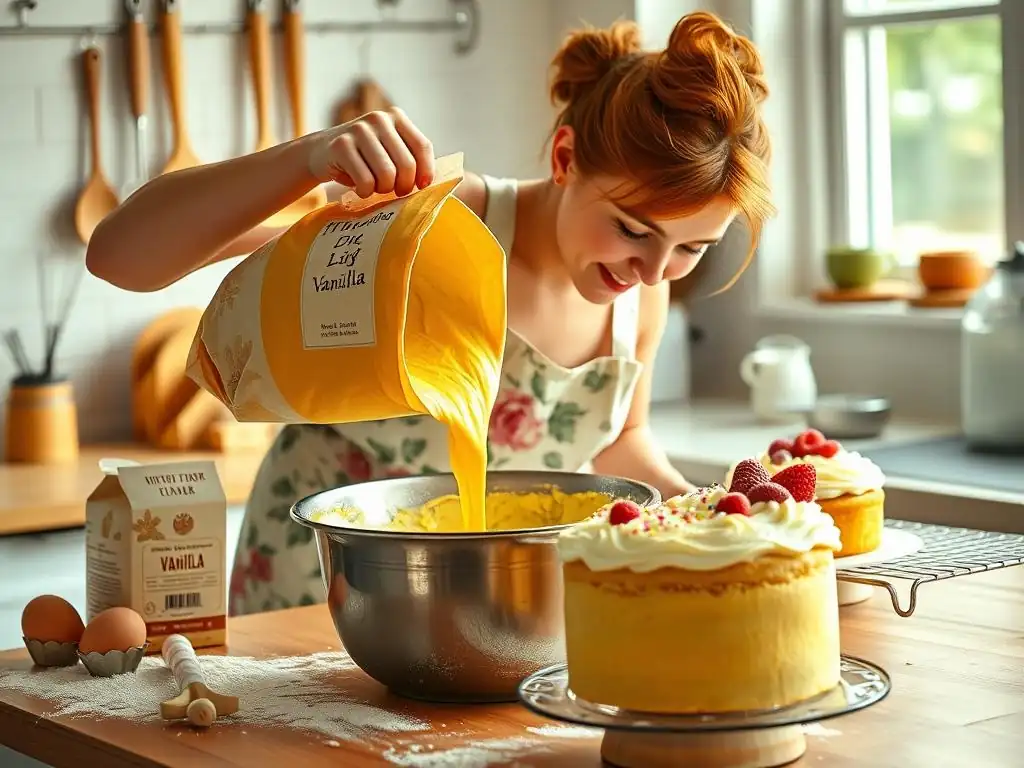
Now that you have your nut-free cake mix ready, it's time for the fun part: baking! Using your homemade mix is very similar to using a store-bought one. You'll simply add the specified wet ingredients to the dry mix, stir until just combined, and bake according to the recipe's instructions. The convenience factor is huge – no need to measure out multiple dry ingredients each time you want to bake a cake.
The beauty of having a batch of your DIY nut-free cake mix on hand is the speed and simplicity it brings to baking. In just a few minutes, you can go from craving cake to having a batter ready for the oven. This makes it ideal for impromptu desserts, last-minute party contributions, or simply satisfying that sweet tooth without a lengthy prep process, all while maintaining complete confidence in the safety of your nut-free treat.
Basic Nut-Free Cake Recipe Using Your Mix
This basic recipe will guide you on how to turn your homemade nut-free cake mix into a delicious vanilla cake. This is a simple and versatile base that can be enjoyed as is or easily adapted with frostings and decorations. Remember to preheat your oven and prepare your baking pan (greased and floured or lined with parchment paper) before you begin mixing the batter.
Using your nut-free cake mix recipe takes the guesswork out of the dry ingredients. The wet ingredients provide the necessary moisture and structure. The ratio of wet to dry is crucial for the cake's texture, so measuring accurately is important, even though the dry mix is already prepared. This basic method works for cupcakes, layer cakes, or even a simple loaf cake.
Ingredients for the Nut-Free Cake Base
To bake one standard cake (like a 9x13 inch sheet cake, two 8 or 9-inch round layers, or about 24 cupcakes) using your nut-free cake mix, you will typically need the following wet ingredients:
- 1 batch of your DIY nut-free cake mix (approximately 6-7 cups dry mix)
- ½ cup (118ml) vegetable oil or melted unsalted butter (ensure butter is from a nut-free source)
- 1 cup (237ml) milk or nut-free dairy alternative (like soy milk, oat milk, or rice milk)
- 1 teaspoon pure vanilla extract (ensure it's nut-free)
- 3 large eggs (at room temperature for best results)
These proportions are approximate and might require slight adjustments depending on the specific flour used in your homemade nut-free cake mix and desired consistency. Having ingredients at room temperature helps them emulsify better, leading to a smoother batter and a more tender cake.
Step-by-Step Baking Instructions
-
Preheat your oven to 350°F (175°C). Prepare your baking pan(s) by greasing and flouring or lining with parchment paper.
-
In a large bowl, combine the wet ingredients: oil (or melted butter), milk, vanilla extract, and eggs. Whisk until well combined.
-
Add the entire batch of your nut-free cake mix to the wet ingredients.
-
Using a whisk or electric mixer on low speed, mix the ingredients until just combined. Do not overmix. A few small lumps are okay. Overmixing can develop the gluten in the flour, resulting in a tough cake.
-
Pour the batter evenly into the prepared pan(s).
-
Bake according to the pan size:
- Cupcakes (fill liners about two-thirds full): 20-25 minutes
- 8 or 9-inch round layers: 25-35 minutes
- 9x13 inch sheet cake: 30-35 minutes
- Loaf cake: 45-55 minutes
Bake until a wooden skewer or toothpick inserted into the center comes out clean.
-
Let the cake cool in the pan for 10-15 minutes before inverting it onto a wire rack to cool completely. Ensure the wire rack is clean and free from nut residue.
This simple process shows how easy it is to use your DIY nut-free cake mix. The baking times are estimates and may vary slightly depending on your oven. Always check for doneness with a skewer.
Variations and Flavor Combinations for Your Nut-Free Cake
One of the great advantages of having a basic nut-free cake mix recipe is its versatility. While the basic mix is designed for a vanilla cake, you can easily adapt it to create different flavors by adding extra ingredients when you mix the batter. This means your single homemade nut-free cake mix can be the base for a variety of delicious nut-free treats, perfect for any occasion or craving.
These variations allow you to get creative with your baking while still relying on the safety and convenience of your pre-made DIY nut-free cake mix. Ensure any additional ingredients you add for flavor, like cocoa powder, spices, or extracts, are also certified nut-free to maintain the integrity of your safe baking efforts.
Nut-Free Chocolate Cake Recipe
To transform your basic nut-free cake mix into a rich chocolate cake, you'll need to add cocoa powder when mixing the batter.
- Use the basic wet ingredients listed above.
- Add ½ cup (about 45-50 grams) unsweetened cocoa powder (ensure it's nut-free) to the dry mix before adding the wet ingredients, or whisk it into the wet ingredients until smooth.
- Proceed with the basic baking instructions.
Adding cocoa powder requires careful mixing to avoid lumps. Sifting the cocoa powder before adding it to the mix can help. This simple addition turns your homemade nut-free cake mix into a chocolate lover's dream, perfect for pairing with chocolate frosting or ganache.
Nut-Free Vanilla Cake Recipe
The basic recipe provided for using your DIY nut-free cake mix inherently creates a delicious vanilla cake. The vanilla extract added to the wet ingredients provides the primary flavor.
- Follow the basic ingredients and step-by-step instructions precisely.
To enhance the vanilla flavor further, you could use a high-quality pure vanilla extract or even add the scraped seeds of half a vanilla bean to the wet ingredients. If you added powdered vanilla to your nut-free cake mix itself, you'll already have a head start on that classic vanilla taste.
Nut-Free Spice Cake Recipe
For a warm and comforting spice cake using your nut-free cake mix, you'll add ground spices to the batter.
- Use the basic wet ingredients.
- Add 1-2 teaspoons of ground cinnamon, ½ teaspoon ground nutmeg, ¼ teaspoon ground cloves, and ¼ teaspoon ground ginger (ensure all spices are nut-free) to the wet ingredients and whisk well, or whisk into the dry mix before adding wet ingredients.
- Proceed with the basic baking instructions.
Adjust the spice quantities to your preference. A spice cake made from your homemade nut-free cake mix is particularly lovely in the fall or winter months, perhaps paired with a cream cheese frosting. Ensure your spices are fresh for the best flavor.
Troubleshooting Your Nut-Free Cake Baking
Even with a reliable nut-free cake mix recipe, baking can sometimes present challenges. Understanding common issues and knowing how to address them will help ensure consistent success with your homemade mix. Most problems stem from measurement inaccuracies, oven temperature variations, or mixing technique. Don't be discouraged if your first cake isn't perfect; baking is a skill that improves with practice.
Addressing these common issues ensures that the time and effort you put into making your DIY nut-free cake mix pay off with delicious, well-baked cakes every time. Keeping notes on what worked (or didn't work) can be helpful for future baking endeavors.
Common Issues and Solutions When Baking Nut-Free Cakes
Here are some frequent problems encountered when baking cakes, along with practical solutions applicable when using your homemade nut-free cake mix:
- Cake stuck to the pan: Ensure you grease and flour your pan thoroughly, or use parchment paper (especially for the bottom of round pans). Allow the cake to cool in the pan for the recommended time (10-15 minutes) before attempting to invert it.
- Cake has tunnels or is tough: This is usually a sign of overmixing the batter after adding the dry mix. Mix only until the dry ingredients are just incorporated.
- Cake sank in the middle: Could be due to opening the oven door too early, insufficient baking time, incorrect leavening agent measurements in the mix, or inaccurate oven temperature. Ensure the oven is properly preheated and avoid opening the door until close to the end of the baking time.
Addressing these points will significantly improve your results when baking with your DIY nut-free cake mix. Pay attention to details like oven temperature and don't rush the cooling process.
Cake Not Rising Properly
If your cake is flat or doesn't rise well, several factors could be at play when using your nut-free cake mix. The most common causes are inactive leavening agents (baking powder or baking soda) or overmixing the batter. Baking powder typically has a shelf life of 6-12 months once opened; test its freshness by adding a teaspoon to hot water – it should bubble vigorously. Baking soda can be tested by adding a quarter teaspoon to a little vinegar – it should also bubble immediately.
Ensure your homemade nut-free cake mix was made with fresh leavening agents. If you suspect the issue is with the mix itself, you might need to make a new batch with fresher ingredients. If the mix is fresh, the issue might be overmixing (which deflates the air bubbles needed for lift) or baking at too low a temperature, which prevents the leavening agents from activating properly. Verify your oven temperature with an oven thermometer.
Cake is Too Dry
A dry cake is often the result of overbaking or using incorrect liquid-to-dry ratios. When using your DIY nut-free cake mix, ensure you are adding the correct amount of wet ingredients as specified in the recipe. Measuring liquids accurately is just as important as measuring the dry mix. Also, pay close attention to the baking time and check for doneness using the skewer test towards the lower end of the suggested time range.
Oven temperature can also contribute to dryness; an oven that runs too hot will bake the cake faster, potentially drying it out before the center is fully cooked. Using an oven thermometer can help confirm your oven's accuracy. Storing your homemade nut-free cake mix in an airtight container prevents moisture from affecting the dry ingredients, which could also impact the final cake's texture.
Cake is Too Dense
A dense cake can be caused by similar issues as a cake that doesn't rise, primarily inactive leavening or overmixing. If your baking powder and soda are fresh and you are careful not to overmix the batter from your nut-free cake mix, consider the possibility that your flour was packed too tightly when the mix was made (leading to too much flour) or that your wet ingredients were not at room temperature (which can affect emulsification and texture).
Another factor could be using a flour type that is too high in protein for a tender cake. While all-purpose works well, ensure you're not using bread flour, for example, in your DIY nut-free cake mix. If using a gluten-free blend, some blends can result in a slightly denser cake than wheat flour. Ensure you're using the recommended amount of fat (oil or butter) in the wet ingredients, as fat contributes significantly to tenderness.
Where to Find Certified Nut-Free Baking Ingredients
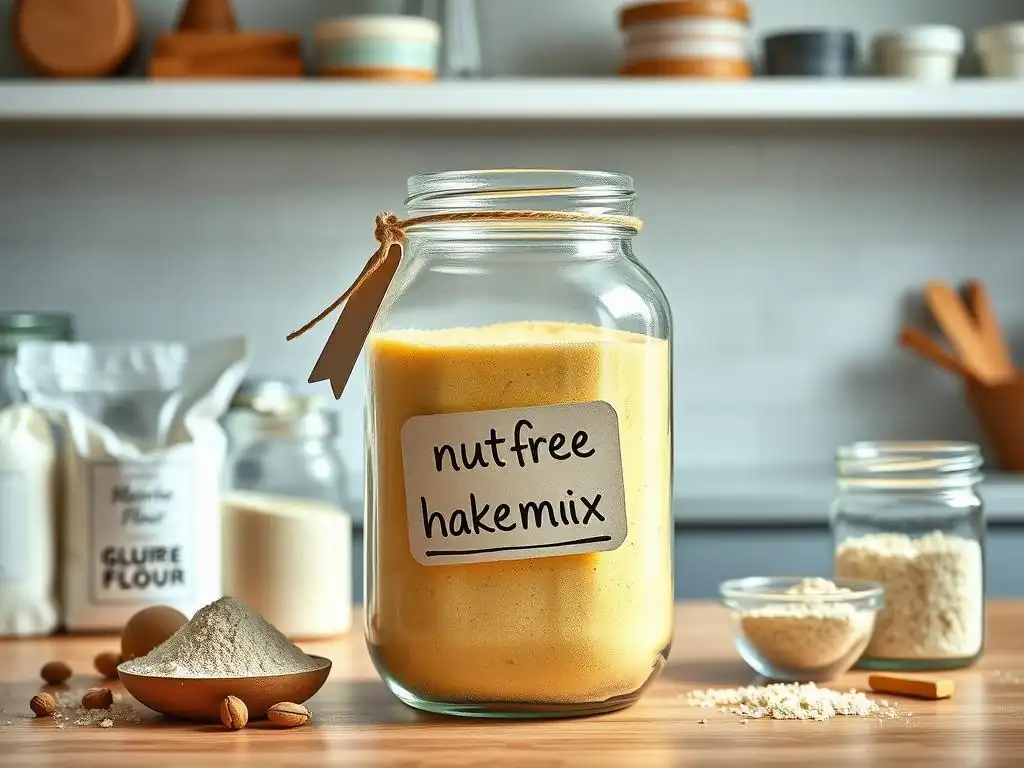
Sourcing certified nut-free ingredients is a critical step in making a safe nut-free cake mix recipe. While many mainstream products are free from nuts by ingredient, the risk of cross-contamination during processing is a major concern for individuals with severe allergies. Look for products explicitly labeled "certified nut-free," "processed in a dedicated nut-free facility," or carrying a seal from an allergen certification program.
These ingredients might be found in dedicated allergen-free sections of larger supermarkets, health food stores, or online specialty retailers focusing on allergy-friendly foods. While they may sometimes be slightly more expensive, the assurance of safety they provide is invaluable when creating your homemade nut-free cake mix and baking for someone with a nut allergy. Always double-check labels as manufacturing practices can change.
Recommended Brands and Suppliers for Nut-Free Flours and Products
While specific brand availability varies by region, several types of suppliers are reliable sources for nut-free baking ingredients. Look for companies that specialize in allergen-free foods; their entire production process is typically designed to prevent cross-contamination. Many such companies have online stores, making their products accessible regardless of your local grocery store's inventory.
Additionally, some conventional ingredient manufacturers have specific product lines or facilities that are certified nut-free. It's worth researching brands of flour, sugar, cocoa powder, and leavening agents to see if they offer certified nut-free options or have clear allergen statements regarding their processing environment. Prioritizing these sources ensures the foundation of your DIY nut-free cake mix is built on safety.
Enjoying Your Delicious and Safe Nut-Free Cakes
With your nut-free cake mix recipe mastered and a batch ready in your pantry, you are equipped to bake delicious, safe cakes whenever the mood strikes. The convenience of a homemade mix means less time measuring dry ingredients and more time enjoying the process of baking and decorating. Knowing that your cake is free from common nut allergens brings immense peace of mind, allowing everyone to partake in the sweet treat.
Baking with your homemade nut-free cake mix is not just about making a dessert; it's about creating moments of joy and inclusion. Whether it's for a birthday, a holiday, or just because, sharing a cake you know is safe for everyone makes the experience even sweeter. Embrace the ease and confidence that comes with having this essential DIY nut-free cake mix in your baking arsenal.
One of the greatest rewards of using your DIY nut-free cake mix is the ability to share your baked goods without worry. When you bring a cake made from your certified nut-free ingredients and prepared in a safe environment, you can confidently offer it to friends, family, or classmates with nut allergies. This eliminates the common anxiety associated with shared food and allergies at parties or gatherings.
Armed with your reliable nut-free cake mix recipe, you can bake for school events, office parties, or family functions, knowing you are providing a safe option. This act of baking inclusively is deeply appreciated by those managing food allergies. So go ahead, bake that cake from your homemade nut-free cake mix, decorate it beautifully, and share your delicious, safe creations with pride!
Frequently Asked Questions
What makes this cake mix recipe "nut-free"?
This recipe is nut-free because it uses ingredients that are naturally nut-free and doesn't include any nut-based products or derivatives. We carefully select ingredients to avoid cross-contamination as well.
Can I substitute the all-purpose flour with a gluten-free alternative?
Yes, you can use a gluten-free all-purpose flour blend. Be sure to use a blend that is formulated for baking and contains xanthan gum for structure.
How long does the DIY nut-free cake mix last if stored properly?
When stored in an airtight container in a cool, dry place, the mix can last for up to 6 months. Be sure to check for any signs of spoilage before using.
What kind of frosting pairs well with a nut-free cake?
Many frostings work wonderfully! Cream cheese frosting, chocolate ganache, or a simple vanilla buttercream are all excellent nut-free choices. Always check ingredient labels for potential allergens.
Can I add chocolate chips to this nut-free cake mix?
Yes, you can add chocolate chips! Just be sure to use nut-free chocolate chips to maintain the recipe's nut-free status. Always read the packaging carefully.
Final Reflection: Baking Freedom, One Nut-Free Cake at a Time
The accessibility of delicious, allergy-friendly treats is no longer a luxury, but a necessity. This DIY nut-free cake mix recipe empowers individuals with nut allergies and those catering to them, offering a simple solution to enjoy the joy of baking and celebrating without the fear of accidental exposure. It's a testament to the power of adaptable recipes in creating inclusive spaces.
The impact of food allergies extends far beyond individual dietary needs; it shapes social gatherings, family traditions, and even the simple act of sharing a slice of cake. The creation of this recipe, and the growing awareness surrounding allergy-friendly baking, reflects a broader societal shift towards inclusivity and understanding. Food is symbolic of love when words are inadequate.
– Alan D. Wolfelt. This sentiment rings especially true when considering the emotional weight of providing safe and delicious food for loved ones with allergies.
Now, it's your turn. Consider the simple act of baking – the joy it brings, the connections it fosters. This recipe isn't just about a nut-free cake; it's about creating moments of shared happiness, free from worry and filled with deliciousness. Try the recipe, adapt it to your preferences, and share the joy of baking with everyone, regardless of dietary needs. Let's build a world where everyone can celebrate with a slice of cake.
Unleash Your Inner Baker: Nut-Free Cake Magic Awaits!
Thanks for joining us on this nut-free baking adventure! You've now got the secret to effortlessly creating delicious cakes, even on the busiest days. Ready to put your new skills to the test?
- Bake your first nut-free masterpiece! Use this recipe as a base and experiment with different frostings and decorations. Let your creativity shine!
- Share your cake creations with friends and family – and don’t forget to tag us on social media! We'd love to see your baking triumphs.
- Explore our other recipes for more delicious, allergy-friendly treats – you might discover your new favorite dessert!
What amazing flavor combinations will you create with your new go-to nut-free cake mix?