
How to Substitute Eggs in Vegan Keto Bakes


Welcome to BakeWithEase, your kitchen companion for unlocking baking brilliance! Are you ready to explore the seemingly impossible? This week, we're diving deep into the world of Dietary & Allergen-Specific Baking to answer a burning question: Is a delicious, guilt-free vegan keto treat even possible? Get ready to discover the secrets of the vegan keto egg substitute and unlock a whole new world of baking possibilities. Intrigued? Keep reading to learn how to create delectable vegan keto bakes without sacrificing flavor or texture!
- Mastering Egg-Free Keto Baking: Achieve Perfect Textures
- Understanding Egg's Role in Keto Baking
- Top Egg Substitute Options for Keto Baking
- Mastering the Technique: Tips for Successful Keto Egg Substitutions
- Keto Egg Substitute Guide: Recipe Adaptations & Examples
- Troubleshooting Common Issues with Keto Egg Substitutes
- Conclusion: Expanding Your Keto Baking Repertoire
-
Frequently Asked Questions
- What are some common vegan keto egg substitutes?
- How does a "flax egg" work as an egg substitute in vegan keto recipes?
- Can I use applesauce as an egg substitute in my vegan keto baking?
- What are the key considerations when choosing an egg substitute for vegan keto baking?
- Where can I find vegan keto egg substitute recipes and tips?
- Final Reflection: Unlocking the Vegan Keto Baking Revolution
- Unlock Deliciously Vegan Keto Baking!
Mastering Egg-Free Keto Baking: Achieve Perfect Textures
Understanding Egg's Role in Keto Baking
Binding, Moisture, and Structure: The Functions of Eggs
Eggs are a cornerstone in traditional baking, performing multiple critical roles simultaneously. Their proteins, primarily albumin in the whites, coagulate when heated, creating a structural network that helps baked goods hold their shape and provides lift, especially when whipped. The fat and lecithin in the yolks contribute richness, moisture, and emulsification, helping to create a smooth, tender crumb and preventing ingredients from separating.
Beyond structure and moisture, eggs act as a powerful binder, holding together the dry ingredients like flour, sugar, and leavening agents. This binding quality is essential for preventing baked goods from crumbling. They also contribute to browning (Maillard reaction) and flavor. In essence, eggs are a versatile ingredient that provides structure, moisture, binding, richness, and aid in leavening, making their removal a significant challenge when aiming for a successful vegan keto egg substitute.
Keto Baking Challenges: Maintaining Texture Without Eggs
Keto baking inherently presents challenges due to the low-carbohydrate flours used, such as almond flour and coconut flour, which behave very differently from wheat flour. These flours often lack gluten, the protein network that provides elasticity and structure in traditional baking. Eggs typically help compensate for this lack of gluten by providing structure and binding.
When you combine the challenges of low-carb flours with the removal of eggs for a vegan keto egg substitute, maintaining desirable texture becomes even more complex. Without the protein structure and binding power of eggs, keto baked goods can easily become dry, crumbly, or fail to hold together. Finding effective vegan keto egg substitutes that can replicate these functions is key to achieving satisfying results, from moist muffins to sturdy bread.
Top Egg Substitute Options for Keto Baking

1. Psyllium Husk: A Low-Carb Binding Agent
Psyllium husk, derived from the seeds of the Plantago ovata plant, is a fibrous ingredient known for its incredible ability to absorb liquid and form a gel. This gelling property makes it an excellent vegan keto egg substitute, particularly valuable in recipes where structure and elasticity are needed, such as keto breads and buns. It adds minimal net carbs, fitting perfectly into a keto diet.
When mixed with water, psyllium husk swells dramatically, creating a viscous, gel-like substance. This gel acts as a powerful binder, mimicking some of the structural properties of eggs. It helps hold the dough or batter together, provides a chewy texture, and aids in preventing crumbling, which is a common issue in egg-free keto baking using alternative flours. Using powdered psyllium husk often results in a smoother texture compared to whole husks.
How to Use Psyllium Husk in Keto Recipes
To use psyllium husk as a vegan keto egg substitute, a common ratio is to whisk together 1 teaspoon of psyllium husk (or slightly less if using powder) with about 3 tablespoons of water for each egg being replaced. It's crucial to let this mixture sit for 5-10 minutes to allow the gel to form before adding it to your recipe. The mixture will become thick and gelatinous.
Add the psyllium gel to your wet ingredients. Be aware that psyllium husk absorbs a significant amount of liquid, so you might need to slightly increase the total liquid in your recipe compared to an egg-based version. Start with the standard substitution ratio and adjust the liquid based on the desired consistency of your batter or dough. Some recipes might require a slightly different ratio depending on the other ingredients and the specific type of psyllium husk used.
Best Uses for Psyllium Husk in Keto Baking
Psyllium husk shines in keto baking recipes where structure and chewiness are paramount. It is arguably one of the best vegan keto egg substitutes for loaves of bread, rolls, pizza crusts, and bagels made with almond or coconut flour. It provides the necessary binding to create a dough that can be kneaded and shaped, and it contributes to the airy, chewy texture often missing in gluten-free and egg-free baked goods.
While primarily used in savory or bread-like applications, psyllium husk can also work in some denser sweet treats like brownies or certain types of muffins, though it can sometimes impart a slightly purple hue to lighter batters, especially if using large amounts or lower quality husk. For delicate cakes or cookies where a tender crumb is desired, other substitutes might be preferable, but for robust structures, psyllium husk is a top contender for a vegan keto egg substitute.
2. Chia Seeds: Creating Gelatinous Binders
Chia seeds, small nutritional powerhouses, are another excellent plant-based option for creating a gelatinous binder suitable as a vegan keto egg substitute. Like psyllium husk, chia seeds absorb liquid and form a gel, thanks to their soluble fiber content. This gel is effective at binding ingredients together, adding moisture, and contributing healthy fats and fiber to your keto bakes.
Using chia seeds as a binder is straightforward and requires minimal preparation. The resulting "chia egg" has a slightly speckled appearance, which is fine for rustic-looking baked goods. If a smoother texture is needed, the chia seeds can be ground into a meal before being mixed with liquid, similar to flaxseed meal, though this is less common for standard chia egg preparation.
Preparing Chia Seed Gel for Keto Baking
To make a chia seed gel, combine 1 tablespoon of whole chia seeds with 3 tablespoons of water. Whisk or stir the mixture and let it sit for about 10-15 minutes. During this time, the seeds will absorb the water and form a thick, gel-like consistency, similar to a raw egg white in viscosity. This mixture is then ready to be used as a vegan keto egg substitute in your recipe.
The ratio of 1 tablespoon chia seeds to 3 tablespoons water is the standard equivalent for one large egg. However, as with any substitute, slight adjustments might be needed depending on the specific recipe and other ingredients used. Ensure the gel has properly thickened before incorporating it into your batter or dough to ensure optimal binding.
Ideal Keto Recipes for Chia Seed Gel
Chia seed gel works well as a vegan keto egg substitute in a variety of baked goods, particularly those where a slightly denser or moister texture is acceptable. It's a popular choice for keto muffins, quick breads, pancakes, and cookies. The small seeds may remain visible, adding a rustic appearance, which is often desirable in homemade-style treats.
While effective for binding and moisture, chia gel doesn't provide the same structural lift as eggs. Therefore, it's less ideal for recipes that rely heavily on eggs for aeration and structure, like light and airy cakes. However, for recipes where the primary need is to hold ingredients together and add moisture, chia seed gel is a reliable and nutritious vegan keto egg substitute.
3. Flaxseed Meal: Adding Nutty Flavor and Binding
Flaxseed meal, which is simply ground flaxseeds, is another versatile plant-based binder widely used in egg-free baking, including as a vegan keto egg substitute. Like chia seeds and psyllium, flaxseed meal forms a gel when mixed with liquid due to its soluble fiber content. It also contributes a pleasant, slightly nutty flavor and healthy omega-3 fatty acids to your baked goods.
The texture of flaxseed meal gel is similar to that of chia gel, providing good binding properties. The ground nature of the meal results in a smoother consistency compared to whole chia seeds, though it will still add small flecks to your batter. The nutty flavor is a key characteristic to consider when choosing flaxseed meal as your vegan keto egg substitute.
Using Flaxseed Meal as an Egg Replacement
To create a "flax egg" for use as a vegan keto egg substitute, whisk together 1 tablespoon of flaxseed meal with 3 tablespoons of water. Let the mixture sit for about 5-10 minutes until it thickens into a gel-like consistency. This mixture can then be used to replace one large egg in a recipe.
Using finely ground flaxseed meal will generally result in a smoother gel. Ensure the mixture has thickened before adding it to your other ingredients. The ratio of 1:3 (flax meal to water) is a standard starting point, but feel free to slightly adjust the liquid depending on the desired thickness of the gel or the specific needs of your keto recipe.
Keto Baking Applications for Flaxseed Meal
Flaxseed meal is a great vegan keto egg substitute for recipes where a slight nutty flavor is complementary. It works particularly well in keto cookies, muffins, quick breads like banana bread (using keto-friendly banana extract), pancakes, and even some types of denser keto cakes or brownies. Its binding power helps prevent crumbling and adds moisture.
Due to its color and flavor, flaxseed meal is best suited for darker or more robustly flavored keto baked goods. While it provides good binding and moisture, it doesn't offer significant leavening, so recipes relying heavily on eggs for lift might need additional baking powder or soda when using flaxseed meal as the sole vegan keto egg substitute.
4. Gelatin (Optional): Enhancing Structure and Texture
Gelatin is a protein derived from animal collagen. While it is a useful binder and texturizer in general keto baking and can act as a keto egg substitute, it is not vegan. Therefore, it is not suitable for use as a vegan keto egg substitute and should only be considered if you are following a keto diet but not a vegan one. For those strictly adhering to vegan keto, skip this option.
Gelatin's primary function as a binder comes from its ability to form a gel when dissolved in hot liquid and then cooled. This property can help set liquids and add structure to baked goods, particularly those that are more custard-like or require a firmer texture. It doesn't provide leavening like eggs do, but it excels at binding and stabilizing.
Incorporating Gelatin as an Egg Substitute in Keto Recipes
If you are following a non-vegan keto diet and wish to use gelatin as a keto egg substitute for binding, the method involves "blooming" the gelatin. For one egg, you might dissolve about 1 teaspoon of unflavored gelatin powder in 1/4 cup of cold water or other cold liquid from your recipe. Let it sit for 5-10 minutes until it gels. Then, heat it gently until it dissolves completely before incorporating it into your warm wet ingredients.
The exact ratio and method can vary depending on the specific recipe and the desired outcome. Gelatin needs heat to dissolve and then cooling to set, which influences when and how it can be added to a recipe. It's important not to boil the gelatin mixture, as this can degrade its gelling properties.
Keto Baked Goods that Benefit from Gelatin
Gelatin is best used as a keto egg substitute in recipes that benefit from a firm set or added stability, rather than those needing leavening. Keto cheesecakes, low-carb custards, puddings, and certain types of bars or firm fillings can benefit from the binding and setting power of gelatin. It can provide a smoother texture than some fiber-based binders in certain applications.
Again, it is crucial to remember that gelatin is an animal product and is not a vegan keto egg substitute. It's included here as a potential keto egg substitute option for those on a non-vegan keto diet, but it does not fit the "Vegan Keto" theme of the main article.
5. Coconut Flour: Leveraging Absorbency for Binding
Coconut flour is a highly absorbent, low-carb flour often used in keto baking. While it's primarily a flour replacement rather than a direct 1:1 vegan keto egg substitute like the gels, its unique properties mean it plays a significant role in managing moisture and can complement other binders when eggs are removed. It absorbs significantly more liquid than almond flour or wheat flour, which helps create structure.
Because of its high absorbency, coconut flour requires a lot of liquid and often more eggs than other flours in traditional keto recipes. When substituting eggs in a coconut flour-based recipe, you need to be particularly mindful of the hydration balance. While you won't typically swap 1 egg for X amount of coconut flour, strategically using coconut flour alongside other vegan keto egg substitutes can help achieve the right texture by controlling the overall moisture level.
Choosing the Right Coconut Flour for Keto Baking
The quality and grind of coconut flour can vary between brands, affecting its absorbency. For consistent results in keto baking, especially when attempting egg-free recipes, look for finely ground coconut flour with a uniform texture. Clumpy or coarse coconut flour might not absorb liquid as evenly, leading to unpredictable outcomes when trying to achieve the correct batter consistency with vegan keto egg substitutes.
Store coconut flour in an airtight container to prevent it from drying out or absorbing ambient moisture, which could affect its performance in recipes. Using a consistent brand can also help you get a better feel for how it behaves in your specific egg-free keto recipes.
Keto Recipes Where Coconut Flour Works as an Egg Substitute
As mentioned, coconut flour isn't a direct egg substitute in the way flax or chia are. However, in some recipes, particularly those already using coconut flour as the primary flour, increasing the amount slightly or using it in combination with a liquid binder like psyllium husk gel can help compensate for the absence of eggs. For example, in a dense keto cookie or bar recipe primarily made with coconut flour, adding a bit more coconut flour and a binder like flax egg might achieve the desired texture.
Think of coconut flour's role in egg-free keto baking as part of the overall hydration and structure system. Its high absorbency helps manage the extra liquid introduced by gel-based vegan keto egg substitutes. It's less about a direct swap and more about balancing the entire recipe formulation to account for the lack of egg's binding and moisture-managing properties.
Mastering the Technique: Tips for Successful Keto Egg Substitutions
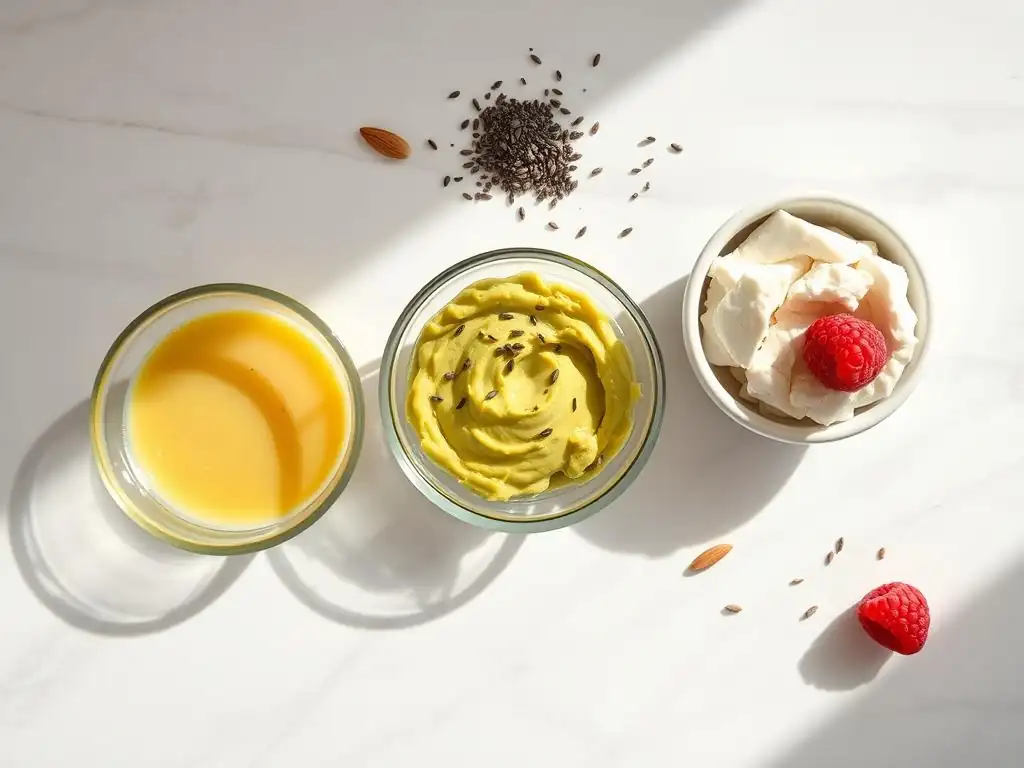
Hydration Ratios: Finding the Optimal Liquid Balance
Successfully substituting eggs in keto baking, especially with vegan keto egg substitutes, hinges critically on managing hydration. Eggs provide both structure and moisture. When you replace them with binders like psyllium, chia, or flax, you're primarily adding water along with the binding fiber. These binders also absorb liquid differently than eggs.
Start with the standard substitution ratios (e.g., 1 tbsp binder + 3 tbsp water per egg), but be prepared to adjust. The absorbency of your low-carb flour (almond vs. coconut vs. a blend) and even environmental factors like humidity can affect how much liquid your batter needs. The goal is to achieve a batter or dough consistency similar to what the egg-based version would be. It might take a few tries and some careful observation to find the optimal liquid balance for your specific recipe and chosen vegan keto egg substitute.
Combining Substitutes for Enhanced Results
Sometimes, a single vegan keto egg substitute can't fully replicate all the functions of an egg. For more complex keto bakes, combining two different substitutes can yield better results. For instance, you might use psyllium husk for its strong structural binding in a keto bread, but also add some flaxseed meal for moisture and a slightly richer texture.
Consider the specific roles each substitute plays: psyllium for structure and chew, chia/flax for binding and moisture. By using a blend, you can potentially create a more balanced texture that is closer to the original recipe's intention. Experimenting with combinations, such as using half psyllium and half flax egg to replace two eggs, can help you discover the best approach for different types of vegan keto baked goods.
Adjusting Baking Time and Temperature
Egg-free keto baked goods often require slight adjustments to baking time and temperature compared to their egg-inclusive counterparts. Since vegan keto egg substitutes don't provide the same level of rapid coagulation and structure development as eggs, the interior of the bake might take longer to set.
Lowering the baking temperature slightly (e.g., from 350°F/175°C to 325°F/160°C) and increasing the baking time can help ensure the center cooks through without the outside becoming too dark or dry. Keep a close eye on your bake, using visual cues like golden edges and a toothpick test (it should come out clean or with moist crumbs, not wet batter). A general guideline might be to reduce the temperature by 15-25 degrees Fahrenheit and increase the time by 10-20%, but this will vary greatly by recipe and oven.
Keto Egg Substitute Guide: Recipe Adaptations & Examples
Adapting Keto Chocolate Cake to be Egg-Free
Adapting a keto chocolate cake recipe to use a vegan keto egg substitute involves replacing the eggs with a binder that provides moisture and some structure. For a typical keto chocolate cake using almond flour, replacing each egg with 1 tablespoon of flaxseed meal mixed with 3 tablespoons of water (a flax egg) is a common starting point. For a richer cake, some might even try combining a flax egg with a small amount of mashed avocado or unsweetened applesauce (in moderation for keto) for added moisture, though the flax egg is primarily for binding.
Since eggs also contribute some lift, you might need to slightly increase the leavening agents, such as baking powder or baking soda, called for in the original recipe. For example, if the recipe uses 1 teaspoon of baking powder and 2 eggs, you might try using 1.25 or 1.5 teaspoons of baking powder when using flax eggs. The goal is to achieve a moist crumb that holds together without being overly dense or crumbly, which the flax egg helps facilitate as a vegan keto egg substitute.
Keto peanut butter cookies often rely heavily on eggs for binding and texture. Replacing eggs with a vegan keto egg substitute in these cookies is relatively straightforward. Flaxseed meal or chia seed gel works well. For each egg, use 1 tablespoon of flaxseed meal or chia seeds mixed with 3 tablespoons of water, allowed to gel.
The resulting cookies might be slightly denser and spread less than their egg-based counterparts. They may also be more delicate straight out of the oven and need to cool completely on the baking sheet before being moved. The nutty flavor of flaxseed meal complements peanut butter nicely, making it a preferred vegan keto egg substitute for this particular cookie type.
Converting Keto Bread Recipe to Egg-Free
Converting a keto bread recipe to be egg-free and vegan keto requires a robust vegan keto egg substitute for structure and binding. Psyllium husk is typically the most effective binder for keto bread due as it provides the necessary structure and elasticity often missing in low-carb, gluten-free doughs.
For each egg in the original recipe, use about 1 teaspoon of psyllium husk powder (or 1.5 teaspoons of whole psyllium husks) whisked with 3-4 tablespoons of water, left to gel for 5-10 minutes. This psyllium gel is crucial for creating a dough that can be kneaded and rises properly. You might also need to slightly increase the liquid content overall in the recipe as psyllium is very absorbent.
Some recipes might benefit from a combination of psyllium and a smaller amount of flaxseed meal for improved texture and moisture retention. Achieving a well-structured, non-crumbly loaf is the primary goal when using a vegan keto egg substitute in bread.
Troubleshooting Common Issues with Keto Egg Substitutes

Dry and Crumbly Keto Bakes
Dry and crumbly textures are a frequent issue when using vegan keto egg substitutes. This often occurs because the substitute didn't provide enough moisture or binding, or the bake was overcooked. Psyllium husk, while a great binder, can absorb a lot of liquid, potentially leading to dryness if the overall hydration isn't increased.
To troubleshoot, ensure you are using the correct ratio of binder to liquid and allowing the gel to form fully before adding it. If your bakes are consistently dry, try increasing the liquid slightly in your recipe (e.g., add an extra tablespoon or two of water or plant-based milk). Also, check your baking time and temperature – overbaking is a common culprit for dryness. A digital thermometer can help ensure your bake is done without being excessively dry; for instance, bread is often done around 200-210°F (93-99°C) internal temperature.
Dense or Gummy Textures in Keto Baking
Conversely, using too much vegan keto egg substitute or insufficient leavening can result in dense or gummy textures. Excessive binder can make the crumb heavy and tight, while a lack of leavening (baking powder/soda) means the bake doesn't rise adequately to create an open texture.
If your bakes are dense or gummy, first review the amount of vegan keto egg substitute you used. Are you using too much psyllium, chia, or flax? Try reducing the amount slightly in your next attempt. Also, ensure your leavening agents are fresh and active. You might consider increasing the amount of baking powder or soda slightly, as suggested in the adaptation tips, to help provide more lift and counteract the density that can come from certain binders. Ensure the bake is fully cooked through, as underbaking can also lead to a gummy center.
Lack of Binding in Keto Recipes
If your keto baked goods are falling apart or excessively crumbly, it's a clear sign of insufficient binding. This means your chosen vegan keto egg substitute didn't provide enough "glue" to hold the ingredients together. This can happen if the ratio of binder to liquid was incorrect, if the gel didn't form properly, or if the amount used was simply too low for the recipe.
To address this, double-check the standard ratio for your chosen vegan keto egg substitute (e.g., 1 tbsp binder to 3 tbsp water). Ensure you are letting the mixture sit long enough for the gel to fully develop before adding it to your recipe.
If the issue persists, you might need to increase the amount of binder used in the recipe. For example, if a recipe calls for 2 eggs and you used 2 flax eggs (2 tbsp flax + 6 tbsp water), you might try using slightly more binder next time, perhaps 2.5 or 3 tablespoons of flaxseed meal with the corresponding amount of water, depending on the recipe's size and complexity.
Conclusion: Expanding Your Keto Baking Repertoire
Experimentation and Refinement: The Key to Success
Mastering the use of vegan keto egg substitutes is largely a process of experimentation and refinement. Each substitute behaves slightly differently, and how they interact with various low-carb flours and other ingredients can vary significantly from one recipe to the next. Don't be discouraged if your first attempt isn't perfect.
Keep notes on what you tried, the ratios you used, and the outcome. Did the bake hold together? Was it too dry or too gummy? This feedback is invaluable for making adjustments in subsequent attempts. Baking is both a science, following basic principles of ratios and reactions, and an art, requiring intuition and adjustment based on feel and observation. Embracing this iterative process is the key to expanding your vegan keto baking repertoire successfully.
Resources for Further Exploration in Keto Baking
To continue your journey in egg-free and vegan keto baking, explore a variety of recipes specifically designed for these dietary needs. Look for recipes that utilize the vegan keto egg substitutes discussed here and pay close attention to the ratios and techniques used. Understanding how different recipes employ these binders will broaden your understanding.
Don't hesitate to try adapting some of your favorite non-vegan keto recipes using the substitution techniques outlined. Start with simpler recipes like cookies or muffins before tackling more complex ones like bread or cakes. The more you practice and experiment with different vegan keto egg substitutes and recipes, the more confident and successful you will become in creating delicious, satisfying keto baked goods without relying on eggs.
Frequently Asked Questions
What are some common vegan keto egg substitutes?
Common vegan keto egg substitutes include flaxseed meal mixed with water ("flax egg"), chia seeds mixed with water ("chia egg"), and commercially available egg replacement products specifically formulated for baking, like aquafaba. These provide binding and moisture crucial for keto baking.
How does a "flax egg" work as an egg substitute in vegan keto recipes?
A "flax egg" is made by combining ground flaxseed meal with water. This mixture creates a gel-like consistency similar to an egg, providing binding and moisture to your vegan keto baked goods, while remaining low-carb.
Can I use applesauce as an egg substitute in my vegan keto baking?
While applesauce is a common egg substitute, it's generally not suitable for vegan keto baking. Applesauce is too high in carbohydrates and will raise the carb count significantly, making it non-keto friendly.
What are the key considerations when choosing an egg substitute for vegan keto baking?
Key considerations include the carb count of the substitute, its ability to provide binding and moisture, and its impact on the final texture and flavor of the baked good. Some substitutes are better suited for certain recipes than others.
Where can I find vegan keto egg substitute recipes and tips?
BakeWithEase.com is your go-to resource! We offer simple recipes, techniques, and tips for bakers of all levels, including those looking for vegan keto egg substitute options, with step-by-step guides and easy-to-find ingredients.
Final Reflection: Unlocking the Vegan Keto Baking Revolution
The demand for delicious, healthy, and ethical baking options is exploding, and vegan keto baking, once a niche pursuit, is leading the charge. Mastering egg substitutes is key to unlocking this culinary frontier, allowing us to create decadent treats without compromising our values or our health goals. This isn't just about avoiding eggs; it's about expanding the possibilities of what's achievable in the kitchen.
The journey to perfect vegan keto baking has been a fascinating exploration of texture, flavor, and the surprising versatility of plant-based ingredients. It's highlighted the ingenuity of home bakers and chefs constantly pushing boundaries. The quest for the perfect vegan keto egg substitute reflects a broader cultural shift towards mindful consumption and a deeper understanding of the impact our food choices have on our bodies and the planet. The future of food is plant-based,
a statement often heard, rings truer than ever as we see innovative solutions emerge to meet the growing demand for sustainable and ethical eating.
Now, it's your turn. Don't be intimidated by the seemingly complex world of vegan keto baking. Experiment with the techniques and substitutes outlined in this article, and discover the joy of creating delicious, guilt-free treats that align with your values. Embrace the challenge, explore the possibilities, and share your creations with the world. The vegan keto baking revolution is just beginning, and you can be a part of it.
Unlock Deliciously Vegan Keto Baking!
Thanks for diving into the world of egg-free keto baking! You've just unlocked a treasure trove of delicious possibilities. Now it's time to put your newfound knowledge into action. Ready to create amazing vegan keto treats?
- Try out your favorite recipe with your new egg substitute today! This is the perfect opportunity to experiment with your most-loved keto recipes and see how they turn out vegan-style. It's easier than you think!
- Share your baking creations with our community on social media using #BakeWithEaseVeganKeto. Let’s inspire each other!
- Explore more egg-free vegan keto recipes on BakeWithEase.com (this website) to expand your baking horizons.
What incredible vegan keto masterpiece will you bake first?