
Tahini and Chocolate Chip GlutenFree Energy Bars

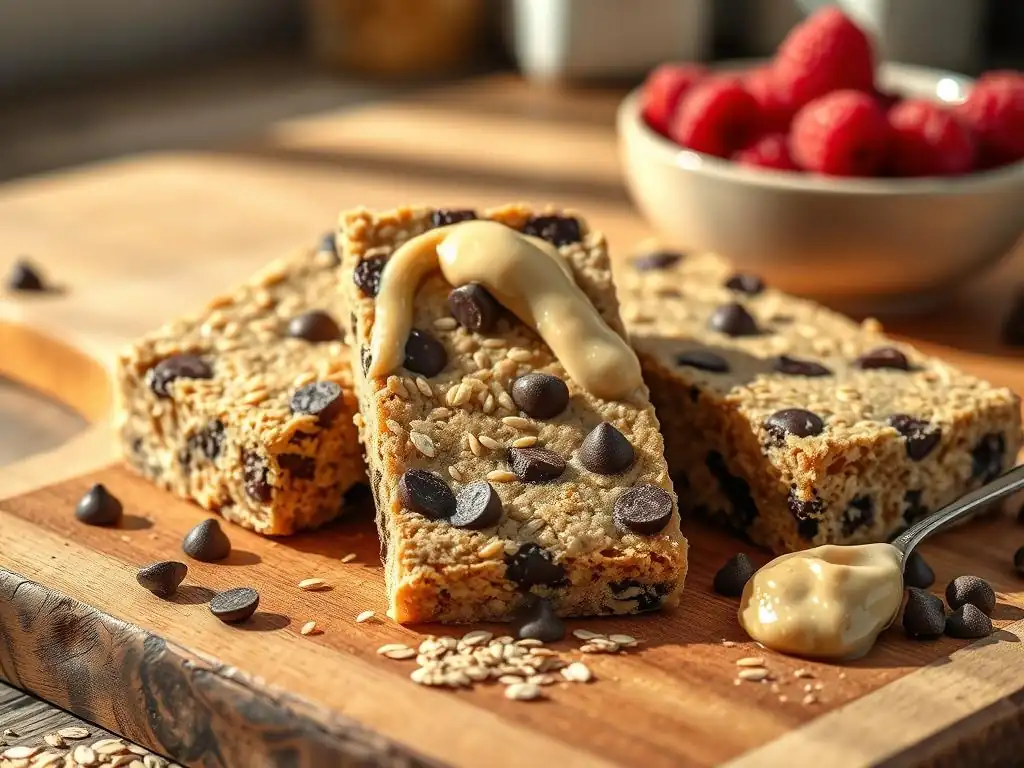
Welcome to BakeWithEase, your culinary compass to the world of baking! Are you ready to unlock a delightful secret – a treat that's both decadently delicious and perfectly suited for dietary needs? Dive in and discover our guide to crafting irresistible Gluten-Free Tahini Chocolate Chip Bars. But first, what makes this unique combination so surprisingly satisfying, and how can you achieve that perfect balance of nutty and chocolatey goodness in every bite? Let's get baking!
- Gluten-Free Peanut Butter Chocolate Chip Energy Bars: A Simple Recipe
- Introduction: Delicious and Nutritious Gluten-Free Baking
- Understanding Gluten-Free Baking
- Recipe: Gluten-Free Peanut Butter Chocolate Chip Energy Bars - Step-by-Step
- Tips for Perfect Gluten-Free Peanut Butter Chocolate Chip Bars
- Troubleshooting Common Gluten-Free Baking Issues
- The Nutritional Benefits of Gluten-Free Energy Bars
- Serving Suggestions for Your Gluten-Free Peanut Butter Chocolate Chip Bars
- Conclusion: Enjoying Delicious and Healthy Gluten-Free Baking
- Frequently Asked Questions
- Final Reflection: The Unexpected Harmony of Tahini and Chocolate
- Unleash Your Inner Baker: Craft These Amazing Bars!
Gluten-Free Peanut Butter Chocolate Chip Energy Bars: A Simple Recipe
Introduction: Delicious and Nutritious Gluten-Free Baking
A Quick & Easy Gluten-Free Treat
Whipping up a batch of delicious, healthy snacks doesn't have to be complicated, especially when you're navigating gluten-free baking. Our goal with this recipe for gluten-free peanut butter chocolate chip bars is to provide a straightforward, accessible method that yields fantastic results every time. These bars are designed to be simple enough for beginners but tasty enough for seasoned bakers, proving that gluten-free doesn't mean flavor-free or difficult. We focus on readily available ingredients and minimal steps, ensuring you can go from craving to snacking in under an hour.
Making your own gluten-free snacks like these bars offers numerous advantages over store-bought options. You have complete control over the ingredients, allowing you to select high-quality peanut butter, your favorite type of chocolate chips, and ensure everything is certified gluten-free if necessary. This control is particularly valuable for those with specific dietary needs or allergies beyond gluten. Plus, the cost of making a batch at home is often significantly less than purchasing equivalent energy bars from a store, making it a budget-friendly choice for regular snacking.
Why These Gluten-Free Peanut Butter Chocolate Chip Bars Are Perfect
These particular gluten-free peanut butter chocolate chip bars strike a wonderful balance between indulgence and nutrition. They provide sustained energy thanks to the combination of healthy fats from peanut butter and complex carbohydrates from gluten-free oats. Unlike many commercial energy bars that can be loaded with refined sugars and artificial additives, our recipe uses natural sweeteners and whole ingredients, giving you a snack you can feel good about eating. The classic pairing of peanut butter and chocolate is a universally loved flavor combination that makes these bars incredibly satisfying.
Furthermore, the texture is designed to be pleasantly chewy and slightly soft, avoiding the common pitfall of dry or crumbly gluten-free baked goods. They hold together well, making them ideal for packing in lunchboxes, taking on hikes, or simply grabbing as you head out the door. The simplicity of the recipe means you can easily make a large batch to last throughout the week, ensuring you always have a healthy, homemade snack option available. Whether you're looking for a post-workout boost, a mid-afternoon pick-me-up, or a simple dessert, these gluten-free peanut butter chocolate chip bars fit the bill perfectly.
Understanding Gluten-Free Baking
Key Ingredients for Gluten-Free Peanut Butter Chocolate Chip Bars
Successful gluten-free baking often hinges on selecting the right ingredients, and these gluten-free peanut butter chocolate chip bars are no exception. The base typically relies on a combination of gluten-free rolled oats and a gluten-free flour blend. Using certified gluten-free oats is crucial to avoid cross-contamination, as standard oats are often processed in facilities that also handle wheat. Rolled oats provide structure and chewiness, while a good all-purpose gluten-free blend (often containing rice flour, potato starch, tapioca starch, and xanthan gum) helps bind the ingredients together and prevents the bars from becoming too dense or crumbly.
Beyond the gluten-free base, the stars of the show are peanut butter and chocolate chips. For the peanut butter, natural, unsweetened varieties work best as they provide pure peanut flavor and healthy fats without added sugars or hydrogenated oils. The consistency can vary, so be prepared to adjust slightly if your peanut butter is very runny or very thick.
Chocolate chips can be semi-sweet, dark, or even milk chocolate, depending on your preference, but ensure they are from a brand that labels them gluten-free if you have concerns about cross-contamination. Additional binders like eggs (or flax eggs for a vegan version) and a sweetener like maple syrup or honey are also essential for moisture and structure.
Recipe: Gluten-Free Peanut Butter Chocolate Chip Energy Bars - Step-by-Step
Preparing the Gluten-Free Dough
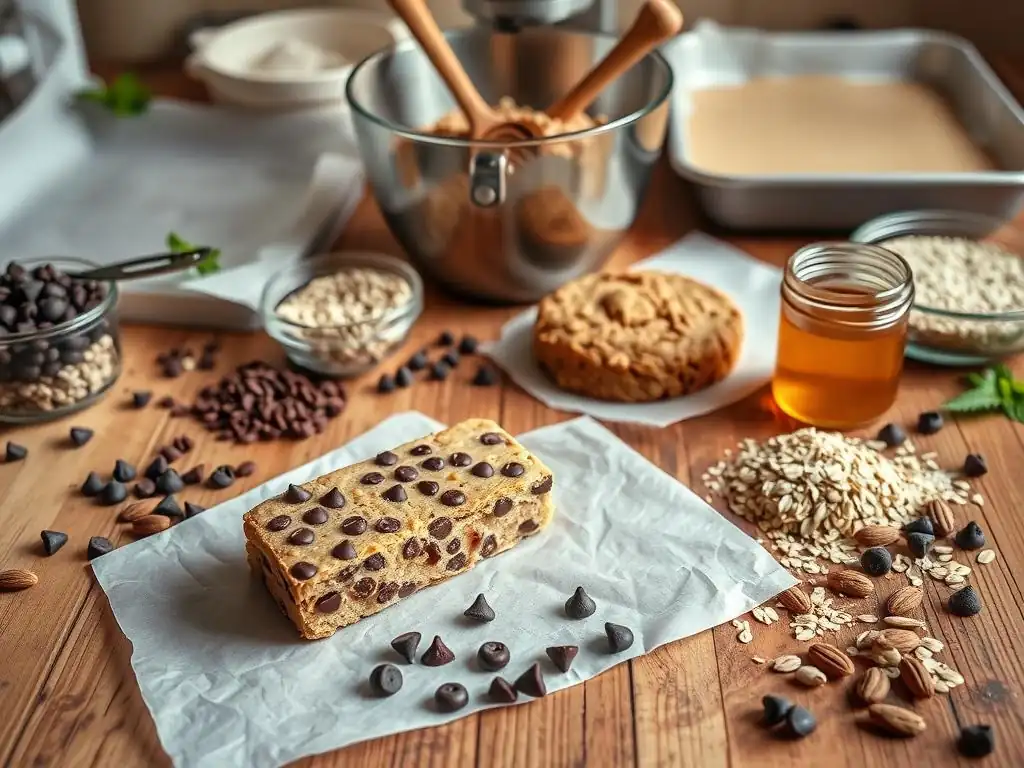
Starting your gluten-free peanut butter chocolate chip bars involves combining the dry ingredients first. In a medium bowl, whisk together your gluten-free rolled oats, gluten-free flour blend, a pinch of salt, and any leavening agents like baking powder or baking soda if the recipe calls for it (though many energy bar recipes rely more on binding than leavening). Ensure these dry components are thoroughly mixed to distribute everything evenly. This initial step is simple but important for the overall consistency of the finished bars.
Next, you'll incorporate the wet ingredients. In a separate bowl, whisk together your peanut butter, liquid sweetener (like maple syrup or honey), melted coconut oil or butter, and any binding agents such as eggs or flax eggs, along with vanilla extract. Mix until this wet mixture is smooth and well combined. Then, pour the wet ingredients into the bowl with the dry ingredients. Using a spatula or wooden spoon, mix everything together until just combined. Be careful not to overmix; you're aiming for a cohesive "dough" that is sticky but holds its shape.
Mixing the Peanut Butter and Chocolate Chips into the Base
Once your main gluten-free base mixture is ready, it's time to fold in the star flavors: more peanut butter (often swirled or mixed in) and the chocolate chips. Some recipes call for mixing all the peanut butter in initially, while others reserve some to swirl on top. If mixing it all in, ensure it's fully incorporated into the oat and flour mixture. If swirling, you'll add dollops of peanut butter later.
Now, gently fold in the chocolate chips. You want them distributed throughout the dough so every bite of your gluten-free peanut butter chocolate chip bars gets that delightful chocolatey burst. Avoid overmixing at this stage, as it can break down the chocolate chips too much or make the dough tough. Just fold until the chips are evenly dispersed. This mixture is now ready to be pressed into your prepared baking pan.
Baking Your Gluten-Free Energy Bars to Perfection
Preheat your oven to the specified temperature, typically around 180°C ( 350°F). Prepare your baking pan (an 8x8 inch square pan is common) by lining it with parchment paper, leaving some overhang on the sides. This makes lifting the finished bars out much easier. Lightly greasing the paper or pan edges can also help prevent sticking.
Evenly spread the bar mixture into the prepared pan, pressing it down firmly with the back of a spoon or your hands. Compacting the mixture helps the bars hold their shape and prevents them from being too crumbly after baking. Bake for the time specified in the recipe, usually between 15-25 minutes, depending on the thickness of the bars and your oven.
You're looking for the edges to be lightly golden and the center to appear set, not wet. Avoid overbaking, as this is a common cause of dry gluten-free baked goods. A good sign they are done is when they smell wonderfully fragrant and the top looks matte rather than glossy.
Tips for Perfect Gluten-Free Peanut Butter Chocolate Chip Bars
Achieving the Right Texture in Gluten-Free Baking
Texture is key to delicious gluten-free peanut butter chocolate chip bars. A common challenge in gluten-free baking is achieving a moist, tender crumb that doesn't fall apart. One important factor is using the correct ratio of wet to dry ingredients. Gluten-free flours often absorb more moisture than wheat flour, so ensure you're using enough binder (like egg, flax egg, or even applesauce) and fat (peanut butter, oil). Using natural, slightly runnier peanut butter can also contribute to moisture compared to very stiff varieties.
Another tip is to let the dough rest briefly before baking, perhaps 5-10 minutes. This allows the gluten-free grains and starches, particularly the oats, to absorb moisture from the wet ingredients, resulting in a more uniform and less crumbly texture. Finally, avoid the temptation to overbake. As mentioned earlier, baking just until the bars are set is crucial. Even if they seem slightly soft in the center when they come out of the oven, they will continue to firm up as they cool in the pan.
Storing Your Gluten-Free Energy Bars for Freshness
Proper storage is essential to keep your gluten-free peanut butter chocolate chip bars fresh and delicious. Once they have completely cooled in the pan (this is important for them to fully set), lift them out using the parchment paper overhang and transfer them to a cutting board. Cut the bars into your desired size using a sharp knife.
Store the cut bars in an airtight container at room temperature for 3-5 days. If you live in a warm or humid climate, or want them to last longer, storing them in the refrigerator is a great option; they can stay fresh for up to two weeks this way. For longer storage, individual bars can be wrapped tightly in plastic wrap or beeswax wraps and then placed in a freezer-safe bag or container. Frozen bars will keep for up to 2-3 months and can be thawed at room temperature or enjoyed straight from the freezer for a chewy treat.
Customizing Your Gluten-Free Peanut Butter Chocolate Chip Bar Recipe [Variations, optional add-ins]
One of the joys of making your own gluten-free peanut butter chocolate chip bars is the ability to customize them. While the classic combination is fantastic, you can easily adapt the recipe to suit your taste or what you have on hand. For instance, you can swap out the chocolate chips for other mix-ins like chopped nuts (walnuts, pecans, almonds), dried fruit (raisins, cranberries, chopped apricots), or even white chocolate chips. Adding a sprinkle of flaky sea salt on top before baking can enhance the flavors beautifully.
For those looking to explore different flavor profiles, consider making glutenfree tahini chocolate chip bars by substituting the peanut butter with an equal amount of tahini. This swap offers a unique, slightly bitter, and nutty flavor that pairs wonderfully with chocolate and aligns with the popular glutenfree tahini chocolate chip bars trend. You could also add spices like cinnamon, nutmeg, or a pinch of ginger to the dough for extra warmth. Don't be afraid to experiment with different sweeteners too, like brown rice syrup or agave nectar, keeping in mind they might slightly alter the texture.
Troubleshooting Common Gluten-Free Baking Issues
Preventing Dry Gluten-Free Peanut Butter Chocolate Chip Bars
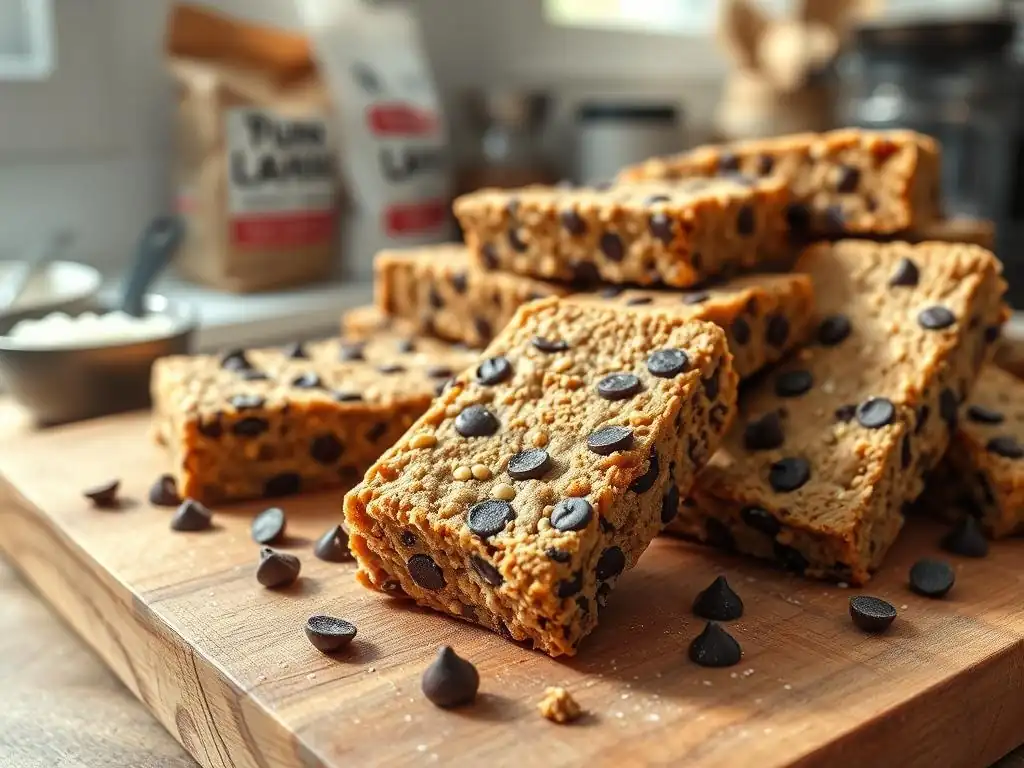
Dryness is a common challenge in gluten-free baking, and it can certainly affect gluten-free peanut butter chocolate chip bars. The primary culprits are usually too much dry ingredient (flour/oats) or insufficient wet ingredients, coupled with overbaking. To prevent dry bars, accurately measure your ingredients, especially the gluten-free flour blend, using the scoop-and-level method or, ideally, a kitchen scale for precision. Ensure the wet ingredients, including the peanut butter and sweetener, are added in the correct proportions.
If your dough seems too dry even before baking, you can often rescue it by adding a tablespoon or two of a liquid binder like milk (dairy or non-dairy), melted coconut oil, or a little extra maple syrup until the mixture holds together better when pressed. Paying close attention to baking time is also critical. Start checking for doneness at the lower end of the suggested time range. Remember, they will continue to set as they cool. A slightly underbaked bar is often preferable to an overbaked, dry one.
Adjusting Baking Time for Different Ovens
Oven temperatures can vary significantly, often by as much as 25-50°F (15-30°C) from the dial setting. This variation can drastically impact baking time and the final texture of your gluten-free peanut butter chocolate chip bars. What takes 20 minutes in one oven might take only 15 or up to 25 in another. Using an oven thermometer is highly recommended to ensure your oven is actually heating to the temperature you set.
Once you know your oven's true temperature, you can make adjustments. If your oven runs hot, you might need to decrease the temperature slightly (e.g., from 350°F to 325°F) or significantly reduce the baking time. If it runs cool, you may need to increase the temperature or bake for longer.
Regardless of your oven, always start checking for doneness at the minimum time specified in the recipe. Look for visual cues like golden edges and a set center rather than relying solely on the clock. Keeping a baking journal can help you track how specific recipes perform in your oven, allowing you to make precise adjustments for future batches.
The Nutritional Benefits of Gluten-Free Energy Bars
Peanut Butter: A Source of Protein and Healthy Fats
Peanut butter is a nutritional powerhouse and a key component contributing to the "energy" in these gluten-free peanut butter chocolate chip bars. It's an excellent source of plant-based protein, providing around 7-8 grams per two-tablespoon serving, which is crucial for muscle repair and satiety. This protein content helps keep you feeling full for longer, making these bars a satisfying snack that can curb hunger between meals.
Beyond protein, peanut butter is rich in healthy monounsaturated and polyunsaturated fats. These fats are beneficial for heart health and help the body absorb fat-soluble vitamins. Peanut butter also provides a good source of essential nutrients like Vitamin E (an antioxidant), magnesium (important for muscle and nerve function), potassium (helps regulate blood pressure), and zinc (supports the immune system). Choosing natural peanut butter without added sugars or oils maximizes these health benefits while minimizing less desirable ingredients.
Chocolate Chips: Choosing the Right Kind for Your Bars
While chocolate chips add delicious flavor and sweetness to your gluten-free peanut butter chocolate chip bars, they can also contribute some nutritional value, depending on the type you choose. Dark chocolate, in particular, is known for its antioxidant properties, containing compounds like flavonoids that may help protect cells from damage. The higher the cocoa content, the more antioxidants present, though dark chocolate also contains more caffeine.
When selecting chocolate chips, consider your dietary needs and preferences. Semi-sweet and dark chocolate chips are common choices. If you're aiming for lower sugar, opt for dark chocolate chips with a higher cocoa percentage (e.g., 70% or more) or look for brands sweetened with alternatives like stevia or erythritol.
For those with dairy sensitivities, ensure you choose dairy-free chocolate chips, which are widely available. While they contribute some calories and sugar, enjoyed in moderation as part of an energy bar, chocolate chips provide a tasty treat that can also offer a small boost of antioxidants and minerals like iron and magnesium.
Gluten-Free Oats and their Benefits in these Bars
Gluten-free rolled oats form the structural base of these energy bars and are packed with nutritional benefits. Oats are an excellent source of complex carbohydrates, providing sustained energy release rather than a quick sugar spike and crash. This makes them ideal for an energy bar designed to fuel you through your day or workout. They are also rich in dietary fiber, particularly a type called beta-glucan.
Beta-glucan fiber is well-studied for its health benefits, including its ability to help lower cholesterol levels and improve blood sugar control. A typical serving of rolled oats contains around 4 grams of fiber, contributing significantly to your daily recommended intake. Oats also provide vitamins and minerals such as manganese, phosphorus, magnesium, Vitamin B1 (thiamine), and zinc. Using certified gluten-free oats ensures that individuals with celiac disease or gluten sensitivity can safely enjoy these nutritious gluten-free peanut butter chocolate chip bars without worrying about gluten contamination.
Serving Suggestions for Your Gluten-Free Peanut Butter Chocolate Chip Bars
Enjoying Your Bars as a Snack or Dessert
These gluten-free peanut butter chocolate chip bars are incredibly versatile and can be enjoyed in numerous ways throughout your day. Their primary purpose is as a convenient and energizing snack. Grab one before a workout for fuel, pack one for a mid-morning boost at work or school, or keep them in your bag for a healthy option when hunger strikes on the go. Their sturdy texture makes them perfect for portability.
Beyond snacking, these bars also make a satisfying and healthier dessert option. Their natural sweetness from the maple syrup and chocolate chips, combined with the rich flavor of peanut butter, satisfies sweet cravings without being overly indulgent. Serve one after dinner with a cup of tea or coffee for a simple, homemade treat. They are also a great alternative to traditional cookies or brownies for parties or gatherings, especially when catering to guests who require gluten-free options.
Pairing Ideas: Complementing Flavors for a Complete Treat
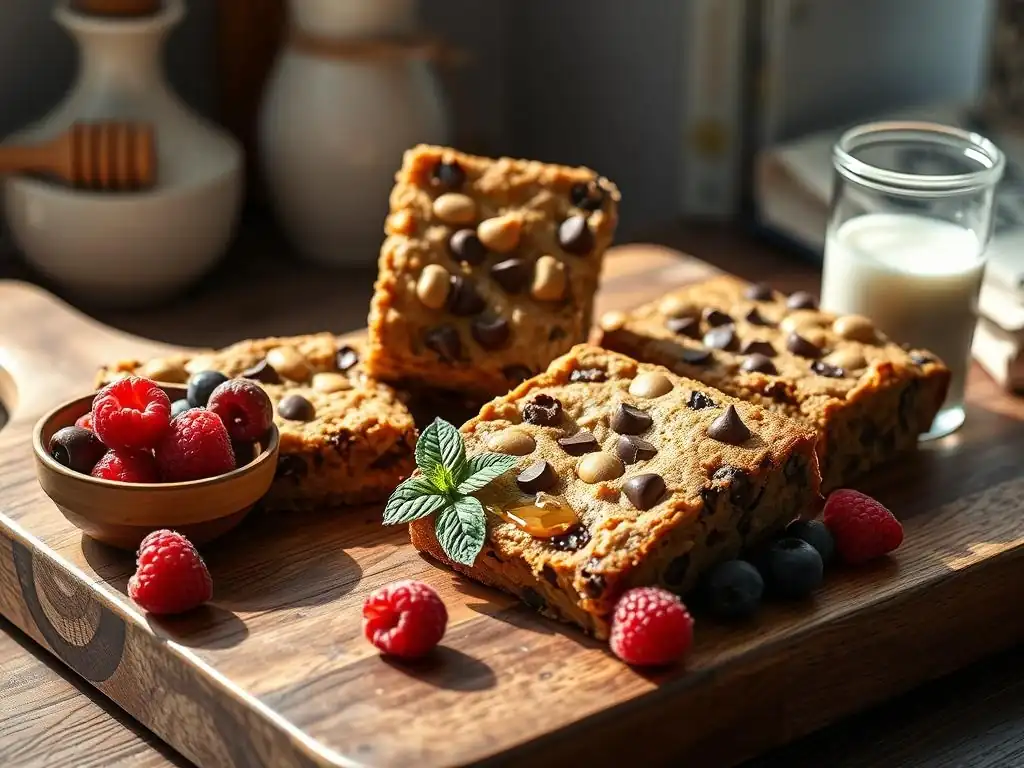
While delicious on their own, pairing your gluten-free peanut butter chocolate chip bars with certain beverages or accompaniments can elevate the experience. A classic pairing is a glass of cold milk, dairy or non-dairy, which complements the flavors beautifully and adds a bit more protein and calcium. For a warm and comforting treat, enjoy a bar with a hot cup of coffee, tea, or even a mug of warm almond milk.
If serving as a more substantial dessert, consider pairing a bar with a small scoop of your favorite ice cream or frozen yogurt, perhaps a vanilla or coffee flavor that won't compete too much with the peanut butter and chocolate. A dollop of plain Greek yogurt or coconut yogurt can add a tangy contrast and extra protein. For a fruit pairing, sliced bananas or apple wedges are a natural fit with peanut butter and chocolate, adding freshness and additional nutrients to your snack or dessert plate.
Conclusion: Enjoying Delicious and Healthy Gluten-Free Baking
Baking is often a joy best shared, and these gluten-free peanut butter chocolate chip bars are certainly worth sharing! We encourage you to make a batch and share them with friends, family, or coworkers. They are a wonderful way to show you care, especially for those who follow a gluten-free diet. Bringing homemade gluten-free treats to gatherings can be a thoughtful gesture and ensures that everyone has something delicious to enjoy.
We also love seeing your baking successes! If you make these gluten-free peanut butter chocolate chip bars (or any other BakeWithEase recipe), we'd be thrilled if you shared photos and your experience. Connecting with other home bakers is a fantastic way to learn, get inspiration, and celebrate the simple pleasure of creating something delicious from scratch. Your experiences, including any variations you try or tips you discover, can help other bakers in our community.
More Gluten-Free Baking Recipes to Explore
Mastering one gluten-free recipe, like these wonderful gluten-free peanut butter chocolate chip bars, is just the beginning! The world of gluten-free baking is vast and full of exciting possibilities. From flaky pie crusts and tender cakes to chewy cookies and rustic breads, there are countless recipes waiting for you to explore. Don't let the absence of gluten limit your creativity in the kitchen.
At BakeWithEase.com, we are constantly developing and sharing new gluten-free recipes designed for home bakers of all skill levels. Whether you're looking for simple gluten-free cookie recipes, guides to working with different gluten-free flour blends, or inspiration for allergen-friendly desserts, we have resources to help you continue your baking journey. Keep practicing, keep experimenting, and keep enjoying the process of creating delicious, homemade baked goods that everyone can enjoy.
Frequently Asked Questions
What makes these Tahini and Chocolate Chip bars gluten-free?
These bars are gluten-free because they use gluten-free flour blends instead of traditional wheat flour. This allows individuals with gluten sensitivities or celiac disease to enjoy them.
Can I substitute the tahini with another ingredient?
While tahini provides a unique flavor and texture, you could potentially substitute it with another nut butter, such as almond or cashew butter. However, this will alter the final flavor profile of the bars.
What type of chocolate chips works best in this recipe?
Semi-sweet chocolate chips are generally recommended, but you can use dark chocolate chips for a richer flavor or milk chocolate chips for a sweeter treat. Choose chips that suit your personal preference.
Are these bars suitable for a vegan diet?
The recipe needs adjustments to become vegan. You'll need to substitute any ingredients of animal origin, such as honey, with vegan alternatives like maple syrup or agave.
How should I store these Tahini and Chocolate Chip GlutenFree Energy Bars?
These bars are best stored in an airtight container at room temperature for up to 3 days, or in the refrigerator for up to a week. This helps maintain their freshness and texture.
Final Reflection: The Unexpected Harmony of Tahini and Chocolate
The simple combination of tahini and chocolate chips, rendered gluten-free, speaks volumes about the power of mindful eating and creative culinary exploration. These seemingly disparate ingredients, when thoughtfully combined, create a surprisingly delicious and nutritious energy bar that caters to dietary needs without sacrificing flavor or satisfaction. This recipe isn't just about avoiding gluten; it's about embracing a healthier, more conscious approach to snacking.
The journey of creating this recipe, and subsequently sharing it, has highlighted the growing demand for accessible and delicious gluten-free options. It's a testament to how dietary restrictions don't have to limit culinary creativity. Instead, they can inspire innovation and the discovery of new flavor profiles. The best things in life are unexpected.
This rings true for the delightful surprise of this recipe, proving that sometimes the most satisfying combinations are the ones we least expect.
Now, I invite you to consider your own culinary adventures. What unexpected flavor pairings might you discover? Don't be afraid to experiment in the kitchen, to adapt recipes to your needs, and to embrace the joy of creating something both delicious and healthy. The next time you reach for a snack, remember the power of mindful choices and the potential for unexpected harmony in the simplest of ingredients. Let this recipe be a springboard for your own culinary creativity and a reminder that delicious and healthy can, and should, coexist.
Unleash Your Inner Baker: Craft These Amazing Bars!
Thanks for joining us on this delicious journey into gluten-free baking! We hope you've gained some valuable tips and inspiration for creating healthy and satisfying treats. Ready to bring these amazing Tahini and Chocolate Chip Energy Bars to life?
- Bake a batch today! Use the recipe you just learned to whip up these energy-boosting bars. They're perfect for a quick snack or a healthy dessert.
- Share your creation! Snap a picture of your finished bars and post it on social media – we’d love to see your culinary masterpiece! Use #BakeWithEaseTahiniBars to connect with other bakers.
- Experiment with flavors! What other exciting additions could you add to elevate these bars? Let us know in the comments – we’re always looking for new inspiration!
What unique twist will you add to your Tahini and Chocolate Chip Energy Bars?