
Start Baking Today: The Easiest Quick Bread Recipes

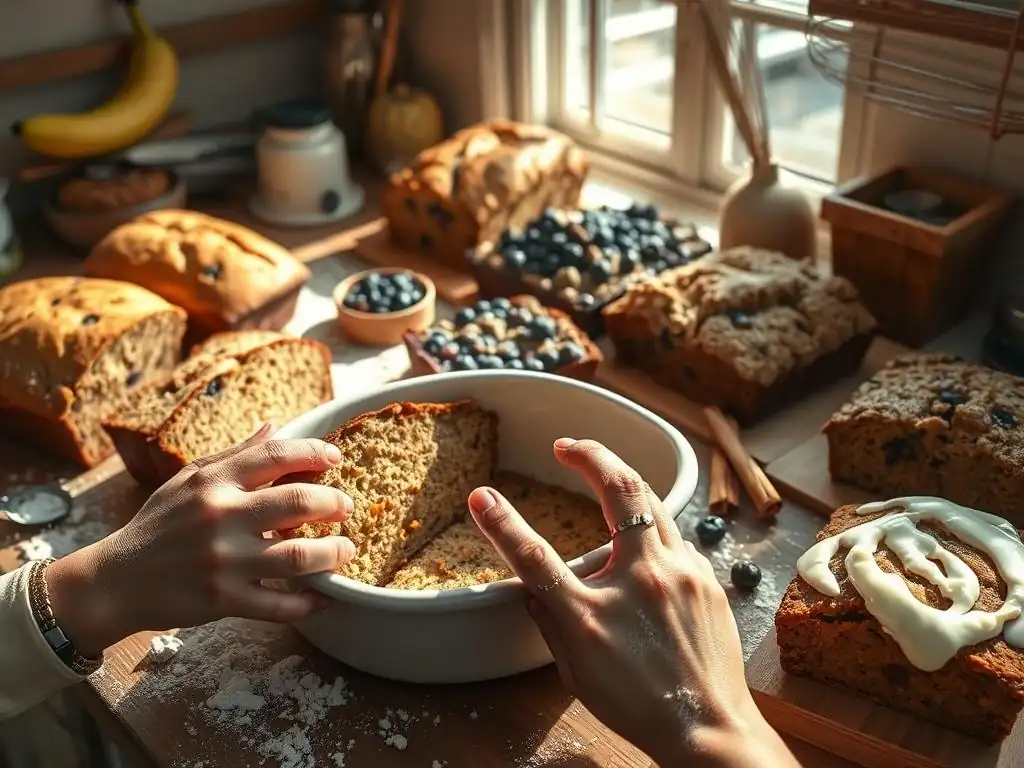
Welcome to BakeWithEase!
Ready to fill your kitchen with the irresistible aroma of freshly baked bread? You've come to the right place. Discover the joy of effortless baking with our collection of easy quick bread recipes for beginners. No yeast, no kneading, just pure deliciousness waiting to be unlocked. Intrigued? Let's get started and transform simple ingredients into something extraordinary. What are you waiting for?
- BakeWithEase Presents: Simple Quick Bread Baking for Beginners
- Why Quick Bread is Perfect for Beginner Bakers
- Top 5 Easy Quick Bread Recipes for Beginners
- Essential Tools and Ingredients for Easy Quick Bread Recipes
- Tips and Tricks for Baking Perfect Quick Bread
- Mastering Quick Bread: Your First Step to Baking Confidence
- Frequently Asked Questions
- Final Reflection: The Sweet Simplicity of Baking
- Unlock Your Inner Baker: Start Kneading Today!
BakeWithEase Presents: Simple Quick Bread Baking for Beginners
Welcome to the wonderful world of baking! If you've ever felt intimidated by yeast, kneading, or long proofing times, then quick bread is about to become your new best friend. At BakeWithEase, we believe baking should be fun and accessible, and there's no better place to start than with these delightful, fuss-free recipes. Forget complex techniques; quick breads are designed for speed and simplicity, making them ideal for anyone just starting their baking journey.
This guide is specifically crafted to introduce you to the most forgiving and delicious easy quick bread recipes beginners can confidently tackle. We'll walk you through the basics, share essential tips, and provide step-by-step instructions for several popular quick bread varieties. By the end of this article, you'll be ready to preheat your oven and create something wonderful with minimal effort and maximum reward.
Why Quick Bread is Perfect for Beginner Bakers
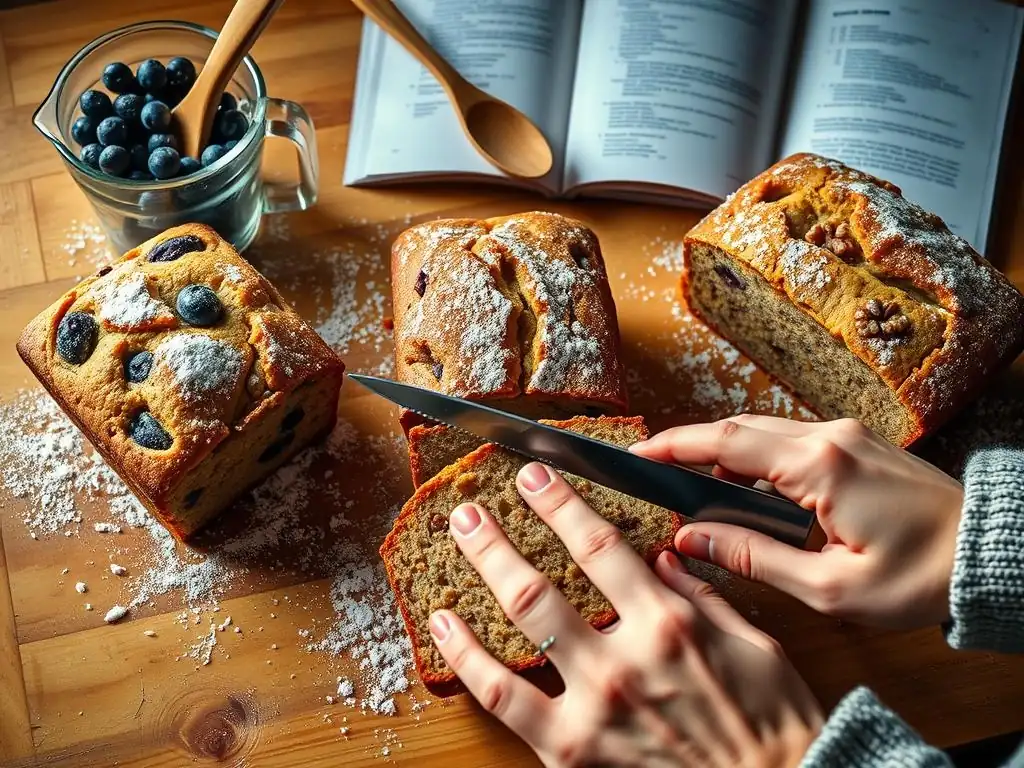
Quick bread earns its name because it doesn't rely on yeast for leavening. Instead, it uses chemical leaveners like baking soda and baking powder, which react quickly when combined with wet and dry ingredients, often needing no rest time before baking. This fundamental difference eliminates the lengthy process of kneading and rising associated with traditional yeast breads, drastically cutting down preparation time.
For beginners, this means less waiting, less complexity, and faster results. Unlike yeast dough, which can be sensitive to temperature and handling, quick bread batters are much more forgiving. Overmixing is a common pitfall, but even slight errors often result in a perfectly edible, delicious outcome, making the learning process less stressful and more enjoyable. It's the perfect entry point into baking, building confidence with every successful loaf or batch.
Understanding Quick Bread Basics: No Yeast Required!
The magic of quick bread lies in its leavening agents: baking soda and baking powder. Baking soda requires an acid (like buttermilk, yogurt, brown sugar, or even cocoa powder) to activate and produce carbon dioxide gas, creating lift. Baking powder, on the other hand, is usually double-acting, meaning it produces gas when mixed with liquid and again when heated in the oven. A typical recipe might use both to ensure maximum lift and a tender crumb.
The basic method usually involves combining dry ingredients (flour, leavener, salt, sugar) in one bowl and wet ingredients (eggs, milk, oil/melted butter, extracts, mashed fruits/vegetables) in another. The wet ingredients are then added to the dry, and mixed just until combined. This minimal mixing is crucial to avoid developing too much gluten, which can result in a tough texture. This simple "muffin method" or "creaming method" (depending on how the fat and sugar are handled) is straightforward and easy to master.
The Appeal of Quick Bread: Fast, Delicious, and Forgiving
Beyond their ease, quick breads are incredibly appealing due to their versatility and speed. Imagine deciding you want fresh-baked goods in the morning and having a warm loaf ready in about an hour, including prep and baking time! This speed is a major draw for busy schedules or spontaneous baking urges.
Furthermore, quick breads are incredibly adaptable. They can be sweet or savory, incorporating everything from mashed bananas and zucchini to cheese and herbs. This flexibility allows beginner bakers to experiment with flavors and add-ins without drastically altering the core technique. The forgiving nature means that even if your measurements aren't perfectly precise the first time, you're still likely to end up with a tasty treat, encouraging you to keep practicing and exploring the world of baking.
Top 5 Easy Quick Bread Recipes for Beginners
Recipe 1: The Classic Beginner's Banana Bread
Banana bread is arguably the most iconic quick bread, and for good reason. It's incredibly easy to make, uses readily available ingredients (especially those overripe bananas! ), and is universally loved. It's the perfect starting point for exploring easy quick bread recipes beginners will find immediately rewarding. The natural moisture and sweetness from the bananas make this loaf particularly forgiving, resulting in a tender, flavorful crumb even if you're new to baking.
This recipe typically takes about 10-15 minutes of prep time and 50-60 minutes of baking time, meaning you can go from mixing bowl to warm slice in just over an hour. It's a fantastic way to use up bananas that are too soft for eating plain – in fact, the riper they are, the better the banana bread will be! Aim for bananas that are mostly brown with just a little yellow.
Ingredients for Simple Banana Bread
Here's a basic list of what you'll need. Specific quantities vary slightly, but a typical recipe for a standard loaf pan (approx. 9x5 inches) might call for:
- 2-3 very ripe bananas
- 1/3 cup melted butter (or vegetable oil)
- 1/2 cup granulated sugar (or a mix with brown sugar)
- 1 large egg
- 1 teaspoon vanilla extract
- 1 1/2 cups all-purpose flour
- 1 teaspoon baking soda
- 1/4 teaspoon salt
- Optional: 1/2 cup chopped nuts (walnuts or pecans) or chocolate chips
Shopping List:
- [ ] Very ripe bananas (at least 2)
- [ ] Butter or vegetable oil
- [ ] Granulated sugar (and/or brown sugar)
- [ ] Eggs
- [ ] Vanilla extract
- [ ] All-purpose flour
- [ ] Baking soda
- [ ] Salt
- [ ] Optional add-ins (nuts, chocolate chips)
Step-by-Step Banana Bread Baking Instructions
Making banana bread is a simple process, often following the "muffin method." Start by preheating your oven to 350°F (175°C) and greasing and flouring a 9x5-inch loaf pan. This prevents sticking and ensures your beautiful loaf comes out easily.
In a medium bowl, mash the ripe bananas thoroughly with a fork. Stir in the melted butter (or oil), sugar, egg, and vanilla extract until well combined. In a separate, larger bowl, whisk together the flour, baking soda, and salt. Pour the wet ingredients into the dry ingredients. Stir just until combined and no dry streaks of flour remain.
Be careful not to overmix! If using nuts or chocolate chips, gently fold them in now. Pour the batter into the prepared loaf pan and spread evenly. Bake for 50-60 minutes, or until a toothpick inserted into the center comes out clean. Let cool in the pan for 10 minutes before transferring to a wire rack to cool completely before slicing.
Tips for Perfect Banana Bread Every Time
Achieving a moist, flavorful banana bread is easy with a few simple tips. First, use very ripe bananas; the browner they are, the more natural sweetness and banana flavor they'll impart. This is crucial for the characteristic taste.
Secondly, avoid overmixing the batter. Overmixing develops gluten, leading to a tough, dense loaf. Mix only until the dry ingredients are incorporated. Lastly, check for doneness using the toothpick test. If it comes out with wet batter, bake for a few more minutes. If it comes out with moist crumbs attached, it's done. If it comes out completely clean and dry, it might be slightly overbaked, but still likely delicious! Baking time can vary based on your oven, so checking around the 50-minute mark is a good idea.
Recipe 2: Effortless Zucchini Bread for New Bakers
Zucchini bread is another fantastic quick bread that's perfect for beginners and a clever way to sneak some vegetables into a sweet treat. The shredded zucchini adds incredible moisture to the loaf without imparting a strong vegetable flavor, resulting in a wonderfully tender and slightly dense texture. It's particularly popular during summer when zucchini is abundant.
This recipe is just as straightforward as banana bread, often using a similar mixing method. It typically bakes in a standard loaf pan and takes about an hour in the oven. Don't worry about the zucchini making the bread taste green; it simply adds moisture and nutrients without altering the flavor profile significantly, making it one of the great easy quick bread recipes beginners can add to their repertoire.
Zucchini Bread: A Great Way to Use Summer's Bounty
Every summer, gardeners (or lucky friends of gardeners) often find themselves with an abundance of zucchini. While versatile in savory dishes, zucchini also shines in baked goods. Its high water content is released during baking, contributing significantly to a moist crumb, which is often a challenge for new bakers.
A medium zucchini (about 1.5 to 2 cups shredded) is usually enough for one loaf. There's no need to peel it; the skin bakes down and disappears into the bread. Some recipes suggest squeezing out excess moisture from the shredded zucchini, but for a super moist loaf, leaving some of that moisture in is perfectly fine, especially for a beginner-friendly version.
Easy Zucchini Bread Recipe: A Detailed Guide
Preheat your oven to 350°F (175°C) and prepare a 9x5-inch loaf pan by greasing and flouring it. In a large bowl, whisk together 1 1/2 cups all-purpose flour, 1 teaspoon baking soda, 1/2 teaspoon baking powder, 1/2 teaspoon salt, and 1 teaspoon ground cinnamon (optional, but highly recommended for flavor). In a separate bowl, whisk together 2 large eggs, 1/2 cup vegetable oil (or melted butter), 1/2 cup granulated sugar, 1/4 cup brown sugar, and 1 teaspoon vanilla extract.
Add the wet ingredients to the dry ingredients. Stir just until combined. Gently fold in about 1.5 cups of shredded zucchini. Pour the batter into the prepared pan and bake for 50-65 minutes, or until a toothpick inserted comes out clean. Let it cool in the pan for 10-15 minutes before turning it out onto a wire rack to cool completely.
Variations and Add-ins for Your Zucchini Bread
Zucchini bread is incredibly versatile when it comes to add-ins. Chocolate chips are a very popular choice, adding pockets of melted sweetness throughout the loaf. About 1/2 cup is a good starting point. Nuts, like walnuts or pecans, also pair wonderfully, adding crunch and nutty flavor.
You can also play with spices. A pinch of nutmeg or a little ginger can enhance the cinnamon flavor. For a richer loaf, consider adding 1/4 cup of applesauce alongside the oil/butter. Some adventurous bakers even add lemon zest for a brighter flavor profile. Don't be afraid to experiment once you've mastered the basic recipe!
Recipe 3: Deliciously Simple Pumpkin Bread Recipe
When autumn rolls around, pumpkin bread becomes a baking staple. Its warm spices and moist texture make it incredibly comforting and satisfying. It's another excellent candidate for easy quick bread recipes beginners will find manageable and delicious, especially since it uses canned pumpkin puree, which is consistent and easy to work with.
This recipe is similar in structure to banana and zucchini bread, relying on chemical leaveners and the moisture from the pumpkin puree. Baking time is typically around 55-70 minutes for a standard loaf. The aroma of pumpkin bread baking is reason enough to try it!
Pumpkin Bread: The Perfect Fall Baking Project
Pumpkin bread is synonymous with fall, but you can enjoy it year-round thanks to readily available canned pumpkin puree. Using canned puree ensures a consistent result every time, unlike fresh pumpkin which can vary in moisture content. A standard 15-ounce can of pumpkin puree is often enough for two loaves or one large Bundt cake, making it economical as well.
The spices commonly used in pumpkin bread – cinnamon, nutmeg, cloves, and ginger – are warm and fragrant, creating that signature cozy flavor. These spices are often sold pre-mixed as "pumpkin pie spice," which simplifies the ingredient list even further for beginners.
Beginner-Friendly Pumpkin Bread Recipe
Start by preheating your oven to 350°F (175°C) and greasing and flouring a 9x5-inch loaf pan. In a large bowl, whisk together 1 3/4 cups all-purpose flour, 1 teaspoon baking soda, 1/2 teaspoon baking powder, 1/2 teaspoon salt, 1 teaspoon ground cinnamon, 1/2 teaspoon ground nutmeg, 1/4 teaspoon ground cloves, and 1/4 teaspoon ground ginger (or 2 teaspoons pumpkin pie spice).
In a separate bowl, whisk together 2 large eggs, 1 cup granulated sugar, 1/2 cup vegetable oil, and 1 cup canned pumpkin puree. Pour the wet ingredients into the dry ingredients and stir just until combined. Pour the batter into the prepared pan and bake for 55-70 minutes, or until a toothpick inserted into the center comes out clean. Let cool in the pan for 15 minutes before transferring to a wire rack to cool completely.
Making the Most of Your Pumpkin Bread
To elevate your pumpkin bread, consider adding 1/2 cup of chocolate chips, pecans, or walnuts to the batter before baking. A simple glaze made from powdered sugar and a splash of milk or orange juice can add extra sweetness and visual appeal once the loaf is cool.
For a festive touch, sprinkle the top of the batter with pepitas (pumpkin seeds) or a cinnamon-sugar mixture before baking. Pumpkin bread is also delicious served warm with a dollop of whipped cream or a smear of cream cheese. It's a versatile loaf that's perfect for breakfast, a snack, or dessert.
Recipe 4: Quick and Easy Cornbread for Beginners
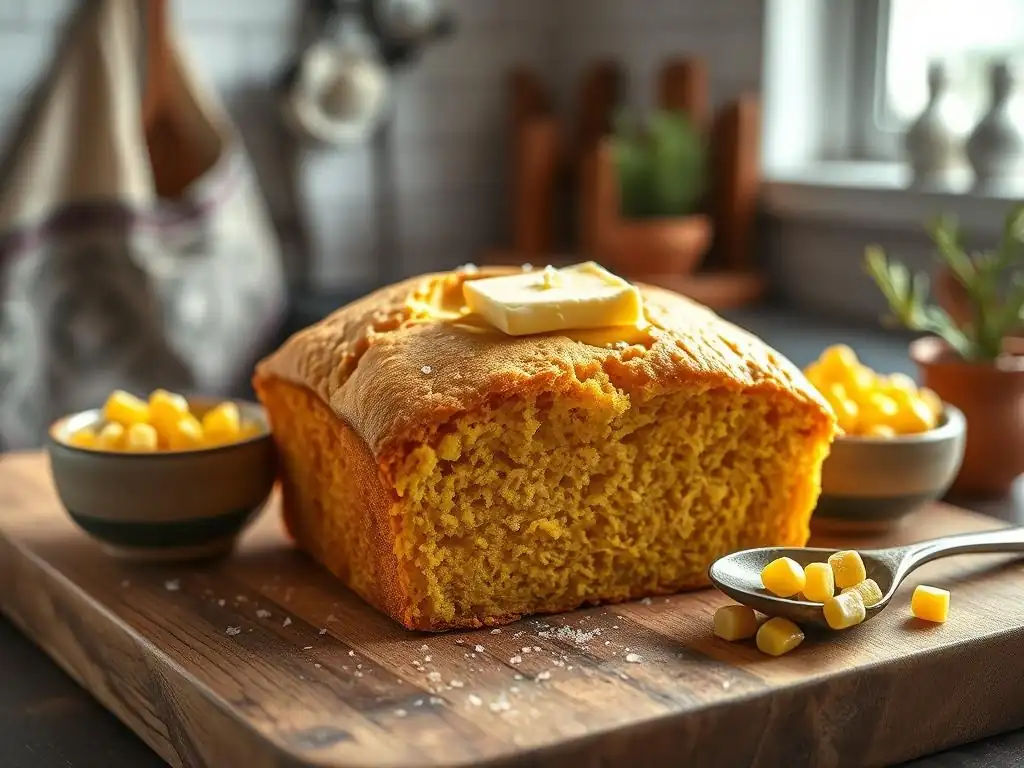
Cornbread is a savory quick bread that's incredibly simple and satisfying. It's a staple in Southern cooking and pairs wonderfully with chili, stews, or just a pat of butter and drizzle of honey. Unlike sweet quick breads, cornbread typically uses cornmeal along with flour, giving it a distinct texture and flavor. It's one of the most straightforward easy quick bread recipes beginners can master quickly.
This recipe is often mixed and baked in under 30 minutes total time, making it truly "quick." It can be baked in a skillet, a square baking pan, or even as muffins. The key is not to overmix and to bake it until golden brown.
Cornbread: A Southern Baking Staple Made Easy
Traditional Southern cornbread often contains little to no sugar and is baked in a hot cast-iron skillet with bacon grease or butter for a crispy crust. Our beginner-friendly version leans towards a slightly sweeter, more tender style that's common in other regions, while still being incredibly easy to make. The combination of cornmeal and flour provides both structure and a tender crumb.
You can use yellow or white cornmeal, depending on your preference. Medium-grind cornmeal gives a nice texture, but fine-grind works well too. Avoid self-rising cornmeal unless the recipe specifically calls for it, as it already contains leavening and salt.
The Simplest Cornbread Recipe You'll Ever Find
Preheat your oven to 400°F (200°C). Grease an 8x8-inch square baking pan or a 10-inch cast-iron skillet. In a medium bowl, whisk together 1 cup cornmeal, 1 cup all-purpose flour, 1/4 cup granulated sugar (optional, adjust to taste), 2 teaspoons baking powder, and 1/2 teaspoon salt.
In a separate bowl, whisk together 1 large egg, 1 cup milk (buttermilk or whole milk work well), and 1/4 cup melted butter or vegetable oil. Pour the wet ingredients into the dry ingredients and stir just until combined. The batter will be slightly lumpy. Pour the batter into the prepared pan or skillet. Bake for 20-25 minutes, or until the edges are golden brown and a toothpick inserted into the center comes out clean.
Serving Suggestions for Delicious Cornbread
Cornbread is best served warm, straight from the oven. It's a classic accompaniment to hearty dishes like chili, beef stew, or collard greens. A simple pat of butter melting into a warm slice is pure comfort.
For a sweeter take, drizzle warm cornbread with honey or maple syrup. You can also add flavorings to the batter before baking, such as shredded cheese, chopped jalapeños, or corn kernels for a different twist. Leftover cornbread can be used to make cornbread dressing or croutons.
Recipe 5: One-Bowl Blueberry Muffins (Technically Quick Bread!)
While often called muffins, these are essentially individual portions of quick bread! Muffins follow the same basic principles: dry ingredients mixed separately from wet, then combined quickly with chemical leaveners. Blueberry muffins are a popular and forgiving choice, making them a fantastic addition to our list of easy quick bread recipes beginners should try. The berries add moisture and bursts of flavor, and it's incredibly satisfying to see them bake up beautifully.
This recipe is designed for maximum ease, using just one bowl for mixing the batter. Muffins bake much faster than a loaf, typically taking only 20-25 minutes, perfect for a quick breakfast or snack.
Blueberry Muffins: A Quick Bread Imposter Done Right
Muffins are the perfect example of quick bread in miniature form. They use the classic muffin method: liquids into dry ingredients, mixed briefly. The key difference from a loaf is the baking time and portioning. Using a muffin tin allows for faster, more even baking and creates convenient single servings.
Blueberries are ideal for muffins because they hold their shape relatively well during baking and provide natural moisture and sweetness. You can use fresh or frozen blueberries. If using frozen, don't thaw them; just toss them directly into the batter. Coating them lightly in flour before adding can help prevent them from sinking to the bottom.
The Easiest Blueberry Muffin Recipe Ever
Preheat your oven to 400°F (200°C). Line a 12-cup muffin tin with paper liners or grease and flour the cups. In a large bowl, whisk together 1 1/2 cups all-purpose flour, 3/4 cup granulated sugar, 2 teaspoons baking powder, and 1/4 teaspoon salt. Make a well in the center of the dry ingredients.
In a separate small bowl, whisk together 1 large egg, 1/2 cup milk, 1/3 cup melted butter or vegetable oil, and 1 teaspoon vanilla extract. Pour the wet ingredients into the well in the dry ingredients. Stir just until combined; the batter will be lumpy. Gently fold in 1 cup of fresh or frozen blueberries. Divide the batter evenly among the prepared muffin cups, filling each about two-thirds full. Bake for 20-25 minutes, or until the tops are golden brown and a toothpick inserted into the center of a muffin comes out clean.
Tips for Baking Perfect Blueberry Muffins
To get those beautiful domed tops, try starting the muffins at a slightly higher temperature (like 400°F) for the first 5-7 minutes, then reduce the oven temperature to 375°F (190°C) for the remaining baking time. This initial blast of heat helps the muffins rise quickly.
As with all quick breads, avoid overmixing the batter. A few lumps are perfectly fine. Gently folding in the blueberries prevents them from getting crushed and coloring the batter too much. Letting the muffins cool in the tin for a few minutes before transferring them to a wire rack makes them easier to handle.
Essential Tools and Ingredients for Easy Quick Bread Recipes
Getting started with easy quick bread recipes beginners should know requires only a few basic tools and pantry staples. You likely already own most of what you need! Investing in a few quality pieces will make your baking experience even smoother and more enjoyable.
You don't need fancy equipment to bake delicious quick bread. Simple measuring cups and spoons, mixing bowls, and a loaf pan are the absolute essentials. As you get more comfortable, you might add items like a whisk or a rubber spatula, but they aren't strictly necessary to start.
Must-Have Baking Tools for Beginners
Here are the essential tools for starting your quick bread journey:
- Dry Measuring Cups: For flour, sugar, etc. (Set of 4: 1/4, 1/3, 1/2, 1 cup)
- Liquid Measuring Cup: Clear cup with spout, for milk, oil, etc. (1 or 2 cup size)
- Measuring Spoons: For baking powder, soda, salt, extracts. (Set of 4-6: 1/4 tsp to 1 tbsp)
- Mixing Bowls: At least two, different sizes (medium and large).
- Whisk or Fork: For combining dry ingredients and whisking wet ingredients.
- Rubber Spatula or Wooden Spoon: For mixing batter gently.
- Loaf Pan: Standard 9x5 inch metal pan for loaves.
- Cooling Rack: To allow air circulation for even cooling.
Optional but helpful tools include a muffin tin for muffins, parchment paper for lining pans (makes cleanup easy), and an oven thermometer to check your oven's accuracy.
Stocking Your Pantry for Quick Bread Success
Keeping a few key ingredients on hand means you can whip up an easy quick bread recipe beginners will love whenever the craving strikes, often just by adding a fresh banana or zucchini.
Essential Pantry Staples:
- All-purpose flour
- Granulated sugar
- Brown sugar (optional, but great for moisture)
- Baking soda
- Baking powder
- Salt (iodized or fine sea salt)
- Vanilla extract
- Vegetable oil (or butter)
- Eggs
- Milk (any kind works for most recipes)
- Canned pumpkin puree (seasonal favorite)
- Cornmeal (for cornbread)
Having these basics means you're always just a step away from baking a delicious, comforting quick bread. Adding ripe bananas or zucchini to your grocery list when you see them on sale ensures you're ready when they're perfectly ripe for baking.
Tips and Tricks for Baking Perfect Quick Bread
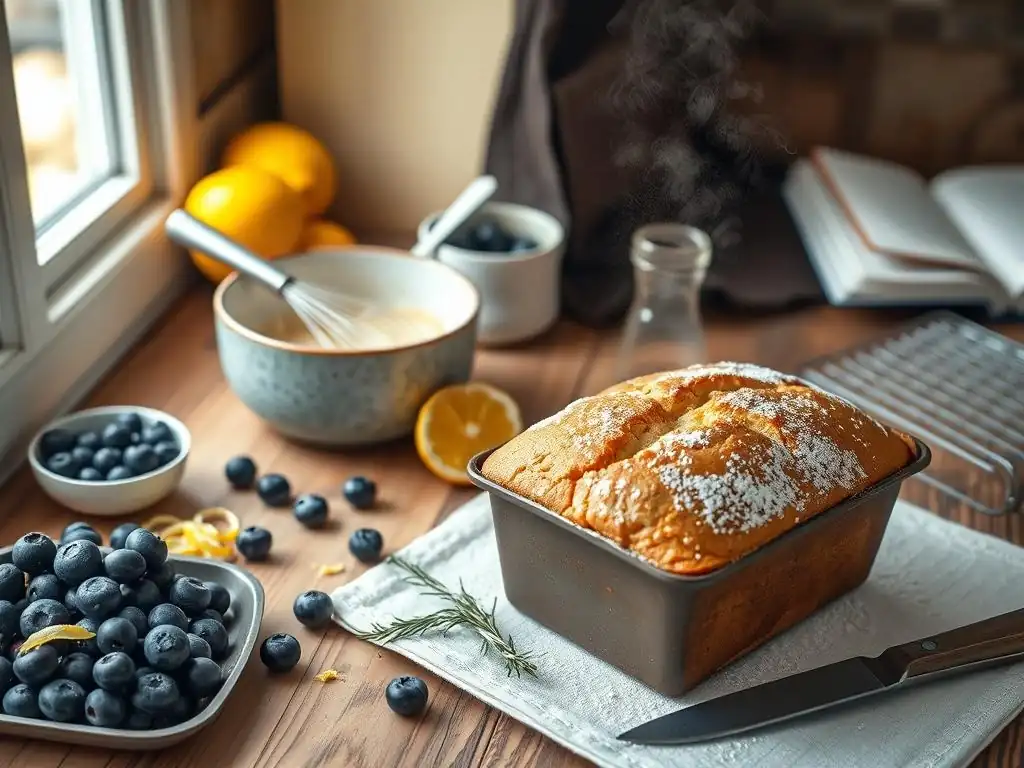
Even though easy quick bread recipes beginners will find simple, a few common pitfalls can affect the outcome. Knowing how to avoid them and enhance your bakes will help you consistently produce delicious results.
Mastering these small techniques will take your quick bread from good to great and build your confidence in the kitchen. It's all about understanding the why behind the steps, not just following them blindly.
Avoiding Common Quick Bread Mistakes
The most common mistake when baking quick bread is overmixing. Once you combine the wet and dry ingredients, mix only until the flour streaks disappear. Overmixing develops gluten, leading to a tough, rubbery texture. A few small lumps in the batter are perfectly fine!
Another common issue is overbaking. Quick breads can go from perfectly moist to dry very quickly. Always use the toothpick test and check for doneness towards the lower end of the suggested baking time range. If the top is browning too quickly, you can loosely tent the pan with foil.
Finally, ensure your leavening agents (baking soda and baking powder) are fresh. They lose their effectiveness over time, usually within 6-12 months of opening. Expired leaveners will result in a dense, flat loaf. Test baking powder by adding a teaspoon to hot water; it should fizz vigorously. Test baking soda by adding a teaspoon to a few tablespoons of vinegar; it should fizz vigorously.
Leveling Up Your Quick Bread Game: Flavor Enhancements
Once you're comfortable with the basic easy quick bread recipes beginners can make, you can start experimenting with flavor enhancements.
- Spices: Add cinnamon, nutmeg, cardamom, or ginger to sweet quick breads like banana or pumpkin.
- Extracts: Beyond vanilla, try almond, maple, or orange extract.
- Zest: Lemon, orange, or lime zest adds a bright, fresh flavor.
- Add-ins: Chocolate chips, nuts, dried fruit (cranberries, raisins), fresh berries, shredded coconut, or even a swirl of jam or cream cheese can transform a basic recipe. Aim for about 1/2 to 1 cup of total add-ins for a standard loaf.
- Toppings: A sprinkle of coarse sugar, streusel topping, or a simple glaze adds texture and sweetness.
Start with one or two additions at a time to see how they affect the final product.
Storage and Serving Suggestions for Your Quick Breads
Proper storage keeps your quick bread fresh and delicious. Once completely cooled, quick breads should be wrapped tightly in plastic wrap or stored in an airtight container at room temperature for 2-3 days.
For longer storage, quick breads freeze beautifully. Wrap the cooled loaf or individual slices tightly in plastic wrap, then again in aluminum foil or place in a freezer-safe bag. Frozen quick bread can last for up to 2-3 months. Thaw at room temperature.
Quick breads are versatile and can be enjoyed for breakfast, brunch, snacks, or dessert. Serve slices plain, toasted, or warmed slightly. They are wonderful with butter, cream cheese, jam, or a drizzle of honey. Savory quick breads like cornbread are best served warm with savory meals.
Mastering Quick Bread: Your First Step to Baking Confidence
Congratulations! By exploring these easy quick bread recipes beginners can successfully bake, you've taken a fantastic first step into the world of baking. Quick breads are forgiving, fast, and incredibly rewarding. They teach fundamental baking principles like measuring accurately, understanding leaveners, and the importance of proper mixing technique without the pressure of yeast or complex dough handling.
Each successful loaf builds confidence and encourages further exploration. Don't be discouraged if your first attempt isn't absolutely perfect; every bake is a learning opportunity. The key is to keep practicing and enjoy the process (and the delicious results! ).
From Quick Bread to Beyond: What's Next on Your Baking Journey?
Once you've mastered easy quick bread recipes, a whole universe of baking awaits! You might feel ready to tackle:
- Muffins and Scones: Similar quick bread principles in different forms.
- Biscuits: Another type of quick bread, often made with cold butter cut into the flour.
- Cakes: Many simple cake recipes follow a similar "creaming" or "muffin" method.
- Yeast Breads: Ready to face the yeast challenge? Start with simple no-knead or focaccia recipes.
Quick bread provides a solid foundation. You've learned about the role of ingredients like flour, sugar, fats, and leaveners, and the importance of mixing correctly. These skills are transferable to countless other baking projects.
Resources for Beginner Bakers at BakeWithEase.com
At BakeWithEase.com, we are dedicated to helping you succeed in the kitchen. You'll find a wealth of resources designed specifically for beginner bakers:
- More detailed guides on essential baking techniques.
- Troubleshooting tips for common baking problems.
- A growing collection of simple, step-by-step recipes for all skill levels, including more easy quick bread recipes beginners can try.
- Information on understanding ingredients and how they work.
Keep exploring, keep practicing, and most importantly, keep baking with ease! We're here to support your baking journey every step of the way.
Frequently Asked Questions
What exactly is a quick bread?
Quick bread is a type of bread that doesn't require yeast or kneading. Instead, it uses chemical leaveners like baking powder or baking soda to rise, making it easy and fast to prepare.
Are quick bread recipes suitable for beginner bakers?
Absolutely! Quick bread recipes are known for their simplicity and minimal ingredient lists. They are a great starting point for beginners looking to gain confidence in the baking process.
What are some examples of easy quick bread recipes for beginners?
Popular choices include banana bread, muffins, and scones. These recipes are typically straightforward and require minimal technical skills.
What are the key ingredients usually needed for quick bread recipes?
Common ingredients include flour, sugar, baking powder or baking soda, salt, eggs, and a liquid such as milk or buttermilk. Many recipes also call for fat, like butter or oil, for added moisture.
How can I prevent my quick bread from becoming dry?
Avoid over-mixing the batter, as this can develop gluten and lead to a tough texture. Also, be sure to measure ingredients accurately and avoid over-baking the bread.
Final Reflection: The Sweet Simplicity of Baking
The ease of whipping up a delicious quick bread is surprisingly transformative, offering a gateway to culinary creativity that's accessible to everyone. More than just a recipe collection, this exploration of simple quick breads highlights the power of readily available ingredients and straightforward techniques to create joy in the kitchen. In a world increasingly focused on convenience, the act of baking, even something as simple as a quick bread, offers a counterpoint – a mindful process that yields tangible, delicious rewards.
The enduring appeal of quick breads lies not just in their taste, but in their ability to connect us to something larger than ourselves. They are a bridge between generations, a comforting tradition passed down through families, and a symbol of nurturing and care. The simple act of sharing a warm loaf with loved ones fosters connection and creates lasting memories. Baking is at once child's play and adult joy. And love, of course.
– This sentiment perfectly encapsulates the heart of this article, showcasing how a seemingly simple act can hold profound meaning.
Now, I invite you to roll up your sleeves and embrace the simplicity of baking. Don't be intimidated by the prospect of creating something from scratch; let this article be your guide. Choose a recipe, gather your ingredients, and experience the satisfaction of transforming simple flour, sugar, and eggs into something truly special. The journey of baking is as rewarding as the destination, and the delicious results are just the icing on the cake. Start baking today – you might just surprise yourself with what you can create.
Unlock Your Inner Baker: Start Kneading Today!
Thanks for spending some time with us and exploring the world of quick bread! We hope you've discovered some delicious and easy recipes to add to your baking repertoire. Ready to get your hands floury?
- Bake your favorite recipe from the article today! It's easier than you think – we promise.
- Share your baking creations on social media and tag us @BakeWithEase – we'd love to see your masterpieces!
- Explore our other quick bread recipes on BakeWithEase.com for even more inspiration.
What delicious quick bread will you be whipping up first?