
Regional Breads of the UK: More Than Just White Loaves

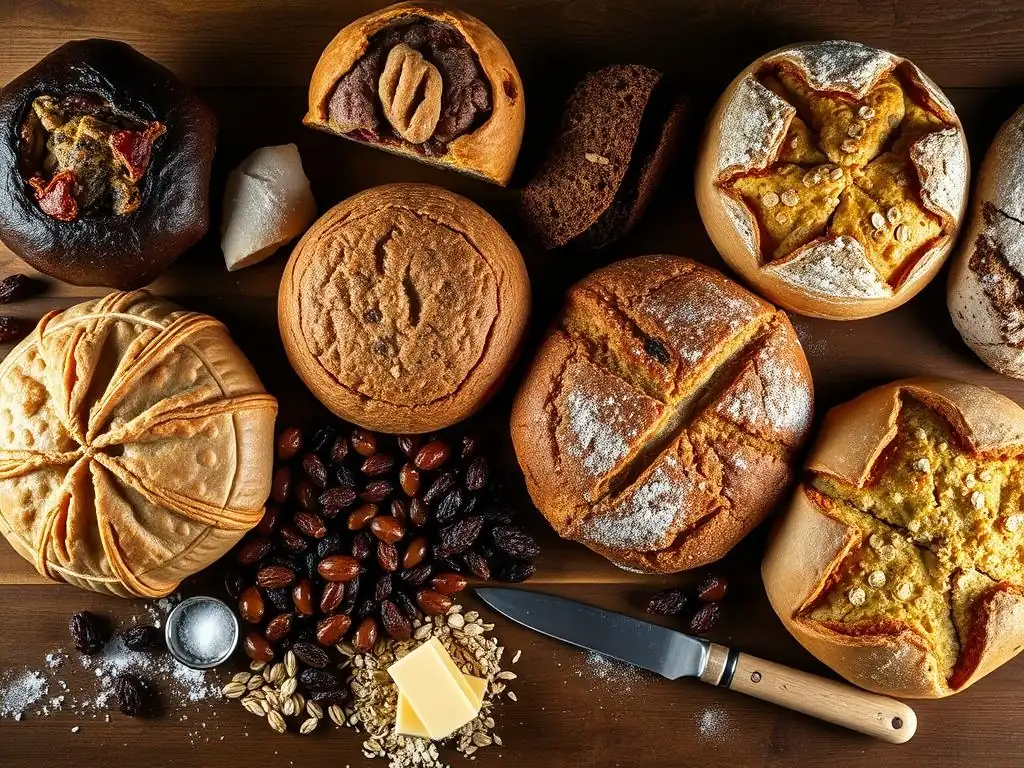
Welcome to BakeWithEase, your passport to a world of delightful baking adventures! Are you ready to discover the hidden gems of British baking heritage? Forget everything you thought you knew about simple white loaves because we're diving deep into the fascinating world of UK regional bread recipes. Prepare to be amazed by the diverse flavors and techniques passed down through generations, and uncover the secrets to baking authentic, delicious breads from across the British Isles. Intrigued? Let's get baking!
- Regional Breads of the UK: A Culinary Journey
- Exploring the Diversity of UK Regional Bread
- A Baker's Tour: Uncovering Unique Bread Varieties Across the UK
- Regional Bread: A Taste of Britain's Baking Heritage
- Spotlight on Specific UK Regional Breads
- Baking UK Regional Bread at Home: Tips and Techniques
- Adapting Recipes for the Home Baker
- The Future of UK Regional Bread: Preserving Traditions
- Nutritional Aspects of Traditional UK Breads
- Resources for Authentic UK Regional Bread
-
Frequently Asked Questions
- What are some examples of UK regional breads mentioned on BakeWithEase.com?
- Does BakeWithEase.com offer recipes for sourdough variations using UK regional grains?
- Are the UK regional bread recipes on BakeWithEase.com suitable for beginner bakers?
- Where can I find a list of easy-to-find ingredients for the UK regional bread recipes on BakeWithEase.com?
- Does BakeWithEase.com provide tips on adapting traditional UK bread recipes for modern ovens?
- Final Reflection: A Crumb of History, A Loaf of Identity
- Unleash Your Inner Baker: Discover Your Next Bread Adventure!
Regional Breads of the UK: A Culinary Journey
Exploring the Diversity of UK Regional Bread
The United Kingdom's culinary landscape is far richer and more varied than commonly perceived, especially when it comes to bread. Beyond the ubiquitous sliced white or brown loaves found on supermarket shelves, lies a fascinating world of traditional UK regional bread recipes, each with its own history, character, and connection to local ingredients and customs. This journey takes us across England, Scotland, Wales, and Northern Ireland, revealing a tapestry of textures, shapes, and flavours that reflect centuries of baking heritage.
Baking regional UK breads offers a unique window into the past, showcasing techniques passed down through generations and highlighting the resilience of local food traditions. From dense, hearty wholemeal loaves baked in stone ovens to light, flaky rolls perfect for breakfast, the sheer variety is astonishing. Exploring these diverse breads is not just about food; it's about understanding the cultural geography of the UK, one delicious crumb at a time. Whether you're a seasoned baker or just starting out, delving into these traditional British bread recipes can be a rewarding experience, connecting you to a rich history of baking.
Beyond Mass-Produced: Traditional British Breads
Traditional British breads represent a significant departure from the industrial-scale production that dominates modern bread consumption. These historical loaves were often made with simpler ingredients – flour, water, yeast (or a sourdough starter), and salt – and were baked in local bakeries or even home hearths. The variations arose not just from regional preferences but also from the availability of specific grains, the type of ovens used, and the daily needs of the community. For instance, some breads were designed to last for several days, while others were intended for immediate consumption.
The revival of interest in artisanal and traditional baking has brought many of these UK regional bread recipes back into the spotlight. Bakers are rediscovering ancient grains like Einkorn or Spelt, sometimes incorporating them into classic recipes, and embracing slow fermentation methods that develop deeper flavours and improve digestibility. This movement is not just about nostalgia; it's driven by a desire for better quality ingredients, a connection to food origins, and the simple pleasure of baking something authentic. Learning these traditional British bread recipes allows enthusiasts to recreate a piece of history in their own kitchens.
A Baker's Tour: Uncovering Unique Bread Varieties Across the UK
Embarking on a baker's tour of the UK reveals a treasure trove of unique bread varieties, each telling a story of its place of origin. This culinary map stretches from the Northern Isles of Scotland down to the Cornish coast, highlighting how geography, climate, and local industry influenced baking practices. Think of the dense rye breads historically found in areas where rye was a more resilient crop than wheat, or the enriched doughs that might appear in regions with access to dairy.
Discovering these regional breads is an adventure for the senses. Imagine the crusty exterior and soft, airy interior of a Scottish batch loaf, or the sweet, scone-like texture of a Welsh cake. Each bread offers a distinct experience, often best enjoyed in its native setting, perhaps paired with local cheeses, jams, or simply butter. For those looking to expand their baking repertoire, exploring these unique UK regional bread recipes provides endless inspiration.
History and Heritage of UK Breads
The history of bread in the UK is intertwined with its agricultural, social, and economic development. Evidence suggests bread making dates back thousands of years, with early inhabitants grinding grains and mixing them with water. The Roman occupation introduced more sophisticated milling techniques and potentially improved ovens around 43 AD. During the medieval period, bread was a staple, often forming the bulk of the diet for commoners. Different grades of bread existed, from the finest white bread for the nobility to coarse "manchet" or "maslin" breads (made from mixed flours) for the working classes.
The industrial revolution in the 18th and 19th centuries dramatically changed bread production, leading to mass-produced loaves and a decline in many traditional methods and UK regional bread recipes. However, pockets of traditional baking survived, particularly in rural areas or specific communities. The late 20th and early 21st centuries have seen a resurgence of interest in these heritage breads, driven by a desire for flavour, authenticity, and a connection to food history. This renewed appreciation is helping to preserve valuable knowledge about ancient grains, fermentation techniques, and the cultural significance of specific regional loaves.
Regional Bread: A Taste of Britain's Baking Heritage
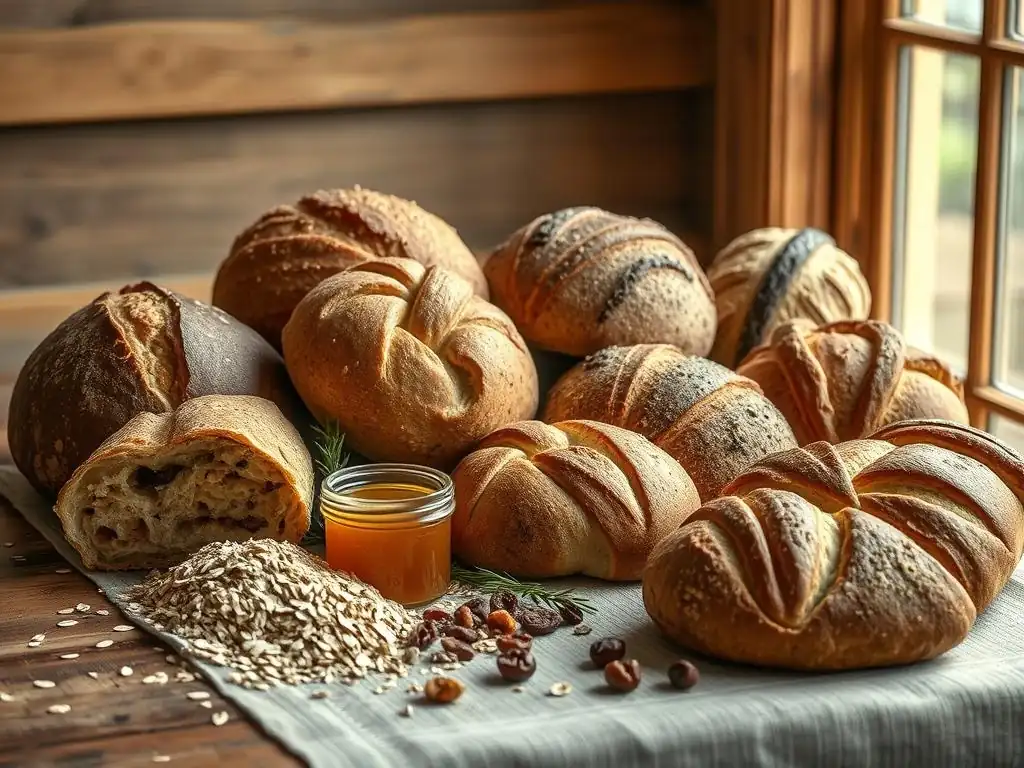
Regional bread is more than just food; it's a tangible link to Britain's rich baking heritage and the diverse communities that shaped it. Each loaf represents a unique combination of available resources, culinary ingenuity, and local taste preferences developed over centuries. These breads often have fascinating names and origin stories, reflecting local dialect, historical events, or specific baking methods.
Tasting these regional specialities offers a direct connection to the past, providing insight into the daily lives and traditions of people from different parts of the country. Whether it's a simple farm labourer's loaf designed for sustenance or a celebratory enriched bread baked for a special occasion, each tells a part of the story. For home bakers, attempting these authentic UK regional bread recipes is a way to participate in this living history and share a taste of Britain's diverse culinary legacy.
The Role of Local Ingredients
Local ingredients have always played a crucial role in defining the character of UK regional bread recipes. Historically, bakers relied on the grains grown in their immediate vicinity. The type of wheat, barley, or rye that thrived in a particular soil and climate directly influenced the type of flour available and, consequently, the texture and flavour of the bread. For example, areas with poor drainage might have favoured rye cultivation, leading to a tradition of denser rye breads.
Beyond grains, other local ingredients found their way into regional loaves. Dairy products like milk, butter, or buttermilk were often used to enrich doughs, particularly in areas with strong dairy farming traditions. Regional specialities might also incorporate local produce, such as potatoes in certain Irish breads or oats widely used in Scotland and parts of Northern England. Even the water source could subtly influence the flavour and behaviour of the dough. Understanding the impact of these local ingredients is key to truly appreciating the authenticity and unique qualities of traditional British bread recipes.
Spotlight on Specific UK Regional Breads
The UK boasts a delightful array of unique regional breads, each with its own distinct personality. While it's impossible to cover them all, highlighting a few prominent examples provides a glimpse into this rich diversity. These examples showcase different techniques, ingredients, and cultural contexts, offering a starting point for exploring the world of traditional UK regional bread recipes.
From the hearty, substantial loaves of the North to the sweeter, more delicate bakes found elsewhere, these breads reflect the varied landscapes and histories of the British Isles. Learning about these specific types can inspire bakers to try their hand at recreating them, bringing a taste of regional heritage into their own homes.
The Stottie Cake: A North East Staple
The Stottie Cake is a large, round, flat bread originating from the North East of England, particularly around Newcastle. Its name is believed to come from the Geordie word "stott," meaning to bounce, possibly referring to its dense, slightly elastic texture that allows it to bounce back when pressed. Traditionally, stotties were baked on the floor of the oven, giving them their characteristic flat shape and a thick, chewy crust. A typical Stottie might measure around 10-12 inches (25-30 cm) in diameter and be about 1-2 inches (2.5-5 cm) thick.
This substantial bread is often split horizontally and filled generously, serving as the basis for hearty sandwiches, commonly filled with ham and pease pudding. It's made from a simple dough of strong white flour, yeast, water, and salt, but the specific method of kneading, proving, and baking gives it its unique texture. While traditionally a baker's bread, many home bakers in the North East have their own cherished Stottie recipes, keeping this regional favourite alive. Learning to bake a Stottie is a step into the culinary heart of the North East.
Welsh Cakes: A Sweet Bread Tradition
Welsh Cakes, or Picau ar y maen in Welsh (meaning 'cakes on the stone'), are a popular traditional bake from Wales. Despite their name, they share characteristics with both scones and flatbreads, cooked on a griddle (historically a baking stone, or maen) rather than baked in an oven. They are typically round, about 2-3 inches (5-8 cm) in diameter and roughly half an inch (1-1.5 cm) thick, studded with currants or raisins.
Made from flour, butter, sugar, eggs, and milk, often with a touch of baking powder, the dough is rolled out and cut into rounds before being cooked on a lightly greased griddle over medium heat for just a few minutes on each side. The result is a moist, slightly crumbly 'cake' that is often served warm, dusted with caster sugar.
While not a leavened loaf in the traditional sense, Welsh Cakes are deeply ingrained in Welsh baking culture and are a delightful example of a regional 'bread' or bake enjoyed with tea. Mastering Welsh Cakes is an essential part of exploring UK regional bread recipes from Wales.
The Scottish Morning Roll: A Flaky Delight
The Scottish Morning Roll, particularly the Glasgow Roll or 'Crispy Roll', is a beloved breakfast staple across Scotland. Unlike many other rolls, these are typically baked close together in trays, resulting in soft sides and a distinctively crispy, often floury, top and bottom. The dough is relatively simple, usually made with strong white flour, yeast, water, salt, and sometimes a little fat like lard or oil, which contributes to their unique texture.
The magic happens during the baking process; a relatively hot oven creates the signature crispy crust while the rolls steam each other where they touch, keeping the sides soft. They are traditionally enjoyed split and filled with anything from bacon and eggs to square sausage or potato scones. While exact recipes vary, a standard morning roll might weigh around 60-80 grams. Perfecting the Scottish Morning Roll is a satisfying challenge for anyone interested in traditional British bread recipes from Scotland.
Irish Soda Bread: A Quick and Easy Classic
Irish Soda Bread is perhaps one of the most well-known and accessible UK regional bread recipes. Originating in Ireland, its defining characteristic is the use of bicarbonate of soda (baking soda) as the leavening agent, activated by buttermilk. This method allows the bread to be mixed and baked very quickly compared to yeast-leavened loaves, making it ideal for busy households. Traditional Irish Soda Bread is incredibly simple: just flour (historically soft wheat flour), buttermilk, bicarbonate of soda, and salt.
Often shaped as a round loaf with a cross cut into the top (to help it bake evenly and, according to folklore, to let the fairies out), it bakes in about 30-45 minutes. Variations exist, including the addition of oats (often called 'wheaten bread' in Northern Ireland), wholemeal flour, or even a little sugar or dried fruit in sweeter versions. Its dense crumb and slightly tangy flavour make it perfect with butter, jam, or alongside soups and stews. Irish Soda Bread is an excellent starting point for anyone new to baking UK regional breads.
Baking UK Regional Bread at Home: Tips and Techniques
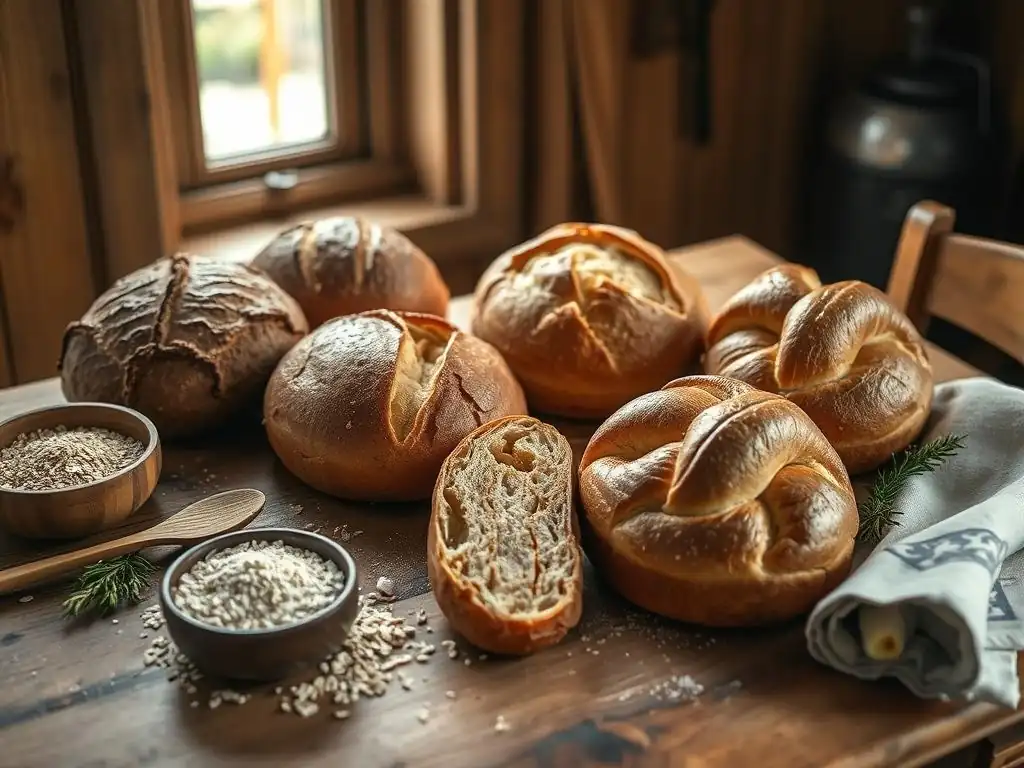
Bringing the taste of traditional UK regional bread recipes into your own kitchen is a rewarding experience. While some recipes might seem intimidating, many are surprisingly accessible, especially with a few key tips and techniques. Understanding the basics of bread making – from measuring ingredients accurately to kneading and proving – is fundamental, but certain regional breads require specific approaches.
Pay close attention to the recipe instructions, as slight variations in method or baking temperature can significantly impact the final result. Don't be afraid to experiment; part of the joy of baking is learning how different flours behave and how factors like room temperature or humidity affect your dough. With practice, you'll be able to recreate authentic traditional British bread recipes that taste just like they should.
Mastering Traditional Baking Methods
Mastering traditional baking methods often involves understanding the 'feel' of the dough and learning to read its cues. For many UK regional bread recipes, this includes developing strong kneading techniques, whether by hand or machine, to build gluten structure. For yeast breads, proper proving (rising) is crucial; the dough needs sufficient time in a warm, draft-free place to develop flavour and texture.
Some traditional methods might involve specific shaping techniques, like the tight rounding needed for a batch loaf or the careful folding used in enriched doughs. Others might require unique baking setups, such as using a hot baking stone for flatbreads or creating steam in your oven for crusty loaves.
Essential Traditional Techniques:

*   **Hand Kneading:** Developing dough strength through rhythmic pushing and folding.
*   **Bulk Fermentation:** The initial rise of the entire dough mass.
*   **Shaping:** Forming the dough into its final shape (round, loaf, roll, etc.).
*   **Final Proofing:** The second rise after shaping.
*   **Baking on Stone/Steel:** Providing intense heat from below for a good crust.
*   **Steam Baking:** Adding moisture to the oven to delay crust formation, allowing for better oven spring and a crispier crust.
Understanding these core techniques will significantly improve your results when tackling authentic UK regional bread recipes. Patience is often key; allowing dough sufficient time to ferment properly is vital for flavour development.
Adapting Recipes for the Home Baker
Many traditional UK regional bread recipes were developed for bakeries with large ovens and specific equipment. Adapting these recipes for the home kitchen requires a practical approach. Often, ingredient quantities need to be scaled down, and baking times and temperatures adjusted to suit a standard domestic oven. While striving for authenticity is great, sometimes slight modifications are necessary for success at home.
Consider the tools you have available. If a recipe calls for a baking stone and you don't have one, a heavy baking sheet or even a cast-iron pan can sometimes suffice. Similarly, achieving a steamy oven environment for crusty breads can be done by placing a tray of hot water at the bottom of the oven or spraying the oven walls with water, rather than relying on a professional steam injection system. Don't be afraid to consult multiple versions of UK regional bread recipes to understand common adaptations.
Working with Different Flours in UK Breads
Traditional UK regional bread recipes often call for specific types of flour that might differ slightly from what is commonly available everywhere. Understanding the characteristics of these flours is essential for successful adaptation. For instance, many traditional British loaves use strong white bread flour, which has a high protein content (typically 12-14%) necessary for developing a good gluten structure.
However, other regional breads might use softer flours (lower protein, around 10-11%), wholemeal flour (containing the bran and germ), or even blends of different grains like rye or barley.
Common UK Flour Types and Their Uses:

*   **Strong White Bread Flour:** High gluten, ideal for yeasted loaves requiring structure (e.g., batch loaves, rolls).
*   **Plain Flour (All-Purpose):** Lower gluten, suitable for less structured bakes like soda bread or Welsh cakes.
*   **Wholemeal Flour:** Adds flavour, fibre, and density; requires more hydration and often longer kneading. Used in hearty brown loaves.
*   **Rye Flour:** Low gluten, produces dense loaves; often used in blends with wheat flour.
*   **Self-Raising Flour:** Contains leavening agent; used in quick bakes like scones or some regional 'cakes'.
When adapting traditional British bread recipes, ensure you use the correct type of flour specified, or understand how substituting might impact the result. You might need to adjust the amount of liquid depending on the flour's absorption rate.
The Future of UK Regional Bread: Preserving Traditions
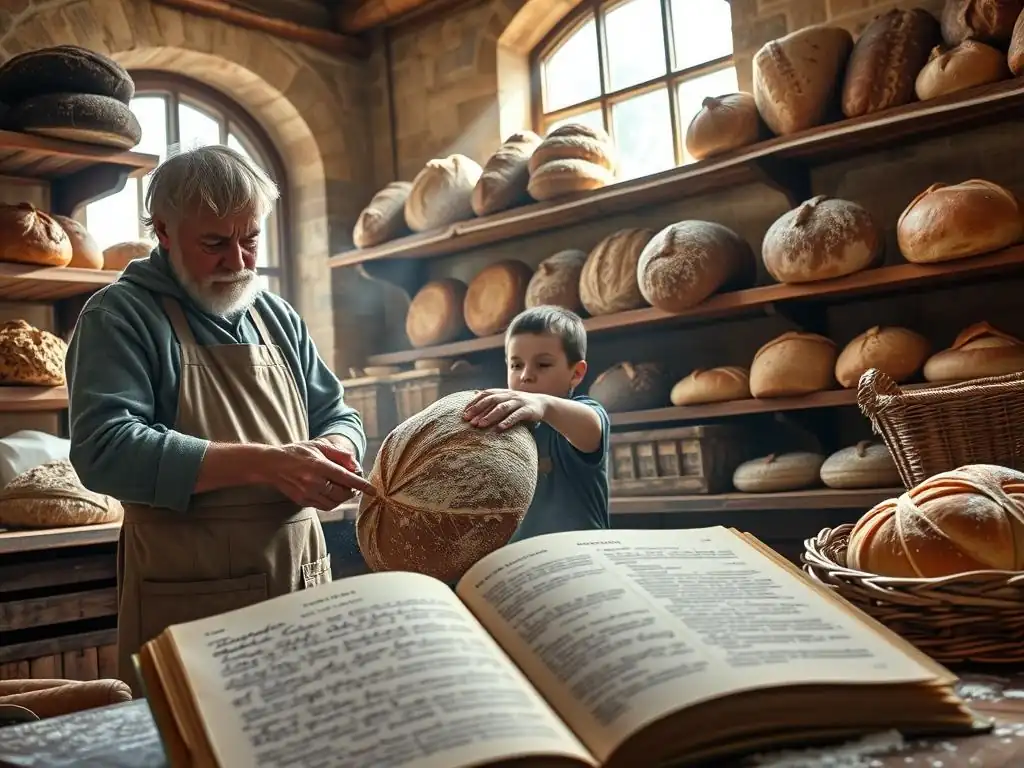
The future of UK regional bread lies in a balance between preserving traditional methods and adapting to modern tastes and challenges. While the number of traditional bakeries has declined over the past century, there is a growing movement dedicated to keeping these skills and UK regional bread recipes alive. This involves passing down knowledge, encouraging home baking, and supporting small-scale artisanal producers.
Preserving these traditions is important not just for culinary history but also for promoting biodiversity in grains and supporting local economies. As consumers become more interested in the provenance of their food, traditional British bread offers a compelling story of place and heritage.
Supporting Local Bakeries and Sustainable Practices
Supporting local bakeries is one of the most direct ways to ensure the survival of traditional UK regional bread recipes. These bakeries often use time-honoured methods, source ingredients locally, and act as community hubs. By purchasing their bread, consumers help sustain the skills and knowledge required to produce these unique loaves. Look for bakeries that specialize in or prominently feature regional specialities.
Furthermore, many artisanal bakers are committed to sustainable practices, such as using locally milled flour, reducing food waste, and employing energy-efficient ovens. Choosing bread from these sources not only preserves tradition but also supports a more environmentally conscious food system. Initiatives promoting heritage grains and traditional baking techniques also play a vital role in ensuring that future generations can enjoy the diversity of UK regional breads.
Nutritional Aspects of Traditional UK Breads
Traditional UK regional bread recipes, particularly those made with wholemeal flour or through slow fermentation processes, can offer significant nutritional benefits compared to highly processed white breads. These benefits stem from the ingredients used and the methods of preparation, which can impact everything from fibre content to mineral availability.
While nutritional profiles vary greatly between different types of regional bread – a light Welsh cake is different from a dense rye loaf – focusing on breads made with less refined flours and natural leavening can be a healthier choice.
Benefits of Sourdough Fermentation
Sourdough fermentation, a method used in many traditional bread recipes across the UK and beyond, offers several potential health benefits. This slow process, relying on wild yeast and lactic acid bacteria, helps to break down phytic acid present in flour, which can inhibit the absorption of certain minerals like iron, zinc, and calcium. By reducing phytic acid levels, sourdough fermentation can increase the bioavailability of these nutrients.
Additionally, the fermentation process can improve the digestibility of bread, particularly for individuals sensitive to commercial yeast. The lactic acid produced contributes to the bread's characteristic tangy flavour but also helps to predigest some of the gluten and starches. While the extent of these benefits can vary depending on the starter and fermentation time, choosing sourdough versions of traditional British bread recipes can be a nutritionally advantageous option.
Resources for Authentic UK Regional Bread
For those eager to bake authentic UK regional bread recipes or simply taste the real thing, numerous resources are available. From finding reliable recipes to locating bakeries that still produce these traditional loaves, connecting with the right resources is key. The growing interest in artisanal baking has made it easier than ever to access information and ingredients.
Whether you're looking for detailed instructions on making a perfect Scottish batch loaf or want to find a bakery selling genuine Welsh Cakes, the internet and local communities offer valuable starting points.
Online Communities and Bakeries
Online communities dedicated to baking are fantastic resources for finding authentic UK regional bread recipes, asking questions, and sharing experiences. Websites, forums, and social media groups focused on British baking or specific regional cuisines often contain traditional recipes passed down through families or shared by experienced bakers. You can find detailed instructions, tips for troubleshooting, and inspiration from fellow enthusiasts.
Furthermore, many traditional bakeries, even small ones, now have an online presence. Searching for bakeries specializing in "traditional British bread" or mentioning specific regional names like "Newcastle Stottie" or "Scottish morning rolls" can help you locate places that bake and often ship these genuine articles. Some online retailers also specialize in heritage flours and baking equipment needed for traditional British bread recipes. Exploring these resources is a great way to deepen your knowledge and enjoyment of the UK's rich baking heritage.
Frequently Asked Questions
What are some examples of UK regional breads mentioned on BakeWithEase.com?
BakeWithEase.com explores various regional breads of the UK, going beyond just the standard white loaf. Examples might include Welsh Bara Brith or Scottish Oatcakes.
Does BakeWithEase.com offer recipes for sourdough variations using UK regional grains?
While the site focuses on simple recipes, it may include recipes with regional grains in sourdough variations. Check for recipes mentioning "UK flour" or specific grain types.
Are the UK regional bread recipes on BakeWithEase.com suitable for beginner bakers?
BakeWithEase.com aims to provide recipes for all skill levels, including beginners. Look for recipes marked as "easy" or "beginner-friendly" within the UK regional bread section.
Where can I find a list of easy-to-find ingredients for the UK regional bread recipes on BakeWithEase.com?
Each recipe on BakeWithEase.com includes a detailed list of ingredients and instructions. The website emphasizes the use of easy-to-find ingredients, making the recipes accessible.
Does BakeWithEase.com provide tips on adapting traditional UK bread recipes for modern ovens?
Yes, BakeWithEase.com often includes tips and tricks to ensure success with baking traditional recipes in modern ovens. Look for notes on oven temperature adjustments or baking times.
Final Reflection: A Crumb of History, A Loaf of Identity
The diverse landscape of British regional breads reflects not only culinary ingenuity but also a rich tapestry of social and historical narratives. These aren't just recipes; they are tangible links to the past, whispering stories of local ingredients, traditional techniques, and the communities that shaped them. The enduring popularity of these breads, even in our increasingly globalized food system, speaks volumes about their enduring appeal and cultural significance.
The journey through these regional loaves has been a personal exploration of heritage and identity. It's highlighted how deeply food is intertwined with place, and how seemingly simple ingredients can carry such profound meaning. Food is symbolic of love when words are inadequate.
- Alan D. Wolfelt. This quote rings true when considering the emotional connection many people have with the breads of their childhood, or the breads that represent a specific region's character. The recipes themselves are a form of cultural preservation, ensuring that these traditions continue to thrive.
So, what will you bake next? I encourage you to explore the recipes presented in this article, not just as instructions, but as opportunities for connection. Try your hand at a soda bread from the west of Ireland, a stottie cake from the North East, or a Cornish pasty – each bite will be a journey through time and place.
Let the aroma of freshly baked bread fill your kitchen, and let the taste transport you to a different corner of the UK. Discover the story behind your bread, and share it with others. The legacy of these regional loaves depends on our continued appreciation and engagement.
Unleash Your Inner Baker: Discover Your Next Bread Adventure!
Thanks for joining us on this delicious journey through the regional breads of the UK! We hope you've gained a newfound appreciation for the incredible variety beyond the everyday loaf. Now it's time to put your knowledge to the test!
- Bake your own regional loaf: Try one of the recipes we highlighted – maybe a crusty soda bread or a fluffy Cornish pasty! This is the perfect way to deepen your understanding and impress your friends and family.
- Share your baking journey: Post a picture of your creation on social media and tag us! Let's inspire others to explore the world of regional baking. We'd love to see your results!
- Explore further: Visit a local bakery and see if they stock any breads mentioned in this article – a tasting expedition can uncover hidden gems!
What regional bread will you tackle first, and which unique ingredient are you most excited to try?