
Rye Bread with Cocoa & Coffee: An Unexpected Delight

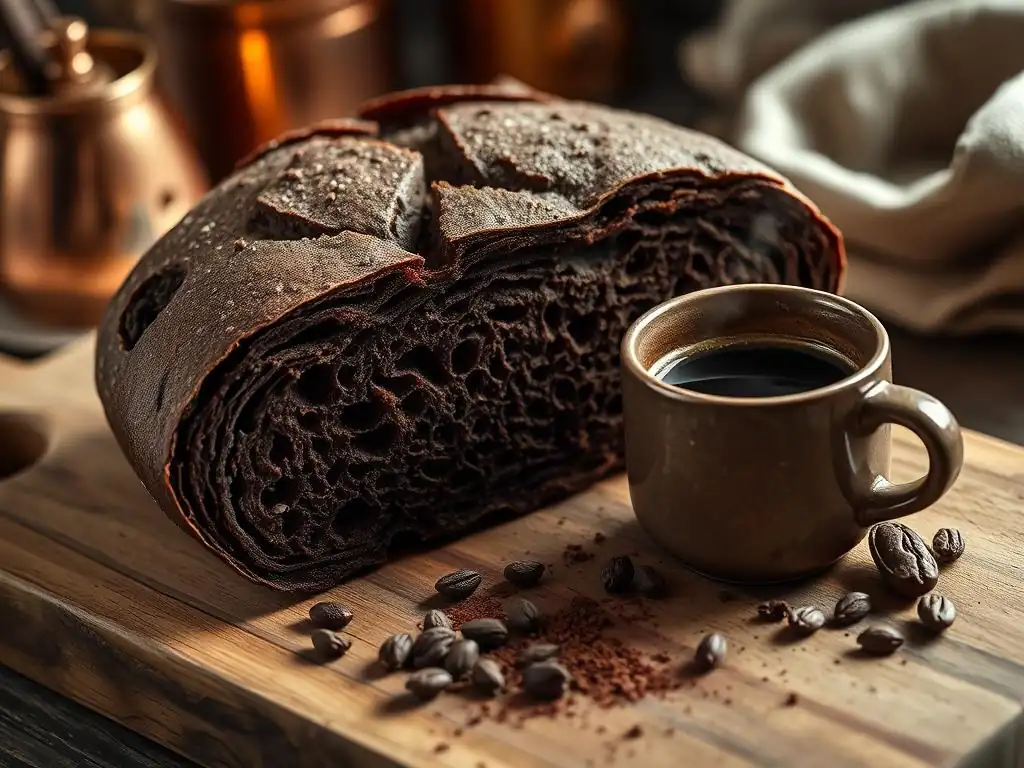
Welcome to BakeWithEase, your trusted companion on your baking journey! Prepare to be surprised! Have you ever imagined the rich, earthy notes of rye dancing with the deep, comforting flavors of cocoa and coffee? Our latest exploration, Rye Bread with Cocoa & Coffee, will challenge your perceptions of bread baking and open your palate to a world of unexpected delight. Dive in to discover the secret to this surprisingly harmonious combination and unlock a new level of baking artistry.
- Introduction to Rye Bread with Cocoa and Coffee
- Understanding Rye Bread Baking
- The Unexpected Twist: Cocoa & Coffee Infusion
- Rye Bread Cocoa Coffee Recipe: Step-by-Step Guide
- Tips and Tricks for Perfect Rye Bread
- Serving Suggestions for Cocoa Coffee Rye Bread
- Conclusion: Enjoy Your Homemade Rye Bread with Cocoa and Coffee
- Frequently Asked Questions
- Final Reflection: The Unexpected Harmony of Flavors
- Unleash Your Inner Baker: Craft This Cocoa-Coffee Rye!
Introduction to Rye Bread with Cocoa and Coffee
Discover the Unique Flavor Combination: Rye, Cocoa, and Coffee
Baking bread is an art form, and sometimes the most delightful creations come from unexpected pairings. Traditional rye bread is beloved for its earthy, slightly tangy flavor profile, often associated with hearty, rustic loaves. Introducing cocoa and coffee into this classic mix transforms it into something truly novel and exciting.
The deep, slightly bitter notes of cocoa powder meld beautifully with the roasted, aromatic richness of coffee, creating a complex backdrop that complements the inherent earthiness of rye flour rather than overpowering it. This fusion results in a loaf that is both familiar in its bread structure and revolutionary in its taste, offering a sophisticated flavor journey for your palate.
This unique combination isn't just about novelty; it's a careful balance of flavors. Rye provides a sturdy, slightly sour base, known for its distinctive taste that can sometimes be quite strong. Cocoa adds a layer of dark, chocolatey depth, while coffee introduces subtle bitterness and aroma, enhancing the overall complexity.
Together, they create a harmonious blend where no single flavor dominates, but each contributes to a richer, more nuanced loaf. Imagine the subtle sweetness needed to balance the bitterness, bringing out the best in the rye bread cocoa coffee experience. This is a testament to how creative ingredient combinations can elevate simple baking into something truly special.
A Novel Rye Bread Recipe
While rye bread has a long and storied history, particularly in Eastern and Northern European baking traditions, recipes featuring significant additions like cocoa and coffee are relatively new entrants into the home baker's repertoire. This recipe for rye bread with cocoa and coffee offers a fresh perspective on what rye bread can be.
It moves beyond the traditional caraway seed or plain rye loaf to explore bolder, more dessert-like or even savory-leaning flavor profiles, depending on how you choose to serve it. It's an invitation to step outside your baking comfort zone and discover the incredible versatility of rye flour when paired with unconventional ingredients.
Developing a successful rye bread cocoa coffee recipe requires understanding how these ingredients interact during the baking process. Rye flour behaves differently than wheat flour due to its lower gluten content and higher proportion of non-starch polysaccharides, which absorb more water and contribute to a stickier dough.
Adding cocoa can slightly alter the dough's structure and hydration needs, while coffee, especially brewed coffee, introduces additional liquid and its own set of volatile compounds that react during baking. This recipe is designed to guide you through these complexities, ensuring that even if you're new to baking with rye, you can achieve a delicious and satisfying loaf that showcases this novel flavor combination.
Understanding Rye Bread Baking
The Basics of Rye Flour in Baking
Baking with rye flour presents a unique set of challenges and rewards compared to using wheat flour. Rye flour contains gluten, but the structure it forms is different and weaker than wheat gluten. This is partly due to the presence of pentosans, complex carbohydrates that absorb a significant amount of water, contributing to the characteristic stickiness of rye dough.
Unlike wheat dough, which develops elasticity through kneading, rye dough benefits from gentler mixing. Overworking rye dough can result in a gummy texture in the final bread. Hydration levels for rye bread dough are often higher than for wheat dough, sometimes ranging from 75% to over 100% relative to the flour weight, depending on the desired crumb structure and the type of rye flour used (light, medium, dark, or pumpernickel).
Furthermore, rye flour contains enzymes that can degrade starch more quickly than in wheat flour. To counteract this and build structure, rye bread recipes often incorporate acidic components like a rye sourdough starter or a small amount of vinegar. For recipes using commercial yeast, careful control of fermentation time and temperature is crucial to prevent the dough from becoming too acidic or breaking down.
Understanding these fundamental properties of rye flour is key to successfully baking any rye loaf, including a complex rye bread cocoa coffee creation. Patience and a willingness to embrace a slightly different dough texture are essential when working with this distinctive grain.
The Benefits of Rye Bread
Beyond its unique flavor, rye bread offers several nutritional advantages that make it a healthy addition to your diet. Rye grain is notably higher in fiber compared to wheat, particularly soluble fiber. A typical slice of 100% rye bread might contain 6-8 grams of fiber, significantly more than the 1-2 grams found in a slice of white wheat bread.
This high fiber content contributes to digestive health, helps regulate blood sugar levels, and can promote a feeling of fullness, which may aid in weight management. Studies have shown that rye bread can have a lower glycemic index (GI) than many wheat breads, meaning it causes a slower, steadier rise in blood sugar after eating.
Rye bread is also a good source of various vitamins and minerals, including B vitamins (like niacin, riboflavin, and thiamine), magnesium, iron, and zinc. Historically, rye was a staple grain in many parts of Europe, particularly in regions with poorer soil conditions where wheat struggled to grow. Its resilience and nutritional density made it a vital food source for centuries. Incorporating rye bread into your diet, whether it's a traditional loaf or a novel rye bread with cocoa and coffee, is a delicious way to boost your intake of fiber and essential nutrients.
The Unexpected Twist: Cocoa & Coffee Infusion
Why Cocoa and Coffee Enhance Rye Bread
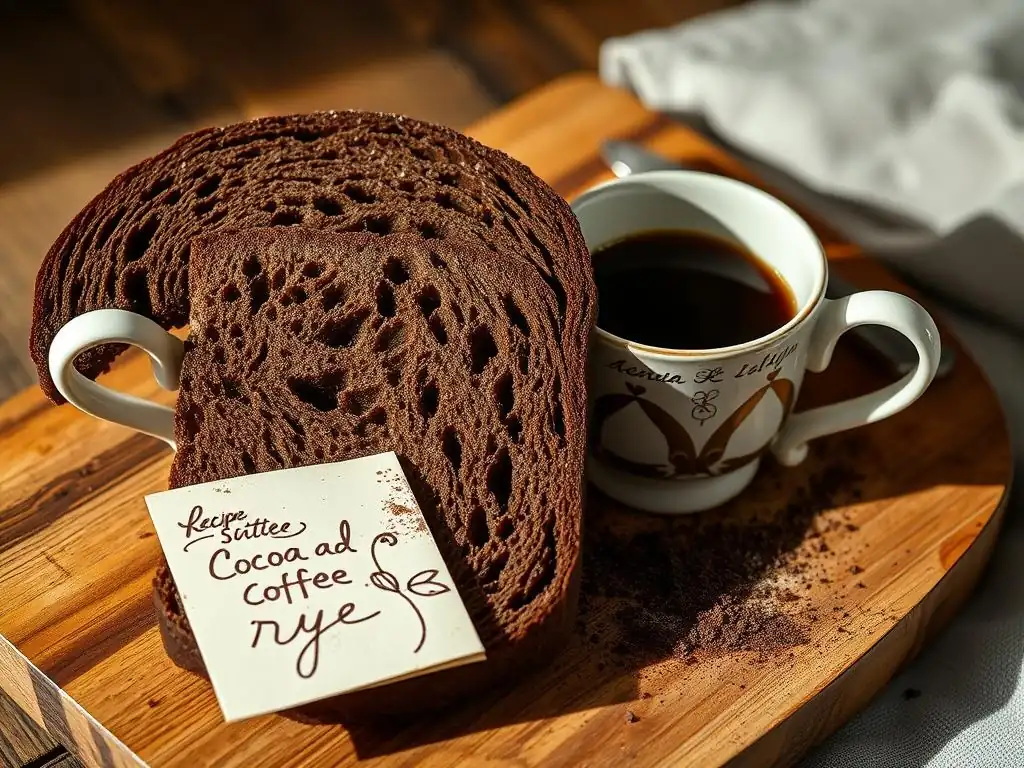
The decision to add cocoa and coffee to rye bread might seem unconventional, but these ingredients are surprisingly complementary to rye's inherent characteristics. Rye flour has a complex flavor profile that can range from earthy and slightly malty to distinctly sour, especially when using a sourdough starter. Cocoa powder, particularly unsweetened natural or Dutch-process cocoa, brings a rich, slightly bitter, and sometimes fruity or nutty undertone. Coffee, brewed strong, adds roasted notes and a subtle acidity that can brighten the dough's overall flavor and interact with the rye's natural tang.
When combined, cocoa and coffee work to deepen and enrich the flavor profile of the rye bread. The bitterness from cocoa and coffee can balance the sweetness that might be added to the dough and provide a counterpoint to the rye's earthiness. The aromas released during baking are incredibly inviting – a blend of warm bread, dark chocolate, and roasted coffee beans.
This infusion doesn't just add flavor; the cocoa can also contribute a darker hue to the crumb, creating a visually appealing loaf. The resulting rye bread cocoa coffee loaf is a complex tapestry of flavors, far more intricate than its individual components might suggest.
Exploring the Flavor Profile
The flavor profile of rye bread with cocoa and coffee is a fascinating exploration of bitter, earthy, and aromatic notes. Upon the first bite, you might notice the familiar chew and density of rye bread, followed immediately by the rich, deep taste of cocoa. This isn't a sweet chocolate flavor, but the more profound, slightly bitter taste of pure cocoa powder.
Layered within this is the subtle presence of coffee, adding roasted notes and a hint of acidity that prevents the loaf from tasting flat. The rye's characteristic earthiness and slight tang provide the base, grounding the bolder flavors of cocoa and coffee.
Depending on the type of rye flour used (darker flours have a stronger flavor) and the strength of the coffee, the balance can shift. A dark rye will assert itself more strongly against the cocoa and coffee, while a lighter rye allows the infused flavors to take center stage.
Some bakers also choose to add a touch of sweetener, like molasses or brown sugar, which not only complements the cocoa and coffee but also helps to balance the rye's tang and contributes to a richer color and softer crust. The overall experience is one of sophisticated complexity, making this rye bread cocoa coffee loaf a memorable bake.
Rye Bread Cocoa Coffee Recipe: Step-by-Step Guide
Ingredients
- Rye Flour Blend
- 200g Dark Rye Flour
- 300g Strong Bread Flour (Wheat)
- Cocoa Powder
- 30g Unsweetened Cocoa Powder
- Coffee
- 250ml Strong Brewed Coffee, cooled
- Other Ingredients
- 150ml Warm Water (approx. 30-35°C)
- 10g Instant Yeast
- 10g Fine Sea Salt
- 20g Molasses or Dark Brown Sugar (optional, for color and depth)
- Butter or Oil for greasing
Equipment Needed
- Large mixing bowl
- Measuring cups and spoons (or preferably, a digital scale)
- Whisk
- Spatula or dough scraper
- Clean kitchen towel or plastic wrap
- Proofing basket (banneton) or loaf pan
- Parchment paper
- Sharp knife or razor blade (lame) for scoring
- Oven
- Baking stone or steel (optional)
- Spray bottle for water (for steam)
- Cooling rack
Step 1: Preparing the Coffee Cocoa Infusion
Start by brewing a strong cup of coffee and letting it cool completely. While it cools, measure out your dry ingredients: the dark rye flour, strong bread flour, unsweetened cocoa powder, salt, and optional sugar. Whisk them together in your large mixing bowl to ensure they are evenly distributed. In a separate small bowl, combine the warm water (ensure it's not too hot, ideally between 30-35°C or 85-95°F) with the instant yeast. Stir gently and let stand for 5-10 minutes until frothy, indicating the yeast is active. Once the coffee is cool, measure the required amount.
Step 2: Mixing the Rye Bread Dough
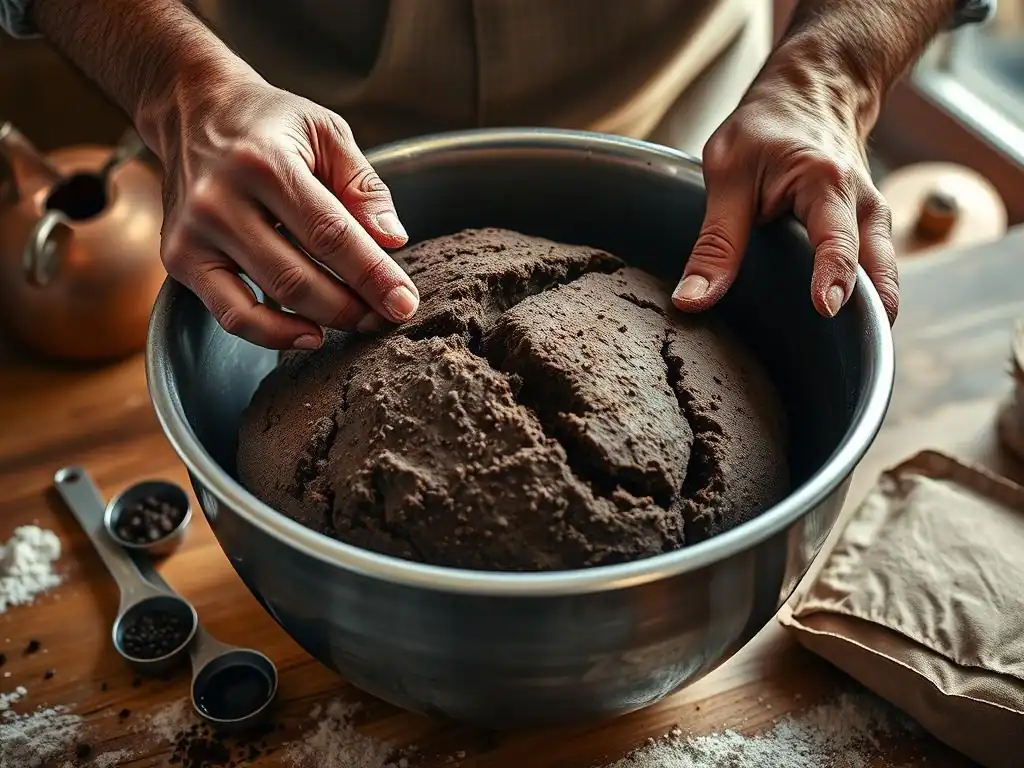
Pour the activated yeast mixture and the cooled brewed coffee into the bowl with your dry ingredients. If using molasses or brown sugar, add it now. Begin mixing everything together with a spatula or your hands until a shaggy dough forms. Rye dough will be stickier than wheat dough.
Avoid the temptation to add too much extra flour at this stage; the hydration is important for the final texture. Mix until all the flour is incorporated and there are no dry patches. Unlike wheat dough, extensive kneading is not required for rye dough due to its lower gluten structure. A few minutes of gentle mixing or folding is sufficient.
Step 3: Bulk Fermentation of Rye Dough
Cover the bowl with a clean kitchen towel or plastic wrap. Place the dough in a warm spot, ideally between 24-26°C (75-79°F), to rise. This first rise, known as bulk fermentation, typically takes 60-90 minutes, or until the dough has visibly increased in size by about 50-75% and looks slightly puffy. Rye dough doesn't always double like wheat dough.
The exact time will depend on the temperature of your kitchen. During this time, the flavors of the rye bread cocoa coffee dough will begin to develop. You might perform one or two gentle stretch and folds within the first 30-40 minutes if you wish, but it's not strictly necessary for this rye/wheat blend.
Step 4: Shaping the Rye Bread Loaf
Gently turn the dough out onto a lightly floured surface. Be careful not to deflate it completely. Rye dough can be quite sticky, so a light dusting of flour or using a dough scraper can help. Shape the dough into your desired loaf shape – a round boule or an oval batard works well.
Aim for a relatively tight shape to help the loaf hold its form during proofing and baking. If using a proofing basket, heavily flour it with rice flour or a mix of rice and wheat flour to prevent sticking. If using a loaf pan, grease it well.
Step 5: Proofing the Shaped Dough
Carefully place the shaped dough into the prepared proofing basket (seam-side up if baking in a Dutch oven, seam-side down if baking on a stone/tray) or loaf pan. Cover the dough lightly with plastic wrap or a damp towel to prevent a skin from forming. Let the dough proof at room temperature for another 45-75 minutes, or until it looks noticeably puffier but not fully doubled.
You can perform the "poke test": gently press the dough with a floured finger; if the indentation springs back slowly and only partially, it's ready. If it springs back immediately, it needs more time. If it stays indented, it might be over-proofed.
Step 6: Baking Your Cocoa Coffee Rye Bread
Preheat your oven to 220°C (425°F) with a baking stone or steel inside if using, or with your loaf pan ready. If using a baking stone/steel, also preheat a tray or cast iron pan on the bottom rack for creating steam. Carefully transfer the proofed dough onto a piece of parchment paper if it was in a basket.
Score the top of the loaf with a sharp knife or lame; this helps control expansion during baking. If baking on a stone/steel, slide the loaf on the parchment onto the hot surface. Pour about half a cup of hot water into the preheated steam tray/pan and quickly close the oven door.
Bake for 15-20 minutes with steam. The steam helps the crust stay pliable, allowing the loaf to expand fully and contributing to a better crust texture. After this initial period, carefully open the oven door, remove the steam tray, and reduce the oven temperature to 200°C (390°F). Continue baking for another 25-35 minutes, or until the crust is dark brown and the internal temperature reaches 93-96°C (200-205°F). The cocoa and coffee will contribute to a darker crust color than a plain rye loaf.
Step 7: Cooling and Slicing
Once baked, carefully remove the rye bread cocoa coffee loaf from the oven and transfer it to a wire cooling rack. This is a crucial step. Do not slice the bread while it's hot! Rye bread, especially, needs time for the internal structure to set and for moisture to distribute evenly.
Slicing too early can result in a gummy texture. Let the loaf cool completely for at least 2-3 hours, or ideally longer, before slicing. Patience here will be rewarded with the best possible crumb texture and flavor development. Once fully cooled, slice with a sharp bread knife and enjoy your homemade rye bread with cocoa and coffee.
Tips and Tricks for Perfect Rye Bread
Troubleshooting Common Rye Bread Baking Problems
Baking with rye flour can sometimes present unique challenges. One common issue is a dense or gummy crumb. This can often be attributed to insufficient proofing, slicing the bread too early before it has cooled completely, or overmixing the dough, which can damage the delicate rye structure.
Ensure your yeast is active, allow adequate but not excessive proofing time (rye dough won't spring as much as wheat), and always let the loaf cool fully on a wire rack for several hours. Another problem can be a cracked crust, which often happens if there isn't enough steam in the oven during the initial baking phase. Using a steam pan or baking in a Dutch oven can help prevent this by keeping the crust moist and flexible as the loaf expands.
Sticky dough is another characteristic of rye that new bakers might find challenging. Rye flour absorbs a lot of water due to its pentosans. Resist the urge to add excessive amounts of extra flour during mixing or shaping. A light dusting of flour on your work surface and hands, or using a bench scraper, is usually sufficient. Embrace the stickiness as part of the rye baking process. If your loaf spreads too much during proofing or baking, it might indicate insufficient shaping tension or over-proofing. Practicing shaping techniques to build surface tension will help the loaf hold its structure.
Achieving the Ideal Crumb and Crust
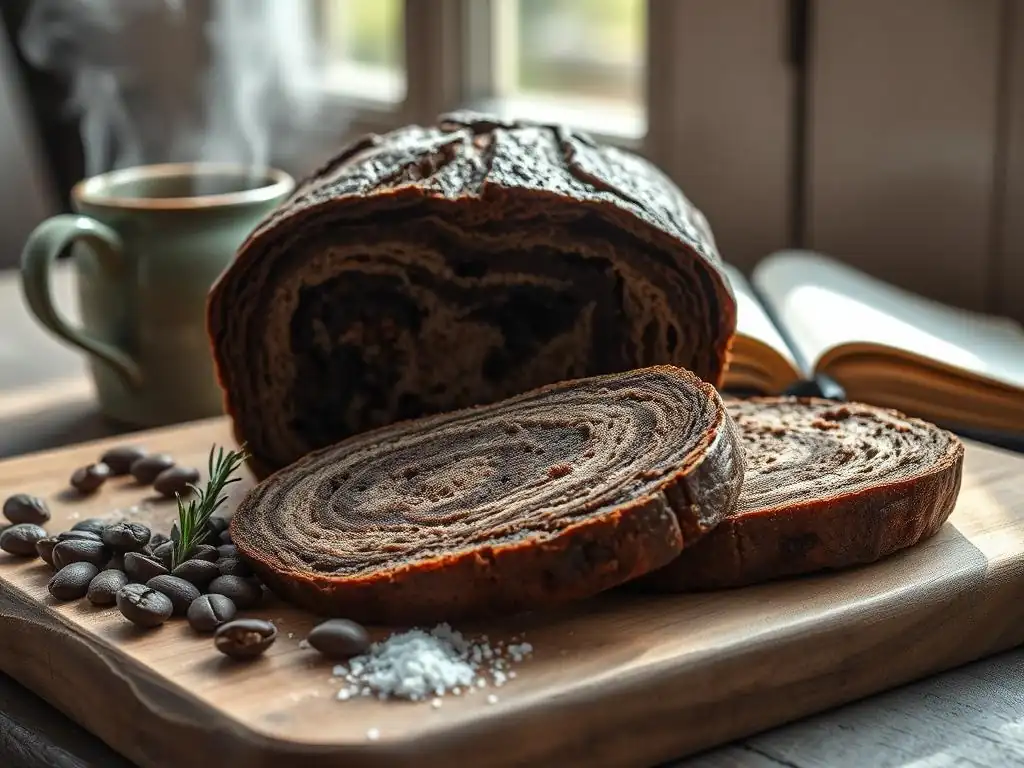
The ideal crumb for rye bread with cocoa and coffee is typically denser than a wheat loaf but should not be gummy or heavy. It should have a moist, even texture with small, relatively uniform holes. To achieve this, proper hydration is key – follow the recipe's liquid amounts closely, adjusting slightly only if the dough seems exceptionally dry or wet for the type of flour used.
Ensure your bulk fermentation and proofing times are appropriate; under-proofed dough can result in a dense crumb, while over-proofing can lead to collapse during baking. Slicing only after the bread is completely cool is paramount for a good crumb texture.
For the crust, you want a deep color (enhanced by the cocoa and coffee), a satisfying chew, and perhaps a slight crispness, especially right after cooling. Achieving a good crust depends heavily on oven temperature and steam. Starting with a high temperature (like 220°C/425°F) helps the loaf spring and the crust develop quickly.
Using steam for the first 15-20 minutes keeps the crust soft, allowing the loaf to expand, and contributes to a thinner, crispier crust after the steam is removed. Finishing the bake at a slightly lower temperature ensures the interior cooks through without burning the exterior. The molasses or brown sugar in this rye bread cocoa coffee recipe also aids in crust color development through caramelization.
Experimenting with Variations
Once you've mastered the basic rye bread cocoa coffee recipe, don't hesitate to experiment! Baking is all about making it your own. Consider adding complementary ingredients to the dough. A handful of chopped walnuts or pecans would add crunch and nutty flavor that pairs well with both rye and cocoa. Dried cranberries or cherries could introduce pockets of tart sweetness. Spices like cinnamon, cardamom, or a pinch of clove can enhance the warmth of the cocoa and coffee notes.
You could also play with the types of coffee and cocoa used. A dark roast coffee will impart a stronger, more bitter flavor than a medium roast. Different cocoa powders (natural vs. Dutch-process) have slightly different flavors and colors; Dutch-process cocoa is less acidic and darker.
Varying the ratio of rye to wheat flour will change the density and rye flavor intensity of the loaf. For a bolder rye presence, increase the dark rye flour while slightly reducing the wheat flour, adjusting hydration as needed. Remember to make small adjustments one at a time so you can learn how each change affects the final rye bread cocoa coffee loaf.
Serving Suggestions for Cocoa Coffee Rye Bread
Pairing Ideas
This unique rye bread with cocoa and coffee offers a versatile base for both sweet and savory pairings, leaning slightly towards the sweet side due to the cocoa and coffee infusion. One classic pairing for rye bread is cream cheese, and this loaf is no exception. The rich, tangy cream cheese provides a perfect contrast to the deep, slightly bitter flavors of the bread.
Spreading a generous layer of plain cream cheese or a lightly sweetened version is a simple yet delicious option. For a more indulgent treat, consider pairing it with a high-quality butter, allowing the complex flavors of the rye bread cocoa coffee to shine through.
Beyond simple spreads, this bread works wonderfully with fruit-based toppings. A dark cherry jam, raspberry preserves, or even a fig spread would complement the cocoa and coffee notes beautifully. The slight acidity and sweetness of the fruit cut through the richness of the bread. For a savory-sweet combination, try pairing it with a sharp cheddar cheese or even a smoked Gouda. The smoky notes of the cheese can surprisingly enhance the roasted flavors from the coffee.
Creative Ways to Use Your Baked Rye Bread
Don't limit your rye bread cocoa coffee loaf to just slices! This bread is robust enough to be used in various creative applications. One excellent idea is to use it for unique grilled cheese sandwiches. Fill it with a cheese that melts well and complements the flavors, perhaps a gruyere or fontina, maybe even with a thin spread of fig jam. The crust crisps up beautifully when grilled, and the interior remains moist.
Another creative use is to transform slightly stale slices into croutons. Cube the bread, toss with a little melted butter or olive oil and perhaps some complementary spices (like a pinch of cinnamon or smoked paprika), and bake until crispy. These cocoa coffee rye croutons would add an unexpected depth of flavor to salads, especially those with fruit or nuts, or as a crunchy topping for soups. You could also process dried-out pieces into bread crumbs for use in unique savory or sweet dishes where the distinct flavor profile would be a welcome addition.
Conclusion: Enjoy Your Homemade Rye Bread with Cocoa and Coffee
Embrace the Art of Baking with Rye
Baking bread at home is a rewarding experience, and venturing into the world of rye flour opens up a whole new dimension of flavors and textures. This rye bread with cocoa and coffee recipe is more than just a list of instructions; it's an invitation to explore, experiment, and create something truly unique in your own kitchen. Working with rye dough teaches patience and a different approach compared to wheat baking, highlighting the diverse characteristics of grains.
Successfully baking this loaf, from mixing the sticky dough to achieving that perfect deep brown crust, provides a profound sense of accomplishment. It's a delicious way to deepen your connection to the ancient craft of bread making.
Each step, from preparing the cocoa coffee infusion to waiting for the cooled loaf, contributes to the final masterpiece. The aroma filling your home as it bakes is an experience in itself. Embracing the art of baking with rye means accepting its peculiarities and celebrating its distinct qualities. This cocoa coffee rye bread stands as a testament to the exciting possibilities that arise when traditional grains meet innovative flavor combinations.
Baking is often a solitary activity, but its results are meant to be shared. Your homemade rye bread with cocoa and coffee is sure to be a conversation starter. Cut a generous slice, share it with friends and family, and watch their reactions to this unexpected delight. Discuss the unique flavor profile – the earthy rye, the deep cocoa, the subtle coffee notes. Encourage others to try their hand at baking, perhaps even this very recipe.
Sharing your baking creations also means sharing your journey. Talk about the challenges you faced, the successes you celebrated, and the joy you found in the process. Consider taking a photo of your beautiful loaf and sharing it online, inspiring others in the baking community. Use hashtags like #RyeBreadCocoaCoffee or #HomemadeRye to connect with fellow bakers. Your success in creating this delicious and novel loaf is a source of pride and a wonderful way to spread the love of baking. Enjoy every moment, from the mixing bowl to the final slice!
Frequently Asked Questions
How does cocoa and coffee enhance rye bread?
Cocoa and coffee add depth of flavor to rye bread. The cocoa contributes a slightly bitter and rich undertone, while the coffee enhances the rye's natural earthiness and adds a subtle, roasted aroma.
What kind of coffee works best in this rye bread recipe?
A strong, brewed coffee works best. We recommend using a dark roast for a more pronounced coffee flavor, but a medium roast will also work nicely. Avoid instant coffee for optimal results.
Can I substitute the rye flour with another type of flour?
While you can substitute some of the rye flour, it's not recommended to replace all of it. Rye flour provides the distinctive taste and texture of rye bread. Replacing too much will significantly alter the final product.
Is it necessary to use a starter for this rye bread?
This recipe can be made with either a commercial yeast or a rye starter. Using a starter will give the bread a more complex flavor and chewier texture, but using commercial yeast is quicker and simpler.
What are some serving suggestions for this rye bread?
This rye bread is delicious on its own, toasted with butter, or used for sandwiches. It pairs well with cheeses, smoked meats, and even savory spreads like hummus or avocado.
Final Reflection: The Unexpected Harmony of Flavors
The surprising combination of rye bread, cocoa, and coffee isn't just a delicious culinary adventure; it's a testament to the power of unexpected pairings to create something truly unique and memorable. This simple recipe, explored in detail throughout this article, highlights how seemingly disparate elements can harmonize beautifully, offering a richer experience than any single ingredient could provide on its own. The depth of flavor achieved is a testament to the creative potential found in culinary exploration.
The journey of discovering this unexpected delight has been a personal one, highlighting the importance of stepping outside of culinary comfort zones. The initial skepticism I felt about combining these ingredients was quickly replaced by a sense of wonder as the flavors melded together. This experience mirrors the broader cultural shift towards embracing culinary experimentation and pushing boundaries. The best things in life are the unexpected ones.
This quote perfectly encapsulates the joy and satisfaction found in venturing beyond the familiar.
Now, it's your turn. I encourage you to embrace the spirit of culinary adventure. Don't be afraid to experiment with flavors, to combine the seemingly incompatible, and to discover your own unexpected delights. The next time you're in the kitchen, consider the possibilities: what unusual combination of ingredients might create your own unique and unforgettable culinary masterpiece? The world of flavor awaits your exploration.
Unleash Your Inner Baker: Craft This Cocoa-Coffee Rye!
Thanks for joining us on this delicious journey into the world of unexpected rye bread! We hope you gained some valuable baking inspiration and are ready to experiment. Now it's time to put your newfound knowledge into action.
- Bake your own Cocoa-Coffee Rye: This is your chance to create the wonderfully aromatic loaf we explored today. Don't be intimidated – even small adjustments can make a big difference!
- Share your creation: Post a picture of your finished bread on social media using #BakeWithEaseCocoaRye – let's see those baking masterpieces!
- Explore other unique rye recipes: Dive deeper into the world of rye bread on BakeWithEase.com and discover even more flavour combinations.
Ready to transform your kitchen into a fragrant bakery? What unexpected ingredient will you add to your next loaf?