
The Best Cheese Blends for Your Dream Cheesecake

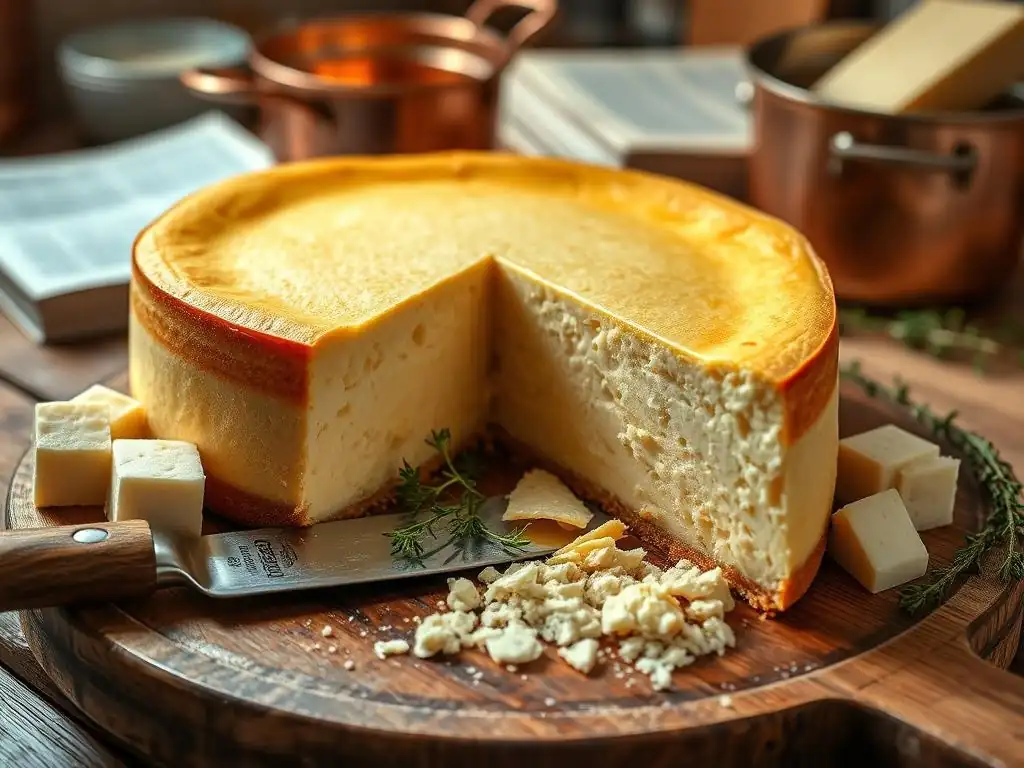
Welcome to BakeWithEase, your trusted guide to baking bliss! Ever wondered how to achieve that perfect cheesecake texture? Unlock the secret to a creamy, dreamy dessert with our exploration of easy cheesecake cheese blend recipes. Discover the perfect combination of cheeses that will elevate your cheesecake from ordinary to extraordinary, and leave everyone craving more. Let's dive in and transform your baking game!
- BakeWithEase Presents: Mastering Cheesecake with the Perfect Cheese Blend
- Why the Right Cheese Blend Matters for Your Cheesecake
- Easy Cheesecake Cheese Blend Recipes: Unlock the Secret to Deliciousness
- Exploring Cream Cheese Blends for Exceptional Cheesecake Flavor
- Beyond Cream Cheese: Unique Cheese Combinations for Your Cheesecake
- Tips for Blending Cheeses Perfectly for Your Cheesecake
- Troubleshooting Common Cheesecake Cheese Blend Issues
- BakeWithEase's Favorite Cheesecake Cheese Blend Recipes: Step-by-Step
- Conclusion: Elevate Your Cheesecake with the Perfect Cheese Blend
-
Frequently Asked Questions
- What is the most common cheese blend used in easy cheesecake recipes?
- Why is it important to blend different cheeses for cheesecake?
- Can I use only cream cheese in my easy cheesecake recipe?
- What are some less common but interesting cheese additions for cheesecakes?
- How can I adjust the cheese blend in an easy cheesecake recipe if I want a tangier flavor?
- Final Reflection: Unlocking Cheesecake Perfection Through Simple Blends
- Unlock Your Cheesecake Potential!
BakeWithEase Presents: Mastering Cheesecake with the Perfect Cheese Blend
Welcome to BakeWithEase, where we believe that baking should be a joyful and accessible experience for everyone. Today, we're diving into the heart of what makes a truly spectacular cheesecake: the cheese blend. While a classic cream cheese base is wonderful, exploring different cheese combinations can unlock new levels of flavor and texture, transforming a simple dessert into a culinary masterpiece. Whether you're a beginner or looking to refine your skills, understanding how different cheeses interact is key to achieving cheesecake perfection.
Crafting the ideal cheesecake isn't just about following a recipe; it's about understanding the ingredients and how they contribute to the final result. The cheese blend is arguably the most critical component, dictating everything from the richness and tang to the density and smoothness of your finished cake. With the right guidance, creating delicious and easy cheesecake cheese blend recipes becomes second nature, allowing you to bake with confidence and creativity.
Why the Right Cheese Blend Matters for Your Cheesecake
The foundation of any great cheesecake lies in its cheese. It's not merely a filler; it's the star ingredient that provides the characteristic creamy texture and tangy or sweet flavor. Choosing the right blend can elevate your cheesecake from good to unforgettable. It impacts how the cheesecake bakes, how it sets, and ultimately, how it tastes. Getting the cheese blend right is the first step towards baking your dream cheesecake.
Different cheeses bring unique characteristics to the mix. A high-fat cheese contributes richness and density, while a lower-fat option might result in a lighter texture. The moisture content of the cheese also plays a significant role, affecting the final consistency and preventing issues like cracking. Understanding these nuances is crucial for anyone looking to master the art of cheesecake baking and create truly exceptional easy cheesecake cheese blend recipes.
Achieving the Perfect Cheesecake Texture: The Role of Cheese Selection
Texture is paramount in a great cheesecake. We're aiming for that smooth, creamy, and dense-but-not-heavy consistency that melts in your mouth. The type and quality of cheese you use directly influence this. For example, standard full-fat cream cheese, which typically contains at least 33% milk fat and no more than 55% moisture, provides a solid, dense base that is foundational for many recipes. Its high-fat content ensures richness and helps create a smooth crumb structure when baked correctly.
Incorporating other cheeses can modify this base texture significantly. Adding mascarpone, an Italian cheese with a very high fat content (often around 40-50%), results in an exceptionally creamy, almost silken texture. In contrast, Neufchâtel cheese, which is similar to cream cheese but with a lower fat content (around 20-25%), can produce a slightly tangier and less dense cheesecake. Balancing these elements is key to dialing in the exact texture you desire for your easy cheesecake cheese blend recipes.
Understanding the Impact of Different Cheeses on Cheesecake Flavor
Beyond texture, the cheese blend is the primary driver of your cheesecake's flavor profile. Cream cheese provides a familiar, slightly tangy base that is versatile enough to pair with a wide range of additions like fruit, chocolate, or caramel. However, relying solely on cream cheese can sometimes result in a one-dimensional flavor. This is where blending comes in.
Introducing cheeses like ricotta adds a subtle sweetness and granular texture (if not blended perfectly smooth), bringing a taste reminiscent of Italian cheesecakes. Goat cheese contributes a distinct earthy and tangy flavor that can be surprisingly delightful when paired with ingredients like honey or herbs. Even using cultured dairy like sour cream or Greek yogurt in the blend introduces acidity and moisture, cutting through the richness and adding complexity. Experimenting with these combinations is part of the fun in developing your own easy cheesecake cheese blend recipes.
Easy Cheesecake Cheese Blend Recipes: Unlock the Secret to Deliciousness
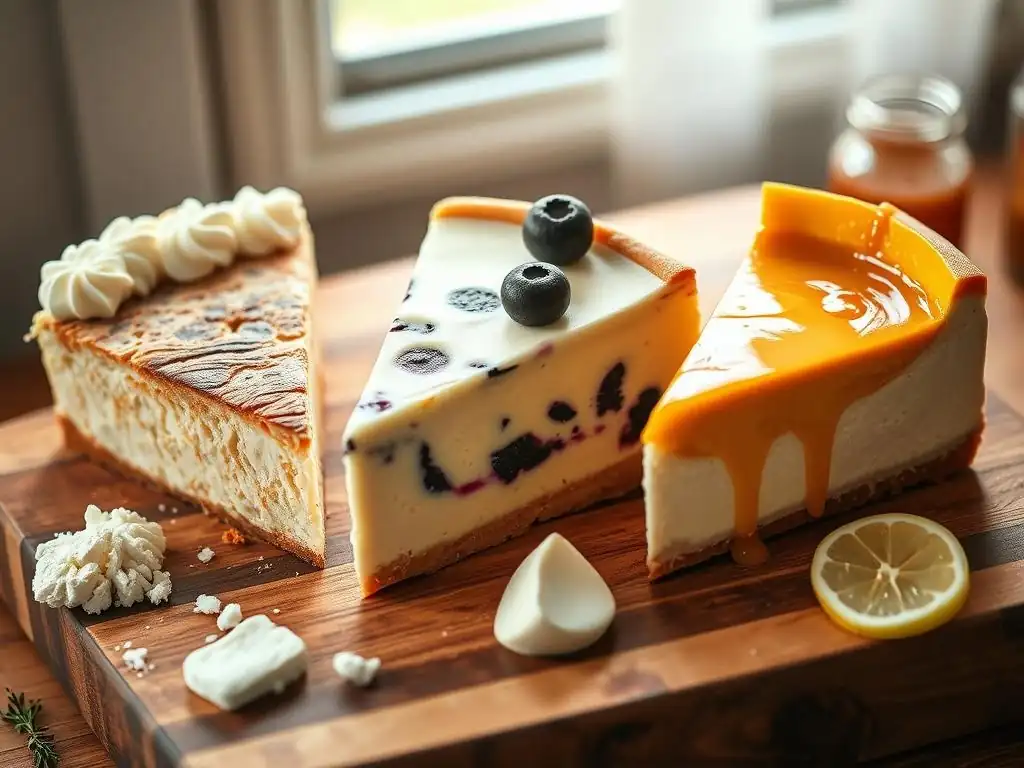
Creating your own signature cheesecake doesn't have to be complicated. Many of the most beloved cheesecakes start with simple, easy cheesecake cheese blend recipes that combine readily available ingredients. The key is understanding the basic ratios and how to adjust them to suit your taste and desired outcome. Starting with a solid foundation of cream cheese and knowing how to enhance it is the first step towards baking success.
Whether you're aiming for a classic New York-style cheesecake or something a little more adventurous, mastering easy cheesecake cheese blend recipes is within reach. These simple combinations often require just two or three types of cheese, making them approachable for home bakers. Focus on quality ingredients and proper technique, and you'll be well on your way to baking cheesecakes that impress.
Classic Cream Cheese Cheesecake: A Foundation for Flavor
The classic cream cheese cheesecake is the benchmark for many. It typically relies on a base of full-fat cream cheese, often softened to room temperature for easier blending. A standard recipe might use between 32 and 48 ounces (approximately 900g to 1.3kg) of cream cheese for a standard 9 or 10-inch springform pan. This volume of cheese provides the necessary structure and richness. Other ingredients like sugar, eggs, vanilla extract, and sometimes a touch of lemon juice or sour cream are added to complete the batter.
This foundational blend is popular because of its simplicity and versatility. The mild, tangy flavor of cream cheese pairs well with almost any topping or crust. It's a fantastic starting point for beginners looking to master the basics of cheesecake baking before venturing into more complex easy cheesecake cheese blend recipes. Achieving a smooth, lump-free batter with this simple blend is crucial for a perfect finished texture.
Enhancing Cream Cheese: Exploring Complementary Cheese Pairings
While cream cheese is excellent on its own, pairing it with other cheeses can add depth, richness, or a unique tang. This is where the magic of easy cheesecake cheese blend recipes really shines. Common pairings include adding mascarpone for extra creaminess, sour cream for tang and moisture, or ricotta for a slightly lighter, sweeter profile.
For example, combining 24 ounces (about 680g) of cream cheese with 8 ounces (about 225g) of mascarpone creates a blend that is both rich and incredibly smooth. Adding half a cup (about 120g) of sour cream to a standard cream cheese batter introduces a pleasant acidity that balances the sweetness and richness. These simple additions are easy to incorporate and significantly elevate the flavor and texture of your cheesecake, making them perfect examples of accessible and easy cheesecake cheese blend recipes.
Exploring Cream Cheese Blends for Exceptional Cheesecake Flavor
Moving beyond the absolute basics, several classic cream cheese blends offer distinct flavor and texture profiles. These combinations are tried and true methods for achieving specific cheesecake characteristics, from ultra-rich to delightfully tangy. Understanding what each addition brings to the table allows you to choose or create the perfect blend for your desired cheesecake.
These blends are popular in many easy cheesecake cheese blend recipes because they rely on commonly available cheeses and straightforward mixing techniques. The key is often the ratio of the added cheese to the base cream cheese, which dictates the final outcome. Experimenting with these ratios in small batches can help you discover your personal favorite.
Cream Cheese and Sour Cream Blend: Tangy and Rich
A very popular and effective blend is cream cheese combined with sour cream. Sour cream (or sometimes Greek yogurt) adds moisture, a pleasant tanginess, and helps create a smoother batter. The acidity in the sour cream also helps break down the proteins in the cream cheese slightly, contributing to a creamier texture and potentially reducing the risk of cracking during baking. A typical ratio might involve adding 1/2 cup to 1 cup (120g to 240g) of full-fat sour cream to 32 ounces (900g) of cream cheese.
This blend results in a cheesecake that is less heavy than one made solely with cream cheese, with a bright, slightly acidic finish that balances the sweetness. It's particularly well-suited for cheesecakes paired with fruit toppings, as the tang of the sour cream complements the fruit's acidity. Many easy cheesecake cheese blend recipes incorporate this combination for its reliable results and delicious flavor.
Cream Cheese and Mascarpone Blend: Ultra-Creamy Indulgence
For those seeking the ultimate in creamy indulgence, a blend of cream cheese and mascarpone is the answer. Mascarpone is an Italian cream cheese known for its incredibly smooth texture and sweet, mild flavor. When combined with the tangier cream cheese, it creates a cheesecake that is exceptionally rich, dense, and velvety. A common ratio is 2 parts cream cheese to 1 part mascarpone, for instance, 24 ounces (680g) of cream cheese with 12 ounces (340g) of mascarpone.
Cheesecakes made with this blend are often luxurious and decadent. They are perfect for pairing with rich flavors like chocolate, coffee, or caramel. Because mascarpone has a higher fat content, this blend requires careful baking at a lower temperature to prevent curdling or separation. Despite needing a little extra care, the resulting texture makes this one of the most rewarding easy cheesecake cheese blend recipes to master for a truly special dessert.
Cream Cheese and Neufchâtel Blend: A Lighter, Tangier Option
If you're looking for a slightly lighter, less dense cheesecake that still retains a creamy texture and adds a unique tang, consider blending cream cheese with Neufchâtel. As mentioned earlier, Neufchâtel cheese has a lower fat content than standard cream cheese. This results in a cheesecake that is less heavy and has a more pronounced tangy flavor profile, similar to the French cheese it's named after (though the American version is different).
Using a 1:1 ratio of cream cheese to Neufchâtel (e.g., 16 ounces/450g of each) yields a cheesecake that is noticeably lighter in both texture and richness compared to a pure cream cheese version. This blend is excellent for cheesecakes where you want the fruit or other flavors to shine through without being overwhelmed by richness. It's an easy way to modify classic easy cheesecake cheese blend recipes for a different experience.
Beyond Cream Cheese: Unique Cheese Combinations for Your Cheesecake
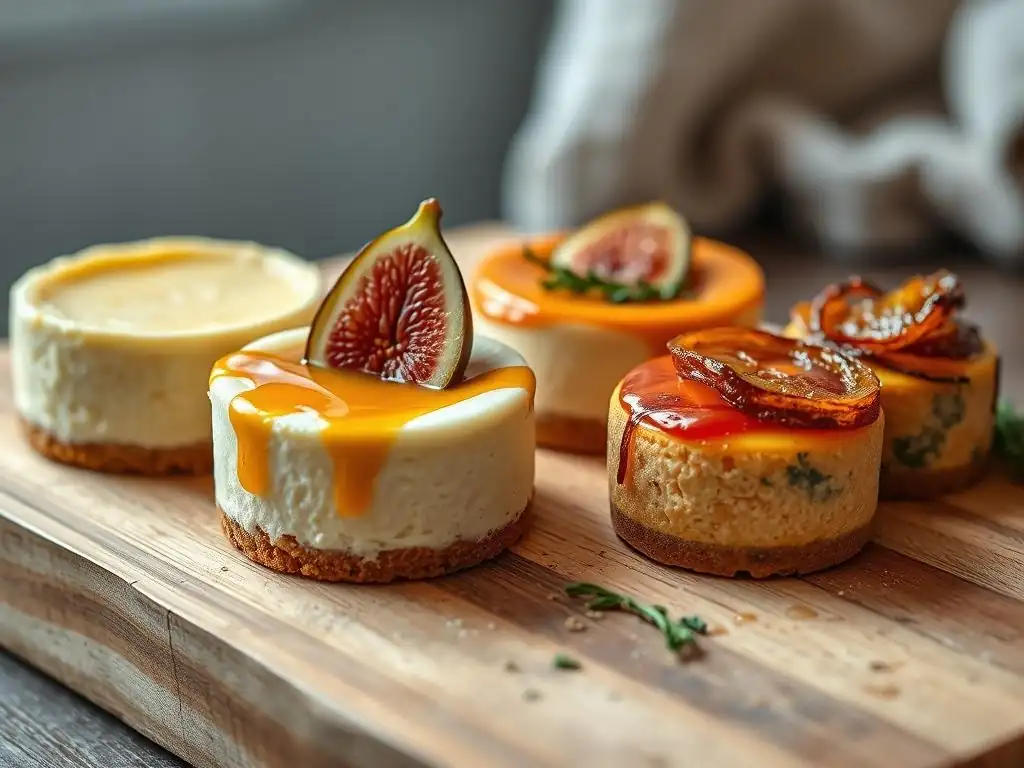
While cream cheese is the undisputed king of cheesecake bases in many parts of the world, stepping outside this box can lead to exciting and unique flavor discoveries. Incorporating cheeses not traditionally associated with cheesecake can result in surprisingly delicious and complex desserts. These blends might require a bit more experimentation, but the payoff can be significant for adventurous bakers.
Exploring cheeses like ricotta, goat cheese, or even soft, flavored cheeses opens up a world of possibilities for unique easy cheesecake cheese blend recipes. These combinations allow you to play with different levels of tang, sweetness, saltiness, and even herbaceous notes, moving beyond the conventional cheesecake profile.
Ricotta and Cream Cheese Blend: A Taste of Italy in Your Cheesecake
Blending ricotta cheese with cream cheese is a fantastic way to bring an Italian influence to your cheesecake. Italian-style cheesecakes often rely heavily on ricotta, which provides a slightly sweeter, lighter texture compared to the dense New York style. However, using 100% ricotta can sometimes result in a slightly grainy texture if the ricotta isn't very smooth. Combining it with cream cheese provides structure and creaminess while maintaining the ricotta's distinct flavor.
A common approach is to use a higher ratio of ricotta to cream cheese, such as 24 ounces (680g) of well-drained whole-milk ricotta with 12 ounces (340g) of cream cheese. Ensure the ricotta is strained thoroughly to remove excess moisture, which can make the cheesecake watery. This blend results in a cheesecake that is less dense, subtly sweet, and has a wonderful, slightly airy texture, offering a delightful alternative to standard easy cheesecake cheese blend recipes.
Goat Cheese and Cream Cheese Blend: Adding a Tangy, Earthy Note
For a truly unique and sophisticated flavor, consider blending goat cheese with cream cheese. Goat cheese introduces a distinct tanginess and an earthy, sometimes slightly grassy flavor that pairs beautifully with ingredients like honey, figs, or herbs. While it might sound unconventional, a small amount of goat cheese can transform a traditional cheesecake into something truly special.
Using a ratio of about 4-6 ounces (115-170g) of soft goat cheese per 32 ounces (900g) of cream cheese is a good starting point. The goat cheese adds complexity without overpowering the classic cheesecake flavor. This blend works exceptionally well in cheesecakes with a nutty crust or those featuring roasted fruits. It's an adventurous but rewarding option among easy cheesecake cheese blend recipes for those looking to explore new tastes.
Cream Cheese and Boursin Blend: Herbaceous and Creamy
For a savory-leaning or unexpectedly flavorful cheesecake, blending cream cheese with a soft, flavored cheese like Boursin (specifically the Garlic & Fine Herbs variety) offers a unique profile. While this might not be for a traditional dessert cheesecake, it can create a stunning savory appetizer or a unique base for a cheesecake featuring ingredients like smoked salmon, roasted vegetables, or caramelized onions.
Using a blend of 24 ounces (680g) of cream cheese with 4-6 ounces (115-170g) of Boursin cheese provides a creamy base with aromatic notes of garlic and herbs. This is certainly outside the realm of typical easy cheesecake cheese blend recipes for dessert, but it highlights the versatility of cheesecake as a concept and the potential for creative cheese combinations.
Tips for Blending Cheeses Perfectly for Your Cheesecake
Achieving a perfectly smooth, lump-free cheesecake batter is essential for a flawless texture. The blending process is just as important as the cheese selection itself. Taking a few simple steps can make a big difference in the final outcome, ensuring your easy cheesecake cheese blend recipes turn out beautifully every time.
Proper preparation and technique during the mixing phase prevent common issues like grainy texture or overdeveloped gluten (though less common in cheesecakes than cakes, it's still possible with overmixing). Follow these tips for the best results when preparing your easy cheesecake cheese blend recipes.
Ensuring Smoothness: Softening and Blending Techniques
The absolute key to a smooth cheesecake batter is starting with softened cheese. Cream cheese, mascarpone, and other soft cheeses should be at room temperature before you begin mixing. This typically takes about 30-60 minutes sitting on the counter, depending on the ambient temperature. Cold cheese is difficult to blend smoothly and can result in lumps.
Start by beating the softened cream cheese (and any other base cheese like mascarpone or Neufchâtel) on its own until it is completely smooth and creamy, with no lumps. Use a stand mixer with the paddle attachment or an electric hand mixer on medium speed. Do not add sugar or other ingredients until the cheese is perfectly smooth.
Adding sugar too early can sometimes create small granules that are hard to break down. Once the base cheese is smooth, then gradually add other ingredients like sugar, additional cheeses (like ricotta or goat cheese, also softened), eggs, and flavorings, mixing just until combined.
Achieving the Right Ratio: Finding the Perfect Balance of Flavors
Finding the perfect ratio of cheeses in your blend is often a matter of personal preference and the specific outcome you're aiming for. While standard easy cheesecake cheese blend recipes provide good starting points, don't be afraid to adjust slightly based on your taste. For example, if you find a 2:1 cream cheese to mascarpone blend not quite rich enough, try increasing the mascarpone slightly in your next batch.
Consider the flavor intensity of the cheeses you are blending. A strongly flavored cheese like goat cheese should typically be used in smaller quantities relative to the base cream cheese compared to a milder cheese like mascarpone. Think about how the flavors will balance with your chosen crust and toppings. A slightly tangier blend might be better with sweet fruit, while a richer blend can stand up to chocolate or caramel.
Avoiding Overmixing: Protecting Your Cheesecake's Texture
One of the most common mistakes in cheesecake baking is overmixing the batter, especially after the eggs have been added. While you need to beat the cheese until it's smooth, once the eggs go in, you should mix just until they are incorporated. Overmixing introduces too much air into the batter. This excess air expands during baking, causing the cheesecake to rise too high and then collapse as it cools, often resulting in cracks.
Mix on low speed once the eggs are added. Scrape down the sides and bottom of the bowl frequently to ensure everything is evenly combined without excessive beating. The goal is a smooth, homogeneous batter, not a light and fluffy one. Gentle mixing protects the delicate structure needed for a perfectly smooth cheesecake.
Troubleshooting Common Cheesecake Cheese Blend Issues
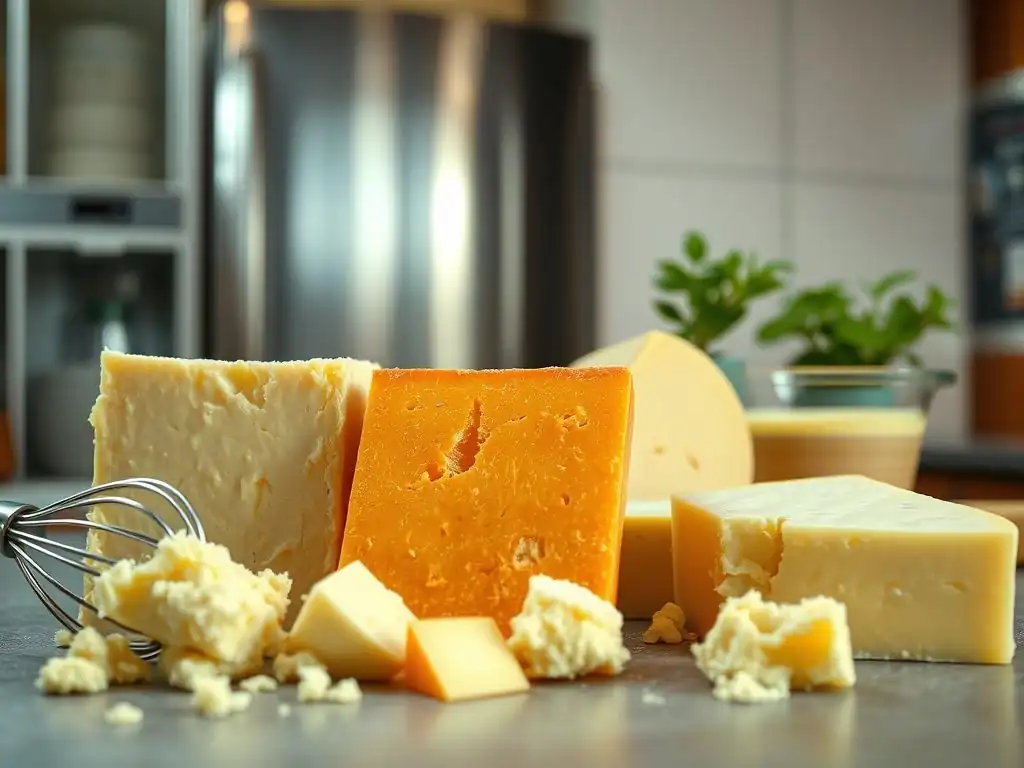
Even with the best easy cheesecake cheese blend recipes, sometimes things don't go exactly as planned. Understanding common issues related to the cheese blend and how to address them can save your cheesecake and help you learn for next time. Don't be discouraged by imperfections; think of them as learning opportunities.
Many problems like lumpy texture, watery spots, or even cracks can be traced back to the cheese blend itself or how it was prepared. Knowing the causes allows you to prevent them in the future and refine your easy cheesecake cheese blend recipes.
Lumpy Cheesecake: Preventing and Fixing Imperfect Blends
Lumps in a cheesecake batter are almost always caused by trying to blend cold or partially softened cheese. If you start with cheese that isn't at room temperature, it's incredibly difficult to get a smooth consistency. Lumps are particularly noticeable with cream cheese and can result in an unpleasant, grainy texture in the finished cheesecake.
Prevention is key: always ensure your cheese is properly softened before mixing. If you find yourself with a lumpy batter despite using softened cheese, it might be due to insufficient initial beating of the base cheese before adding other ingredients. To fix a slightly lumpy batter before baking, you can try gently pressing the batter through a fine-mesh sieve. This is tedious but effective for removing small lumps. Avoid aggressive beating at this stage, as it will incorporate too much air.
Watery Cheesecake: Addressing Moisture Content in Your Cheese Blend
A watery cheesecake, often with a layer of liquid on top after baking, can be a sign of too much moisture in the batter. This is a common issue when using cheeses with high moisture content, like ricotta, if they haven't been properly drained. It can also happen if too much liquid is added to the batter or if the cheese itself had excess moisture.
When using ricotta, always buy whole-milk ricotta and drain it thoroughly. You can place it in a sieve lined with cheesecloth set over a bowl and let it drain in the refrigerator for several hours or even overnight. For other cheeses, ensure they are fresh and haven't been sitting open in the refrigerator for too long, which can sometimes affect moisture. If your batter seems too loose, you might have added too many eggs or too much liquid; unfortunately, this is hard to correct once mixed, so precise measuring in your easy cheesecake cheese blend recipes is important.
Cracking Cheesecake: Cheese Selection and Baking Techniques
While cracks are often attributed to rapid cooling or oven temperature fluctuations, the cheese blend and how it's mixed can also contribute. Overmixing the batter, especially after eggs are added, incorporates excess air, leading to uneven rising and subsequent cracking as the cheesecake cools and contracts. Using a cheese blend that is too lean (low in fat) can also sometimes make a cheesecake more prone to cracking as it might not be as elastic.
Ensuring your cheese is at room temperature and mixing only until ingredients are combined minimizes air incorporation. Baking in a water bath is the most effective way to prevent cracks, providing gentle, even heat and high humidity. This technique helps the cheesecake cook more evenly and prevents the edges from setting faster than the center, a common cause of cracks. Choosing rich, full-fat cheeses in your easy cheesecake cheese blend recipes provides a more stable structure less prone to cracking.
BakeWithEase's Favorite Cheesecake Cheese Blend Recipes: Step-by-Step
Here at BakeWithEase, we love sharing recipes that are both delicious and accessible. These two easy cheesecake cheese blend recipes showcase how different cheese combinations can create wonderfully distinct cheesecakes. Follow these step-by-step guides to bake some of our favorites!
These recipes are designed to be straightforward, guiding you through the process of using specific easy cheesecake cheese blend recipes to achieve fantastic results. They are perfect for practicing your blending and baking techniques.
Lemon Ricotta Cheesecake
This recipe highlights the lovely, slightly lighter texture and subtle sweetness of a ricotta and cream cheese blend, brightened with fresh lemon.
Ingredients for the Lemon Ricotta Cheesecake
- For the Crust:
- 1 ½ cups (about 150g) graham cracker crumbs
- ⅓ cup (about 65g) granulated sugar
- 6 tablespoons (about 85g) unsalted butter, melted
- For the Filling:
- 16 ounces (about 450g) full-fat cream cheese, softened
- 32 ounces (about 900g) whole milk ricotta cheese, well-drained
- 1 ¾ cups (about 350g) granulated sugar
- ¼ cup (about 30g) all-purpose flour
- 1 tablespoon lemon zest (from about 2 lemons)
- ¼ cup (about 60ml) fresh lemon juice
- 1 teaspoon vanilla extract
- 4 large eggs, at room temperature
Instructions for the Lemon Ricotta Cheesecake
- Preheat oven to 350°F (175°C). Wrap the outside of a 9-inch springform pan with heavy-duty aluminum foil.
- Prepare the crust: In a medium bowl, stir together graham cracker crumbs and sugar. Pour in melted butter and mix until crumbs are moistened. Press mixture firmly into the bottom of the prepared pan. Bake for 8-10 minutes, or until lightly golden. Set aside to cool slightly.
- Prepare the filling: Ensure cream cheese is very soft. In a large bowl, beat softened cream cheese until completely smooth and creamy, about 2-3 minutes. Scrape down the bowl.
- Add the well-drained ricotta cheese to the cream cheese and beat on medium speed until incorporated and as smooth as possible (some slight texture from ricotta is okay). Scrape down the bowl.
- In a separate bowl, whisk together the sugar and flour. Gradually add the sugar-flour mixture to the cheese blend, beating on low speed until just combined. Scrape down the bowl.
- Add the lemon zest, lemon juice, and vanilla extract. Mix on low speed until just incorporated.
- Add the eggs one at a time, mixing on low speed just until each egg is incorporated before adding the next. Do not overmix. The batter should be smooth.
- Pour the filling over the cooled crust. Smooth the top.
- Place the foil-wrapped springform pan in a large roasting pan. Carefully pour hot water into the roasting pan to come halfway up the sides of the springform pan. This is your water bath.
- Bake for 60-75 minutes, or until the edges are set but the center 2-3 inches still jiggles slightly when the pan is gently nudged.
- Turn off the oven, prop the oven door open slightly, and let the cheesecake cool in the water bath for 1 hour.
- Carefully remove the cheesecake from the water bath, remove the foil, and place it on a wire rack to cool completely.
- Once completely cool, cover and refrigerate for at least 4-6 hours, preferably overnight, before serving.
Honey Goat Cheese Cheesecake with Walnut Crust
This recipe offers a unique, tangy, and slightly earthy flavor profile with the delightful addition of honey and a nutty crust. It's a fantastic example of a more adventurous easy cheesecake cheese blend recipe.
Ingredients for the Honey Goat Cheese Cheesecake
- For the Crust:
- 1 ½ cups (about 150g) walnut pieces
- ¼ cup (about 50g) packed light brown sugar
- ½ teaspoon ground cinnamon
- pinch of salt
- 5 tablespoons (about 70g) unsalted butter, melted
- For the Filling:
- 32 ounces (about 900g) full-fat cream cheese, softened
- 6 ounces (about 170g) soft goat cheese, softened
- 1 cup (about 200g) granulated sugar
- ⅓ cup (about 80ml) honey
- 2 tablespoons all-purpose flour
- 1 teaspoon vanilla extract
- 4 large eggs, at room temperature
Instructions for the Honey Goat Cheese Cheesecake
- Preheat oven to 350°F (175°C). Wrap the outside of a 9-inch springform pan with heavy-duty aluminum foil.
- Prepare the crust: In a food processor, pulse the walnut pieces until they form coarse crumbs. Add brown sugar, cinnamon, and salt; pulse to combine. Add melted butter and pulse until mixture is moistened. Press mixture firmly into the bottom of the prepared pan. Bake for 8-10 minutes, or until fragrant. Set aside to cool slightly.
- Prepare the filling: Ensure both cream cheese and goat cheese are very soft. In a large bowl, beat softened cream cheese until completely smooth and creamy, about 2-3 minutes. Scrape down the bowl.
- Add the softened goat cheese to the cream cheese and beat on medium speed until fully incorporated and smooth, about 1-2 minutes. Scrape down the bowl.
- In a separate bowl, whisk together the sugar and flour. Gradually add the sugar-flour mixture to the cheese blend, beating on low speed until just combined. Scrape down the bowl.
- Add the honey and vanilla extract. Mix on low speed until just incorporated.
- Add the eggs one at a time, mixing on low speed just until each egg is incorporated before adding the next. Do not overmix.
- Pour the filling over the cooled crust. Smooth the top.
- Place the foil-wrapped springform pan in a large roasting pan. Carefully pour hot water into the roasting pan to come halfway up the sides of the springform pan.
- Bake for 60-75 minutes, or until the edges are set but the center 2-3 inches still jiggles slightly.
- Turn off the oven, prop the oven door open slightly, and let the cheesecake cool in the water bath for 1 hour.
- Carefully remove the cheesecake from the water bath, remove the foil, and place it on a wire rack to cool completely.
- Once completely cool, cover and refrigerate for at least 4-6 hours, preferably overnight, before serving.
Conclusion: Elevate Your Cheesecake with the Perfect Cheese Blend
Choosing the right cheese blend is a crucial step in baking a truly exceptional cheesecake. From the classic cream cheese foundation to more adventurous combinations like ricotta and goat cheese, each blend offers a unique opportunity to play with texture, flavor, and richness. Understanding the properties of different cheeses and how they interact allows you to move beyond following a recipe and truly master the art of cheesecake baking.
Whether you stick to tried-and-true easy cheesecake cheese blend recipes or venture into creating your own signature mix, the journey of discovering new flavors is rewarding. Pay attention to details like cheese temperature, mixing technique, and baking methods, and you'll be well on your way to baking cheesecakes that are not only beautiful but also incredibly delicious.
Find Your Signature Cheesecake Cheese Blend
We've explored several fantastic options for easy cheesecake cheese blend recipes, from the tangy cream cheese and sour cream mix to the rich cream cheese and mascarpone blend, and even unique combinations like ricotta or goat cheese with cream cheese. The best way to find your favorite is to experiment! Try one of the recipes provided, then perhaps adjust the ratio slightly in your next bake, or try a completely different blend.
Remember that baking is an art as much as a science. While precision in measuring is important, developing a feel for the ingredients and how they behave is key to consistent success. With practice and a willingness to try new easy cheesecake cheese blend recipes, you'll soon discover your signature blend that creates your ultimate dream cheesecake. Happy baking!
Frequently Asked Questions
What is the most common cheese blend used in easy cheesecake recipes?
The most common blend typically involves cream cheese as the base, often combined with a small amount of sour cream or Greek yogurt for added tang and moisture. The ratio can vary depending on the desired texture.
Why is it important to blend different cheeses for cheesecake?
Blending cheeses contributes to a more complex and balanced flavor profile and also impacts the texture of the cheesecake. Different cheeses offer varying levels of richness, tanginess, and moisture.
Can I use only cream cheese in my easy cheesecake recipe?
Yes, you can use only cream cheese, but the result will be a very dense and rich cheesecake. Blending with other cheeses, like ricotta, can lighten the texture and add a subtle sweetness.
What are some less common but interesting cheese additions for cheesecakes?
Consider adding mascarpone for a velvety texture or a small amount of Neufchâtel cheese as a lower-fat alternative to cream cheese. These can significantly alter the taste.
How can I adjust the cheese blend in an easy cheesecake recipe if I want a tangier flavor?
Increase the proportion of sour cream or Greek yogurt in the blend. Alternatively, you could add a touch of lemon juice directly to the cheese mixture to enhance the tanginess.
Final Reflection: Unlocking Cheesecake Perfection Through Simple Blends
The pursuit of the perfect cheesecake is a journey, not a destination, but understanding the nuances of cheese blending significantly shortens the travel time. This article has explored various easy-to-implement cheese blend recipes, demonstrating how seemingly small alterations can dramatically impact the final product's texture, flavor, and overall richness. The ease of these recipes makes achieving professional-quality results accessible to even the most novice bakers.
The impact of readily available information on baking techniques, like those presented here, is undeniable. It's democratized the art of cheesecake creation, allowing individuals to experiment and personalize their recipes with confidence. The best things in life are simple,
and this holds true for the joy of baking a truly exceptional cheesecake. The simplicity of these blends allows for creativity and experimentation, pushing the boundaries of what's possible within the realm of cheesecake artistry.
Now, it's your turn. Don't be afraid to experiment with the ratios and combinations presented in this article. Try substituting different cheeses, perhaps incorporating seasonal flavors. The journey to your dream cheesecake is a personal one, and the knowledge gained here is your compass. Embrace the process, savor the results, and most importantly, share your cheesecake creations with those you love. The perfect slice awaits!
Unlock Your Cheesecake Potential!
Thanks for joining us on this cheesy adventure! You've now got the knowledge to create cheesecakes that are truly unforgettable. Ready to put your new skills to the test?
- Bake your dream cheesecake today! Experiment with your favorite blend from the article – we bet you'll discover a new favorite.
- Share your creations! Use #BakeWithEaseCheesecake and tag us on social media – we can't wait to see your masterpieces.
- Dive deeper into our cheesecake recipe collection on BakeWithEase.com for even more inspiration.
What unique cheese blend will you create for your next cheesecake masterpiece?