
The Importance of a Dedicated Baking Space (Food Safety Perspective)

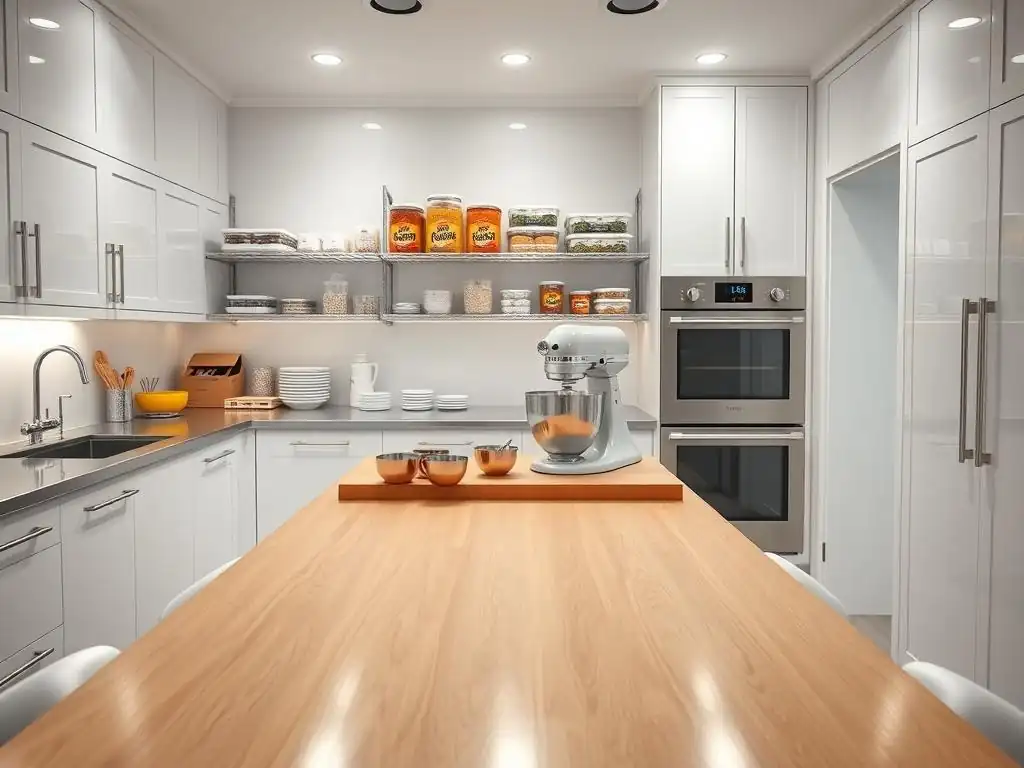
Welcome to BakeWithEase, where we believe everyone can unlock their inner baker! Ever wondered if your kitchen setup is really conducive to creating safe and delicious treats? This article dives deep into the often-overlooked, yet crucial, aspect of dedicated baking space food safety. Discover how a dedicated baking area can not only streamline your process but also significantly enhance the safety and quality of your baked goods. Ready to ensure every bite is a delight? Let's get started!
- Why a Dedicated Baking Space is Crucial for Food Safety in Home Baking
- Key Food Safety Benefits of a Dedicated Baking Area
- Setting Up Your Dedicated Baking Space for Optimal Food Safety
- Food Safety Best Practices for Using Your Dedicated Baking Space
- Maintaining a Clean and Organized Baking Space for Food Safety
- Legal Considerations and Food Safety Regulations for Home Bakers
- Troubleshooting Common Food Safety Issues in Home Baking
- Conclusion: Prioritizing Food Safety with a Dedicated Baking Space
-
Frequently Asked Questions
- What are the main benefits of having a dedicated baking space for food safety?
- How does a dedicated baking space help prevent cross-contamination?
- What are some essential features of a food-safe dedicated baking space?
- What kind of cleaning supplies should I use in my dedicated baking space to ensure food safety?
- How can I maintain a consistently clean and safe baking space?
- Final Reflection: The Sweetness of Safety: Rethinking Your Baking Space
- Level Up Your Baking Game: Create Your Dream Baking Space!
Why a Dedicated Baking Space is Crucial for Food Safety in Home Baking
Understanding the Risks of Cross-Contamination in Baking
Cross-contamination is a significant concern in any food preparation environment, and home baking is no exception. It occurs when harmful bacteria, viruses, or allergens are transferred from one surface, food item, or person to another. In a shared kitchen space, raw meat or poultry juices might come into contact with a countertop used for kneading dough, or utensils used for cutting raw vegetables could be accidentally used for slicing a finished cake.
This invisible transfer of pathogens can lead to foodborne illnesses, impacting not only your family but potentially customers if you're running a home baking business. Studies by public health organizations frequently highlight inadequate separation of raw and cooked foods and poor cleaning practices as major contributors to foodborne outbreaks in home settings.
Consider the potential for transferring Salmonella from raw eggs or E. coli from unwashed produce. If you crack eggs for a custard in the same area where you later cool your baked goods, residual bacteria could easily contaminate the finished product. Flour itself can sometimes contain harmful bacteria like E. coli, as it's a raw agricultural product.
If flour dust settles on surfaces where ready-to-eat items like cookies are placed, it poses a risk. A dedicated baking space food safety strategy is fundamentally about minimizing these opportunities for harmful microorganisms to migrate from high-risk areas or ingredients to low-risk ones, providing a clear boundary to protect your baked creations.
Ensuring Food Safety: The Role of a Designated Baking Area
Creating a designated baking area acts as a physical and procedural barrier against common kitchen contaminants. In a typical multi-use kitchen, surfaces, equipment, and even air can harbor pathogens from various cooking activities. By dedicating a specific counter, table, or even a corner solely for baking, you significantly reduce the likelihood of contact with potential hazards from meal preparation like raw meat, poultry, or unwashed produce.
This separation is particularly vital for home bakers selling their goods, as it directly impacts the safety and trustworthiness of their products. Regulatory bodies often look favorably upon clear separation of activities when evaluating home-based food businesses, acknowledging the role a dedicated baking space plays in robust food safety practices.
A dedicated space allows for specialized cleaning protocols tailored to baking needs, focusing on flour dust management, sugar spills, and the specific residues left by baking ingredients. It promotes a mindset focused purely on the baking process, reducing distractions and the potential for errors like using a contaminated utensil.
Think of it as creating a clean zone. While a typical kitchen might juggle chopping onions, searing steak, and mixing cake batter all within a few square feet, a dedicated baking area isolates the sensitive process of transforming raw ingredients into ready-to-eat baked goods, making a dedicated baking space food safety cornerstone of your operation.
Key Food Safety Benefits of a Dedicated Baking Area
Preventing Allergen Cross-Contact in Your Baking
Allergen cross-contact is a critical food safety issue, especially for home bakers who might cater to individuals with allergies. Common allergens like nuts, gluten, dairy, soy, and eggs are frequently used in baking. In a shared kitchen, residual traces of these allergens can remain on surfaces, utensils, or even in the air, posing a severe risk to someone with a severe allergy.
For example, using the same flour sifter for wheat flour and then gluten-free flour without thorough cleaning can lead to gluten contamination, which is dangerous for individuals with celiac disease. Similarly, using a knife to spread peanut butter and then slicing a dairy-free cake can transfer nut and dairy proteins.
A dedicated baking space significantly mitigates these risks by allowing for strict control over the ingredients and equipment used within that zone. You can designate specific tools (bowls, mixers, spatulas) solely for allergen-free baking or for baking that uses common allergens, ensuring they never mix.
Surfaces in the dedicated area can be meticulously cleaned to remove all traces of specific allergens after each use, or ideally, designated surfaces can be used only for allergen-free production if that is a focus. This controlled environment is essential for providing safe options for customers with dietary restrictions, making a dedicated baking space food safety requirement, not just a convenience, for allergen management.
Minimizing the Risk of Bacterial Contamination in Baked Goods
Baked goods, particularly those containing dairy, eggs, or fresh fruit fillings, can be susceptible to bacterial growth if not handled properly. While the baking process itself (high heat) often kills most bacteria, contamination can occur before baking, during cooling, or during post-baking handling and decoration. Sources of contamination include raw ingredients (like raw flour or unpasteurized eggs), unclean surfaces, dirty hands, or pests. Using a shared kitchen space where raw meats or unwashed vegetables are processed increases the chance of introducing harmful bacteria like Salmonella, E. coli, or Listeria into your baking ingredients or finished products.
A dedicated baking space helps minimize this risk by providing a cleaner, more controlled environment. Surfaces can be kept specifically for baking activities, reducing exposure to contaminants from other food preparation. Utensils and equipment used only for baking are less likely to come into contact with high-risk raw foods. Furthermore, maintaining strict hygiene practices within this dedicated area becomes easier and more consistent. By limiting the potential points of contact with common kitchen contaminants, a dedicated baking space food safety protocol becomes inherently stronger, protecting your baked goods from bacterial threats from start to finish.
Maintaining Hygiene Standards in Your Baking Process
Consistent and high hygiene standards are the bedrock of food safety. In a busy, multi-purpose kitchen, maintaining these standards specifically for baking can be challenging. The same sink might be used for washing muddy vegetables and then delicate pastry tools. Countertops might transition from holding raw chicken to cooling freshly baked cookies. This constant shift in activity makes it difficult to ensure surfaces and equipment are adequately clean for the sensitive process of baking.
A dedicated baking space facilitates the consistent application of hygiene protocols. You can establish specific cleaning routines and schedules focused solely on the needs of your baking area. This includes regular sanitization of surfaces, proper washing and storage of baking tools, and dedicated handwashing procedures before and during baking activities within this zone.
Having a designated space reinforces the importance of hygiene for everyone using it, making it easier to adhere to best practices like washing hands after handling raw ingredients or before touching finished goods. This focused approach to cleanliness within a dedicated area is a fundamental aspect of dedicated baking space food safety management, ensuring that hygiene is consistently prioritized throughout the baking process.
Setting Up Your Dedicated Baking Space for Optimal Food Safety
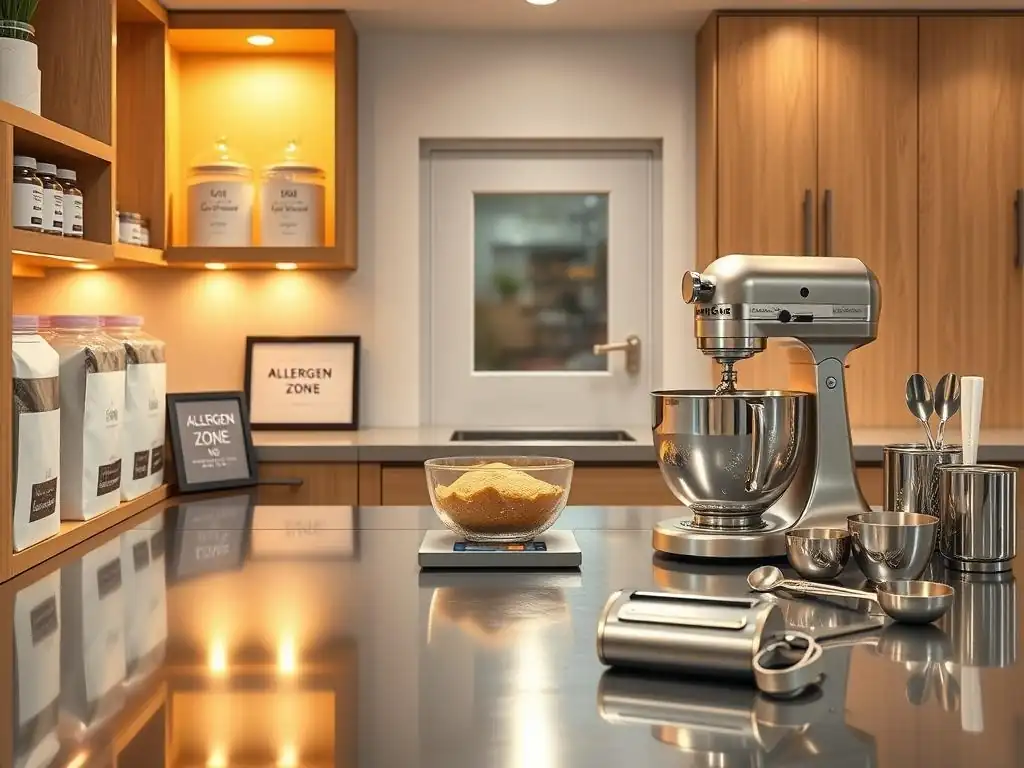
Choosing the Right Location for Your Baking Area
Selecting the appropriate location within your home for a dedicated baking space is the first critical step in establishing robust food safety practices. Ideally, this area should be situated away from the main cooking zone, particularly where raw meats, poultry, or unwashed produce are handled. Placing your baking area near a sink with easy access to hot water and soap is highly beneficial for frequent handwashing and cleaning of small tools.
Avoid locations near trash cans or pet food areas, as these can be sources of contamination. Good ventilation is also important, not only for comfort but to prevent the buildup of airborne contaminants.
Consider a seldom-used counter section, a separate table, or even a specific shelf and work surface in a pantry or garage, provided it is clean, dry, and pest-free. The surface material matters; smooth, non-porous materials like stainless steel, laminate, or sealed wood are easier to clean and sanitize than porous surfaces that can harbor bacteria. Ensuring adequate lighting in your chosen spot is also vital for being able to see and clean effectively. A well-chosen location forms the physical foundation for effective dedicated baking space food safety practices, minimizing external risks from the outset.
Essential Equipment and Tools for a Safe Baking Environment
Outfitting your dedicated baking space with the right equipment and tools, and maintaining them properly, is crucial for food safety. Start with the basics: dedicated mixing bowls, measuring cups and spoons, spatulas, whisks, and baking pans. Ideally, these tools should be used only for baking within this space to prevent cross-contamination from other kitchen activities. Choose tools made from materials like stainless steel, glass, or food-grade plastic, as they are non-porous and easy to clean and sanitize. Wooden tools can be used but require careful cleaning and drying to prevent bacterial growth.
Beyond the basics, consider investing in items that enhance safety, such as color-coded cutting boards if you handle any ingredients that might pose a cross-contamination risk (though ideally, raw meat/produce wouldn't enter this space), or a dedicated set of knives for tasks like slicing fruit for fillings. Proper storage is also key; ensure there are clean, designated spots for all your baking tools, keeping them away from potential contaminants when not in use. Having a dedicated set of tools within your dedicated baking space is a simple yet effective strategy for enhancing dedicated baking space food safety.
Implementing a Cleaning and Sanitization Routine for Your Baking Space
A consistent and thorough cleaning and sanitization routine is non-negotiable for maintaining food safety in your dedicated baking space. Cleaning removes visible dirt, food particles, and grease, while sanitizing reduces the number of harmful microorganisms to a safe level. Surfaces, equipment, and tools should be cleaned and sanitized before beginning baking activities and immediately after completing them, especially if you've handled raw ingredients like eggs. A general guideline is to clean and sanitize any surface that comes into contact with food.
Use hot soapy water for cleaning, followed by a sanitizing solution. Common sanitizers suitable for home use include a diluted bleach solution (e.g., 1 teaspoon of unscented liquid bleach per gallon of water) or commercial food-grade sanitizers, always following product instructions. Ensure surfaces air dry or are dried with clean paper towels after sanitizing; avoid using cloth towels that might reintroduce bacteria. Regularly clean and sanitize storage containers for ingredients and frequently touched areas like appliance handles. Implementing a strict cleaning regimen within your dedicated area is perhaps the most vital component of dedicated baking space food safety.
Food Safety Best Practices for Using Your Dedicated Baking Space
Proper Food Storage Techniques in a Home Baking Setting
Proper storage of ingredients and finished baked goods within your home baking setting is paramount for preventing spoilage and contamination. Dry ingredients like flour, sugar, and leavening agents should be stored in airtight containers in a cool, dry place within your dedicated baking space to protect them from moisture, pests, and contaminants. Labeling containers with contents and purchase dates helps with inventory management and ensures ingredients are used within their optimal freshness period.
Perishable ingredients such as eggs, dairy, butter, and fresh fruit must be stored in the refrigerator at or below 40°F (4°C). Ensure these items are stored separately from raw meats or poultry in the main refrigerator to prevent cross-contamination, perhaps on a designated shelf used only for baking ingredients.
Once baked, items that require refrigeration (like those with cream cheese frosting or fruit fillings) should be cooled quickly and stored promptly in airtight containers in the refrigerator. Proper storage within your dedicated baking space is a key element of dedicated baking space food safety, extending shelf life and preventing bacterial growth.
Safe Handling of Raw Ingredients in Your Baking Area
Handling raw ingredients safely within your dedicated baking space is crucial to prevent the introduction of pathogens. Raw eggs, for instance, can contain Salmonella. Always crack eggs into a separate bowl before adding them to your main mixture to check for freshness and avoid contaminating the entire batch with a bad egg or shell fragments. Wash your hands thoroughly with soap and hot water for at least 20 seconds after handling raw eggs, flour, or any other raw ingredient that might harbor bacteria.
While ideally, raw meats wouldn't enter a dedicated baking space, if your setup requires it for specific recipes (e.g., savory pastries with cooked meat fillings), ensure strict separation and cleaning protocols. Handle raw meats on a separate surface (like a color-coded cutting board) and use dedicated utensils that are immediately washed and sanitized afterward, away from your main baking tools. The principle is always to minimize the contact of raw ingredients with ready-to-eat items or surfaces used for them. Adhering to safe handling practices for raw ingredients is a core component of dedicated baking space food safety.
Temperature Control and Its Impact on Food Safety in Baking
Controlling temperatures is vital throughout the baking process, from ingredient storage to baking and cooling. Perishable ingredients must be kept cold (below 40°F/4°C) to prevent rapid bacterial growth. During mixing and preparation, minimize the time temperature-sensitive ingredients like butter, milk, or eggs are left at room temperature; the "danger zone" for bacterial growth is between 40°F (4°C) and 140°F (60°C).
Baking itself uses high heat to transform dough or batter and, importantly, to kill most harmful bacteria. Ensure your oven is accurately calibrated and reaches the correct temperature specified in the recipe. Use a food thermometer to check the internal temperature of items that require specific doneness for safety, such as quiches or items containing meat fillings, ensuring they reach a safe internal temperature (e.g., 160°F/71°C for egg dishes).
After baking, perishable items must be cooled rapidly to below 40°F (4°C) before refrigeration, typically within two hours at room temperature. Effective temperature control within your dedicated baking space is a non-negotiable aspect of dedicated baking space food safety.
Maintaining a Clean and Organized Baking Space for Food Safety
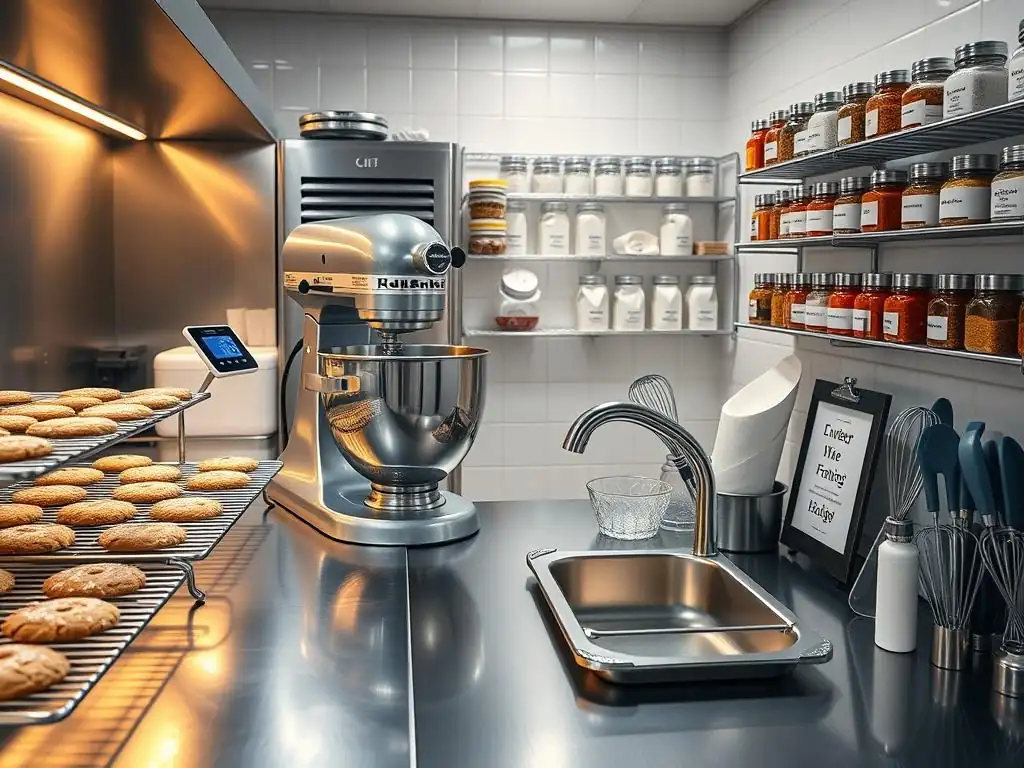
Regular Cleaning Schedules for Your Baking Area
Establishing and sticking to regular cleaning schedules is fundamental to maintaining a safe dedicated baking space. Daily cleaning should involve washing all used tools and equipment, wiping down surfaces that came into contact with food, and sweeping or vacuuming up flour dust and spills. Weekly cleaning should be more thorough, including sanitizing all surfaces, cleaning inside storage containers, and wiping down shelves and appliance exteriors.
Periodically, perhaps monthly or quarterly, conduct a deep clean. This might involve cleaning behind appliances, washing walls or backsplashes, and emptying and sanitizing all storage containers. A consistent schedule prevents the buildup of grease, food particles, and dust, which can harbor bacteria and attract pests. Posting a simple checklist within your dedicated area can help ensure that cleaning tasks are completed consistently. This proactive approach to cleanliness is a cornerstone of effective dedicated baking space food safety.
Organizing Ingredients and Equipment to Prevent Contamination
Good organization within your dedicated baking space is not just about efficiency; it's a vital food safety practice. Storing ingredients and equipment in an orderly manner helps prevent cross-contamination and makes cleaning easier. Keep ingredients stored in airtight, labeled containers. Store ingredients that could potentially cause contamination (like bags of flour that might have come from a store shelf) below ready-to-use ingredients or finished items.
Designate specific locations for different types of tools. Keep mixing bowls separate from measuring tools, and baking pans separate from cooling racks. Store clean equipment in a clean, dry place, away from the floor or areas where they could be exposed to contaminants. An organized space reduces clutter, making it easier to see spills, pests, or areas that need cleaning. It also minimizes the chances of accidentally grabbing a tool that was used for a different, potentially contaminating task. Maintaining an organized dedicated baking space is a simple yet powerful method for enhancing dedicated baking space food safety.
Safe Disposal of Baking Waste and Leftovers
Properly disposing of waste and leftovers is essential for preventing pests and the spread of bacteria within your dedicated baking space. Use a trash can with a lid to contain scraps and wrappers, and empty it frequently, ideally at the end of each baking session. Food waste left exposed can attract insects and rodents, which can carry pathogens and contaminate your workspace and ingredients.
Leftover ingredients that are still usable should be stored properly (as discussed in the storage section). Leftover batter, dough, or finished goods that are not being kept should be discarded promptly. Avoid leaving dirty dishes or food scraps sitting in the dedicated baking area for extended periods. Ensure your waste disposal methods are efficient and that trash cans are cleaned regularly. Proper waste management is a less glamorous but critical aspect of maintaining dedicated baking space food safety.
Legal Considerations and Food Safety Regulations for Home Bakers
Understanding Local Food Safety Laws for Home Baking Businesses
If you plan to sell baked goods from your home, understanding and complying with local food safety laws is mandatory and directly relates to having a safe dedicated baking space. These regulations, often referred to as "Cottage Food Laws," vary significantly by state, county, and city.
They typically dictate what types of food can be made and sold from a home kitchen, sales limits, labeling requirements, and, importantly, kitchen requirements. Many jurisdictions require that foods be prepared in a kitchen that is separate from the family's personal kitchen, or that specific measures are in place to ensure separation and prevent contamination.
Some laws explicitly require a dedicated space or dedicated equipment. For example, a state might mandate that all food preparation surfaces and equipment used for the business must be cleaned and sanitized before each use, and stored separately from household items. Others might require a completely separate kitchen facility if selling certain types of goods (like those requiring refrigeration).
Researching your specific local regulations is the first step; ignorance of the law is not a defense. A dedicated baking space is often a key element in meeting these legal requirements and ensuring dedicated baking space food safety compliance for your business.
Obtaining Necessary Permits and Certifications
Depending on your local Cottage Food Laws and the types of products you bake, you may need to obtain specific permits, licenses, or certifications. This process often involves applying to the local health department or agricultural department. As part of the application, you may be required to demonstrate that you understand and practice safe food handling procedures, and that your kitchen setup meets their requirements. This could involve inspections of your home kitchen, including your dedicated baking space.
Some jurisdictions require home bakers to complete a food handler training course or obtain a food safety certification, such as ServSafe. These courses cover critical food safety principles, including preventing cross-contamination, proper temperature control, and hygiene. Having a dedicated baking space that is set up and maintained according to food safety principles will be a significant advantage, if not a requirement, when navigating the permitting and certification process. It demonstrates a commitment to producing safe food, which is the primary concern of regulatory bodies assessing your dedicated baking space food safety practices.
Troubleshooting Common Food Safety Issues in Home Baking
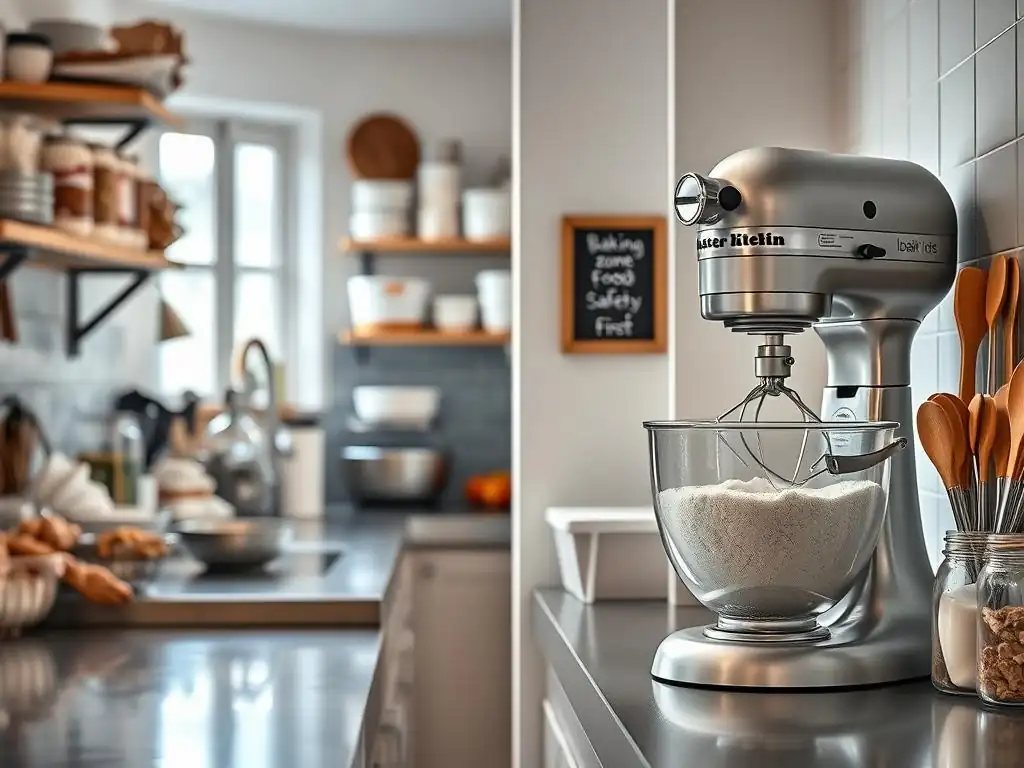
Addressing Potential Sources of Contamination in Your Baking Space
Even with a dedicated baking space, potential sources of contamination can exist. These might include pests (insects or rodents), environmental factors (dust, airborne particles), or human error (inadequate handwashing, using dirty equipment). Regularly inspect your dedicated area for signs of pests, seal any cracks or openings, and store ingredients in pest-proof containers. Keep the area free of clutter, as this provides hiding places for pests.
Manage environmental contamination by keeping windows closed during baking, using exhaust fans, and regularly cleaning surfaces where dust can settle. Review your own practices and those of anyone else using the space; are hands being washed frequently and properly? Are all tools being cleaned and sanitized effectively? Identifying these potential weaknesses proactively allows you to implement corrective actions before contamination occurs. A vigilant approach to identifying and addressing potential sources is crucial for maintaining dedicated baking space food safety.
Identifying and Resolving Allergen Cross-Contact Problems
Preventing allergen cross-contact requires constant vigilance. If you bake with common allergens and also offer allergen-free options, the risk is high. Regularly review your processes: Do you use separate, clearly labeled equipment for allergen-free baking? Is there a risk of airborne flour dust from wheat flour contaminating gluten-free areas? Are ingredients stored separately and clearly labeled?
If you suspect cross-contact has occurred, the safest approach is to discard the affected batch, clean and sanitize the area and equipment thoroughly, and re-evaluate your procedures. Consider implementing a checklist for allergen-free baking days to ensure all steps, like using dedicated tools and cleaning protocols, are followed consistently. Training anyone who uses the space on the severity of allergen cross-contact is also vital. Proactive identification and strict adherence to protocols are key to resolving and preventing allergen cross-contact issues within your dedicated baking space food safety plan.
Maintaining Proper Hygiene Standards in Challenging Situations
Maintaining hygiene standards can be challenging in a home setting, especially during busy periods or when space is limited. However, compromising on hygiene is never an option when it comes to food safety. If your dedicated space is small, maximize vertical storage and ensure surfaces are cleared and cleaned immediately after use. If you're short on time, prioritize critical hygiene steps like handwashing and sanitizing food-contact surfaces.
Consider having a dedicated handwashing station or clearly designated sink for use during baking. Use visual cues, like signs reminding users to wash hands or sanitize surfaces. If multiple people use the dedicated space, ensure everyone is trained on the hygiene protocols. Even when faced with space constraints or time pressures, a commitment to fundamental hygiene practices within your dedicated baking space is paramount for ensuring dedicated baking space food safety.
Conclusion: Prioritizing Food Safety with a Dedicated Baking Space
The Long-Term Benefits of a Safe and Hygienic Baking Environment
Establishing and maintaining a dedicated baking space with a strong focus on food safety offers significant long-term benefits, whether you bake purely for pleasure or run a home-based business. For the home baker, it provides peace of mind, knowing you are consistently producing safe and healthy treats for your family and friends, minimizing the risk of foodborne illness or allergen exposure. This allows you to bake with confidence and enjoy the process without worrying about hidden contaminants.
For the home baking business owner, the benefits are even more pronounced. A demonstrably safe and hygienic baking environment builds trust with customers, which is invaluable for reputation and repeat business. Compliance with food safety regulations is essential for legal operation and can open doors to selling at farmers markets or other venues. Investing time and effort into creating a dedicated baking space food safety system protects your customers, your business, and your passion for baking. It's an investment that pays dividends in safety, confidence, and success.
Frequently Asked Questions
What are the main benefits of having a dedicated baking space for food safety?
A dedicated baking space minimizes the risk of cross-contamination from other kitchen activities. This reduces exposure to harmful bacteria and allergens, ensuring safer baked goods. It also promotes a more organized and controlled environment.
How does a dedicated baking space help prevent cross-contamination?
By isolating your baking activities, you eliminate the potential for contact with raw meats, cleaning chemicals, or other contaminants. This physical separation is crucial for maintaining food safety standards and preventing illness.
What are some essential features of a food-safe dedicated baking space?
Key features include easily cleanable surfaces like stainless steel or sealed countertops, adequate lighting, and proper ventilation. Also, ensuring a pest-free environment is essential for maintaining hygiene.
What kind of cleaning supplies should I use in my dedicated baking space to ensure food safety?
Use food-grade sanitizers and cleaners specifically designed for kitchen use. Avoid products with harsh chemicals that could leave residue and contaminate your ingredients. Regularly sanitize all surfaces and equipment.
How can I maintain a consistently clean and safe baking space?
Establish a regular cleaning schedule and stick to it. Wipe down surfaces after each use, properly store ingredients, and promptly address any spills or messes. Always wash your hands thoroughly before and during baking.
Final Reflection: The Sweetness of Safety: Rethinking Your Baking Space
The rise of home baking, fueled by social media and a renewed appreciation for handcrafted goods, highlights a crucial, often overlooked aspect: the importance of a dedicated baking space for food safety. A seemingly simple act of creating delicious treats can quickly become a health hazard if proper hygiene and sanitation aren't prioritized. This article has explored the critical role a dedicated space plays in mitigating risks, from cross-contamination to pest control, ultimately ensuring the safety and enjoyment of your baked creations.
The impact of a dedicated baking space extends beyond individual kitchens; it influences the broader culinary landscape and our collective understanding of food safety. A clean and organized baking area fosters a sense of pride and responsibility, translating into higher-quality products and a reduced risk of foodborne illnesses. This resonates deeply with my own experience: since establishing a dedicated baking area, I've noticed a significant improvement in the quality and safety of my baking, and a reduction in stress. The kitchen is the heart of the home, and a safe kitchen is a happy kitchen.
This simple truth underscores the importance of prioritizing food safety in our daily lives.
Now, consider your own baking practices. Do you have a designated space, free from potential contaminants, where you can focus solely on creating delicious and safe baked goods? Take a moment to evaluate your current setup. Even small changes, like designating a specific shelf or drawer for baking supplies, can make a significant difference. Embrace the opportunity to elevate your baking experience, not just for the delicious results, but for the peace of mind that comes with knowing you're prioritizing food safety in your home. Let the sweetness of your creations be matched by the confidence in their safety.
Level Up Your Baking Game: Create Your Dream Baking Space!
Thanks for diving deep into the world of food safety and baking! We hope you gained valuable insights into creating a safer, more efficient baking environment. Now it's time to put that knowledge into action!
- Designate your baking zone: Take 15 minutes today to identify a dedicated space—even a corner of your kitchen—specifically for baking. This will help you maintain cleanliness and prevent cross-contamination.
- Declutter and organize: Clean and organize your baking space, discarding unused items and streamlining your workflow. This simple act can drastically improve your efficiency and enjoyment of baking.
- Share your baking haven: Show us your dedicated baking space! Share a picture on social media using #BakeWithEaseDedicatedSpace and inspire other bakers to create their own safe and organized baking areas.
Ready to transform your baking experience? What's the first step you'll take to create your perfect baking haven?