
Easy Ways to Prevent Sugar Crystallization for Beginner Bakers

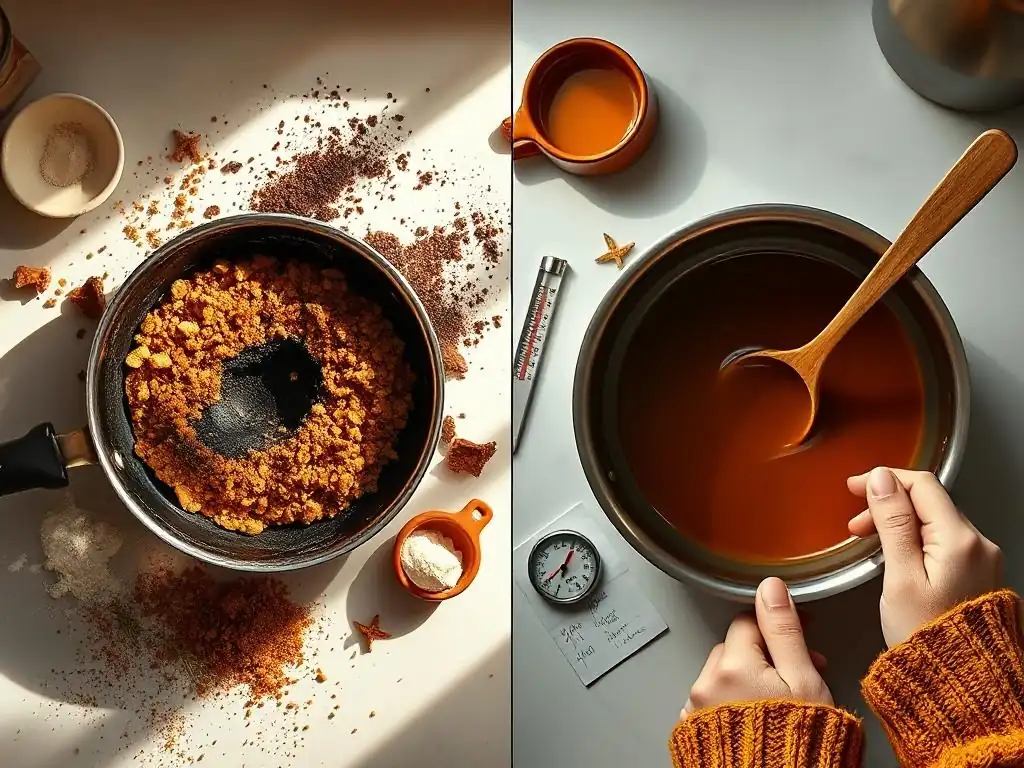
Welcome to BakeWithEase, your essential guide to confident baking! Are you tired of gritty textures ruining your delicious desserts? Dive in to discover easy ways to prevent sugar crystallization, a common pitfall for beginner bakers. Unlock the secrets to smooth, flawless results and transform your baking experience with our simple, science-backed tips. Ready to say goodbye to grainy sweets forever? Let's get started!
- Understanding Sugar Crystallization in Baking: A Beginner's Guide
- Key Techniques to Prevent Sugar Crystallization When Baking
- Preventing Sugar Crystallization in Specific Baking Scenarios
- Troubleshooting Sugar Crystallization: What to Do When It Happens
- Essential Baking Tools for Preventing Sugar Crystallization
- Advanced Techniques for Sugar Work (Optional for Beginners)
-
Frequently Asked Questions
- What is sugar crystallization, and why is it a problem in baking?
- What are some easy ways a beginner baker can prevent sugar crystallization?
- Does the type of sugar used affect the likelihood of crystallization?
- Why is it important to avoid stirring the sugar mixture while it's cooking?
- Can I fix a batch of sugar that has already crystallized?
- Final Reflection: The Sweet Science of Preventing Sugar Crystallization
- Unlock Perfectly Smooth Frosting: Your Baking Journey Starts Now!
Understanding Sugar Crystallization in Baking: A Beginner's Guide
What is Sugar Crystallization and Why Does it Happen?
Sugar crystallization is a common challenge in baking and confectionery, especially when working with sugar syrups, caramels, or even some glazes. At its core, it's a process where dissolved sugar molecules begin to link together, forming small, solid crystals. Imagine sugar molecules floating freely in a liquid solution; when conditions are right, they start sticking to each other, creating a chain reaction that can quickly turn a smooth liquid into a grainy or solid mass. This happens because sugar, specifically sucrose, is very good at forming ordered structures.
The primary trigger for crystallization is having too many sugar molecules in one place (a supersaturated solution) combined with something that helps them "seed" or start forming crystals. This seeding can be caused by even tiny impurities, dust particles, or undissolved sugar grains left in the pot. High heat or rapid cooling can also encourage molecules to bump into each other more readily, increasing the likelihood of them linking up. Understanding these basic principles is the first step for beginner bakers looking to prevent sugar crystallization.
The Impact of Sugar Crystals on Your Baked Goods
The presence of unwanted sugar crystals can significantly impact the texture and appearance of your baked goods and confections. For instance, a beautifully golden caramel sauce can turn grainy and unappealing if crystallization occurs, ruining its smooth, flowing consistency. Simple syrups meant for moistening cakes or sweetening drinks can become cloudy and develop a gritty texture.
In more complex sugar work, like making brittles or spun sugar, uncontrolled crystallization can lead to a brittle that's too hard or a spun sugar that's dull and breaks easily. While some recipes, like fudge, actually rely on controlled crystallization for their texture, in many other applications, avoiding this process is crucial for achieving the desired smooth, clear, or fluid result. Mastering techniques to prevent sugar crystallization is therefore essential for many baking tasks.
Key Techniques to Prevent Sugar Crystallization When Baking
Using the Right Type of Sugar for the Recipe
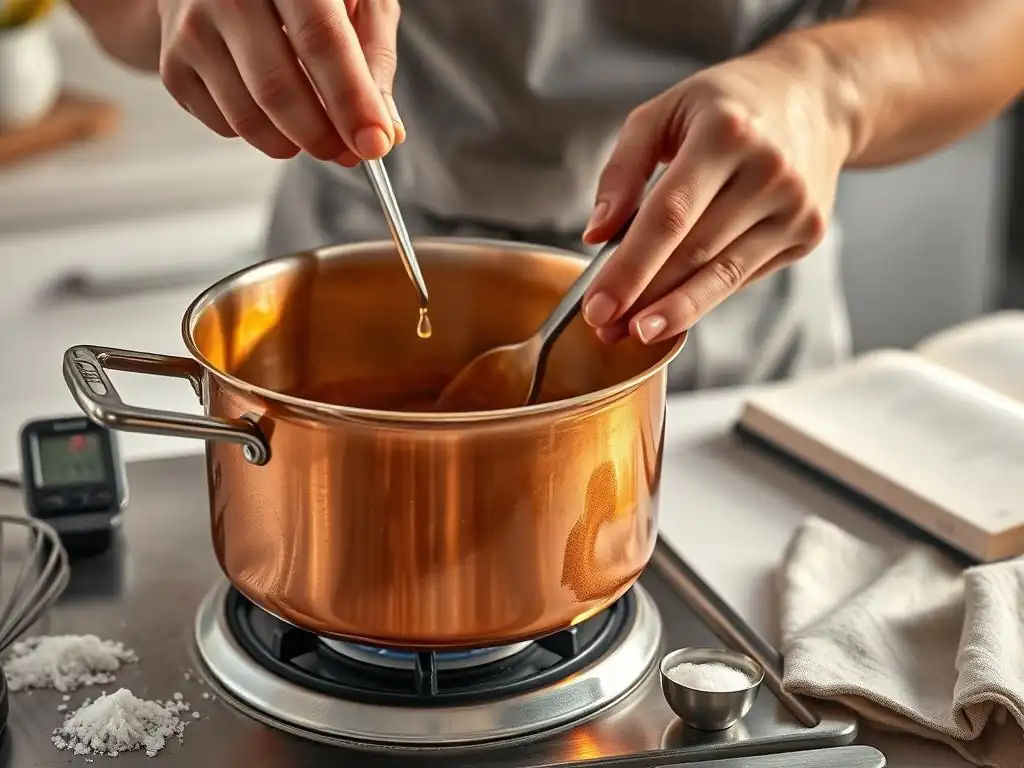
The type of sugar you choose plays a role in how likely crystallization is to occur. Different sugars have varying degrees of purity and particle size, which affects how they dissolve and interact in a heated solution. While granulated sugar is the most common type used in baking, understanding its properties and when alternatives might be better is key to preventing crystallization for beginner baking projects.
For example, recipes requiring very high temperatures or specific textures often benefit from using sugars or sweeteners that are less prone to crystallization than standard granulated sucrose. Knowing when to reach for a different type of sugar can save you from encountering grainy textures in delicate confections or syrups.
Granulated Sugar: When to Use and When to Avoid
Granulated sugar, or table sugar, is highly refined sucrose. Its uniform crystal size makes it dissolve relatively easily, but it's also the type most commonly associated with crystallization issues in syrups and candies because sucrose molecules readily bond together. It's ideal for general baking where it dissolves into a batter or dough, but when making clear syrups, caramels, or hard candies, special care must be taken when using granulated sugar alone to avoid crystallization.
You should use granulated sugar for most standard baking recipes like cookies, cakes, and bread. However, when making something like a simple syrup for cocktails or a glossy glaze that needs to remain smooth and clear without turning grainy, relying solely on granulated sugar dissolved in water can be risky. This is where techniques to prevent sugar crystallization become particularly important when using granulated sugar.
Powdered Sugar (Icing Sugar): Its Role in Preventing Crystallization
Powdered sugar, also known as confectioners' sugar or icing sugar, is finely ground granulated sugar mixed with a small amount of cornstarch (typically around 3-5%). While it's mainly used for frostings, glazes, and dusting, the addition of cornstarch is interesting from a crystallization perspective. The starch particles act as a barrier, physically getting in the way of sugar molecules trying to bond together.
Although powdered sugar isn't typically used in cooked sugar syrups (where crystallization is a major concern), its composition illustrates how adding other substances can interfere with the sugar's ability to form crystals. In glazes that aren't heated to high temperatures, the cornstarch helps maintain a smooth texture and prevents the sugar from recrystallizing as it sits.
Brown Sugar: How Molasses Affects Crystallization
Brown sugar is granulated sugar with molasses added back in (or not fully removed during processing). The molasses contains various compounds, including some invert sugars (like fructose and glucose), minerals, and water. These non-sucrose components interfere with the ability of sucrose molecules to bond together and form large crystals.
Because of the presence of molasses and its components, brown sugar is less prone to crystallization compared to white granulated sugar when used in syrups or cooked applications. This is why recipes for things like toffee or certain sauces sometimes call for brown sugar – it adds flavor but also inherent resistance to crystallization.
The Importance of Proper Sugar Dissolution
One of the most critical steps to prevent sugar crystallization, especially for beginner baking projects involving syrups or candies, is ensuring that all the sugar is completely dissolved before the mixture comes to a boil. Any undissolved sugar crystals lurking in the solution can act as "seeds," providing a surface for other sugar molecules to attach to, rapidly initiating crystallization throughout the batch.
Simply heating sugar and liquid together isn't enough; you must actively ensure dissolution. Taking the time to dissolve the sugar properly at a lower temperature eliminates these potential seed crystals and significantly reduces the risk of the entire batch turning grainy as it cooks.
Tips for Dissolving Sugar Completely
To ensure complete dissolution, combine your sugar and liquid (usually water) in a saucepan before turning up the heat. Stir the mixture gently over low to medium heat until you can no longer see any sugar grains at the bottom or clinging to the sides of the pan. You can even rub a tiny bit of the mixture between your fingers (carefully, if warm!) to check for grittiness.
Once all the sugar appears dissolved, you can increase the heat to bring the mixture to a boil, if required by the recipe. Avoid stirring once the mixture is boiling, as introducing a utensil can also introduce potential seed crystals from the air or the spoon itself. A pastry brush dipped in water can be used to wash down any sugar crystals that form on the sides of the pan during boiling.
Avoiding Undissolved Sugar Crystals
Beyond stirring initially, preventing undissolved crystals means being vigilant. Ensure your saucepan is clean and free of any debris. When pouring sugar into the liquid, try not to get grains stuck on the sides of the pan above the liquid line; these can later melt and run down, seeding the syrup. If sugar crystals do form on the sides of the pan during cooking, gently brush them down into the syrup with a clean pastry brush dipped in hot water.
Another tip is to avoid agitating the syrup once it's boiling. Swirling or stirring can splash the syrup onto the cooler sides of the pan, causing crystals to form, which can then fall back into the main syrup, triggering crystallization. Letting the syrup cook undisturbed is key after the initial dissolution phase.
Adding an Invert Sugar: A Secret Weapon Against Crystallization
Adding an invert sugar is one of the most effective methods to prevent sugar crystallization, particularly in recipes like fudge, caramels, and syrups that are prone to it. Invert sugar is simply sucrose that has been broken down into its two component sugars: glucose and fructose. This breakdown changes the structure of the sugar molecules in the solution, making it much harder for them to link up and form sucrose crystals.
Think of it like trying to stack identical bricks versus stacking a mix of bricks and smaller stones; the irregular shapes and sizes make it harder to build a neat, crystalline structure. Adding even a small amount of invert sugar dramatically increases the stability of a sugar solution and helps you achieve a smooth, crystal-free result, which is a valuable technique for beginner baking projects.
What is Invert Sugar and How Does it Work?
Invert sugar is created by hydrolyzing sucrose – essentially, splitting it with the help of water and an acid (like lemon juice or cream of tartar) or an enzyme. The resulting mixture of equal parts glucose and fructose is less likely to crystallize than pure sucrose. Fructose, in particular, is much less prone to crystallization than either glucose or sucrose.
When you add invert sugar to a sucrose solution, the glucose and fructose molecules get in the way of the sucrose molecules trying to bond together. They disrupt the formation of the regular lattice structure that sucrose crystals require, thus preventing or significantly slowing down crystallization. This is why ingredients like honey (which contains natural invert sugars) and corn syrup (which is primarily glucose, a component of invert sugar) are often used in candy making.
Simple Invert Sugar Recipe for Home Bakers
You can easily make a simple form of invert sugar at home to use in your baking. Combine 2 cups (about 400g) of granulated sugar with 1 cup (about 240ml) of water and 1/4 teaspoon of cream of tartar or 1 tablespoon of lemon juice in a saucepan. Heat the mixture gently, stirring until the sugar is completely dissolved.
Once dissolved, bring the mixture to a simmer and cook it uncovered for about 20-30 minutes, maintaining a gentle simmer. Do not stir during this phase. The acid and heat will break down some of the sucrose into glucose and fructose. The resulting syrup will be slightly thicker and less prone to crystallization than a simple syrup made without the acid. Let it cool before using or storing. This homemade invert syrup can be added in small amounts (start with 1-2 tablespoons per cup of sugar in your recipe) to help prevent sugar crystallization beginner baking attempts might face.
Using Corn Syrup or Glucose Syrup
Another common and effective method to prevent sugar crystallization is to add a small amount of corn syrup or glucose syrup to your sugar solution. These syrups are composed primarily of glucose (dextrose) and other glucose polymers, not sucrose. Like invert sugar, the presence of these non-sucrose molecules interferes with the ability of sucrose to form crystals.
Corn syrup is readily available in most supermarkets and is a go-to ingredient for candy makers precisely because of its anti-crystallization properties. Adding it provides a safety net, making your sugar work more forgiving, which is great news for beginner bakers tackling things like caramels or fudges.
How Corn Syrup Inhibits Sugar Crystallization
Corn syrup contains chains of glucose molecules. When added to a solution of sucrose (like a sugar syrup), these glucose molecules and chains get dispersed among the sucrose molecules. This physical separation makes it much harder for the sucrose molecules to find each other and link up in the precise way required to form a crystal lattice.
Essentially, the corn syrup acts as a "crystal inhibitor" by cluttering the solution with molecules that don't fit neatly into the sucrose crystal structure. This disruption helps the sugar solution remain in a liquid, amorphous state even at high concentrations and temperatures, which is crucial for smooth candies and syrups.
The Right Amount of Corn Syrup to Use
You don't need a lot of corn syrup to achieve a noticeable effect. For most recipes involving cooked sugar (like caramels, toffees, or simple syrups that need to stay liquid), adding about 10-20% of the weight of the granulated sugar in corn syrup is usually sufficient to prevent sugar crystallization. For example, if a recipe calls for 1 cup (about 200g) of sugar, adding 20-40g (about 1-2 tablespoons) of corn syrup will provide significant protection against crystallization.
Too much corn syrup can affect the final texture and sweetness, making the product chewier or less sweet (glucose is less sweet than sucrose), so it's best to stick to the recommended range unless the recipe specifically calls for more. Start with a small amount and adjust as you gain experience.
Preventing Sugar Crystallization in Specific Baking Scenarios
Preventing sugar crystallization isn't just about chemistry; it's also about technique applied to specific recipes. Different applications of cooked sugar present unique challenges. Let's look at a few common scenarios beginner bakers might encounter and how to tackle them to avoid unwanted crystals.
Mastering these specific applications will build confidence and demonstrate how the general principles of preventing crystallization translate into practical baking skills.
Preventing Crystallization in Caramel Sauce
Making smooth, glossy caramel sauce is a classic baking challenge where crystallization is a frequent issue. Caramel is made by cooking sugar to a high temperature (typically 320-350°F or 160-175°C), which makes it particularly susceptible to crystallization if not handled correctly. A grainy caramel is disappointing and can ruin a dessert.
The goal is to melt the sugar evenly and cook it to the desired color without any sugar molecules deciding to reform into crystals. This requires attention to detail from the start of the process.
Tips for Smooth, Crystal-Free Caramel
Start with a clean, heavy-bottomed saucepan, as this distributes heat evenly. You can use the wet method (sugar dissolved in water) or the dry method (sugar melted alone). For beginners, the wet method is often more forgiving as the water helps dissolve the sugar before it browns. If using the wet method, ensure all sugar is dissolved before boiling. Once boiling, do not stir.
Keep the sides of the pan clean by brushing down any sugar crystals with a wet pastry brush. Adding a tablespoon or two of corn syrup per cup of sugar is highly recommended to prevent sugar crystallization in caramel. Cook to the correct temperature using a reliable candy thermometer. When adding cream or butter, warm it slightly first to avoid shocking the sugar and potentially causing crystallization.
Avoiding Crystallization in Simple Syrup
Simple syrup, a solution of sugar and water, is fundamental for many uses, from moistening cakes to sweetening drinks. While seemingly straightforward, simple syrup can become cloudy and grainy if crystallization occurs, especially if stored for a while. The goal is a clear, smooth liquid that remains stable.
Achieving a stable simple syrup relies heavily on proper dissolution and preventing contamination, applying the principles of preventing sugar crystallization in a basic form.
The Ideal Simple Syrup Recipe and Technique
A standard simple syrup uses a 1:1 ratio of sugar to water by volume (e.g., 1 cup sugar to 1 cup water) or a 2:1 ratio for a richer syrup. Combine the sugar and water in a saucepan. Heat gently over medium-low heat, stirring constantly until all the sugar granules are completely dissolved. This initial dissolution phase is critical.
Once dissolved, you can increase the heat briefly to bring it to a simmer, but this isn't always necessary unless making a richer syrup or sterilizing it for longer storage. Do not boil vigorously for a long time, as this evaporates water and increases the sugar concentration, making it more prone to crystallization upon cooling.
For extra insurance against crystallization, add a tiny pinch of cream of tartar or a teaspoon of lemon juice per cup of sugar during the heating phase, or about 1 tablespoon of corn syrup per cup of sugar. Strain the cooled syrup through a fine-mesh sieve before storing in a clean container.
Preventing Crystallization in Candied Fruits and Jams
Candied fruits and jams involve preserving fruit in a high-sugar syrup. While the high sugar concentration is key to preservation, it also creates conditions ripe for crystallization, resulting in gritty jams or candied peels that lose their translucent quality. The fruit itself introduces variables like natural acids and pectin, which can influence the process.
The goal is to create a stable sugar environment that preserves the fruit without the sugar separating out into crystals. This often involves careful cooking and sometimes the addition of agents that prevent crystallization.
Specific Methods for Candied Citrus Peels and Jams
For candied citrus peels, multiple simmering steps in increasing sugar concentrations are used. Ensure the sugar is fully dissolved at each stage before boiling. Adding a small amount of corn syrup (perhaps 10% of the sugar weight) to the syrup can help keep the peels pliable and prevent sugar from crystallizing on their surface. Cooking until the peels are translucent indicates proper sugar penetration.
In jams, the fruit's natural acids and pectin help prevent crystallization by interfering with the sugar structure. However, if a jam is cooked too long (evaporating too much water, leading to supersaturation) or if there isn't enough acid (like in low-acid fruits), crystallization can occur. Adding a little lemon juice or a small amount of corn syrup during cooking can provide extra insurance against sugar crystallization, resulting in a smoother jam texture.
Troubleshooting Sugar Crystallization: What to Do When It Happens
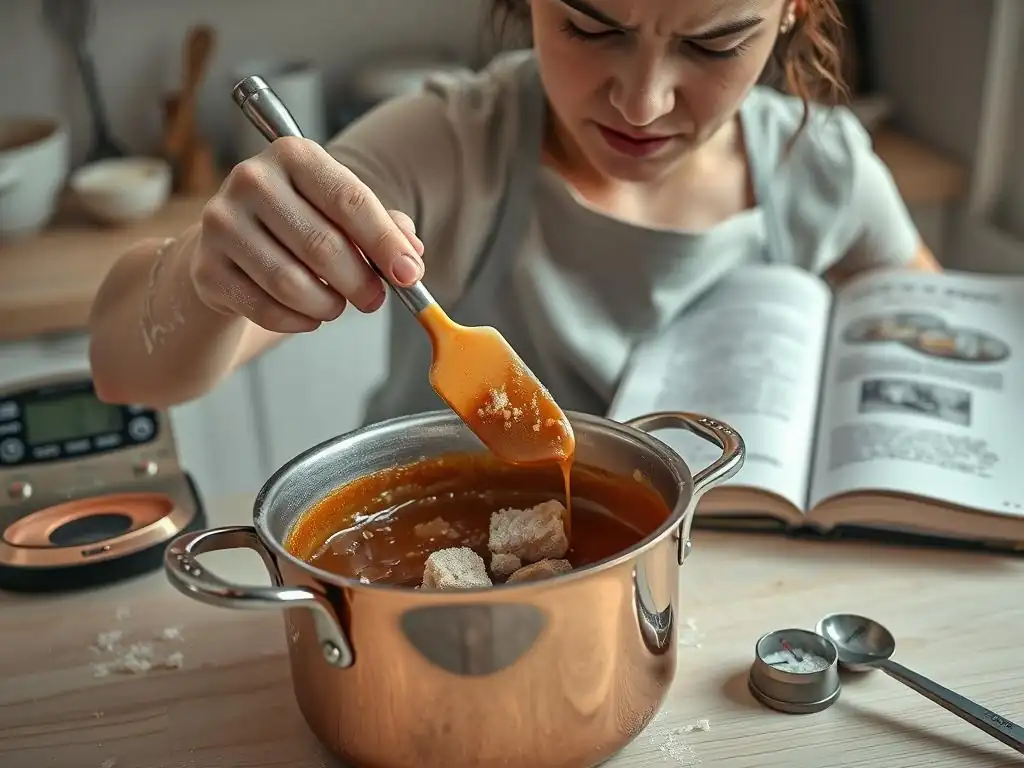
Despite your best efforts, sugar crystallization can sometimes occur. Don't despair! For beginner bakers, recognizing the signs early and knowing if and how you can salvage a batch is part of the learning process. Not all crystallized sugar products can be saved, but often, you can mitigate the issue or reuse the sugar.
Identifying the problem quickly is key, as a few crystals can rapidly multiply.
Identifying Sugar Crystals in Your Baked Goods
Identifying sugar crystals is usually quite straightforward. In syrups or sauces, you'll notice a cloudy appearance and a gritty texture. Small, hard sugar grains will be present when you taste or feel the product. Caramel might seize up and become solid or develop a grainy texture instead of remaining smooth and pourable.
In baked goods that use cooked sugar components (like a praline or certain fillings), crystallization will manifest as hard, gritty bits within the otherwise smooth texture. If you're making candy and notice the mixture suddenly turning opaque and solidifying prematurely, that's a clear sign of widespread crystallization.
Salvaging a Batch with Sugar Crystallization
Whether a batch can be salvaged depends on the product and how severe the crystallization is. For simple syrups or caramels that have just started to crystallize or have only a few crystals, you can sometimes add a little more liquid (water or cream, depending on the recipe) and gently reheat the mixture, stirring very carefully to redissolve the sugar. Adding a small amount of corn syrup or acid (like lemon juice) during this reheating can help prevent it from crystallizing again.
However, if the entire batch has seized into a solid, grainy mass, it's often difficult to fully restore the smooth texture. In such cases, the sugar isn't necessarily wasted. You can often dissolve the crystallized sugar in water to make a new simple syrup (add an inhibitor this time!) or let it cool and harden completely to be broken up and used as a crunchy inclusion in other desserts (like praline bits).
Essential Baking Tools for Preventing Sugar Crystallization
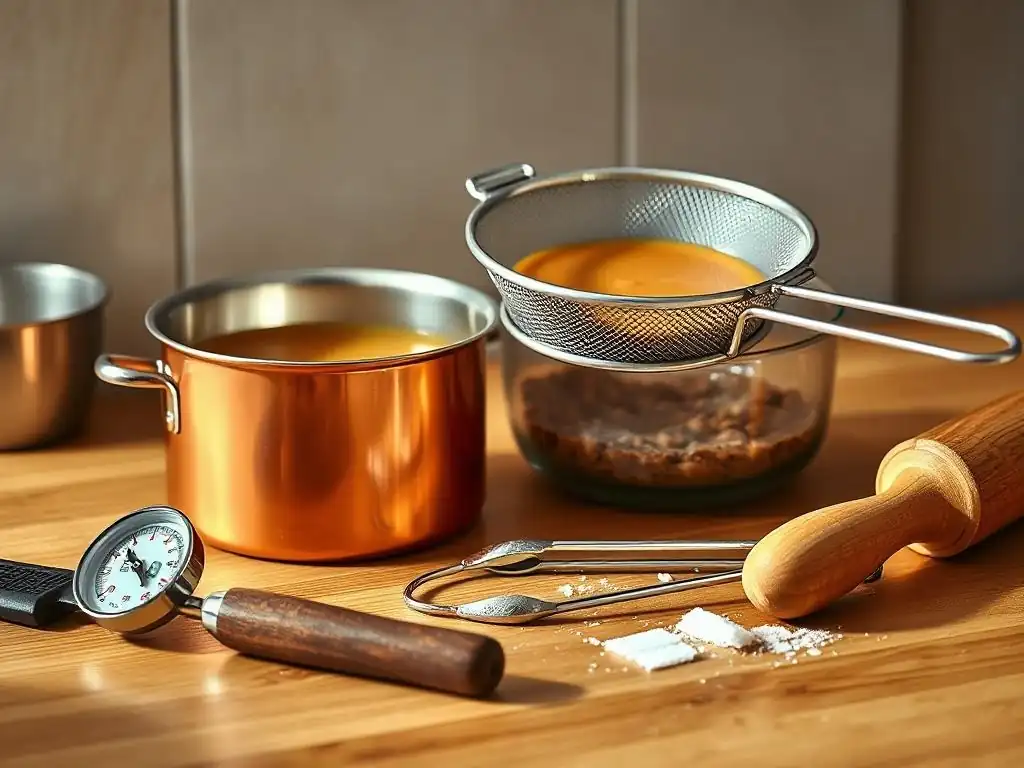
While technique is paramount, having the right tools can make preventing sugar crystallization much easier, especially for beginners. These tools help ensure accuracy and proper cooking conditions, minimizing the variables that can lead to crystallization.
Investing in a few key pieces of equipment is a worthwhile step for anyone serious about improving their sugar work and preventing sugar crystallization in their baking.
Precision Scales for Accurate Sugar Measurement
Using a digital kitchen scale to measure sugar by weight rather than volume is highly recommended. Volume measurements (like cups) can vary significantly depending on how densely the sugar is packed, leading to inconsistent sugar-to-liquid ratios. An inaccurate ratio can result in a supersaturated solution that is much more likely to crystallize.
Measuring sugar by weight ensures you have the precise amount required by the recipe, leading to more predictable results and reducing the risk of accidental supersaturation. A good scale is an indispensable tool for achieving consistency in all your baking, including sugar work.
Quality Cookware for Even Heating
A heavy-bottomed saucepan is essential for cooking sugar. Thin pots heat unevenly, leading to hot spots where sugar can burn or crystallize rapidly on the bottom while the rest of the mixture is still coming up to temperature. A heavy-bottomed pan distributes heat gently and evenly, allowing the sugar to dissolve and cook smoothly without scorching or promoting localized crystallization.
Stainless steel is a good choice as it's non-reactive and allows you to easily see the color change of caramel. Avoid non-stick pans for high-temperature sugar work like caramel or candy, as the coatings can degrade.
Advanced Techniques for Sugar Work (Optional for Beginners)
Once you've mastered the basic techniques to prevent sugar crystallization, you might encounter more advanced concepts in complex sugar work. These delve deeper into the science but are typically beyond the scope of standard beginner baking recipes.
Understanding these concepts provides insight into the fine points of sugar behavior but isn't necessary for successfully making things like simple syrup or basic caramel.
Seed Crystals and Their Role in Crystallization (Advanced)
In advanced sugar work, particularly candy making, sometimes a controlled crystallization is desired (like in fudge). This is achieved by intentionally introducing "seed crystals" at a specific temperature and then manipulating the mixture's cooling and handling to promote the formation of many small, smooth crystals rather than large, gritty ones.
Conversely, in applications where crystallization is unwanted, even a single tiny seed crystal introduced accidentally (from an undissolved grain, a speck of dust, or even stirring after boiling) can trigger rapid and complete crystallization of the entire batch. This highlights why cleanliness and careful handling are paramount when trying to prevent sugar crystallization in sensitive applications.
Temperature Control and Its Impact (Advanced)
Precise temperature control is absolutely critical in advanced sugar work like making hard candies, nougat, or spun sugar. Sugar solutions behave differently at various temperature stages. For instance, soft ball, firm ball, hard ball, soft crack, and hard crack stages correspond to specific temperature ranges and sugar concentrations, yielding different textures upon cooling.
Cooking a sugar syrup to the exact temperature specified for a recipe is crucial for achieving the desired final consistency. Overcooking or undercooking can affect the sugar concentration and water content, making the final product more or less prone to crystallization. Using an accurate candy thermometer and understanding how temperature relates to sugar concentration is key to successful advanced sugar work and preventing sugar crystallization in complex recipes.
Frequently Asked Questions
What is sugar crystallization, and why is it a problem in baking?
Sugar crystallization occurs when sugar molecules clump together, forming undesirable crystals in your baked goods. This can lead to a gritty texture and affect the overall quality of your desserts.
What are some easy ways a beginner baker can prevent sugar crystallization?
Adding an acid, like lemon juice or cream of tartar, can help inhibit crystal formation. Also, making sure all the sugar dissolves before boiling and avoiding stirring the mixture while it is simmering are key. These are simple preventative measures.
Does the type of sugar used affect the likelihood of crystallization?
Yes, coarser sugars are more prone to crystallization than finer sugars. Using granulated sugar as opposed to a coarser sugar like turbinado is generally recommended.
Why is it important to avoid stirring the sugar mixture while it's cooking?
Stirring can introduce sugar crystals that act as seeds, encouraging more crystals to form. It's best to avoid any agitation once the sugar has dissolved.
Can I fix a batch of sugar that has already crystallized?
Sometimes, yes! Adding a bit more water and gently heating the mixture can help redissolve the crystals. However, the result may not always be perfectly smooth and clear.
Final Reflection: The Sweet Science of Preventing Sugar Crystallization
The battle against sugar crystallization is a crucial one for beginner bakers, impacting not only the aesthetic appeal of their creations but also their overall taste and texture. A smooth, beautifully finished product is the reward for understanding and mastering these simple techniques, transforming a potentially frustrating experience into a confident and enjoyable one. This knowledge isn't just about avoiding a grainy mess; it's about unlocking the potential for truly delightful baking.
The impact of understanding sugar crystallization extends far beyond the individual baker. It's about appreciating the delicate balance of science and artistry inherent in baking. Mastering this fundamental skill empowers beginners to experiment with more complex recipes and develop a deeper understanding of the processes involved. As the renowned pastry chef, Pierre Hermé, once said, Baking is a science, but it's also an art. You need to understand the science to be able to create the art.
This perfectly encapsulates the journey from frustrated beginner to confident baker, a journey made smoother by understanding the simple preventative measures discussed in this article.
Now, it's your turn. Take what you've learned here, experiment with different techniques, and don't be afraid to embrace the occasional mishap. Each failed attempt is a valuable lesson, bringing you closer to mastering the art of preventing sugar crystallization and unlocking your full potential as a baker. Remember, the sweetest victories often come after overcoming initial challenges. So, grab your ingredients, embrace the process, and enjoy the journey of creating beautiful, delicious baked goods.
Unlock Perfectly Smooth Frosting: Your Baking Journey Starts Now!
Thanks for taking the time to learn about preventing sugar crystallization! You've just gained a valuable skill to elevate your baking game. Ready to put your new knowledge into practice?
- Whip up a batch of your favorite frosting – and watch the magic happen! See how easily you can avoid those pesky crystals.
- Share your smooth frosting creations on social media and tag #BakeWithEase – let's inspire each other!
- Explore more baking tips and tricks on BakeWithEase.com (this could be linked to your site).
What delicious treat will you be frosting first?