
Exploring Regional Molasses Cookies: From Chewy New England to Crisp Southern

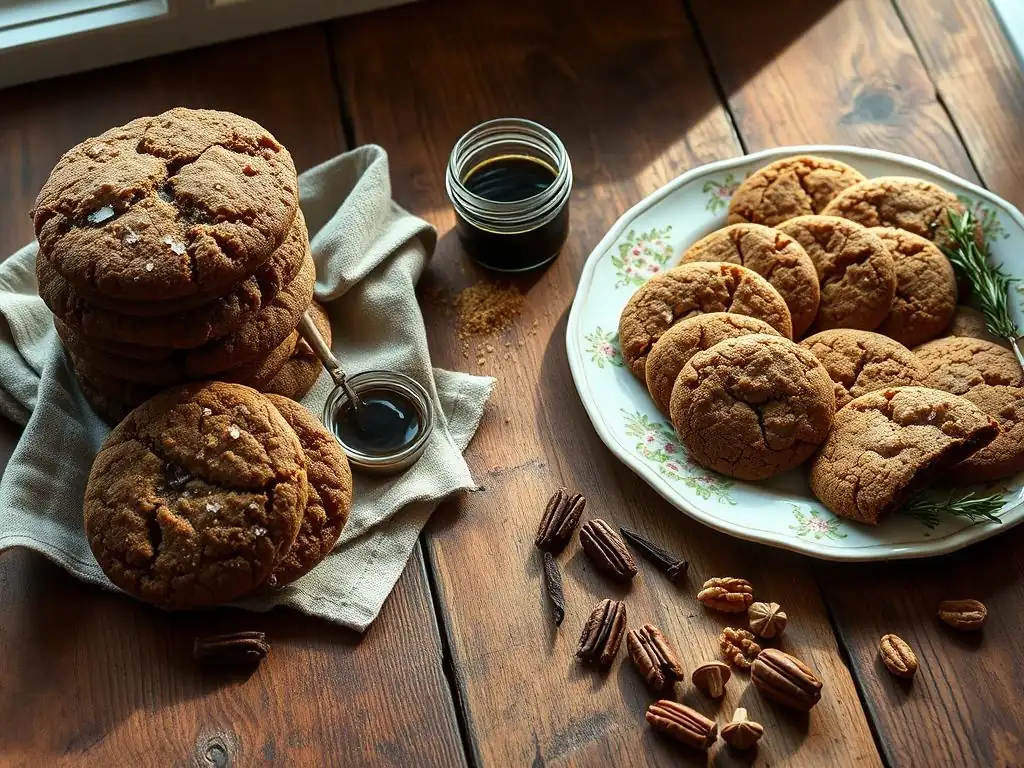
Welcome to BakeWithEase, your guide to baking brilliance! Ever wondered how a single cookie can tell a story of place and tradition? Dive into our exploration of Regional Molasses Cookie Recipes Variations and discover how subtle ingredient changes create wildly different textures and flavors across America. Prepare to unlock the secrets behind these iconic treats and bake your way through a delicious journey. Your baking adventure starts now!
- Introduction to Regional Molasses Cookie Recipes
- New England Molasses Cookies: The Chewy Tradition
- Southern Molasses Cookies: Embracing the Crisp
- Comparing New England and Southern Molasses Cookie Recipes
- Exploring Other Regional Molasses Cookie Variations
- Tips for Adapting Molasses Cookie Recipes to Your Taste
- Mastering Molasses Cookie Baking
- Conclusion: Celebrating the Diversity of Regional Molasses Cookie Recipes
-
Frequently Asked Questions
- What makes molasses cookies a popular choice for bakers?
- What are some key differences between New England and Southern molasses cookies?
- Where can I find easy-to-follow regional molasses cookie recipes?
- Can I adapt a general molasses cookie recipe to create a regional variation?
- What ingredients are essential for a good molasses cookie, regardless of the region?
- Final Reflection: A Sweet Legacy, Baked in Time
- Unleash Your Inner Baker: Craft the Perfect Molasses Cookie!
Molasses cookies hold a special place in the hearts of many bakers and eaters across America. Their rich, warm flavor, often spiced with ginger, cinnamon, cloves, and nutmeg, evokes feelings of comfort and nostalgia. This enduring appeal stems partly from molasses itself – a byproduct of sugar production that became a widely available and affordable sweetener, particularly in colonial and early American times. The deep, complex sweetness of molasses, distinct from granulated sugar, pairs wonderfully with warming spices, creating a cookie that is both deeply flavorful and satisfying.
Beyond their delicious taste, molasses cookies are relatively simple to make, requiring common pantry staples. This accessibility contributed to their popularity in home kitchens for generations. Whether enjoyed soft and chewy, crisp and snappy, or somewhere in between, these cookies offer a versatile canvas for bakers. Their humble origins and widespread presence across different regions have led to fascinating Regional molasses cookie recipes variations, each reflecting local ingredients, preferences, and baking traditions. It's a cookie that tells a story of American culinary history, one delicious bite at a time.
Understanding Regional Baking Variations in America
American baking is a rich tapestry woven from diverse cultural influences, climate differences, and the availability of local ingredients. These factors significantly impact classic recipes like molasses cookies, leading to distinct regional styles. In areas where ingredients like butter, eggs, and flour were readily available and refrigeration less common historically, baking methods evolved to create goods that could be stored longer or relied on simpler techniques.
Furthermore, regional preferences for texture and sweetness play a crucial role. For instance, a preference for soft, moist baked goods in one region might contrast sharply with a taste for crisp, sturdy cookies in another. These subtle shifts in ingredient ratios, baking temperatures, and mixing methods give rise to the wonderful Regional molasses cookie recipes variations we see today. Exploring these differences not only offers new ways to enjoy a beloved cookie but also provides insight into the culinary history and character of different parts of the United States.
Authentic New England molasses cookies are known for their soft, wonderfully chewy texture and deep, spiced flavor. The choice and proportion of ingredients are critical to achieving this characteristic chewiness. A significant amount of molasses is, of course, central; typically, darker, robust molasses is preferred for its intense flavor. This isn't light or mild molasses, but the kind that imparts a deep, almost smoky sweetness and contributes significantly to moisture retention.
Another key ingredient is often brown sugar, which adds moisture and a slightly different kind of sweetness compared to granulated sugar. The ratio of sugar to flour is also important; a slightly lower proportion of flour compared to sugar and liquid ingredients helps prevent the cookie from becoming too stiff or crisp. Furthermore, many traditional New England recipes call for a generous amount of butter or shortening, which contributes to tenderness and chewiness. Spices like ginger, cinnamon, cloves, and sometimes black pepper are used generously to complement the rich molasses flavor.
Baking Techniques for Achieving a Chewy Texture
Achieving the signature chewy texture in New England molasses cookies relies heavily on specific baking techniques. One primary factor is the baking temperature and time. These cookies are typically baked at a moderate temperature, often around 350°F (175°C), for a relatively short period. The goal is to bake them just until the edges are set and slightly firm, but the centers still look soft and slightly underdone.
Removing the cookies from the oven at this point is crucial. They will continue to cook slightly on the hot baking sheet, and as they cool, the centers will set into that desirable chewy consistency. Overbaking is the enemy of chewiness, turning the cookies hard and crisp.
Another technique involves chilling the dough before baking. Chilling helps solidify the fats, which control spread and contribute to a thicker cookie that retains moisture better during baking, resulting in a chewier final product. Rolling the dough balls in granulated sugar before baking is also common, adding a slight crust while the interior remains soft.
A classic New England molasses cookie recipe often starts with creaming together softened butter and a mix of brown and granulated sugars. A generous amount of robust molasses is then beaten in, followed by eggs and vanilla extract. The dry ingredients, including flour, baking soda (often providing lift and contributing to chewiness), salt, and a hearty blend of ground ginger, cinnamon, cloves, and perhaps a pinch of black pepper, are then combined and gradually added to the wet mixture. The dough is typically soft and sticky.
Once the dough is mixed, it's often chilled for at least an hour, sometimes overnight, to make it easier to handle and improve texture. Small balls of dough, perhaps 1 to 1.5 inches in diameter, are rolled in granulated sugar before being placed a few inches apart on baking sheets lined with parchment paper.
They are then baked for about 8-12 minutes, depending on size, or until the edges are just set but the centers are still soft. Cooling on the baking sheet for a few minutes before transferring to a wire rack allows them to finish setting into their perfectly chewy form.
For those who crave maximum chewiness in their New England-style molasses cookies, a few extra tips can make a significant difference. Firstly, using a higher ratio of brown sugar to granulated sugar can boost moisture content, as brown sugar contains molasses itself. Secondly, don't skimp on the molasses quantity; ensure you're using a dark, robust variety for both flavor and moisture.
Another trick is to slightly underbake the cookies. As mentioned earlier, pulling them out when the edges are just set and the centers look slightly soft is key. They will firm up as they cool. Additionally, ensuring your baking soda is fresh is important, as it provides the necessary lift and spread without making the cookies too cakey. Finally, storing your baked cookies properly – in an airtight container at room temperature, perhaps with a slice of bread to maintain moisture – will help keep them wonderfully chewy for several days.
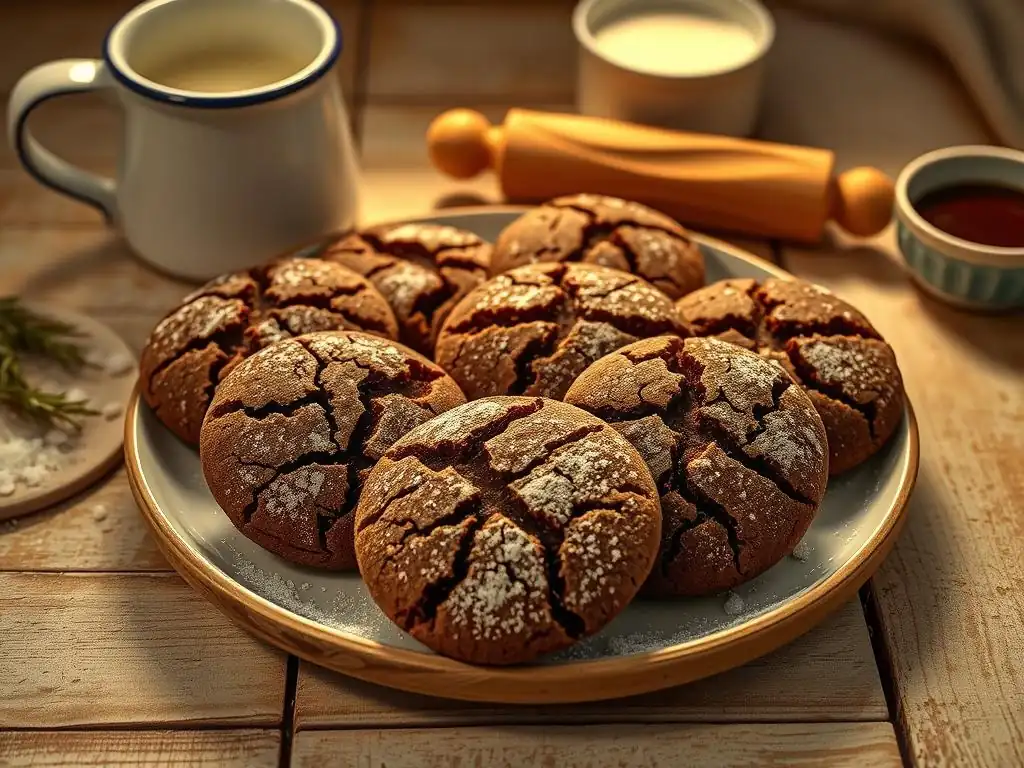
In contrast to their chewy New England cousins, Southern molasses cookies are often celebrated for their delightful crispness and snappy texture. The ingredients used and their proportions are carefully balanced to achieve this desired crunch. Southern recipes frequently use a higher proportion of granulated sugar compared to brown sugar. Granulated sugar contributes to spread and crispness when baked, as it caramelizes differently than brown sugar.
The amount of fat, typically butter or shortening, is also crucial. While fat adds tenderness, the ratio to flour and sugar is adjusted to favor crispness. Some recipes might use less fat overall or a higher proportion of flour.
Leavening agents also play a role; while baking soda is common, the amount relative to other ingredients can influence spread and crispness. The type of molasses used might also vary; sometimes a lighter molasses is preferred, allowing other flavors to shine, though dark molasses is still common and provides the signature taste. Spices are still prominent, often featuring a warm, inviting blend.
Baking Methods for Achieving a Crispy Texture
Achieving a perfectly crisp texture in Southern-style molasses cookies involves specific baking techniques focused on promoting spread and drying out the cookie slightly during baking. A higher baking temperature is often employed compared to chewy versions, perhaps 375°F (190°C) or even 400°F (200°C). This higher heat helps the cookies spread quickly and encourages the sugars to caramelize, leading to a thinner, crispier result.
Baking time is also critical; these cookies are baked until they are set throughout and the edges are golden brown, sometimes even slightly darker than the centers. Unlike chewy cookies, you don't want them to look underdone in the middle when they come out of the oven. Allowing the cookies to cool completely on the baking sheet before moving them can also contribute to crispness, as they continue to firm up as they cool down from the higher baking temperature. Rolling the dough thinly before cutting shapes is another common technique for achieving a snappy cookie.
A typical Southern-style crisp molasses cookie recipe might begin by creaming butter or shortening with a significant amount of granulated sugar, often with some brown sugar mixed in. Molasses is added, followed by eggs and flavoring. The dry ingredients, including flour, baking soda, salt, and spices like ginger, cinnamon, and cloves, are then combined. The dough is often firmer than New England versions, making it suitable for rolling and cutting shapes, which is a common presentation for these cookies.
The dough is typically rolled out thinly, perhaps to about 1/8 inch thickness, on a floured surface. Shapes are cut using cookie cutters – stars, rounds, or even gingerbread figures are popular. These cutouts are placed on ungreased or lightly greased baking sheets (or parchment-lined sheets) and baked at a relatively high temperature, around 375°F (190°C), for 8-10 minutes, or until they are golden brown and firm. The baked cookies are then often left on the hot baking sheet for a few minutes before being transferred to a wire rack to cool completely and crisp up.
For those seeking the ultimate crispness in their Southern molasses cookies, several secrets can help. Firstly, using primarily granulated sugar and reducing the amount of brown sugar will promote spread and a harder, snappier texture upon cooling. Secondly, ensure your baking soda is fresh and correctly measured, as it aids in the necessary spread.
Baking at a slightly higher temperature (like 375°F or 400°F) encourages faster spread and caramelization, both vital for crispness. Bake them until they are definitely set and golden brown across the entire cookie, not just the edges. Rolling the dough thinly, ideally 1/8 inch, is paramount; thicker dough yields a softer cookie.
Finally, allowing the cookies to cool completely on the baking sheet helps them transition from pliable to crisp as they lose heat. Proper storage in an airtight container after they are fully cooled is also important to maintain their crisp texture, preventing them from absorbing moisture from the air.
Texture Showdown: Chewy vs. Crisp
The most apparent difference between New England and Southern Regional molasses cookie recipes variations lies in their texture. New England cookies champion chewiness. They are typically thicker, softer in the center, and yield when bent. This texture is achieved through ingredients like brown sugar and ample molasses for moisture, along with lower baking temperatures and shorter bake times that leave the center slightly underbaked initially.
In contrast, Southern molasses cookies aim for crispness. They are often thinner, snap cleanly when broken, and are firm throughout. This is accomplished using more granulated sugar, higher baking temperatures to encourage spread and caramelization, and baking until the cookie is fully set and golden brown. The difference is distinct and caters to different preferences – one offering a soft, yielding bite, the other a satisfying snap.
Flavor Profiles: Exploring the Differences
While both regional styles share the core flavors of molasses and warm spices, their specific flavor profiles can differ subtly due to ingredient variations and baking methods. New England cookies, with their higher molasses and brown sugar content, often have a deeper, richer, and more intensely spiced flavor. The moisture retention in the chewy texture helps the spice notes linger on the palate.
Southern crisp cookies, while still flavorful, might present a slightly different balance. The increased granulated sugar and higher baking temperature can lead to more pronounced caramelized notes. The spices, while present, might seem slightly less intense or sharp compared to the deep flavor of a chewy cookie, though this can vary greatly by specific recipe. The crisp texture also changes the eating experience, affecting how the flavors are released. Both are delicious, but they offer distinct flavor nuances.
Ingredient Variations: A Regional Comparison
The ingredient lists for chewy New England and crisp Southern molasses cookies highlight the differences in their desired outcomes.
- Sweeteners: New England often favors a mix heavy on brown sugar and robust molasses. Southern recipes lean more towards granulated sugar, sometimes with less molasses overall or a lighter variety.
- Fat: Both use butter or shortening, but the ratio to flour and sugar might be adjusted; potentially slightly less fat or a different fat-to-flour ratio in crisp versions to limit tenderness.
- Leavening: Both typically use baking soda, but the quantity relative to other ingredients can impact spread and texture.
- Flour: The proportion of flour relative to wet ingredients is often higher in crisp cookie recipes to provide structure for the snap.
- Spices: While the common spices (ginger, cinnamon, cloves) are shared, the quantity and specific blend can vary, contributing to regional flavor preferences.
These ingredient tweaks, seemingly small, are fundamental to creating the characteristic texture and flavor of each region's beloved molasses cookie.
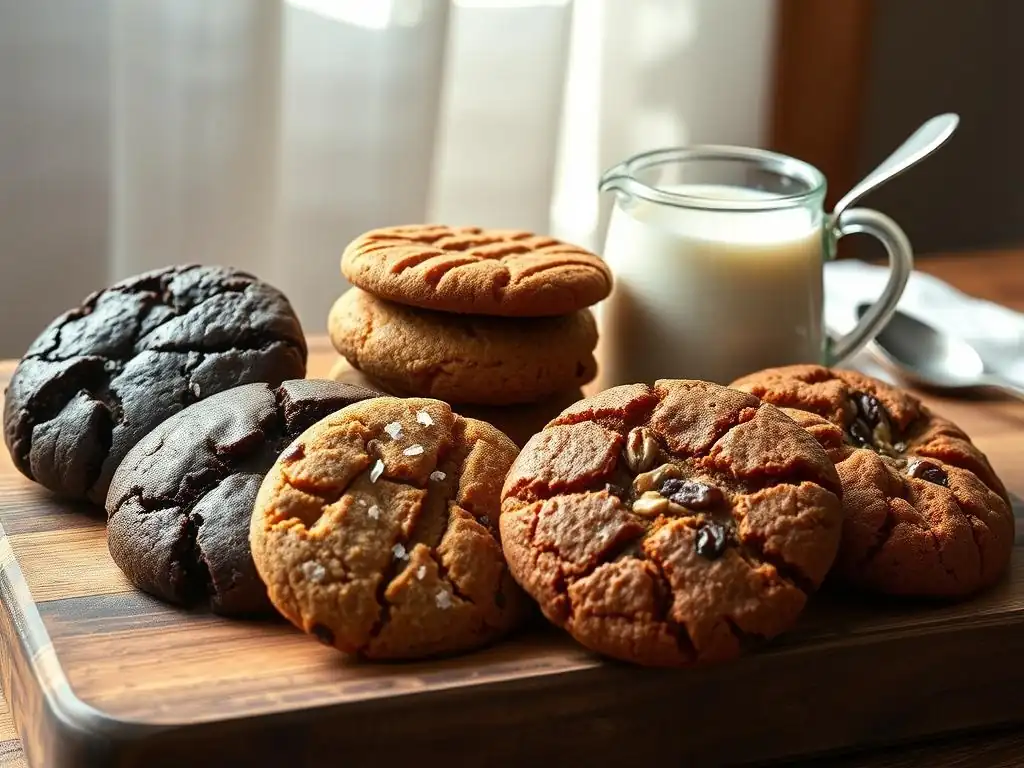
Pennsylvania Dutch molasses cookies offer another fascinating example of Regional molasses cookie recipes variations. These cookies are often less focused on extreme chewiness or crispness, sometimes falling into a soft, cakey, or slightly puffy category. A key characteristic is their often milder spice profile compared to the fiery ginger of some New England versions.
Many traditional Pennsylvania Dutch recipes incorporate ingredients like sour milk or buttermilk, which react with baking soda to provide lift and tenderness. Some recipes also use lard in addition to or instead of butter, contributing to a unique texture. The shape can also be distinctive, sometimes rolled thick and cut into simple rounds or squares. The flavor profile is typically warm and comforting, with the molasses providing a rich undertone without necessarily overpowering other ingredients. They represent a distinct branch in the family tree of American molasses cookies, influenced by German baking traditions.
In the Appalachian region, where resourcefulness and local ingredients are paramount, molasses cookies sometimes take on unique characteristics. One notable variation can involve the incorporation of local honey alongside or in place of some of the molasses. Honey, a readily available sweetener in mountain communities, adds its own distinct floral or robust flavor profile, depending on the source, and can influence the cookie's texture.
These Appalachian cookies might vary widely in texture, ranging from soft drops to sturdy cutouts, often reflecting individual family traditions. The spice levels can also differ, sometimes featuring less common additions or relying heavily on ginger. The use of honey alongside molasses creates a fascinating interplay of flavors, grounding the cookie in the specific agricultural landscape of the region and adding another layer to the diverse history of Regional molasses cookie recipes variations.
While many regional variations focus on the cookie itself, Midwestern molasses cookies are often distinguished by their topping: a thick, sometimes crackly, powdered sugar or simple vanilla frosting. The cookie base itself can vary in texture, from soft and chewy to cakey, but the generous layer of sweet frosting is a defining feature.
This frosting isn't just a garnish; it becomes an integral part of the cookie experience, adding a sweet contrast to the spiced molasses base. The cookie base recipes in the Midwest might be simpler, allowing the frosting to take center stage. This variation highlights how regional preferences can influence not just the baked good itself but also how it's finished and presented, adding another dimension to the study of Regional molasses cookie recipes variations across the country.
Molasses cookies inherently carry a deep sweetness from both molasses and added sugars. If you find some Regional molasses cookie recipes variations too sweet or not sweet enough, you can often adjust the sugar levels. Reducing the amount of granulated or brown sugar by 10-15% in a recipe is usually safe without drastically altering the texture, especially in chewy recipes where molasses provides significant moisture.
Be more cautious when reducing sugar in crisp recipes, as sugar contributes significantly to spread and crispness. A large reduction could result in thicker, softer cookies. Conversely, if you prefer a sweeter cookie, you can slightly increase the sugar, but be mindful that too much sugar can cause excessive spread. Experimenting in small increments, perhaps a tablespoon or two at a time, is the best approach to finding your preferred sweetness balance while preserving the cookie's intended texture.
Experimenting with Spices for Unique Flavors
The spice blend is a hallmark of molasses cookies, and it's an area ripe for experimentation to create your own unique Regional molasses cookie recipes variations. While ginger, cinnamon, and cloves are standard, the ratio can be adjusted. For a spicier cookie, increase the ground ginger and perhaps add a pinch of cayenne or black pepper. For a warmer, less biting spice profile, lean more heavily on cinnamon and nutmeg.
Consider adding other spices like cardamom for an exotic twist, or allspice to round out the flavor. Using fresh, high-quality ground spices is key to vibrant flavor. Some bakers even prefer using freshly grated ginger for an intense, pungent kick. Don't be afraid to play with the proportions – try increasing the cinnamon for a milder spice, or doubling down on the ginger for a bold, zesty cookie.
Adapting Regional molasses cookie recipes variations to be gluten-free is certainly possible with today's excellent gluten-free flour blends. The key is choosing a good quality all-purpose gluten-free blend that contains a mix of flours and starches, often including xanthan gum or guar gum to provide structure and prevent crumbling.
When substituting, a cup-for-cup replacement is often a good starting point. However, gluten-free doughs can sometimes be drier or absorb liquid differently. You might need to add a touch more liquid (like milk or a non-dairy alternative) or slightly reduce the flour amount if the dough seems too stiff.
Chilling the gluten-free dough is often even more crucial than with traditional dough, as it helps the flours hydrate and improves the texture. Be prepared for potential slight differences in spread and chewiness depending on the blend used, and adjust baking time slightly as needed – sometimes gluten-free cookies bake faster or slower.
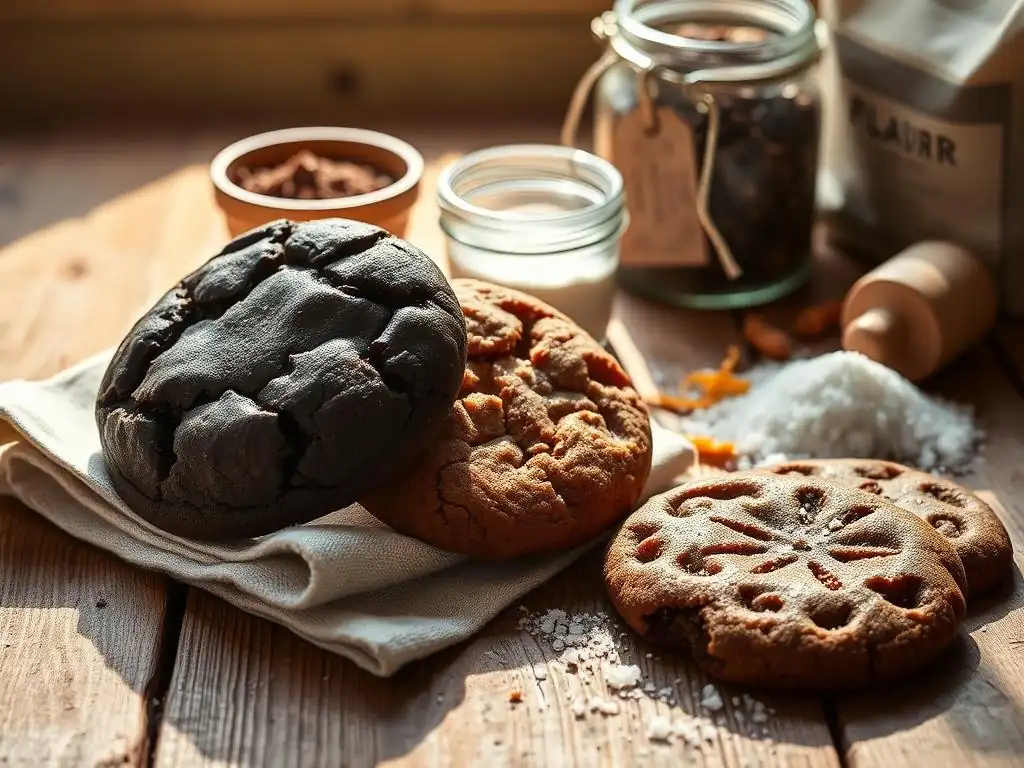
Having the right tools can make baking Regional molasses cookie recipes variations much smoother and help achieve consistent results. Here are a few essentials:
- Mixing Bowls: Several sizes for wet and dry ingredients.
- Measuring Cups and Spoons: Accuracy is key in baking.
- Electric Mixer: A stand mixer or hand mixer makes creaming butter and sugar much easier.
- Rubber Spatula: For scraping down the bowl and folding ingredients.
- Baking Sheets: Sturdy, light-colored sheets are best for even baking.
- Parchment Paper: Prevents sticking and makes cleanup easy.
- Wire Cooling Racks: Allows air circulation for proper cooling and setting.
- Cookie Scoop: Helps create uniformly sized cookies for even baking.
- Rolling Pin and Cookie Cutters: Essential for crisp, shaped Southern or Pennsylvania Dutch styles.
Using these tools correctly ensures your ingredients are properly combined, your cookies are uniform, and they bake and cool correctly, whether you're aiming for chewy or crisp.
Even experienced bakers encounter issues. If your molasses cookies are spreading too much, the butter might have been too soft, you might have too much leavening, or the ratio of sugar to flour might be off (too much sugar). Chilling the dough thoroughly can often help control spread. If they aren't spreading enough, the dough might be too cold, there might be too much flour, or your leavening might not be fresh. Ensure ingredients are at the correct temperature and check your baking soda/powder.
If your chewy cookies turn out hard or crisp, they were likely overbaked or baked at too high a temperature. Try reducing bake time or temperature slightly. If your crisp cookies are too soft, they might not have been baked long enough, or the dough was too thick. Ensure you are rolling thinly and baking until golden brown and set. Humidity can also affect crispness; store crisp cookies properly.
Proper storage is key to maintaining the desired texture of your Regional molasses cookie recipes variations. Chewy molasses cookies should be stored in an airtight container at room temperature. To help them retain moisture and stay soft, you can even place a slice of soft bread in the container with them; the cookies will absorb moisture from the bread. Avoid refrigerating chewy cookies, as this can dry them out.
Crisp molasses cookies also need to be stored in an airtight container after they have cooled completely. The goal here is to protect them from humidity, which will make them soft. Ensure the container is truly airtight. Unlike chewy cookies, you don't want to add anything that increases moisture. If they do soften slightly, a brief warm-up in a low oven (around 250°F or 120°C) for a few minutes can sometimes help restore some crispness after they cool again.
From the soft, spiced chewiness of New England to the snappy, caramelized crunch of the South, and the unique variations found in regions like Pennsylvania and Appalachia, molasses cookies offer a delicious exploration of American regional baking. Each style, a product of local history, available ingredients, and community preferences, provides a unique twist on a beloved classic.
Understanding the subtle differences in ingredients and techniques behind these Regional molasses cookie recipes variations allows bakers to appreciate the rich diversity of American culinary traditions. It also empowers you to experiment in your own kitchen, perhaps borrowing a technique for chewiness from one region or a spice blend from another, to create your perfect molasses cookie. So whether you prefer them thick and soft or thin and crisp, there's a regional style to love, inviting you to bake a piece of history.
Frequently Asked Questions
Molasses cookies are popular due to their warm, spiced flavor and relatively simple ingredients. They offer a comforting, nostalgic treat that's easy to customize.
New England molasses cookies are typically chewier and thicker, while Southern versions tend to be crisper and thinner. This difference often stems from variations in fat and flour ratios.
BakeWithEase.com offers a variety of step-by-step guides and easy-to-find ingredients for regional molasses cookie variations, catering to bakers of all skill levels.
Yes, you can! By adjusting the butter/shortening ratio and the type of flour, you can significantly alter the texture and create a more authentic regional molasses cookie.
Essential ingredients include molasses, spices (like ginger and cinnamon), flour, and a leavening agent. The quality of these ingredients impacts the final flavor.
Final Reflection: A Sweet Legacy, Baked in Time
The enduring appeal of the molasses cookie transcends mere dessert; it's a testament to the power of regional culinary traditions and the stories they tell. From the dense, chewy delights of New England to the crispier, spicier variations found in the South, these humble cookies offer a delicious window into the diverse history and culture of America. The variations we've explored highlight not just differences in ingredients and techniques, but also the unique perspectives and preferences shaped by geography, climate, and available resources.
The journey through these regional recipes has been a personal one, revealing the deep connection between food and identity. Each bite evokes a sense of place, a memory, a shared experience. As we've seen, the seemingly simple act of baking a molasses cookie becomes a powerful symbol of cultural heritage. Food is symbolic of love when words are inadequate.
– Alan D. Wolfelt. This quote perfectly encapsulates the emotional resonance these cookies hold, carrying with them the warmth and comfort of generations past.
Now, it's your turn. Consider the molasses cookies you've enjoyed, the memories they evoke, and the unique flavors that define your own culinary landscape. Perhaps you'll be inspired to experiment with a new recipe, to explore the subtle nuances of different regional styles, or simply to savor the simple pleasure of a perfectly baked cookie. More than just a recipe, let the molasses cookie be a reminder of the rich tapestry of culinary traditions that shape our lives and connect us across time and place.
Thanks for joining us on this delicious journey through the world of molasses cookies! We hope you've discovered new techniques and regional variations to inspire your baking adventures. Now it's time to put your newfound knowledge into practice.
- Bake your own regional masterpiece: Choose your favorite recipe from the article (or try a new one!) and get baking. Don't forget to experiment with different spices and sweetness levels to find your perfect cookie.
- Share your creations: Show off your baking prowess! Post a picture of your cookies on social media and tag us – we'd love to see them.
- Discover a new regional variation: Challenge yourself to try a molasses cookie recipe from a region you haven't explored yet. How does it differ from what you're used to?
What unique twist will you add to your next batch of molasses cookies?