
Fastnachts: Baking Traditional Pennsylvania Dutch Doughnuts for Beginners

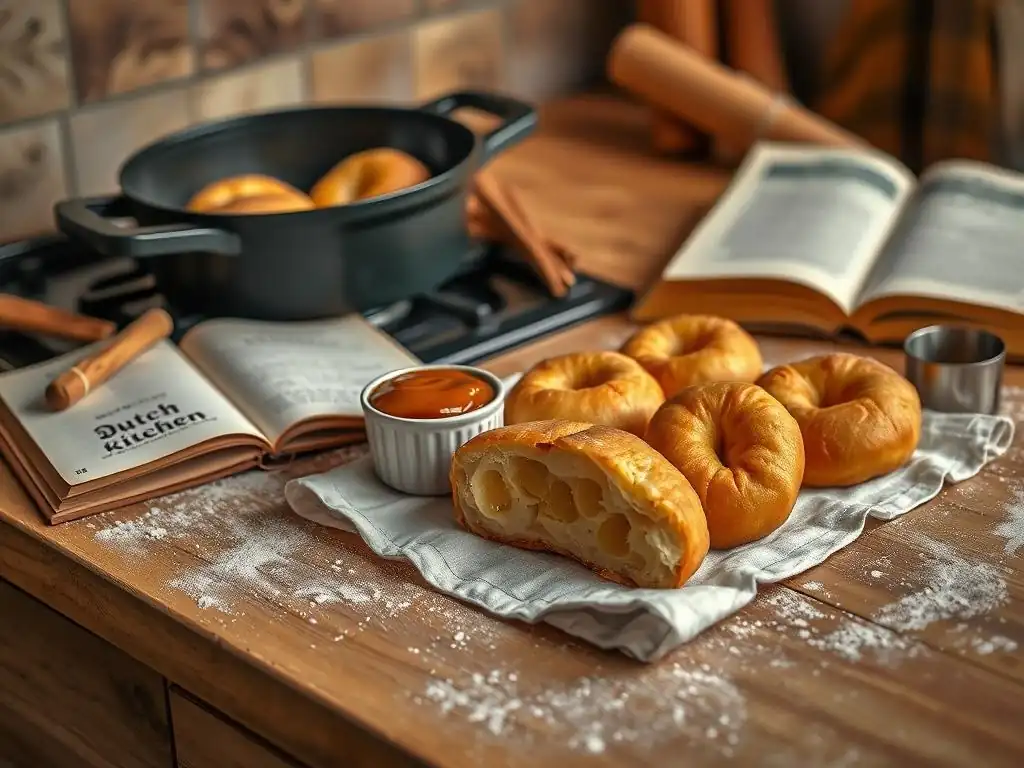
Welcome to BakeWithEase, your kitchen companion for conquering the world of baking! Ever dreamt of creating those pillowy, sugar-dusted delights that evoke memories of cozy Pennsylvania Dutch kitchens? Get ready to dive in, because we're demystifying the Easy Pennsylvania Dutch fastnacht recipe in this beginner-friendly guide. Curious about the secrets to achieving the perfect texture and flavor? Let's get baking!
- Introduction to Fastnachts: Exploring the World of Pennsylvania Dutch Doughnuts
- Preparing Your First Fastnacht Batch: A Step-by-Step Guide
- Managing Your Fastnacht Process: From Shaping to Frying
- Common Fastnacht Challenges and Solutions
- Resources for Fastnacht Bakers: Education and Tips
- Enjoy the Rewarding Process of Baking Fastnachts!
-
Frequently Asked Questions
- What exactly is a Fastnacht, and what makes it traditionally Pennsylvania Dutch?
- Are Fastnachts difficult to make, especially for beginner bakers?
- Can I substitute any ingredients in the Easy Pennsylvania Dutch Fastnacht recipe?
- How long do Fastnachts typically last after they've been baked?
- What are some common toppings or coatings for Pennsylvania Dutch Fastnachts?
- Final Reflection: The Enduring Sweetness of Tradition
- Unleash Your Inner Baker: Make Delicious Fastnachts Today!
Introduction to Fastnachts: Exploring the World of Pennsylvania Dutch Doughnuts
What are Fastnachts? Understanding the Basics
Fastnachts are a traditional Pennsylvania Dutch doughnut, historically made and eaten on Shrove Tuesday (the day before Ash Wednesday), marking the last chance to use up lard, sugar, and fat before the Lenten fast. Unlike typical ring doughnuts, Fastnachts are traditionally potato-based or made with a rich, yeasted dough enriched with eggs and butter, often cut into squares or triangles with a slit in the center. They are fried until golden brown and commonly served simply coated in granulated sugar, powdered sugar, or drizzled with molasses.
The tradition dates back centuries in the Pennsylvania Dutch communities, primarily in southeastern Pennsylvania. While the specific ingredients and shapes can vary slightly from one family recipe to another, the core concept remains: a rich, fried dough treat enjoyed on Fastnacht Day. Making them at home, perhaps with an easy Pennsylvania Dutch fastnacht recipe, connects you directly to this unique regional culinary heritage and provides a truly authentic taste often hard to find outside of the region on that specific day.
Why Bake Fastnachts? Benefits and Joys
Baking Fastnachts offers a delightful journey into a specific regional baking tradition. The aroma of the yeasted dough rising and the smell of them frying are deeply comforting and evocative of home baking. Sharing a batch of warm, freshly fried Fastnachts with family and friends is a simple pleasure, embodying hospitality and the spirit of community often associated with Pennsylvania Dutch culture. It's a tangible way to keep a piece of history alive and share it.
Furthermore, mastering an easy Pennsylvania Dutch fastnacht recipe provides a unique skill and the satisfaction of creating something truly special from scratch. While they require a bit of time for rising, the actual hands-on work is manageable for beginners. The result is a uniquely textured doughnut – slightly crisp on the outside, wonderfully soft and airy on the inside – that is distinct from commercially made varieties. The joy comes not just from eating them, but from the entire process, from mixing the dough to the final sugary coating.
Preparing Your First Fastnacht Batch: A Step-by-Step Guide
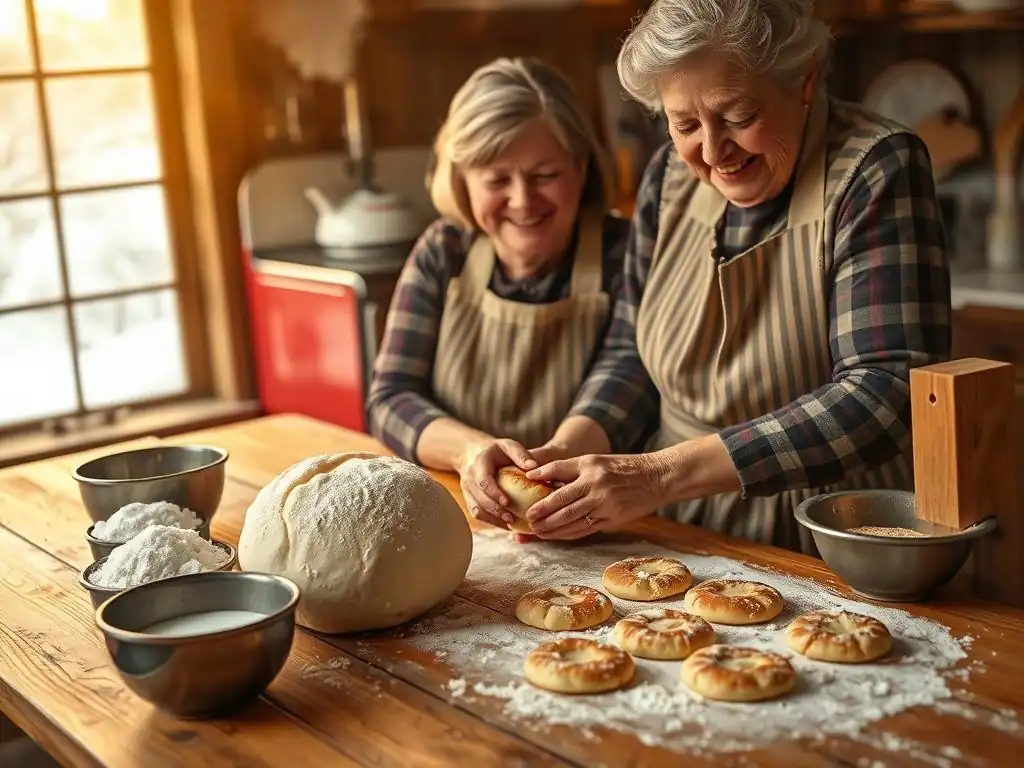
Choosing the Right Ingredients for Your Dough
Selecting quality ingredients is fundamental to a successful easy Pennsylvania Dutch fastnacht recipe. All-purpose flour is standard, but ensure it's fresh for optimal gluten development. Yeast, whether active dry or instant, must be fresh and active; a simple proofing test in warm liquid is recommended if unsure. Using real butter and whole milk contributes significantly to the richness and tenderness characteristic of traditional Fastnachts.
The inclusion of mashed potato in many classic recipes adds a unique moistness and softness. If using potato, ensure it is smooth and free of lumps. Eggs provide structure and richness. Granulated sugar feeds the yeast and adds sweetness. Salt balances the flavors. Using ingredients at the proper temperature, especially liquids warmed to activate yeast (typically between 105°F and 115°F for active dry yeast), is crucial for the dough's rise.
Factors to Consider: Yeast Activation, Temperature, and Resting Time
Successful yeast dough relies heavily on controlling environmental factors. Yeast requires warmth and moisture to become active; liquids that are too hot will kill it, while liquids that are too cold will inhibit its growth. A temperature range of 105-115°F (40-46°C) is generally ideal for activating active dry yeast. Room temperature also plays a significant role in proofing time. A warm kitchen (around 70-75°F or 21-24°C) encourages the dough to rise effectively.
Adequate resting and proofing time is non-negotiable for a tender Fastnacht. The first rise allows the yeast to develop flavor and volume, typically taking 1-2 hours or until doubled in size. After shaping, the second proof is shorter, maybe 30-45 minutes, allowing the shaped Fastnachts to puff up slightly before frying. Rushing these steps results in dense, heavy doughnuts. Patience is key when working with yeasted doughs for any easy Pennsylvania Dutch fastnacht recipe.
Kitchen Prep and Safety: Ensuring a Smooth Process
Before you even begin mixing, ensure your kitchen is prepared. Clear a spacious work area for mixing, kneading, and shaping. Gather all your ingredients and tools – mixing bowls, measuring cups and spoons, a rolling pin, a sharp knife or pastry wheel for cutting, and a large pot or deep fryer for frying. Having everything ready streamlines the process and prevents last-minute scrambling.
Safety is paramount when frying. Choose a sturdy, heavy-bottomed pot large enough to hold several inches of oil without being more than half full. Ensure the pot is on a stable surface away from drafts or anything flammable. Have a metal spider or slotted spoon ready for turning and removing Fastnachts, and a heat-resistant surface (like a wire rack set over paper towels) for draining. Never leave hot oil unattended, and know what to do if a grease fire occurs (smother it, never use water).
Selecting Your Baking Equipment
Having the right tools makes the Fastnacht baking process much smoother and more enjoyable. While you don't need a professional setup, certain pieces of equipment are essential for achieving the desired result, especially when following an easy Pennsylvania Dutch fastnacht recipe for the first time. The basic tools are likely already in most home kitchens, making this a very accessible baking project.
Other tools, while not strictly necessary, can improve efficiency or results. A stand mixer with a dough hook, for example, takes the labor out of kneading. A deep fryer provides consistent oil temperature control, which is crucial for even cooking. A thermometer is invaluable for monitoring both dough temperature during rising (if desired) and, critically, oil temperature during frying, preventing oily or burnt Fastnachts.
Essential Equipment: Mixing Bowls, Rolling Pin, Frying Pan
You will need at least two good-sized mixing bowls: one for proofing the yeast and combining wet ingredients, and a larger one for mixing and the first dough rise. A sturdy rolling pin is needed to roll the dough to the proper thickness (typically around 1/2 to 3/4 inch). A sharp knife, pastry wheel, or even a pizza cutter works well for cutting the traditional square or triangular shapes.
For frying, a heavy-bottomed pot, like a Dutch oven or a large, deep skillet, is essential. It needs to be deep enough to allow the Fastnachts to float and cook without touching the bottom or overcrowding. You'll also need a metal slotted spoon or spider for carefully placing the Fastnachts in the hot oil, turning them, and removing them. Paper towels or brown paper bags are needed for draining excess oil after frying.
Optional Equipment: Stand Mixer, Deep Fryer, Thermometer
A stand mixer with a dough hook attachment can significantly reduce the effort required for kneading, ensuring proper gluten development without the arm workout. It can handle stickier doughs more easily than hand kneading. If you plan to make Fastnachts or other fried goods frequently, a dedicated deep fryer offers precise temperature control, which is arguably the most critical factor in frying perfect doughnuts.
An instant-read thermometer or a candy/frying thermometer is highly recommended. Maintaining the oil temperature between 350°F and 375°F (175-190°C) is vital. Too cool, and the Fastnachts will absorb excess oil and be greasy; too hot, and they will burn on the outside before cooking through. A thermometer takes the guesswork out of this crucial step.
Acquiring Your Dough Ingredients: Shopping Tips
Gathering your ingredients is the first practical step in making Fastnachts. For an easy Pennsylvania Dutch fastnacht recipe, the ingredient list is usually simple, focusing on pantry staples. However, paying attention to the quality and freshness of a few key items can make a difference in your final product. A quick trip to the local grocery store is usually all that's needed.
Sometimes, seeking out specific types of flour or fresh yeast from a bakery can yield slightly better results, though standard supermarket ingredients work perfectly well for a delicious outcome. Consider buying ingredients like flour and sugar in bulk if you plan on baking frequently, but ensure yeast is stored properly to maintain its viability.
Purchasing Flour, Yeast, and Dairy: Quality Matters
When buying flour, look for unbleached all-purpose flour if possible, as some bakers feel it provides a slightly better texture. Ensure the bag is sealed and hasn't been sitting on the shelf for an excessive amount of time. For yeast, check the expiration date. Active dry yeast needs to be proofed, while instant yeast can often be mixed directly with dry ingredients, simplifying an easy Pennsylvania Dutch fastnacht recipe.
Dairy products like milk, butter, and sometimes sour cream or mashed potato (depending on the recipe variation) should be fresh. Using whole milk and real butter contributes to the rich flavor and tender crumb. If your recipe calls for mashed potato, using freshly boiled and mashed potatoes is preferable to instant flakes for the best texture.
Using Fresh Yeast vs. Dry Yeast: Which is Better?
Most modern easy Pennsylvania Dutch fastnacht recipes call for active dry or instant yeast due to their convenience and reliability. Active dry yeast requires proofing in warm liquid first, while instant yeast can often be added directly to the dry ingredients. Both work well and are readily available.
Fresh cake yeast, while less common in home kitchens today, is preferred by some traditional bakers for its slightly different flavor profile and vigorous activity. It requires proofing like active dry yeast and has a shorter shelf life. For beginners using an easy Pennsylvania Dutch fastnacht recipe, sticking with active dry or instant yeast is generally recommended for ease of use and consistent results.
Using Leftover Dough: Reworking or Discarding
Ideally, you'll roll and cut all your Fastnachts from the first rolling of the dough. However, you might have some scraps left over. While you can gently gather these scraps, knead them briefly, and re-roll them, be aware that reworking the dough can make the resulting Fastnachts slightly tougher. This is because the gluten has already been developed and is being overworked.
For the best texture, some purists recommend discarding scraps or using them for a different purpose, like making small fried dough balls (sometimes called "holes," although traditional Fastnachts don't have holes). If you do re-roll scraps, handle them minimally and give them a brief rest before cutting to allow the gluten to relax.
Mixing Your Dough: Bringing Ingredients Together
Mixing the dough is the first hands-on step after gathering your ingredients. This process involves combining the wet and dry components, activating the yeast, and beginning the development of gluten, which gives the Fastnachts structure. Whether mixing by hand or with a stand mixer, the goal is to create a cohesive, slightly sticky dough that is smooth and elastic after kneading.
Following the specific instructions in your easy Pennsylvania Dutch fastnacht recipe regarding the order of adding ingredients is important. Often, the wet ingredients (warm milk, proofed yeast, melted butter, eggs) are combined first, then the dry ingredients (flour, sugar, salt) are gradually added. This ensures even distribution of the yeast and other components throughout the dough.
Preparing Wet and Dry Ingredients
Typically, an easy Pennsylvania Dutch fastnacht recipe starts by activating the yeast. This involves whisking active dry yeast with a pinch of sugar into warm milk or water (around 105-115°F) and letting it sit for 5-10 minutes until foamy. If using instant yeast, this proofing step might be skipped, and the yeast added directly to the flour mixture.
In a separate, large bowl, the dry ingredients – flour, sugar, and salt – are usually whisked together. If the recipe includes mashed potato, it's often added with the wet ingredients. Melted butter and eggs are also incorporated into the wet mixture before combining with the dry. Ensuring all ingredients are measured accurately is crucial for the correct dough consistency.
Combining and Kneading the Dough: Developing Gluten
Once the wet and dry ingredients are ready, they are combined. This can be done in a stand mixer bowl or a large mixing bowl for hand kneading. Start mixing on low speed (or with a spoon) until the ingredients are just combined and a shaggy dough forms. Then, turn the dough out onto a lightly floured surface for hand kneading, or continue kneading with the dough hook in the stand mixer.
Kneading develops the gluten network, which traps the gases produced by the yeast and gives the Fastnachts their airy texture. Knead by hand for about 8-10 minutes, or by machine for 5-7 minutes, until the dough is smooth, elastic, and springs back slowly when poked. It should still be slightly tacky but not overly sticky. Proper kneading is vital for a light and tender Fastnacht.
Monitoring Dough Rise: Watching for Doubling
After kneading, the dough needs to rise (proof). Place the dough ball in a lightly greased bowl, turning it to coat all sides. Cover the bowl tightly with plastic wrap or a clean kitchen towel to prevent the dough from drying out. Place the bowl in a warm, draft-free spot. The ideal temperature is around 70-75°F (21-24°C).
The first rise typically takes 1 to 2 hours, but this can vary depending on the temperature of your kitchen and the activity of your yeast. The dough is ready when it has roughly doubled in size. You can test this by gently pressing two fingers into the dough; if the indentations remain, the dough is sufficiently proofed. If it springs back quickly, it needs more time. This step is crucial for the lightness of your easy Pennsylvania Dutch fastnacht recipe.
Managing Your Fastnacht Process: From Shaping to Frying
Regular Dough Checks: Identifying Issues Early
Even after the initial rise, it's beneficial to observe your dough throughout the process. Before shaping, check its consistency – it should be soft and pliable. If it feels too stiff, it might not have risen enough or could benefit from a very brief, gentle re-knead (though this should be avoided if possible). If it's overly sticky, you might need a touch more flour, but add it sparingly.
During the second proof (after shaping), gently check if the Fastnachts are puffing up. They should look visibly lighter and slightly larger. If they are not rising, your yeast might be inactive, or the environment is too cold. Addressing these issues early, before frying, can save your batch. A good easy Pennsylvania Dutch fastnacht recipe will guide you on the expected look and feel of the dough at each stage.
Checking for Under- or Over-Proofing: Common Dough Problems
Under-proofing means the dough hasn't risen enough. Fastnachts made from under-proofed dough will be dense, heavy, and smaller than desired. The texture will be tighter and less airy. This often happens if the kitchen is too cold or the proofing time is too short.
Over-proofing occurs when the dough rises for too long. While it will look very puffy initially, the gluten structure eventually weakens, and the dough can collapse. Over-proofed Fastnachts may fry up flat, have a coarse texture, and sometimes develop an off-flavor. They might also absorb excessive oil. Aim for the "doubled in size" mark for the first rise and a noticeable puffing for the second.
Assessing Oil Temperature: Ensuring Proper Frying
Maintaining the correct oil temperature is arguably the most critical factor for frying perfect Fastnachts. The ideal range is typically between 350°F and 375°F (175-190°C). Use a thermometer to monitor this constantly. If the oil is too cool, the Fastnachts will become greasy as they soak up the oil instead of cooking quickly. For example, frying at 300°F could result in Fastnachts absorbing 15-20% more oil by weight compared to frying at 375°F.
If the oil is too hot, the outside of the Fastnachts will brown or even burn rapidly while the inside remains raw or doughy. A temperature of 400°F or higher is too hot for most doughnuts. Add Fastnachts to the hot oil gently, one or two at a time to avoid overcrowding, which lowers the oil temperature significantly. Adjust the heat source as needed to keep the temperature within the target range throughout frying.
Dough Texture and Elasticity: Indicators of Gluten Development
A well-kneaded dough for an easy Pennsylvania Dutch fastnacht recipe should feel smooth, supple, and elastic. When you gently stretch a small piece, it should stretch thin enough to see light through it without tearing easily (the "windowpane test"). This indicates that the gluten network is sufficiently developed to support the dough's structure during rising and frying.
If the dough tears quickly when stretched, it likely needs more kneading. If it feels very stiff or resistant, it might be overworked, although this is less common with hand kneading than with a powerful stand mixer running for too long. Pay attention to how the dough feels; developing an intuition for dough consistency is a valuable baking skill.
Preventing Toughness: Maintaining Dough Tenderness
Several factors contribute to the tenderness of Fastnachts. Using ingredients like butter, eggs, and sometimes mashed potato adds richness and inhibits excessive gluten development, resulting in a softer crumb. Ensuring adequate resting time after kneading allows the gluten strands to relax, making the dough easier to roll and shape without causing toughness.
Overworking the dough, either during the initial kneading (though unlikely with hand kneading) or, more commonly, when re-rolling scraps, can lead to a tougher texture. Handling the shaped Fastnachts gently before frying is also important; pressing or squeezing them too much can deflate them and compact the crumb. A good easy Pennsylvania Dutch fastnacht recipe will balance kneading for structure with richness for tenderness.
Providing Adequate Resting Time: Allowing Gluten to Relax
After the initial kneading and first rise, the dough should be turned out and allowed to rest for 5-10 minutes before rolling and shaping. This brief rest period is crucial because it allows the gluten, which became tight during kneading, to relax. Relaxed gluten makes the dough much easier to roll out thinly and evenly without it springing back excessively.
Similarly, after the Fastnachts are cut and shaped, they need a second proofing period. This allows them to puff up again before frying. This rest also allows the gluten to relax further after being handled. Skipping or shortening these resting periods can result in Fastnachts that are harder to work with and potentially tougher after frying.
Handling Dough Gently: Avoiding Overworking
When rolling out the dough, use a light, even pressure. Avoid pressing down too hard, which can compress the dough and make it dense. If the dough resists rolling and keeps springing back, cover it and let it rest for another 5-10 minutes before trying again; this indicates the gluten needs more time to relax.
When cutting the shapes, use a decisive cut rather than sawing. When transferring the shaped Fastnachts to the frying oil, handle them carefully to avoid deflating the air pockets that developed during proofing. Think of them as delicate pillows at this stage. Gentle handling throughout the shaping and frying preparation process is key to a light and airy Fastnacht.
Frying Fastnachts: Achieving Golden Perfection
Frying is the final cooking step and where the Fastnachts transform from pale dough shapes into golden, puffy doughnuts. This process requires careful attention to oil temperature and timing. The goal is to cook them through while achieving a beautiful golden-brown color on the outside and a soft, cooked interior.
Frying typically takes only a few minutes per side, depending on the thickness of the Fastnachts and the oil temperature. They will puff up considerably in the hot oil. It's important not to overcrowd the pot, as this cools the oil and leads to greasy Fastnachts. Fry them in batches, allowing the oil temperature to recover between batches.
Knowing When to Fry: Checking Second Proof
The shaped Fastnachts need a second rise (proof) before frying. Place them on lightly floured baking sheets or squares of parchment paper (which makes transferring them to the oil easier). Cover them lightly and let them rest in a warm spot for about 30-45 minutes, or until visibly puffed but not overly large or fragile.
A good test for readiness is the "dent test" adapted for shaped items: gently press the edge of a Fastnacht with your finger. If the indentation slowly springs back halfway, they are ready to fry. If they spring back quickly, they need more time. If the indentation remains completely, they are likely over-proofed. Frying at the correct stage of proofing is crucial for the final texture.
Frying Techniques: Turning and Monitoring
Once the oil reaches the correct temperature (350-375°F), carefully slide or lower the Fastnachts into the hot oil using a slotted spoon or spider. Fry for 2-3 minutes per side, or until deeply golden brown. They will puff up as they fry. Use the slotted spoon to gently turn them halfway through the frying time to ensure even browning on both sides.
Keep an eye on the oil temperature and adjust the heat as needed between batches. Remove the Fastnachts from the oil using the slotted spoon, allowing excess oil to drain back into the pot for a moment. Transfer the fried Fastnachts to a wire rack set over paper towels or brown paper bags to drain further. This draining step helps remove surface oil and prevents them from becoming overly greasy.
Draining and Finishing: Coating Fastnachts
Immediately after draining the excess oil, while the Fastnachts are still warm, they are typically coated in sugar. The residual heat helps the sugar adhere. The most traditional coatings are granulated sugar, powdered sugar, or a drizzle of molasses. For granulated sugar, you can place the sugar in a shallow dish or paper bag and gently toss the warm Fastnachts in it.
For powdered sugar, a simple dusting works well. Molasses is often warmed slightly and drizzled over the warm Fastnachts. Some variations might include cinnamon sugar. The choice of coating is a matter of personal preference, but keeping it simple aligns with the traditional nature of an easy Pennsylvania Dutch fastnacht recipe. Serve them warm for the best flavor and texture.
Common Fastnacht Challenges and Solutions
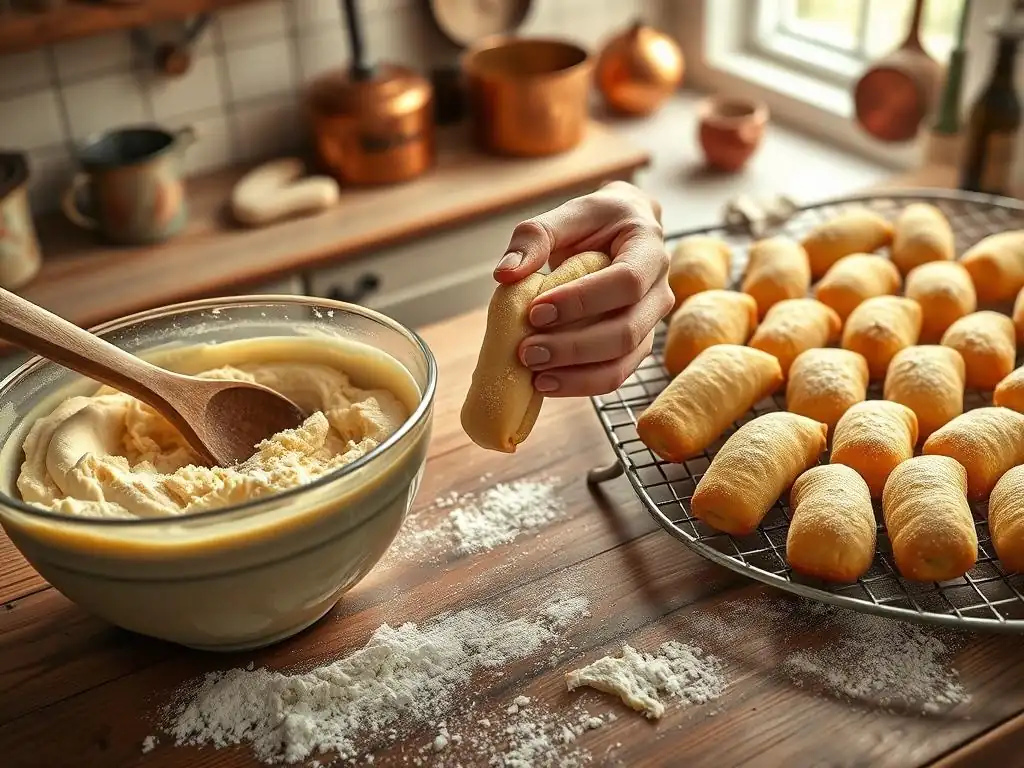
Dealing with Oily or Dense Fastnachts: Troubleshooting Frying Issues
One of the most common issues when making Fastnachts is ending up with doughnuts that are either too greasy or too dense. Greasy Fastnachts are almost always a result of the oil temperature being too low during frying. The dough absorbs the oil instead of cooking quickly. Solution: Use a thermometer and maintain the oil temperature between 350°F and 375°F. Also, avoid overcrowding the pot, which lowers the temperature.
Dense Fastnachts can be caused by several factors: under-proofing (the dough didn't rise enough), insufficient kneading (gluten didn't develop), or overworking the dough (especially scraps). Solution: Ensure your yeast is active, knead the dough until smooth and elastic, allow adequate time for both the first and second rises, and handle the dough gently, particularly after shaping. Using an easy Pennsylvania Dutch fastnacht recipe specifically developed for beginners can help minimize these issues.
Preventing Sticking: Handling Dough and Fried Fastnachts
Sticky dough can be frustrating. While Fastnacht dough is typically soft and slightly tacky, it shouldn't be unmanageably sticky. If it is, it might need a touch more flour added during kneading, but only add a tablespoon at a time until it's easier to handle. Lightly flouring your work surface and hands before rolling and shaping also helps significantly.
Fried Fastnachts can sometimes stick together if piled up immediately after coming out of the oil. Ensure you transfer them to a wire rack set over paper towels to drain, allowing air circulation around them. Don't stack them until they have cooled slightly and the excess oil has drained. If coating with sugar, do so while warm but handle carefully to avoid crushing.
Storing Leftovers: Keeping Fastnachts Fresh
Fastnachts are definitely best enjoyed fresh and warm, ideally within a few hours of frying. Their texture changes as they cool and sit. However, if you have leftovers, they can be stored. Place cooled Fastnachts in an airtight container at room temperature. They will keep for 1-2 days, but the texture will become less airy.
Reheating them gently in a toaster oven or a few seconds in the microwave can revive some of their softness, but they won't be quite like fresh. Freezing is not typically recommended as it significantly impacts the delicate texture. Planning your batch size using an easy Pennsylvania Dutch fastnacht recipe to match how many you expect to eat fresh is the best approach.
Resources for Fastnacht Bakers: Education and Tips
Local Bake Shops and Traditions: Learning from Experts
If you live in or visit a region with a strong Pennsylvania Dutch heritage, such as southeastern Pennsylvania, visiting local bakeries, particularly around Fastnacht Day, can be incredibly insightful. Many bakeries specialize in traditional Fastnachts and observing their techniques (even if from a distance) or simply tasting their product can provide inspiration and a benchmark for your own baking.
Talking to older family members or community members who have been baking Fastnachts for years can also yield invaluable tips and family-specific variations on an easy Pennsylvania Dutch fastnacht recipe. These oral traditions often hold the secrets to perfect texture and flavor passed down through generations.
Online Baking Forums and Blogs: Sharing Tips and Recipes
The internet is a vast resource for home bakers. Many food blogs, forums, and recipe websites feature variations of an easy Pennsylvania Dutch fastnacht recipe. Reading comments sections can provide troubleshooting tips and insights from other home bakers who have tackled this specific doughnut.
Websites dedicated to regional American cuisine or Pennsylvania Dutch culture often have authentic recipes and historical context. Searching for "Easy Pennsylvania Dutch fastnacht recipe forum" or "Fastnacht baking tips blog" can connect you with a community of fellow enthusiasts sharing their experiences and advice.
Recommended Reading: Cookbooks and Articles on PA Dutch Baking
For those who prefer physical resources, numerous cookbooks focus on Pennsylvania Dutch cuisine and baking. These often include traditional Fastnacht recipes, sometimes with historical notes or variations. Look for cookbooks specifically on Pennsylvania Dutch or regional American baking.
Articles in food magazines or historical society publications might also delve into the history and methods of making Fastnachts. While a specific "easy Pennsylvania Dutch fastnacht recipe" might be found online, print resources can offer deeper cultural context and a broader understanding of the tradition.
Enjoy the Rewarding Process of Baking Fastnachts!
The Joys of Enjoying Your Own Fastnachts
There is immense satisfaction in taking a simple list of ingredients and transforming them into a batch of warm, golden Fastnachts. The aroma filling your kitchen is a reward in itself. Sitting down to enjoy one of your own creations, perhaps coated simply in sugar, is a moment to savor the fruits of your labor.
The unique texture – the slight pull of the yeasted dough, the airy interior – is a testament to mastering the process, from kneading to proofing to frying at the correct temperature. Each bite is a connection to a long-standing tradition.
Baking Fastnachts is often about more than just the doughnuts themselves; it's about sharing. Whether you follow a complex family recipe or an easy Pennsylvania Dutch fastnacht recipe, the act of making and sharing these traditional treats reinforces community bonds.
Handing a warm Fastnacht to a friend or family member is sharing a piece of culinary history and a taste of comfort. It's a delicious way to participate in a regional tradition and create new memories around food.
Frequently Asked Questions
What exactly is a Fastnacht, and what makes it traditionally Pennsylvania Dutch?
A Fastnacht is a type of doughnut traditionally made in Pennsylvania Dutch communities. The recipe often uses potatoes and is prepared before Lent as a way to use up rich ingredients.
Are Fastnachts difficult to make, especially for beginner bakers?
While some traditional recipes can be complex, our recipe is designed for beginners, focusing on simple steps and easy-to-find ingredients. We provide clear instructions for a successful bake!
Can I substitute any ingredients in the Easy Pennsylvania Dutch Fastnacht recipe?
Some substitutions are possible, but be mindful of how they affect the dough's texture. For example, using a different type of flour may require adjustments to the liquid amount.
How long do Fastnachts typically last after they've been baked?
Fastnachts are best enjoyed fresh, ideally within a day or two. Storing them in an airtight container can help maintain their freshness. You can also freeze them for longer storage.
What are some common toppings or coatings for Pennsylvania Dutch Fastnachts?
Traditional Fastnachts are often dusted with powdered sugar or granulated sugar. Some variations also include a simple glaze or cinnamon sugar topping.
Final Reflection: The Enduring Sweetness of Tradition
The simple act of making Pennsylvania Dutch Fastnachts transcends mere baking; it's a connection to heritage, a celebration of community, and a delicious testament to the enduring power of tradition. These airy, crispy doughnuts, easily made even by beginners, offer a tangible link to the rich history and culture of Pennsylvania Dutch country. Their popularity continues to grow, proving that some recipes truly stand the test of time.
The process of making Fastnachts, from the careful measuring of ingredients to the satisfying sizzle in the hot oil, is a meditative experience. It's a reminder to slow down, appreciate the simple pleasures, and connect with something larger than ourselves. The best things in life are simple.
This sentiment perfectly encapsulates the essence of the Fastnacht, a seemingly uncomplicated treat that holds immense cultural significance and brings joy to countless individuals. The recipe itself is a living document, passed down through generations, subtly adapting to individual preferences while retaining its core identity.
Now, I invite you to roll up your sleeves, gather your ingredients, and embark on your own Fastnacht journey. Don't be intimidated by the seemingly complex steps; embrace the process, savor the aromas, and share the delicious results with loved ones. The true reward isn't just the delectable taste, but the connection you forge with history, community, and the enduring magic of a time-honored recipe. Let the simple act of baking become a celebration of tradition and a testament to the enduring sweetness of life itself.
Unleash Your Inner Baker: Make Delicious Fastnachts Today!
Thanks for joining us on this Fastnacht baking adventure! We hope you've gained the confidence to tackle this delicious Pennsylvania Dutch tradition. Now it's time to put your newfound skills to the test.
- Bake a batch of Fastnachts this week! Use the recipe and tips from this article as your guide – we bet they'll disappear faster than you can say "pow wow!"
- Share your Fastnacht creations on social media! Use #BakeWithEaseFastnachts and tag us – we'd love to see your baking journey.
- Explore other traditional recipes on BakeWithEase.com – we have a whole world of deliciousness waiting to be discovered.
Ready to roll up your sleeves and experience the joy of homemade Fastnachts? What unique twist will you add to your baking masterpiece?