
Sweet Dough Fermentation: Keeping Yeast Happy with Sugar

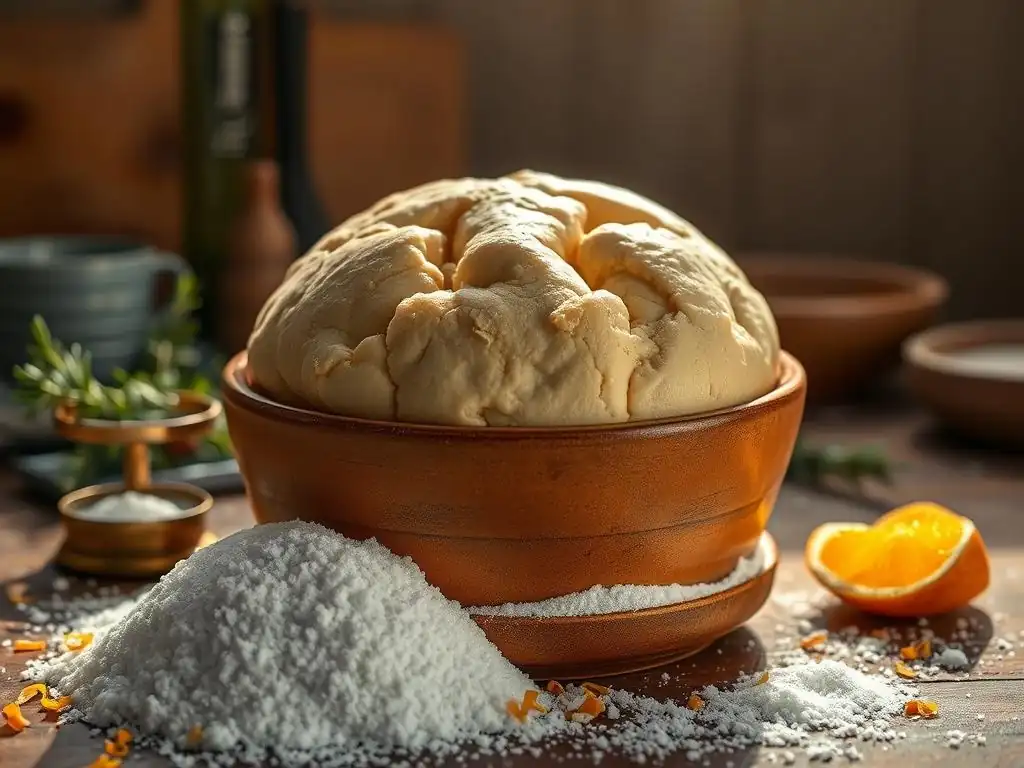
Welcome to BakeWithEase, where we unlock the secrets to baking success! Ever wondered how the magic of fermentation truly works in your sweet doughs? Get ready to dive deep into the science behind it. This week, we're exploring the delicate dance of sugar fermentation yeast tips and how to ensure your yeast stays happy and active for perfectly risen, delicious results. Curious about the perfect sugar-to-yeast ratio? Let's get started!
- Practical Tips for Successful Sweet Dough Fermentation
-
Frequently Asked Questions
- What is the role of sugar in yeast fermentation in sweet dough?
- How does too much sugar affect yeast fermentation?
- What are some tips for ensuring proper sugar and yeast interaction?
- What happens if my sweet dough isn't rising, even with sugar present?
- Are there alternative sweeteners that yeast can ferment besides regular sugar?
- Final Reflection: The Sweet Science of Successful Fermentation
- Unlock Your Bread's Sweet Potential!
Practical Tips for Successful Sweet Dough Fermentation
Mastering sweet dough fermentation is key to achieving those light, airy, and flavorful baked goods we all love. While yeast performs its magic in most doughs, introducing significant amounts of sugar adds a unique variable to the equation. These practical tips for sugar fermentation with yeast will help you navigate the challenges and unlock the full potential of your sweet recipes.
Understanding these nuances is crucial for home bakers looking to improve their results. From selecting the right ingredients to managing the process itself, each step plays a vital role in encouraging healthy yeast activity despite the presence of sugar, ensuring your dough rises beautifully and develops a complex flavor profile during fermentation.
Tip #1: Selecting the Appropriate Yeast Strain for Sweet Dough
Choosing the correct type of yeast is perhaps one of the most impactful sugar fermentation yeast tips for sweet dough. Not all yeast strains are created equal, especially when faced with high sugar concentrations that can actually stress or inhibit standard yeast activity. Using a yeast specifically designed for sweet dough environments can make a significant difference in rise and overall dough health.
Standard active dry or instant yeasts work well in lean doughs (low sugar and fat), but in doughs with sugar levels exceeding roughly 10-15% of the flour weight, they can become sluggish. This is because high sugar creates an osmotic pressure that pulls water out of the yeast cells, hindering their ability to ferment sugars effectively. Opting for a more sugar-tolerant strain is a simple yet powerful adjustment for richer doughs.
Choosing Between Active Dry Yeast, Instant Yeast, and Osmotolerant Yeast
- Active Dry Yeast: Requires proofing in warm liquid before adding to dry ingredients. Less tolerant of high sugar concentrations compared to instant or osmotolerant types.
- Instant Yeast: Can be mixed directly with dry ingredients. Generally more vigorous than active dry yeast and slightly more sugar-tolerant, but still not ideal for very sweet doughs (e.g., >20% sugar relative to flour).
- Osmotolerant Yeast: Specifically bred to withstand high sugar environments (often up to 30% or more sugar). This yeast thrives where others struggle, making it the superior choice for rich brioche, challah, panettone, and other highly sweetened doughs. It ensures robust fermentation even with significant sugar present.
Tip #2: Proofing Yeast: Ensuring Activity and Viability
Proofing active dry yeast before adding it to your dough mix is a classic and reliable way to confirm its viability and give it a head start, especially useful among sugar fermentation yeast tips. This simple step involves dissolving the yeast in a small amount of warm liquid (usually water or milk specified in the recipe) along with a pinch of sugar. Within 5-10 minutes, the mixture should become foamy and bubbly, indicating the yeast is alive and active.
While instant yeast doesn't strictly require proofing as it's designed to be mixed directly into dry ingredients, proofing it can still offer peace of mind, particularly if you're unsure about the yeast's freshness. A quick test in warm liquid (around 105-115°F or 40-46°C) will show if it's ready to perform. This initial activation ensures the yeast is ready to start consuming sugars and producing gas once incorporated into the main dough, leading to a more predictable rise.
Tip #3: Managing Dough Temperature for Consistent Fermentation
Temperature is a critical factor influencing yeast activity and thus the speed and quality of sugar fermentation in yeast doughs. Yeast is a living organism, and like us, it performs best within a specific temperature range. Dough that is too cold will ferment very slowly, potentially allowing other processes like gluten development to outpace fermentation. Dough that is too warm can ferment too quickly, producing off-flavors and potentially over-proofing before sufficient gluten structure has developed.
Finding the sweet spot for your sweet dough is essential for optimal results. Maintaining a consistent dough temperature throughout the fermentation period promotes steady, even gas production. This allows the dough to rise predictably and develop both volume and desirable flavors. Monitoring and controlling dough temperature is one of the most effective sugar fermentation yeast tips for achieving reliable outcomes in your baking.
The Ideal Temperature Range for Sweet Dough Fermentation
For most sweet doughs, an ideal bulk fermentation temperature falls between 75-85°F (24-30°C). This range encourages active yeast fermentation while also allowing for good enzyme activity, which helps break down complex starches into simple sugars that the yeast can consume. Warmer temperatures within this range can speed up fermentation, while cooler temperatures will slow it down, which can be beneficial for flavor development (see Advanced Techniques).
Using a Thermometer for Precise Temperature Control
Achieving and maintaining the ideal dough temperature is easier with a simple kitchen thermometer. After mixing, check the dough temperature. If it's too cold, find a warmer spot for it to rise – a proofing box, an oven with the light on (check temperature first! ), or a warm spot near a sunny window. If it's too warm, a cooler location or even a brief stint in the refrigerator can help bring it down. Regularly monitoring the ambient temperature where the dough is rising can also help you anticipate and adjust.
Tip #4: Monitoring Fermentation Time: Preventing Over-Proofing
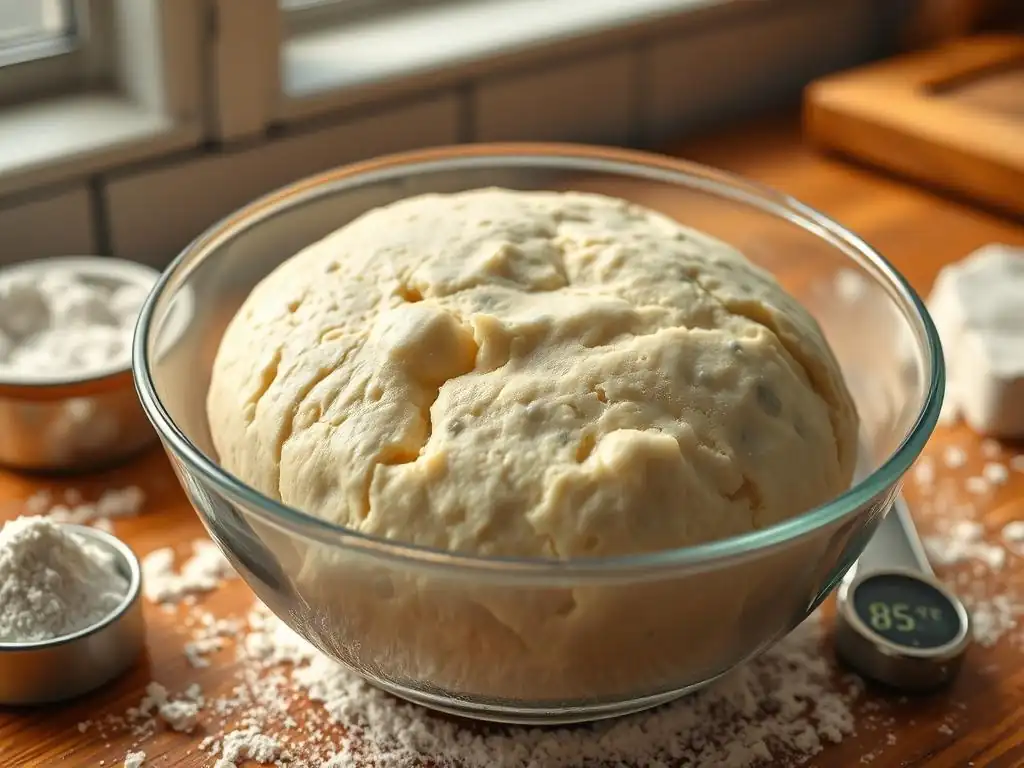
Fermentation time isn't just about waiting; it's about observing. Relying solely on the clock can be misleading because environmental factors like temperature, humidity, and the exact vitality of your yeast will affect how quickly the dough rises. Over-fermentation, or over-proofing, is a common issue that can lead to a collapsed dough, poor oven spring, and a dense texture. Knowing how to tell when your sweet dough is ready is a crucial skill among sugar fermentation yeast tips.
The goal of the initial bulk fermentation is typically for the dough to increase significantly in volume, often doubling in size, and to develop strength and structure. Paying attention to visual and tactile cues is far more reliable than a timer. A properly fermented dough should look puffy and aerated. It should also feel light and soft, not dense or tight. Learning these signs will help you move to the next step in your baking process at the optimal moment.
Visual and Tactile Cues for Determining Dough Readiness
- Volume Increase: The dough should typically double or nearly double in size during the first rise. Use the markings on your proofing container or make a mental note of the starting volume.
- Dome Shape: A well-fermented dough will usually have a nicely rounded, domed surface.
- Bubbles: Look for visible bubbles on the surface or through the sides of a transparent container.
- The Poke Test: Gently press your finger into the dough about half an inch deep.
- If the indentation springs back immediately, the dough needs more time.
- If the indentation slowly springs back halfway, the dough is likely ready.
- If the indentation remains fully, the dough is likely over-proofed.
Tip #5: Properly Incorporating Sugar into the Dough
How and when you add sugar to your sweet dough mix can impact yeast activity. While yeast needs sugar to produce carbon dioxide and alcohol through fermentation, a high concentration of sugar initially can draw water out of the yeast cells via osmosis, slowing them down. Adding sugar correctly minimizes this initial stress on the yeast, ensuring a more efficient start to fermentation.
In many recipes, sugar is added along with the dry ingredients (flour, salt, yeast). This is generally acceptable, especially if using osmotolerant yeast or if the sugar concentration isn't excessively high. However, for very rich, sweet doughs, some bakers prefer to dissolve the sugar in the warm liquid (milk or water) before adding it to the dry ingredients. This pre-dissolving can help mitigate the osmotic shock to the yeast, making it one of the helpful sugar fermentation yeast tips for high-sugar recipes.
Best Practices for Adding Sugar for Optimal Results
- Mix with Dry Ingredients: For standard sweet doughs, adding sugar directly with the flour and yeast is common and effective. Ensure it's evenly distributed.
- Dissolve in Liquid: For very sweet doughs or when using less sugar-tolerant yeast, dissolving the sugar in the warm liquid (used to activate or mix the yeast) before combining with dry ingredients can be beneficial. Ensure the liquid isn't too hot after dissolving the sugar, as this could harm the yeast.
- Avoid Direct Contact with Yeast (initially): If adding sugar separately, try not to dump a large pile of sugar directly onto a small amount of yeast, especially if the yeast is hydrated but not yet mixed into the bulk of the flour and liquid. Mixing it into the larger dough mass dilutes the sugar concentration around individual yeast cells.
Frequently Asked Questions
What is the role of sugar in yeast fermentation in sweet dough?
Sugar is the primary food source for yeast. Yeast consumes sugar and produces carbon dioxide and alcohol, which are essential for dough rising and flavor development. Without sugar, fermentation would be significantly slower.
How does too much sugar affect yeast fermentation?
Excessive sugar can actually hinder fermentation. High concentrations create an osmotic imbalance, drawing water out of the yeast cells and inhibiting their activity, slowing or even stopping fermentation.
What are some tips for ensuring proper sugar and yeast interaction?
Maintain the correct sugar-to-yeast ratio as specified in your recipe. Ensure the sugar is properly dissolved and the yeast is fresh and active before adding it to the dough.
What happens if my sweet dough isn't rising, even with sugar present?
Several factors could be at play. Check the expiration date of your yeast. Ensure your dough environment is warm enough, and avoid over-mixing the dough, which can damage the gluten structure.
Are there alternative sweeteners that yeast can ferment besides regular sugar?
Yes, yeast can ferment other sugars like honey, maple syrup, and molasses. However, the fermentation rate may vary depending on the type of sugar, and this can affect the final flavor and texture of your baked goods.
Final Reflection: The Sweet Science of Successful Fermentation
The delicate dance between sugar and yeast remains a crucial element in baking success, impacting not only the texture and flavor of our bread but also our understanding of the fundamental processes of life. Understanding this interaction, as explored throughout this article, is more than just a baking tip; it's a key to unlocking the potential of natural processes and achieving consistently delicious results.
The impact of yeast fermentation extends far beyond the kitchen; it's a microcosm of the larger biological world, a testament to the power of simple organisms to create complex and delicious results. The art of baking is the art of patience.
This quote, though often applied to the entire process, rings particularly true when considering the subtle nuances of sugar's role in yeast activity. Understanding the optimal sugar levels allows bakers to harness the power of fermentation, creating a superior product while appreciating the intricate biological processes at play.
Now, consider your own baking journey. What have you learned about the relationship between sugar and yeast? Experiment with different sugar types and quantities, observe the changes in your dough, and savor the results. Don't be afraid to fail; each experiment is a step towards mastering the sweet science of fermentation and creating bread that is not only delicious but also a testament to your understanding of this fascinating process. Embrace the journey, and may your loaves always rise to the occasion!
Unlock Your Bread's Sweet Potential!
Thanks for diving deep into the world of sweet dough fermentation! You've now learned how crucial sugar is to a happy yeast colony and a delicious final product. Ready to put your new knowledge to the test?
- Bake a sweeter loaf today! Experiment with different sugar types and quantities in your favorite bread recipe and see how it transforms the texture and flavor. Note your results!
- Share your baking journey! Post a picture of your creation on social media and tag us – we'd love to see your sweet successes (and learn from any delicious failures! ).
- Consider trying a new recipe that highlights the role of sugar, perhaps a brioche or a panettone. Explore the possibilities!
What surprising flavor combinations will you unlock with your newfound understanding of sweet dough fermentation?