
GlutenFree Bread Baking on a Budget: Affordable Flours

Welcome to BakeWithEase, your trusted guide to baking bliss! Are you ready to discover the secret to delicious, affordable gluten-free bread? This week, we're diving into the world of GlutenFree Bread Baking on a Budget, exploring cost-effective flours and techniques that won't break the bank. Curious about how to create a perfect loaf without the hefty price tag? Let's get baking!
- Introduction: Baking Gluten-Free Bread Without Breaking the Bank
- Understanding Gluten-Free Flours for Budget Baking
- Top Affordable Gluten-Free Flours for Bread Baking
- Blending Affordable Gluten-Free Flours for the Best Bread
- Tips for Saving Money on Gluten-Free Bread Baking Ingredients
- Gluten-Free Bread Baking on a Budget: Recipe Ideas
- Troubleshooting Common Problems with Affordable Gluten-Free Bread
- Conclusion: Enjoying Delicious Gluten-Free Bread on a Budget
-
Frequently Asked Questions
- What are the most affordable gluten-free flours for bread baking?
- Can I really bake good gluten-free bread without expensive ingredients?
- What are some tips for saving money on gluten-free bread baking?
- How do I adjust my recipes when using cheaper gluten-free flours?
- Where can I find reliable recipes for gluten-free bread that use budget-friendly ingredients?
- Final Reflection: The Bountiful Bake: Budget-Friendly Gluten-Free Bread
- Unlock Your Gluten-Free Baking Potential!
Introduction: Baking Gluten-Free Bread Without Breaking the Bank
Baking delicious gluten-free bread at home is a rewarding experience, offering fresh loaves free from allergens and tailored to your taste. However, many bakers quickly discover that gluten-free ingredients, particularly flours, can significantly increase the cost compared to traditional wheat-based baking. This often leads to the perception that gluten-free bread baking on a budget is nearly impossible.
But don't despair! It is absolutely possible to enjoy homemade gluten-free bread without spending a fortune. The key lies in understanding which gluten-free flours are the most cost-effective and how to use them effectively. By focusing on readily available and less expensive options, you can significantly reduce the expense of your gluten-free bread baking journey and make it a sustainable practice for your kitchen.
The Challenge of Affordable Gluten-Free Baking
One of the primary hurdles in achieving affordable gluten-free baking is the price point of many specialized gluten-free flours and pre-made blends. While popular ingredients like almond flour or coconut flour offer unique textures and flavors, they often come with a higher price tag due to processing, sourcing, or demand. For someone regularly baking bread, these costs can add up quickly, making gluten-free bread baking on a budget seem out of reach.
Furthermore, crafting gluten-free bread requires a blend of different flours and starches to mimic the structure and texture provided by wheat gluten. Experimenting with various combinations can sometimes lead to wasted ingredients if the results aren't successful, adding another layer to the perceived expense. Finding reliable, budget-friendly methods is crucial for consistent and affordable gluten-free bread baking.
Why Gluten-Free Bread Can Be Expensive and How to Overcome It
The higher cost of gluten-free bread, whether store-bought or homemade using certain ingredients, stems from several factors. Production scale for gluten-free grains is often smaller than wheat, processing requires dedicated facilities to prevent cross-contamination (adding overhead), and some popular gluten-free ingredients like nut flours are inherently more expensive to produce than staple grains. A typical 1-pound loaf of store-bought gluten-free bread might cost anywhere from $5 to $8 or more, significantly higher than a comparable wheat loaf.
To overcome this barrier when baking at home, the strategic choice of flours is paramount. Instead of relying solely on expensive specialty flours or pre-made blends, which can retail for $6-10+ per pound, we can turn to more economical options. Staples like rice flour, tapioca starch, potato starch, and cornstarch are generally less expensive, often costing between $2 and $4 per pound when purchased in standard quantities. Building your flour blends around these affordable bases is the most effective strategy for budget-friendly gluten-free bread baking.
Understanding Gluten-Free Flours for Budget Baking
Navigating the world of gluten-free flours can feel overwhelming, especially when trying to keep costs down. Each flour and starch brings unique properties to the baking process, affecting texture, structure, moisture retention, and flavor. Understanding these characteristics is the first step towards successfully using more affordable options in your gluten-free bread baking on a budget.
Unlike wheat flour, which contains gluten to provide elasticity and structure, gluten-free flours lack this binding network. This is why gluten-free bread often requires a combination of flours, starches, and sometimes binders like xanthan gum or psyllium husk to achieve a desirable crumb and rise. Learning how different affordable flours interact allows you to create effective blends that perform well without resorting to premium-priced ingredients.
Key Characteristics of Gluten-Free Flours
Gluten-free flours can generally be categorized by their role in a blend: structurizers, binders, and tenderizers/moisture retainers.
- Structurizers (like rice flour, sorghum flour, or oat flour - ensure certified GF) provide the bulk and some protein for structure.
- Binders/Starches (like tapioca starch, potato starch, cornstarch) are crucial for holding the bread together, providing chewiness, and helping with moisture.
- Tenderizers/Moisture Retainers (like millet flour or certain nut flours, though the latter are less budget-friendly) can add softness and keep the bread from drying out quickly.
When focusing on affordable gluten-free bread baking, we primarily utilize readily available starches and less expensive grain flours. Rice flour, for instance, provides structure but can be dense. Tapioca starch adds chewiness and helps with crust development. Potato starch contributes to a soft crumb, and cornstarch is an excellent thickener and binder. Combining these in the right ratios is key to mimicking the properties of more expensive blends.
Affordable Gluten-Free Flour Options: A Comparison
Let's look at some of the most budget-friendly contenders for your gluten-free bread baking needs. White rice flour and brown rice flour are foundational, offering neutral flavors and good structure. Tapioca starch (often labeled as tapioca flour) is relatively inexpensive and provides essential binding qualities and chewiness.
Potato starch, distinct from potato flour, is another cost-effective starch that contributes to a tender crumb. Cornstarch, a common pantry item, is perhaps one of the cheapest binders available. Sorghum flour, while slightly more expensive than rice or cornstarch, is often more affordable than quinoa or teff flour and offers more nutritional value and a pleasant, slightly sweet flavor.
Comparing the cost per pound, you'll typically find white rice flour, tapioca starch, potato starch, and cornstarch at the lower end of the spectrum, often ranging from $2-$4 per pound when purchased in 1-3 pound bags. Sorghum flour might fall in the $3-$5 range. In contrast, almond flour can be $8-$15+ per pound, and specialized gluten-free bread blends often cost $5-$10+ per pound. Choosing the affordable options clearly makes a significant difference in the overall cost of your gluten-free bread baking budget.
Top Affordable Gluten-Free Flours for Bread Baking
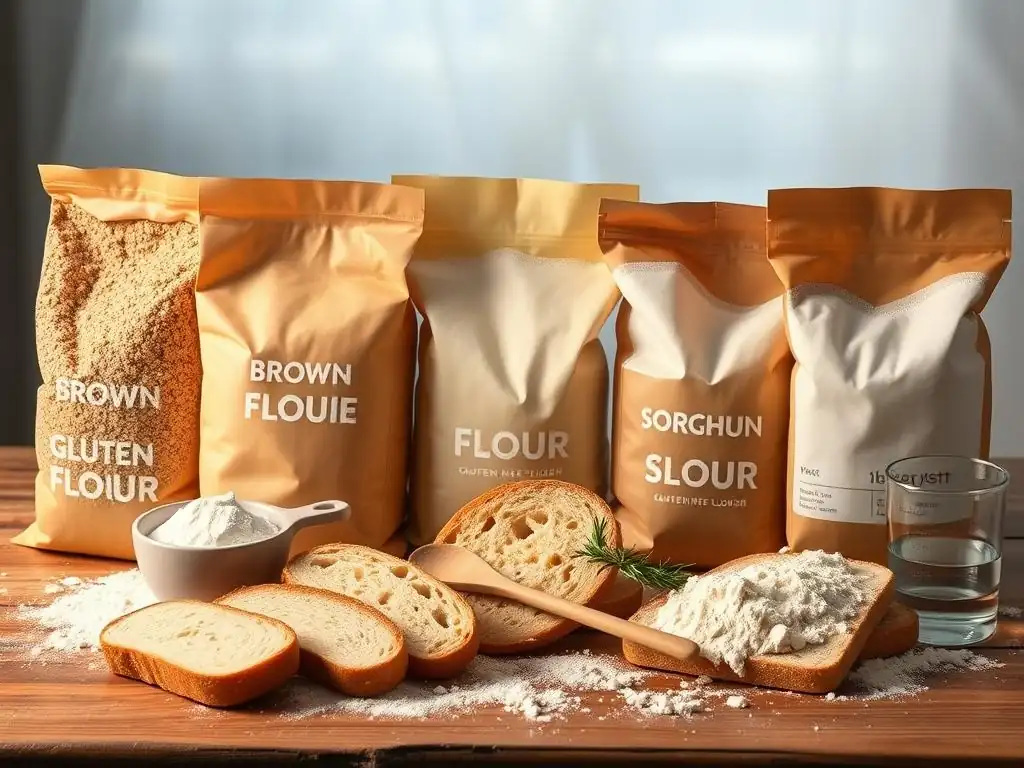
Focusing on a few key, inexpensive flours can dramatically lower the cost of your gluten-free bread baking. These staples are widely available and versatile enough to form the base of many delicious bread recipes. Mastering their individual properties and how they work together is essential for successful and affordable gluten-free bread baking.
By prioritizing these flours, you can avoid the expense of specialty blends or less common ingredients. This approach not only saves money but also simplifies grocery shopping and ensures you always have the necessary components on hand for your next baking project. Let's dive into the specifics of some top budget-friendly choices.
Rice Flour: A Budget-Friendly Staple for Gluten-Free Bread
Rice flour, made from finely milled rice, is perhaps the most widely used and affordable gluten-free flour globally. Available in white and brown varieties, it provides a neutral flavor profile that works well in most bread recipes. White rice flour is lighter and produces a finer crumb, while brown rice flour retains the bran, offering more nutrients, fiber, and a slightly nuttier taste, though it can sometimes make baked goods denser.
Its primary role in gluten-free bread is providing structure and bulk. It's often the largest component in many gluten-free flour blends. Due to its low cost and wide availability – you can find it in most supermarkets and bulk food stores – rice flour is an indispensable ingredient for anyone serious about gluten-free bread baking on a budget. It acts as a reliable base upon which other flours and starches can build.
Using Rice Flour Effectively in Gluten-Free Bread Recipes
While rice flour provides structure, it lacks elasticity and can result in a somewhat crumbly texture if used alone or in too high a proportion without adequate binders. A common ratio in blends might see rice flour making up 40-60% of the total flour weight. To counteract potential dryness or crumbliness, it's crucial to combine it with starches like tapioca or potato starch and often a binder like xanthan gum.
For instance, a simple blend might be 50% rice flour, 30% tapioca starch, and 20% potato starch. This combination leverages the structure of rice flour while the starches contribute binding and tenderness. Hydration is also key when using rice flour; ensuring sufficient liquid in your dough prevents a dry, hard loaf. Experimenting with different rice flour types (white vs. brown) can also subtly alter the final texture and nutritional profile of your budget-friendly gluten-free bread.
Tapioca Starch/Flour: Adding Structure and Texture on a Dime
Tapioca starch, extracted from the cassava root, is another incredibly affordable and versatile ingredient for gluten-free baking. It's known for its ability to create chewiness and crispiness, making it excellent for crust development in bread. It also acts as a fantastic binder, helping to hold gluten-free dough together and preventing crumbling.
Often labeled as either tapioca starch or tapioca flour (they are generally the same product in baking contexts), this ingredient is widely available and typically costs less per pound than most grain-based gluten-free flours. Its slightly sweet flavor is usually imperceptible in savory bread, and its fine, powdery texture blends seamlessly into flour mixes.
Blending Tapioca Starch for Optimal Results
Tapioca starch is rarely used as the sole flour in bread due to its gummy texture when used in high quantities. However, it's a vital component in most gluten-free blends, typically making up 20-30% of the mix. Its binding power is essential for providing that desirable chewiness and helping the bread hold its shape.
When blending, combine tapioca starch with a structural flour like rice flour and potentially another starch like potato starch for balance. For example, a blend could be 60% rice flour, 30% tapioca starch, and 10% other flour/starch. Its gelatinous property when heated helps trap steam, contributing to a better rise and a lighter crumb structure. Incorporating tapioca starch is a cost-effective way to improve the texture and binding of your budget-friendly gluten-free bread.
Potato Starch: A Cost-Effective Solution for Softness
Potato starch, extracted from potatoes, is a fine, white powder that serves as an excellent tenderizer and moisture retainer in gluten-free baking. It contributes to a soft, light crumb and helps keep bread from drying out too quickly. Like tapioca starch, it's a very affordable option, often found in the same price range or slightly less expensive than tapioca.
It's important to distinguish potato starch from potato flour. Potato flour is made from whole, dried, and ground potatoes and is much heavier, absorbent, and has a distinct potato flavor. Potato starch, on the other hand, is pure starch with a neutral taste and a light, powdery texture essential for creating tender baked goods without adding heaviness or flavor. Using potato starch is a smart move for affordable gluten-free bread baking focused on soft texture.
Potato Starch vs. Potato Flour: Understanding the Difference
This distinction is crucial for successful gluten-free bread baking, especially when working with budget-friendly ingredients. Potato starch is a light, white powder used primarily as a thickener and tenderizer in blends. It absorbs liquid when heated and contributes to a moist, soft crumb. It's typically used in smaller proportions (10-20%) within a gluten-free flour blend.
Potato flour, conversely, is a much denser product with a strong potato flavor. It absorbs a lot of liquid and can make baked goods heavy and gummy if not used sparingly. It's not a direct substitute for potato starch in most bread recipes. Always double-check the label to ensure you are purchasing potato starch for your gluten-free bread baking budget recipes.
Cornstarch: An Inexpensive Option for Gluten-Free Baking
Cornstarch, derived from corn, is one of the most common and cheapest starches available. It's a very fine, white powder primarily used as a thickening agent in cooking, but it also plays a role in gluten-free baking as a tenderizer and binder, contributing to a soft and delicate crumb structure.
While cornstarch doesn't offer the chewiness of tapioca starch or the unique tenderness of potato starch, its low cost and widespread availability make it a valuable component in budget-friendly gluten-free flour blends. It's particularly useful for achieving a lighter texture in cakes and muffins but can also be incorporated into bread recipes in moderate amounts. Including cornstarch is a way to further reduce the cost of your gluten-free bread baking budget.
Tips for Using Cornstarch in Gluten-Free Bread
Cornstarch should be used judiciously in gluten-free bread blends. Too much can lead to a dry or somewhat crumbly texture. It's best used in combination with other flours and starches. A typical blend might include cornstarch as part of the starch component, perhaps replacing a small portion of tapioca or potato starch. For example, in a blend calling for 30% starch, you might use 20% tapioca starch and 10% cornstarch.
Mixing cornstarch thoroughly with other dry ingredients before adding liquids is important to prevent clumping. Because it's a pure starch, it provides little nutritional value compared to grain flours, so it's often balanced with flours like rice or sorghum. Using cornstarch strategically allows you to reduce the overall cost of your flour blend while still achieving acceptable texture results in your affordable gluten-free bread.
Sorghum Flour: A Nutritious and Affordable Alternative
Sorghum flour, milled from the ancient grain sorghum, is an excellent, slightly more nutritious option that is still relatively affordable compared to flours like quinoa or almond. It has a mild, slightly sweet flavor and a smooth texture that works well in baked goods. Sorghum is a hardy crop, contributing to its availability and reasonable price point.
It provides more protein and fiber than rice flour or pure starches, adding nutritional value to your gluten-free bread. Sorghum flour can contribute to a softer crumb and can help reduce the gritty texture sometimes associated with rice flour-heavy blends. It's a valuable addition for those seeking a balance between cost, texture, and nutrition in their gluten-free bread baking on a budget.
Recipes that Showcase Sorghum Flour
Sorghum flour works well in combination with rice flour and starches. It can replace a portion of the rice flour in a blend to add flavor complexity and nutritional boost. A blend incorporating sorghum might look like 40% rice flour, 20% sorghum flour, 20% tapioca starch, and 20% potato starch.
Sorghum flour is particularly good in slightly denser, more rustic bread recipes. It pairs well with ingredients like molasses or whole seeds. While not as cheap as pure starches, including sorghum flour can elevate the quality of your affordable gluten-free bread without significantly increasing the cost, especially when compared to using more expensive whole-grain gluten-free flours.
Blending Affordable Gluten-Free Flours for the Best Bread
The secret to successful gluten-free bread baking, particularly on a budget, lies in creating the right flour blend. Since gluten-free flours don't have the binding network of wheat, combining different types is essential to achieve structure, tenderness, and a pleasant crumb. Instead of buying expensive pre-mixed blends, you can save money by purchasing individual affordable flours and mixing them yourself.
Developing your own blends allows for customization based on your desired bread texture and the specific flours you have access to. It also empowers you to control the ingredients and ensure they fit within your gluten-free bread baking budget. While ratios can vary, a common approach is to combine structural flours (like rice or sorghum) with binders/starches (like tapioca, potato, or cornstarch).
Creating Custom Flour Blends for Flavor and Texture
Building a custom blend involves understanding the role of each component. Structural flours provide the base, while starches bind and tenderize. You'll often need a higher percentage of structural flours and a smaller percentage of starches. For instance, a blend might be 60-70% structural flours and 30-40% starches/binders.
Consider the properties:
- Rice flour (white or brown): Structure, bulk.
- Sorghum flour: Structure, mild flavor, nutrition.
- Tapioca starch: Chewiness, binding, crust.
- Potato starch: Tenderness, moisture retention.
- Cornstarch: Tenderizer, binder (use sparingly).
By adjusting the ratios, you can fine-tune the final bread texture. More starch generally leads to a softer, more tender crumb, while more structural flour provides a firmer loaf. Experimentation is key, but starting with proven ratios using affordable flours is a great way to begin your gluten-free bread baking on a budget.
Sample Budget-Friendly Gluten-Free Flour Blend Recipes
Here are a couple of examples of simple, cost-effective flour blends you can make at home using the affordable flours discussed:
- Basic Rice & Starch Blend:
- White Rice Flour: 50%
- Tapioca Starch: 30%
- Potato Starch: 20%
- This blend is very cost-effective and versatile for many basic bread recipes.
- Rice, Sorghum & Starch Blend:
- White Rice Flour: 40%
- Sorghum Flour: 20%
- Tapioca Starch: 25%
- Potato Starch: 15%
- Adds a nutritional boost and slightly different flavor profile with sorghum.
- Rice, Cornstarch & Starch Blend:
- White Rice Flour: 55%
- Tapioca Starch: 25%
- Cornstarch: 10%
- Potato Starch: 10%
- Leverages the low cost of cornstarch for even greater savings.
These are just starting points. You can adjust slightly based on your preferences and what's available. Remember to mix your blend thoroughly before using it in a recipe. Store your homemade blend in an airtight container in a cool, dark place.
Tips for Saving Money on Gluten-Free Bread Baking Ingredients
Beyond choosing affordable flours, several other strategies can help you reduce the overall cost of your gluten-free bread baking. Baking gluten-free bread on a budget is a holistic approach that involves smart shopping, efficient storage, and minimizing waste.
By implementing these tips, you can ensure that your passion for homemade gluten-free bread doesn't strain your finances. Every little bit saved on ingredients adds up over time, making regular gluten-free baking a more sustainable and enjoyable activity.
Buying in Bulk: Maximizing Savings on Gluten-Free Flours
One of the most effective ways to save money on gluten-free flours is to buy them in larger quantities. While a one-pound bag of rice flour might cost $3-$4, a five-pound bag could cost $10-$15, significantly reducing the price per pound. Starches like tapioca and potato starch also see similar price reductions when purchased in bulk (e.g., 3-pound or 5-pound bags).
Look for bulk bins at natural food stores or consider purchasing larger bags online from reputable suppliers. Before buying in bulk, ensure you have adequate airtight storage containers to keep the flours fresh and protected from pests. Storing flours in the refrigerator or freezer can extend their shelf life even further, especially for brown rice or sorghum flour which have higher oil content. Buying in bulk is a cornerstone of affordable gluten-free bread baking.
Sourcing Affordable Gluten-Free Ingredients Online and Locally
Comparing prices from different sources is crucial for finding the best deals on your gluten-free baking ingredients.
Consider these options:
- Local Supermarkets: Check the baking aisle, natural foods section, and sometimes international food aisles (for rice flour). Compare prices between different brands.
- Bulk Food Stores: Often offer the best prices per pound for common flours and starches like rice, tapioca, potato starch, and cornstarch.
- Online Retailers: Websites specializing in gluten-free products or general online marketplaces can offer competitive prices, especially when buying in bulk or taking advantage of sales. Factor in shipping costs.
- Discount Grocers: Sometimes carry gluten-free staples at lower prices.
Keep an eye out for sales and coupons. Stock up on your most-used affordable flours when they are on sale. This proactive approach to sourcing helps maintain your gluten-free bread baking on a budget.
Reducing Food Waste in Gluten-Free Baking
Wasting ingredients directly impacts your budget. Gluten-free flours can be expensive, even the more affordable ones, so using them efficiently is key.
Here's how to minimize waste:
- Accurate Measuring: Use kitchen scales for precise measurements of flours and liquids. This leads to more consistent results and reduces failed bakes.
- Proper Storage: Store flours and starches in airtight containers in a cool, dark place. Refrigerating or freezing extends shelf life, especially for whole-grain flours like brown rice or sorghum.
- Check Expiration Dates: Rotate your stock and use older flours first.
- Rescuing "Failed" Bakes: Sometimes a loaf doesn't turn out perfectly. If it's just a bit dense or crumbly, it can often be repurposed into bread crumbs or croutons, rather than being discarded.
- Plan Your Baking: Only buy ingredients you know you will use within a reasonable timeframe.
By minimizing waste, you ensure that every dollar spent on ingredients goes towards successful, delicious gluten-free bread, reinforcing your gluten-free bread baking budget goals.
Gluten-Free Bread Baking on a Budget: Recipe Ideas

Putting the affordable flours into practice is the most exciting part! While specific measurements vary by recipe, understanding how to build recipes around budget-friendly staples is key. Here are a couple of ideas illustrating how you can create delicious gluten-free bread using primarily inexpensive flours.
These concepts focus on simple ingredient lists and straightforward techniques, making them accessible for beginners and experienced bakers alike who are focused on affordable gluten-free bread baking.
Simple and Affordable Gluten-Free Bread Recipe Using Rice Flour
Imagine a basic sandwich bread where the primary flour is white rice flour, combined with tapioca starch and potato starch for texture. This type of recipe typically uses a generous amount of liquid to hydrate the rice flour properly. You might also include a small amount of a binder like psyllium husk or xanthan gum (purchased in small quantities, these binders are used in tiny amounts per loaf, making their cost per loaf quite low) to help with structure and prevent crumbling, which is a common issue when relying heavily on rice flour.
The process would involve mixing the dry ingredients (your rice/starch blend, yeast, salt, binder), adding warm liquid (water or milk, maybe a touch of oil or sugar), mixing into a batter-like or very soft dough consistency (gluten-free bread dough is often wetter than wheat dough), letting it rise, and then baking. This approach minimizes the need for expensive specialty flours and focuses on the reliable, low-cost performance of rice and starches for a basic, functional loaf perfect for sandwiches or toast, embodying the spirit of gluten-free bread baking on a budget.
Budget-Friendly Gluten-Free Sandwich Bread Recipe
A slightly more enriched budget-friendly sandwich bread might incorporate a small amount of sorghum flour alongside the rice and starches for added flavor and nutrition. This recipe could include a bit of sugar or honey to aid yeast activity and improve crust browning, and maybe a tablespoon or two of vegetable oil or melted butter for softness.
The method would likely be similar to the simple rice flour loaf, but the inclusion of sorghum adds a different dimension. Using warm milk instead of water could also contribute to a softer crust and richer flavor without significantly increasing cost if milk is a staple you already purchase. This type of recipe demonstrates how you can enhance flavor and texture within a budget, still relying on affordable flours as the base for your gluten-free bread baking on a budget.
Troubleshooting Common Problems with Affordable Gluten-Free Bread
Working with affordable gluten-free flours can sometimes present unique challenges. Because these flours lack gluten and might be used in simple blends, issues like crumbliness, gummy textures, or poor rise can occur. Don't get discouraged! Understanding the common pitfalls and how to address them is part of the learning process in affordable gluten-free bread baking.
Many of these issues can be resolved with simple adjustments to your technique or blend ratios. Patience and a willingness to experiment are key to mastering budget-friendly gluten-free bread.
Dealing with Crumbly Gluten-Free Bread
Crumbly bread is a frequent complaint in gluten-free baking, often resulting from insufficient binding or hydration. When using affordable flours like rice flour as a base, this can be particularly common if the starch component isn't high enough or if a binder is omitted.
Solutions include:
- Increase Starch: Ensure your blend has enough tapioca and/or potato starch (aim for 30-40% of the total flour weight). Tapioca starch is particularly helpful for binding.
- Add a Binder: Incorporating a small amount (e.g., 1-2 teaspoons per cup of flour blend) of psyllium husk or xanthan gum is highly effective at preventing crumbling. While these aren't flours, a small package lasts for many loaves, making the cost per loaf minimal.
- Increase Hydration: Gluten-free doughs often need more liquid than wheat doughs. A dough that looks too wet might be just right for a gluten-free loaf. Don't be afraid of a sticky batter-like consistency.
- Proper Cooling: Allow the bread to cool completely on a wire rack before slicing. Slicing hot bread can worsen crumbliness.
Avoiding Gummy Textures in Budget Gluten-Free Bread
On the flip side, a gummy texture can occur if there's too much starch, insufficient baking time, or improper cooling. Using too much tapioca starch, in particular, can lead to a chewy, slightly gummy interior.
To prevent gumminess:
- Balance Starches: Ensure your starch blend isn't too high in tapioca starch. Balancing it with potato starch or cornstarch can help.
- Adequate Baking Time: Bake the bread until it reaches an internal temperature of around 200-210°F (93-99°C). An underbaked loaf will be gummy.
- Cool Completely: Again, proper cooling is essential. The internal structure of the bread continues to set as it cools.
- Storage: Store cooled bread correctly (e.g., in a bread box or wrapped) to maintain texture. Avoid storing warm bread in airtight containers, which can trap moisture and promote gumminess.
Improving the Rise of Affordable Gluten-Free Bread
Achieving a good rise in gluten-free bread can be tricky without the gluten network. Affordable flours like rice flour can be dense. Poor rise might be due to inactive yeast, insufficient liquid, or a blend that's too heavy.
Tips for better rise:
- Check Yeast Activity: Ensure your yeast is fresh and active by proofing it in warm liquid with a pinch of sugar.
- Proper Hydration: A dough that's too dry won't rise well. Ensure you're using enough liquid as specified in your recipe or aiming for a wet, scoopable consistency.
- Warm Environment: Gluten-free doughs often benefit from rising in a warm, draft-free place.
- Use a Binder: Psyllium husk or xanthan gum help create structure that supports the rise.
- Consider Leavening: Some recipes benefit from a combination of yeast and baking powder/soda for an extra lift.
By understanding these common issues and their solutions, you can successfully bake delicious, well-textured gluten-free bread even when working with a tight gluten-free bread baking budget.
Conclusion: Enjoying Delicious Gluten-Free Bread on a Budget
Baking gluten-free bread doesn't have to be an expensive endeavor. By focusing on affordable and readily available flours like rice flour, tapioca starch, potato starch, cornstarch, and sorghum flour, you can create high-quality, delicious loaves without the premium price tag often associated with gluten-free products. Mastering the art of blending these cost-effective ingredients empowers you to control both the quality and the cost of your homemade bread.
Remember the key strategies: choose inexpensive base flours, learn to create your own blends, buy in bulk when possible, source ingredients wisely, and minimize waste. Armed with this knowledge, you are well-equipped to embark on a fulfilling and economical gluten-free bread baking journey.
The Future of Affordable Gluten-Free Baking
As the demand for gluten-free products continues to grow, research into alternative grains and cost-effective processing methods may lead to even more affordable options in the future. However, the principles of using accessible, naturally gluten-free staples like rice, corn, and potato products will likely remain fundamental to budget-friendly gluten-free bread baking.
By embracing these affordable flours now, you are not only saving money but also gaining valuable skills in adapting recipes and understanding ingredient properties. This knowledge will serve you well, whether you're baking for necessity or simply enjoying the craft of creating wholesome, homemade bread that fits your gluten-free bread baking budget. Happy baking!
Frequently Asked Questions
What are the most affordable gluten-free flours for bread baking?
The most budget-friendly options are often blends based on rice flour, tapioca starch, and potato starch. These are generally cheaper than single-source flours like almond or coconut flour.
Can I really bake good gluten-free bread without expensive ingredients?
Yes! While specialty ingredients exist, you can achieve great results by understanding how to combine affordable gluten-free flours and use basic baking techniques effectively.
What are some tips for saving money on gluten-free bread baking?
Buy flour in bulk when possible, look for sales and discounts, and consider making your own gluten-free flour blends from individual ingredients.
How do I adjust my recipes when using cheaper gluten-free flours?
Cheaper flours often require more binding agents like xanthan gum or psyllium husk. Experiment with small adjustments to find the right balance for your desired texture.
Where can I find reliable recipes for gluten-free bread that use budget-friendly ingredients?
BakeWithEase.com offers a variety of gluten-free bread recipes specifically designed with affordable flours in mind. Look for recipes tagged with "budget-friendly" or "gluten-free bread".
Final Reflection: The Bountiful Bake: Budget-Friendly Gluten-Free Bread
The rising cost of living shouldn't mean sacrificing delicious, homemade gluten-free bread. This exploration into affordable gluten-free flour alternatives proves that nourishing, satisfying loaves are within reach for everyone, regardless of budget constraints. We've debunked the myth that gluten-free baking is an exclusive, expensive hobby.
This journey into budget-friendly gluten-free baking has been deeply rewarding, not just for the delicious results, but for the sense of empowerment it provides. It highlights the importance of resourcefulness and creativity in the kitchen, reminding us that culinary satisfaction isn't solely determined by price tags. The best things in life are not things.
– Unknown. This rings especially true when considering the joy of creating something wholesome and delicious from simple, affordable ingredients. The impact extends beyond the individual, fostering a sense of community among those seeking accessible and healthy food options.
Now, it's your turn. Consider the recipes and tips shared within this article, and let them inspire you to experiment with different flour blends and techniques. Don't be afraid to get your hands dirty, to embrace the process, and to discover your own signature gluten-free loaf. The journey of baking, especially on a budget, is a testament to resourcefulness and the enduring power of homemade goodness. Embrace the challenge, and savor the rewards.
Unlock Your Gluten-Free Baking Potential!
Thanks for taking the time to explore the world of affordable gluten-free baking! You've now discovered how to create delicious bread without breaking the bank. Ready to get started?
- Bake your first budget-friendly gluten-free loaf: Use the flour blends and recipes discussed to create a masterpiece today! Experiment with different combinations to find your perfect mix.
- Share your baking success: Post a picture of your creation on social media and tag us @BakeWithEase (not a real account, for illustrative purposes)! Let's inspire others to bake affordably!
- Explore creative substitutions: Think outside the box! Try substituting ingredients to discover unique flavor combinations within your budget.
What unexpected ingredient will you try in your next gluten-free bread adventure?