
Simple Classic Yellow Cake: An Easy Beginner Recipe

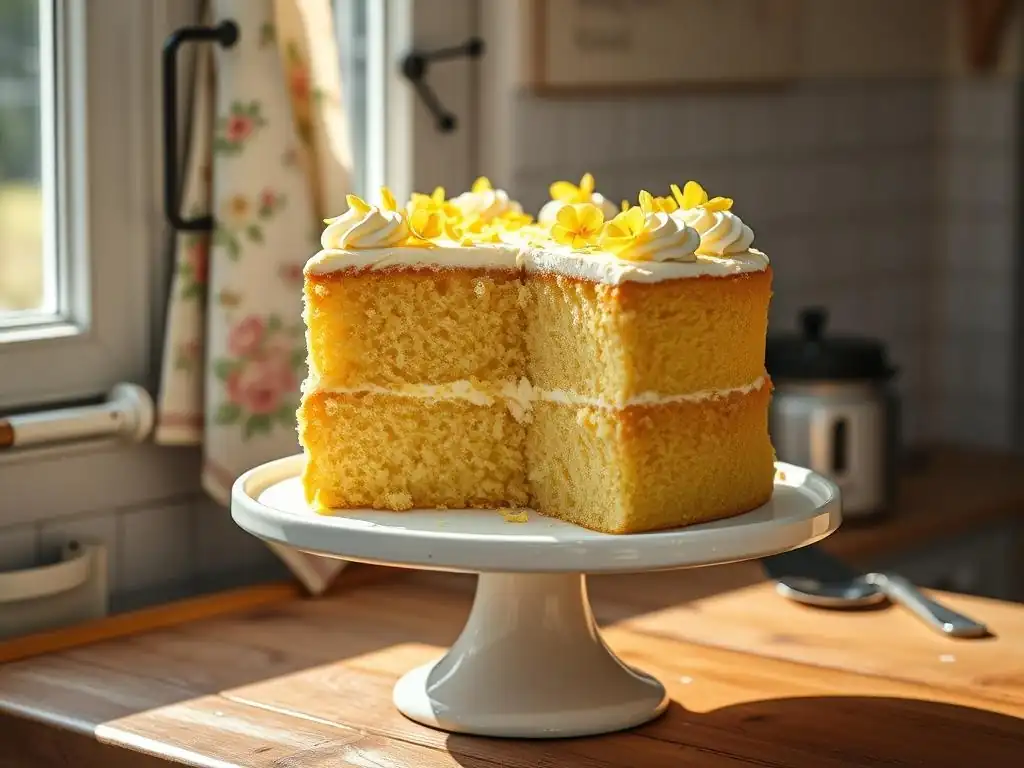
Welcome to BakeWithEase, your haven for delicious adventures in baking! Ever dreamed of effortlessly whipping up a perfect dessert? Our easy classic yellow cake recipe is your starting point. Discover the secrets to a moist, flavorful cake that even a complete beginner can master. Ready to unlock the joy of baking? Let's get started – the first step is surprisingly simple...
- Bake a Delicious Classic Yellow Cake
- Why This Easy Recipe Works
- Gathering Your Ingredients
- Preparing the Cake Batter
- Baking Your Yellow Cake
- Cooling and Finishing
- Troubleshooting Common Issues
- Storing Your Yellow Cake
- Simple Variations
- Enjoy Your Delicious Yellow Cake!
-
Frequently Asked Questions
- What makes this classic yellow cake recipe "easy"?
- What are the key ingredients needed for this yellow cake?
- Can I adapt this recipe to make cupcakes instead of a cake?
- What's the best way to ensure my cake is moist and not dry?
- I don't have buttermilk. What's a good substitute to use in this recipe?
- Final Reflection: The Enduring Allure of a Simple Yellow Cake
- Unlock Your Inner Baker: Bake This Cake Today!
Bake a Delicious Classic Yellow Cake
Welcome to your first step into the wonderful world of cake baking! This easy classic yellow cake recipe is designed specifically for beginners. We'll guide you through each stage, from gathering your ingredients to enjoying a slice of moist, tender cake. Yellow cake is a beloved classic, known for its rich flavor thanks to egg yolks and butter, and its ability to pair perfectly with almost any frosting.
Mastering this easy classic yellow cake recipe provides a fundamental skill set you can apply to countless other baking projects. You'll learn essential techniques like creaming butter and sugar, combining wet and dry ingredients correctly, and knowing when your cake is perfectly baked. By starting with this simple recipe, you build confidence and lay the groundwork for more adventurous baking in the future.
Why This Easy Recipe Works
This particular easy classic yellow cake recipe is a favorite for novice bakers because it simplifies the process without sacrificing flavor or texture. It relies on basic pantry staples and straightforward instructions that minimize the risk of common baking pitfalls. The result is a consistently delicious cake that looks and tastes like you spent hours in the kitchen.
The beauty of this easy classic yellow cake recipe lies in its reliability. Unlike some finicky cake recipes, this one is quite forgiving. It's designed to produce a moist crumb and lovely golden color every time, making it an ideal starting point for anyone just learning to bake. Plus, the simple flavor profile is a blank canvas for your favorite frostings and decorations.
Simple, Accessible Ingredients
One of the key reasons this is such an easy classic yellow cake recipe is that it uses ingredients you likely already have in your pantry and refrigerator. You won't need any specialty flours or hard-to-find extracts. We're talking about all-purpose flour, granulated sugar, butter, eggs, milk, baking powder, salt, and vanilla extract.
Using these common ingredients makes this easy classic yellow cake recipe budget-friendly and convenient. You can decide to bake on a whim without a special trip to the grocery store. For instance, a standard box of all-purpose flour (around 5 lbs) contains roughly 18-20 cups, more than enough for several batches of this cake, and eggs are typically sold in dozens, providing ample supply.
Clear Step-by-Step Instructions
Following instructions is crucial in baking, and this easy classic yellow cake recipe breaks everything down into manageable steps. Each stage is clearly defined, from preheating the oven to the final cooling period. This methodical approach helps prevent confusion and ensures you perform each action at the right time.
The step-by-step nature of this easy classic yellow cake recipe allows beginners to focus on one task at a time, building confidence with each completed stage. We'll specify exactly when to add each ingredient and what consistency you should be looking for, taking the guesswork out of the process. For example, creaming butter and sugar usually takes about 3-5 minutes to achieve the correct light and fluffy texture.
Tips for a Tender, Moist Cake
Achieving a tender, moist crumb is the hallmark of a great yellow cake, and this easy classic yellow cake recipe includes specific tips to ensure success. Using room-temperature ingredients, for instance, is vital as it allows them to emulsify properly, creating a smoother batter. Overmixing the batter, conversely, can develop the gluten too much, resulting in a tough cake.
This easy classic yellow cake recipe emphasizes gentle mixing after the dry ingredients are added and precise baking times. Baking just until a toothpick comes out clean prevents the cake from drying out. Using whole milk also contributes to richness and moisture compared to lower-fat alternatives. For example, using butter that is too cold (straight from the fridge) can lead to a lumpy batter and uneven texture, while butter that is too warm (melted) won't cream properly with the sugar to incorporate air.
Gathering Your Ingredients
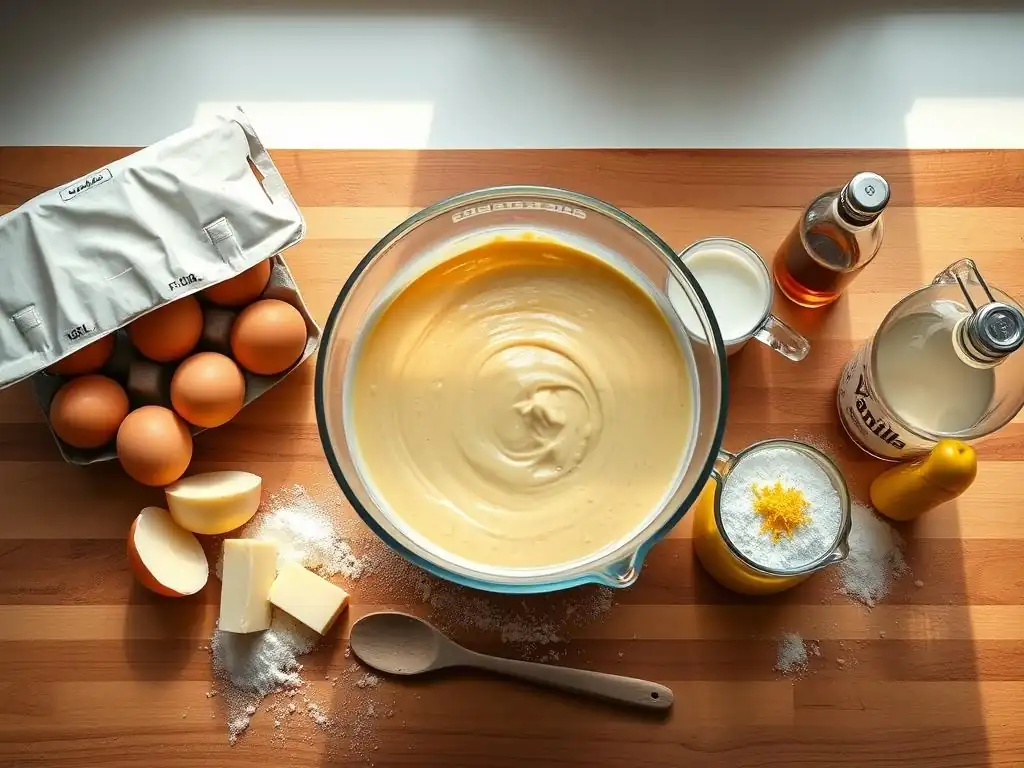
Before you begin mixing, it's essential to have all your ingredients measured out and ready. This practice, known as "mise en place" in the culinary world, saves time and prevents you from forgetting a crucial component mid-recipe. For this easy classic yellow cake recipe, ensure your butter and eggs are at room temperature – this usually takes about 30-60 minutes out of the refrigerator.
Having everything prepped also helps you double-check quantities. This easy classic yellow cake recipe calls for specific amounts, like 1 ¾ cups of all-purpose flour or ½ cup (one stick) of unsalted butter. Accurate measuring, especially of flour (spooned lightly into a cup and leveled off), is key to the cake's structure and moisture.
Essential Baking Supplies
To make this easy classic yellow cake recipe, you'll need a few basic baking tools. A standard 8-inch or 9-inch round cake pan is perfect; using two pans allows you to make a layer cake. You'll also need measuring cups and spoons, a mixing bowl (medium to large), a whisk or electric mixer (handheld or stand mixer), and a rubber spatula.
Other helpful supplies for this easy classic yellow cake recipe include parchment paper to line the bottom of your pan(s) for easy removal, a wire rack for cooling, and a toothpick or cake tester to check for doneness. Having these items ready before you start mixing ensures a smooth process. A standard 8-inch round pan typically holds about 6-8 cups of batter, which this recipe yields.
Choosing Quality Ingredients
While this is an easy classic yellow cake recipe using common ingredients, the quality of those ingredients can impact the final taste. Using unsalted butter gives you control over the salt level in the recipe. Opting for large eggs ensures consistent results, as recipes are typically developed using this size.
For the best flavor in your easy classic yellow cake recipe, choose pure vanilla extract over imitation vanilla. The difference in aroma and taste is noticeable. Using fresh baking powder is also crucial; check the expiration date, as expired baking powder won't provide adequate lift, resulting in a dense cake. A quick test for baking powder freshness is to add a teaspoon to a few tablespoons of hot water; it should bubble vigorously.
Preparing the Cake Batter
The process of making the batter for this easy classic yellow cake recipe involves combining the ingredients in a specific order to create the right structure and texture. This typically starts with creaming the butter and sugar, which incorporates air into the mixture, contributing to the cake's light crumb.
Following the steps precisely ensures all ingredients are properly integrated without overmixing. Overmixing can lead to a tough cake because it develops the gluten in the flour excessively. This easy classic yellow cake recipe guides you through gently combining the wet and dry elements.
Creaming Butter and Sugar
Creaming is a vital step in many cake recipes, including this easy classic yellow cake recipe. It involves beating softened butter with granulated sugar until the mixture becomes light, fluffy, and pale yellow. This process creates tiny air pockets that expand in the oven, helping the cake rise.
Using room-temperature butter is essential for proper creaming. If the butter is too cold, it won't incorporate the sugar effectively. If it's too warm, it will be greasy and won't hold the air. With an electric mixer, this step usually takes 3 to 5 minutes on medium speed. You'll see the mixture increase slightly in volume and lighten in color.
Adding Eggs and Vanilla
After creaming the butter and sugar for your easy classic yellow cake recipe, you'll add the eggs, one at a time, beating well after each addition. Eggs provide structure, richness, and moisture. Adding them individually allows them to emulsify properly with the butter mixture, preventing the batter from separating.
Incorporating the vanilla extract at this stage ensures its flavor is evenly distributed throughout the batter. This easy classic yellow cake recipe benefits greatly from the warm, aromatic notes of vanilla. Beating each egg for about 30 seconds after adding helps incorporate it fully into the batter before adding the next.
Alternating Dry and Wet Ingredients
A common technique for moist cakes, used in this easy classic yellow cake recipe, is adding the dry ingredients (flour, baking powder, salt) and wet ingredients (milk) alternately to the creamed mixture. You typically start and end with the dry ingredients. For example, you might add one-third of the flour mixture, mix gently, then half the milk, mix, another third of the flour, mix, the remaining milk, mix, and finally the last third of the flour, mixing just until combined.
This method helps create a tender cake crumb by preventing overmixing of the flour. Overmixing develops gluten, leading to a tough texture. In this easy classic yellow cake recipe, you'll mix on low speed or by hand during this stage, stopping as soon as no dry streaks of flour are visible.
Batter Consistency
The finished batter for this easy classic yellow cake recipe should be smooth and relatively thick, but still pourable. It shouldn't be overly stiff or runny. The correct consistency indicates that the ingredients are properly emulsified and the gluten development is controlled.
If your batter for this easy classic yellow cake recipe seems too thick, double-check your liquid measurements. If it seems too thin, ensure you measured your dry ingredients accurately. The batter should easily scrape from the sides of the bowl with a spatula and spread relatively evenly when poured into the prepared pan(s).
Baking Your Yellow Cake
Baking is where the magic happens! Getting the oven temperature right and knowing how long to bake are crucial for a perfectly cooked cake. This easy classic yellow cake recipe provides a reliable temperature and time range, but remember that ovens can vary, so keeping an eye on your cake is important.
Proper preparation of your cake pan(s) is also key to ensuring your cake doesn't stick, allowing for easy removal once baked. This step is simple but essential for the success of your easy classic yellow cake recipe.
Preparing Your Cake Pan
Before pouring in your batter, you need to prepare your cake pan(s) to prevent sticking. For this easy classic yellow cake recipe, you can grease and flour the pan(s). To do this, lightly coat the inside of the pan with butter or non-stick cooking spray, then add a tablespoon or two of flour, tilting and tapping the pan to coat the entire surface. Pour out any excess flour.
Alternatively, you can line the bottom of the pan(s) with parchment paper after greasing. Simply trace the bottom of the pan onto parchment, cut it out, place it in the greased pan, and then grease the parchment paper as well. This method offers extra insurance against sticking, especially with an easy classic yellow cake recipe where you want a clean release.
Baking Time and Temperature
Preheat your oven to 350°F (175°C) before you even start mixing the batter. A properly preheated oven is essential for even baking and proper rising. Once the oven is ready and your batter is in the prepared pan(s), place the pan(s) in the center of the oven.
For an 8-inch or 9-inch round cake, this easy classic yellow cake recipe typically bakes for 30 to 35 minutes. Baking time can vary based on your oven and the exact size of your pan. Begin checking around the 30-minute mark. Baking too long can result in a dry cake, so it's better to check early.
Checking for Doneness
Knowing exactly when your easy classic yellow cake recipe is done is a skill you'll develop with practice. The most reliable method is the toothpick test. Insert a wooden toothpick into the center of the cake. If it comes out clean or with only a few moist crumbs attached, the cake is done. If it comes out with wet batter, it needs more time.
Another indicator is that the edges of the cake will start to pull away slightly from the sides of the pan, and the top will spring back gently when lightly pressed. Avoid opening the oven door too frequently during baking, especially in the first 20-25 minutes, as this can cause the cake to sink.
Cooling and Finishing
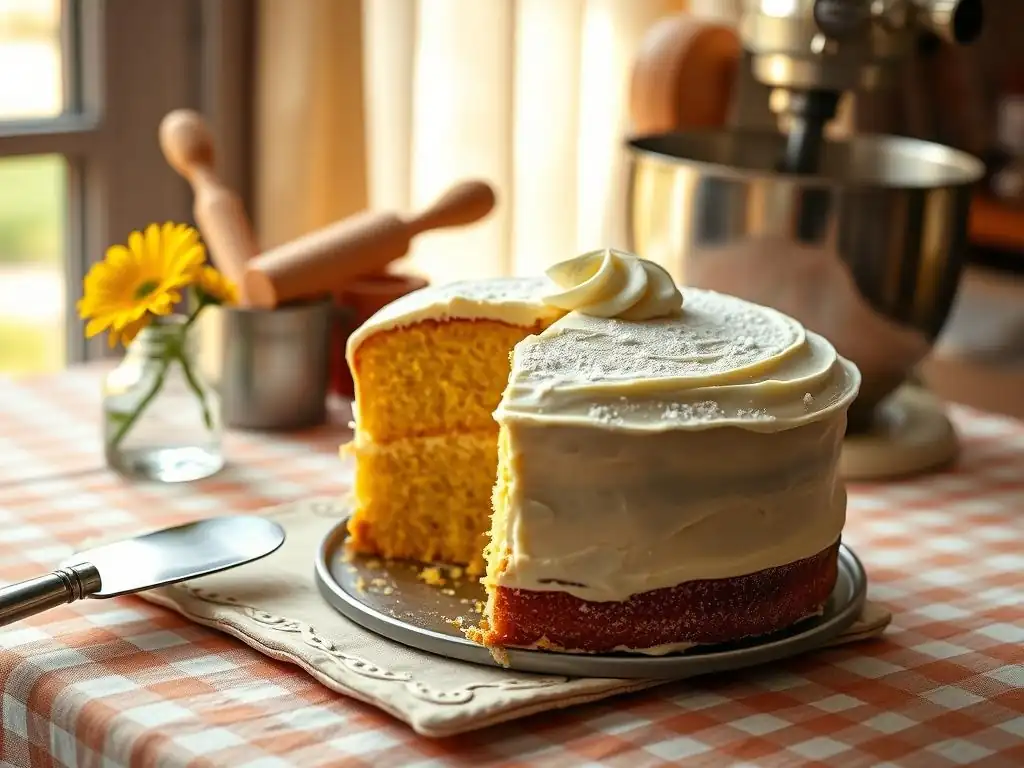
Cooling your cake properly after baking is just as important as the baking process itself. Rushing this step can lead to the cake breaking or becoming dense. This easy classic yellow cake recipe requires two stages of cooling.
Once cooled, your easy classic yellow cake is ready for its final touches! While delicious on its own, it's often enhanced with frosting and other toppings.
Cooling Properly
After taking your easy classic yellow cake recipe out of the oven, let it cool in the pan for about 10-15 minutes. This allows the cake to firm up slightly before you attempt to remove it. If you try to remove it too soon, it's likely to crumble or break.
After the initial cooling in the pan, carefully invert the cake onto a wire rack to cool completely. A wire rack allows air to circulate around the entire cake, preventing condensation that can make the bottom soggy. Ensure the cake is completely cool, which can take 1-2 hours, before frosting or storing.
Serving Suggestions
This easy classic yellow cake recipe is incredibly versatile when it comes to serving. It's a perfect base for classic chocolate or vanilla buttercream frosting. You can also serve it simply dusted with powdered sugar, topped with fresh berries and whipped cream, or alongside a scoop of ice cream.
Consider layering the cake with fruit fillings or custard for a more elaborate dessert. The mild, buttery flavor of this easy classic yellow cake recipe complements a wide range of flavors, from tart lemon curd to rich chocolate ganache.
Troubleshooting Common Issues
Even with an easy classic yellow cake recipe, beginners can encounter challenges. Knowing how to identify and address common problems will help you learn and improve your baking skills. Most issues can be traced back to ingredient measurements, mixing techniques, or oven temperature.
Don't be discouraged if your first attempt isn't absolutely perfect. Baking is a skill that improves with practice. Understanding why something went wrong is the first step to getting it right next time with this easy classic yellow cake recipe.
Avoiding a Dense Cake
A dense or heavy cake is a common issue, often caused by overmixing the batter once the flour has been added or by using ingredients that are too cold. Overmixing develops gluten, making the cake tough and dense.
To avoid this with your easy classic yellow cake recipe, mix the dry ingredients into the wet ingredients just until they are combined and no dry streaks of flour remain. Also, ensure your butter and eggs are at room temperature before you start. Using expired baking powder can also lead to a dense cake because it won't provide enough lift; always check the date.
Preventing Burning or Drying
Burning or drying out your easy classic yellow cake recipe is usually a matter of oven temperature or baking time. An oven that runs hot will bake the cake faster, potentially burning the edges before the center is cooked, or drying out the whole cake if left in too long.
Using an oven thermometer can help verify your oven's actual temperature. Always start checking for doneness at the minimum specified baking time (e.g., 30 minutes for this recipe) and use the toothpick test. If the edges are browning too quickly, you can loosely tent the cake with foil for the remaining baking time.
Dealing with Uneven Baking
Uneven baking, where one part of the cake is done while another isn't, can be caused by a few factors. Hot spots in your oven are a common culprit. Placing the cake pan too close to an oven wall or heating element can also cause one side to bake faster.
To help ensure even baking with your easy classic yellow cake recipe, place the pan in the center of the oven rack. If you suspect your oven has hot spots, you can try rotating the pan halfway through the baking time (e.g., at the 15-minute mark), but avoid doing this too early or too frequently. Ensure your batter is evenly spread in the pan before baking.
Storing Your Yellow Cake
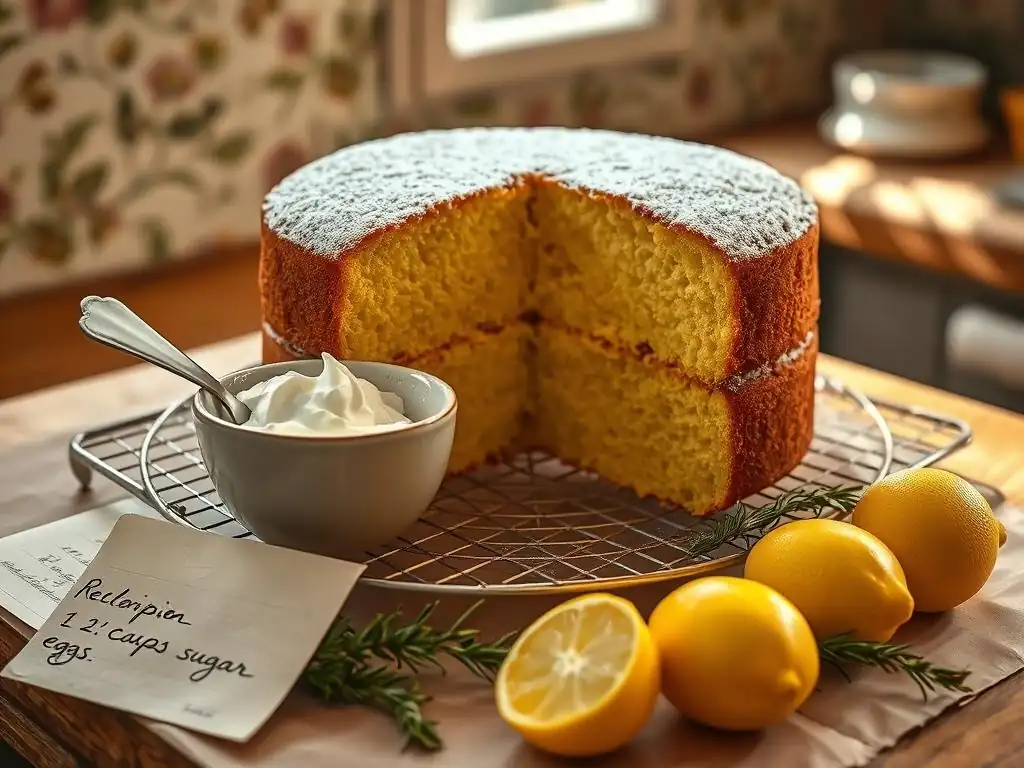
Once your easy classic yellow cake recipe is baked and cooled, you'll want to store it properly to maintain its freshness and moisture. An unfrosted cake has different storage needs than a frosted one.
Correct storage techniques will ensure you can enjoy your delicious homemade cake for several days after baking.
Proper Storage Techniques
If unfrosted, this easy classic yellow cake recipe can be stored at room temperature for 1-2 days. Wrap the cooled cake tightly in plastic wrap or aluminum foil, or place it in an airtight cake carrier. This prevents it from drying out.
If frosted, especially with buttercream or cream cheese frosting, the cake should ideally be stored in an airtight container in the refrigerator. It will last for 3-4 days. Let refrigerated cake sit at room temperature for about 15-30 minutes before serving for the best texture and flavor. For longer storage, wrap well and freeze for up to 2-3 months. Thaw overnight in the refrigerator before bringing to room temperature.
Simple Variations
While this easy classic yellow cake recipe is wonderful on its own, it's also a great base for simple variations. Once you're comfortable with the basic recipe, feel free to experiment with small additions to change the flavor profile.
These variations are easy to incorporate and can transform the cake into something slightly different while still using the fundamental techniques learned from this easy classic yellow cake recipe.
Chocolate Chips or Other Add-ins
One simple way to add flavor and texture to this easy classic yellow cake recipe is by folding in about ½ to 1 cup of chocolate chips (mini or regular) into the batter just before pouring it into the pan. Make sure to coat the chips lightly in a tablespoon of flour first to help prevent them from sinking to the bottom.
Other delicious add-ins for this easy classic yellow cake recipe include sprinkles (for a funfetti style), poppy seeds, or even finely chopped nuts (though be mindful of allergies). Stir them in gently after the batter is fully mixed.
Lemon or Almond Extract
For a subtle twist on the classic flavor profile of this easy classic yellow cake recipe, you can substitute a portion of the vanilla extract with another flavor. Try using half vanilla and half lemon extract for a bright, citrusy note.
Alternatively, a touch of almond extract (start with ¼ teaspoon, as it's potent) can add a lovely depth of flavor that pairs well with the buttery richness. Experiment with these extracts in your easy classic yellow cake recipe to find your favorite combination.
Enjoy Your Delicious Yellow Cake!
You've done it! You've successfully baked an easy classic yellow cake recipe. Take a moment to appreciate your accomplishment. The aroma filling your kitchen is the first reward, and slicing into a tender, moist cake is the second.
Whether you frost it elaborately or enjoy it plain, this cake is a testament to your growing baking skills. Celebrate your success and savor every bite of this homemade treat.
Baking is often best when shared. Don't hesitate to slice up your easy classic yellow cake recipe and share it with family, friends, or neighbors. The act of sharing homemade goods is incredibly rewarding.
Consider taking a photo of your finished cake and sharing it online! Use hashtags like #BakeWithEase or #EasyYellowCake to connect with other bakers. Your success with this easy classic yellow cake recipe might inspire someone else to start their own baking journey.
Frequently Asked Questions
What makes this classic yellow cake recipe "easy"?
This recipe is considered easy because it utilizes simple ingredients and provides step-by-step instructions, perfect for beginner bakers. It avoids complex techniques.
What are the key ingredients needed for this yellow cake?
The essential ingredients include flour, sugar, butter or oil, eggs, baking powder, milk (or buttermilk), and vanilla extract. These are common pantry staples, making it easily accessible.
Can I adapt this recipe to make cupcakes instead of a cake?
Yes, you can! Simply adjust the baking time; cupcakes generally bake faster than a full cake. Keep a close eye and check for doneness with a toothpick.
What's the best way to ensure my cake is moist and not dry?
Avoid overbaking! Use a cake tester or toothpick to check for doneness. Also, ensure accurate measurements of ingredients, especially flour.
I don't have buttermilk. What's a good substitute to use in this recipe?
You can substitute buttermilk by adding one tablespoon of lemon juice or white vinegar to one cup of regular milk. Let it sit for about five minutes to curdle slightly before using.
Final Reflection: The Enduring Allure of a Simple Yellow Cake
The humble yellow cake, a culinary cornerstone for generations, remains surprisingly relevant in today's fast-paced world. Its simplicity belies a profound ability to connect us to cherished memories, family traditions, and the pure joy of baking. More than just a dessert, it's a testament to the power of uncomplicated pleasures.
The enduring appeal of this classic recipe lies in its accessibility and adaptability. It's a blank canvas for creativity, allowing bakers of all skill levels to personalize it with frostings, fillings, and decorations. This inherent flexibility ensures its continued presence in kitchens across the globe, transcending trends and remaining a timeless favorite. A cake is a celebration; it's a moment of joy.
This sentiment perfectly captures the emotional resonance of a simple, well-made yellow cake.
Now, consider your own kitchen. Imagine the possibilities: the scent of vanilla and baking spice filling your home, the satisfaction of creating something delicious from scratch, the smiles on the faces of those you share it with. This isn't just about baking a cake; it's about creating moments, building memories, and experiencing the simple joy of connection. So, gather your ingredients, preheat your oven, and embark on this delightful baking journey. The reward? A slice of happiness, baked with love.
Unlock Your Inner Baker: Bake This Cake Today!
Thanks for spending some time with us! We hope you're feeling inspired to tackle that classic yellow cake you've always dreamed of baking. Ready to get your hands floury?
- Bake the cake! Use our recipe as a guide and personalize it with your favourite frosting and sprinkles. Share your baking journey with us!
- Explore our other beginner-friendly recipes on BakeWithEase.com—we’ve got tons of delicious options waiting for you.
- Share your finished masterpiece on social media using #BakeWithEase and tag us! We’d love to see your creations.
What delicious additions will you add to this classic recipe to make it your own?