
Bake Alfajores with Ingredients Found Anywhere

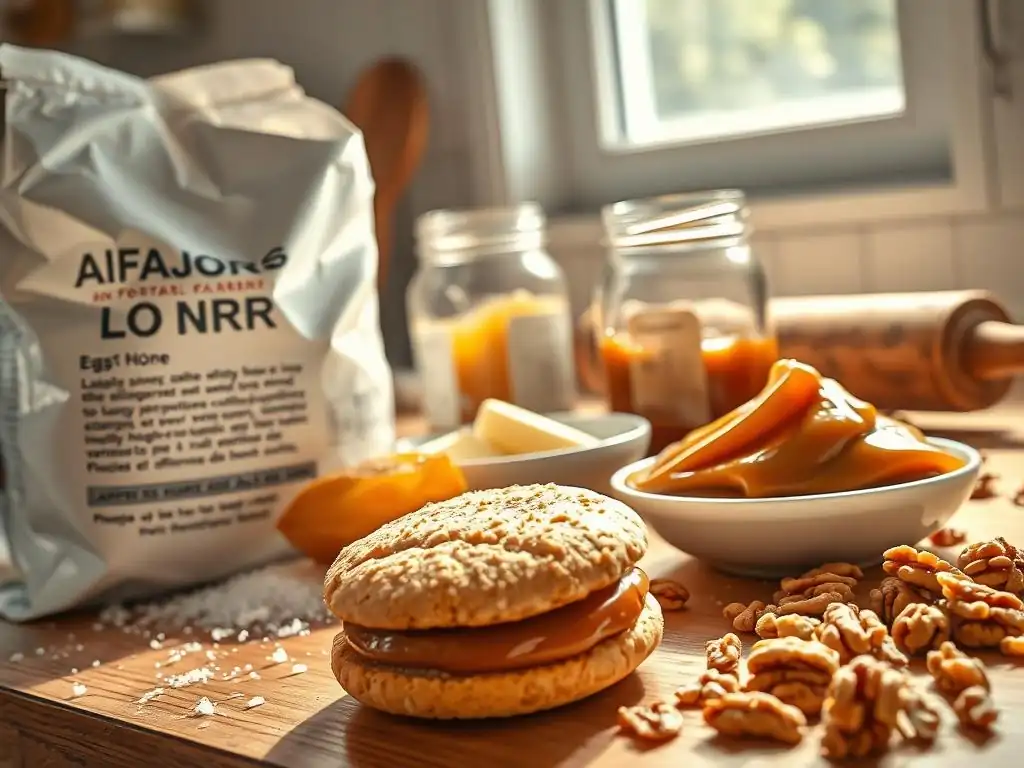
Welcome to BakeWithEase, your kitchen companion for baking adventures! Ever dreamt of creating delicate, melt-in-your-mouth alfajores, but felt intimidated by exotic ingredients? Think again! We're demystifying the process and proving you can bake these delightful treats with an easy alfajores recipe using ingredients found anywhere. Curious how? Let's unlock the secrets of this beloved South American treat and discover just how accessible global baking can be...
- Bake Delicious Alfajores: Easy Recipe with Ingredients Found Anywhere
- Introduction to Alfajores: A Latin American Delight
- Gathering Your Alfajores Ingredients: No Speciality Shop Required
- Step-by-Step Guide: Baking Your Easy Alfajores
- Assembling Your Alfajores: Filling and Decorating
- Tips and Tricks for Perfect Alfajores Every Time
- Troubleshooting Common Alfajores Baking Problems
- Variations on the Classic Alfajores Recipe
- Enjoy Your Homemade Alfajores: A Taste of Latin America
-
Frequently Asked Questions
- What are the key ingredients in an easy alfajores recipe that can be found anywhere?
- Can I substitute ingredients in the alfajores recipe if I don't have them readily available?
- What is the best type of dulce de leche to use for alfajores when considering availability?
- How long do alfajores typically last, and how should I store them to maintain freshness?
- What are some easy variations I can make to the alfajores recipe using ingredients I can easily find?
- Final Reflection: The Global Embrace of Simple Baking
- Unleash Your Inner Pastry Chef: Bake Amazing Alfajores Today!
Bake Delicious Alfajores: Easy Recipe with Ingredients Found Anywhere
Introduction to Alfajores: A Latin American Delight
What are Alfajores? A Brief Overview
Alfajores are delightful South American cookies, often described as a sandwich cookie, but with a unique melt-in-your-mouth texture. They typically consist of two soft, crumbly cookies joined together by a sweet filling, most famously dulce de leche. While variations exist across Latin America, the classic Argentine or Uruguayan style, filled with dulce de leche and often rolled in grated coconut or dusted with powdered sugar, is perhaps the most iconic.
These sweet treats have a long history, tracing back to Moorish Spain before making their way to the Americas during the colonial era. Over centuries, local ingredients and traditions shaped them into the beloved pastries enjoyed today. From street vendors in Buenos Aires to family gatherings in Lima, alfajores are a staple, representing comfort, celebration, and the rich culinary heritage of the region. Mastering an easy alfajores recipe with ingredients found anywhere allows you to bring a piece of this tradition into your own kitchen.
Why This Easy Alfajores Recipe? Accessibility and Simplicity
Many traditional alfajores recipes call for specific types of flour, like cornstarch, or require techniques that might seem intimidating to a beginner baker. This easy alfajores recipe focuses on accessibility, utilizing ingredients that are readily available in most supermarkets around the world. You won't need to hunt for specialty items or use complex methods to achieve delicious results.
The aim is to demystify the process, proving that you can bake authentic-tasting alfajores using simple pantry staples. Whether you're a novice baker or just looking for a straightforward approach to a classic, this guide provides a step-by-step path to success. You'll discover how easy it is to source your easy alfajores recipe ingredients anywhere and create these delightful cookies without hassle.
Gathering Your Alfajores Ingredients: No Speciality Shop Required
Core Ingredients for Alfajores: What You Need
To bake these wonderful alfajores, you'll need a few basic ingredients that are staples in most kitchens. The beauty of this easy alfajores recipe is that the core components are incredibly common. Think about your typical baking pantry: flour, sugar, butter, eggs – these form the foundation.
Beyond these basics, you'll need a leavening agent, usually baking powder, and of course, the star filling: dulce de leche. The specific amounts will vary slightly depending on the exact recipe proportions, but generally, you'll need perhaps 2 cups of flour, maybe 1 cup of sugar, around 1 cup of butter, and a couple of egg yolks. The goal is to use easy alfajores recipe ingredients anywhere, and these fit the bill perfectly.
Flour Options for Tender Alfajores Cookies
While traditional recipes often rely heavily on cornstarch for tenderness, a good quality all-purpose flour can also yield excellent results in an easy alfajores recipe. Using a blend of all-purpose flour and a smaller proportion of cornstarch (perhaps a 3:1 ratio of flour to cornstarch) is a common technique to achieve that signature crumbly, tender texture without needing large quantities of a less common ingredient.
If cornstarch isn't easily accessible, using solely all-purpose flour is still possible, though the cookies might be slightly less delicate. Some bakers even experiment with cake flour for extra tenderness. The key is to avoid overworking the dough, regardless of the flour type, to prevent gluten development, which leads to tough cookies. For this easy alfajores recipe ingredients anywhere approach, standard all-purpose flour is a perfectly viable option.
Sweeteners: From Sugar to Honey for Alfajores
Granulated white sugar is the most common sweetener used in alfajores dough, providing sweetness and contributing to the cookie's structure. Fine granulated sugar or superfine sugar dissolves more easily, leading to a smoother dough. Using about 1/2 to 1 cup of sugar per batch is typical, depending on desired sweetness.
While less traditional, some variations might incorporate a touch of honey or brown sugar for a different flavor profile, though this can affect the texture and color. For a classic easy alfajores recipe, granulated white sugar is the standard and most accessible choice. It's an ingredient found anywhere, making this recipe truly universal.
Fats: Butter, Shortening, or Oil for Alfajores Dough
Butter is the preferred fat for most alfajores recipes due to the rich flavor it imparts and its ability to create a tender crumb when properly creamed. Using unsalted butter allows you to control the salt content. It's crucial that the butter is at room temperature, but not melted, for proper creaming with the sugar. About 1/2 to 1 cup (one to two sticks) of butter is typically needed.
While butter is ideal, some recipes might use a combination of butter and shortening, or even just shortening, which can result in a very tender, almost melt-away cookie. Using oil is less common and can change the texture significantly, making the cookies less crumbly. Sticking with butter, readily available in most stores, is the best approach for a delicious and easy alfajores recipe.
The Essential Filling: Dulce de Leche
Dulce de leche is the soul of the alfajor. This rich, caramel-like confection is made by slowly heating sweetened milk until it thickens and caramelizes into a deep amber color. It provides the perfect sweet, creamy contrast to the delicate cookies. A typical batch of alfajores might require anywhere from 1 to 2 cups of dulce de leche for generous filling.
While traditionally made from cow's milk, variations exist, and the exact consistency can range from pourable to very thick. The quality of your dulce de leche significantly impacts the final alfajores. Finding good dulce de leche is part of sourcing your easy alfajores recipe ingredients anywhere.
Store-Bought Dulce de Leche: A Quick and Easy Option
The easiest way to get dulce de leche for your alfajores is to buy it ready-made. It's increasingly available in international aisles of large supermarkets, Latin American grocery stores, or even online. Look for brands specifically labeled "dulce de leche" rather than "caramel sauce," as dulce de leche has a distinct flavor and thicker consistency.
Choosing a good quality store-bought version saves significant time and effort compared to making it from scratch. Many excellent brands are available, offering a consistent texture perfect for spreading between cookies. This accessibility makes your easy alfajores recipe ingredients anywhere truly feasible.
Homemade Dulce de Leche: A From-Scratch Alfajores Experience
For a truly authentic experience, or if store-bought isn't available, you can make dulce de leche at home. The simplest method involves slowly simmering a can of sweetened condensed milk until it caramelizes. This can take several hours (typically 2-4 hours), requiring patience and careful monitoring to prevent burning.
Alternatively, you can heat milk and sugar together, stirring constantly until it thickens and darkens. While more labor-intensive, homemade dulce de leche offers a depth of flavor that some prefer. It's a rewarding process if you have the time, but for an easy alfajores recipe, store-bought is king.
Optional Alfajores Ingredients: Adding Your Personal Touch
While the core ingredients create a classic alfajor, adding optional elements can enhance the flavor and aroma. These additions are usually used in small quantities but can make a significant difference. They are also typically easy alfajores recipe ingredients anywhere.
A dash of extract, some citrus zest, or a pinch of spice can elevate your cookies from good to unforgettable. Experimenting with these optional ingredients allows you to customize your batch and find your favorite flavor combination.
Flavor Extracts: Vanilla, Lemon, or Orange Essence
Vanilla extract is a common addition, adding warmth and depth to the cookie dough. Just a teaspoon or two is usually sufficient for a standard batch. Good quality pure vanilla extract is recommended over imitation vanilla for the best flavor.
Other extracts like lemon or orange can also be used, especially if you plan to incorporate citrus zest. A few drops can brighten the flavor profile considerably. These extracts are widely available, fitting the easy alfajores recipe ingredients anywhere concept.
Zest: Citrus Zest for Enhanced Alfajores Flavor
Finely grated lemon or orange zest adds a wonderful fragrant note to the alfajores dough. The oils in the zest provide a fresh, vibrant flavor that complements the sweetness of the cookie and the richness of the dulce de leche. The zest of one medium lemon or orange is usually enough.
Ensure you only grate the colored part of the peel, avoiding the bitter white pith underneath. Citrus fruits are common grocery store items, making zest an easy alfajores recipe ingredient anywhere you might be.
Spices: Cinnamon or Nutmeg for a Warm Alfajores Aroma
A pinch of warm spices like cinnamon or nutmeg can add a subtle layer of complexity to the alfajores. Ground cinnamon is particularly popular, evoking a cozy, comforting feel. About 1/4 to 1/2 teaspoon is usually sufficient so as not to overpower the other flavors.
These spices can be added to the dry ingredients when mixing the dough. Like extracts and zest, ground cinnamon and nutmeg are standard pantry items, easily found, reinforcing the theme of easy alfajores recipe ingredients anywhere.
Step-by-Step Guide: Baking Your Easy Alfajores
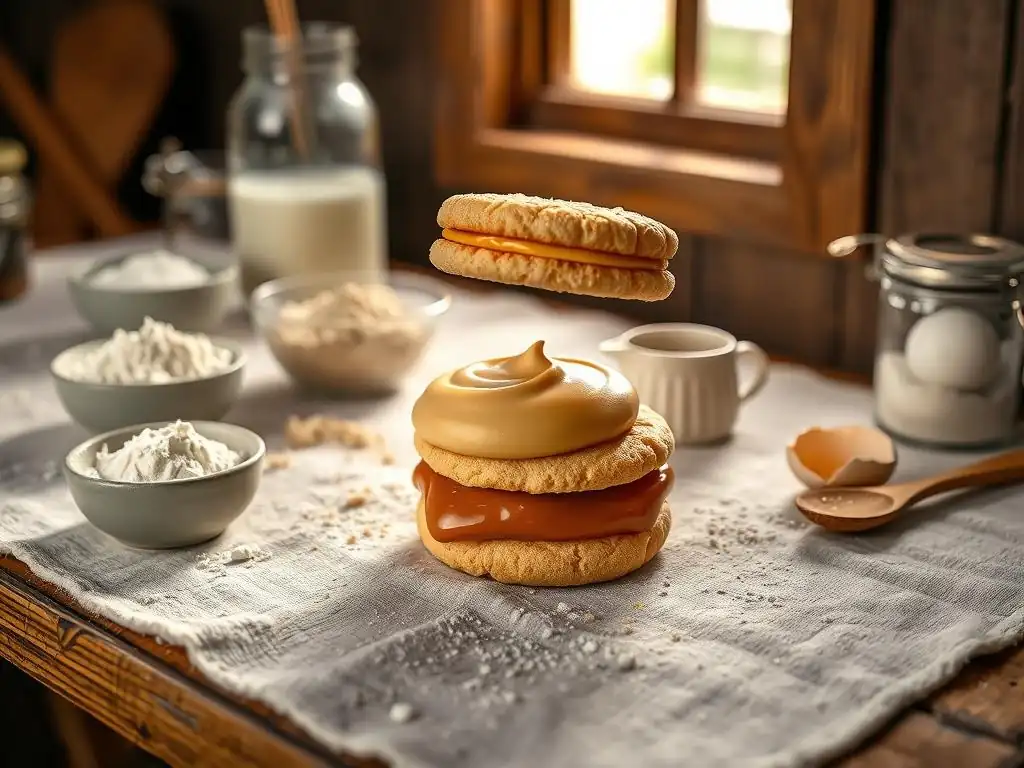
Preparing the Alfajores Dough: A Simple Mixing Process
Making the dough for this easy alfajores recipe is straightforward and requires standard kitchen equipment like a mixing bowl and a mixer (handheld or stand) or even just a sturdy whisk and spatula. The key is to combine the ingredients gently to avoid overworking the dough.
The process typically involves first combining the dry ingredients, then creaming the fat and sugar, incorporating the egg yolks, and finally adding the dry ingredients to the wet. Following these steps ensures a tender dough perfect for these cookies.
Mixing Dry Ingredients: Flour, Sugar, and Baking Powder
Begin by whisking together your dry ingredients in a medium bowl. This usually includes the all-purpose flour (or flour/cornstarch blend), baking powder, and any optional spices like cinnamon or nutmeg. Whisking helps to aerate the flour and distribute the leavening agent evenly, ensuring a consistent rise and texture in your alfajores.
If using salt (some recipes add a pinch to balance sweetness), include it here. For a standard batch, perhaps 2 cups of flour and 1 teaspoon of baking powder would be mixed together. This simple step uses easy alfajores recipe ingredients found anywhere.
Incorporating Wet Ingredients: Butter and Egg Yolks
In a separate, larger bowl, cream together the softened butter and sugar until light and fluffy. This process incorporates air into the dough, contributing to the cookies' tender texture. This usually takes 2-3 minutes with an electric mixer on medium speed.
Next, beat in the egg yolks one at a time, mixing well after each addition. Egg yolks add richness and help bind the dough while keeping it tender. Add any extracts, like vanilla, at this stage. Using 2-3 large egg yolks is common.
Achieving the Perfect Alfajores Dough Consistency
Gradually add the dry ingredients to the wet ingredients, mixing on low speed or stirring with a spatula until just combined. Be careful not to overmix. The dough should come together into a soft, pliable mass that is slightly sticky but manageable.
If the dough seems too dry, add a tablespoon of milk or cream. If too sticky, add a tablespoon of flour. The goal is a dough that can be easily rolled out without excessive sticking. Chill the dough for at least 30 minutes (or up to 2 days) before rolling; this makes it easier to handle and prevents spreading during baking.
Once chilled, the dough is ready to be rolled out and cut into uniform circles. Uniformity is important for even baking and easy assembly of the alfajore sandwiches. This step requires a clean, lightly floured surface and a rolling pin.
Divide the dough into manageable portions if needed. Dust your work surface and rolling pin lightly with flour to prevent sticking.
Rolling the Dough: Thickness Matters
Roll the dough out to a consistent thickness, typically between 1/8 inch and 1/4 inch (about 3-6 mm). Thicker cookies will be softer and take longer to bake, while thinner cookies will be crispier and bake faster. Aiming for 1/4 inch yields a classic soft alfajor texture.
Roll from the center outwards, rotating the dough occasionally to ensure an even thickness and prevent it from sticking to the surface. Avoid rolling the dough too thin, as the cookies can become fragile.
Cutting Out the Alfajores: Using Cookie Cutters or a Knife
Use round cookie cutters of your desired size to cut out the cookies. A common size is about 1.5 to 2 inches (4-5 cm) in diameter, but you can make them smaller or larger. Dip the cutter in flour occasionally to prevent sticking.
If you don't have cookie cutters, you can use the rim of a small glass or even a knife to cut squares or circles. Carefully transfer the cut-outs to a baking sheet lined with parchment paper, leaving about 1 inch between cookies. Gather and re-roll scraps gently, chilling again if they become too soft.
Baking the Alfajores: Achieving a Golden-Brown Hue
Baking is a critical step where the cookies transform from raw dough to tender biscuits. Proper temperature and timing are essential to achieve the desired texture and color without drying them out.
The cookies should bake until they are set and lightly golden around the edges, but still pale in the center. This indicates they are cooked through but remain soft.
Oven Temperature and Baking Time for Alfajores
Preheat your oven to a moderate temperature, typically around 325°F to 350°F (160°C to 175°C). Baking at a slightly lower temperature helps the cookies bake through evenly without browning too quickly.
Baking time will vary depending on your oven, the thickness of the cookies, and their size, but generally ranges from 10 to 15 minutes. Smaller, thinner cookies will take less time than larger, thicker ones.
Monitoring the Alfajores: Preventing Over-Baking
Keep a close eye on the cookies as they bake, especially towards the end of the suggested baking time. They should look set and perhaps just begin to turn a very light golden brown around the edges. The centers should still appear pale.
Over-baking will result in dry, hard cookies, which is the opposite of the desired soft alfajor texture. Remove the cookies from the oven and let them cool on the baking sheet for a few minutes before carefully transferring them to a wire rack to cool completely.
Assembling Your Alfajores: Filling and Decorating
Filling the Alfajores: A Generous Layer of Dulce de Leche
Once the cookies are completely cool, it's time for the best part: filling them with dulce de leche! This is where the magic happens and the two cookies become one glorious alfajore. You'll need a spoon, a spatula, or even a piping bag.
Pair up cookies of similar size and shape. Take one cookie, spread a generous amount of dulce de leche on the flat bottom side, then top with its matched cookie, pressing gently to spread the filling to the edges. Don't be shy with the filling – a thick layer is key to a great alfajore. A typical alfajore might use anywhere from 1 to 3 tablespoons of dulce de leche depending on its size.
Decorating the Alfajores: Adding the Finishing Touch
Decoration adds visual appeal and can enhance the flavor. The most classic decorations are rolling the edges in coconut or dusting with powdered sugar.
Decide on your preferred decoration before you start filling, as some methods are easier right after assembly.
Rolling in Coconut: A Classic Alfajores Decoration
This is a popular and easy decoration. After filling the alfajore and pressing the cookies together, gently roll the exposed edge of the dulce de leche filling in finely shredded or desiccated coconut. The sticky dulce de leche acts as the "glue" for the coconut.
Ensure the coconut is finely grated for the best adherence and appearance. This step uses easy alfajores recipe ingredients anywhere that sells coconut.
Dusting with Powdered Sugar: A Simple and Elegant Finish
For a simpler, elegant look, dust the assembled alfajores generously with powdered sugar (confectioners' sugar). This gives them a beautiful white finish.
Use a fine-mesh sieve or a powdered sugar duster to achieve an even coating. Dusting is usually done right before serving or packaging, as the sugar can absorb moisture over time. Powdered sugar is a common ingredient found anywhere.
Dipping in Chocolate: A Decadent Decoration
For a more decadent treat, you can dip half or all of the alfajore in melted chocolate. Milk, dark, or white chocolate can be used depending on your preference.
Melt the chocolate gently using a double boiler or microwave. Dip the alfajore, letting excess chocolate drip off, and place it on parchment paper to set. This adds richness and a different texture. Chocolate is also widely available, fitting the easy alfajores recipe ingredients anywhere theme.
Tips and Tricks for Perfect Alfajores Every Time
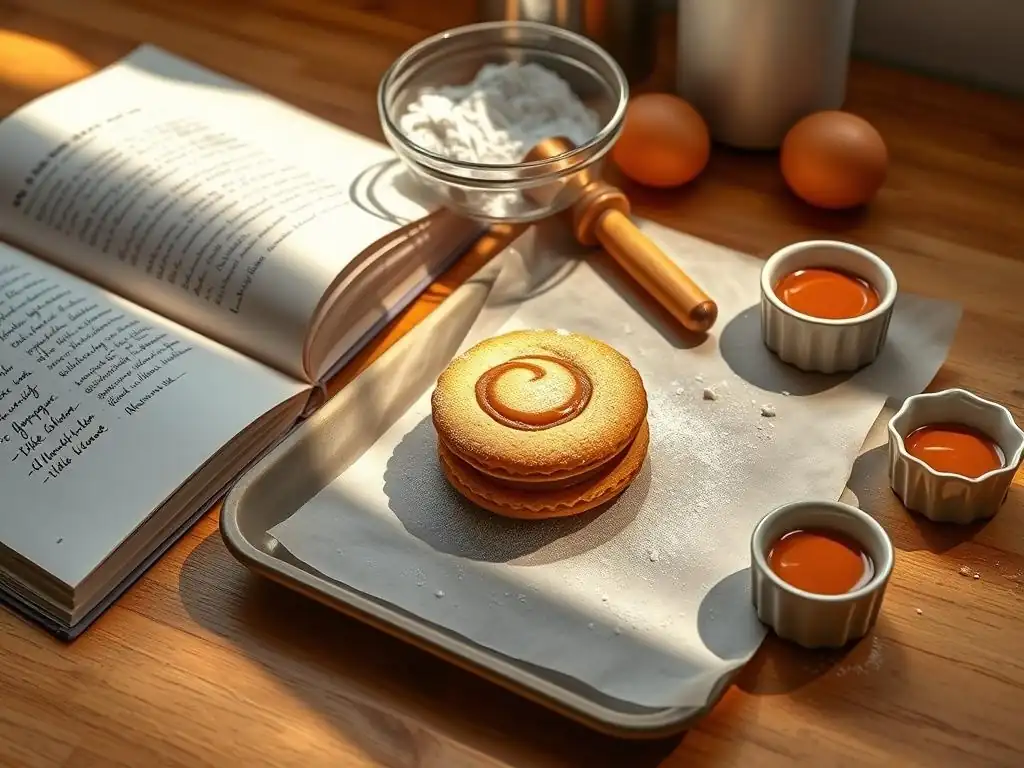
Baking alfajores is relatively simple, but a few tips can help ensure your cookies turn out perfectly soft and delicious every time. Paying attention to small details in the process can make a big difference in the final result.
These tips cover common challenges and how to avoid them, helping you master this easy alfajores recipe.
Preventing Dry Alfajores: Hydration is Important
Dry cookies are the most common pitfall when baking alfajores. This is often caused by adding too much flour, overmixing the dough, or over-baking. To prevent this, measure your flour accurately (using a scale is best, or spooning flour lightly into the measuring cup and leveling).
Mix the dough just until the ingredients are combined. Stop as soon as you no longer see dry streaks of flour. And most importantly, watch the cookies carefully in the oven and remove them as soon as the edges are set, even if the centers look slightly underdone – they will continue to cook from residual heat.
Achieving Soft Alfajores: The Right Flour and Fat Ratio
The ratio of flour (and cornstarch if using) to fat (butter) is crucial for softness. A higher ratio of fat contributes to tenderness. Ensure your butter is properly softened and creamed with the sugar to incorporate air.
Using egg yolks instead of whole eggs also contributes to a richer, more tender crumb. If your recipe calls for cornstarch, don't skip it if you have it, as it inhibits gluten development more effectively than wheat flour alone, resulting in a more delicate cookie.
Storing Your Alfajores: Maintaining Freshness
Once assembled, alfajores are best stored in an airtight container at room temperature. Placing a piece of parchment or wax paper between layers can prevent them from sticking together.
They tend to improve in texture and flavor after a day or two as the moisture from the dulce de leche slightly softens the cookies. They can last for up to a week when stored properly. For longer storage, unfrosted cookies can be frozen for a few months; thaw and fill as needed.
Troubleshooting Common Alfajores Baking Problems
Even with an easy alfajores recipe, you might encounter minor issues. Knowing how to troubleshoot common problems can save your batch and build your baking confidence.
Here are a few typical issues and their simple solutions.
Dough Too Sticky: Adding More Flour
If your dough is too sticky to roll out, it likely needs a little more dry ingredient. This can happen if you used too much liquid, didn't measure flour correctly, or if the humidity is high.
Add flour, one tablespoon at a time, mixing until the dough is manageable but still soft. Avoid adding too much, which will result in tough cookies. Chilling the dough thoroughly is also a key step to make sticky dough easier to handle.
Hard cookies are usually a sign of over-baking or dough that was overworked or too dry. If your baked cookies are hard, try reducing the baking time or slightly lowering the oven temperature for future batches.
Ensure you are removing the cookies when they are just set and pale. If the dough itself seemed dry or tough before baking, you might need to adjust the wet-to-dry ingredient ratio in your next attempt, perhaps adding a touch more butter or an extra egg yolk.
If the dulce de leche filling is oozing excessively from the sides after assembly, it could be because the cookies weren't fully cooled when you filled them. Warm cookies will cause the dulce de leche to soften and become more liquid.
Always ensure your cookies are completely cool to the touch before adding the filling. Also, using a dulce de leche with a thicker consistency helps prevent leakage. If your store-bought dulce de leche is too runny, you can gently heat it and stir it for a few minutes to thicken it slightly before cooling it down.
Variations on the Classic Alfajores Recipe
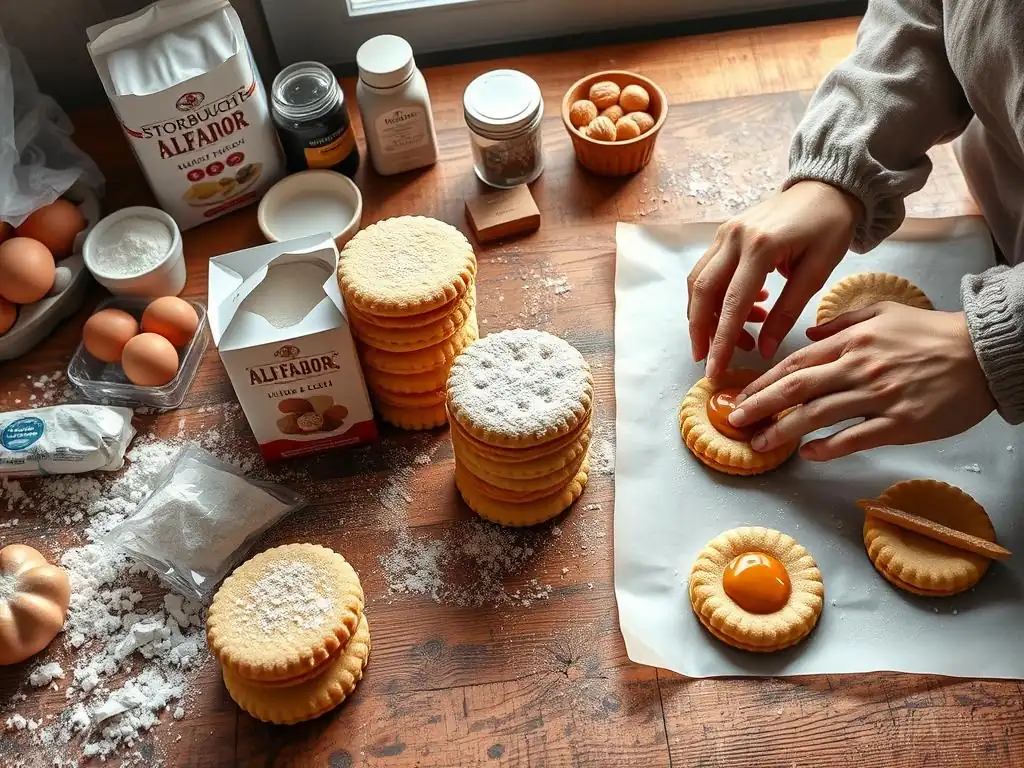
Once you've mastered the basic easy alfajores recipe, you can explore exciting variations. These adaptations often involve adding flavorings to the dough or using alternative fillings, but still rely on easy alfajores recipe ingredients anywhere.
Exploring variations keeps baking fun and allows you to cater to different tastes or dietary needs.
Chocolate Alfajores: Adding Cocoa Powder to the Dough
To make chocolate alfajores, substitute a small amount of the all-purpose flour with unsweetened cocoa powder. A common ratio might be replacing 1/4 cup of flour with 1/4 cup of cocoa powder per 2 cups of flour.
Sift the cocoa powder with the flour and baking powder to avoid lumps. The baking time might be slightly shorter as cocoa powder can make cookies dry out faster, so watch them closely. Fill with dulce de leche or even a chocolate ganache for a double chocolate treat.
Lemon Alfajores: Infusing the Dough with Lemon Zest
For bright, citrusy alfajores, add the zest of one or two lemons to the wet ingredients when creaming the butter and sugar. The oils in the zest will infuse the dough with wonderful lemon flavor during baking.
Ensure you use only the yellow part of the peel, avoiding the bitter white pith. Pair these with the classic dulce de leche or even a lemon curd filling for an extra citrusy kick.
Cornstarch Alfajores: Gluten-Free Option
While the classic alfajores are not gluten-free, a variation known as alfajores de maicena (cornstarch alfajores) is naturally gluten-free as it uses mostly cornstarch instead of wheat flour. This requires different proportions, often around 1.5 to 2 cups of cornstarch per batch, plus a small amount of rice flour or gluten-free all-purpose blend for structure.
This variation yields an incredibly tender, melt-in-your-mouth cookie. While cornstarch might be slightly less common than all-purpose flour in some areas, it's still widely available in most supermarkets, fitting the easy alfajores recipe ingredients anywhere theme for those seeking a gluten-free option.
Enjoy Your Homemade Alfajores: A Taste of Latin America
Frequently Asked Questions
What are the key ingredients in an easy alfajores recipe that can be found anywhere?
The main ingredients are typically all-purpose flour, cornstarch, butter, sugar, eggs, baking powder, and dulce de leche. Common pantry staples make this recipe accessible.
Can I substitute ingredients in the alfajores recipe if I don't have them readily available?
Yes, while traditional ingredients are preferred, some substitutions can work. For example, margarine can sometimes replace butter, but it may affect the overall texture and flavor.
What is the best type of dulce de leche to use for alfajores when considering availability?
Most commercially available dulce de leche will work. Look for a thick, creamy consistency. If unavailable, you can even make your own using a slow-cooker method.
How long do alfajores typically last, and how should I store them to maintain freshness?
Alfajores typically last for 3-5 days when stored in an airtight container at room temperature. Proper storage prevents them from drying out.
What are some easy variations I can make to the alfajores recipe using ingredients I can easily find?
You can add lemon or orange zest to the dough for flavor, or roll the edges in chopped nuts or shredded coconut. These simple additions enhance the flavor profile.
Final Reflection: The Global Embrace of Simple Baking
The accessibility of ingredients shouldn't limit our ability to create delicious treats, and the humble alfajores prove this point perfectly. This recipe, designed to utilize readily available ingredients wherever you are in the world, transcends geographical boundaries and celebrates the unifying power of simple baking. It's a testament to the fact that culinary creativity thrives not on exclusivity, but on adaptability and resourcefulness.
The joy of baking, and specifically the success of creating these alfajores with minimal fuss, highlights the enduring human need for connection through shared experiences. Baking, at its core, is an act of nurturing and sharing. It's a tradition passed down through generations, a comfort in times of uncertainty, and a celebration of simple pleasures. The best things in life are simple,
a sentiment perfectly embodied by this recipe and the satisfying results it yields. This simple act of baking can bridge cultural divides and foster a sense of community, regardless of location or background.
Now, I invite you to take this recipe and make it your own. Experiment with different fillings, experiment with variations on the cookie itself. Don't be afraid to adapt it to your own pantry and preferences. The true magic lies not just in the final product, but in the journey of creating it, in the sharing of the experience, and in the simple joy of savoring a delicious treat made with your own hands. Let the aroma of freshly baked alfajores fill your home and bring a little bit of warmth and connection to your day.
Unleash Your Inner Pastry Chef: Bake Amazing Alfajores Today!
Thanks for joining us on this delicious journey into the world of alfajores! We hope you've gained the confidence to tackle this delightful treat, no matter where you are. Ready to transform your kitchen into a South American bakery?
- Bake your first batch of alfajores! Use the recipe as a springboard – experiment with fillings and dusting sugars to make them truly your own.
- Share your alfajor creations! Snap a picture and tag us on social media – we’d love to see your baking masterpieces.
- Try a unique twist: experiment with different types of cookies or fillings! What unexpected flavors will you discover?
What unique alfajor combination will you create to impress your friends and family?