
Fresh & Fruity: How to Top Your Cheesecake Like a Pro

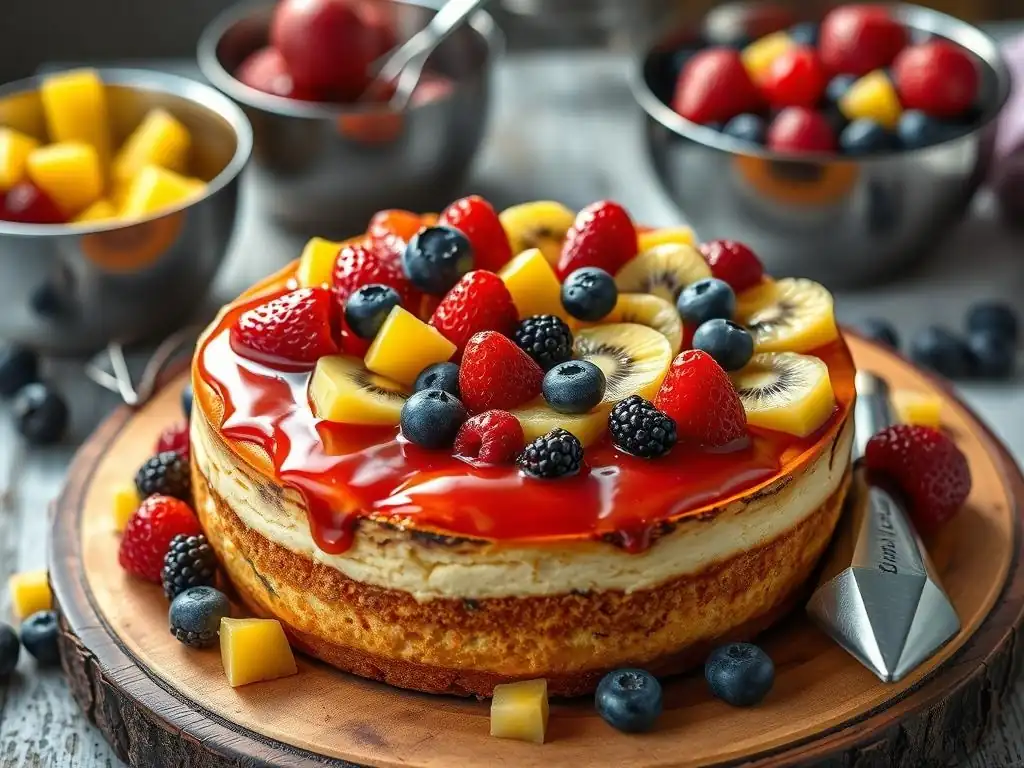
Welcome to BakeWithEase, your trusted guide to the delightful world of baking! Are you ready to transform your cheesecake into a show-stopping masterpiece? Discover our easy cheesecake fruit topping tips and learn how to create vibrant and delicious presentations that will impress everyone. Unlock the secrets to perfectly balanced flavors and textures, and elevate your desserts from simple to sublime. Let's get baking!
- Cheesecake Perfection: Mastering Delicious Toppings
- Elevate Your Cheesecake: Simple & Flavorful Topping Techniques
- Easy Cheesecake Topping Tips for Professional Results
- Exploring Different Cheesecake Topping Combinations
- Step-by-Step Guide: Applying Your Topping with Precision
- Beyond the Basics: Advanced Cheesecake Topping Techniques
- Storing Your Topped Cheesecake for Optimal Freshness
- Troubleshooting Common Cheesecake Topping Issues
- Inspiration: 10 Stunning Cheesecake Topping Ideas
-
Frequently Asked Questions
- What are some easy fruit options for topping a cheesecake?
- How can I prevent my fruit topping from making my cheesecake soggy?
- Should I add sugar to my fruit topping for cheesecake?
- What's the best way to arrange the fruit on top of the cheesecake?
- Can I use a glaze on my fruit topping, and if so, what kind?
- Final Reflection: The Sweet Symphony of Simple Elegance
- Unleash Your Inner Cheesecake Artist!
Cheesecake Perfection: Mastering Delicious Toppings
Elevate Your Cheesecake: Simple & Flavorful Topping Techniques
Cheesecake is a beloved dessert, a creamy canvas just waiting to be adorned. While a plain cheesecake is delightful on its own, adding a topping transforms it into a showstopper. Mastering the art of cheesecake toppings allows you to customize this classic dessert for any occasion, season, or personal preference, turning a simple bake into an extraordinary creation. The right topping doesn't just add flavor; it introduces texture, visual appeal, and a touch of your unique baking personality.
From vibrant fruit compotes that burst with freshness to rich, decadent chocolate ganache, the possibilities are nearly endless. Learning how to select, prepare, and apply these finishing touches with confidence is a skill that elevates your baking from good to truly great. Whether you're aiming for a simple drizzle or an elaborate arrangement, understanding the fundamentals is key to achieving professional-looking and tasting results right in your own kitchen.
Why Choose Fresh, Homemade Toppings?
Opting for fresh, homemade toppings offers numerous advantages over store-bought alternatives, starting with unparalleled flavor and quality. When you make your own fruit compote, for instance, you control the ripeness of the fruit, the amount of sugar, and the cooking time, resulting in a brighter, more intense flavor that perfectly complements the creamy tang of cheesecake. A store-bought sauce, while convenient, often contains preservatives and artificial flavors that can detract from the natural taste of your dessert. For easy cheesecake fruit topping tips, starting with fresh fruit is always the best foundation.
Beyond flavor, making toppings at home gives you complete control over the ingredients, which is particularly important for those with dietary restrictions or allergies. You can easily adjust sweetness levels, avoid high-fructose corn syrup, or ensure ingredients meet specific standards. Furthermore, homemade toppings can often be more cost-effective, especially when using seasonal fruits or pantry staples like sugar and cocoa powder.
A batch of homemade strawberry sauce using two pounds of fresh strawberries might cost less than a small jar of premium store-bought topping and yield significantly more. This level of control and quality makes homemade toppings a rewarding choice for any baker.
Understanding the Foundation of Great Cheesecake Toppings
A great cheesecake topping starts with understanding how it interacts with the cheesecake itself. The base of most cheesecakes is rich, dense, and often slightly tangy. A successful topping should either complement these characteristics or provide a delightful contrast. For example, a sweet and slightly tart berry compote provides a wonderful counterpoint to the richness, while a smooth chocolate ganache enhances the dessert's decadent quality. The texture of the topping is also crucial – think about how a crunchy praline adds interest to a smooth cheesecake surface or how a light whipped cream provides airy relief.
Preparation methods vary widely depending on the type of topping. Fruit toppings often involve simmering fruit with a little sugar and perhaps a thickener like cornstarch to create a sauce or compote. Chocolate toppings might involve melting chocolate with cream to form a ganache.
Caramel requires carefully heating sugar until it caramelizes. Regardless of the method, the goal is to create a topping that not only tastes fantastic but also has the right consistency to adhere to the cheesecake without being too thin (running off the sides) or too thick (difficult to spread). Mastering these basic preparations is key to unlocking a world of easy cheesecake fruit topping tips and other delightful ideas.
Easy Cheesecake Topping Tips for Professional Results
Achieving that polished, professional look and taste for your cheesecake toppings is simpler than you might think. It comes down to thoughtful selection, careful preparation, and precise application. These easy cheesecake topping tips are designed to guide you toward impressive results without requiring advanced culinary skills. Paying attention to details like temperature, consistency, and flavor balance can make a significant difference in the final outcome of your dessert.
One of the most impactful tips is ensuring your cheesecake is thoroughly chilled before applying any topping, especially liquid ones like sauces or ganaches. A cold surface helps the topping set quickly and prevents it from melting the cheesecake's surface or sliding off. Another simple yet effective tip is to taste your topping before applying it. Does the fruit compote need a squeeze of lemon juice to brighten the flavor? Is the caramel sauce sweet enough? Adjusting the seasoning slightly can elevate the topping from good to outstanding.
Tip 1: Selecting the Perfect Topping for Your Cheesecake
Choosing the right topping is the first step in creating a harmonious dessert. Consider the flavor profile of your cheesecake base – is it a classic vanilla bean, a rich chocolate, or perhaps a zesty lemon? The topping should enhance, not overpower, these flavors. For a classic New York-style cheesecake, vibrant berry sauces or a simple sour cream topping are traditional and effective choices. For a chocolate cheesecake, complementary flavors like raspberry, coffee, or even a hint of chili can be exciting.
Beyond flavor, think about the visual appeal and texture you want to add. Do you want a smooth, glossy finish from a ganache? Or the vibrant, chunky texture of a fruit compote? Perhaps a combination, like a drizzle of caramel over whipped cream, will create the desired effect. When considering easy cheesecake fruit topping tips, look at what fruit is in season – fresh, ripe berries in summer or baked apples in the fall can provide both incredible flavor and beautiful color.
Considering Flavor Profiles to Complement the Cheesecake
Pairing flavors is like composing a symphony for your taste buds. For a classic vanilla cheesecake, bright, tart flavors like cherry, raspberry, or passion fruit provide a refreshing contrast to the rich, creamy base. A lemon cheesecake pairs beautifully with blueberry or even a light ginger-infused topping. If you have a chocolate cheesecake, consider toppings with complementary notes like dark cherry, coffee, or a touch of sea salt to enhance the chocolate's depth.
Think about creating balance. A very sweet cheesecake might benefit from a slightly tart or bitter topping, like dark chocolate or a cranberry reduction. Conversely, a less sweet cheesecake can handle a sweeter topping, such as a white chocolate ganache or a maple pecan topping. Exploring different flavor combinations is part of the fun! Don't be afraid to experiment with extracts, spices like cinnamon or cardamom, or even a splash of liqueur to add complexity to your toppings.
Choosing Toppings That Offer Texture and Visual Appeal
Texture adds another layer of interest to your cheesecake experience. A smooth, creamy cheesecake can be wonderfully enhanced by a topping that offers a different mouthfeel. Consider the satisfying crunch of toasted nuts, granola, or crumbled cookies. A fruit compote with whole or chunky pieces provides a pleasant contrast to the smooth filling. Even something as simple as whipped cream adds a light, airy texture.
Visual appeal is just as important as taste. A brightly colored fruit topping, like a vibrant red strawberry sauce or a deep purple blueberry compote, instantly makes the cheesecake look more appetizing. A glossy chocolate ganache creates a sophisticated look. Garnishes like fresh mint leaves, chocolate shavings, or a sprinkle of powdered sugar add final touches that elevate the presentation. For easy cheesecake fruit topping tips, remember that the natural colors of the fruit are often all you need for a stunning visual.
Tip 2: Preparing Your Topping for Optimal Flavor and Presentation
The way you prepare your topping significantly impacts its final taste and how well it presents on the cheesecake. For cooked toppings like fruit compotes or sauces, the cooking time affects both the consistency and the intensity of the flavor. Simmering fruit gently for a short period (say, 5-7 minutes) will yield a fresher, chunkier sauce, while cooking it longer (15-20 minutes) will result in a smoother, more concentrated flavor. Adding a touch of acid, like lemon juice, can brighten the fruit's flavor and balance sweetness.
For creamy toppings like whipped cream or pastry cream, ensuring they are properly chilled and whipped to the correct consistency is vital. Over-whipped cream can become grainy, while under-whipped cream will be too loose. Temperature control is key for many toppings; a ganache needs to be the right temperature to pour smoothly but set firmly, usually around 85-90°F (29-32°C) for pouring consistency. Paying attention to these details ensures your topping is not only delicious but also easy to work with for a beautiful finish.
Achieving the Right Consistency for Sauces and Creams
Consistency is paramount for a successful topping. A sauce that is too thin will run off the sides of the cheesecake, creating a mess. A sauce that is too thick will be difficult to spread and may appear clumpy.
For fruit sauces, achieving the right consistency often involves simmering the fruit until it breaks down and then optionally using a thickener like cornstarch or pectin. A general rule for cornstarch is about 1 tablespoon mixed with 1 tablespoon of cold water per cup of liquid, added to the simmering sauce and cooked until thickened, usually just a minute or two.
Cream-based toppings require careful handling. Whipped cream should be whipped to medium or stiff peaks, depending on whether you want it to be soft and dolloped or firm enough to pipe. Pastry cream or custards need to be cooked until thickened, usually coats the back of a spoon, and then chilled thoroughly to set. If a sauce is too thick after cooling, a splash of milk or cream can often loosen it. If it's too thin, a little more simmering (if it's a cooked sauce) or a small amount of thickener might be needed.
Enhancing Topping Flavor with Extracts, Spices, or Liqueurs
Adding flavor enhancers can take a simple topping to the next level. A teaspoon of pure vanilla extract can deepen the flavor of chocolate or caramel sauces. A pinch of cinnamon or nutmeg can add warmth to apple or pumpkin toppings. Citrus zest, like lemon or orange, can brighten fruit flavors and cut through richness. For easy cheesecake fruit topping tips, try adding a little orange zest to your cranberry sauce or a squeeze of lime to a mango topping.
For adult palates, a splash of liqueur can add sophistication. A tablespoon of Grand Marnier in an orange sauce, a shot of rum in a caramel sauce, or a drizzle of Kahlúa in a chocolate ganache can introduce complex notes. Remember to add these towards the end of cooking or after the topping has cooled slightly, especially alcohol, to preserve the flavor without it evaporating completely. Start with a small amount and taste, as these flavors can be quite potent.
Tip 3: Creating a Simple Ganache for Added Richness and Elegance
A chocolate ganache is one of the easiest yet most elegant toppings for cheesecake. It's essentially a mixture of chocolate and heated cream. The ratio of chocolate to cream determines the consistency – more chocolate yields a firmer ganache, while more cream makes it pourable or whippable. A basic pourable ganache uses equal parts chocolate and cream by weight. The richness of the chocolate pairs beautifully with the creamy tang of cheesecake, adding a layer of indulgence.
Creating a smooth ganache requires just a few simple steps. Chop your chocolate finely to ensure it melts evenly. Heat the cream until it's just simmering, then pour it over the chopped chocolate. Let it sit for a few minutes to allow the heat from the cream to melt the chocolate, then gently whisk from the center outwards until smooth and glossy. Avoid aggressive whisking, which can incorporate air and make the ganache dull.
The Secret to a Smooth and Glossy Ganache
The key to a smooth and glossy ganache lies in the quality of the chocolate and the emulsification process. Use good quality chocolate, preferably one with at least 60% cocoa solids for a richer flavor if making dark chocolate ganache. Chop the chocolate into small, uniform pieces or use chocolate chips, which are designed to melt easily. Heating the cream to the correct temperature – hot but not boiling – is crucial.
Once the hot cream is poured over the chocolate, resist the urge to stir immediately. Let it sit for about 5 minutes. This allows the chocolate to soften thoroughly. Then, starting in the center of the bowl, gently whisk in small circles, gradually expanding outwards. This technique helps the fat from the chocolate and the liquid from the cream combine into a stable emulsion, resulting in that signature smooth, glossy finish. If the ganache appears broken or oily, a common fix is to whisk in a tablespoon of warm milk or cream, very slowly, until it comes back together.
Ganache Recipe: Dark Chocolate Ganache
Here's a simple recipe for a pourable dark chocolate ganache, perfect for drizzling or spreading over a cheesecake:
- Ingredients:
- 8 ounces (about 1.5 cups) good quality dark chocolate, finely chopped
- 8 ounces (1 cup) heavy cream (minimum 35% milk fat)
- Instructions:
- Place the finely chopped chocolate in a heatproof bowl.
- Heat the heavy cream in a small saucepan over medium heat until it just begins to simmer around the edges. Do not boil.
- Pour the hot cream directly over the chopped chocolate in the bowl.
- Let the mixture stand undisturbed for 5 minutes to allow the chocolate to melt.
- Starting in the center of the bowl, gently whisk the mixture in small circles, gradually working your way outwards until the ganache is completely smooth and glossy.
- Let the ganache cool slightly at room temperature until it reaches your desired consistency for pouring or spreading. For a thicker ganache, let it cool longer or chill briefly in the refrigerator, stirring occasionally.
Exploring Different Cheesecake Topping Combinations
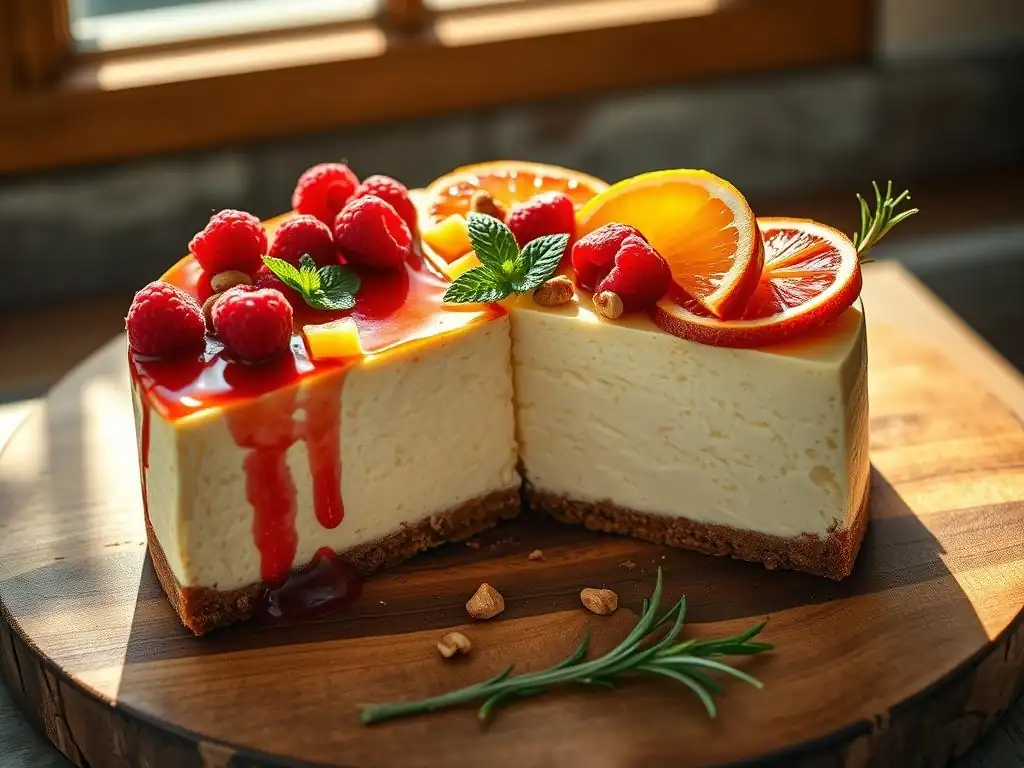
The beauty of cheesecake lies in its versatility. It serves as an excellent base for a vast array of topping combinations, allowing you to get creative in the kitchen. Thinking about complementary flavors and textures can lead to truly inspired pairings that elevate the dessert beyond the ordinary. From time-tested classics to bold, unexpected mixtures, exploring different combinations is part of the fun of baking.
Consider the seasonality of ingredients – fresh berries in summer, spiced apples or pumpkin in fall, or rich chocolate and nuts in winter. This not only ensures the best flavor but also provides inspiration. Think about contrasting elements: sweet and salty, smooth and crunchy, rich and light. Layering different toppings can also add complexity, like a layer of fruit compote topped with whipped cream and a sprinkle of nuts.
Classic Combinations: Chocolate, Caramel, and Whipped Cream
Some pairings are classics for a reason – they just work. Chocolate and cheesecake are a natural match. Whether it's a rich dark chocolate ganache, a drizzle of milk chocolate sauce, or white chocolate shavings, chocolate adds a layer of indulgence that many find irresistible. A simple chocolate topping is one of the most reliable easy cheesecake topping tips for guaranteed crowd-pleasing results.
Caramel, with its deep, buttery sweetness, is another beloved classic. A smooth, homemade caramel sauce poured over a cheesecake is pure comfort. Combining chocolate and caramel results in the ever-popular "turtle" cheesecake, often finished with pecans. And whipped cream? It's the perfect light, airy finish to almost any cheesecake, adding a touch of elegance and balancing richer flavors. A dollop of freshly whipped cream is a simple yet effective easy cheesecake fruit topping tip to add lightness to a rich fruit sauce.
Nutty Indulgence: Pecan Praline, Toasted Almonds, and Hazelnut
Adding nuts brings wonderful texture and a warm, earthy flavor to cheesecake. Pecan praline, made by cooking sugar with butter and pecans until caramelized and crunchy, is a particularly decadent choice, offering both sweetness and crunch. Toasted almonds, whether slivered or chopped, provide a subtle nutty flavor and a delicate crispness that complements creamy desserts beautifully.
Hazelnuts, especially when toasted, have a rich, distinct flavor that pairs exceptionally well with chocolate. A hazelnut topping could be as simple as toasted, chopped hazelnuts sprinkled over a chocolate ganache or as elaborate as a homemade hazelnut spread (like a gourmet Nutella) layered over the cheesecake. To enhance the flavor of any nut topping, always toast the nuts gently in a dry pan or oven until fragrant before using them.
Unexpected Pairings: Salted Caramel and Pretzel or Maple and Bacon
Sometimes, the most exciting flavors come from unexpected combinations. The sweet and salty trend has brought us delights like salted caramel, which is fantastic on cheesecake. Adding a sprinkle of flaky sea salt to a classic caramel sauce elevates its flavor profile, creating a sophisticated balance that cuts through the sweetness. Taking it a step further, crumbled pretzels added to a salted caramel topping provide a delightful crunch and an extra layer of salty contrast.
Another surprising but delicious combination is maple and bacon. While it might sound unusual for a dessert, the smoky, salty crunch of cooked bacon pairs surprisingly well with the rich sweetness of maple syrup, especially on a cheesecake that might incorporate brown sugar or a hint of spice. A maple glaze drizzled over the cheesecake and then topped with crispy, crumbled bacon creates a truly memorable and conversation-starting dessert. Don't knock it 'til you try it!
Step-by-Step Guide: Applying Your Topping with Precision
Applying your topping neatly and attractively is the final step in perfecting your cheesecake. Whether you're aiming for a full, even layer or intricate decorative patterns, a little precision goes a long way in achieving a professional finish. Ensure your cheesecake is well-chilled before you begin; this provides a firm surface for the topping. Gather all your tools and the prepared topping before you start.
Consider the type of topping you are using. A thick compote might be spooned and spread, while a thin sauce is better drizzled or poured. Having the topping at the correct temperature is also crucial. A ganache that is too warm will be messy; one that is too cold will be difficult to spread. Aim for a consistency that allows for control during application.
Achieving Even Coverage and Visual Balance
For toppings like ganache, sour cream topping, or a smooth fruit sauce, achieving even coverage is key for a clean look. If pouring a ganache, start in the center of the cheesecake and pour slowly, allowing the ganache to spread outwards towards the edges. You can gently tilt the cheesecake to help it along or use an offset spatula to carefully guide it to the edges. Avoid overworking it, which can create streaks.
For thicker toppings like compotes or whipped cream, spoon dollops evenly across the surface or spread gently with an offset spatula. Think about visual balance – ensure the topping extends close to the edge of the cheesecake without spilling over. If using multiple toppings, consider their colors and textures for a pleasing arrangement. For easy cheesecake fruit topping tips using whole berries, arranging them in a pattern or simply scattering them artlessly can both look beautiful.
Creating Swirls, Drizzles, and Other Decorative Effects
Beyond simple coverage, you can create beautiful decorative effects. Swirls are easy to achieve with a two-toned topping, like a plain sour cream topping swirled with a fruit sauce. Apply dollops or lines of each topping, then use a skewer or knife to gently swirl the colors together. For a marble effect, apply one topping evenly, then drizzle lines or dots of a contrasting topping over it, and swirl gently with a skewer.
Drizzles are perfect for sauces, caramel, or thinner ganaches. Use a spoon to drizzle the topping back and forth across the cheesecake, creating random lines. For more control, you can put the topping in a piping bag with a small round tip or even a clean squeeze bottle. This allows you to create finer lines or more deliberate patterns. Practice on a plate first if you're trying a new technique!
Maintaining Topping Stability: Preventing Melting or Sliding
The biggest challenge with toppings can be maintaining their stability, especially if the cheesecake needs to sit out for a while. The primary defense against melting or sliding is keeping the cheesecake chilled. A cold cheesecake surface helps set and firm up most toppings. If using whipped cream, stabilize it by adding a little powdered sugar or a touch of cream cheese during whipping.
For fruit toppings that might weep liquid, cooking them down sufficiently to reduce excess moisture and adding a thickener like cornstarch or pectin can help prevent the sauce from becoming too watery and sliding off. Ganaches and caramel sauces should be allowed to cool to the correct temperature before applying; applying them too warm can cause them to melt the cheesecake surface. If transporting a topped cheesecake, keep it as cold as possible.
Beyond the Basics: Advanced Cheesecake Topping Techniques
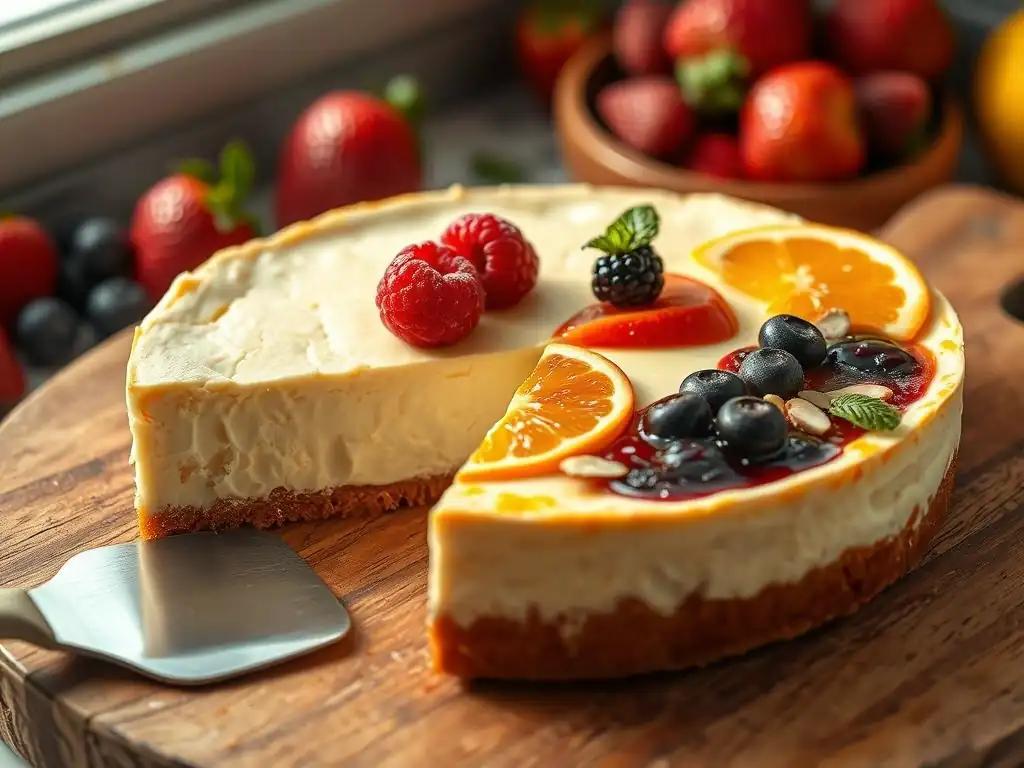
Once you've mastered the fundamentals, you might want to explore more advanced techniques to truly impress. These methods often involve making components entirely from scratch or working with temperature-sensitive ingredients like tempered chocolate. While they require a bit more practice and precision, the results can be incredibly rewarding and open up a new level of customization for your cheesecakes.
Examples include creating spun sugar decorations, making intricate chocolate work, or preparing multi-component toppings with varying layers and textures. These techniques allow you to add unique visual flair and sophisticated flavor profiles that go beyond simple sauces or sprinkles. They are perfect for special occasions or when you want to challenge yourself in the kitchen.
Making a Homemade Caramel Sauce for Intense Flavor
Homemade caramel sauce offers a depth of flavor that is difficult to replicate with store-bought versions. It typically involves heating sugar until it caramelizes, then carefully whisking in butter and cream. The key is to cook the sugar to the perfect amber color – too light and it lacks flavor, too dark and it tastes burnt.
- Ingredients:
- 1 cup granulated sugar
- 1/4 cup water (optional, helps dissolve sugar initially)
- 1/2 cup heavy cream, warmed
- 4 tablespoons unsalted butter, cut into pieces
- 1/2 teaspoon vanilla extract
- Pinch of salt
- Instructions:
- Combine sugar and water (if using) in a heavy-bottomed saucepan over medium heat. Stir until sugar dissolves.
- Stop stirring and let the sugar mixture bubble. Swirl the pan occasionally to ensure even cooking. Watch carefully as it turns golden brown.
- Once it reaches an amber color, remove from heat. Carefully whisk in the warm heavy cream (it will bubble violently).
- Whisk in the butter pieces until melted and smooth.
- Stir in the vanilla extract and salt.
- Let cool slightly before using. It will thicken as it cools.
Creating a Meringue Topping for Lightness and Texture
A meringue topping, often seen on lemon meringue pies, can also be a delightful addition to certain cheesecakes, particularly those with citrus or tart fruit flavors. It provides a light, airy texture and a sweet contrast to the dense cheesecake. There are different types of meringue (French, Swiss, Italian), but a Swiss meringue is often preferred for toppings as it's more stable.
Swiss meringue involves heating egg whites and sugar over a double boiler until the sugar dissolves, then whipping the mixture into stiff, glossy peaks. This cooked method makes it more stable than raw French meringue. Once whipped, it can be spread or piped onto the cheesecake and then lightly browned with a kitchen torch for a beautiful finish. The contrast of the soft, sweet meringue with the rich, creamy cheesecake is exquisite.
Tempering Chocolate for Elegant Decorations
Tempering chocolate is a technique used to heat and cool chocolate to specific temperatures, resulting in a stable crystalline structure. This gives chocolate a smooth, glossy finish, a satisfying snap when broken, and prevents it from melting easily at room temperature or developing a dull, streaky appearance (bloom). While not necessary for a simple ganache, tempered chocolate is essential for creating elegant decorations like chocolate curls, shards, or molded shapes.
The process typically involves melting chocolate, cooling it while agitating, and then slightly reheating it to a working temperature. This requires careful temperature monitoring with a thermometer. Once tempered, the chocolate can be spread thinly on parchment paper and shaped, poured into molds, or used for dipping. These tempered chocolate elements can add a sophisticated touch to your cheesecake presentation, providing both visual appeal and a pleasant textural contrast.
Storing Your Topped Cheesecake for Optimal Freshness
Proper storage is crucial for maintaining the quality and appearance of your topped cheesecake. Cheesecake is a perishable dessert and needs to be kept cold. The topping itself can also affect storage, as some toppings degrade faster than others or can introduce unwanted moisture. Understanding the best practices for refrigeration helps keep your cheesecake tasting its best for as long as possible.
Always allow the cheesecake to cool completely before topping and storing. Applying a topping to a warm or even slightly warm cheesecake can cause condensation to form, leading to a soggy crust or a weeping topping. Once topped, the cheesecake should be refrigerated promptly.
Preventing Condensation and Flavor Degradation
Condensation is the enemy of a crisp crust and a fresh-tasting topping. When a cold cheesecake is exposed to warmer air, moisture can condense on its surface. To minimize this, ensure the cheesecake is fully chilled before topping and serving. When storing leftovers, allow the cheesecake to cool slightly at room temperature after serving (no more than 15-20 minutes) before returning it to the refrigerator.
Airtight storage is key to preventing flavor degradation and absorbing odors from the refrigerator. Store the cheesecake in a container with a tight-fitting lid or wrap it securely in plastic wrap, followed by a layer of aluminum foil. This protects the topping and the cheesecake from drying out and keeps it fresh. Different toppings may affect storage time; a fresh fruit topping might shorten the shelf life compared to a chocolate ganache.
Best Practices for Refrigerating and Serving
Refrigerate your topped cheesecake as soon as possible after it has cooled or been served. It should be stored in the coldest part of the refrigerator, typically the back. Properly stored cheesecake can last 3-4 days in the refrigerator. If your topping contains fresh, uncooked fruit, its shelf life might be slightly shorter.
When serving, allow the cheesecake to sit at room temperature for 15-20 minutes before cutting. This allows the texture to soften slightly, making it easier to slice cleanly and enhancing the flavors. Use a sharp knife dipped in hot water and wiped clean between slices for the cleanest cuts, especially through thicker toppings or crusts.
Troubleshooting Common Cheesecake Topping Issues
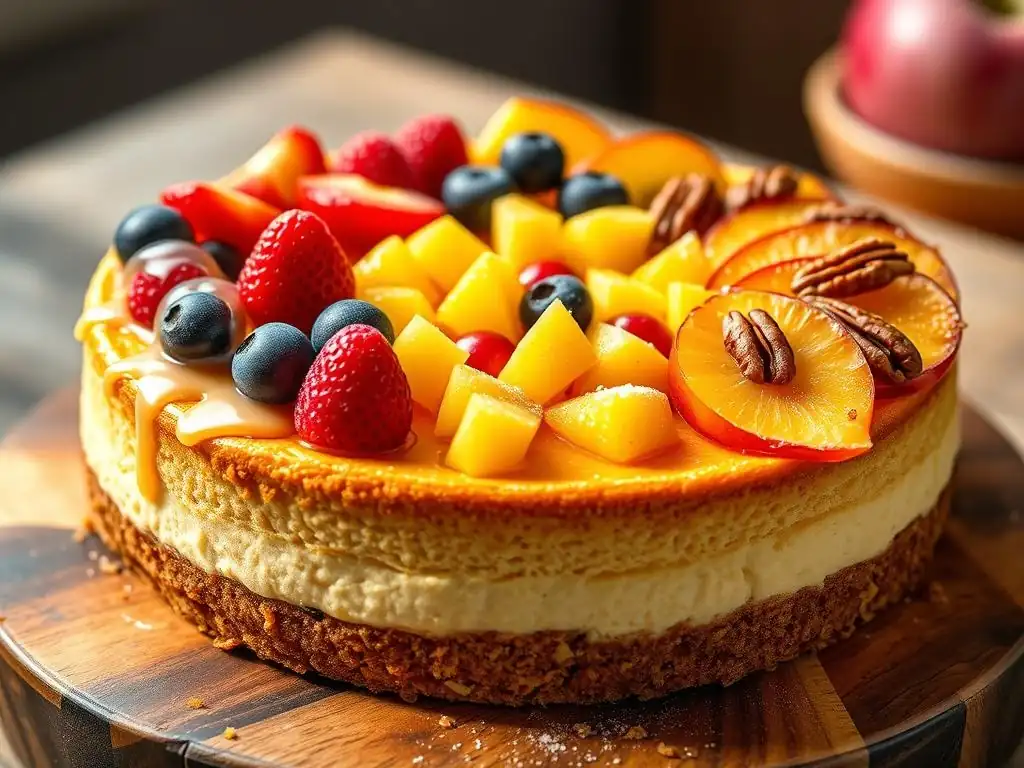
Even with the best intentions, sometimes things don't go perfectly in the kitchen. Cheesecake toppings can present their own set of challenges, from sauces that are too thin to ganaches that separate. Knowing how to troubleshoot these common issues can save your dessert and your sanity. Most problems can be fixed with simple adjustments or techniques.
Don't be discouraged if a topping doesn't turn out exactly as planned the first time. Baking, like any skill, involves learning from experience. Understanding the potential pitfalls and how to address them will make you a more confident baker.
Addressing a Grainy or Separated Topping
A grainy texture in a topping is often caused by sugar that hasn't fully dissolved (common in cooked sauces or caramels) or by overcooking. If a caramel sauce becomes grainy, sometimes gently reheating it over low heat and stirring can help dissolve the sugar crystals. For fruit sauces, ensuring the sugar is dissolved before thickening is important.
Separation, especially in ganache or caramel, can happen if the ingredients don't emulsify properly or if the mixture gets too hot. For a separated ganache, try whisking in a tablespoon of warm milk or cream, very slowly, until it comes back together. For a separated caramel, sometimes gently reheating and whisking vigorously can re-emulsify it, but this can be tricky. Prevention is easier: ensure ingredients are at the correct temperature and whisk gently when combining.
Preventing a Topping from Becoming Too Hard or Sticky
Some toppings, like caramel or certain glazes, can become too hard or sticky once cooled. This is often due to cooking the sugar mixture to too high a temperature or not adding enough liquid/fat. If a caramel sauce is too hard, gently reheat it with a tablespoon or two of cream or milk, stirring until it reaches the desired consistency. Be cautious not to overheat.
For toppings like chocolate ganache, a ganache that is too firm might have too high a chocolate-to-cream ratio or was chilled too much. Let it sit at room temperature to soften, or gently warm it in a bowl set over warm water, stirring until it reaches a spreadable or pourable consistency. Adding a touch more warm cream can also help loosen it.
Fixing a Runny or Thin Topping
A runny topping is usually a matter of consistency – either it wasn't cooked long enough to thicken (for sauces/compotes) or it has too much liquid (for ganaches/creams). For fruit sauces or compotes, return the sauce to a saucepan and simmer gently to reduce the liquid. If needed, mix a teaspoon of cornstarch with an equal amount of cold water to create a slurry, whisk it into the simmering sauce, and cook for another minute or two until thickened.
For a runny ganache, it likely has too much cream or wasn't cooled sufficiently. You can try gently reheating it and whisking in a few more ounces of finely chopped chocolate, letting it sit, then whisking until smooth. Alternatively, chilling it in the refrigerator for a period, stirring every 15-20 minutes, will help it thicken. For easy cheesecake fruit topping tips that result in a nice consistency, using a bit of cornstarch slurry is a reliable method.
Inspiration: 10 Stunning Cheesecake Topping Ideas
Looking for ideas to spark your creativity? Here are 10 inspiring cheesecake topping combinations, ranging from simple and classic to unique and decadent. These ideas showcase how different flavors, textures, and colors can come together to create truly stunning desserts.
- Fresh Berry Medley: A mix of fresh strawberries, blueberries, raspberries, and blackberries, perhaps lightly macerated with a tablespoon of sugar and a squeeze of lemon juice.
- Salted Caramel Drizzle with Toasted Pecans: A rich, homemade salted caramel sauce generously drizzled over the cheesecake and sprinkled with crunchy toasted pecans.
- Raspberry Coulis and White Chocolate Shavings: A vibrant, smooth raspberry sauce offering tartness, complemented by delicate white chocolate curls.
- Lemon Curd with Toasted Coconut: Tangy homemade lemon curd spread over the top, with a border or sprinkle of golden toasted coconut flakes.
- Chocolate Ganache with Sea Salt: A simple, glossy dark chocolate ganache finished with a sprinkle of flaky sea salt for a sophisticated sweet and salty kick.
- Apple Compote with Cinnamon Streusel: Soft, spiced apple compote topped with a crunchy cinnamon streusel crumble, reminiscent of apple pie.
- Cherry Sauce with Dark Chocolate Chips: A classic sweet and slightly tart cherry sauce studded with mini dark chocolate chips for added texture and flavor.
- Brown Butter Glaze with Toasted Walnuts: A warm, nutty brown butter glaze drizzled over the cheesecake and topped with crunchy toasted walnuts.
- Mango Passion Fruit Coulis: A tropical and vibrant sauce made from pureed mango and passion fruit, offering a bright, tangy contrast. This is a great example for easy cheesecake fruit topping tips with an exotic twist.
- Espresso Ganache with Cocoa Nibs: A rich chocolate ganache infused with strong espresso, topped with crunchy, slightly bitter cocoa nibs for complexity.
Frequently Asked Questions
What are some easy fruit options for topping a cheesecake?
Many fruits work well! Consider using fresh berries, like strawberries, blueberries, or raspberries. Canned fruit cocktail, drained well, is another easy and cost-effective choice.
How can I prevent my fruit topping from making my cheesecake soggy?
The key is to minimize excess moisture. Make sure your fruit is thoroughly drained if using canned or frozen fruit. A light glaze can also help create a barrier.
Should I add sugar to my fruit topping for cheesecake?
It depends on the fruit and your preference. Taste the fruit first; if it's tart, a little sugar or honey can enhance the sweetness. Avoid over-sweetening to maintain balance.
What's the best way to arrange the fruit on top of the cheesecake?
Get creative! You can create a simple, even layer, arrange the fruit in a decorative pattern, or go for a rustic, piled-high look. Consider color and texture for visual appeal.
Can I use a glaze on my fruit topping, and if so, what kind?
Yes! A simple apricot glaze or a homemade glaze made from fruit juice and cornstarch works well. It adds shine and helps the fruit adhere to the cheesecake.
Final Reflection: The Sweet Symphony of Simple Elegance
The art of cheesecake topping isn't just about aesthetics; it's about elevating a classic dessert to a personalized masterpiece. A simple addition of fresh fruit can transform a humble slice into a vibrant celebration of flavor and texture, proving that sometimes, the most impactful changes are the simplest. This isn't just about following a recipe; it's about unlocking your creativity in the kitchen.
The enduring appeal of cheesecake lies in its versatility. It's a blank canvas, begging for the artist's touch. The possibilities are endless, from the classic elegance of a berry compote to the unexpected zest of a tropical fruit salsa. This exploration of easy fruit topping techniques is a testament to the power of simple ingredients to create extraordinary results. The best things in life are simple,
a sentiment perfectly captured by the delightful ease and impact of a well-chosen fruit topping.
Now, it's your turn. Don't be afraid to experiment! Try a combination of fruits you've never considered before. Let your imagination guide you as you transform your next cheesecake into a unique expression of your culinary creativity. Embrace the joy of simple elegance, and discover the sweet symphony of flavors waiting to be unleashed. The perfect cheesecake topping awaits your personal touch.
Unleash Your Inner Cheesecake Artist!
Thanks for joining us on this delicious journey into cheesecake toppings! We hope you’ve gained some inspiration and new techniques to elevate your baking game. Ready to take your cheesecakes to the next level?
- Master a new topping technique: Try one of the fruit combinations we highlighted – or get creative and invent your own! Remember, the key is balance and visual appeal.
- Share your masterpiece: Post a picture of your stunningly decorated cheesecake on social media and tag us – we'd love to see your creations!
- Explore our other cheesecake recipes: Discover more flavour combinations and techniques on our website.
Ready to wow your friends and family with your incredible cheesecake skills? What unique fruit combination will you try next?