
The Art of the Crumble Topping: Secrets to Crunch

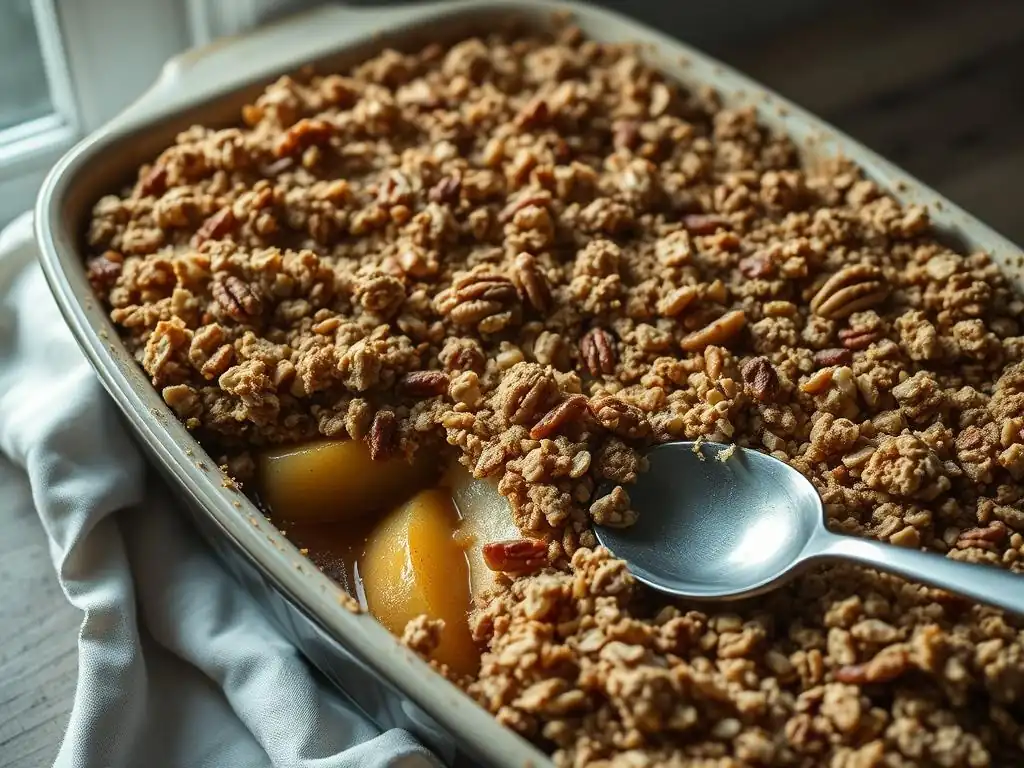
Welcome to BakeWithEase, your haven for all things baking! Are you ready to unlock the secrets to pastry perfection? Then look no further! This week, we're diving deep into the world of crumbles. Ever wondered how to achieve that irresistibly crunchy, golden-brown topping? Our guide to the perfect crumble topping recipe will transform your desserts from good to unforgettable. Discover the easy-to-follow steps and simple tricks that will have everyone asking for seconds. Ready to create a crumble that's truly exceptional? Let's get baking!
- Introduction: Elevating Your Baked Desserts with the Perfect Crumble Topping
- Understanding the Fundamentals of a Delicious Crumble Topping
- Mastering the Perfect Crumble Topping Recipe: A Step-by-Step Guide
- Troubleshooting Common Crumble Topping Problems
- Flavor Variations: Expanding Your Crumble Topping Repertoire
- Tips and Tricks for the Ultimate Crumble Topping Experience
- Beyond the Basics: Creative Crumble Topping Ideas
- Conclusion: Create Your Signature Crumble Topping
-
Frequently Asked Questions
- What is the key to achieving a truly crunchy crumble topping?
- Can I use different types of flour in my crumble topping recipe?
- What are some variations I can make to the "Perfect crumble topping recipe" on BakeWithEase?
- How long does crumble topping typically last, and how should I store it?
- Is it possible to make a healthier version of the crumble topping recipe?
- Final Reflection: The Enduring Allure of the Perfect Crumble
- Unlock Your Crumble Topping Mastery!
Introduction: Elevating Your Baked Desserts with the Perfect Crumble Topping
Welcome to the wonderful world of crumble toppings! This simple yet magical element can transform an ordinary baked fruit dish or even a cheesecake into something truly special. The contrast between a warm, soft fruit filling and a crisp, buttery crumble is what makes desserts like apple crumble and berry crisp universally loved. Mastering the perfect crumble topping recipe is a fundamental skill for any home baker looking to add that extra layer of texture and flavor.
Whether you're a beginner tackling your first apple crisp or an experienced baker perfecting your technique, understanding the science and art behind a great crumble is key. We'll walk you through the essential ingredients, the step-by-step process, and troubleshooting tips to ensure your crumble topping is always golden, crunchy, and utterly delicious. Get ready to elevate your baking game and impress your friends and family with toppings that are far from crumbly in quality, but perfectly so in texture.
Understanding the Fundamentals of a Delicious Crumble Topping
What Makes a Good Crumble Topping? Texture and Flavor Explained
A truly exceptional crumble topping is a delightful interplay of textures and flavors. The ideal texture should be wonderfully crumbly, but also possess a significant crunch or crispness that holds up during baking and contrasts beautifully with the soft filling beneath. Imagine biting into a warm apple crisp and experiencing that satisfying snap before reaching the sweet, tender fruit – that's the hallmark of a well-executed crumble. This texture comes from the way the fat (butter) is incorporated with the dry ingredients, creating small pockets that crisp up as they bake.
Beyond texture, flavor is paramount. The base flavor is typically rich and buttery, often complemented by sweetness from sugar. However, a great crumble topping can be a canvas for additional flavors. Think warm spices like cinnamon, nutmeg, or ginger, which pair wonderfully with fruit. Or perhaps nutty notes from oats or chopped nuts. The goal is a balanced flavor profile that enhances, rather than overpowers, the dessert it accompanies. Getting this balance right is crucial for achieving the perfect crumble topping recipe.
The Essential Ingredients for Your Best Crumble Topping Recipe
Creating a fantastic crumble topping requires just a few core ingredients, but understanding their roles is vital. Flour provides the structure, butter delivers flavor and helps create that signature crumbly texture, and sugar adds sweetness and aids in browning. These three form the foundation of virtually every crumble topping. The beauty lies in how these simple components interact when combined correctly.
While the basic trio is essential, optional additions can elevate your crumble to new heights. Oats lend a slightly chewy texture and hearty flavor, nuts add crunch and richness, and spices infuse warmth and complexity. Choosing the right quality of ingredients, particularly cold butter, is a non-negotiable step towards crafting a truly memorable and perfect crumble topping recipe.
Flour: Choosing the Right Type for Optimal Crunch
All-purpose flour is the standard choice for most crumble topping recipes, and for good reason. Its moderate protein content provides enough structure to hold the crumble together without making it tough. When combined with cold butter and baked, it crisps up beautifully, contributing significantly to the desired crunchy texture. Using about 1 cup (approximately 120-125 grams) of all-purpose flour is a common starting point for a topping covering a standard 9-inch pie or baking dish.
While all-purpose flour is reliable, some bakers experiment with other types. A small amount of whole wheat flour (perhaps replacing 1/4 cup of the all-purpose flour) can add a nuttier flavor and slightly denser texture, which some find appealing. However, for maximum crunch and a classic result, sticking primarily to or entirely with all-purpose flour is generally recommended for a consistently excellent crumble topping.
Butter: The Key to Flaky Goodness in Crumble Topping
Butter is arguably the most critical ingredient in a crumble topping. It provides richness, flavor, and, most importantly, helps create the signature crumbly and crisp texture. The key is to use cold butter, cut into small pieces or grated. When cold butter is rubbed into the dry ingredients (flour and sugar), it creates small pockets of fat coated in flour. As the crumble bakes, the water in the butter turns to steam, pushing the flour particles apart and creating a light, crumbly, and flaky texture.
Using soft or melted butter will result in a paste-like mixture that bakes into a hard, dense crust rather than a delicate crumble. Aim for about half as much butter as flour by weight – for example, around 1/2 cup (113 grams) of cold butter for every 1 cup (125 grams) of flour. This ratio helps ensure you get those distinct, buttery crumbs essential for the perfect crumble topping recipe.
Sugar: Sweetening and Texturizing Your Crumble
Sugar serves a dual purpose in crumble topping: it adds sweetness to balance the richness of the butter and the tartness of any fruit filling, and it contributes significantly to the texture and color. Granulated sugar is commonly used because it helps the crumble crisp up and brown nicely during baking. About half as much sugar as flour (e.g., 1/2 cup or 100 grams of granulated sugar per 1 cup of flour) is a typical ratio, but this can be adjusted based on the sweetness of the filling.
Using brown sugar, either in part or entirely, will result in a crumble that is slightly moister, chewier, and has a wonderful caramel-like flavor. A mix of granulated and brown sugar (e.g., 1/4 cup granulated and 1/4 cup brown per cup of flour) offers a balance of crispness and chewiness. The sugar melts slightly during baking, contributing to the golden color and helping the crumbs hold their shape while still remaining distinct and crumbly.
Optional Additions: Oats, Nuts, and Spices for Enhanced Flavor Profiles
Adding ingredients like oats, nuts, or spices can significantly enhance the flavor and texture of your crumble topping, taking a basic recipe to the next level. Rolled oats (not instant) are a popular addition, providing a rustic appearance, a pleasant chewiness, and a slightly nutty flavor. A common ratio is to replace about 1/4 to 1/2 of the flour with oats by volume (e.g., 1/2 cup oats per 1 cup flour).
Chopped nuts, such as pecans, walnuts, or almonds, add a satisfying crunch and rich, toasty flavor. Add about 1/4 to 1/2 cup of chopped nuts per cup of flour for a noticeable effect. Spices like cinnamon, nutmeg, ginger, or cardamom are essential for classic fruit crumbles, adding warmth and aroma. Start with 1-2 teaspoons of total spices per cup of flour and adjust to your preference. These additions allow you to customize your perfect crumble topping recipe for different desserts.
Mastering the Perfect Crumble Topping Recipe: A Step-by-Step Guide
Step 1: Preparing Your Ingredients - Measuring and Combining Dry Components
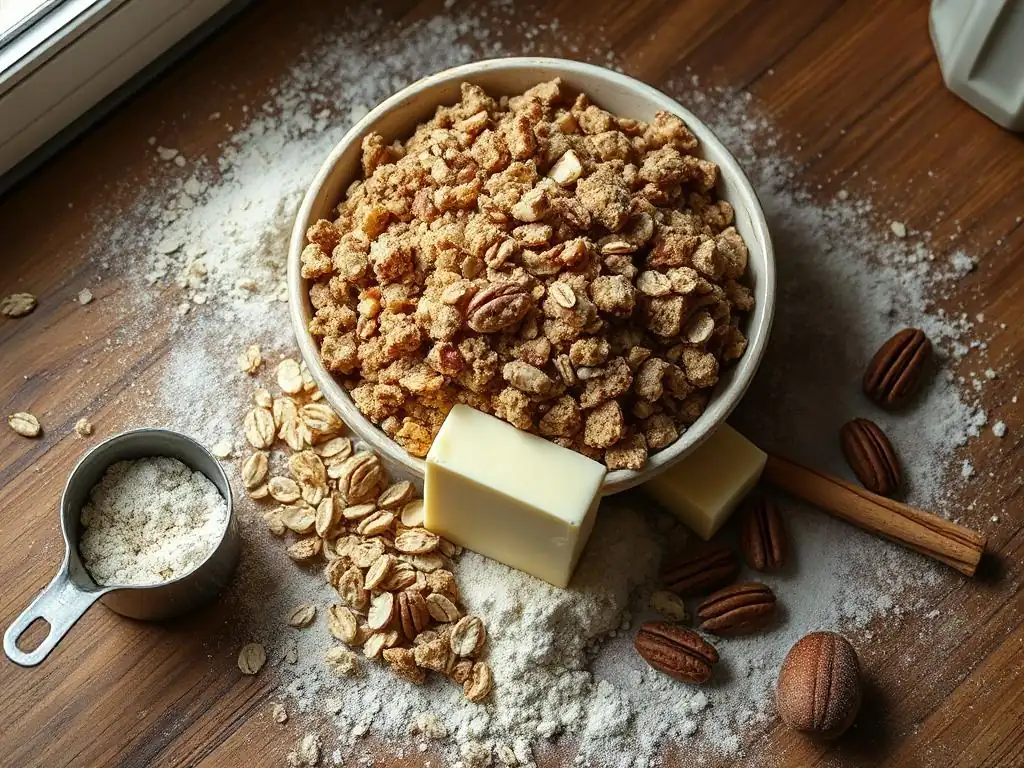
Begin by accurately measuring your dry ingredients: flour, sugar (granulated, brown, or a mix), and any optional additions like oats, nuts, or spices. For consistent results, especially with flour, it's often best to weigh the ingredients if you have a scale. If using volume measurements, lightly spoon the flour into your measuring cup and level it off rather than scooping directly from the bag, which can compact the flour and result in too much.
Combine all the dry ingredients in a medium bowl. Use a whisk or a fork to thoroughly mix them together. This step ensures that the sugar, spices, and any other additions are evenly distributed throughout the flour mixture before you add the butter. Proper mixing of the dry components is a simple but important first step towards creating a uniform and delicious crumble.
Step 2: Incorporating the Butter - Achieving the Ideal Crumble Texture
The key to achieving the classic crumbly texture is incorporating cold butter into the dry ingredients. Cut your cold butter into small cubes (about 1/2-inch or 1 cm) or grate it using a box grater. Add the cold butter cubes to the bowl of dry ingredients. Now, you need to work the butter into the flour mixture until it resembles coarse sand or small peas.
There are several methods for doing this:
- By Hand: Use your fingertips to rub the butter into the dry ingredients. Lift your hands slightly as you rub to incorporate air. This is a great method for small batches but can warm the butter quickly.
- Pastry Blender: A pastry blender is designed specifically for this task. Press the blades into the butter and dry ingredients, cutting the butter into smaller pieces as you work around the bowl.
- Food Processor: For larger batches or quick results, pulse the dry ingredients and cold butter in a food processor until the mixture resembles coarse crumbs. Be careful not to over-process into a paste.
Regardless of the method, stop when the mixture looks like coarse crumbs or small peas. There should still be visible pieces of butter, which will create flakiness and crunch when baked. Overworking the mixture will melt the butter and lead to a less desirable texture.
Step 3: Assembling the Crumble - Handling and Storing Tips
Once your crumble mixture has reached the desired texture, it's ready to be sprinkled over your prepared filling. For fruit crumbles, spoon the fruit filling into your baking dish first. Then, evenly scatter the crumble topping over the fruit. Try to avoid pressing it down too firmly, as this can inhibit the formation of distinct crumbs and reduce crispness. A light, even layer is best.
If you're not baking the crumble immediately, you can store it. Unbaked crumble can be kept in an airtight container in the refrigerator for 2-3 days. For longer storage, spread the unbaked crumble on a baking sheet and freeze until firm, then transfer to a freezer-safe bag or container. It can be frozen for up to 3 months and baked directly from frozen (you might need to add a few extra minutes to the baking time).
Step 4: Baking Your Crumble - Achieving Golden Brown Perfection
Baking is where the magic happens, transforming the crumb mixture into a golden, crunchy topping. Preheat your oven to the temperature specified in your recipe, typically between 350°F and 400°F (175°C to 200°C). Place the assembled dessert on a baking sheet (to catch any drips from the filling) and bake in the preheated oven.
Baking time will vary depending on the size and depth of your dish and the filling, but a typical fruit crisp or crumble takes about 25-45 minutes. You'll know the crumble is done when it is deeply golden brown and the filling underneath is bubbling around the edges. The rich golden color is a key indicator of crispness and flavor development. If the crumble starts browning too quickly before the filling is ready, you can loosely tent the dish with foil.
Troubleshooting Common Crumble Topping Problems
Soggy Crumble: Preventing a Mushy Mess
A soggy crumble topping is one of the most common and disappointing issues. This often happens when moisture from the fruit filling seeps into the crumble layer during baking. One primary cause is using a fruit filling that is too juicy without a thickener. For instance, an apple filling might release a lot of liquid as it bakes.
To prevent sogginess, ensure your fruit filling is adequately thickened. For about 6-8 cups of fruit, use 1-2 tablespoons of cornstarch, flour, or tapioca starch mixed with the fruit before adding the topping. Another strategy is to bake the crumble topping separately on a baking sheet until partially or fully golden brown (about 15-20 minutes at 375°F/190°C), then sprinkle it over the already baked fruit filling during the last 10 minutes of baking or even after the fruit is fully cooked. This helps the crumble crisp up before it has prolonged contact with the moist fruit.
Dry and Dusty Crumble: Adding Moisture for a Better Bake
On the opposite end of the spectrum is a crumble topping that is too dry and dusty, lacking that signature buttery richness and ability to clump into pleasing crumbs. This usually indicates that there wasn't enough butter used in proportion to the dry ingredients, or that the butter wasn't properly incorporated. If the mixture looks like fine powder rather than coarse sand with visible butter pieces after mixing, it's likely too dry.
To remedy a dry mixture before baking, you can try adding a little more very cold butter, cut into tiny pieces, and quickly working it in. Alternatively, you can sprinkle in a teaspoon or two of ice-cold water, milk, or even cream, mixing just until the mixture starts to clump slightly when squeezed. Be cautious not to add too much liquid, as this can lead to toughness. The goal is just enough moisture to help the crumbs form properly and bake into a cohesive, yet crumbly, topping.
Unevenly Baked Crumble: Ensuring Consistent Results
An unevenly baked crumble can result in some parts being perfectly golden and crunchy while others are pale and still powdery. This can be due to several factors, including uneven distribution of the crumble mixture, hot spots in your oven, or placing the baking dish too close to a heating element. Ensure that you scatter the crumble mixture as evenly as possible over the filling, avoiding large clumps or bare spots.
Preheating your oven thoroughly is crucial for even baking. Using an oven thermometer can help verify that your oven is reaching and maintaining the correct temperature. If you know your oven has hot spots, rotate the baking dish halfway through the baking time (e.g., after 15-20 minutes) to ensure uniform exposure to heat. Placing the dish on a baking sheet can also help regulate the heat reaching the bottom of the dish, contributing to more even baking overall.
Flavor Variations: Expanding Your Crumble Topping Repertoire
Apple Crumble Topping: Enhancing Classic Apple Desserts
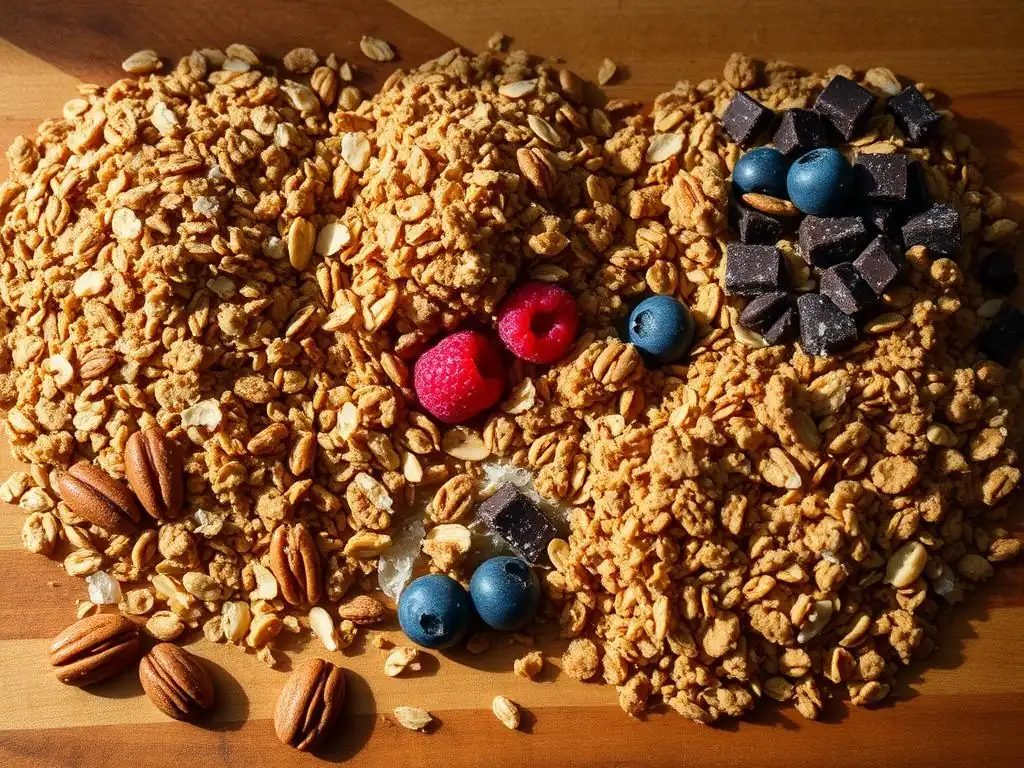
The classic apple crumble is a beloved dessert, and its topping is typically warm, spiced, and comforting. For an apple crumble topping, spices like cinnamon, nutmeg, and allspice are essential. A common starting point is adding 1 teaspoon of cinnamon and 1/4 teaspoon of nutmeg per cup of flour in your perfect crumble topping recipe. You can also add a pinch of ground ginger or cardamom for extra warmth.
Incorporating rolled oats (about 1/2 cup per cup of flour) and chopped nuts like walnuts or pecans (about 1/4 cup per cup of flour) works exceptionally well with apples, adding complementary textures and flavors. Using a mix of granulated and brown sugar in the topping (e.g., half and half) provides a delightful balance of crispness from the granulated sugar and a hint of caramel chewiness from the brown sugar, pairing wonderfully with the slightly tart apples.
Berry Crumble Topping: Complementing Sweet and Tart Berries
Berry fillings, like blueberries, raspberries, or mixed berries, can range from sweet to quite tart, and your crumble topping can be adjusted to match. If using sweet berries, you might slightly reduce the sugar in the topping. For tart berries like raspberries or blackberries, a bit more sugar might be desirable to balance the flavors. Using only granulated sugar can provide a crisp counterpoint to the soft, juicy berries.
Adding a touch of citrus zest, such as lemon or orange zest, can brighten the flavor profile of a berry crumble topping beautifully. About 1 teaspoon of finely grated zest per cup of flour adds a refreshing note. Spices like cardamom or a hint of black pepper (yes, pepper!) can also surprisingly enhance berry flavors. Consider adding slivered almonds or pistachios for a delicate crunch that complements the smaller size of berries.
Stone Fruit Crumble Topping: The Perfect Summer Treat
Stone fruits like peaches, plums, cherries, and apricots are summer delights that pair wonderfully with a buttery crumble topping. The sweetness and slight tartness of these fruits are beautifully complemented by warm flavors. Almond extract is a fantastic addition to a stone fruit crumble topping, enhancing the natural subtly almondy notes often found in these fruits. Use just a small amount, perhaps 1/4 teaspoon per cup of flour, as it's quite potent.
Brown sugar works particularly well in stone fruit crumbles, adding a moist, chewy texture and a rich, caramel-like flavor that highlights the sweetness of the ripe fruit. Consider using only brown sugar or a higher proportion of brown sugar to granulated sugar. Spices like ginger, cardamom, or even a tiny pinch of clove can add depth. Pecans or walnuts are excellent nut pairings for stone fruit.
Chocolate Crumble Topping: Adding a Decadent Twist
For a truly decadent variation, transform your basic crumble into a chocolate lover's dream. This works exceptionally well over fillings like cherries, raspberries, pears, or even a plain cheesecake. Simply add unsweetened cocoa powder to the dry ingredients. Start with 2-3 tablespoons of cocoa powder per cup of flour. You might need to slightly increase the butter or add a touch more sugar to balance the bitterness of the cocoa.
Mini chocolate chips or chopped dark chocolate can also be folded into the mixture after the butter is incorporated, adding pockets of melted chocolate throughout the topping. A pinch of espresso powder can enhance the chocolate flavor. This chocolate crumble topping provides a rich, indulgent contrast to fruit or creamy fillings, offering a sophisticated twist on the traditional perfect crumble topping recipe.
Tips and Tricks for the Ultimate Crumble Topping Experience
Using Cold Butter for Maximum Crunch
We've mentioned it before, but it bears repeating: using cold butter is perhaps the most crucial tip for achieving a truly crunchy and flaky crumble topping. When cold butter is cut into the dry ingredients, it creates tiny pieces of fat that are coated in flour. As the crumble bakes, the water content in these cold butter pieces turns into steam, which helps to separate the layers of flour, resulting in a lighter, more tender, and ultimately crispier crumb structure.
If your butter starts to soften while you're working with it, especially if using the hand method, pop the bowl into the refrigerator for 10-15 minutes to chill it down before continuing. This simple step ensures that those vital pockets of cold butter remain intact until they hit the heat of the oven, guaranteeing that desired crunch.
The Importance of Ingredient Ratios for Crumble Topping Success
While there's room for creativity, understanding the basic ratios of flour, butter, and sugar is fundamental to a successful crumble topping. A common starting point for a classic crumble is a ratio of roughly 2 parts flour to 1 part butter to 1 part sugar by weight or slightly more sugar than butter by volume (e.g., 1 cup flour, 1/2 cup cold butter, 1/2 cup sugar). Adjusting these ratios significantly impacts the final texture.
Using more butter results in a richer, more tender, and less distinct crumb that might spread more during baking. Using less butter can lead to a dry, dusty topping. Increasing the sugar helps with browning and crispness but too much can make the topping hard or overly sweet. Decreasing sugar can result in a pale, less crisp topping. Experimenting slightly with these ratios, perhaps starting with a trusted perfect crumble topping recipe and making small adjustments, is key to finding your personal favorite.
Storing Crumble Topping for Later Use - Maintaining Freshness
One of the great things about crumble topping is that it can be made ahead of time. Unbaked crumble mixture can be stored in an airtight container in the refrigerator for up to 3-4 days. The cold helps keep the butter firm, ready for baking.
For longer storage, the unbaked crumble freezes beautifully. Spread it in a single layer on a baking sheet and freeze until solid (about 1-2 hours). Then, transfer the frozen crumbs to a freezer-safe bag or container.
It can be stored in the freezer for up to 3 months. You can sprinkle the frozen crumble directly over your fruit filling and bake as usual, adding a few extra minutes to the baking time to account for the frozen topping. Baked crumble topping can also be stored in an airtight container at room temperature for a couple of days to maintain crispness.
Beyond the Basics: Creative Crumble Topping Ideas
Adding Citrus Zest for a Zesty Kick
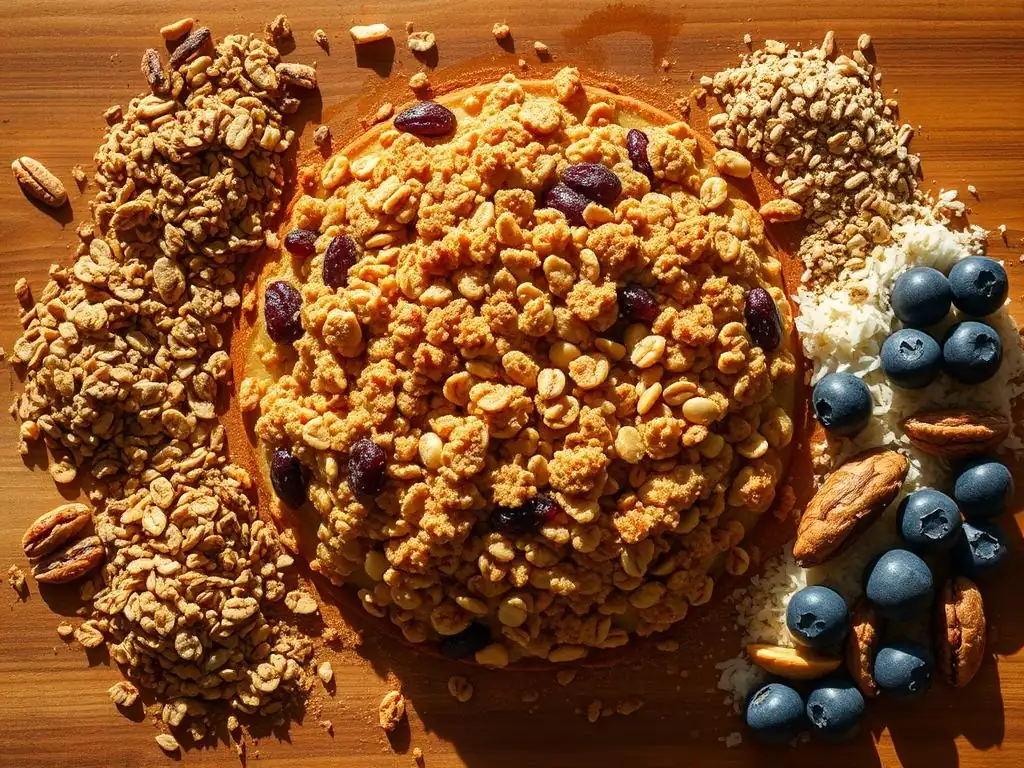
Introducing citrus zest to your crumble topping is a simple yet effective way to add a layer of bright, fresh flavor that cuts through the richness of the butter and complements fruit fillings. Finely grated zest from a lemon, orange, lime, or even grapefruit can be added to the dry ingredients along with the flour and sugar. The oils in the zest infuse the crumble with a wonderful aroma and a subtle tangy note.
Lemon zest is particularly versatile and works well with a wide range of fruits, including berries, apples, and stone fruits. Orange zest pairs beautifully with apples, pears, and cranberries. About 1-2 teaspoons of zest per cup of flour is usually sufficient to make an impact without being overpowering. This small addition can elevate a standard perfect crumble topping recipe into something truly vibrant.
Incorporating Brown Butter for a Nutty Depth of Flavor
Browning your butter before incorporating it into the crumble topping adds an incredible depth of flavor. Brown butter has a rich, nutty, and slightly caramelized taste that is far more complex than plain melted butter. To make brown butter, melt the butter in a saucepan over medium heat, stirring occasionally. It will foam, then eventually brown solids will appear at the bottom, and it will develop a nutty aroma. Remove it from the heat immediately and pour it into a heatproof bowl to stop the cooking.
Allow the brown butter to cool completely and solidify before using it in your crumble. You'll need to scrape it out of the bowl and treat it like cold butter, cutting it into pieces and rubbing it into the dry ingredients. This technique imparts a sophisticated, toasty flavor that pairs wonderfully with apples, pears, and chocolate-based fillings, offering a unique twist on the classic perfect crumble topping recipe.
Using Different Types of Sugar for Varied Textures
While granulated and brown sugars are the most common, experimenting with other types of sugar can yield interesting textural results in your crumble topping. Using only granulated sugar tends to produce the crispest, most distinct crumbs. Using only light or dark brown sugar results in a chewier, moister, and richer crumble with a more pronounced caramel flavor.
For a very fine, almost sandy texture, you could experiment with adding a small amount of powdered sugar (confectioners' sugar) to the mix, although this is less common for a traditional crumble. Alternatively, using coarse turbinado or demerara sugar sprinkled on top of the crumble before baking adds extra sparkle and a delightful, sugary crunch. Combining different sugars allows you to fine-tune the texture and sweetness profile of your perfect crumble topping recipe.
Conclusion: Create Your Signature Crumble Topping
Recap of the Key Elements for the Perfect Crumble Topping Recipe
Crafting the perfect crumble topping recipe is an achievable goal for any baker. It hinges on a few fundamental principles: starting with cold butter and accurately measured dry ingredients, properly incorporating the butter until the mixture resembles coarse crumbs, and baking until deeply golden brown. Understanding the role of each ingredient – flour for structure, cold butter for flakiness and richness, and sugar for sweetness and browning – empowers you to troubleshoot and adjust as needed.
From the simple elegance of a classic butter-sugar-flour mix to creative additions like oats, nuts, spices, or citrus zest, the possibilities are vast. By mastering the basic technique and experimenting with flavor variations, you can develop a signature crumble topping that perfectly complements your favorite baked desserts. So grab your ingredients, get your hands a little messy, and enjoy the satisfying process of creating that irresistible crunch that elevates every bite.
Frequently Asked Questions
What is the key to achieving a truly crunchy crumble topping?
The secret lies in using cold butter and avoiding overmixing the ingredients. This prevents gluten development, resulting in a tender and crisp topping.
Can I use different types of flour in my crumble topping recipe?
Yes, you can! Experiment with options like whole wheat flour or almond flour for different textures and flavors. Just be aware that it may affect the overall crumble consistency.
What are some variations I can make to the "Perfect crumble topping recipe" on BakeWithEase?
You can add chopped nuts, such as pecans or walnuts, for extra crunch and flavor. Spices like cinnamon or nutmeg also add warmth and complexity to the topping.
How long does crumble topping typically last, and how should I store it?
Unbaked crumble topping can be stored in an airtight container in the refrigerator for up to 3 days. You can also freeze it for longer storage, up to one month.
Is it possible to make a healthier version of the crumble topping recipe?
Absolutely! Reduce the amount of butter and sugar, and incorporate oats or nuts for added fiber and nutrients. You could also use alternative sweeteners like maple syrup.
Final Reflection: The Enduring Allure of the Perfect Crumble
The humble crumble topping, far from being a mere afterthought, represents a powerful symbol of comfort, nostalgia, and the simple joys of home baking. Its seemingly straightforward nature belies a depth of flavor and texture that continues to captivate home cooks and professional bakers alike. The pursuit of the perfect crumble, as explored in this article, is not just about achieving a specific recipe, but about understanding the fundamental principles of texture, flavor balance, and the alchemy of butter, flour, and sugar.
The enduring appeal of the crumble lies in its versatility and its ability to transform ordinary fruit into something extraordinary. It's a testament to the power of simple ingredients, elevated by careful technique. The satisfying crunch, the melt-in-your-mouth buttery goodness, the comforting warmth – these are sensory experiences that resonate deeply. As M.F.K. Fisher so eloquently put it, First we eat, then we do everything else.
And a perfectly executed crumble topping elevates the act of eating to an art form, a moment of pure, unadulterated pleasure.
Now, I invite you to consider your own approach to crumble making. Will you experiment with different flours, nuts, or spices? Will you strive for a delicate, sandy texture or a robust, chunky one? The possibilities are endless. More importantly, remember that the perfect crumble is not a destination, but a journey of culinary exploration and self-expression. Embrace the process, savor the results, and share the joy of a perfectly golden, gloriously crunchy topping with those you love.
Unlock Your Crumble Topping Mastery!
Thanks for taking the time to explore the delightful world of crumble toppings! We hope you've discovered some new techniques to elevate your baking. Now it's time to put your newfound knowledge into practice!
- Bake your dream crumble: Try out one of the recipes mentioned (or create your own! ), focusing on mastering that perfect, crunchy topping. Share a picture of your masterpiece with us on social media using #BakeWithEaseCrumbles!
- Experiment with different flours and spices: How will rye flour change the texture? What about adding a pinch of cardamom? The possibilities are endless!
- Join our baking community: Share your crumble creations and tips in the comments below – let's inspire each other!
What unexpected flavor combination will you try in your next crumble topping?