
Easy Coconut Macaroons (Baked)

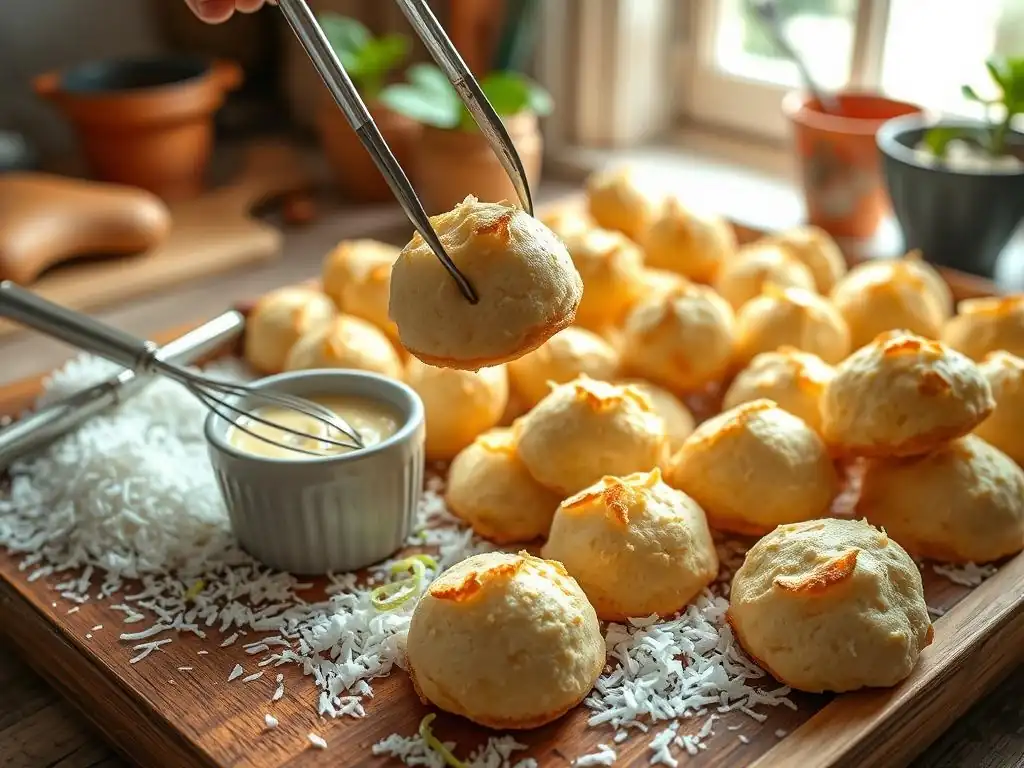
Welcome to BakeWithEase, your trusted guide to the wonderful world of baking! Ever dreamt of effortlessly creating delicious treats? Then you're in the right place. Get ready to discover the secrets behind perfect pastries and mouthwatering desserts, starting with our incredibly easy coconut macaroon baking recipe. Intrigued? We'll show you how to bake these delightful treats with just a few simple steps, so keep reading and let's get baking!
- Classic Coconut Macaroons: A Simple Recipe
- Introduction to Classic Coconut Macaroons
- Ingredients for Coconut Macaroons
- Step-by-Step Baking Guide
- Tips for Perfect Macaroons
- Serving and Variations
- Troubleshooting Baking Problems
- Recipe Summary
- Frequently Asked Questions
- Final Reflection: The Sweet Simplicity of Baking
- Unleash Your Inner Baker: Make These Macaroons Today!
Classic Coconut Macaroons: A Simple Recipe
Introduction to Classic Coconut Macaroons
Baking Delicious Coconut Macaroons at Home
Coconut macaroons are a delightful treat, known for their sweet, chewy interior and slightly crisp exterior. Unlike their often more complex French cousins, macarons, these classic cookies are incredibly straightforward to make. Originating from Italian monasteries perhaps centuries ago, the macaroon evolved in various cultures, with the coconut version gaining immense popularity, particularly in the United States, due to its simplicity and satisfying texture. An easy coconut macaroon baking recipe is perfect for novice bakers or anyone looking for a quick win in the kitchen.
Creating these sweet mounds of coconut goodness requires minimal ingredients and basic baking skills. They're a fantastic option when you're craving something sweet but don't want to spend hours measuring, mixing, and chilling dough. A batch typically comes together in under 30 minutes of prep time, followed by a relatively short baking period, often around 15-20 minutes. This makes them an ideal last-minute dessert or a fun project to do with kids, demonstrating just how accessible delicious baking can be.
Why This Coconut Macaroon Recipe is a Great Choice
This particular easy coconut macaroon baking recipe stands out because it relies on a few key ingredients that are likely already in your pantry. The use of sweetened condensed milk simplifies the process significantly, acting as both the primary sweetener and the binder, eliminating the need for separate sugar and a fat source like butter or oil. This streamlined approach reduces steps and potential pitfalls, making it highly forgiving for beginners.
Furthermore, the structure of this easy coconut macaroon baking recipe ensures consistent results. By focusing on simple mixing techniques and clear baking instructions, it minimizes the chances of common baking errors. The result is a batch of uniformly delicious macaroons that are perfectly golden brown on the outside and wonderfully moist and chewy within, proving that you don't need complicated methods to achieve bakery-quality treats right in your own kitchen.
Ingredients for Coconut Macaroons
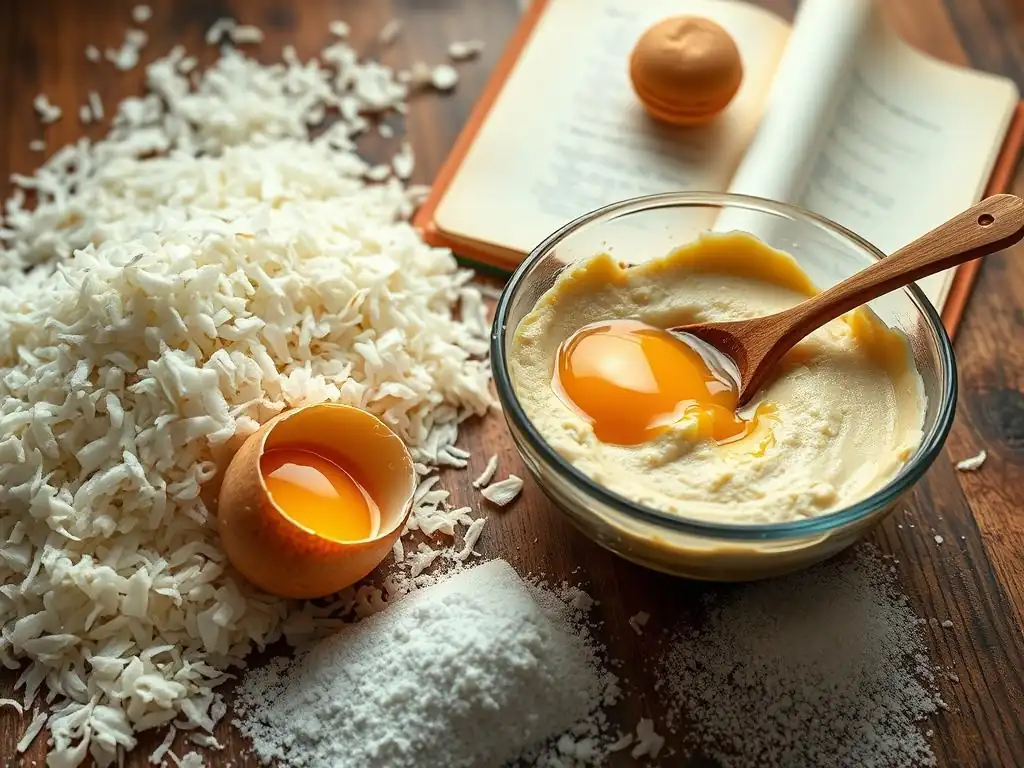
Essential Ingredients for Delicious Macaroons
Crafting perfect coconut macaroons starts with selecting quality ingredients. The core components are few but play distinct roles in achieving the desired texture and flavor. Understanding each ingredient's function is key to successful baking, especially when following an easy coconut macaroon baking recipe.
The simplicity of the ingredient list is part of what makes this an easy coconut macaroon baking recipe. You typically only need four or five items to get started, making grocery shopping a breeze. Focusing on the quality of these few ingredients will significantly impact the final taste and texture of your baked macaroons.
Shredded Coconut: Selecting the Right Coconut
The type of shredded coconut you use is crucial for the texture. Most easy coconut macaroon baking recipes call for sweetened shredded coconut, which is moist and provides sweetness. It helps the macaroons hold their shape and stay chewy. Look for brands that have a good moisture level and aren't dried out.
While sweetened is standard, unsweetened shredded or desiccated coconut can also be used. If using unsweetened, you might need to slightly increase the amount of sweetened condensed milk or add a touch of sugar to compensate for the lack of sweetness and moisture. Flaked coconut provides a chunkier texture, while finely shredded coconut results in a more uniform, dense macaroon.
Sweetened Condensed Milk: Binding and Sweetening
Sweetened condensed milk is the binder and primary sweetener in many classic coconut macaroon recipes. It's essentially cow's milk that has had about 60% of its water removed and sugar added, resulting in a thick, syrupy liquid. This provides the necessary moisture and stickiness to hold the coconut flakes together during baking.
Beyond its binding properties, sweetened condensed milk contributes a rich, caramel-like sweetness that complements the tropical flavor of the coconut beautifully. It also helps create that desirable slightly chewy texture. Using the correct amount specified in your easy coconut macaroon baking recipe is vital, as too little will result in dry, crumbly macaroons, and too much can make them spread excessively.
Egg Whites: Creating Light and Airy Texture
While some recipes rely solely on condensed milk, many classic and easy coconut macaroon baking recipes incorporate egg whites. Whipped egg whites introduce air into the mixture, which helps to lighten the dense coconut and condensed milk base. This results in a macaroon that is slightly less heavy and has a more pleasant, airy chew.
The protein in the egg whites also contributes to the structure of the macaroon as it bakes and coagulates. Using fresh egg whites is recommended for the best results. Gently folding them into the coconut mixture helps maintain the air pockets, leading to a lighter final product compared to recipes without egg whites.
Vanilla Extract: Enhancing the Macaroon Flavor
Vanilla extract is a simple but powerful flavor enhancer in this easy coconut macaroon baking recipe. A small amount of pure vanilla extract can elevate the overall taste, adding depth and warmth that complements the sweet coconut flavor. It helps to round out the sweetness and provides a familiar, comforting aroma.
While a classic addition, vanilla extract can also be a starting point for variations. Approximately one teaspoon is typically sufficient for a standard batch. Ensure you use pure vanilla extract for the best flavor profile; imitation vanilla will work but won't provide the same richness.
Ingredient Substitutions and Adjustments
Adapting an easy coconut macaroon baking recipe can be fun, especially if you have dietary needs or want to experiment with flavors. Simple swaps can alter the nutritional profile or introduce new dimensions to the classic taste. Remember that substitutions might slightly change the texture or appearance.
For instance, while sweetened condensed milk is standard, some recipes use a combination of granulated sugar and egg whites, sometimes with a touch of flour or cornstarch as a stabilizer. This approach requires whipping the egg whites and often cooking the mixture briefly over heat, making the condensed milk version a definitively easy coconut macaroon baking recipe by comparison.
Coconut Sugar for Lower Glycemic Index
If you're looking to reduce the refined sugar content, substituting the sweetened condensed milk is tricky as it's a binder. However, if you are using a recipe that uses granulated sugar and egg whites (not the condensed milk type), you could potentially experiment with coconut sugar. Coconut sugar has a slightly lower glycemic index than refined sugar and adds a subtle caramel note.
Using coconut sugar in a non-condensed milk macaroon recipe would likely require careful measurement and possibly adjusting moisture levels, as coconut sugar behaves differently than granulated sugar. This substitution moves away from the standard easy coconut macaroon baking recipe structure but offers an alternative for those managing sugar intake in different types of macaroon formulations.
Adding Almond Extract or Citrus Zest
Flavor variations are easy to incorporate into this simple recipe. Adding a quarter teaspoon of almond extract alongside the vanilla can give the macaroons a pleasant nutty undertone that pairs wonderfully with coconut. This small addition dramatically changes the flavor profile without adding complexity to the process.
Alternatively, incorporating about one tablespoon of finely grated citrus zest, such as lemon or orange, introduces a bright, refreshing counterpoint to the sweetness. The oils in the zest infuse the macaroons during baking. These simple additions demonstrate how versatile an easy coconut macaroon baking recipe can be, allowing for personalization with minimal effort.
Step-by-Step Baking Guide
Preparing for Baking
Proper preparation is the first step to ensuring your easy coconut macaroon baking recipe yields perfect results. Getting your workspace and equipment ready before you start mixing will make the process smoother and prevent last-minute rushes. This includes preheating your oven and preparing your baking sheets correctly.
Taking a moment to gather all your ingredients and equipment also helps. This mise en place approach, common in professional kitchens, minimizes the chance of forgetting an ingredient or step, which is particularly helpful when following a new easy coconut macaroon baking recipe for the first time.
Preheating and Preparing Baking Sheets
Preheating your oven is critical for even baking. Set your oven to the temperature specified in the recipe, typically around 325°F (160°C) to 350°F (175°C). Allow it to preheat for at least 10-15 minutes to ensure it reaches and stabilizes at the correct temperature. An oven thermometer can help confirm accuracy.
Prepare your baking sheets by lining them with parchment paper. Parchment paper prevents the macaroons from sticking and makes cleanup significantly easier. Avoid using wax paper as it can melt at baking temperatures. If you don't have parchment paper, you can lightly grease the baking sheet, but parchment is highly recommended for this sticky mixture.
Mixing the Macaroon Batter
Mixing the ingredients for coconut macaroons is wonderfully simple, fitting perfectly with the theme of an easy coconut macaroon baking recipe. Unlike cakes or cookies that require specific mixing techniques to develop gluten or cream butter, this recipe is primarily about combining everything until it's uniformly distributed.
The goal is to create a cohesive, sticky mixture where the coconut is thoroughly coated with the binder. Overmixing is not a major concern here, which adds to the ease of this recipe. The key is just ensuring everything is well incorporated before shaping.
Combining Ingredients for Perfect Consistency
Start by combining the shredded coconut and sweetened condensed milk in a large bowl. Mix them together thoroughly with a spoon or spatula until all the coconut flakes are coated and the mixture is very sticky. This forms the base of your easy coconut macaroon baking recipe batter.
If your recipe includes egg whites, gently fold them into the coconut-condensed milk mixture. Be careful not to deflate the egg whites if they were whipped; the idea is just to incorporate them evenly. Continue mixing until you have a uniformly moist and sticky "batter" that holds together when squeezed gently.
Shaping and Baking Macaroons
Once your macaroon mixture is ready, it's time to shape and bake them. The shaping process is straightforward, and the baking time is relatively short, making this an efficient dessert to produce. The appearance of the finished macaroons is a good indicator of doneness.
This stage is where the magic happens, transforming the sticky mixture into delightful baked treats. Following the baking instructions carefully will help achieve the desired texture – golden on the outside and chewy inside.
Forming Uniform Macaroons
To shape the macaroons, you can use two spoons, a small ice cream scoop (about 1.5 to 2 tablespoons), or even your hands (moistened slightly to prevent sticking). Scoop portions of the mixture and drop them onto the prepared baking sheet, leaving about an inch between each as they won't spread significantly.
For a neater appearance, you can gently shape the mounds into small pyramids or domes using your fingers or the back of a spoon. Aim for consistent size so they bake evenly. A standard batch from an easy coconut macaroon baking recipe might yield between 18 and 24 macaroons, depending on size.
Baking Time and Temperature for Golden Macaroons
Bake the macaroons in your preheated oven at approximately 325°F (160°C) to 350°F (175°C). The exact temperature and time can vary slightly depending on your oven and the size of your macaroons. A good starting point is 15-20 minutes.
Look for the edges to turn golden brown and the tops to appear lightly toasted. They should feel set but will still be soft in the center when hot. Avoid overbaking, as this can lead to dry, hard macaroons. If baking multiple sheets, rotate them halfway through the baking time for more even results.
Tips for Perfect Macaroons
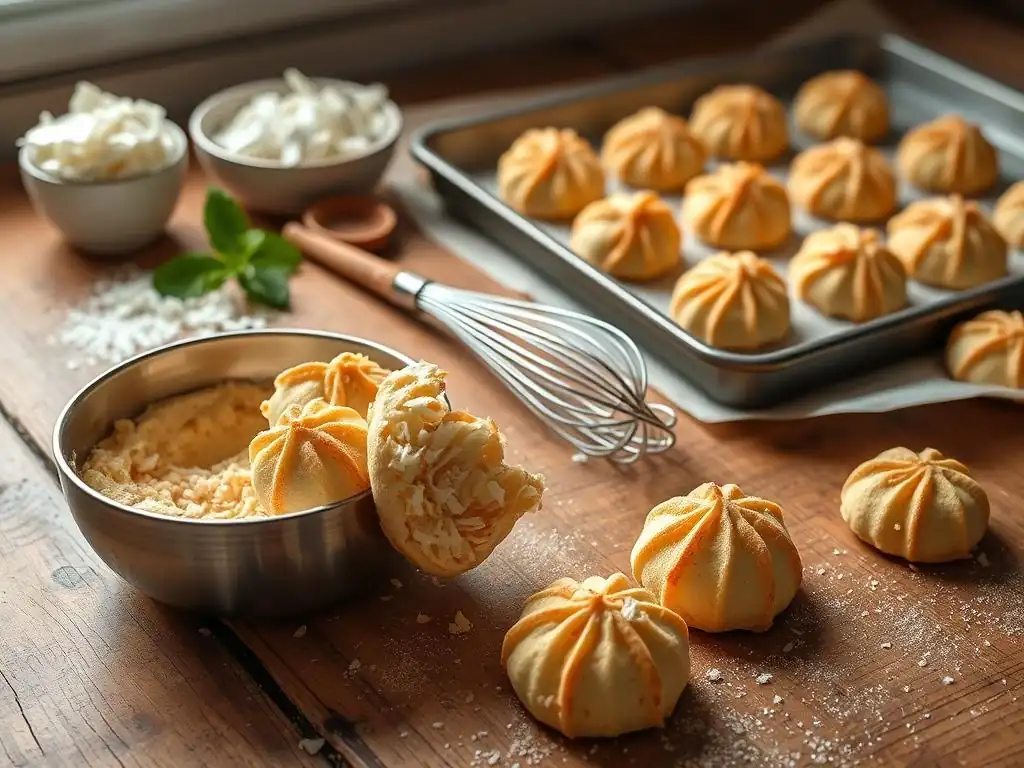
Preventing Dryness
One common issue when baking macaroons is them turning out dry. This can happen if the mixture is overcooked or if the initial batter lacked sufficient moisture. Using sweetened condensed milk helps retain moisture compared to sugar-only recipes, but careful baking is still necessary.
To prevent dryness, ensure you don't overbake the macaroons. They should be golden, not dark brown, and still slightly soft in the center when removed from the oven. They will continue to set as they cool on the baking sheet. Also, using fresh, moist sweetened shredded coconut is key, as very dry coconut absorbs too much liquid.
Achieving Chewy or Crispy Texture
The desired texture of a macaroon is often a personal preference. This easy coconut macaroon baking recipe typically produces a chewy interior with slightly crisp edges. To enhance chewiness, ensure you don't overbake; slightly underbaking will result in a softer, chewier texture.
For a crispier macaroon, you can bake them for a few extra minutes until they are more uniformly golden brown and feel firmer to the touch. Some bakers also achieve crispiness by adding a very small amount of flour or cornstarch (perhaps 1-2 tablespoons per batch), which helps create a crispier shell. Experimenting with slight variations in baking time is the easiest way to control texture.
Storing Macaroons for Freshness
Proper storage is essential to keep your homemade macaroons fresh and maintain their texture. Once completely cooled, store them in an airtight container at room temperature. Placing a piece of parchment paper between layers can prevent them from sticking together.
Stored properly, coconut macaroons can last for about 5-7 days at room temperature. For longer storage, they can be frozen for up to 3 months. To freeze, place cooled macaroons in a single layer on a baking sheet until firm, then transfer to a freezer-safe bag or container. Thaw at room temperature before serving.
Serving and Variations
Enjoying Your Coconut Macaroons
Classic coconut macaroons are delicious enjoyed simply on their own. Their sweet, tropical flavor and chewy texture make them a satisfying treat any time of day. They are particularly delightful when fresh from the oven, though they develop a pleasant chewiness as they cool and set.
Consider the context: a single macaroon makes a lovely small dessert after a meal, while a plate full is perfect for sharing at a gathering. The inherent simplicity of this easy coconut macaroon baking recipe means you can whip up a batch for unexpected guests or a sudden craving without much fuss.
Pairing with Beverages
Coconut macaroons pair wonderfully with a variety of beverages. A hot cup of coffee or tea is a classic accompaniment, the warmth contrasting nicely with the macaroon's sweetness and texture. Iced coffee or a glass of cold milk are also refreshing choices.
For something a bit more special, consider pairing them with a sweet dessert wine or a tropical-inspired drink. The sweetness of the macaroons complements beverages that are slightly acidic or have complementary flavor notes like vanilla, chocolate, or other fruits.
Macaroons as Dessert or Gift
These easy-to-bake macaroons are versatile. They function beautifully as a simple dessert course. Their small size and rich flavor make them a perfect bite-sized ending to a meal. Arranging them on a plate with a dusting of powdered sugar or a simple garnish elevates their presentation.
Homemade macaroons also make excellent gifts. Pack a batch in a decorative tin or box for a thoughtful, edible present. The fact that it's an easy coconut macaroon baking recipe means you can easily make multiple batches for holiday gifts or party favors without feeling overwhelmed.
Variations on the Classic Recipe
While the classic coconut macaroon is delicious as is, its simple base makes it a great canvas for creative variations. Adding other ingredients can introduce new flavors and textures without significantly complicating the easy coconut macaroon baking recipe process.
These variations are usually added after the main batter is mixed, often involving dipping or mixing in additional components. This keeps the core baking process simple while allowing for personalization and flair.
Chocolate Drizzle Macaroons
One of the most popular variations is adding chocolate. After the macaroons have cooled completely, melt some chocolate chips (dark, milk, or white chocolate work well) using a double boiler or microwave. Drizzle the melted chocolate over the tops or dip the bottoms of the macaroons into the chocolate.
Place the chocolate-dipped or drizzled macaroons on parchment paper until the chocolate sets. This adds a layer of richness and a delightful contrast in flavor and texture to the sweet, chewy coconut base. Approximately 4-6 ounces of chocolate chips are usually sufficient for a standard batch.
Toasted Almond and Coconut Macaroons
Adding nuts is another simple variation that enhances the flavor profile. Toast some slivered or chopped almonds in a dry pan over medium heat until fragrant and lightly golden, which takes just a few minutes. Let them cool completely.
Gently fold the cooled toasted almonds into the coconut mixture before shaping and baking. The toasted nuts add a lovely crunch and a nutty flavor that complements the coconut beautifully. This small addition transforms the easy coconut macaroon baking recipe into something slightly more complex in flavor without adding much complexity to the method.
Troubleshooting Baking Problems
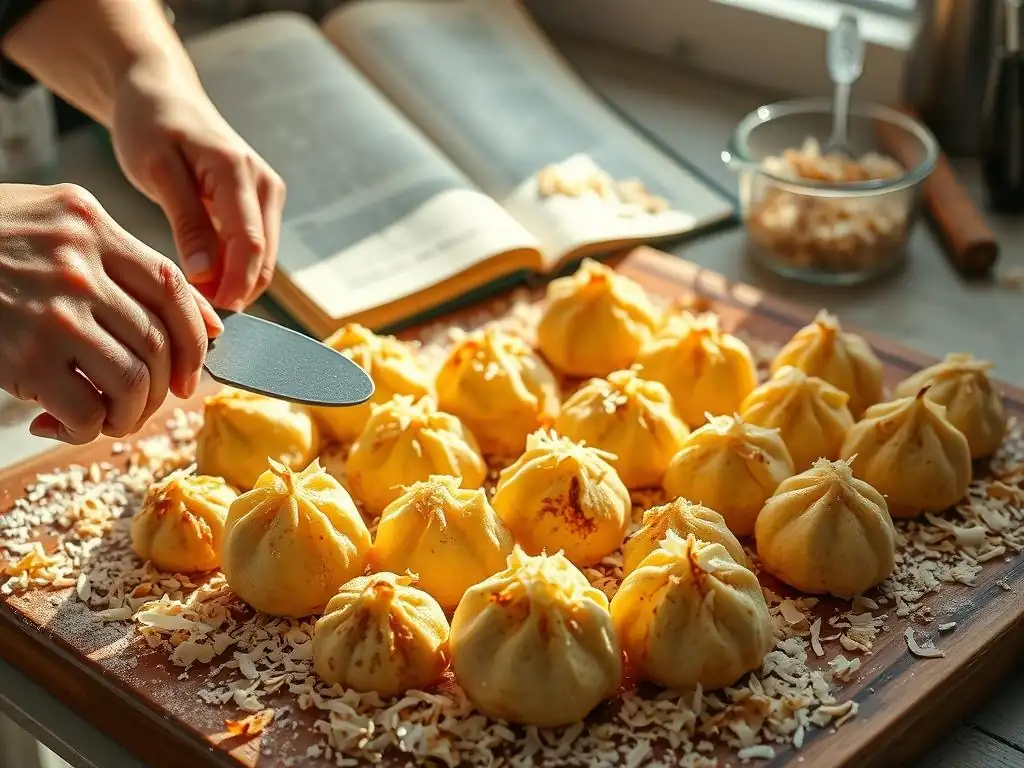
Macaroons Spreading Too Much
If your macaroons are spreading excessively on the baking sheet, it usually indicates too much moisture in the batter. This could be due to using too much sweetened condensed milk, not draining excess liquid from the coconut (if using fresh or frozen), or potentially using egg whites that weren't properly measured.
Ensure you are measuring ingredients accurately according to the easy coconut macaroon baking recipe. If the batter seems overly wet, you might try adding a tablespoon or two of extra shredded coconut to absorb some of the excess moisture. Chilling the shaped macaroons on the baking sheet for 15-30 minutes before baking can also help them hold their shape better.
Macaroons Not Holding Shape
Conversely, if your macaroons are crumbly and don't hold their shape, the batter might be too dry. This can happen if you didn't use enough sweetened condensed milk, if the shredded coconut was excessively dry (like desiccated coconut without added moisture), or if the mixture wasn't mixed enough to become cohesive.
Make sure the mixture is very sticky and holds together when you squeeze a small amount in your hand before shaping. If it feels dry, you can try mixing in another tablespoon or two of sweetened condensed milk until the desired consistency is reached. This adjustment ensures the binder is sufficient to hold the coconut flakes together.
Macaroons Burning
Burning usually occurs when the oven temperature is too high or the macaroons are baked for too long. The high sugar content from the condensed milk makes them prone to browning quickly. An oven thermometer can help verify your oven's actual temperature, as many ovens run hot or cold.
Try reducing the oven temperature by 15-25°F (about 10-15°C) and/or shortening the baking time. Keep a close eye on them, especially in the last few minutes of baking. If the tops are browning too quickly but the centers aren't set, you can loosely tent the baking sheet with foil for the remainder of the baking time.
Recipe Summary
Reviewing the Steps
Creating these classic coconut macaroons from an easy coconut macaroon baking recipe involves just a few key steps: gathering your simple ingredients, mixing them thoroughly to form a sticky batter, shaping uniform mounds, and finally baking them until golden brown. The process is designed for simplicity and speed, making it accessible for everyone.
Success hinges on accurate measurement of the few ingredients and monitoring the macaroons closely while they bake to achieve the perfect texture. Cooling them properly before storing or serving is also important for allowing them to set completely. This straightforward approach minimizes complexity and maximizes the chance of a delicious outcome.
Enjoy Your Homemade Macaroons!
With just a handful of ingredients and minimal effort, you've successfully baked a batch of delicious classic coconut macaroons using an easy coconut macaroon baking recipe. These sweet, chewy treats are perfect for satisfying a sweet tooth, sharing with friends and family, or adding a touch of homemade goodness to any occasion.
Take a moment to appreciate the simple pleasure of homemade baking. Whether you enjoy them plain, dipped in chocolate, or with a cup of coffee, these macaroons are a testament to how easy and rewarding baking can be. Get ready to make them again and again!
Frequently Asked Questions
What makes this coconut macaroon recipe easy?
This recipe focuses on simple ingredients and a straightforward baking process, avoiding complicated techniques that can intimidate beginner bakers. The step-by-step instructions on BakeWithEase.com make it even easier to follow.
Can I substitute any ingredients in this easy coconut macaroon baking recipe?
While it's best to follow the recipe for the best results, you can experiment with different extracts, like almond or vanilla. However, changing the core ingredients like coconut or sugar will significantly alter the outcome.
How long will these coconut macaroons stay fresh?
When stored in an airtight container at room temperature, these macaroons should stay fresh for up to 3 days. Keeping them in the refrigerator can extend their freshness for a few more days.
What if my macaroons are spreading too thin while baking?
This could be due to using too much egg white or the oven temperature being too low. Ensure you measure the egg white precisely and that your oven is preheated to the correct temperature as specified on BakeWithEase.com.
Can I add chocolate to this easy coconut macaroon baking recipe?
Absolutely! You can drizzle melted chocolate over the cooled macaroons or dip the bottoms in chocolate for an extra touch of sweetness. BakeWithEase.com may even have additional variations you can explore.
Final Reflection: The Sweet Simplicity of Baking
The enduring appeal of a perfectly baked coconut macaroon lies not just in its delightful taste, but in the accessible joy it brings. These little treats, seemingly simple in their composition, offer a gateway to the rewarding experience of baking, proving that culinary artistry doesn't require years of training or complex techniques. The ease of this recipe makes it a perfect starting point for aspiring bakers of all ages and skill levels.
The comforting aroma of toasted coconut and the satisfying crunch of a perfectly browned macaroon evoke a sense of nostalgia and warmth, connecting us to simpler times and cherished memories. Baking is at once child's play and adult joy. And love, of course.
This quote beautifully encapsulates the magic of baking, especially when it comes to recipes as straightforward and rewarding as these coconut macaroons. The recipe's simplicity allows for creativity and personalization; experiment with different extracts, toppings, or even the type of coconut flakes to make each batch uniquely your own.
So, I encourage you, dear reader, to embrace the simplicity of this recipe. Don't be intimidated by the idea of baking; let the ease of these coconut macaroons inspire you to explore the world of culinary creation. Gather your ingredients, preheat your oven, and experience the satisfaction of crafting something delicious and beautiful with your own hands. The sweet reward awaits, and the journey is just as fulfilling as the destination.
Unleash Your Inner Baker: Make These Macaroons Today!
Thanks for joining us on this delicious journey into the world of coconut macaroons! We hope you gained some valuable baking tips and inspiration. Ready to get your bake on?
- Dive straight into the kitchen and whip up a batch of these easy coconut macaroons. Follow the recipe again, or try experimenting with different flavor additions!
- Share your baking success (or even your struggles!) with us on social media using #BakeWithEaseMacaroons. We love seeing your creations!
- Challenge yourself: Try adapting the recipe to create a unique flavor combination – perhaps add chocolate chips, dried cranberries, or even a hint of lime zest. What will you create?
Ready to transform your kitchen into a sweet haven? What's your favorite coconut macaroon variation?