
How to Bake Light, Airy NutFree Brioche Without Almond Flour

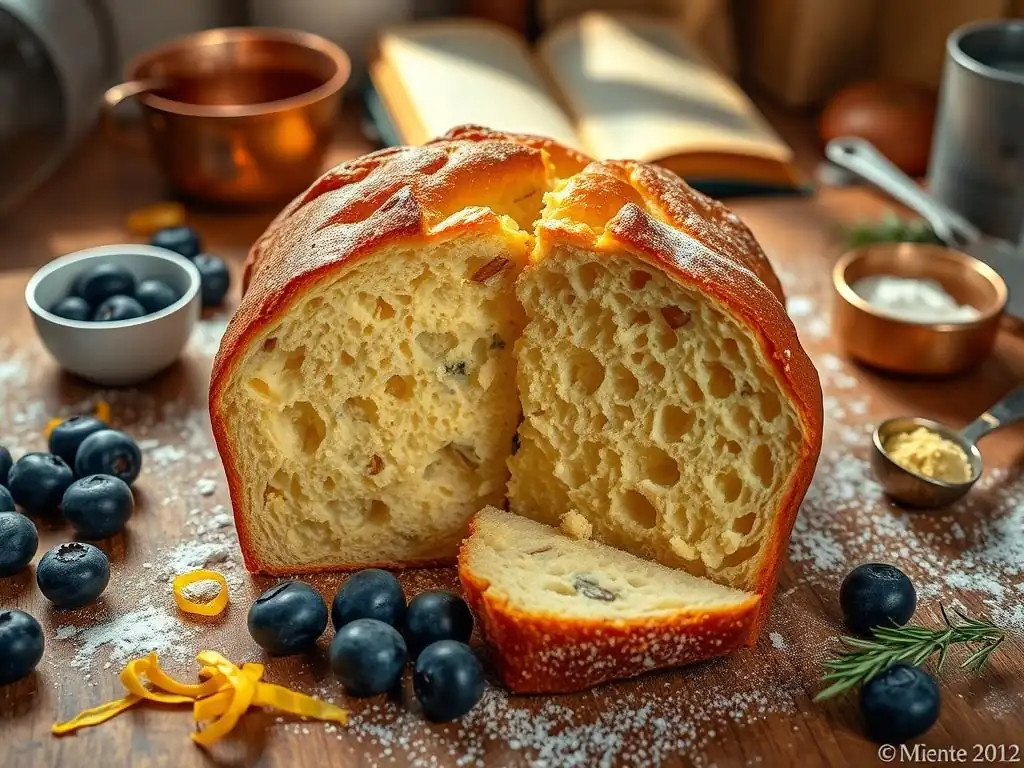
Welcome to BakeWithEase, your haven for effortless baking! Ever dreamt of crafting a perfectly light and airy brioche, even without the common use of nut flours? We've unlocked the secrets! Dive into our comprehensive guide to Nutfree brioche baking tips and discover how to create this delectable treat without compromising on flavor or texture. Ready to embark on a baking adventure that's both delicious and allergy-conscious? Let's get started!
- How to Write Effective Software Documentation
- Code Clarity's Guide to Writing Great Software Documentation
- Essential Elements of Software Documentation: The Code Clarity Secret
- Step-by-Step Guide to Writing Documentation: Code Clarity's Proven Method
- Software Documentation Tips & Tricks: Code Clarity's Expert Advice
- Documentation Styles and Formats: Code Clarity's Creative Ideas
- Storing and Sharing Your Software Documentation: Code Clarity's Recommendations
- Creating User-Friendly Software Documentation: Final Thoughts
-
Frequently Asked Questions
- How can I achieve a light and airy texture in my nut-free brioche without using almond flour?
- What are the best nut-free flour alternatives for baking brioche?
- Are there any specific techniques I should use when kneading nut-free brioche dough?
- What role does butter play in nut-free brioche, and can I use a substitute?
- How long should I proof my nut-free brioche dough for optimal results?
- Final Reflection: The Joy of Nut-Free Baking, Reimagined
- Unleash Your Inner Baker: Craft the Perfect Nut-Free Brioche!
How to Write Effective Software Documentation
Code Clarity's Guide to Writing Great Software Documentation
Why Good Documentation Matters: Benefits for Developers and Users
Effective guidance in baking, much like clear documentation, is crucial for success. For bakers ("developers") and those enjoying the final product or needing allergen-safe options ("users"), understanding the 'why' behind each step in a recipe like nut-free brioche is paramount. When a recipe is well-documented, meaning clearly written with explanations, bakers can confidently execute techniques, leading to consistent, high-quality results.
This clarity reduces frustration and wasted ingredients, saving time and money. For instance, knowing why autolysing (mixing flour and water initially) benefits the dough structure helps a baker commit to that step, resulting in a better crumb. Poorly documented recipes, lacking detail on fermentation times or handling sticky dough, often lead to failed bakes, a significant detriment to both the baker's morale and the potential enjoyment of those with dietary needs.
Furthermore, for individuals specifically seeking nutfree brioche baking tips, precise documentation is non-negotiable. Allergies demand absolute accuracy. A recipe must clearly state its nut-free status and provide substitutes if traditional ingredients might pose a cross-contamination risk (like certain margarines or flavorings). A well-documented nut-free brioche recipe builds trust.
Bakers gain confidence that they are producing a safe product, and consumers can enjoy delicious brioche without fear. Real-world examples show that vague instructions on crucial steps like dough temperature (aiming for around 75-78°F or 24-26°C after kneading) or oven temperature accuracy can drastically alter the outcome, turning a potentially light, airy loaf into a dense brick. Good documentation mitigates these risks by providing the necessary context and specific targets.
The Challenge of Writing Documentation That is Both Accurate and Accessible
Crafting instructions for baking nut-free brioche presents a unique challenge: ensuring the recipe is both technically accurate for achieving the desired texture and flavor, while remaining accessible to bakers of varying skill levels. A professional baker might understand terms like "windowpane test" or "detrempe and beurrage," but a beginner needs these concepts explained in simple terms or demonstrated clearly. The accuracy is tied to precise measurements (using a digital scale is often recommended for flour and liquids) and understanding ingredient roles.
For example, the ratio of butter to flour significantly impacts richness and texture; a classic brioche might use a butter ratio of 50-75% of the flour weight. Capturing this precision while explaining why these ratios matter in an easy-to-digest format is difficult.
The accessibility challenge is amplified when focusing on nut-free brioche baking tips. You must cater to someone avoiding nuts, which might mean explaining how to source certified nut-free yeast or sugar, or discussing potential cross-contamination in shared kitchen spaces. The documentation needs to anticipate common pitfalls – dough not rising (yeast issues, temperature), brioche being dense (under-kneading, insufficient proofing), or lacking flavor (not enough salt, poor quality butter substitute).
Providing accurate troubleshooting requires deep knowledge, but presenting it accessibly means using clear language, perhaps bullet points or a Q&A format, rather than overly technical jargon. Balancing this technical accuracy with user-friendly explanations is the core difficulty in creating truly effective baking documentation.
Essential Elements of Software Documentation: The Code Clarity Secret
Clear Explanations: Describing Functionality and Purpose
In the context of nut-free brioche, clear explanations describe how the ingredients interact and the purpose of each step. This goes beyond just listing ingredients and instructions. It involves explaining why you use a specific amount of butter (e.g., 60% of flour weight) – it contributes to richness and a tender crumb.
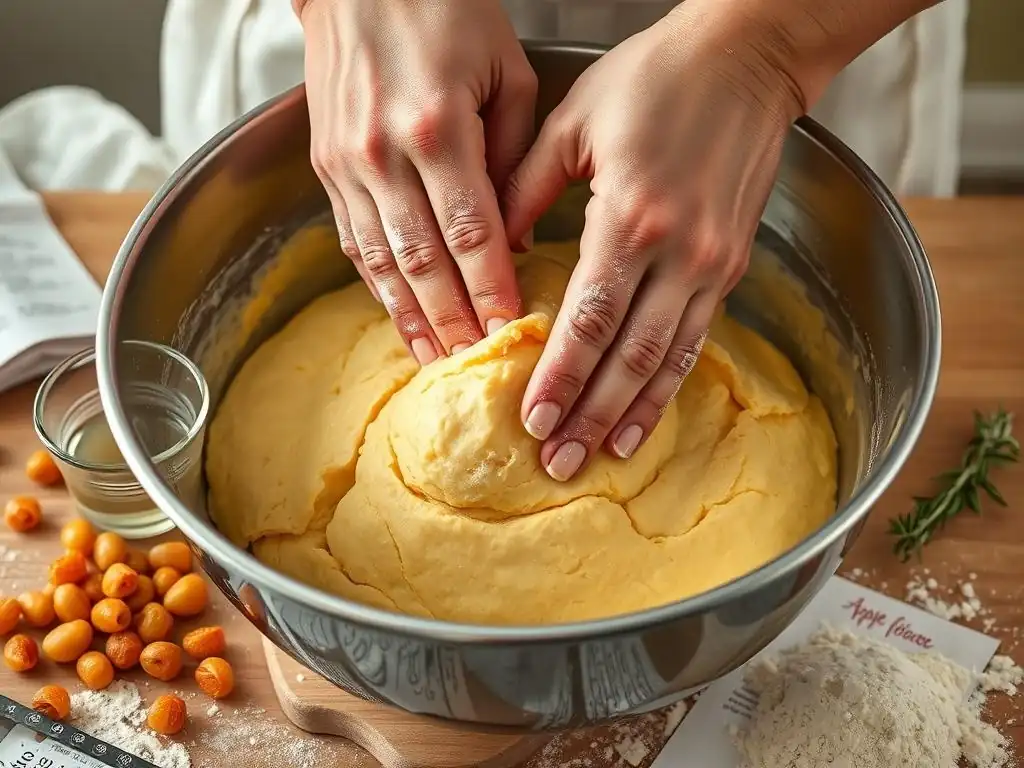
It clarifies why kneading is so important – developing gluten structure, which traps gas and creates that desired airy texture. Without sufficient gluten development, the brioche will be dense, regardless of proofing. Explaining the purpose of cold fermentation (e.g., overnight in the refrigerator) is also key; it develops flavor and makes the very soft, enriched dough easier to handle and shape.
Detailing the 'functionality' of ingredients provides vital nutfree brioche baking tips. Explain that eggs contribute richness, color, and help with structure and leavening. Sugar sweetens, tenderizes, and feeds the yeast. Salt enhances flavor and controls yeast activity.
Milk or liquid hydrates the flour and activates the yeast. Yeast is the primary leavener, producing carbon dioxide that makes the dough rise. Butter, incorporated later, tenderizes the gluten network, resulting in a soft, melt-in-your-mouth texture. Clearly describing these roles helps bakers understand the recipe on a deeper level, allowing them to troubleshoot if something goes wrong or even adapt the recipe slightly while maintaining the core characteristics of brioche.
Code Examples: Illustrating Usage and Implementation
While we aren't dealing with traditional code, we can think of "code examples" as illustrations of technique or ingredient ratios – the practical application of the recipe instructions. For nut-free brioche, this might involve demonstrating the 'usage' of kneading techniques. For instance, a description of the "slap and fold" method could be accompanied by a detailed textual explanation or diagrammatic representation (though limited to text here).
This illustrates how to implement the instruction "knead the dough until it passes the windowpane test." Without a clear example of what the dough should look and feel like at that stage, a beginner might stop too early or over-knead.
Another form of "implementation example" in nutfree brioche baking tips relates to ingredient incorporation. For example, adding soft, room-temperature butter gradually to the kneaded dough is crucial. An "example" here would be explaining how to add it piece by piece, waiting for each addition to be fully absorbed before adding the next.
This 'implementation' prevents the dough from becoming a greasy mess and ensures the butter is properly emulsified into the dough, leading to a better texture. These detailed, almost step-by-step examples of how to perform specific actions are the baking equivalent of code examples, showing the user exactly what to do and what outcome to expect at each critical juncture.
API References: Detailing Functions, Parameters, and Return Values
In a baking context, we can view "API references" metaphorically as the detailed specifications of ingredients and processes – essentially, the technical breakdown of the recipe's components. An ingredient like "Active Dry Yeast" is a 'function'. Its 'parameters' might include temperature range for activation (e.g., 105-115°F or 40-46°C water), quantity needed per amount of flour (e.g., 2.25 tsp per 3-4 cups flour), and required activation time (e.g., 5-10 minutes until foamy).
The 'return value' is active, bubbly yeast capable of leavening the dough. Without understanding these parameters, a baker might use water that's too cold (no activation) or too hot (kills the yeast), leading to a failed rise.
Similarly, consider the 'function' of "Proofing." Key 'parameters' include temperature (e.g., 75-80°F or 24-27°C ambient), humidity, and time (e.g., first rise: 2-3 hours or until doubled; cold proof: 8-12 hours). The 'return value' is a dough that has increased significantly in volume, developed flavor, and is ready for shaping.
Providing these detailed specifications is vital for mastering nutfree brioche baking tips. It's the technical documentation that underpins the recipe, allowing experienced bakers to understand the underlying process and beginners to follow precise instructions for optimal results. Knowing the expected volume increase (e.g., dough should double, not just increase by 50%) gives a clear target.
Tutorials and Guides: Providing Step-by-Step Instructions
Tutorials and guides are perhaps the most direct translation from software documentation to baking recipes. These provide the sequential, step-by-step instructions necessary to transform raw ingredients into finished nut-free brioche. A good guide breaks the process down into manageable stages: preparing the yeast, mixing the dough, kneading, first proof, incorporating butter, second proof (often cold), shaping, final proof, egg washing, and baking. Each step should be clearly numbered and described concisely, focusing on the actions the baker needs to perform.
For effective nutfree brioche baking tips, these step-by-step guides must include important visual cues or expected outcomes. For example, step 3 might say "Knead the dough for 10-15 minutes," but a helpful guide adds, "The dough will be very sticky initially but should become smooth and elastic, passing the windowpane test."
Step 7, "Shape the brioche," needs detail on how to form a loaf, rolls, or braided bread, perhaps describing how to handle the soft, enriched dough. A well-structured tutorial anticipates where a baker might get confused or encounter difficulty and provides explicit instructions to navigate those points, ensuring a smoother baking experience from start to finish.
Troubleshooting Sections: Addressing Common Issues and Solutions
A robust troubleshooting section is invaluable for any complex process, including baking nut-free brioche. Even when following a recipe carefully, issues can arise. This section anticipates common problems and offers practical solutions. For example, a frequent issue is "Dough didn't rise." Potential causes listed might include inactive yeast (solution: check yeast expiry, use warmer water), dough is too cold (solution: find a warmer spot for proofing, use a proofing box), or not enough kneading (solution: knead longer to develop gluten).
Another common problem addressed in nutfree brioche baking tips is "Brioche is dense or heavy." This could be due to insufficient proofing (solution: allow more time in a warm place or extend cold proof), under-kneading (solution: ensure dough passes the windowpane test), or adding too much flour (solution: use a scale for accuracy).
A good troubleshooting guide also addresses issues like "Crust is pale" (solution: ensure proper egg wash application, bake longer or at a slightly higher temperature for the last few minutes) or "Brioche is dry" (solution: avoid over-baking, ensure accurate ingredient measurements especially liquids and fats). Providing clear symptoms and corresponding fixes empowers bakers to rescue a struggling bake or understand what went wrong for next time.
Step-by-Step Guide to Writing Documentation: Code Clarity's Proven Method
Planning the Documentation: Defining Scope and Audience
Just as planning is essential before writing software documentation, it's crucial before documenting a nut-free brioche recipe. The first step is defining the 'scope': What type of nut-free brioche are you documenting? Is it a classic loaf, rolls, or something else? Will it use dairy or be dairy-free nut-free? Will it be made with active dry or instant yeast? Defining these parameters sets the boundaries for the recipe and subsequent instructions. For example, focusing on a classic loaf using active dry yeast and dairy defines the specific process and ingredients you will detail.
Equally important is defining the 'audience'. Is this recipe for absolute beginners who have never made bread, or for experienced bakers looking for a specific nut-free variation? Knowing your audience dictates the level of detail and the language used.
For beginners, you might need to explain basic techniques like kneading or proofing signs. For experienced bakers, you can assume some prior knowledge but must be precise about the unique aspects of this nut-free version, perhaps highlighting specific nutfree brioche baking tips related to dough handling or ingredient sourcing. Understanding who you're writing for ensures the documentation is relevant and understandable.
Writing the Content: Using Clear and Concise Language
Writing the content of a nut-free brioche recipe requires using clear and concise language, much like effective software documentation. Every instruction should be unambiguous. Instead of saying "add flour," specify "gradually add 300g bread flour." Use action verbs and specific measurements. For example, "Knead the dough until smooth and elastic" is better than "Mix the dough a lot." Break down complex actions into simpler steps. Adding butter in brioche is a multi-step process; detail each small addition and the required mixing in between.
Conciseness is also key. Avoid overly technical jargon unless explained. While terms like "autolyse" or "windowpane test" are useful, they should be briefly defined or described. Get straight to the point in each instruction. For example, under nutfree brioche baking tips for proofing: "Place dough in a lightly oiled bowl. Cover tightly with plastic wrap. Let rise in a warm place (75-80°F / 24-27°C) until doubled, about 2-3 hours." This is clear, provides necessary parameters (temperature, expected outcome), and avoids unnecessary words. Clear, concise language minimizes confusion and helps the baker follow the recipe accurately.
Adding Code Examples: Ensuring Accuracy and Relevance
Again, interpreting "code examples" as practical demonstrations or specific application details, adding these to nut-free brioche documentation ensures accuracy and relevance. When describing kneading, a relevant "example" is describing the feel of the dough at different stages – sticky initially, then pulling away from the sides of the bowl, finally smooth and elastic.
This sensory description serves as a practical guide, ensuring the baker knows they are on the right track. Accuracy means specifying how long to knead is less accurate than specifying the outcome (passing the windowpane test), with a time range as an estimate (e.g., 10-15 minutes in a stand mixer).
For nutfree brioche baking tips specifically, adding examples related to handling enriched dough is highly relevant. This dough is often softer and stickier than standard bread dough due to the high fat and sugar content. An "example" could describe how to work with it using a bench scraper, or slightly moistening hands with water rather than adding more flour, which would alter the hydration ratio and potentially make the brioche dry. These practical, relevant examples based on the specific characteristics of brioche dough are crucial for successful implementation of the recipe steps.
Formatting the Documentation: Creating a Readable and Consistent Style
Formatting is just as important for a recipe as it is for software documentation. A readable and consistent style makes the nut-free brioche recipe easy to follow and understand. Use clear headings for different sections: Ingredients, Instructions, Proofing, Baking, Notes. Use bullet points or numbered lists for ingredients and steps. Bold key terms or ingredient names for easy scanning. Ensure consistency in measurements (e.g., always use grams for dry ingredients, milliliters or grams for liquids).
Visual appeal, within the constraints of Markdown, can be enhanced through strategic use of headers, lists, and perhaps blockquotes for important tips or warnings. For instance, a blockquote could highlight a critical nutfree brioche baking tip:
Important Nut-Free Tip: Always check labels on all ingredients (yeast, sugar, butter substitutes) to ensure they are certified nut-free and processed in a nut-free facility if severe allergies are a concern.
Consistent formatting helps bakers quickly find the information they need and follow the steps without getting lost. It transforms a block of text into a usable guide, significantly improving the user experience.
Reviewing and Testing: Verifying Accuracy and Completeness
Just as software documentation needs rigorous review and testing, so does a nut-free brioche recipe. After writing the instructions, the recipe must be tested – baked according to the written steps. This verifies the accuracy of measurements, timings, temperatures, and expected outcomes. Did the dough double in the stated time? Was the internal temperature correct when baked? Did the brioche have the desired light, airy texture? This testing phase reveals errors, ambiguities, or omissions in the documentation.
Review by others is also invaluable. Have fellow bakers, especially those experienced with enriched doughs or nut-free baking, review the recipe documentation. They can spot unclear instructions, suggest alternative wording, or identify steps that might be confusing for someone less experienced. Asking someone to follow the recipe exactly as written, without making assumptions, is the best test of its completeness and clarity. This iterative process of writing, testing, and reviewing is essential to produce accurate, complete, and truly effective nutfree brioche baking tips and instructions.
Software Documentation Tips & Tricks: Code Clarity's Expert Advice
Maintaining Consistency Across the Documentation
Consistency is paramount in baking documentation. This means using the same units of measurement throughout (e.g., always grams for flour, never alternating between cups and grams within the same recipe unless providing both sets of measurements clearly). It means using consistent terminology for techniques (e.g., always "knead" or "mix," not switching between similar terms). If you refer to the first rise as "bulk fermentation," use that term consistently. This prevents confusion for the baker.
Maintaining consistency also applies to the formatting and style discussed earlier. Headers should follow the same pattern, lists should be formatted uniformly, and any special notes or warnings (like nutfree brioche baking tips) should be presented in a consistent manner (e.g., always using a bolded note or blockquote). Consistent documentation builds trust and makes the recipe predictable and easy to navigate, allowing the baker to focus on the process rather than trying to decipher inconsistent instructions.
Using Version Control for Documentation Updates
While not traditional software version control, thinking about recipe updates in a similar way is useful. Recipes, especially complex ones like nut-free brioche, can be tweaked and improved over time. Perhaps testing reveals that a slightly longer cold proof yields better flavor, or a different baking temperature creates a better crust. 'Version control' in this context means keeping track of these changes. When you update the recipe based on testing or feedback, note the changes made and the date.
This allows you to refer back to previous versions if a change didn't work as expected. For example, if you try replacing some butter with oil in your nut-free brioche recipe and the texture suffers, your "version history" reminds you of the original, successful formulation. For published recipes, this might translate to adding notes like "Updated [Date] with revised proofing times for improved texture." This practice ensures that the documented nutfree brioche baking tips and recipe represent the latest, most successful iteration.
Gathering Feedback from Users and Developers
Gathering feedback is a critical step in refining any set of instructions, including nut-free brioche recipes. 'Users' are the people baking the recipe at home; 'developers' might be other experienced bakers or food scientists who can provide technical input. Actively solicit feedback: Did the recipe work as written? Were any steps unclear? Was the resulting brioche light and airy? Was the nut-free aspect easy to manage? Specific questions about dough consistency, proofing times, and final texture are helpful.
Feedback from those with nut allergies is particularly valuable for nutfree brioche baking tips. Did they feel confident in the safety of the recipe? Were the instructions for sourcing ingredients sufficient? Use this feedback to identify areas for improvement in the documentation. Perhaps multiple users found the kneading time insufficient, indicating the "windowpane test" needs a clearer description or the estimated time needs adjustment. Incorporating this feedback leads to more robust, user-friendly, and reliable baking instructions.
Automating Documentation Generation
Automating recipe documentation isn't quite like automating software documentation, but elements can be streamlined. For example, if you have a base brioche formula (ingredient percentages based on flour weight), you could use a simple spreadsheet or online calculator to automatically generate ingredient quantities for different batch sizes. Input the desired flour weight (e.g., 500g), and the tool outputs the required grams of yeast, sugar, salt, eggs, milk, and butter based on your formula percentages.
While this doesn't generate the step-by-step instructions, it automates the accurate calculation of ingredient lists, reducing the chance of mathematical errors when scaling a recipe. This can be particularly helpful when providing nutfree brioche baking tips for different yield sizes. It's a simple form of automation that ensures a key part of the documentation (the ingredient list) is generated accurately and consistently based on a defined formula.
Before & After Examples of Documentation Improvements
Showing "before and after" examples of recipe documentation highlights the impact of improvements.
Before:
Mix flour, yeast, sugar, salt. Add milk, eggs. Knead. Add butter. Let rise. Shape. Rise again. Bake.
This "before" example is vague and lacks critical detail. What amounts? How long to knead? What temp/time for rising and baking? A baker following this would likely fail.
After:
Ingredients:
- 500g Bread Flour
- 10g Active Dry Yeast
- 50g Granulated Sugar
- 8g Fine Sea Salt
- 150ml Whole Milk, lukewarm (approx. 105-115°F / 40-46°C)
- 2 Large Eggs (approx. 100-110g), room temperature
- 250g Unsalted Butter, very soft, room temperature (nut-free certified)
Instructions:
- In a large bowl, whisk together flour, yeast, sugar, and salt.
- In a separate bowl, whisk together milk and eggs.
- Pour wet ingredients into dry. Mix with a stand mixer (dough hook) on low speed until a shaggy dough forms, about 2 minutes.
- Increase speed to medium and knead for 8-10 minutes. Dough will be very sticky. Continue kneading until it starts to pull away from the sides and passes the windowpane test.
- Reduce speed to low. Add soft butter, one tablespoon at a time, waiting for each addition to be fully incorporated before adding the next. This takes 5-8 minutes. Scrape down sides as needed.
- Increase speed to medium-high and knead for another 5-7 minutes until dough is smooth, elastic, and shiny. ... (continues with detailed proofing, shaping, baking)
The "after" example is far more detailed, uses specific measurements, provides expected outcomes (dough texture, windowpane test), and includes critical nutfree brioche baking tips (nut-free butter, temperature ranges). This comparison clearly shows the value of thorough, well-structured documentation for successful baking.
Documentation Styles and Formats: Code Clarity's Creative Ideas
Markdown for Simple and Readable Documentation
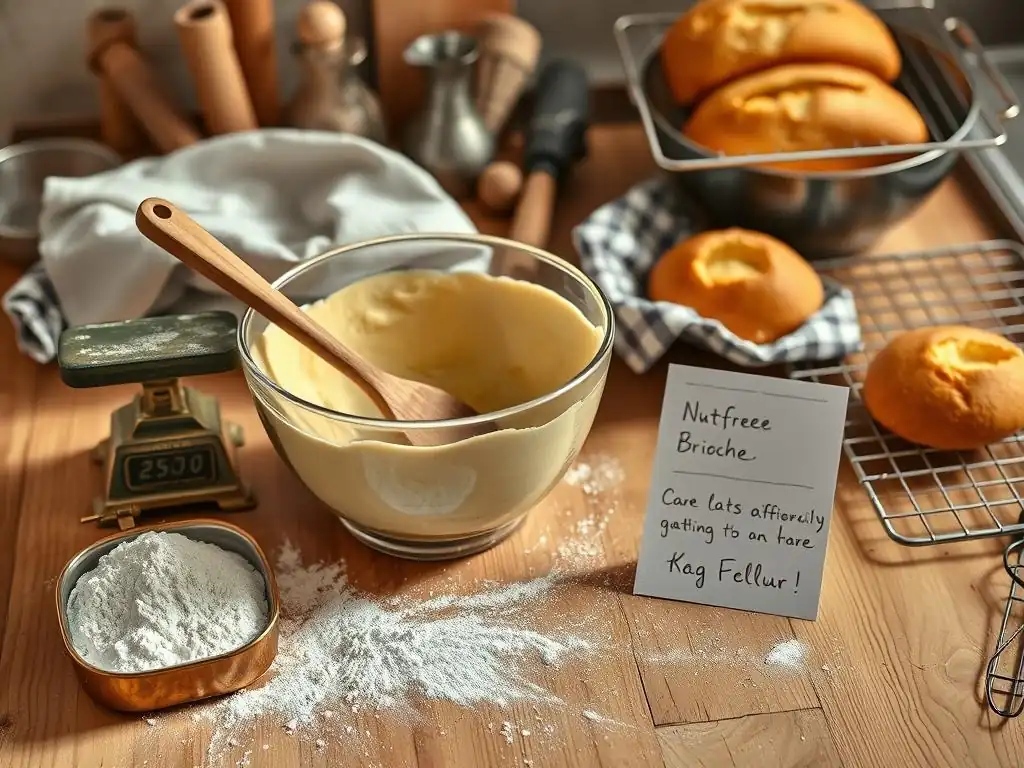
Markdown is an excellent format for creating simple, readable baking documentation, including nut-free brioche recipes. Its straightforward syntax allows for clear structure using headers (##, ###), lists (* or -), bold ( text), italics ( text), and blockquotes (>). This makes the recipe easy to write, read, and share as plain text files. A recipe written in Markdown is clean and free from the clutter of rich text editors or complex formatting.
Using Markdown for nutfree brioche baking tips allows you to quickly create structured notes or guides. For instance, you could have a Markdown file specifically for troubleshooting common brioche problems, using headers for each issue and lists for solutions. The simplicity of Markdown ensures the focus remains on the content – the recipe details and instructions – rather than complex formatting, making it accessible for anyone to read using a simple text editor or a web browser.
Sphinx for Python Documentation
While Sphinx is designed for Python documentation, we can abstract the idea behind it for baking. Sphinx allows for linking between different parts of the documentation (cross-referencing). In baking, this could mean linking from an ingredient list item (e.g., "Active Dry Yeast") to a separate section explaining yeast activation in detail, or linking a step mentioning "windowpane test" to a guide explaining that specific technique.
Applying this concept to nut-free brioche documentation means structuring your collection of baking knowledge so that related information is easily accessible. If you have a detailed guide on handling enriched dough, the main brioche recipe could reference that guide instead of repeating all the information. This makes the main recipe cleaner while providing depth for those who need it, much like how Sphinx links API references to tutorials. It makes your collection of nutfree brioche baking tips interconnected and easy to navigate.
JSDoc for JavaScript Documentation
JSDoc is used to document JavaScript code by adding comments structured in a specific way. This allows tools to automatically generate API documentation. In baking, the equivalent concept isn't about automated generation from comments, but rather about having a standardized way to describe key recipe elements. For example, always describing an ingredient with its name, quantity (in grams), and any specific preparation (e.g., "Unsalted Butter: 250g, very soft, room temperature").
This structured approach to describing ingredients and steps ensures consistency across all your recipes or baking notes. While you won't use JSDoc syntax, adopting a similar principle for your nut-free brioche baking tips means defining a standard format for presenting information. This could involve always specifying oven temperature with both Fahrenheit and Celsius, or always including an estimated preparation and baking time range. A standardized format makes your documentation predictable and easier for bakers to interpret quickly.
Storing and Sharing Your Software Documentation: Code Clarity's Recommendations
How to Host Documentation Online
Sharing your nut-free brioche recipes and baking tips online makes them accessible to a wide audience. While "hosting documentation" might sound technical, for recipes, it means publishing them on a website (like BakeWithEase.com), a blog, or even sharing them as well-formatted text files on platforms like GitHub Gists (though less common for recipes). A dedicated website allows for better organization, searchability, and presentation using the formatting discussed earlier.
When hosting nutfree brioche baking tips online, consider how they will be displayed on different devices. A responsive website design ensures the recipe is readable on phones, tablets, and desktops. Providing a print-friendly version is also a good idea. The goal is to make the documentation (the recipe) as easy as possible for the baker to access and use whenever and wherever they are ready to bake.
Serving Suggestions: Integrating Documentation with Your Software
"Integrating documentation with your software" in the baking context translates to integrating the recipe and baking tips with the act of baking. This means providing serving suggestions and ideas for using the finished nut-free brioche. Is it best served warm? What are good pairings (jam, butter, savory fillings)? Can it be used for French toast or bread pudding? These suggestions enhance the value of the recipe beyond just the baking process.
Furthermore, integrating nutfree brioche baking tips within the recipe flow itself is key. Instead of having a separate troubleshooting guide, brief tips can be included directly within the relevant steps. For example, after the kneading step, a note could say: "If dough is still very sticky, resist adding more flour; scrape down the bowl and continue kneading." This integration makes the documentation more immediately useful and user-friendly during the actual baking process.
Creating User-Friendly Software Documentation: Final Thoughts
Mastering the Art of Software Documentation with Code Clarity
Mastering the art of documenting processes, whether it's software development or nut-free brioche baking, is about clarity, accuracy, and empathy for the user. For nutfree brioche baking tips, this means going beyond a simple list of ingredients and steps. It involves explaining the why behind techniques, providing expected outcomes at each stage, anticipating common problems, and offering solutions. It's about writing the recipe not just for yourself, but for someone who might be new to baking or navigating the complexities of allergen-free ingredients.
Effective documentation empowers the baker. It gives them the knowledge and confidence to successfully create a light, airy nut-free brioche, even without almond flour or other common nut ingredients. By applying principles of clear explanation, practical examples, structured information, and continuous improvement through testing and feedback, you can transform a good recipe into truly great, user-friendly documentation that helps anyone achieve baking success. This is the core of mastering the art of providing helpful, actionable baking knowledge.
Frequently Asked Questions
How can I achieve a light and airy texture in my nut-free brioche without using almond flour?
Achieving a light texture relies on proper gluten development and sufficient proofing. Using strong bread flour and allowing the dough to rise fully are crucial.
What are the best nut-free flour alternatives for baking brioche?
Good alternatives include all-purpose flour, bread flour, or a blend of both. Consider adding a small amount of tapioca starch for extra lightness.
Are there any specific techniques I should use when kneading nut-free brioche dough?
Yes, extended kneading is important for developing gluten. Use a stand mixer or knead by hand for at least 10-15 minutes. The dough should be smooth and elastic.
What role does butter play in nut-free brioche, and can I use a substitute?
Butter provides richness and tenderness. While substitutes exist, real butter is recommended for the best flavor and texture. Use a high-quality butter.
How long should I proof my nut-free brioche dough for optimal results?
Proofing time depends on room temperature, but generally, the dough should double in size. This can take anywhere from 1-2 hours for the first proof and 30-60 minutes for the second proof.
Final Reflection: The Joy of Nut-Free Baking, Reimagined
The quest for a truly light and airy nut-free brioche has been a culinary challenge, but the results, as demonstrated in this article, prove that deliciousness doesn't require compromise. This recipe, free from common allergens yet bursting with flavor and texture, opens up a world of possibilities for bakers seeking inclusive and satisfying alternatives. The techniques outlined here aren't just about avoiding nuts; they're about mastering the art of brioche baking itself, regardless of dietary restrictions.
This journey into nut-free brioche baking has underscored for me the importance of creative problem-solving in the kitchen. It's a testament to the power of adaptation and the endless possibilities that exist when we challenge conventional wisdom. The greatest discovery of all time is that a person can change his future by merely changing his attitude.
– Oprah Winfrey. This quote resonates deeply, as changing my approach to nut-free baking led to a completely new understanding of texture and flavor profiles. The process of developing this recipe was as rewarding as the final product.
Now, it's your turn. Don't be intimidated by the seemingly complex world of brioche baking. Take the techniques and insights shared in this article, experiment with different flours and flavor combinations, and discover the joy of creating your own light, airy, and nut-free masterpiece. Embrace the challenge, trust the process, and most importantly, savor the delicious results. The world of inclusive baking awaits!
Unleash Your Inner Baker: Craft the Perfect Nut-Free Brioche!
Thanks for joining us on this delicious journey into nut-free brioche baking! We hope you gained valuable insights and feel empowered to create light and airy bread, even without almond flour. Now it's time to put your new skills to the test!
- Bake your own masterpiece: Try our recipe immediately! Experiment with different flavors and share your creations with friends and family. This is your chance to perfect your technique and experience the joy of homemade bread.
- Share your success: Post a picture of your brioche on social media using #BakeWithEaseNutFreeBrioche and inspire other bakers!
- Explore more nut-free baking recipes on BakeWithEase.com - we've got plenty more where that came from!
Ready to experience the fluffy perfection of your own homemade nut-free brioche? What unique twist will you add to your first batch?