
LowSugar Holiday Baking: Enjoy Festive Treats Without the Added Sugar

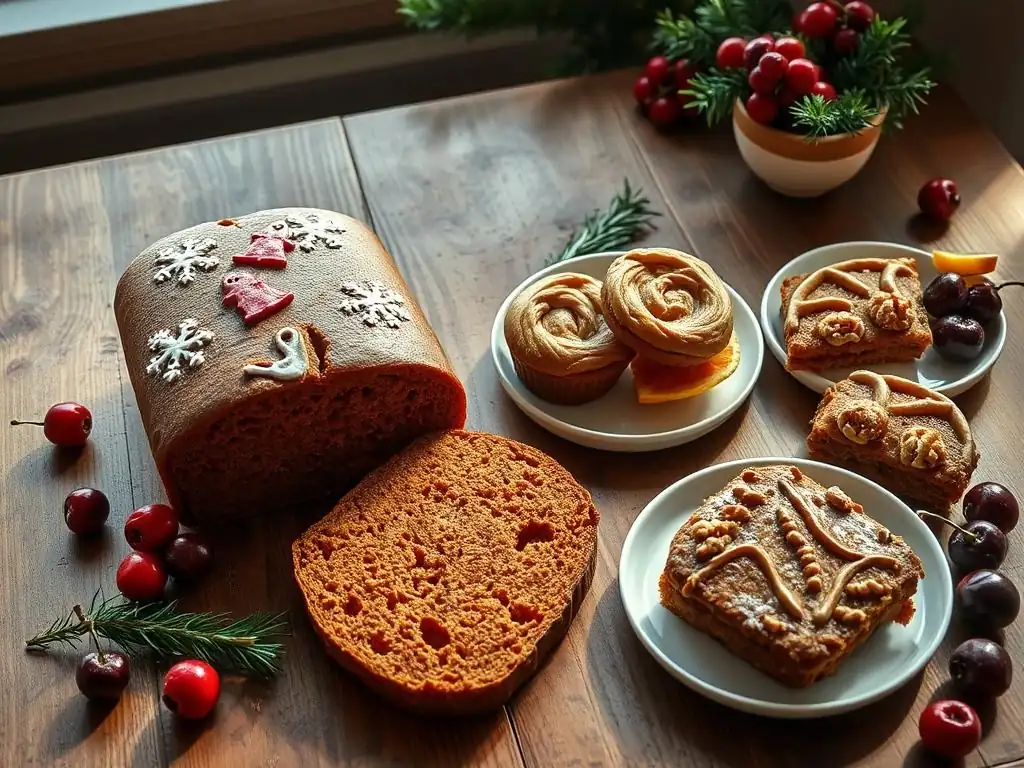
Welcome to BakeWithEase, your companion on the delectable journey of baking!
Craving those festive holiday flavors but wanting to keep the sugar in check? You're in the right place. Discover our collection of Low Sugar Holiday Recipes, meticulously crafted to deliver all the joy and tradition without the guilt. Intrigued? Let's explore how you can bake lighter and brighter this holiday season.
- BakeWise Presents: Guilt-Free Holiday Baking
- Understanding Low-Sugar Baking for the Holidays
- Delicious Low-Sugar Holiday Cookie Recipes
- Low-Sugar Holiday Cake Recipes That Impress
- Low-Sugar Holiday Pie Recipes for a Crowd
- Tips and Tricks for Successful Low-Sugar Holiday Baking
- Decorating Your Low-Sugar Holiday Treats
- Storing Your Low-Sugar Holiday Baked Goods
- Enjoying a Healthier Holiday Season with BakeWise
-
Frequently Asked Questions
- What are some good low sugar alternatives to use in holiday baking?
- Can I still achieve a good texture and flavor with low sugar holiday recipes?
- How do I adjust a traditional holiday recipe to make it low sugar?
- Are there any specific holiday recipes that are naturally lower in sugar?
- Where can I find reliable low sugar holiday recipes?
- Final Reflection: A Sweeter Holiday Season, Naturally
- Unlock the Joy of Guilt-Free Holiday Baking!
BakeWise Presents: Guilt-Free Holiday Baking
The holiday season is a time for joy, family, and, of course, delicious food. For many, this means indulging in sweet treats. However, excessive sugar consumption can lead to unwanted health effects, like energy crashes and weight gain. At BakeWithEase, we believe you can enjoy the festive spirit and delightful flavors of the holidays without the traditional sugar overload. Our exploration into low-sugar holiday recipes opens up a world of possibilities for guilt-free indulgence.
This guide from BakeWithEase delves into the art of creating scrumptious reduced sugar holiday treats that everyone can enjoy. We'll cover everything from understanding why reducing sugar is beneficial, to exploring natural sweeteners, mastering essential techniques, and adapting classic holiday recipes like gingerbread cookies, pumpkin pie, and even festive cakes. Get ready to transform your holiday baking into a healthier, yet equally delicious, experience with our practical tips and ideas for low sugar holiday recipes.
Understanding Low-Sugar Baking for the Holidays
Why Reduce Sugar in Holiday Treats? Health Benefits Explained
Reducing sugar in your holiday baking isn't just a trend; it offers significant health advantages. Excessive sugar intake is linked to various health issues, including increased risk of type 2 diabetes, heart disease, and weight gain. During the holidays, when sweet treats are abundant, it's easy to consume far more sugar than recommended daily limits, often exceeding 50 grams (about 12 teaspoons) per day for adults, sometimes even doubling or tripling that amount in a single festive meal or dessert spread. Opting for low sugar holiday recipes can help mitigate these risks.
Beyond long-term health concerns, cutting back on sugar can have immediate benefits during the busy holiday season. High sugar consumption often leads to blood sugar spikes followed by crashes, resulting in fatigue, irritability, and difficulty concentrating. By choosing reduced sugar holiday treats, you can maintain more stable energy levels, feel better throughout the day, and fully enjoy the festivities without the post-dessert slump. This makes your celebrations more enjoyable and less taxing on your body.
Natural Sweeteners for Healthier Holiday Baking
Nature offers wonderful alternatives to refined white sugar that can be used in low sugar holiday recipes. Sweeteners like erythritol, xylitol, stevia, and monk fruit extract provide sweetness with minimal to no calories and often have a lower impact on blood sugar levels compared to sugar. For instance, erythritol contains only about 0.24 calories per gram compared to sugar's 4 calories per gram, and has a glycemic index of virtually zero. These sweeteners can be used to replicate the sweetness of traditional desserts.
Other natural options, while still containing sugars, offer additional nutrients or a different flavor profile. Maple syrup, honey, date paste, and apple sauce can contribute sweetness and moisture. While these are not calorie-free or sugar-free, they are often less processed than refined sugar and contain trace minerals or fiber. When developing low sugar holiday recipes, it's important to understand the properties of each sweetener – their sweetness intensity, how they affect texture (some can be drying or add moisture), and their baking characteristics – to achieve the best results.
Key Ingredients for Successful Low-Sugar Holiday Recipes
Successful low sugar holiday recipes often rely on substituting not just the sugar, but also considering other ingredients that contribute to texture and flavor. Flours like almond flour, coconut flour, or whole wheat flour can replace some or all of the all-purpose flour, adding fiber and nutrients. For example, almond flour adds richness and moisture, while coconut flour is highly absorbent and requires more liquid. Using a blend of flours can often yield better results.
Fats play a crucial role in providing moisture and tenderness in baked goods, which can sometimes be challenging to achieve in low-sugar recipes. Healthy fats like butter, coconut oil, or olive oil are essential. Additionally, ingredients like Greek yogurt, mashed bananas, or unsweetened apple sauce can add moisture and help reduce the need for excessive fat or sweetener while contributing natural sweetness and binding properties. Incorporating spices like cinnamon, nutmeg, cloves, and extracts like vanilla or almond is also key to boosting flavor without relying on sugar.
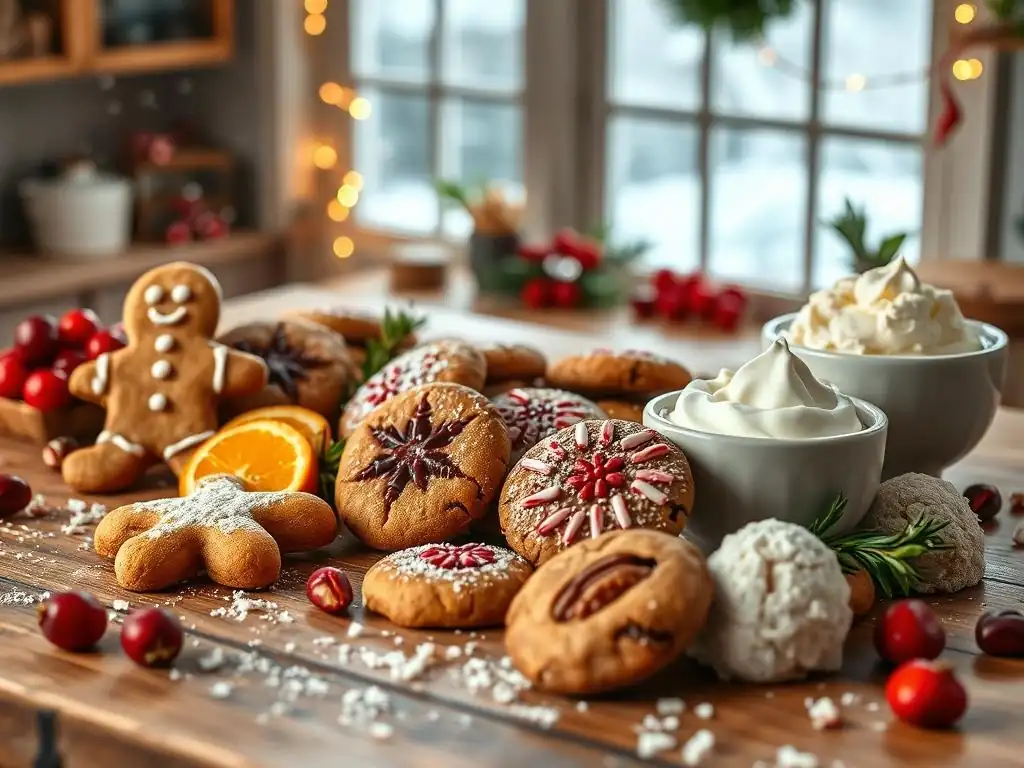
Traditional gingerbread cookies are a holiday staple, but their sugar content can be quite high, often containing over 10-15 grams of sugar per cookie. Creating a low-sugar version involves replacing most of the molasses and white sugar with sugar substitutes while retaining the rich spice profile. A common approach is to use a blend of erythritol and a touch of molasses (for color and signature flavor, without the full sugar load) combined with warming spices like ginger, cinnamon, and cloves. The dough handles similarly to traditional dough, allowing for rolling and cutting into festive shapes.
Achieving the right texture in low sugar holiday recipes like gingerbread requires careful balance. Since sugar contributes to crispness and spread, sugar substitutes can sometimes result in a softer cookie. Using a combination of butter and a small amount of egg helps with structure. Baking at a slightly lower temperature for a bit longer can also help achieve a firmer cookie without burning the sugar substitutes. The key is to maintain that iconic spicy warmth that makes gingerbread so beloved during the holidays.
Low-Sugar Peanut Butter Blossoms for the Holidays
Peanut butter blossoms, with their soft peanut butter base and chocolate kiss center, are another holiday favorite perfect for a low-sugar adaptation. The traditional recipe often uses a significant amount of granulated sugar and brown sugar. To make them low-sugar, these can be replaced with a sugar substitute blend designed for baking, such as erythritol or a mix of erythritol and monk fruit. Natural peanut butter (without added sugar) is an excellent base ingredient, providing flavor and healthy fats.
The signature chocolate kiss can be replaced with a square of sugar-free chocolate or a dollop of sugar-free chocolate spread pressed into the warm cookie right after baking. Because sugar substitutes don't caramelize or spread exactly like sugar, you might find the cookies are slightly less spread out. Chilling the dough before baking can help maintain their shape and thickness, resulting in a perfectly soft, chewy cookie that captures the classic peanut butter and chocolate pairing, making them a delightful addition to any low sugar holiday recipes list.
Chocolate crinkle cookies are known for their rich, fudgy interior and distinctive powdered sugar coating. Adapting these to be sugar-free requires replacing both the sugar in the dough and the coating. For the dough, cocoa powder provides the chocolate flavor, and a granulated sugar substitute like erythritol or xylitol is used for sweetness. Adding a bit of unsweetened applesauce or Greek yogurt can help ensure a moist, fudgy texture, as sugar substitutes can sometimes lead to dryness.
The iconic "crinkle" effect is achieved by rolling the dough balls in a white coating before baking. Instead of powdered sugar, you can use a powdered sugar substitute (many erythritol and monk fruit blends are available in powdered form) or even a mixture of coconut flour and a powdered sweetener. Rolling generously ensures a good coating that cracks as the cookies bake. These sugar-free chocolate crinkle cookies offer all the festive look and deep chocolate taste without the sugar, making them a fantastic low sugar holiday recipes option.
Shortbread is a simple cookie relying on butter, flour, and sugar for its delicate texture and richness. Creating a low-sugar version means carefully substituting the sugar while maintaining that melt-in-your-mouth quality. Using a granulated sugar substitute like erythritol or a blend works well, often in a 1:1 replacement ratio by volume with sugar. The high butter content is key to shortbread's texture and is retained in the low-sugar version.
Incorporating festive flavors like dried cranberries and pistachios adds texture, color, and natural sweetness (from the cranberries) and flavor (from the pistachios) without needing more sugar. Ensure the cranberries are unsweetened or naturally sweetened for a truly low-sugar result. Mixing the dough minimally and chilling it thoroughly before slicing and baking helps achieve that classic crisp yet tender shortbread texture. These low-sugar cranberry pistachio shortbread cookies are elegant and delicious, proving that low sugar holiday recipes can be just as festive.
Low-Sugar Holiday Cake Recipes That Impress
Light and Delicious: Low-Sugar Spice Cake
Spice cake is a comforting, flavorful holiday dessert, typically rich in sugar and molasses. A low-sugar version focuses on maximizing flavor through spices and using appropriate sweeteners. Replacing sugar with a baking-specific sugar substitute blend (like erythritol or a blend with monk fruit) allows for sweetness without the glycemic impact. Spices such as cinnamon, nutmeg, cloves, allspice, and ginger are crucial and can be used generously to deepen the flavor profile.
To keep the cake moist and tender, which can be a challenge with some sugar substitutes, incorporating ingredients like unsweetened applesauce, pumpkin puree, or Greek yogurt is highly effective. These add moisture and structure without adding significant sugar. Using buttermilk or a dairy-free alternative also contributes to tenderness. A low-sugar cream cheese frosting, made with sugar-free powdered sweetener and cream cheese, perfectly complements the spiced cake, making it a delightful centerpiece among low sugar holiday recipes.
Low-Sugar Chocolate Raspberry Cake
A rich chocolate cake paired with tart raspberries is a luxurious holiday treat that can easily be adapted into a low-sugar recipe. The chocolate flavor comes from unsweetened cocoa powder or melted sugar-free chocolate. Granulated sugar substitutes are used for sweetness in the cake batter. Adding a touch of espresso powder can enhance the chocolate flavor without adding sugar.
Fresh or frozen raspberries add natural sweetness and a lovely tart contrast, and they are naturally low in sugar. For a frosting, a sugar-free chocolate ganache (made with sugar-free chocolate and cream) or a low-sugar raspberry frosting (using pureed raspberries and powdered sugar substitute) works beautifully. Ensure the chocolate used is genuinely sugar-free, often sweetened with erythritol or stevia. This low-sugar chocolate raspberry cake is decadent and impressive, showing that reduced sugar holiday treats can be truly special.
Festive Fruitcake: A Lower Sugar Alternative
Traditional fruitcake, often dense and packed with candied fruits and sugar, can be transformed into a lower-sugar version focusing on dried fruits with no added sugar and nuts. Instead of heavily sugared candied peels, use dried fruits like unsweetened cranberries, raisins, apricots, and figs in moderation, relying on their natural sweetness. Nuts like walnuts, pecans, and almonds add texture and flavor.
The cake batter itself can use a combination of a sugar substitute and maybe a small amount of molasses or date paste for color and depth of flavor, significantly reducing the overall sugar content compared to a conventional recipe. Spices like cinnamon, ginger, and nutmeg are essential for that classic fruitcake warmth. While still containing some natural sugars from the fruit, this version is considerably lower in added sugar, making it a more health-conscious choice for those seeking low sugar holiday recipes.
Low-Sugar Holiday Pie Recipes for a Crowd
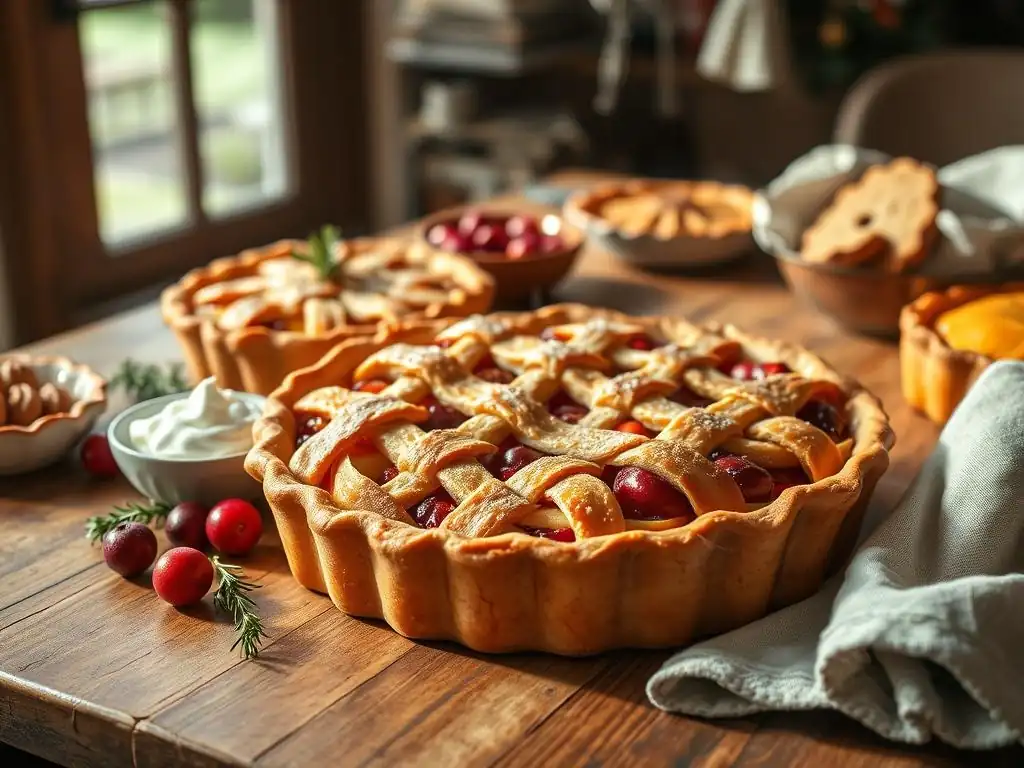
Classic Pumpkin Pie: Reduced Sugar Perfection
Pumpkin pie is a quintessential holiday dessert, and adapting it to be low-sugar is relatively straightforward. The filling typically contains pumpkin puree, eggs, milk or cream, spices, and sugar. To reduce sugar, replace most or all of the granulated sugar with a baking-specific sugar substitute blend. Spices like cinnamon, ginger, cloves, and nutmeg are crucial and used as in the traditional recipe to provide warmth and flavor.
Using full-fat coconut milk or heavy cream can provide richness and smooth texture, which helps compensate if a sugar substitute slightly alters consistency. Ensure the pumpkin puree is 100% pure pumpkin and not pumpkin pie filling, which contains added sugar. A crust can be made with almond flour or a blend of whole wheat and all-purpose flour with less added sugar, or even a simple nut crust. This reduced sugar pumpkin pie captures the creamy texture and spiced flavor everyone loves, fitting perfectly into low sugar holiday recipes.
Low-Sugar Apple Pie with Almond Crumble Topping
Apple pie is another holiday favorite that can be made low-sugar by focusing on the natural sweetness of apples and using alternative sweeteners. Choose naturally sweet apple varieties like Fuji, Honeycrisp, or Gala. The filling can be sweetened with a sugar substitute like erythritol or stevia, perhaps combined with a touch of maple syrup or date paste for depth (though this adds some sugar). Cinnamon and nutmeg are essential spices. Adding a thickener like cornstarch or arrowroot ensures the filling sets properly.
Instead of a double crust or traditional sugar-laden crumble, a low-sugar almond crumble topping works wonderfully. Made with almond flour, chopped almonds, butter, and a sugar substitute, it provides a delightful crunchy contrast to the soft apple filling. This low-sugar apple pie with almond crumble topping offers a delightful texture combination and classic apple pie flavor with significantly less added sugar, making it a healthier option for your low sugar holiday recipes repertoire.
Sugar-Free Pecan Pie for a Guilt-Free Dessert
Traditional pecan pie is notoriously high in sugar and corn syrup, often containing over 30-40 grams of sugar per slice. Creating a sugar-free version is a significant challenge but achievable. The key is replacing the corn syrup and sugar with sugar-free alternatives that provide both sweetness and the necessary gooey texture. Sugar-free syrups (often made with sugar alcohols like maltitol or erythritol) combined with sugar substitutes like erythritol or monk fruit can mimic the sweetness and viscosity.
Eggs and butter provide richness and structure, as in the traditional recipe. Pecans remain the star, providing healthy fats and crunch. Be mindful that sugar alcohols, while sugar-free, can cause digestive discomfort in large amounts. Using a blend of sweeteners can sometimes mitigate this. While the texture might differ slightly from the classic, a sugar-free pecan pie can still deliver that rich, nutty flavor, offering a guilt-free option among your low sugar holiday recipes.
Tips and Tricks for Successful Low-Sugar Holiday Baking
Measuring and Substituting Sugar Effectively
Successfully adapting traditional recipes into low sugar holiday recipes requires understanding how sugar substitutes behave. Many granulated sugar substitutes are marketed as 1:1 replacements for sugar by volume, but their weight and sweetness intensity can differ. For instance, erythritol is roughly 70% as sweet as sugar, while some monk fruit blends are significantly sweeter. Always check the product packaging for specific conversion ratios.
It's often best to start by replacing half to two-thirds of the sugar in a recipe with a substitute, especially if you're new to low-sugar baking. This helps you get a feel for the substitute's impact on texture and flavor. Sugar contributes to browning, spread, and moisture retention. When you remove sugar, you might need to adjust other ingredients slightly or expect subtle differences in the final product. Using a kitchen scale for accuracy is often more reliable than volume measurements when working with different sweeteners.
Adjusting Baking Times for Low-Sugar Recipes
Baking times and temperatures may need slight adjustments when making low sugar holiday recipes. Sugar contributes to browning and caramelization. Since many sugar substitutes do not caramelize or brown in the same way or at the same temperature as sugar, baked goods might appear lighter in color even when fully cooked. Relying solely on visual cues like golden-brown edges might be misleading.
Instead of just looking for browning, check for doneness using other methods. For cakes, a toothpick inserted into the center should come out clean. Cookies should look set around the edges. Some sugar substitutes can also cause baked goods to dry out faster or, conversely, remain softer. You might find that baking for a slightly shorter time at the same temperature, or reducing the temperature slightly and baking for the same time, yields better results. Monitoring closely is key.
Adding Flavor Without Sugar: Spices, Extracts, and Citrus Zest
When reducing sugar, it becomes even more important to build flavor using other ingredients. Spices are your best friends in low sugar holiday recipes. Cinnamon, nutmeg, cloves, ginger, cardamom, and allspice add warmth and complexity without adding sugar. Consider using a generous hand with these. For example, doubling the amount of cinnamon or adding a pinch of cardamom can significantly enhance the flavor profile of a cookie or cake.
Extracts like vanilla, almond, peppermint, and orange are powerful flavor enhancers. A teaspoon of pure vanilla extract can make a world of difference in perceived sweetness and overall flavor. Citrus zest from oranges, lemons, or mandarins provides a bright, aromatic note that can lift the flavors of baked goods and add complexity, making the absence of sugar less noticeable. Don't underestimate the power of a little orange zest in your low-sugar cranberry shortbread or a dash of almond extract in your sugar-free cookies.
Preventing Dryness in Low-Sugar Baked Goods
One common challenge in low sugar holiday recipes is preventing dryness, as sugar helps retain moisture. Using ingredients that add moisture and fat is crucial. Increasing healthy fats slightly, such as butter or coconut oil, can help. Adding ingredients like unsweetened applesauce, pumpkin puree, mashed banana, Greek yogurt, or even pureed silken tofu contributes moisture and helps create a tender crumb in cakes and muffins.
Using alternative flours like almond flour or coconut flour also impacts moisture absorption differently than wheat flour. Almond flour tends to add moisture due to its fat content, while coconut flour is very absorbent and requires significantly more liquid. Adjusting the liquid content in a recipe based on the flour and sweetener used is often necessary. Sometimes, adding a binding agent like xanthan gum (especially in gluten-free low-sugar recipes) can help with texture and moisture retention.
Decorating Your Low-Sugar Holiday Treats

Natural Food Coloring Options for Festive Decorations
Decorating low sugar holiday recipes doesn't have to mean using artificial colors or sugar-laden icings. You can achieve vibrant, festive colors using natural sources. For red, think beet juice (use sparingly as it can impart flavor) or freeze-dried raspberry powder blended into a glaze. Green can come from matcha powder or spinach powder (again, use sparingly). Yellow can be achieved with turmeric (a tiny pinch!) or saffron.
Blue can be tricky, but spirulina powder can sometimes yield a pale blue or greenish-blue hue. Purple comes from blueberry puree or purple sweet potato powder. These natural colorings can be mixed into sugar-free glazes or frostings. While the colors might be more muted than artificial dyes, they offer a beautiful, health-conscious way to make your low sugar holiday recipes visually appealing.
Sugar-Free Frosting and Glaze Recipes
No holiday treat feels complete without frosting or a glaze, and thankfully, sugar-free options are readily available or easy to make. A classic sugar-free buttercream can be made using softened butter, a large amount of powdered sugar substitute (like powdered erythritol or monk fruit blend), a splash of milk or cream, and vanilla extract. Whip it well for a fluffy texture.
For a simple glaze for cookies or cakes, whisk powdered sugar substitute with a small amount of liquid (milk, lemon juice, or water) until you reach the desired consistency. You can add extracts or natural food coloring to these glazes. Sugar-free cream cheese frosting, made with cream cheese, butter, powdered sugar substitute, and vanilla, is also a delicious and popular choice for many low sugar holiday recipes, especially spice cakes and cupcakes.
Using Fresh Fruit and Nuts for Beautiful Garnishes
Fresh fruit and nuts are fantastic, naturally beautiful garnishes for low sugar holiday recipes. Fresh cranberries, pomegranate seeds, or raspberry halves add pops of vibrant color and a touch of natural tartness or sweetness. Slices of star fruit or citrus peels can also provide lovely visual elements.
Chopped nuts like pistachios (for green), walnuts, or pecans can be sprinkled over frostings or glazes for texture and visual appeal. Toasted coconut flakes (unsweetened) also make a great topping. Arrange fresh berries or nuts in festive patterns on cakes or around the edges of pies. These simple, natural garnishes enhance the look of your baked goods without adding unnecessary sugar, perfectly complementing your efforts in creating delicious low sugar holiday recipes.
Storing Your Low-Sugar Holiday Baked Goods
Storing low sugar holiday recipes, particularly cookies, requires a little care as sugar contributes to moisture retention. Cookies made with sugar substitutes can sometimes dry out faster or absorb moisture from the air differently. Allow cookies to cool completely on a wire rack before storing. Once cooled, store them in an airtight container at room temperature.
If you notice them drying out, you can try adding a slice of bread or an apple wedge to the container; the cookies will absorb moisture from it. However, this works best for short-term storage (a day or two) to prevent mold. For longer storage, especially if the cookies contain ingredients that could spoil, refrigeration or freezing is recommended. Proper storage ensures your low sugar holiday recipes stay fresh and delicious.
Freezing Low-Sugar Cakes and Pies
Freezing is an excellent way to preserve low sugar holiday recipes like cakes and pies, allowing you to bake ahead or save leftovers. Ensure cakes and pies are completely cooled before freezing. For cakes, it's best to freeze them unfrosted if possible. Wrap them tightly in plastic wrap, then in aluminum foil, or place them in a freezer-safe container to prevent freezer burn.
Pies can be frozen baked or unbaked (check the specific recipe guidelines). For a baked pie, cool it completely, then wrap tightly in plastic wrap and foil. Label with the date. Most low-sugar baked goods can be frozen for 1-3 months. Thaw cakes overnight in the refrigerator and pies either overnight in the refrigerator or bake from frozen as directed by the recipe. Freezing is a convenient way to manage your holiday baking schedule while keeping your low sugar holiday recipes fresh.
Enjoying a Healthier Holiday Season with BakeWise
The best part of holiday baking is sharing the results! Don't hesitate to share your delicious low sugar holiday recipes with family and friends. Many people are looking for ways to reduce their sugar intake, and they will appreciate having healthier options available during holiday gatherings. You might be surprised at how much people enjoy these reduced sugar holiday treats, often not even noticing the difference.
When sharing, you can mention that they are low-sugar or sugar-free, which can be helpful for guests with dietary restrictions or health goals. Providing tasty low-sugar options ensures that everyone, including those managing diabetes or watching their sugar intake, can partake in the festive treat tradition. It's a wonderful way to spread holiday cheer while promoting healthier habits.
Continuing Your Low-Sugar Baking Journey Beyond the Holidays
Exploring low sugar holiday recipes is a fantastic way to start incorporating healthier baking practices into your routine, but the journey doesn't have to end when the holidays are over. The techniques, ingredient substitutions, and recipes you've learned can be applied to your everyday baking throughout the year. From muffins and bread to cookies and cakes, many recipes can be successfully adapted to reduce added sugar.
BakeWithEase offers resources and ideas for low-sugar baking year-round. Continuing to bake with reduced sugar can contribute to long-term health benefits and help maintain stable energy levels. Embrace the skills you've gained during the holiday season and keep experimenting with different low sugar holiday recipes and everyday treats. Your taste buds and your body will thank you!
Frequently Asked Questions
What are some good low sugar alternatives to use in holiday baking?
Common alternatives include natural sweeteners like stevia, erythritol, and monk fruit. You can also use unsweetened applesauce or mashed bananas to reduce the sugar content.
Can I still achieve a good texture and flavor with low sugar holiday recipes?
Yes! By using the right sugar substitutes and adjusting other ingredients, you can create delicious treats. Focusing on spices and extracts can also enhance flavor.
How do I adjust a traditional holiday recipe to make it low sugar?
Start by reducing the sugar by 25-50%. Then, gradually substitute with your chosen low-sugar sweetener, adjusting the liquid content if needed to maintain proper moisture.
Are there any specific holiday recipes that are naturally lower in sugar?
Recipes that use fruit as a primary sweetener, like apple crisps or pumpkin pies with reduced sugar, are good options. Also consider recipes featuring nuts and spices for flavor.
Where can I find reliable low sugar holiday recipes?
BakeWithEase.com offers a variety of easy-to-follow recipes perfect for the holidays! Check our site for step-by-step guides and ingredient tips.
Final Reflection: A Sweeter Holiday Season, Naturally
The pursuit of healthier holiday traditions is no longer a niche interest; it's a growing necessity. We've explored delicious, low-sugar holiday baking recipes, proving that festive treats don't require mountains of added sugar to be truly delightful. This shift towards mindful indulgence is crucial for our overall well-being and the health of future generations.
The impact of refined sugar on our bodies and our culture is undeniable. For years, the holiday season has been synonymous with excessive sugar consumption, a tradition that has contributed to widespread health issues. The only way to do great work is to love what you do.
While this quote from Steve Jobs might seem unrelated, it applies here: Loving the process of baking, experimenting with natural sweeteners, and savoring the results allows us to redefine our relationship with holiday treats, moving away from a purely sugar-driven experience.
Now, it's your turn. Consider the recipes you've discovered and the principles of mindful baking we've discussed. This holiday season, don't just bake; create. Experiment with different natural sweeteners, explore new flavor combinations, and most importantly, savor each bite with intention. Embrace a healthier, happier holiday season, one delicious, low-sugar treat at a time.
Unlock the Joy of Guilt-Free Holiday Baking!
Thanks for joining us on this delicious journey into low-sugar holiday baking! We hope you've discovered some exciting new ways to create festive treats without compromising on flavor. Now it's time to put your newfound knowledge into action.
- Bake your favorite low-sugar recipe today! Grab your ingredients and let's get baking. Remember, even small changes make a big difference.
- Share your creations! Post a photo on social media and tag us – we’d love to see your delicious, healthy holiday treats!
- Challenge a friend to bake low-sugar this year. Spread the joy (and the healthy recipes!)
Ready to embark on a sweeter, healthier holiday baking season?