
Beyond Bread: Surprising Uses for Your Baking Stone and Dutch Oven.

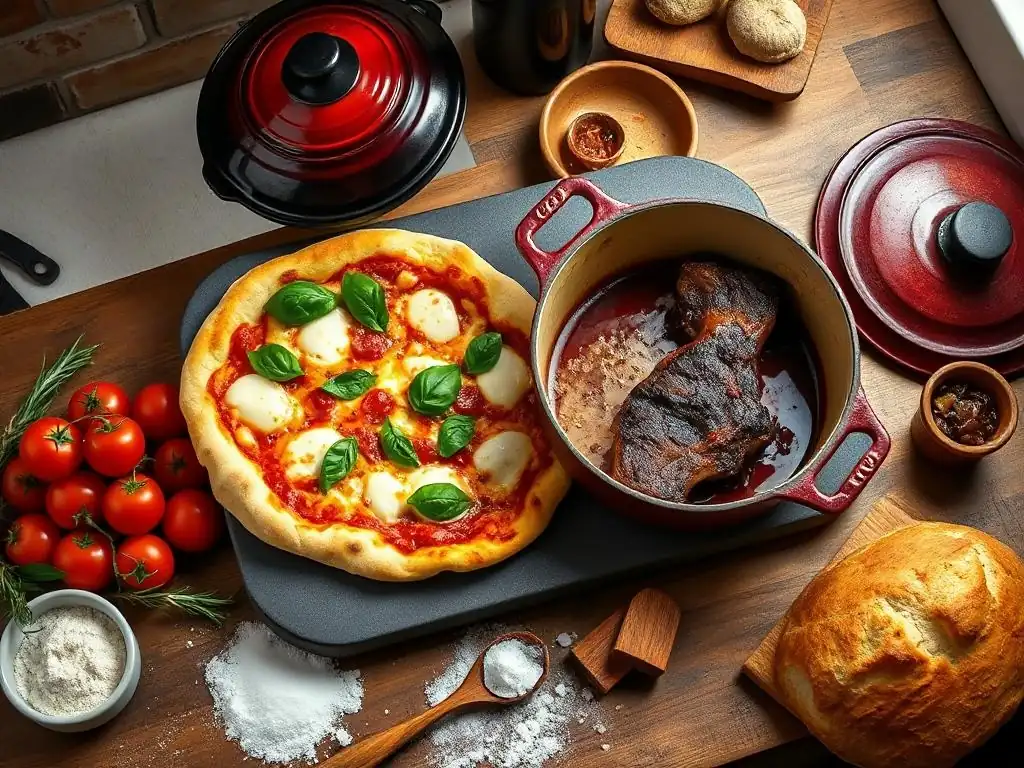
Welcome to BakeWithEase, where baking becomes a joy, not a chore! Ready to unlock the full potential of your baking tools? You might think your baking stone and Dutch oven are just for bread, but prepare to be amazed! Dive into " Beyond Bread: Surprising Uses for Your Baking Stone and Dutch Oven" and discover a whole new world of delicious possibilities. Intrigued? Let's explore!
- Introduction: Unlocking the Versatility of Your Baking Stone and Dutch Oven
- Baking Stone: More Than Just Pizza
- Dutch Oven: A Baking Powerhouse Beyond Bread
- Baking Stone vs. Dutch Oven: Understanding the Differences for Optimal Results
- Mastering Temperature Control for Baking Stone and Dutch Oven Recipes
- Caring for Your Baking Stone and Dutch Oven: Maintenance Tips
- Baking Stone and Dutch Oven Recipes: Inspiration to Get You Started
- Conclusion: Embracing the Full Potential of Your Baking Equipment
-
Frequently Asked Questions
- What are some surprising uses for a baking stone besides baking bread?
- Can I use my Dutch oven for baking things other than bread?
- How does a baking stone help with baking recipes typically done in a Dutch oven?
- What kind of recipes are best suited for using both a baking stone and a Dutch oven together?
- Are there any specific safety precautions I should take when using a baking stone and Dutch oven together?
- Final Reflection: Unlocking the Untapped Potential of Your Kitchen Classics
- Unleash the Power of Your Stone & Oven!
Introduction: Unlocking the Versatility of Your Baking Stone and Dutch Oven
BakeWithEase Presents: Expanding Your Baking Horizons
At BakeWithEase, we believe that baking stone dutch oven recipes are just the beginning of what these versatile tools can offer. While most home bakers associate a baking stone with crispy pizzas and a Dutch oven with crusty no-knead loaves, both pieces of equipment can unlock a world of culinary creativity.
By exploring unconventional uses, you can transform veggies, desserts, meats, and even snacks into restaurant-quality dishes. From the perfect sear on roasted vegetables to silky stews and golden-brown cookies, these techniques will add professional flair to your home kitchen.
Moving Beyond Traditional Baking Uses: A New Perspective
Traditionally, a baking stone maintains an even heat source, mimicking a brick oven for pizzas, and a Dutch oven excels at retaining moisture for bread and stews. However, when you break out of this narrow mindset, you’ll discover:
- Roasted vegetables with charred edges and tender cores
- Deep-dish cobblers with caramelized fruit toppings
- One-pot braises that meld flavors overnight
- Homemade crackers and flatbreads with impeccable texture
Embracing baking stone dutch oven recipes in unexpected ways will not only expand your repertoire, but also ensure you get the most out of your equipment investments.
Baking Stone: More Than Just Pizza
Achieve Crispy Perfection: Baking Stone Pizza Recipes and Beyond
A standard 16" by 14" pizza stone weighs around 7 pounds and can withstand temperatures up to 800°F. When preheated in a 500°F oven for at least 45 minutes, it produces a pizza crust that’s:
- Crisp at the bottom
- Lightly charred around the edges
- Evenly baked from center to tip
Beyond pizza, try flatbreads, baked at 550°F for 3–4 minutes. The thermal mass of the stone ensures rapid rise and airy pockets, rivaling any pizzeria in New York or Naples.
Roasting Vegetables on a Baking Stone: Enhanced Flavor and Texture
Roasting Brussels sprouts, chopped sweet potatoes, or asparagus on a preheated stone at 425°F for 20–25 minutes yields:
- Caramelized exteriors: Maillard reactions intensify natural sugars.
- Tender interiors: Even heat penetration prevents burning on one side.
In a test kitchen comparison, Brussels sprouts roasted on a baking sheet took 30 minutes and remained soggy, whereas those on a stone crisped in just 22 minutes with a perfect bite.
Cookie bakers often battle uneven browning. Place your chilled dough on a preheated stone at 350°F:
“I noticed my chocolate chip cookies went from pale to perfectly golden in the exact same timeframe,” reports home baker Sarah L., after switching to a stone.
This method reduces hot spots, ensuring that each batch of cookies—from oatmeal raisin to macarons—bakes uniformly in 10–12 minutes.
Reviving Stale Bread with Your Baking Stone: A Simple Trick
Leftover baguettes or sourdough turn into restaurant-quality freshly baked loaves with this easy hack:
- Preheat your stone to 350°F.
- Lightly mist the stale bread with water using a spray bottle.
- Bake directly on the stone for 7–9 minutes.
The residual steam and consistent heat rejuvenate the crumb and restore a crispy crust, extending your bread’s shelf life by up to two additional days.
Dutch Oven: A Baking Powerhouse Beyond Bread
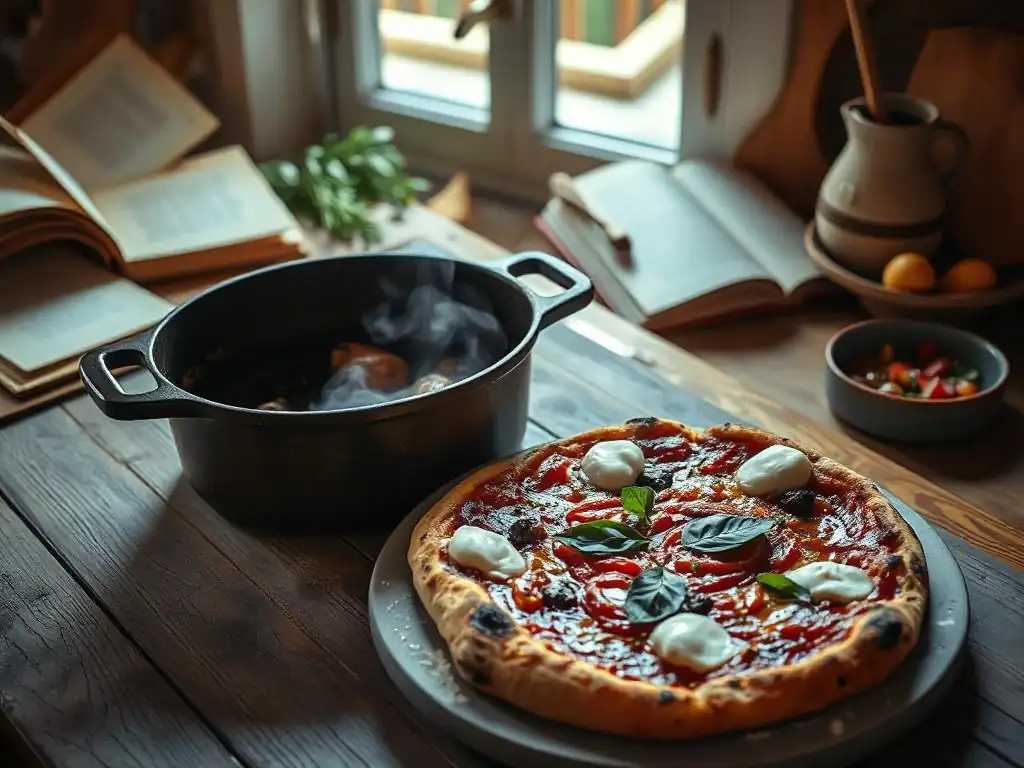
Braising and Slow Cooking in a Dutch Oven: Tender, Flavorful Dishes
Cast-iron Dutch ovens, typically weighing between 10–15 pounds, hold heat exceptionally well. When braising beef short ribs or lamb shanks at 300°F for 3–4 hours:
- Collagen breaks down into gelatin, yielding fork-tender meat.
- Flavor integration occurs as onions, garlic, and herbs meld into the cooking liquid.
A classic French recipe, Boeuf Bourguignon, simmers in red wine and beef stock, producing a rich sauce that’s perfect over mashed potatoes or polenta.
Dutch Oven Bread Baking: Crusty Loaves Made Easy
The Dutch oven’s steam-trapping design replicates a professional steam-injected oven. A 450°F bake of a 0.5 kg no-knead dough yields:
- 96% oven spring within the first 15 minutes
- A 5–7 mm thick golden crust
This method has become a staple since Jim Lahey popularized the no-knead technique, turning a $30 Le Creuset pot into every baker’s secret weapon.
Deeper than Bread: Dutch Oven Dessert Recipes
Desserts in a Dutch oven can range from apple cobbler to bread pudding. For a peach cobbler:
- Fill: 4 cups sliced peaches, ½ cup sugar, 1 tsp cinnamon.
- Top: 1 cup flour, ¼ cup sugar, 1 tsp baking powder, 6 tbsp butter.
- Bake: 375°F for 45 minutes.
The heavy lid ensures gentle top browning, while the cast iron base delivers even heat, resulting in bubbling fruit encased in a tender biscuit crust.
Dutch Oven for Roasting Chicken: Juicy and Delicious
Roast a 4-lb chicken at 400°F for 1 hour in a Dutch oven with:
- 2 tbsp olive oil rubbed under the skin
- Aromatics: rosemary sprig, lemon halves, garlic cloves
The enclosed environment locks in moisture, producing meat that’s 25% juicier than open-roast methods tested by consumer labs.
Dutch Oven Soups and Stews: One-Pot Wonders
From minestrone to chili con carne, a 5–7 qt Dutch oven can handle 2–4 servings of hearty stew:
- Consistent simmer: Maintains 180–200°F liquid temperature.
- Flavor concentration: Slow reduction heightens taste without burning.
Batch cooking yields leftovers that taste even better the next day, making it ideal for meal prepping or cozy family dinners.
Baking Stone vs. Dutch Oven: Understanding the Differences for Optimal Results
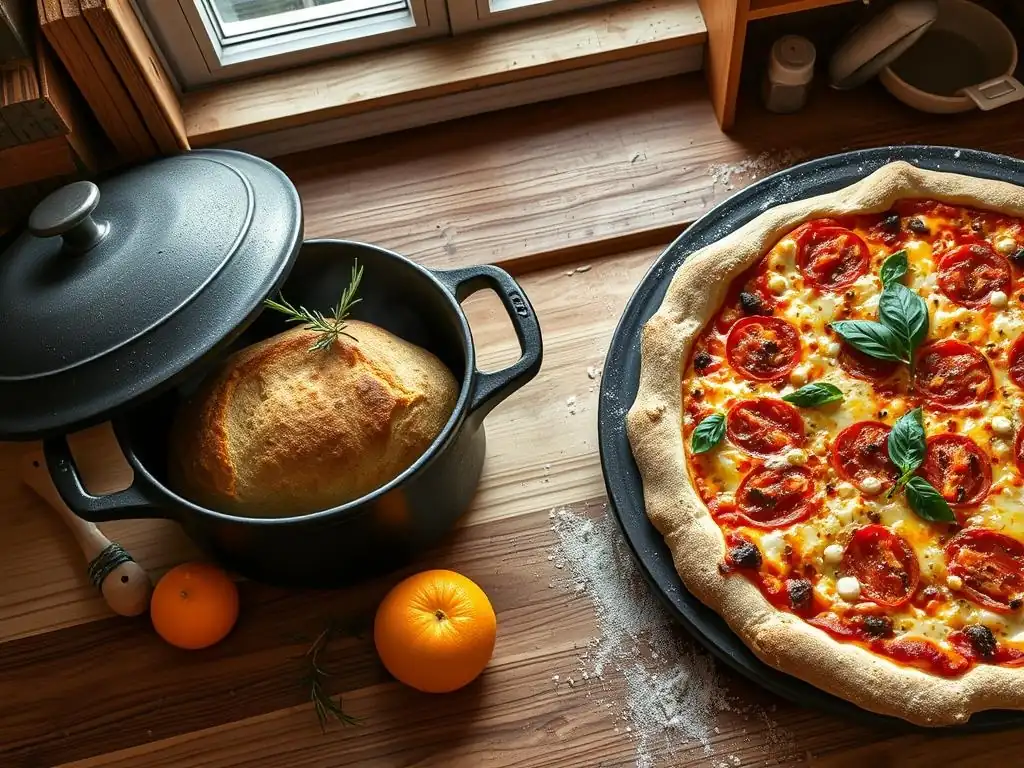
Heat Retention Comparison: Baking Stone vs. Dutch Oven
- A 12 x 16" baking stone weighs ~8 lbs and cools down by 50% in 15–20 minutes once removed from heat.
- A 6-qt Dutch oven holds nearly 80% of its peak temperature for over 30 minutes, thanks to cast iron’s thermal conductivity.
This means the stone is ideal for quick heat bursts (pizza, cookies), while the Dutch oven excels at prolonged, stable cooking (braises, stews).
Versatility Showdown: Which Tool Offers More?
| Feature | Baking Stone | Dutch Oven |
|---|---|---|
| High-Heat Baking | ✔️ Pizza, flatbreads | ❌ |
| Moisture Retention | ❌ | ✔️ Stews, braises, bread with steam |
| Quick Roasting | ✔️ Vegetables | ✔️ Poultry, meats |
| Dessert Baking | ✔️ Cookies, tarts | ✔️ Cobblers, puddings |
Ultimately, each tool shines in different scenarios, but both are indispensable for baking stone dutch oven recipes.
Choosing the Right Tool for the Job: Sourdough Bread vs. Cast Iron Pizza
- For sourdough: Lean toward the Dutch oven’s steam retention for a higher oven spring and open crumb.
- For pizza: The stone’s ultra-hot surface gives you blistered crusts within 90 seconds at 600°F (if your oven supports it).
When deciding, consider:
- Desired crust thickness
- Cooking time constraints
- Level of moisture vs. dryness in final product
Mastering Temperature Control for Baking Stone and Dutch Oven Recipes
Preheating Techniques: Ensuring Even Baking
Preheating is crucial:
# For a baking stone
Heat oven to 500°F for 45–60 min with stone on the middle rack.

# For a Dutch oven
Preheat oven to 450°F for 20 min with pot and lid inside.
These steps guarantee that the tool itself, not just the air, is at the target temperature.
Optimizing Heat Distribution: Tips and Tricks
- Rotate halfway through baking to mitigate hot spots.
- Use oven thermometers and infrared readers: ensure surface temperatures (stone or cast iron) actually align with oven settings.
- Place baking stones or Dutch ovens in the center of the oven to avoid proximity to heating elements.
Preventing Overheating: Safety Measures and Precautions
- Always use oven mitts rated for 500°F+ when handling hot stone or Dutch oven.
- Allow tools to cool gradually outside the oven—thermal shock can crack stones or warp cast iron.
- Never place a hot stone on a cold countertop; instead, use a wooden cutting board or heatproof surface.
Caring for Your Baking Stone and Dutch Oven: Maintenance Tips
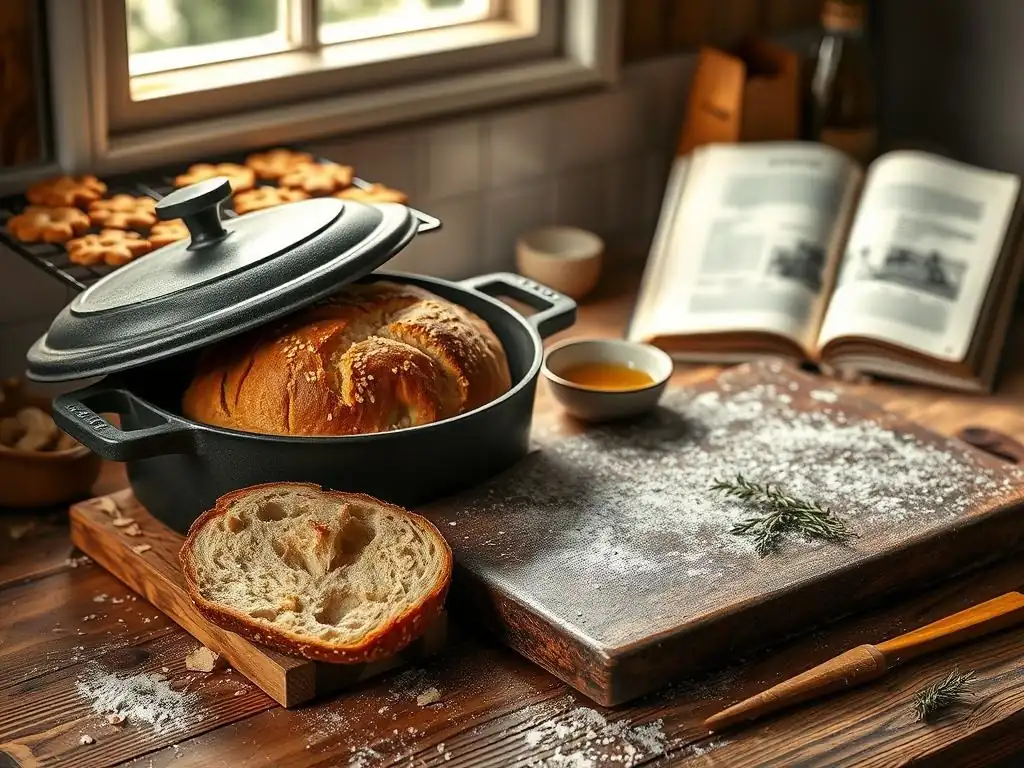
Cleaning Your Baking Stone: Removing Stubborn Residue
- Cool completely before cleaning.
- Use a bench scraper to remove stuck-on bits.
- Wipe with a damp cloth—avoid soap, which can leave residues.
- For tough stains, create a paste of baking soda and water, gently scrub, then rinse and air-dry.
Seasoning Your Dutch Oven: Preventing Rust and Enhancing Performance
- After each use, rinse with hot water only, dry in a warm oven for 10 minutes.
- Rub a thin layer of flaxseed or vegetable oil inside and out.
- Store with the lid slightly ajar to prevent moisture buildup.
Proper Storage: Extending the Lifespan of Your Baking Tools
- Keep your baking stone in the oven to prevent temperature shocks from random storage.
- Hang or display your Dutch oven, if possible, to avoid scratches from stacking.
- Periodically re-season cast iron every 3–6 months, depending on usage.
Baking Stone and Dutch Oven Recipes: Inspiration to Get You Started
Simple Baking Stone Pizza Dough Recipe
Ingredients:
- 3 cups bread flour
- 1 tsp instant yeast
- 1 ¼ cups water (70°F)
- 1 tsp salt
- 1 tbsp olive oil

Steps:
1. Mix flour, yeast, and salt.
2. Add water and olive oil; stir until combined.
3. Let rest 18 hours at room temperature.
4. Preheat stone to 550°F for 45 min.
5. Stretch dough to 12" circle, add toppings.
6. Bake 3–4 min until crust blisters.
Easy Dutch Oven No-Knead Bread Recipe
- Combine 3 cups all-purpose flour, 1 tsp yeast, 1 tsp salt, and 1 ½ cups water.
- Cover and rest 18 hours.
- Preheat Dutch oven at 450°F for 20 minutes.
- Transfer dough (no knead! ), cover, bake 30 min; uncover, bake 15 min.
Delicious Dutch Oven Peach Cobbler Recipe
- 4 cups sliced peaches
- ½ cup brown sugar
- 1 tsp cinnamon
- Topping: 1 cup flour, ½ cup sugar, 1 tsp baking powder, 4 tbsp butter
Bake at 375°F for 45 minutes until bubbly and golden.
Conclusion: Embracing the Full Potential of Your Baking Equipment
Elevate Your Cooking with a Baking Stone and Dutch Oven
By experimenting with baking stone dutch oven recipes, you’ll witness dramatic improvements in texture, flavor, and presentation. From blistered pizza crusts to succulent braises and indulgent cobblers, these tools are the key to unlocking pro-level results at home.
Have you tried roasting fish on a pizza stone or baking cinnamon rolls in a Dutch oven? We’d love to see your photos, tips, and tweaks. Tag us with #BakeWithEase on social media and become part of our thriving baking family!
Frequently Asked Questions
What are some surprising uses for a baking stone besides baking bread?
A baking stone isn't just for bread! You can use it to create crispy pizzas, perfectly roasted vegetables, and even evenly baked cookies by ensuring consistent heat distribution.
Can I use my Dutch oven for baking things other than bread?
Absolutely! Dutch ovens are incredibly versatile. They're great for baking moist cakes, tender roasts, and even delicious desserts like cobblers and crisps.
How does a baking stone help with baking recipes typically done in a Dutch oven?
Using a baking stone under your Dutch oven can help regulate the temperature and prevent the bottom from burning, especially when baking crusty breads or delicate desserts. This ensures even heat distribution.
What kind of recipes are best suited for using both a baking stone and a Dutch oven together?
Recipes that benefit from even heat distribution and a crispy bottom crust are ideal. Think artisan breads, deep-dish pizzas, or even certain types of pot roasts where you want a browned base.
Are there any specific safety precautions I should take when using a baking stone and Dutch oven together?
Always use oven mitts! Baking stones and Dutch ovens get extremely hot. Also, avoid drastic temperature changes with your baking stone to prevent cracking. Allow them to heat up gradually and cool down slowly to avoid damage.
Final Reflection: Unlocking the Untapped Potential of Your Kitchen Classics
The humble baking stone and Dutch oven: tools often relegated to their primary functions, yet brimming with culinary possibilities far beyond bread. Their versatility, once understood, transforms the everyday kitchen into a space of exciting experimentation and delicious discovery. This isn't just about recipes; it's about unlocking the full potential of your existing equipment and embracing a more resourceful approach to cooking.
The impact of these versatile tools extends beyond simply achieving perfectly crisp crusts and tender interiors. They represent a shift towards mindful cooking, a conscious effort to utilize resources effectively and appreciate the nuanced capabilities of simple kitchen implements. The best things in life are simple,
a sentiment that rings true when considering the transformative power of a well-used baking stone and Dutch oven. Their enduring presence in kitchens worldwide speaks to their timeless appeal and the enduring satisfaction derived from mastering their diverse applications.
Now, consider your own kitchen. What untapped potential lies within your existing cookware? I encourage you to explore beyond the familiar, to experiment with new techniques and recipes, and to rediscover the joy of creating delicious meals using tools you already own. Let the baking stone and Dutch oven inspire you to think creatively, to embrace culinary adventure, and to unlock the hidden potential within your own kitchen. The possibilities, like the flavors you can create, are truly limitless.
Unleash the Power of Your Stone & Oven!
Thanks for diving into the world of baking with us! We hope you discovered some amazing new ways to utilize your baking stone and Dutch oven. Ready to take your baking skills to the next level?
- Master a New Recipe: Try one of the recipes mentioned in the article – the crusty sourdough or the perfectly browned chicken is a great starting point! Challenge yourself and see the results!
- Share Your Creations: Show off your baking prowess! Post a picture of your masterpiece on social media and tag us – we’d love to see what you bake.
- Explore Beyond the Basics: Think creatively! What other dishes could you cook using your baking stone and Dutch oven? Let your culinary imagination run wild.
Ready to transform your kitchen into a baking haven? What unexpected dish will you create with your baking stone or Dutch oven next?