
Mastering the Bubble: Understanding CO2 in Dough Fermentation

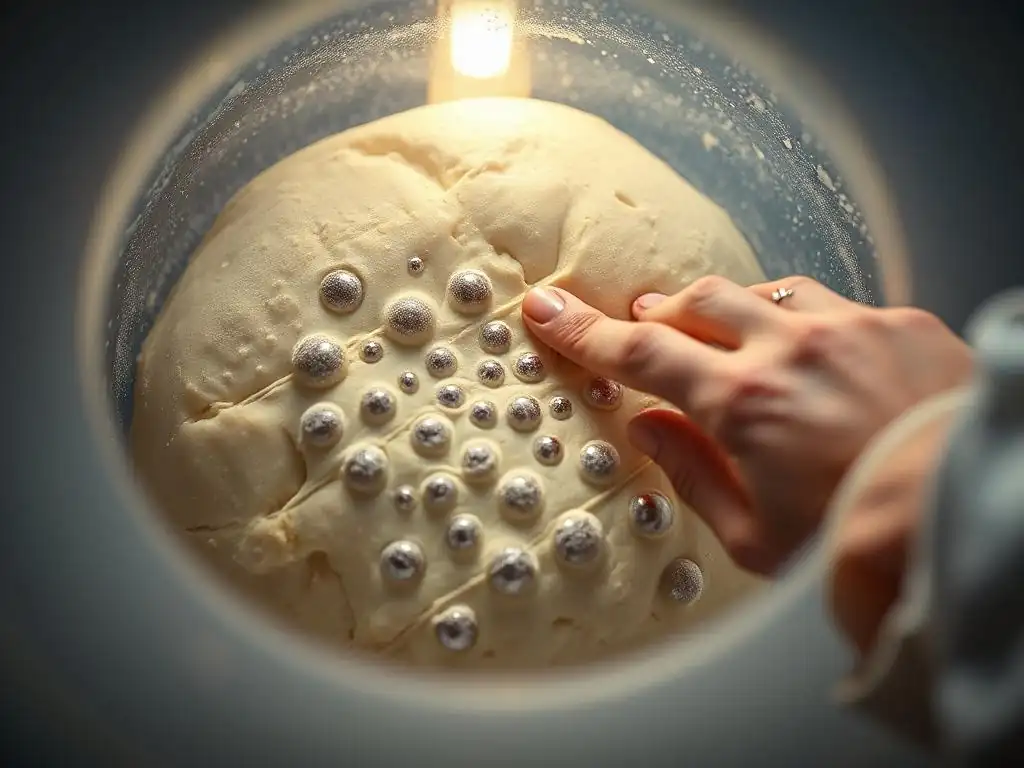
Welcome to BakeWithEase, your portal to baking bliss! Ever wondered about the magic behind those perfectly airy loaves and delicate pastries? Dive into the science of baking with us as we uncover the crucial role of CO2 fermentation dough techniques. Get ready to unlock the secrets of creating incredible dough, one bubble at a time, and elevate your baking skills to a whole new level. Let's get started!
- Mastering Dough Fermentation: The Role of Carbon Dioxide
- Introduction to Fermentation: The Importance of Carbon Dioxide
- The Science Behind Carbon Dioxide Production in Dough
- Dough Fermentation Techniques: A Baker's Guide
- Controlling Carbon Dioxide Production for Optimal Dough Results
- Troubleshooting Fermentation Issues
- Measuring Fermentation Activity
- Advanced Fermentation Techniques for Specialty Breads
- Optimizing Baking with Fermentation Knowledge
-
Frequently Asked Questions
- What is CO2 fermentation in dough and why is it important?
- How does CO2 fermentation contribute to the final texture of baked goods?
- What factors affect the rate of CO2 fermentation in dough?
- Can over-fermentation negatively impact the dough due to excessive CO2 production?
- What are some techniques bakers use to control CO2 fermentation in dough?
- Final Reflection: The Rising Power of CO2 in Baking
- Unlock Your Baking Potential: Mastering CO2 Control!
Mastering Dough Fermentation: The Role of Carbon Dioxide
Introduction to Fermentation: The Importance of Carbon Dioxide
Dough fermentation is a magical process that transforms a simple mixture of flour, water, and yeast into a living, breathing mass ready for baking. At its heart lies the work of microorganisms, primarily yeast, which consume sugars and produce various byproducts. Among these, carbon dioxide (CO2) is arguably the most crucial for developing the structure and texture we associate with delicious bread. Understanding the role of CO2 in dough fermentation is fundamental to mastering baking.
This process isn't just about making the dough rise; it's also about developing flavor, aroma, and texture. As yeast produces CO2, the gas gets trapped within the elastic network of gluten that forms when flour and water are mixed. This trapped gas is what causes the dough to expand, creating the airy structure needed for a light crumb. Without sufficient CO2 production and retention, bread would be dense and heavy, lacking the desirable volume and texture. Mastering CO2 fermentation dough techniques is key to achieving perfect results.
Why Carbon Dioxide is Crucial for Dough Development
Carbon dioxide is the primary leavening agent in yeasted doughs. As it's produced, it fills tiny pockets within the gluten network, causing the dough to inflate. Think of it like blowing up a balloon – the gas expands, stretching the surrounding material. In dough, this expansion is what we call 'rising' or 'proofing'. A well-risen dough will typically double or even triple in volume, depending on the recipe and fermentation time. This volume increase is directly attributable to the accumulation of CO2 gas.
Beyond simply increasing volume, CO2 production also plays a vital role in developing the dough's structure. The pressure exerted by the gas helps to stretch and strengthen the gluten network. This process, combined with dough handling techniques like kneading or folding, creates a robust yet flexible structure capable of holding its shape during baking. Furthermore, the CO2 trapped in the dough expands rapidly in the hot oven, causing a final burst of rising known as "oven spring," which contributes significantly to the bread's final height and texture. Effective CO2 fermentation dough techniques are essential for achieving this.
The Science Behind Carbon Dioxide Production in Dough
Yeast Fermentation: A Deep Dive
Yeast, typically Saccharomyces cerevisiae in baking, are single-celled fungi that perform a metabolic process called fermentation. In the presence of oxygen, yeast primarily respires, producing CO2 and water relatively slowly. However, in the low-oxygen environment of a dense dough mass, yeast switches to anaerobic fermentation. This is where the magic happens for bread. Anaerobic fermentation allows yeast to extract energy from sugars without oxygen, producing ethanol (alcohol) and, most importantly for bakers, significant amounts of carbon dioxide.
The yeast cells consume simple sugars available in the dough. Initially, these are sugars naturally present in the flour, like glucose, fructose, and sucrose. As fermentation progresses, enzymes in the flour (amylases) break down complex starches into simpler sugars that the yeast can then consume. This continuous supply of fermentable sugars is critical for sustained CO2 production throughout the bulk fermentation and proofing stages. The efficiency of this process is influenced by factors like temperature and the availability of water.
Converting Sugars to Carbon Dioxide and Ethanol
The biochemical pathway yeast uses to convert sugars in the absence of oxygen is relatively straightforward. A molecule of glucose (a simple sugar) is first broken down through glycolysis into two molecules of pyruvate. In alcoholic fermentation, pyruvate is then converted into acetaldehyde, releasing carbon dioxide in the process. Finally, acetaldehyde is reduced to ethanol, regenerating a molecule needed for glycolysis to continue. The simplified equation for this process is:
C6H12O6 (Glucose) → 2 C2H5OH (Ethanol) + 2 CO2 (Carbon Dioxide)
For every molecule of glucose consumed, yeast produces two molecules of carbon dioxide and two molecules of ethanol. While the ethanol contributes somewhat to flavor and evaporates during baking, it's the CO2 that dictates the dough's rise. The rate at which this conversion happens is key to controlling the fermentation process. Experienced bakers manipulate temperature and ingredients to optimize this conversion rate, applying various CO2 fermentation dough techniques.
Factors Affecting Carbon Dioxide Production: Temperature, Hydration, and Nutrient Availability
Several environmental factors significantly influence the rate of CO2 production by yeast. Temperature is perhaps the most critical. Yeast activity is slow at cold temperatures (below 10°C / 50°F), increases significantly in warm temperatures (around 24-27°C / 75-80°F), and becomes very rapid in hot temperatures (above 35°C / 95°F), before dying off at even higher temperatures (above 55°C / 130°F). Maintaining the dough within the optimal temperature range is crucial for steady and predictable CO2 production.
Hydration levels in the dough also play a role. Water is essential for yeast activity and for dissolving the sugars they consume. Higher hydration doughs generally ferment faster, partly because the sugars are more readily available to the yeast and the dough structure is looser, allowing for easier gas expansion. Nutrient availability, specifically fermentable sugars and nitrogen compounds, also impacts yeast health and activity. While most flours provide sufficient nutrients, some recipes might include a small amount of sugar or malt to boost initial yeast activity and CO2 production.
Dough Fermentation Techniques: A Baker's Guide
Understanding Different Fermentation Techniques
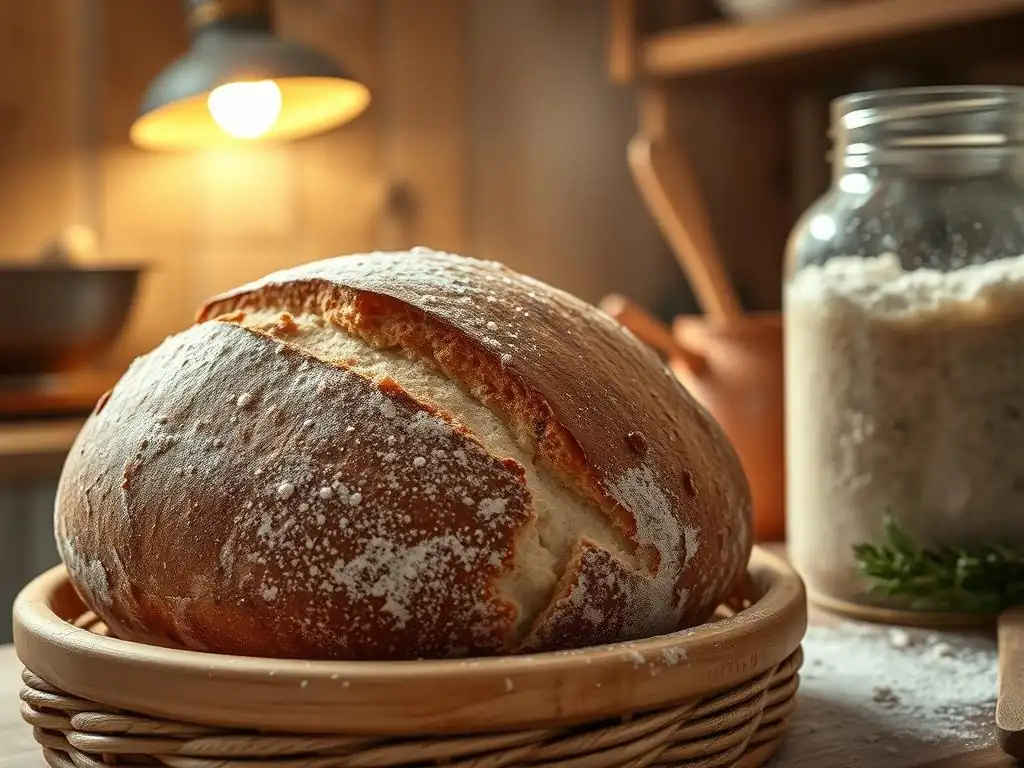
Bakers employ a variety of fermentation techniques to achieve specific results in their bread. These techniques primarily differ in the type and amount of leavening used, the temperature and duration of fermentation, and how the dough is handled. Each technique influences the rate and extent of CO2 production, which in turn affects the dough's structure, flavor development, and final crumb texture. Mastering these CO2 fermentation dough techniques allows bakers to control the final product.
Common techniques include direct fermentation, where all ingredients are mixed at once, and indirect fermentation methods that use a pre-ferment. The choice of technique often depends on the desired outcome – for example, a quick rise for a simple loaf versus a long, slow fermentation for complex flavors. Understanding the science behind each method helps bakers troubleshoot issues and adapt recipes.
Direct vs. Indirect Fermentation: Impact on Carbon Dioxide Production
In direct fermentation, all the yeast, flour, water, and other ingredients are combined and fermented in a single stage. This is the simplest method, often used for quick breads or recipes requiring a relatively short fermentation time, perhaps 1-3 hours at room temperature. CO2 production starts relatively quickly as the yeast begins consuming available sugars throughout the dough mass.
Indirect fermentation involves creating a pre-ferment (like a poolish, biga, or sourdough starter) which is a mixture of flour, water, and yeast (or wild yeast/bacteria) that ferments for a period before being added to the final dough ingredients. Pre-ferments typically ferment for longer periods, often 12-24 hours or even several days (especially sourdough).
This longer fermentation allows for significant CO2 production in the pre-ferment itself, but more importantly, it develops complex flavors and aromas through the metabolic activity of yeast and bacteria. When the pre-ferment is added to the final dough, it introduces a large, active population of microorganisms, leading to robust CO2 production during the final bulk fermentation and proofing stages.
Sourdough, Poolish, and Biga Fermentation Techniques
Sourdough fermentation uses a starter culture containing wild yeasts and lactic acid bacteria. This symbiotic relationship results in a slower but more complex fermentation. The bacteria produce lactic and acetic acids, contributing significant flavor, while the wild yeasts produce CO2 for leavening. Sourdough fermentation often involves long bulk ferments (4-12 hours at room temperature or longer in the fridge) and proofing (1-4 hours at room temp or 8-16 hours cold), leading to gradual CO2 production and substantial flavor development.
Poolish is a highly liquid pre-ferment (typically 100% hydration, equal parts flour and water by weight) that uses commercial yeast. It ferments relatively quickly, often 8-16 hours at room temperature or longer in the fridge, becoming bubbly and active as yeast produces CO2. A poolish contributes significant leavening power and mellow, slightly tangy flavors to the final dough.
Biga is a stiffer pre-ferment (typically 50-60% hydration) also using commercial yeast. It ferments slower than a poolish, often 12-24 hours, and becomes less bubbly but develops strength and structure. A biga contributes structure and a nutty, less acidic flavor profile to the final dough, alongside leavening from CO2 production. These specific CO2 fermentation dough techniques offer unique flavor and texture outcomes.
Controlling Carbon Dioxide Production for Optimal Dough Results
Temperature Control: Finding the Sweet Spot
Temperature is the baker's most powerful tool for controlling the rate of CO2 production. As discussed, yeast activity is highly temperature-dependent. For most yeasted doughs using commercial yeast, a room temperature between 24-27°C (75-80°F) is often considered ideal for bulk fermentation, leading to a doubling in volume in roughly 1-2 hours. Lowering the temperature, say to 18-20°C (65-68°F), will slow fermentation significantly, perhaps extending the time to 3-4 hours or more for the same volume increase. This slower fermentation allows more time for flavor development.
Cold fermentation, typically done in a refrigerator at 4-5°C (39-41°F), slows yeast activity dramatically. CO2 production is minimal initially but continues slowly over many hours (12-48 hours or even longer). This extended cold period allows enzymes to break down starches and proteins further, while yeast and bacteria produce complex flavor compounds. The dough will still rise, albeit much slower, accumulating CO2 over time. Understanding how temperature impacts CO2 production is fundamental to mastering CO2 fermentation dough techniques.
Hydration Levels: Balancing Moisture
Dough hydration, the ratio of water to flour, also affects CO2 production and retention. Higher hydration doughs (say, 75% or more water relative to flour) are looser and ferment faster because water is more available to the yeast. The gluten network in high-hydration dough is also more extensible, allowing it to stretch easily to accommodate the expanding CO2 bubbles, leading to an open, airy crumb. However, higher hydration doughs can be stickier and harder to handle.
Lower hydration doughs (like 60-65%) are stiffer. Fermentation might be slightly slower as water is less available. The tighter gluten network in these doughs can sometimes resist expansion more, potentially leading to a denser crumb if not fermented properly. However, they are much easier to handle and shape. Bakers learn to balance hydration levels based on the desired bread type and their comfort level with handling slack doughs, always considering how hydration affects CO2 production and retention.
Dough Handling: Minimizing Carbon Dioxide Loss
Proper dough handling is crucial for retaining the CO2 produced by fermentation. During bulk fermentation, techniques like folding or stretching and folding help to strengthen the gluten network and redistribute the yeast and sugars, promoting more even CO2 production. These actions also gently deflate the dough, but a healthy, active dough will quickly resume rising.
During shaping and proofing, minimizing degasification is important, especially for loaves aiming for an open crumb structure. Gentle handling during shaping helps preserve the larger CO2 bubbles that developed during bulk fermentation. Overworking or roughly handling the dough will expel too much gas, resulting in a tighter crumb structure. Proofing requires a delicate balance – allowing enough time for sufficient CO2 accumulation for oven spring without letting the dough over-proof and collapse.
Troubleshooting Fermentation Issues
Dough Not Rising? Common Causes and Solutions
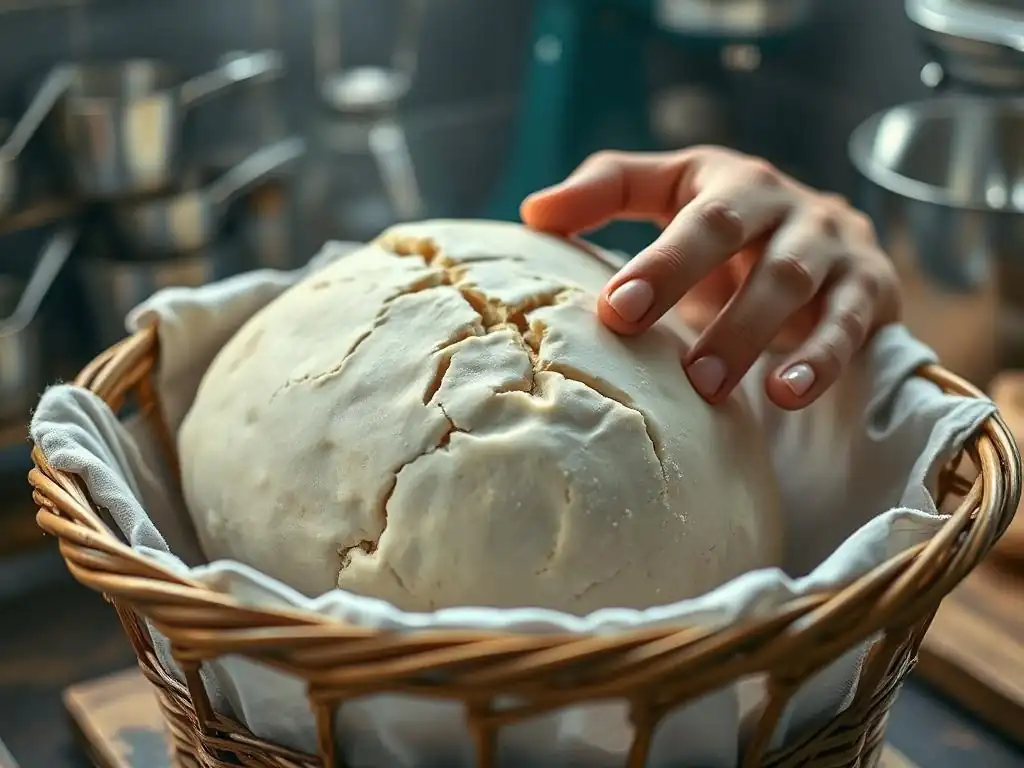
One of the most frustrating baking problems is dough that doesn't rise, or rises very slowly. The primary culprit is usually inactive or dead yeast. This can happen if the water used was too hot (killing the yeast) or too cold (inhibiting activity), if the yeast is old or expired, or if it wasn't properly activated (if using active dry yeast). Ensure your water is lukewarm (around 35-40°C / 95-105°F for active dry, cooler for instant) and check the yeast expiration date.
Other causes include insufficient sugar (yeast food), the presence of inhibitory ingredients like excessive salt or strong spices added too early, or a too-cold environment. If your kitchen is cold, try placing the dough in a warmer spot, like inside a slightly warm (but turned off) oven with the light on, or near a sunny window. Kneading also helps activate gluten and warm the dough slightly, which can kickstart slow fermentation and CO2 production.
Over-Proofing: When Too Much Carbon Dioxide is a Problem
While CO2 is essential for rise, too much fermentation, or over-proofing, can be detrimental. An over-proofed dough will typically look very puffy, might have large, irregular bubbles on the surface, and may even start to collapse slightly. The gluten structure, stretched too far by excessive CO2, becomes weak and can no longer hold the gas effectively.
Baking an over-proofed dough usually results in a loaf that collapses in the oven (poor oven spring), has a dense, heavy crumb, and potentially an overly acidic flavor. It often lacks the characteristic airy texture. This happens because the gluten network has been weakened and the yeast has exhausted most of the available sugars needed for oven spring. Recognizing the signs of over-proofing and baking at the right time is crucial for successful CO2 fermentation dough techniques.
Identifying and Addressing Weak Gluten Structures
A weak gluten structure can significantly hinder proper dough fermentation and CO2 retention. If the gluten network isn't sufficiently developed through kneading or folding, it won't be elastic or strong enough to trap the CO2 gas effectively. The gas will simply escape, resulting in a dough that spreads outwards rather than rising upwards. Signs of weak gluten include a dough that tears easily when stretched and doesn't hold its shape.
To address weak gluten, ensure you are kneading or folding the dough adequately according to the recipe. Different flours have varying protein levels; high-protein bread flour develops gluten more readily than lower-protein all-purpose flour. Sometimes, simply giving the dough more rest time during bulk fermentation (autolyse or resting periods between folds) can help strengthen the gluten network naturally. Ensuring proper hydration is also key, as too little water can make it difficult for gluten to form properly.
Measuring Fermentation Activity
Visual Cues: Recognizing Proper Dough Rise
Observing visual cues is a primary way bakers assess fermentation progress. As yeast produces CO2, the dough will increase in volume, become visibly puffier, and its surface will smooth out. Small bubbles may appear under the surface. For bulk fermentation, many recipes call for the dough to double in volume. This is a key indicator that sufficient CO2 has been produced and trapped.
During proofing (the final rise before baking), the dough should again increase in volume, though often not quite doubling, depending on the recipe. A common test for doneness is the "poke test": gently press a floured finger into the dough. If the indentation springs back immediately, it needs more time. If it stays indented or springs back very slowly, it's likely ready. If it collapses, it's probably over-proofed. Learning to read these visual cues is a fundamental aspect of mastering CO2 fermentation dough techniques.
Using a Graduated Container to Monitor Volume Increase
For more precise measurement of CO2 production and volume increase, especially during bulk fermentation, using a graduated container is highly effective. Place your dough in a clear container with volume markings (like a straight-sided food storage container or even a large measuring cup). Note the starting volume.
As the dough ferments and produces CO2, you can easily track its progress against the markings. Aiming for a specific percentage increase (e.g., 50%, 100%) becomes much more accurate than simply guessing. This method is particularly useful when experimenting with new recipes, different temperatures, or varying amounts of yeast, allowing you to quantify the impact on CO2 production and fermentation rate. For instance, you might observe that at 25°C, your dough consistently doubles in 1.5 hours, while at 20°C, it takes 2.5 hours.
Advanced Fermentation Techniques for Specialty Breads
Long Fermentation: Enhancing Flavor and Texture
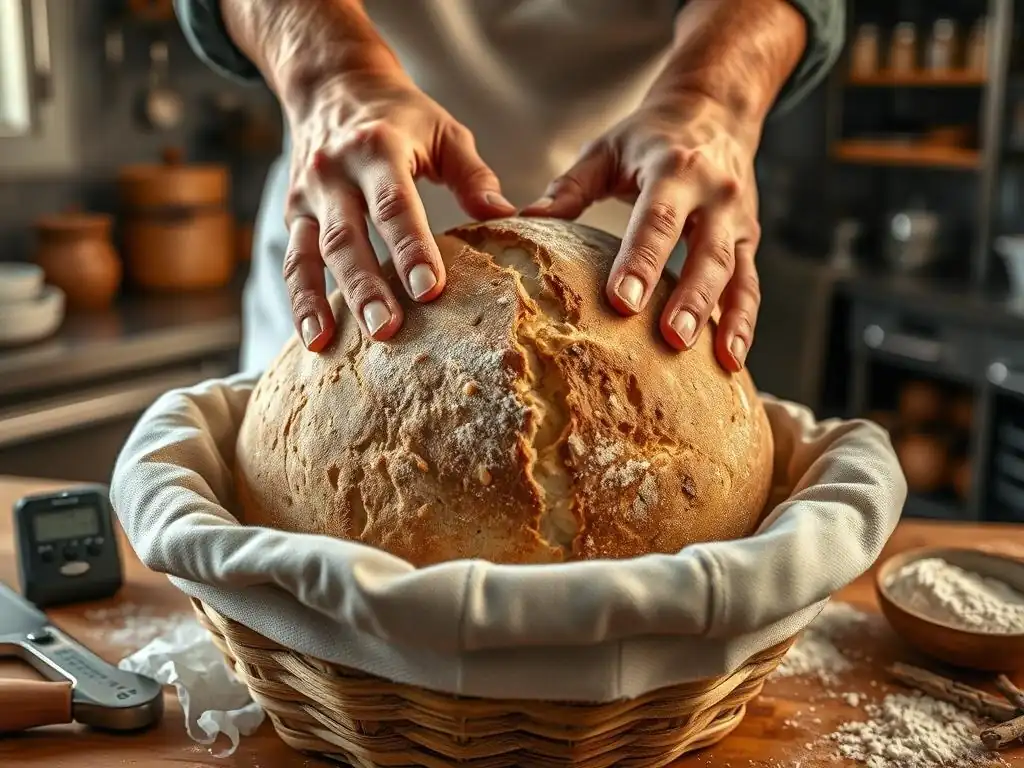
Long fermentation periods, often extending over 12-48 hours or more, typically involve cold temperatures (refrigeration) to slow down yeast activity and thus CO2 production. While CO2 production is slowed, other biochemical reactions, particularly those driven by enzymes and lactic acid bacteria (especially in sourdough), continue to work. This extended time allows for the breakdown of complex carbohydrates and proteins, making nutrients more available and developing a wider range of volatile organic compounds responsible for complex flavors and aromas.
A long, slow fermentation results in dough that is highly extensible and easy to handle, with a well-developed gluten structure capable of trapping CO2 effectively. The slow accumulation of CO2 over time, combined with the dough's strength, contributes to excellent oven spring and a very open, airy crumb structure, often seen in artisan breads. Mastering these slow CO2 fermentation dough techniques is key to achieving deep flavor.
Cold Fermentation: Slowing Down Activity for Complex Flavors
Cold fermentation is a specific type of long fermentation carried out in the refrigerator (typically 4-5°C / 39-41°F). At these temperatures, the yeast's CO2 production slows dramatically, reducing the rate of rise. However, enzymatic activity and the metabolic processes of lactic acid bacteria (if present, as in sourdough) continue at a greater relative rate than yeast activity compared to room temperature.
This differential activity allows for significant development of complex flavors and aromas, including tangy notes from organic acids. Cold fermentation also strengthens the gluten network over time without requiring extensive kneading. Dough fermented cold often results in bread with superior flavor depth, a more desirable crust color (due to enzyme activity breaking down starches into sugars), and an open, irregular crumb structure from the slow, steady accumulation of CO2. It's a popular technique among home and professional bakers for enhancing quality.
Ciabatta, Baguette, and Pretzel Fermentation Techniques
Different bread types utilize specific CO2 fermentation dough techniques tailored to their desired characteristics:
- Ciabatta: Known for its very high hydration (often 80%+) and open, irregular crumb. Ciabatta dough typically undergoes a long, slow bulk fermentation, often with minimal handling (no kneading, just folds) to preserve the large, irregular CO2 bubbles. Fermentation might take several hours at room temperature or be cold-fermented overnight. The high hydration facilitates rapid CO2 movement and expansion.
- Baguette: A classic French bread requiring a balance of structure and an open crumb. Baguette dough often uses a poolish or a long, cool bulk fermentation (12-24 hours) to develop flavor and extensibility. Shaping is done gently to retain CO2, and proofing is relatively short. The fermentation aims for consistent, moderate CO2 production to support the elongated shape and characteristic crumb.
- Pretzel: Unique because it's briefly boiled in an alkaline solution before baking. Pretzel dough typically uses a relatively short bulk fermentation (1-2 hours) and proofing. The goal isn't maximum volume from CO2, but rather developing enough structure and flavor before the boiling step, which sets the crust and limits further oven spring. The CO2 fermentation dough techniques for pretzels are focused on a quicker process.
Optimizing Baking with Fermentation Knowledge
The Importance of Understanding Carbon Dioxide in Dough
A deep understanding of how CO2 is produced and how it behaves within the dough is foundational to successful baking. It's the leavening agent that gives bread its volume and much of its texture. Knowing the factors that influence CO2 production – temperature, hydration, yeast activity, and time – empowers bakers to control the process rather than just following a recipe blindly.
When you understand that yeast activity slows in the cold, you can intentionally use cold fermentation for flavor. When you know that over-handling expels CO2, you can shape gently for an open crumb. This knowledge allows you to troubleshoot problems, adapt recipes, and consistently achieve desired results, whether it's a light and airy focaccia or a dense and flavorful rye. Mastering CO2 fermentation dough techniques elevates your baking from following instructions to truly crafting bread.
Mastering Fermentation Techniques for Baking Success
Ultimately, mastering fermentation techniques is about mastering the management of CO2 production and retention. This involves learning to:
- Choose the right fermentation technique (direct, indirect, sourdough) for your desired bread.
- Control the dough temperature to regulate the rate of CO2 production.
- Manage hydration levels, understanding their impact on dough handling and gas retention.
- Handle the dough gently during shaping and proofing to preserve trapped CO2.
- Recognize the visual and tactile cues that indicate optimal fermentation and CO2 levels.
- Troubleshoot common issues like under- or over-proofing by adjusting time, temperature, or handling.
By focusing on these elements and continuously learning through practice and observation, bakers can reliably produce bread with excellent volume, texture, flavor, and aroma. The journey to mastering baking is intrinsically linked to understanding and controlling the bubbles created by CO2 fermentation dough techniques.
Frequently Asked Questions
What is CO2 fermentation in dough and why is it important?
CO2 fermentation in dough is the process where yeast consumes sugars and releases carbon dioxide and other byproducts. This process is crucial because the CO2 creates bubbles, which leads to the dough rising and developing its characteristic texture.
How does CO2 fermentation contribute to the final texture of baked goods?
The CO2 bubbles trapped within the dough create a light and airy texture. Without proper CO2 fermentation, baked goods will be dense and heavy, lacking the desired characteristic volume and crumb.
What factors affect the rate of CO2 fermentation in dough?
Several factors influence the speed of fermentation, including temperature, the amount and type of yeast, and the availability of sugars in the dough. Controlling these factors is key to achieving optimal results.
Can over-fermentation negatively impact the dough due to excessive CO2 production?
Yes, over-fermentation can lead to a collapse of the dough structure. This happens when the gluten network weakens due to excessive CO2 production, resulting in a flat and potentially sour-tasting baked product.
What are some techniques bakers use to control CO2 fermentation in dough?
Bakers use various techniques, such as adjusting the proofing time and regulating the temperature, to manage CO2 production. Another common approach is punching down the dough, which releases excess CO2 and redistributes the yeast.
Final Reflection: The Rising Power of CO2 in Baking
Understanding the role of CO2 in dough fermentation is not merely a technical detail; it's the key to unlocking the full potential of bread baking. Mastering this invisible force allows bakers to achieve superior texture, flavor, and overall quality in their loaves, a pursuit as relevant today as it was centuries ago. The quest for the perfect rise continues to drive innovation and experimentation within the baking community.
The impact of CO2 on dough extends far beyond the simple act of leavening. It influences the development of gluten, the creation of complex flavors through yeast metabolism, and even the final crumb structure. The baker's art is a science, and the science is a craft.
This quote perfectly encapsulates the delicate balance between understanding the chemical processes and the intuitive feel required to truly master dough fermentation. The subtle nuances of CO2 production and its interaction with other ingredients are a testament to the enduring fascination and complexity of baking.
Now, it's your turn. Consider the insights you've gained about CO2's role in your own baking. Experiment with different fermentation techniques, observe the changes in your dough, and savor the difference a deeper understanding can make. Don't just bake bread; craft it, understanding the subtle power of the rising CO2 within. The journey to mastering the bubble is a continuous one, filled with delicious discoveries and the rewarding satisfaction of a perfectly risen loaf.
Unlock Your Baking Potential: Mastering CO2 Control!
Thanks for diving into the fascinating world of CO2 and its role in dough fermentation! You've now gained valuable insights into creating lighter, airier bread. Ready to put your newfound knowledge to the test?
- Experiment with different flours and hydration levels: Observe how CO2 production changes, and note the impact on your dough's texture and rise. This is your chance to truly personalize your baking!
- Try a new sourdough starter recipe: Challenge yourself to cultivate a vibrant, active starter that maximizes CO2 production for optimal flavor and texture.
- Share your baking triumphs (or challenges!) with the BakeWithEase community on social media! Let's learn from each other's experiences.
What unique techniques will you explore to refine your CO2 control and elevate your baking game?