
How to Speed Up Yeast Fermentation (Without Killing It)

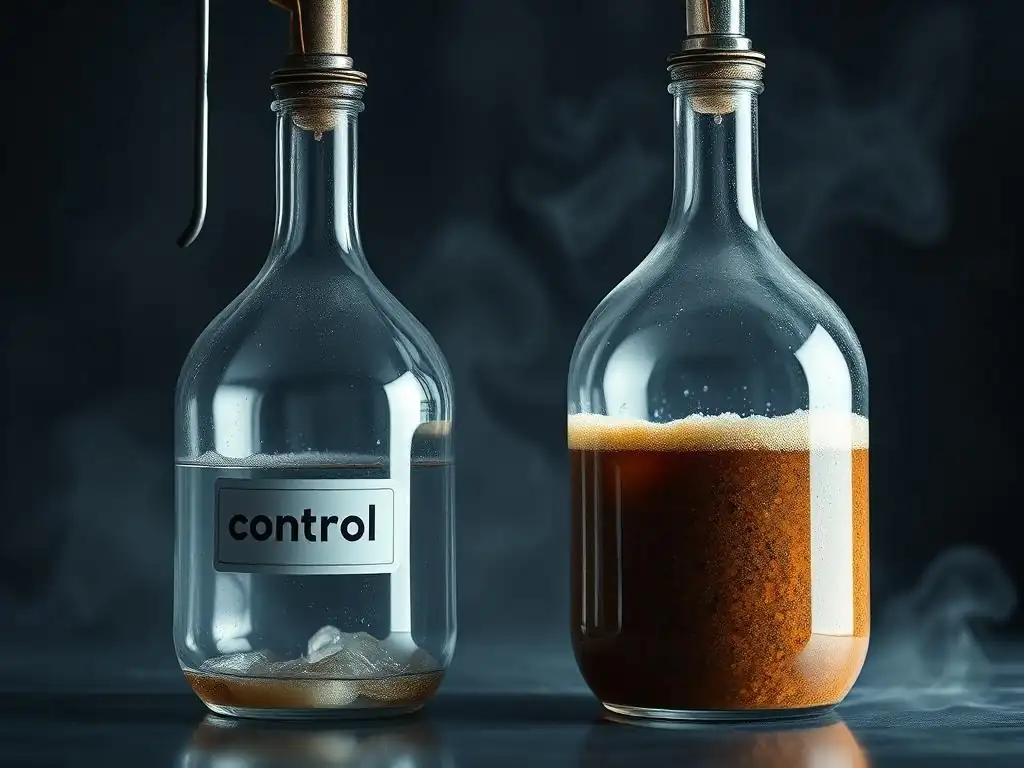
Welcome to BakeWithEase, your haven for simplifying the joys of baking! Ever wonder if you could reduce yeast fermentation time without sacrificing that perfect rise and flavor? Dive into our Baking Science Deep Dive and discover the secrets to achieving just that, unlocking a world of quicker, equally delicious baked goods. Let's explore how to optimize your yeast, not compromise it!
- How to Speed Up Yeast Fermentation (Without Killing It) - BakeWithEase
- Understanding Yeast Fermentation: The Key to Baking Success
- Strategies for Yeast Fermentation Time Reduction: BakeWithEase Approved
- Safe Techniques to Accelerate Yeast Fermentation
- Avoiding Common Mistakes When Speeding Up Yeast Fermentation
- Yeast Fermentation Time Reduction: Practical Tips for Home Bakers
- Mastering Yeast Fermentation: BakeWithEase's Final Thoughts
- Frequently Asked Questions
- Final Reflection: Harnessing the Power of Yeast: A Faster, Healthier Fermentation
- Unleash Your Inner Baker: Faster, Healthier Fermentation Awaits!
How to Speed Up Yeast Fermentation (Without Killing It) - BakeWithEase
Understanding Yeast Fermentation: The Key to Baking Success
What is Yeast Fermentation and Why Does it Matter?
Yeast fermentation is a biological process driven by Saccharomyces cerevisiae, a single-celled fungus we commonly call baker's yeast. In the context of baking, this process involves yeast consuming sugars present in the dough and converting them into carbon dioxide gas and ethanol. The carbon dioxide gas gets trapped within the gluten network of the dough, causing it to rise – this is often referred to as 'proofing'. Ethanol contributes to the complex flavors and aromas we associate with freshly baked bread. Understanding this fundamental process is crucial for anyone looking to control their dough's rise and texture.
The significance of yeast fermentation extends far beyond just making dough rise. It's the engine that develops flavor, improves the texture, and enhances the aroma of baked goods. A slow, controlled fermentation often leads to more complex flavors, while a faster fermentation can be useful for quick breads or when time is of the essence.
Mastering the factors that influence yeast activity allows bakers to achieve consistent results and even experiment with different textures and tastes. Efficient yeast fermentation time reduction techniques, when applied correctly, can significantly cut down on the total time required from mixing to baking, making homemade bread more accessible for busy schedules.
Factors Affecting Yeast Fermentation Time: A Deep Dive
Several key factors profoundly influence how quickly yeast ferments dough. These include temperature, the amount and type of sugar available, the quantity and vitality of the yeast itself, the hydration level of the dough, and even the type of flour used. Each of these elements interacts with the yeast in unique ways, either accelerating or inhibiting its activity. For instance, yeast is most active within specific temperature ranges, and deviating too far can slow it down or even kill it. Similarly, while sugar is food for yeast, too much can actually draw moisture out and inhibit fermentation.
Exploring these factors in detail is the first step towards effective yeast fermentation time reduction. By manipulating these variables, bakers can gain control over the proofing process. For example, increasing the dough temperature within the optimal range can significantly speed up gas production. Adjusting the amount of yeast or using a pre-ferment can also jumpstart fermentation. Understanding the science behind these interactions empowers bakers to make informed decisions, whether they are aiming for a rapid rise for pizza dough or a slow, overnight fermentation for a rustic loaf.
Strategies for Yeast Fermentation Time Reduction: BakeWithEase Approved
Optimizing Yeast Quantity: Finding the Right Balance
One of the most direct ways to influence yeast fermentation time is by adjusting the amount of yeast used in a recipe. More yeast generally means faster fermentation, as there are more active cells consuming sugars and producing carbon dioxide.
However, doubling or tripling the yeast isn't always the best approach; it can lead to off-flavors described as "yeasty" or "alcoholic" and can cause the dough to rise too quickly, potentially collapsing or resulting in a poor crumb structure. For a typical loaf of bread using active dry or instant yeast, a starting point might be around 1-2% of the flour weight, but this can be adjusted based on desired fermentation speed.
Finding the right balance is key. For a significant yeast fermentation time reduction, you might increase the yeast by 50% or even 100% for a faster rise, but pay close attention to the dough's development and flavor.
For instance, if a standard recipe calls for 7 grams of instant yeast for 500 grams of flour and requires a 2-hour bulk fermentation, increasing the yeast to 10-11 grams might cut that time down to 1.5 hours under the right conditions. Always monitor the dough visually, as relying solely on time can be misleading; the dough's appearance and feel are better indicators of readiness.
The Importance of Temperature: Accelerating Fermentation Safely
Temperature is arguably the single most influential factor in yeast fermentation time reduction. Yeast activity is highly dependent on temperature. Too cold, and the yeast becomes sluggish; too hot, and it can die. Within the optimal range, increasing the temperature significantly accelerates the metabolic rate of the yeast, leading to faster gas production and quicker rising. This is why dough rises much faster in a warm kitchen compared to a cold one.
Maintaining a consistently warm environment is a powerful strategy for yeast fermentation time reduction. However, it's crucial to stay within safe limits to avoid killing the yeast or negatively impacting the dough's structure and flavor. Understanding the ideal temperature ranges for different types of yeast is essential for effective and safe acceleration.
Best Temperature Ranges for Different Yeast Strains
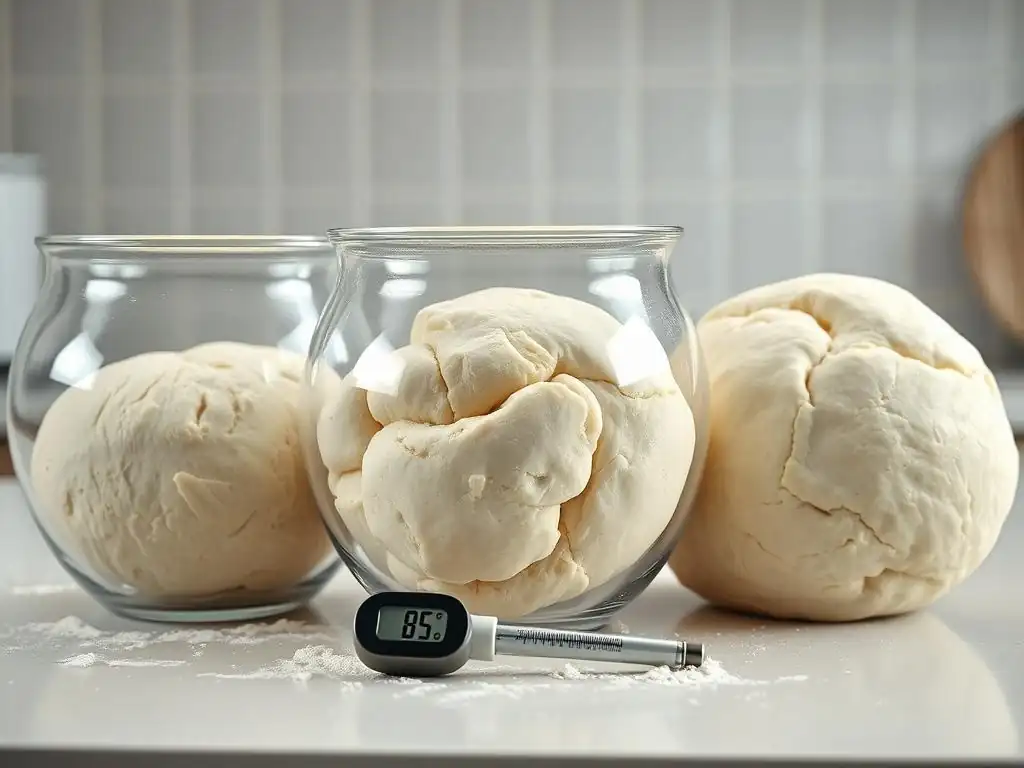
Different types of yeast thrive at slightly different temperatures. For active dry yeast, which often needs to be proofed in warm water before use, the optimal temperature for activation is typically between 105-115°F (40-46°C). Once incorporated into the dough, active dry yeast performs best during fermentation in a dough temperature range of 75-85°F (24-29°C).
Instant yeast, a more vigorous strain, doesn't require proofing and can be mixed directly with dry ingredients. It is highly active in dough temperatures between 75-95°F (24-35°C), making it slightly more tolerant of higher temperatures than active dry yeast. Fresh yeast (compressed yeast) is also very active in the 75-85°F (24-29°C) range. Using temperatures towards the higher end of these optimal ranges, while staying below the death point (around 130-140°F or 54-60°C), is a primary method for yeast fermentation time reduction.
Using a Warm Environment to Shorten Proofing Time
Creating a warm environment for your dough is a reliable method for yeast fermentation time reduction. This doesn't necessarily require specialized equipment; simple household methods can be very effective. A common technique is placing the dough in a warm, draft-free spot, such as inside an oven that has been turned off but still retains residual heat from a previous use, or in a microwave (also turned off) with a cup of hot water placed alongside the dough.
Another effective method is using a dedicated proofing box or even creating a makeshift one by placing the dough inside a cooler with a container of hot water. Aim for an ambient temperature around 80-85°F (27-29°C). This controlled warmth provides the ideal conditions for yeast activity, significantly reducing the time needed for the dough to double in size compared to proofing at cooler room temperature (say, 70°F or 21°C), which might take twice as long or more.
Sugar's Role in Yeast Activity: Fueling Fermentation
Sugar is the primary food source for yeast, providing the energy needed for fermentation. Adding sugar to dough can therefore accelerate yeast activity and contribute to yeast fermentation time reduction. Simple sugars, like glucose and fructose (found in honey and fruits), are easily consumed by yeast. Sucrose (table sugar) is also readily used after yeast breaks it down into glucose and fructose.
However, there's a balance to strike. While a moderate amount of sugar (typically 2-5% of flour weight) boosts fermentation, excessive sugar (above 10-15%) can actually slow down yeast activity. This is because high sugar concentrations create an osmotic pressure difference, drawing water out of the yeast cells and inhibiting their function. This is why very sweet doughs, like brioche or cinnamon rolls, often take longer to rise despite containing ample sugar and sometimes require osmotolerant yeast strains.
Types of Sugars and Their Impact on Fermentation Rate
Different types of sugar have varying impacts on the rate of yeast fermentation. Monosaccharides and disaccharides, such as glucose, fructose, and sucrose, are readily available for yeast consumption and provide a quick energy boost, accelerating fermentation. These are the sugars found in table sugar, honey, maple syrup, and molasses. Using a small amount of one of these can contribute to yeast fermentation time reduction.
Polysaccharides, like starches found in flour, are also a food source, but yeast cannot directly ferment them. Enzymes (like amylase, present in flour and yeast) break down starches into simpler sugars that yeast can then consume. This process takes time, which is why dough made only with flour and water ferments more slowly than dough with added sugar. While complex sugars are eventually utilized, adding simple sugars provides an immediate fuel source, helping to kickstart and speed up the initial stages of fermentation.
Hydration Levels: How Water Affects Yeast Fermentation
Water is essential for yeast activity; it serves as the medium through which yeast cells absorb sugars and nutrients and excrete waste products. Dough hydration, expressed as a percentage of flour weight, significantly impacts the environment in which yeast operates. Higher hydration doughs (e.g., 70% hydration or more) generally ferment faster than lower hydration doughs (e.g., 55-60%).
In wetter doughs, the sugars and nutrients are more easily accessible to the yeast cells, and the carbon dioxide gas produced can expand more freely within the looser gluten structure. This leads to a faster rate of rise and contributes to yeast fermentation time reduction. Conversely, in very stiff doughs, yeast activity can be slightly inhibited due to the limited mobility of nutrients and the denser environment. Adjusting hydration is a subtle but effective way to fine-tune fermentation speed, alongside other factors like temperature and yeast quantity.
Choosing the Right Flour: Impact on Fermentation Speed
The type of flour used in a recipe can subtly influence yeast fermentation time. While flour itself provides starches that are eventually broken down into fermentable sugars, different flours have varying levels of enzymatic activity and nutrient availability. For example, whole wheat flour often ferments slightly faster than refined white flour. This is partly due to the presence of more natural enzymes (amylases) in the bran and germ, which break down starches into sugars more readily.
Additionally, the protein content and how it develops into gluten play a role. While not directly affecting yeast metabolism, the strength and elasticity of the gluten network determine how well the dough can trap the carbon dioxide gas produced by fermentation. A dough with good gluten development will rise more effectively, potentially reaching its proofing target faster, which contributes indirectly to yeast fermentation time reduction by shortening the required rise time.
Flour Type and Gluten Development
Different flours vary in protein content, which directly affects gluten development. Bread flour, with its higher protein content (typically 12-14%), forms a strong, elastic gluten network capable of trapping a large amount of gas, leading to a well-risen loaf. All-purpose flour (around 10-12% protein) develops less gluten, resulting in a slightly less voluminous rise compared to bread flour under similar conditions.
While gluten development doesn't directly speed up the yeast's metabolic rate, a strong gluten structure allows the dough to hold more gas, making the rise more efficient and potentially shortening the time needed to achieve a desired volume increase. This interaction between flour type, gluten development, and gas retention is another layer to consider when aiming for effective yeast fermentation time reduction and optimal dough proofing.
Safe Techniques to Accelerate Yeast Fermentation

The Dough Enhancer Approach: Vital Wheat Gluten and Ascorbic Acid
Dough enhancers are ingredients added to dough to improve its texture, volume, and sometimes to accelerate fermentation or improve handling. Two common components are vital wheat gluten and ascorbic acid (Vitamin C). Vital wheat gluten is concentrated wheat protein that can be added to lower-protein flours (like all-purpose) to boost the overall protein content, leading to stronger gluten development. As discussed earlier, a stronger gluten network can trap gas more effectively, potentially leading to a faster, more robust rise and contributing to yeast fermentation time reduction.
Ascorbic acid, or Vitamin C, acts as an oxidizing agent in dough. It helps strengthen the gluten network by promoting the formation of disulfide bonds between protein strands. A stronger gluten structure allows the dough to hold more gas, leading to better volume and potentially reducing the time needed to reach full proof.
While not directly stimulating yeast activity, both vital wheat gluten and ascorbic acid create a better environment for the gas produced by fermentation, making the overall process more efficient. Typically, only a small amount of ascorbic acid is needed, often less than 0.01% of the flour weight.
Pre-Ferments: Building Flavor and Reducing Bulk Fermentation Time
Using a pre-ferment is a sophisticated technique for accelerating the main dough's fermentation while simultaneously building complex flavors. A pre-ferment is a portion of the dough ingredients (flour, water, and yeast) that is mixed and allowed to ferment for a period before being added to the final dough. This initial fermentation jumpstarts yeast activity and enzyme action, creating a more active and flavorful culture to inoculate the main mix.
Incorporating a pre-ferment significantly reduces the time required for the bulk fermentation of the final dough, offering a considerable yeast fermentation time reduction. Common types include poolish (equal parts flour and water, usually with a small amount of yeast, fermented at room temperature for several hours or overnight) and biga (a stiffer mixture, typically lower hydration, also fermented for several hours). The active yeast population in the pre-ferment quickly gets to work on the sugars in the new dough, leading to a faster rise compared to starting with yeast directly in the full batch.
Sourdough Starter: A Natural Fermentation Booster
While often associated with slow fermentation for maximum flavor development, a vigorous sourdough starter is essentially a highly active pre-ferment containing wild yeast and lactic acid bacteria. When a portion of an active, bubbly sourdough starter is added to a dough, the large population of active yeast cells quickly initiates fermentation. This can lead to a faster rise than using commercial yeast alone, especially in recipes specifically designed for sourdough or hybrid recipes combining sourdough with commercial yeast.
Using an active sourdough starter (one that has been recently fed and is at its peak of activity, often doubling within 4-8 hours after feeding) provides a powerful inoculum for yeast fermentation time reduction. The starter not only contributes yeast but also enzymes and acids that further condition the dough and enhance flavor, making it a multi-functional tool in the baker's arsenal.
Poolish and Biga: Faster Alternatives
Poolish and biga are popular pre-ferments that offer distinct advantages for yeast fermentation time reduction and flavor development. A poolish is a liquid pre-ferment, typically made with equal weights of flour and water, plus a small amount of yeast. It is usually fermented for 8-16 hours at room temperature until bubbly and slightly collapsed. Its high hydration allows for rapid yeast reproduction.
A biga is a stiffer pre-ferment, often with a hydration level between 50-60%. It is typically fermented for 12-24 hours, sometimes in the refrigerator for a slower, more controlled process. While stiffer, the lower hydration can contribute to a stronger gluten structure in the final dough. Both poolish and biga, when added to the final mix, significantly boost fermentation speed compared to adding all the yeast directly, offering effective yeast fermentation time reduction and adding desirable complexity to the bread's flavor profile.
Dough Kneading Techniques: Developing Gluten Effectively
Kneading is the process of working dough to develop the gluten network. Proper kneading aligns the protein strands in the flour, creating an elastic framework capable of trapping the carbon dioxide gas produced by yeast. While kneading doesn't directly speed up the yeast's metabolism, a well-developed gluten structure is crucial for an efficient rise. Dough that is insufficiently kneaded will not be able to hold onto the gas effectively, resulting in a dense loaf even if the yeast is highly active.
Effective kneading techniques, whether by hand or stand mixer, ensure that the dough can expand properly during fermentation. Achieving optimal gluten development allows the dough to reach its desired volume faster during proofing, contributing indirectly to yeast fermentation time reduction by maximizing the impact of the yeast's gas production. Kneading also incorporates air into the dough initially, which helps the yeast get started, although the primary gas production comes from fermentation.
Avoiding Common Mistakes When Speeding Up Yeast Fermentation
Over-Proofing: Recognizing and Preventing It
While aiming for yeast fermentation time reduction, it's crucial to avoid over-proofing the dough. Over-proofing occurs when the dough has fermented for too long or at too high a temperature, causing the gluten structure to become weakened and unable to support the trapped gas. Signs of over-proofing include a dough that has risen significantly but then starts to deflate, smells strongly alcoholic or overly yeasty, and feels fragile or sticky.
Preventing over-proofing requires careful observation of the dough rather than strict adherence to recipe times. Learn to recognize when the dough has doubled (or achieved the volume specified in the recipe) and looks airy and domed. The "poke test" is a reliable indicator: gently press your finger into the dough; if the indentation slowly springs back only partially, it's likely perfectly proofed. If it springs back immediately, it needs more time; if it stays completely indented, it's likely over-proofed.
The Risks of Excessively High Temperatures
Using high temperatures is a powerful tool for yeast fermentation time reduction, but pushing the temperature too high is risky. Yeast is a living organism with an optimal temperature range for activity. Exposing yeast to temperatures above its tolerance threshold, typically around 130-140°F (54-60°C), will kill the yeast cells. Dead yeast cannot produce carbon dioxide, and your dough will not rise.
Even temperatures that don't immediately kill the yeast but are significantly above the optimal range (e.g., consistently above 95°F or 35°C for instant yeast) can stress the yeast, leading to off-flavors and potentially faster exhaustion of their energy reserves. When attempting to speed up fermentation using heat, always aim for a controlled, warm environment within the optimal ranges discussed earlier, rather than simply exposing the dough to high heat.
Signs of Stressed Yeast: Troubleshooting Fermentation Problems
Recognizing the signs of stressed or unhappy yeast is important when troubleshooting fermentation issues, especially when attempting yeast fermentation time reduction. Stressed yeast might produce less gas than expected, resulting in a slow or stalled rise. Signs can include a lack of activity (no bubbles forming), a dough that feels dense even after some time, or a peculiar, sometimes unpleasant odor.
Common causes of stressed yeast include using water that is too hot or too cold when activating or mixing, inadequate or excessive sugar, insufficient hydration, or exposure to inhibitory substances like excessive salt or old flour. If your dough isn't rising as expected, check the temperature of your ingredients and environment, ensure your yeast is fresh, and review your ingredient ratios. Sometimes, simply moving the dough to a warmer spot or giving it more time can help revive sluggish fermentation.
Yeast Fermentation Time Reduction: Practical Tips for Home Bakers
Using a Proofer or Warm Oven: Controlled Fermentation
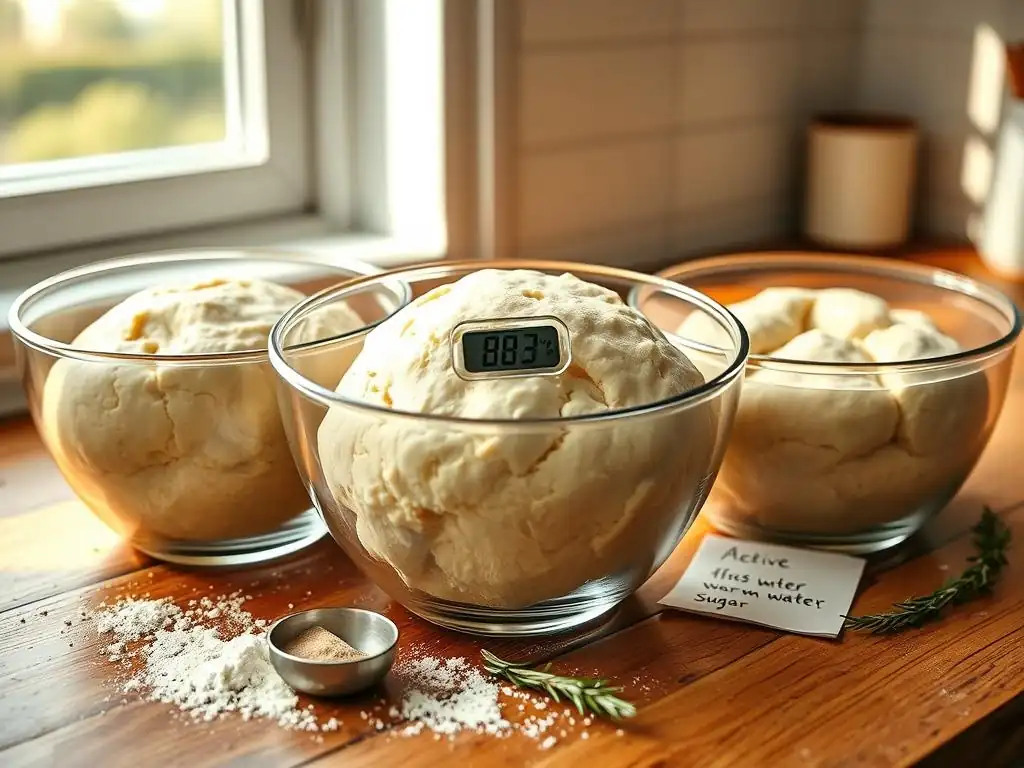
For home bakers serious about controlling and accelerating yeast fermentation time, using a dedicated proofing appliance or creating a warm environment in your oven are excellent strategies. A proofing box provides a consistently warm and humid environment, ideal for rapid and even rising. Many modern ovens have a "proof" setting, which typically maintains a temperature around 80-90°F (27-32°C), perfect for yeast activity.
If you don't have a proof setting, you can create a similar environment by turning your oven on to its lowest setting for a few minutes, then turning it off before placing the dough inside. Some bakers place a pan of hot water on the rack below the dough to create humidity, which prevents the dough surface from drying out. Using these controlled environments allows for predictable yeast fermentation time reduction compared to relying on ambient room temperature fluctuations.
The "Windowpane Test": Gauging Gluten Development
The "windowpane test" is a simple but effective technique to check if your dough has been kneaded enough and the gluten is sufficiently developed. Proper gluten development is essential for the dough to rise well, and achieving it efficiently can contribute to overall yeast fermentation time reduction by allowing the dough to proof optimally. To perform the test, take a small piece of dough (about the size of a golf ball) and gently stretch it with your fingers.
If the dough can be stretched thin enough to see light through it without tearing, like a thin membrane or "windowpane," the gluten is well-developed. If it tears easily before reaching this stage, it needs more kneading. While this test doesn't directly measure yeast activity, it confirms that the dough structure is ready to support the gas produced by fermentation, ensuring that the rise is as effective as possible within the desired timeframe.
Adjusting Recipes for Faster Fermentation: Reducing Rise Time for Pizza Dough
One common application for yeast fermentation time reduction is making pizza dough. Traditional pizza dough recipes might call for a long, cold fermentation (24-72 hours in the refrigerator) for maximum flavor development. However, if you need pizza dough ready in just a few hours, you can adjust the recipe. The primary adjustments involve increasing the yeast quantity and fermenting at a warmer temperature.
For a quick pizza dough (ready in ~2-4 hours), you might use 1.5-2% instant yeast based on flour weight, compared to 0.2-0.5% for a long, cold ferment. You would then let the dough rise in a warm environment (75-85°F or 24-29°C) until it has doubled in size. This strategic increase in yeast and temperature provides significant yeast fermentation time reduction, allowing you to enjoy homemade pizza much sooner. Always remember that flavour development might be less complex than with a long ferment, but the texture can still be excellent.
Mastering Yeast Fermentation: BakeWithEase's Final Thoughts
Achieving Consistent Results: Practice and Observation
Mastering yeast fermentation time reduction and fermentation in general is a skill that develops with practice and careful observation. Each batch of dough is unique, influenced by subtle variations in ingredient temperatures, ambient conditions, and even the specific batch of yeast. Relying solely on prescribed times in a recipe can lead to inconsistent results. Instead, learn to read your dough.
Pay attention to how it feels, how it looks, and how it responds to touch. Observe the rate at which it rises and the texture of its surface. Keep notes if helpful. By understanding the factors that influence yeast activity and practicing controlled techniques, you'll gain confidence in your ability to guide fermentation and achieve consistent, delicious results, whether you're aiming for a fast rise or a slow one.
Understanding yeast fermentation is a vast topic with many fascinating layers. To continue your journey into the science and art of baking, explore related articles on BakeWithEase.com. You might find our guides on "Understanding Different Types of Yeast" or "The Science of Gluten Development" particularly helpful in complementing your knowledge of yeast fermentation time reduction and overall dough handling. These resources delve deeper into the fundamental processes that make baking work.
Frequently Asked Questions
How can I safely reduce yeast fermentation time?
You can slightly reduce fermentation time by optimizing temperature. Warmer (but not hot!) temperatures encourage faster yeast activity. Avoid exceeding recommended temperature ranges as it can kill the yeast.
What ingredients can impact yeast fermentation speed?
Adding a small amount of sugar can provide readily available food for the yeast, speeding up initial fermentation. However, too much sugar can inhibit yeast activity later on.
Does the type of yeast I use affect fermentation time?
Yes, different yeast strains have different fermentation rates. Instant yeast generally ferments faster than active dry yeast. Always check your recipe for specific yeast recommendations.
What happens if I rush the fermentation process too much?
Rushing fermentation can result in poor flavor development and a dense, underdeveloped texture. The dough might lack the necessary rise and complexity.
How can I tell if my dough has fermented enough?
Look for signs like doubling in size, a light and airy texture, and a slightly acidic aroma. The poke test (dough slowly springs back when poked) is also a useful indicator.
Final Reflection: Harnessing the Power of Yeast: A Faster, Healthier Fermentation
The quest for faster yeast fermentation is not merely a matter of convenience; it's a crucial element in optimizing food production, reducing waste, and enhancing the quality of our food. The techniques explored in this article – from temperature control to nutrient optimization – represent a significant step forward in understanding and manipulating this fundamental biological process. This knowledge holds the key to unlocking more efficient and sustainable food production methods for the future.
The impact of yeast fermentation extends far beyond the realm of baking and brewing. It's deeply intertwined with our cultural heritage, shaping culinary traditions across the globe for millennia. Bread is the staff of life,
a simple phrase that belies the complex biological processes and human ingenuity behind its creation. Understanding how to optimize yeast fermentation allows us to appreciate this process on a deeper level, recognizing its contribution to both our sustenance and our cultural identity. This understanding also allows us to consider the broader implications of efficient fermentation for food security and sustainability in a world facing increasing population growth and resource constraints.
Now, consider your own baking or brewing endeavors. What adjustments can you make to your current processes based on the information presented here? Will you experiment with different temperatures, nutrient additions, or aeration techniques? I encourage you to embrace the scientific method, to observe, adapt, and refine your approach to yeast fermentation. By doing so, you'll not only improve the efficiency of your processes but also deepen your appreciation for the remarkable power of this tiny organism and its vital role in our world.
Unleash Your Inner Baker: Faster, Healthier Fermentation Awaits!
Thanks for taking the time to learn about speeding up yeast fermentation without compromising its health! You've now got the knowledge to create consistently amazing baked goods. Ready to put your new skills to the test?
- Bake a test loaf today! Use your newfound knowledge to experiment with different techniques and see how much faster you can get a perfect rise. This is the most important next step!
- Share your results! Post a picture of your perfectly risen dough on social media and tag us @BakeWithEase – we'd love to see your creations!
- Explore our other articles on yeast – we have even more baking tips to help you become a true bread master.
So, what delicious creation will you bake first to put your new fermentation skills to the test?