
Bake Amazing Quick Breads with Just a Few Steps

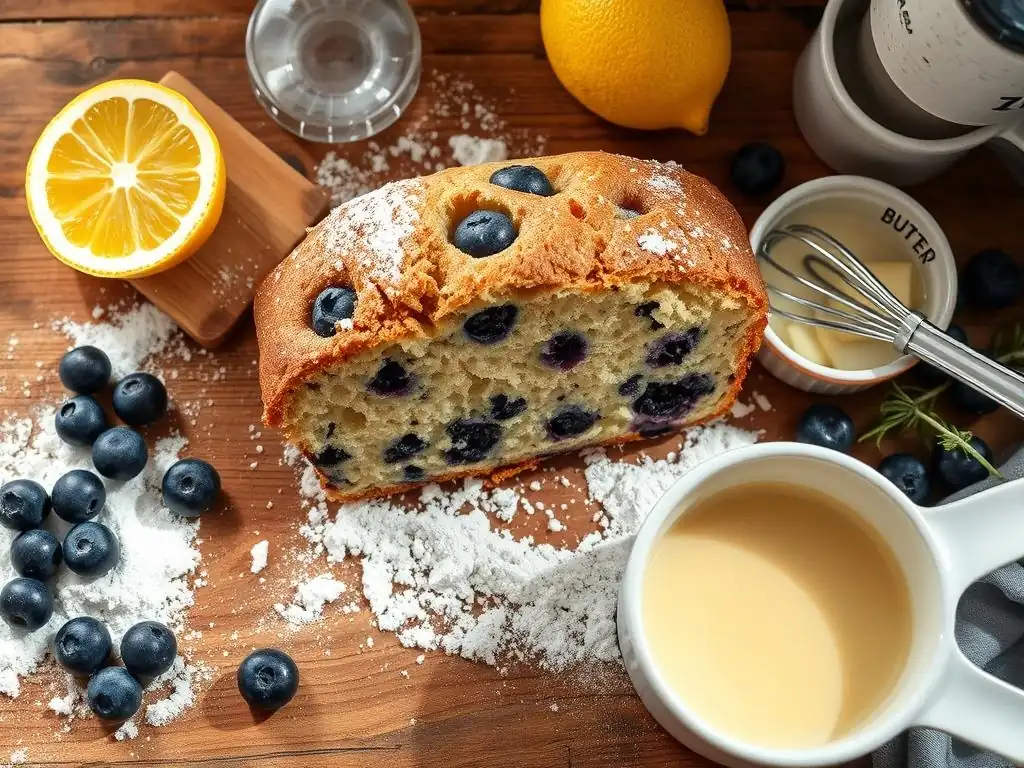
Welcome to BakeWithEase, your guide to unlocking the joy of baking! Are you ready to experience the satisfaction of homemade goodness, even on the busiest days? Dive into our collection of easy quick bread recipes and discover how simple it is to create delicious, comforting loaves with minimal effort. Intrigued? Let's get started and transform your kitchen into a haven of warm, freshly baked aromas!
- Introduction to Easy Quick Bread Recipes for Beginners
- Essential Ingredients and Tools for Baking Quick Breads with Ease
- Step-by-Step Guide to Baking Amazing Quick Breads
- Top Easy Quick Bread Recipes to Try Today
- Troubleshooting Common Issues in Quick Bread Baking
- Enhancing Your Quick Breads: Flavor Add-Ins and Variations
- Storing and Serving Tips for Your Homemade Quick Breads
- Conclusion: Mastering Easy Quick Bread Recipes with BakeWithEase
-
Frequently Asked Questions
- What exactly is a quick bread?
- What makes BakeWithEase.com a good resource for easy quick bread recipes?
- What are some examples of popular easy quick bread recipes?
- What are some common mistakes to avoid when baking easy quick breads?
- Can I customize easy quick bread recipes with different ingredients?
- Final Reflection: The Joy of Effortless Baking
- Unleash Your Inner Baker: Quick Bread Magic Awaits!
Introduction to Easy Quick Bread Recipes for Beginners
Welcome to the wonderful world of baking! If you're just starting out, or looking for simple yet delicious recipes, easy quick bread recipes are the perfect place to begin. Unlike yeast-leavened breads that require kneading and long proofing times, quick breads rely on chemical leaveners like baking powder or baking soda, meaning they can be mixed up and baked relatively quickly. This makes them an incredibly accessible and rewarding baking project for anyone, regardless of experience level.
On BakeWithEase, we believe that baking should be enjoyable and straightforward. That's why we've put together this guide to help you master quick bread baking with minimal fuss. You'll discover the simple science behind these delightful loaves, learn about the essential ingredients and tools you'll need (most of which you probably already have! ), and walk through the process step-by-step. Get ready to fill your kitchen with the aroma of freshly baked bread – it's easier than you think!
What Are Quick Breads and Why They’re Perfect for Beginner Bakers
Quick breads are a category of baked goods that use chemical leavening agents, such as baking soda or baking powder, instead of yeast. This is the key difference that makes them "quick" – there's no need for the time-consuming process of kneading dough or waiting for it to rise multiple times. Think of classics like banana bread, muffins, scones, and even pancakes; these all fall under the quick bread umbrella. The leavening happens instantly when the wet and dry ingredients combine, often with the addition of heat from the oven.
For beginner bakers, quick breads offer a fantastic entry point into the craft. The techniques involved are generally much simpler than those required for yeast breads. Typically, you follow a 'muffin method' or 'creaming method' where wet ingredients are mixed separately from dry, and then combined just until moistened. This simple process reduces the risk of developing tough gluten, a common pitfall in yeast baking. The forgiving nature of many easy quick bread recipes means you can achieve delicious results quickly, boosting your confidence in the kitchen.
Benefits of Baking Quick Breads at Home with Simple Ingredients
Baking quick breads at home comes with numerous benefits, especially when you start with easy quick bread recipes that call for common ingredients. Firstly, it's incredibly satisfying to create something delicious from scratch. You have control over the quality of ingredients, avoiding preservatives often found in store-bought versions. This allows you to use fresh fruits, nuts, and high-quality flours, resulting in a superior taste and texture.
Furthermore, quick breads are versatile and economical. You can use up ripe fruit, leftover buttermilk, or pantry staples like oats and nuts. A basic recipe can often be adapted with different add-ins, allowing for endless variations without needing complex techniques or expensive equipment. The simple ingredients required – flour, sugar, eggs, fat (butter or oil), liquid (milk or buttermilk), and leavening – are staples in most kitchens, making spontaneous baking sessions easy and convenient. Plus, the aroma of baking quick bread is a delightful bonus!
Essential Ingredients and Tools for Baking Quick Breads with Ease
To embark on your quick bread baking journey, you won't need a vast array of specialized equipment or exotic ingredients. Many of the necessary items are likely already in your pantry and kitchen drawers. Focusing on a few key components will set you up for success with almost any easy quick bread recipe you choose to try. Gathering your ingredients and tools before you start mixing is a great habit to develop, ensuring a smooth and stress-free baking process.
Having the right basics on hand not only simplifies the process but also contributes significantly to the final outcome. Fresh leavening agents, accurately measured flour, and the correct pan size can make all the difference between a good quick bread and a truly amazing one. Let's look at what you'll need to get started with confidence.
Common Ingredients Used in Easy Quick Bread Recipes
The foundation of most easy quick bread recipes includes a few standard pantry items. All-purpose flour is the most common base, providing structure. Granulated sugar adds sweetness and helps with browning and moisture retention. Eggs act as a binder and contribute to richness and leavening. Fat, such as melted butter or vegetable oil, provides moisture and tenderness. Liquid, often milk, buttermilk, or yogurt, helps hydrate the dry ingredients and activates some leaveners.
Crucially, chemical leavening agents are essential. Baking powder is a complete leavener, containing both acid and base, and reacts when mixed with liquid and again when heated. Baking soda is a base and requires an acidic ingredient (like buttermilk, yogurt, brown sugar, or fruit) to react and produce carbon dioxide gas, which makes the bread rise. Salt enhances flavor, and vanilla extract is often included for aromatic depth. Depending on the recipe, you might also need spices like cinnamon or nutmeg, or add-ins like chocolate chips, nuts, or dried fruit.
Must-Have Kitchen Tools to Simplify Your Quick Bread Baking Process
You don't need a professional baker's kitchen to make easy quick bread recipes. A few fundamental tools are sufficient. You'll definitely need mixing bowls – having at least two, one for wet and one for dry ingredients, is helpful. Measuring cups and spoons are crucial for accuracy; using liquid measuring cups for liquids and dry measuring cups for dry ingredients is best practice. A whisk is needed to combine dry ingredients and sometimes wet ones, while a rubber spatula or wooden spoon is perfect for gently mixing the batter.
For baking, a standard loaf pan (typically 9x5 inches) is essential for many quick bread recipes. Muffin tins are also useful for making quick bread muffins. Parchment paper is great for lining pans for easy removal and cleanup. Finally, an oven thermometer can be very helpful to ensure your oven is heating to the correct temperature, which is vital for proper baking. A cooling rack is also necessary to allow your baked quick bread to cool properly and prevent the bottom from getting soggy.
Step-by-Step Guide to Baking Amazing Quick Breads

Mastering easy quick bread recipes is largely about understanding the basic process and following a few key steps. While specific instructions vary slightly depending on the recipe and the method used (like the muffin method or creaming method), the overall flow is quite similar. By breaking down the process into manageable steps – from preparing your batter to checking for doneness – you'll find that baking delicious quick breads is well within your reach.
This section will guide you through the critical stages of quick bread baking. We'll focus on techniques that ensure a tender texture and even rise, common pitfalls to avoid, and how to tell when your beautiful quick bread is perfectly baked and ready to enjoy. Pay attention to the details, especially when it comes to mixing and baking time, as these are often where beginners encounter challenges.
Preparing Your Batter: Mixing Techniques for Quick Breads
The most common mixing technique for easy quick bread recipes is the "muffin method." This involves separating the dry ingredients (flour, sugar, leavening, salt, spices) into one bowl and the wet ingredients (eggs, liquid, melted fat, vanilla) into another. You then pour the wet ingredients into the dry ingredients and mix just until combined. The key here is not to overmix. Overmixing develops gluten, which is desirable in yeast breads for chewiness, but results in tough, dense quick breads. You should still see a few small lumps of flour in the batter; that's okay!
Another method is the "creaming method," often used for quick breads with solid fat like butter. This involves creaming together softened butter and sugar until light and fluffy, then beating in eggs one at a time, followed by alternating additions of dry ingredients (which were whisked together) and liquid ingredients. While this method can produce a very tender crumb, the muffin method is generally simpler and less prone to overmixing for beginners tackling easy quick bread recipes. Always follow the specific instructions of your chosen recipe, but understand the principle of gentle mixing.
How to Properly Use Leavening Agents in Quick Bread Recipes
Chemical leavening agents like baking powder and baking soda are the powerhouse behind the rise in easy quick bread recipes. Using them correctly is vital for achieving a light and airy texture. Baking powder contains both an acid and a base and often a starch (like cornstarch) to keep them separate. When it gets wet, the acid and base react, producing carbon dioxide bubbles.
Many baking powders are "double-acting," meaning they produce a little lift when mixed and then another stronger lift when heated in the oven. Ensure your baking powder is fresh – it typically lasts about 6-12 months once opened. You can test its freshness by putting a teaspoon in hot water; it should bubble vigorously.
Baking soda, on the other hand, is sodium bicarbonate and needs an acidic ingredient to react and produce carbon dioxide. Common acidic ingredients in quick breads include buttermilk, yogurt, sour cream, molasses, brown sugar, honey, cocoa powder, vinegar, and fruit (like bananas or applesauce). Baking soda reacts immediately upon contact with the acid and liquid, so it's important to get the batter into the oven relatively quickly once it's mixed.
Like baking powder, baking soda should be fresh; test it by adding a quarter teaspoon to a little vinegar – it should fizz instantly. Always measure leavening agents accurately using level spoons.
Baking Times and Temperatures for Perfectly Cooked Quick Breads
Getting the baking time and temperature right is crucial for ensuring your quick bread is cooked through without being dry or burnt. Most easy quick bread recipes call for a moderate oven temperature, typically around 325°F to 375°F (160°C to 190°C).
Lower temperatures, like 325°F, are often used for larger loaves to ensure the center cooks before the outside burns, though they require a longer baking time, often 60-75 minutes for a standard loaf pan. Higher temperatures, like 350°F or 375°F, are common for smaller quick breads like muffins or loaves baked in smaller pans, with baking times ranging from 20 to 60 minutes depending on size.
The precise baking time will always vary depending on your oven, the pan material and color, the size of the loaf, and even the temperature of your ingredients. It's essential to preheat your oven fully before putting the batter in; an oven thermometer helps verify accuracy. As a general guideline for a standard 9x5-inch loaf pan at 350°F (175°C), expect the baking time to be somewhere between 50 and 70 minutes. Start checking for doneness at the earlier end of the suggested time range in your recipe.
Tips for Checking Doneness and Achieving the Ideal Texture
Knowing exactly when your quick bread is done is key to avoiding both underbaked, gooey centers and dry, overbaked edges. For most easy quick bread recipes baked in a loaf pan, the most reliable test is inserting a clean wooden skewer, toothpick, or cake tester into the center of the loaf. If it comes out clean or with just a few moist crumbs attached, the quick bread is typically done. If it comes out with wet batter, it needs more time. Avoid checking too frequently, as opening the oven door lets heat escape and can affect the rise.
Visually, a done quick bread will usually be golden brown on top and may have cracked down the middle. The edges should look set and slightly pulled away from the sides of the pan. You can also gently press the top of the loaf; it should spring back slightly.
If it stays indented, it's not ready. For quick bread muffins, the skewer test applies, or you can gently touch the top; if it springs back, they are usually done. Always let quick breads cool in the pan for 10-15 minutes before transferring them to a wire rack to cool completely; this allows them to set and prevents them from breaking apart.
Top Easy Quick Bread Recipes to Try Today
Now that you understand the basics of quick bread baking, it's time to put that knowledge into practice! There are countless delicious easy quick bread recipes perfect for beginners. These recipes are popular for a reason: they are relatively simple to make, use accessible ingredients, and consistently yield comforting, flavorful results. Trying a few different types will help you get comfortable with the process and discover your favorites.
Starting with classic recipes allows you to build confidence before experimenting with more complex variations. We've selected a few beloved quick bread types that are known for being forgiving and delicious. Get ready to measure, mix, and bake your way to some truly satisfying homemade treats!
Classic Banana Bread: A Beginner-Friendly Quick Bread Recipe
Classic banana bread is arguably the quintessential easy quick bread recipe for beginners. It's incredibly popular, delicious, and utilizes overripe bananas, which are perfect for baking as they are sweeter and more easily mashed. A standard recipe typically calls for mashed ripe bananas, flour, sugar, eggs, butter or oil, a liquid like milk or buttermilk, and baking soda and/or baking powder. The natural moisture and sweetness from the bananas make this bread very forgiving.
To make it, you usually whisk together the dry ingredients. In a separate bowl, you'll mash the bananas, then whisk in the wet ingredients. Combine the wet and dry mixtures, stirring just until combined. Pour into a greased and floured or parchment-lined loaf pan and bake at around 350°F (175°C) for about 50-65 minutes. The high moisture content means it takes a bit longer to bake through. The result is a wonderfully moist, fragrant, and comforting loaf perfect for breakfast or a snack. Adding chocolate chips or nuts is a popular variation.
Moist Zucchini Bread with Simple Ingredients
Another excellent easy quick bread recipe is moist zucchini bread. Don't let the vegetable fool you – zucchini bread is sweet and tender, with the grated zucchini adding incredible moisture without a strong flavor. It's also a fantastic way to use up an abundance of garden zucchini! Basic ingredients include flour, sugar, eggs, oil (often preferred over butter for maximum moisture), and of course, grated zucchini. Spices like cinnamon and nutmeg are commonly added for warmth.
The process is similar to banana bread: combine dry ingredients, combine wet ingredients (including the squeezed-out grated zucchini to remove excess water), then mix wet into dry until just combined. Bake in a loaf pan at around 350°F (175°C) for 50-65 minutes. Ensure you squeeze excess moisture from the grated zucchini before adding it, as too much water can make the bread soggy. Zucchini bread is known for its incredibly moist crumb and pairs wonderfully with cream cheese frosting or simply butter.
Quick and Easy Pumpkin Bread for Seasonal Baking
When autumn rolls around, quick and easy pumpkin bread becomes a must-bake easy quick bread recipe. Canned pumpkin puree provides moisture, color, and that classic fall flavor. This recipe typically uses flour, sugar (often a mix of granulated and brown sugar for added moisture and flavor), eggs, oil, canned pumpkin puree, and a blend of warm spices like cinnamon, nutmeg, cloves, and ginger (often called pumpkin pie spice). Baking soda and baking powder are usually used together to help the dense batter rise.
The mixing method often involves creaming oil and sugars, then adding eggs and pumpkin, followed by the dry ingredients. Or, you can use the muffin method. Bake in a loaf pan at about 350°F (175°C) for 55-70 minutes. Pumpkin bread is wonderfully fragrant and moist, and the spices give it a cozy feel. Adding pecans, walnuts, or chocolate chips are popular additions that complement the pumpkin flavor beautifully.
Savory Cheese and Herb Quick Bread Variations
While sweet quick breads are very popular, savory options are also delicious and often easy quick bread recipes. A simple cheese and herb quick bread can be made using a basic quick bread batter base (flour, leavening, salt, egg, milk, melted butter or oil) and incorporating grated cheese (like cheddar, Gruyère, or Parmesan) and chopped fresh or dried herbs (such as chives, rosemary, thyme, or dill). Some recipes might include onion powder or garlic powder for extra flavor.
To make this, you'd typically use the muffin method, adding the cheese and herbs to the dry ingredients before combining with the wet. Bake in a loaf pan or even as muffins at around 375°F (190°C) for 30-50 minutes, depending on size. Savory quick breads are fantastic served warm with soup or salad, or simply sliced and buttered. They are a great way to practice your quick bread baking skills with a different flavor profile.
Troubleshooting Common Issues in Quick Bread Baking
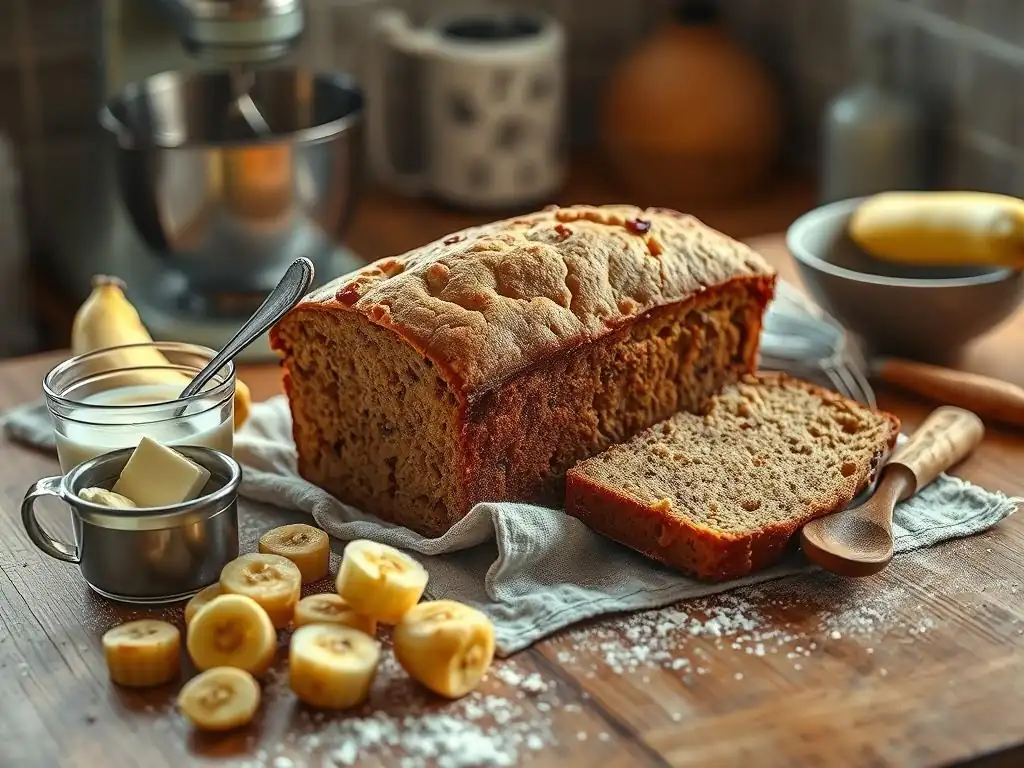
Even with easy quick bread recipes, beginners might encounter a few common issues. Don't be discouraged if your first few attempts aren't perfect! Baking is a skill that improves with practice, and understanding why problems occur is the first step to fixing them. Most issues with quick breads relate to texture, leavening, or even baking. We'll cover some of the most frequent challenges and provide simple solutions to help you achieve perfect results next time.
Learning to troubleshoot your baking helps you become a more intuitive baker. By recognizing the signs of overmixing, incorrect leavening, or improper oven temperature, you can adjust your technique and produce consistently delicious quick breads.
How to Fix Dense or Heavy Quick Breads
A common problem when baking easy quick bread recipes is ending up with a loaf that is dense, heavy, or tough instead of light and tender. The most frequent cause of this is overmixing the batter. When you mix wet and dry ingredients together for too long or too vigorously, you develop gluten, which creates structure and chewiness – great for yeast bread, but not for quick bread. Remember the "just until combined" rule; leave those small lumps of flour!
Other potential causes for density include using stale leavening agents (baking powder or soda that has lost its potency), using too much flour (often due to improper measuring, like scooping flour directly from the bag without leveling), or not using enough leavening. Ensure your leaveners are fresh and measure your flour by spooning it into your measuring cup and leveling it off with a straight edge, rather than packing it in. Using too much liquid or fat can also sometimes lead to a heavy texture if the balance with the dry ingredients is off.
Preventing Dry or Crumbly Texture in Quick Bread Recipes
On the opposite end of the spectrum from dense quick bread is a dry or crumbly texture. This often happens when the quick bread has been overbaked, causing too much moisture to evaporate. Baking at too high a temperature or for too long can lead to this issue. Ensure you are using an accurate oven thermometer and start checking for doneness at the earlier end of the recipe's suggested time range using the skewer test.
Another cause of dryness can be using too much dry ingredient (especially flour) or not enough wet ingredient (like liquid or fat). Again, accurate measuring is key. Using a fat like oil often results in a moister quick bread than butter because oil is liquid at room temperature and coats the flour particles more effectively. Ensure you are using the specified type and amount of fat and liquid. If your recipe seems consistently dry, you might slightly reduce the baking time or add a tablespoon or two more liquid next time.
Solutions for Uneven Baking and Sinking Quick Breads
Uneven baking, where the outside is done but the inside is still raw, or a quick bread that sinks in the middle after baking, can be frustrating. Uneven baking is often due to an oven that heats inconsistently or has hot spots. An oven thermometer can help you verify the temperature, and rotating the pan halfway through baking can help ensure even cooking. Using a light-colored metal pan can also promote more even baking compared to dark metal or glass, which absorb more heat.
A quick bread that sinks in the middle is typically a sign of being underbaked. The structure hasn't fully set when it's removed from the oven, and the center collapses as it cools. This is why the skewer test is so important – it's the best way to check that the very center is cooked through. Overmixing can also sometimes contribute to sinking, as it can create a weaker structure. Additionally, opening the oven door too early or too frequently during baking can cause a sudden drop in temperature, leading the quick bread to sink.
Enhancing Your Quick Breads: Flavor Add-Ins and Variations
Once you've mastered the basics of easy quick bread recipes, you can start having fun with variations and add-ins. Quick breads are incredibly versatile and serve as a fantastic canvas for incorporating different flavors and textures. Adding ingredients like nuts, fruits, or spices can transform a simple loaf into something truly special. Experimenting with these variations is a great way to personalize your baking and discover new favorite flavor combinations.
Beyond simple add-ins, you can also explore variations that cater to different dietary needs, such as gluten-free or vegan options. Many classic easy quick bread recipes can be adapted with simple substitutions, allowing everyone to enjoy homemade quick bread.
Using Nuts, Fruits, and Spices to Customize Easy Quick Bread Recipes
Adding nuts, fruits, and spices is a simple way to elevate your easy quick bread recipes. For nuts, chopped walnuts or pecans are classic additions to banana bread or zucchini bread, providing crunch and nutty flavor. Add about 1/2 to 1 cup per standard loaf. Fruits like blueberries, cranberries (fresh or dried), or chopped apples can add bursts of sweetness and moisture. Fresh berries should be tossed lightly with a tablespoon of flour before adding to the batter to prevent them from sinking to the bottom.
Spices like cinnamon, nutmeg, ginger, and cloves are wonderful for adding warmth and depth, especially in recipes like pumpkin bread or apple quick bread. Citrus zest (lemon, orange) can add brightness. Chocolate chips are a popular sweet addition to many quick breads, melting slightly during baking for pockets of indulgence. Remember not to overload the batter with too many add-ins, as this can affect the structure and prevent even baking; stick to about 1 to 1.5 cups of total add-ins for a standard loaf recipe.
Gluten-Free and Vegan Quick Bread Options for Special Diets
Adapting easy quick bread recipes for gluten-free or vegan diets is achievable with the right substitutions. For gluten-free quick bread, you can often substitute the all-purpose flour with a good quality gluten-free all-purpose flour blend. Look for blends that contain xanthan gum, which helps provide structure in the absence of gluten. The liquid amount might need slight adjustment as gluten-free flours can absorb moisture differently.
For vegan quick bread, you'll need to replace eggs and dairy. Mashed banana, applesauce, or commercial egg replacers can substitute eggs, providing binding and moisture. Dairy milk can be swapped with plant-based milks like almond, soy, or oat milk. Butter can be replaced with vegan butter sticks or oil. Ensure your sugar is vegan (some granulated sugars are processed with bone char). You'll still rely on baking powder and baking soda for leavening, ensuring they are fresh. Many easy quick bread recipes can be successfully veganized with these simple swaps.
Storing and Serving Tips for Your Homemade Quick Breads
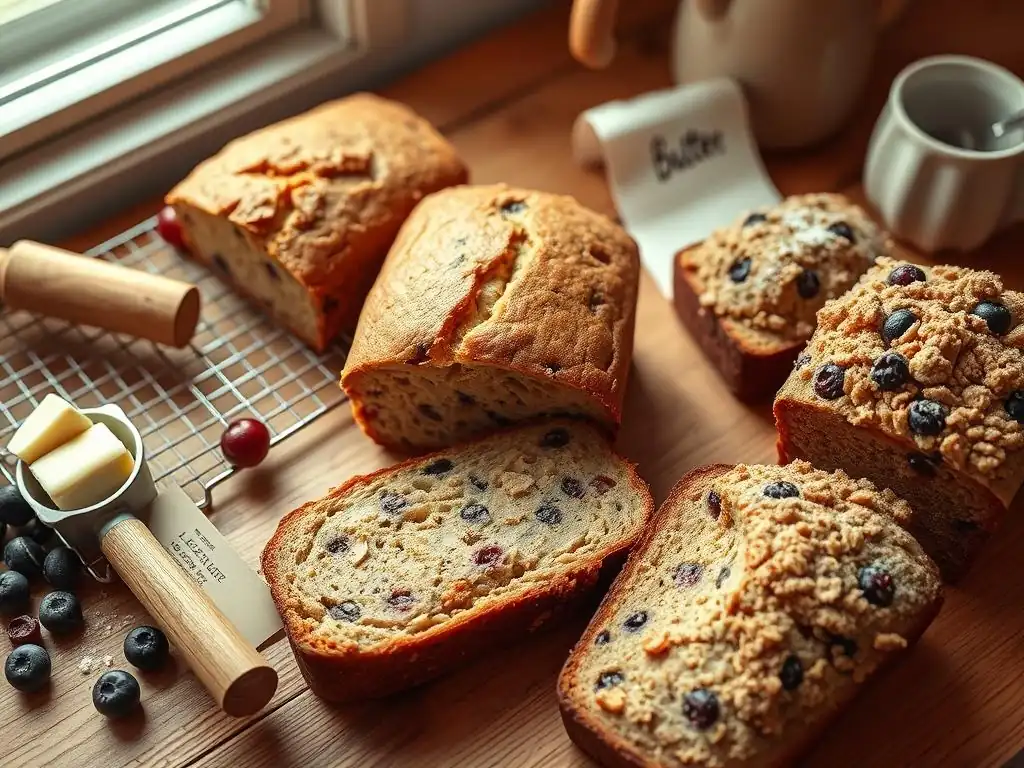
Congratulations, you've baked amazing quick bread! Now that you've mastered the easy quick bread recipes, you'll want to ensure your delicious creations stay fresh and know the best ways to enjoy them. Proper storage is key to maintaining that perfect moist texture, while creative serving ideas can turn a simple slice into a delightful treat any time of day.
From keeping your quick bread fresh for several days to thinking beyond just slicing and serving, these tips will help you get the most out of your homemade quick bread. Sharing is optional, but highly recommended!
Best Practices for Keeping Quick Breads Fresh Longer
To keep your homemade quick breads tasting their best, proper cooling and storage are essential. Always let the quick bread cool completely on a wire rack before storing it. Storing a warm quick bread will create condensation inside the wrapping, making it soggy. Once fully cooled, wrap the quick bread tightly. Plastic wrap is effective, or you can use aluminum foil or place it in an airtight container or a resealable plastic bag. This prevents air exposure, which dries the bread out.
Store wrapped quick bread at room temperature for 2-4 days. For longer storage, quick breads freeze exceptionally well. Wrap the cooled loaf tightly in plastic wrap, then in a layer of aluminum foil or place it in a freezer-safe bag. Frozen quick bread can last for 2-3 months. To thaw, simply unwrap the loaf and let it sit at room temperature for several hours. Avoid refrigerating quick breads, as this can actually dry them out faster than storing at room temperature due to starch retrogradation.
Creative Serving Ideas to Enjoy Your Quick Breads Anytime
While a simple slice of quick bread is delicious on its own, there are many ways to enhance the experience. Serving quick bread warm is always a treat; simply warm slices in the microwave for a few seconds or in a toaster oven. Classic pairings include a smear of butter, cream cheese, or jam. A slice of banana bread with a dollop of peanut butter is a satisfying snack.
Savory quick breads are wonderful served with soup, chili, or salad. Try warming a slice of cheese and herb quick bread and serving it alongside a hearty bowl of tomato soup. Quick bread slices can also be toasted and used as a base for toppings, similar to toast. For dessert, a slice of sweet quick bread can be served with whipped cream, ice cream, or a drizzle of caramel sauce. Don't limit yourself – experiment with different toppings and accompaniments to find your favorite ways to enjoy your easy quick bread recipes.
Conclusion: Mastering Easy Quick Bread Recipes with BakeWithEase
You've now explored the world of easy quick bread recipes, from understanding what they are and why they're great for beginners to mastering the basic techniques, troubleshooting common issues, and discovering ways to customize and enjoy your creations. Baking quick breads is a rewarding activity that yields delicious results quickly and easily, making it perfect for busy schedules or spontaneous baking urges.
With just a few simple ingredients and tools, you can create comforting loaves that are far superior to store-bought versions. Remember the key principles: accurate measuring, gentle mixing (avoiding overmixing! ), and baking until just done. These fundamentals will serve you well as you continue your baking journey.
Encouragement to Experiment with Quick Bread Baking
The beauty of easy quick bread recipes lies in their simplicity and adaptability. Don't be afraid to experiment once you feel comfortable with a few basic recipes. Try adding different fruits, nuts, or spices. Play with different types of flour or liquids. Explore savory variations. Each new quick bread you bake is an opportunity to learn and refine your skills. Use your favorite fruits that are in season, or clean out your pantry with those almost-empty bags of chocolate chips or nuts.
Think of recipes as guidelines, especially when it comes to add-ins. Start small, maybe swapping walnuts for pecans in your banana bread, or adding a teaspoon of cardamom to your pumpkin bread. As you gain confidence, you can try slightly more complex quick bread recipes or even start developing your own variations based on your favorite flavors. The possibilities are truly endless when it comes to quick bread baking.
How Consistent Practice Leads to Baking Confidence and Success
Like any skill, baking improves with consistent practice. The more easy quick bread recipes you bake, the more familiar you'll become with how batters should look and feel, how your oven behaves, and how minor adjustments can impact the final result. Each loaf you bake, whether perfect or slightly imperfect, is a learning experience. Don't be discouraged by the occasional dense loaf or cracked top; these are all part of the process.
On BakeWithEase, we are here to support your baking journey. By regularly trying out new quick bread baking ideas and revisiting your favorites, you'll build confidence in the kitchen. Soon, you'll be whipping up delicious quick breads with ease, impressing yourself and others with your baking prowess. So tie on your apron, gather your ingredients, and get ready to bake some amazing quick breads!
Frequently Asked Questions
What exactly is a quick bread?
Quick breads are breads that don't require yeast to rise. Instead, they rely on chemical leavening agents like baking powder or baking soda for their lift, making them incredibly fast to prepare.
What makes BakeWithEase.com a good resource for easy quick bread recipes?
BakeWithEase.com provides simple recipes, step-by-step guides, and ensures ingredients are easy to find. We cater to bakers of all levels, making quick bread baking accessible to everyone.
What are some examples of popular easy quick bread recipes?
Common examples include banana bread, pumpkin bread, and cornbread. Muffins are also considered quick breads and offer a variety of flavors.
What are some common mistakes to avoid when baking easy quick breads?
Overmixing the batter is a common mistake, leading to a tough bread. Also, be sure to measure ingredients accurately and avoid overbaking the bread.
Can I customize easy quick bread recipes with different ingredients?
Absolutely! Quick breads are very versatile. Feel free to add nuts, fruits, chocolate chips, or different spices to personalize your recipes.
Final Reflection: The Joy of Effortless Baking
The simplicity of quick bread baking offers a powerful antidote to our increasingly complex lives. It's a testament to the fact that delicious, homemade treats don't require hours of meticulous work or specialized skills. This accessibility, coupled with the sheer satisfaction of creating something beautiful and tasty from basic ingredients, makes quick bread baking a truly rewarding experience.
The enduring appeal of quick bread recipes lies in their ability to connect us to simpler times, fostering a sense of comfort and accomplishment. They are a tangible link to generations past, a tradition passed down through families and shared amongst friends. Baking is at once child's play and adult joy. And love, of course.
This quote perfectly captures the essence of quick bread baking – a process that is both easy and deeply fulfilling, bringing joy to bakers of all ages and skill levels.
Now, I invite you to embrace the ease and delight of quick bread baking. Don't be intimidated by the thought of creating something from scratch; instead, see it as an opportunity to unwind, express your creativity, and share the warmth of homemade goodness with those you love. Experiment with different flavors, share your creations, and discover the simple joy that awaits you in the world of effortless baking.
Unleash Your Inner Baker: Quick Bread Magic Awaits!
Thanks for joining us on this delicious journey into the world of quick breads! We hope you've discovered some new techniques and inspiring recipes to elevate your baking game. Ready to put your newfound skills to the test?
- Bake your dream quick bread today! Choose your favorite recipe from the article and get baking. Let the aroma fill your kitchen!
- Share your creations! Snap a photo of your masterpiece and tag us on social media – we’d love to see what you bake.
- Explore our other quick bread recipes on BakeWithEase.com for even more inspiration (although we know you might already have your next project in mind! ).
What unique twist will you add to your next quick bread adventure? Let us know in the comments below!