
Getting Chewy Centers in Classic Cookies: An Easy Beginner Trick

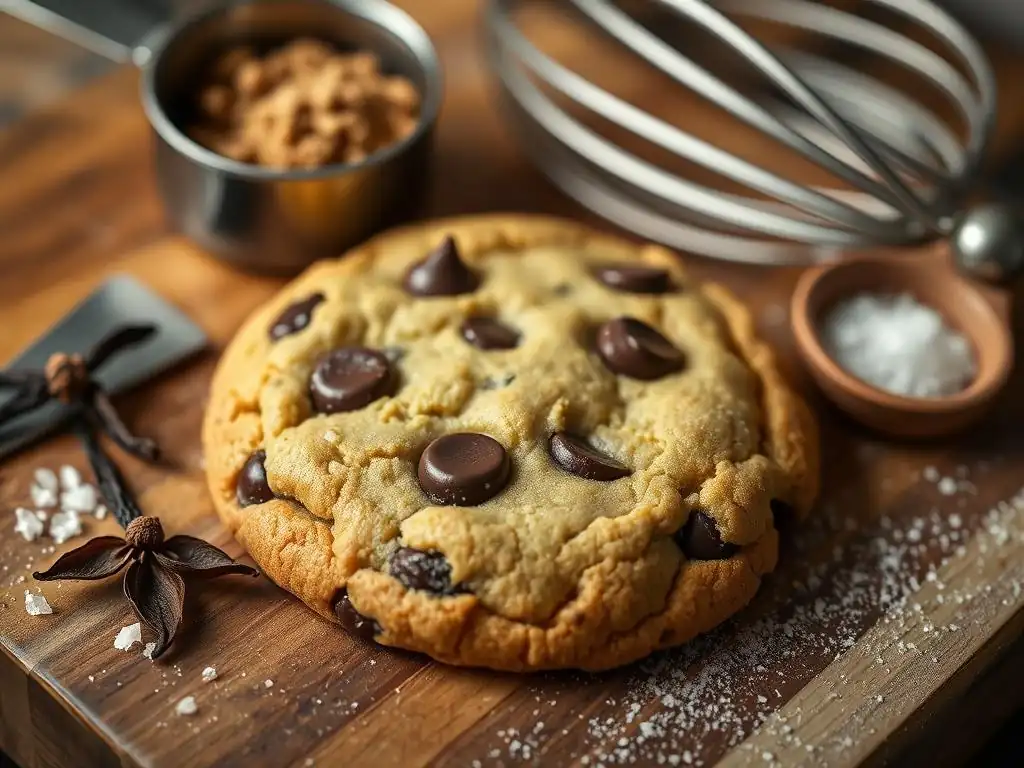
Welcome to BakeWithEase—your ultimate destination for unlocking the joys of baking! Whether you're just starting out or looking to refine your skills, our easy chewy cookie recipe is a delightful introduction to creating classic cookies with chewy centers that will impress your friends and family. Get ready to embark on a sweet journey filled with simple techniques and handy tips that make baking accessible and enjoyable for everyone.
Curious about how to achieve that perfect texture? Dive into our latest article, "Getting Chewy Centers in Classic Cookies: An Easy Beginner Trick," and discover the secrets that will elevate your baking game!
- Achieving Chewy Centers in Chocolate Chip Cookies: A Simple Technique
- Introduction to Chewy Cookies: The Appeal of Soft Cookie Centers
- Understanding the Science of Chewy Cookie Texture
- The Simple Technique for Ultra-Chewy Cookie Centers
- Step-by-Step Guide: Baking Chewy Chocolate Chip Cookies
- Troubleshooting Common Chewy Cookie Issues
- Variations and Adaptations for Your Cookie Recipe
- Tips for Storing Your Cookies and Maintaining Freshness
- Conclusion: Mastering Chewy Cookies
- Frequently Asked Questions
- Final Reflection: The Enduring Allure of the Perfectly Chewy Cookie
- Unlock Perfectly Chewy Cookies: It's Easier Than You Think!
There's something undeniably comforting about a warm chocolate chip cookie with a perfect balance of crispy edges and a soft, gooey center. While some prefer a uniformly crunchy cookie, many home bakers and cookie aficionados chase that delightful chewiness that makes each bite satisfying. Achieving this texture might seem like a mystery, but it's often simpler than you think, even for beginners.
This article will guide you through the fundamentals of creating an easy chewy cookie recipe. We'll explore the roles of common ingredients and introduce a straightforward technique that significantly enhances chewiness, ensuring your homemade cookies rival those from your favorite bakery. Get ready to transform your baking results and consistently produce soft, chewy chocolate chip cookies.
The appeal of chewy cookies lies in their unique texture contrast. The slight resistance when you bite in, followed by the yielding, soft interior, creates a more complex and often more satisfying eating experience compared to a brittle or cakey cookie. This texture is frequently associated with freshness and homemade goodness.
Furthermore, the moisture retained in a chewy center helps the flavors meld beautifully. The rich notes of brown sugar, vanilla, and chocolate seem to linger longer on the palate. For many, this specific texture is the hallmark of a truly great chocolate chip cookie, making it a highly sought-after characteristic in an easy chewy cookie recipe.
Our Focus: Straightforward Baking Techniques
Our goal at BakeWithEase is to demystify baking and make it accessible to everyone. This guide focuses on simple, effective techniques that don't require specialized equipment or advanced skills. We believe that anyone can master the art of creating a delicious, easy chewy cookie recipe right in their own kitchen.
We'll break down the process into manageable steps, explaining the 'why' behind each action. By understanding how ingredients interact and how small adjustments can impact the final texture, you'll gain confidence and be well on your way to baking perfect chewy cookies every time. This approach ensures that even if you've never baked cookies before, you can achieve fantastic results.
Baking is often described as a science, and understanding the basic principles of how ingredients behave is key to controlling the outcome, especially when aiming for a specific texture like chewiness. The ratio and type of ingredients, as well as the baking process itself, all play crucial roles in determining whether your cookie ends up crispy, cakey, or wonderfully chewy.
Focusing on an easy chewy cookie recipe means paying attention to how moisture, sugar, and fat interact during mixing and baking. We'll look at how simple choices, like the type of sugar you use or the state of your butter, can dramatically influence the final texture of your cookie, steering it towards that desired chewy center.
The Impact of Key Ingredients: Flour, Sugar, and Fat
Flour provides the structure for the cookie. All-purpose flour is common, and its protein content (typically 10-12%) develops gluten when mixed with liquid, creating a network that holds the cookie together. Using too much flour or overmixing can develop too much gluten, leading to a tougher, less chewy cookie. The amount of flour in relation to wet ingredients is critical for texture.
Sugar and fat contribute significantly to chewiness and spread. Sugar not only sweetens but also helps tenderize the dough and retains moisture, which is essential for chewiness. Fat, like butter, shortens gluten strands, preventing toughness, and also contributes to spread and richness. The state of the fat (melted, softened, or browned) profoundly impacts the cookie's structure and texture.
Brown Sugar vs. White Sugar: Influence on Chewiness
This is perhaps one of the most impactful ingredient choices for chewiness. Brown sugar contains molasses, which is acidic and hydrophilic (water-attracting). This means brown sugar adds moisture to the dough and helps keep the cookies soft over time. The acidity also reacts with baking soda (if used), promoting spread.
White granulated sugar, on the other hand, primarily contributes sweetness and helps with spread by melting during baking. Using a higher ratio of brown sugar to white sugar in your easy chewy cookie recipe will result in a chewier cookie with a richer flavor profile due to the molasses. Many classic chewy cookie recipes feature a 1:1 or even 2:1 ratio of brown sugar to white sugar by weight or volume.
Butter is a complex fat composed of fat, water (about 18% in European butter, 15% in US butter), and milk solids. The state of the butter when creamed with sugar affects the dough's structure. Softened butter creams air into the sugar, leading to a puffier, more cake-like texture as the air expands during baking.
Melted butter, however, doesn't incorporate much air. When used, it coats the flour proteins and sugar crystals more thoroughly from the start. This results in a denser dough that spreads more during baking, leading to thinner cookies with chewier centers and crispier edges – a hallmark of many beloved chewy cookie recipes. Browning the butter takes this effect even further.
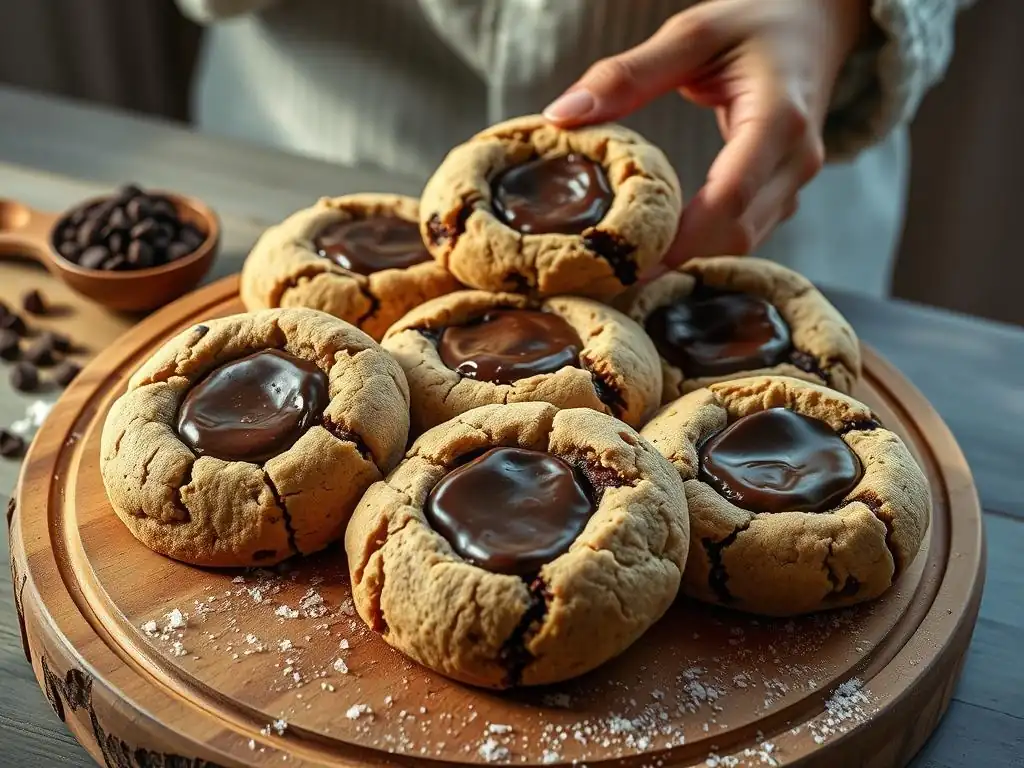
While ingredient ratios are important, the technique you use can make all the difference in achieving that perfect chewy texture. One of the most effective and simple methods is using browned butter. This step adds incredible depth of flavor and fundamentally alters the butter's composition, leading to a superior chewy cookie.
Combining browned butter with the right chilling method is the secret weapon for many bakers aiming for an easy chewy cookie recipe that delivers consistent results. These two steps work in tandem to control spread, enhance flavor, and ensure the interior remains soft and moist after baking.
Browned Butter Method: Enhancing Flavor and Chewiness
Browning butter involves melting it and continuing to cook it gently until the water evaporates and the milk solids toast, turning a rich amber color and developing a nutty aroma. This process, known as the Maillard reaction, creates complex flavor compounds that elevate the cookie beyond simple sweetness.
From a texture perspective, browning butter removes most of its water content. When this butter is used in the dough, there's less water available to create steam during baking, which is what causes cookies to puff up and become cakey. Instead, the lower water content encourages spread and contributes to a denser, chewier texture in the finished cookie.
Using browned butter, which is essentially melted butter with toasted milk solids, changes how the fat interacts with the other ingredients. Since it's liquid, it coats the flour and sugar more completely than softened butter, leading to less gluten development and a more tender crumb.
The lack of incorporated air from creaming also means the cookies won't rise as much, resulting in a flatter cookie that spreads more evenly. This increased spread allows the edges to crisp while the center remains thicker and moister, creating that desirable chewy interior. The nutty flavor from the toasted milk solids also adds a layer of complexity not found in standard recipes.
The Importance of Chilling Dough: Developing Flavor and Preventing Excessive Spreading
Chilling cookie dough is a non-negotiable step for achieving chewy centers and enhancing flavor. As the dough chills, several things happen: the fats solidify, the flour hydrates, and the flavors meld. Solidified fat melts more slowly in the oven, which limits spread and results in a thicker cookie.
The hydration of the flour during chilling is also crucial for texture. As the liquid is absorbed, it helps create a more uniform dough structure. Furthermore, chilling allows the sugars to absorb moisture, contributing to a softer interior. Many professional bakers recommend chilling for at least 24 hours for maximum flavor development, but even 30 minutes can make a noticeable difference in texture and prevent your cookies from spreading into thin, crispy discs.
Ready to try this easy chewy cookie recipe? This section provides a clear, step-by-step guide using the browned butter technique to ensure you get perfect results. We'll walk you through the process from start to finish, making it easy even for beginners to follow along.
Remember that baking times can vary slightly depending on your oven and the size of your cookies. Pay attention to visual cues rather than relying solely on the clock to achieve the ideal balance of crispy edges and chewy centers.
Here's a simple recipe incorporating the browned butter technique. This is designed to be an easy chewy cookie recipe that delivers fantastic texture and flavor.
- Yields: About 18-24 cookies
- Prep time: 20 minutes, plus chilling time
- Bake time: 10-12 minutes per batch
Ingredients:
- 1 cup (2 sticks) unsalted butter
- 1/2 cup granulated sugar
- 1 and 1/2 cups packed light brown sugar
- 2 large eggs, at room temperature
- 2 teaspoons vanilla extract
- 2 and 1/4 cups all-purpose flour
- 1 teaspoon baking soda
- 1/2 teaspoon salt
- 1 and 1/2 cups chocolate chips (milk, semi-sweet, or a mix)
Step 1: Browning the Butter and Combining Sugars
Begin by browning the butter. Melt the 1 cup of butter in a light-colored saucepan over medium heat. Swirl or stir occasionally. It will melt, then foam, then start to turn golden brown specks at the bottom. This usually takes 5-8 minutes. Once it smells nutty and the milk solids are amber, remove from heat and immediately pour into a heatproof bowl, scraping in all the browned bits. Let it cool for about 10-15 minutes.
In a large mixing bowl, whisk together the cooled browned butter with the 1/2 cup granulated sugar and 1 and 1/2 cups packed light brown sugar until well combined. The mixture will be slightly granular due to the sugars, but the butter should be fully incorporated. This combination of sugars is key to the easy chewy cookie recipe texture.
Step 2: Incorporating Eggs and Vanilla Extract
Add the 2 large eggs, one at a time, mixing well after each addition until fully incorporated. The mixture might look a little separated at first, but keep mixing until it comes together. Using room temperature eggs helps them emulsify better with the butter-sugar mixture.
Stir in the 2 teaspoons of vanilla extract. Vanilla enhances the overall flavor profile and complements the richness of the browned butter and brown sugar. Mix until the vanilla is evenly distributed throughout the wet ingredients.
Step 3: Combining Dry Ingredients
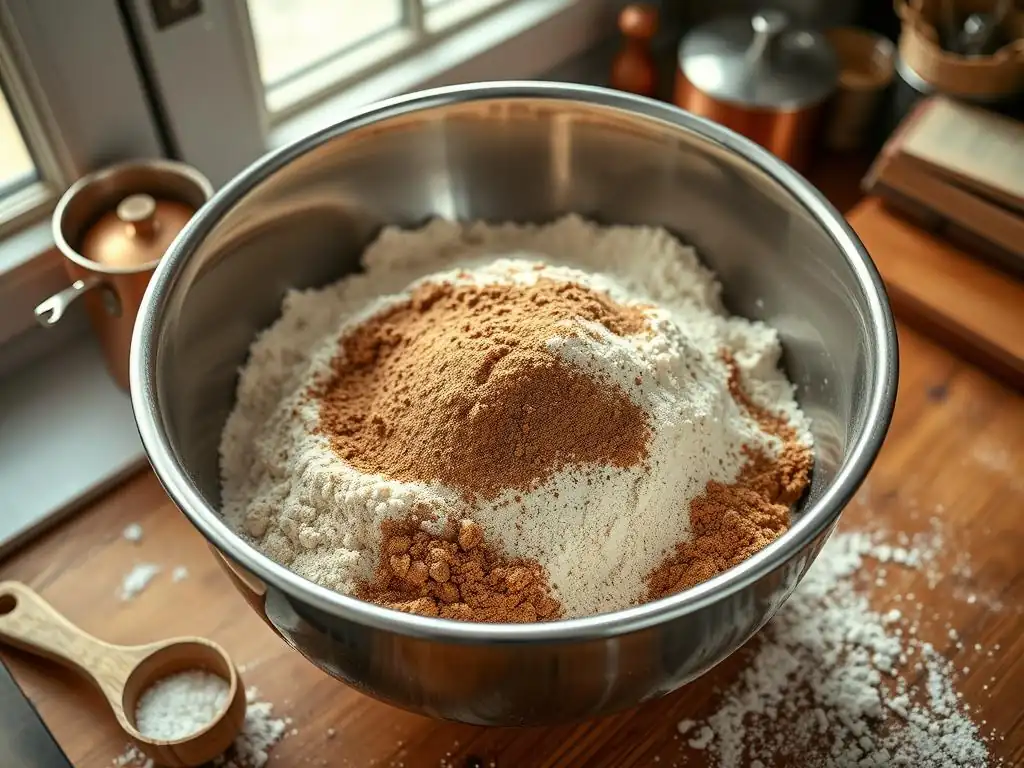
In a separate medium bowl, whisk together the 2 and 1/4 cups all-purpose flour, 1 teaspoon baking soda, and 1/2 teaspoon salt. Whisking ensures the leavening and salt are evenly distributed, which is important for consistent rise and flavor in your easy chewy cookie recipe.
Gradually add the dry ingredients to the wet ingredients, mixing on low speed or with a spatula until just combined. Be careful not to overmix; stop as soon as you no longer see streaks of dry flour. Overmixing can develop too much gluten, leading to tough cookies. Gently fold in the 1 and 1/2 cups of chocolate chips.
Step 4: Chilling the Dough
This step is crucial for that chewy texture. Cover the bowl tightly with plastic wrap or transfer the dough to an airtight container. Refrigerate the dough for at least 30 minutes. For the best texture and flavor development, chilling for 2 hours or even up to 72 hours is highly recommended. The longer chill time allows the flavors to deepen and the dough to become firmer, which prevents excessive spread during baking.
While the dough is chilling, preheat your oven to 375°F (190°C). Line baking sheets with parchment paper. This prevents sticking and makes cleanup easy.
Step 5: Baking to Perfection
Scoop rounded tablespoons or use a 1.5-2 tablespoon cookie scoop to portion the dough onto the prepared baking sheets, leaving about 2 inches between cookies. For perfectly round cookies, you can roll the scooped dough gently into balls.
Bake for 10-12 minutes, or until the edges are set and golden brown, but the centers still look slightly soft and underbaked. This underbaking is key to achieving a chewy center. Remove the cookies from the oven and let them cool on the baking sheet for 5-10 minutes before transferring them to a wire rack to cool completely. Cooling on the hot sheet continues the baking process gently.
Even with a solid easy chewy cookie recipe, sometimes things don't turn out exactly as planned. Don't be discouraged! Baking involves many variables. Here are some common issues you might encounter and simple solutions to get you back on track to baking perfect chewy cookies.
Understanding the potential causes behind these problems helps you diagnose and adjust your technique or ingredients for future batches.
If your cookies resemble little cakes rather than flat, chewy discs, here are a few reasons why:
- Too much flour: Carefully measure your flour, preferably by weight (1 cup all-purpose flour is approximately 120-130 grams). Too much flour adds structure and absorbs moisture, leading to a cakey texture.
- Overmixing: Developing too much gluten creates a more structured, cake-like crumb. Mix only until ingredients are just combined.
- Not enough brown sugar: A higher ratio of white sugar to brown sugar reduces moisture retention, resulting in a less chewy cookie. Increase the brown sugar in your recipe.
- Softened butter instead of melted/browned: Creaming softened butter incorporates air, leading to a puffier, cake-like texture. Ensure you are using melted or browned butter as specified in the easy chewy cookie recipe.
Cookies spreading too much can be frustrating. Here's why it happens and how to fix it:
- Butter too warm: If your browned butter wasn't cooled enough, or if you used softened butter that was too warm, the dough will spread excessively in the oven. Ensure butter is cooled slightly after browning or that softened butter is at the correct temperature (about 65°F / 18°C).
- Not enough flour: Using too little flour means there isn't enough structure to hold the cookie together as it bakes, causing it to spread thin. Measure your flour accurately.
- Not chilling the dough: Chilling solidifies the fat, which limits spread. Ensure you chill the dough for the recommended time, or even longer if necessary, especially if your kitchen is warm.
- Baking soda vs. baking powder: Baking soda promotes spread more than baking powder. Ensure you are using baking soda as specified in the easy chewy cookie recipe.
- Greased baking sheets: If you are not using parchment paper, avoid heavily greasing your baking sheets, as this can cause excessive spread.
If your cookies are coming out crispy or hard instead of chewy, consider these adjustments:
- Too much white sugar, not enough brown sugar: As discussed, brown sugar is key to chewiness due to its moisture content. Increase the proportion of brown sugar in your recipe.
- Overbaking: Baking cookies for too long evaporates moisture, resulting in a crispier texture. Pull them out when the edges are set but the centers still look slightly soft.
- Not chilling the dough: Chilling helps retain moisture and ensures a thicker cookie that stays chewy in the center. Don't skip this step!
- Low oven temperature: An oven that isn't hot enough can cause cookies to spread too much before setting, potentially leading to a thinner, crispier cookie. Use an oven thermometer to verify your oven's temperature. Baking at 375°F (190°C) is typical for this easy chewy cookie recipe.
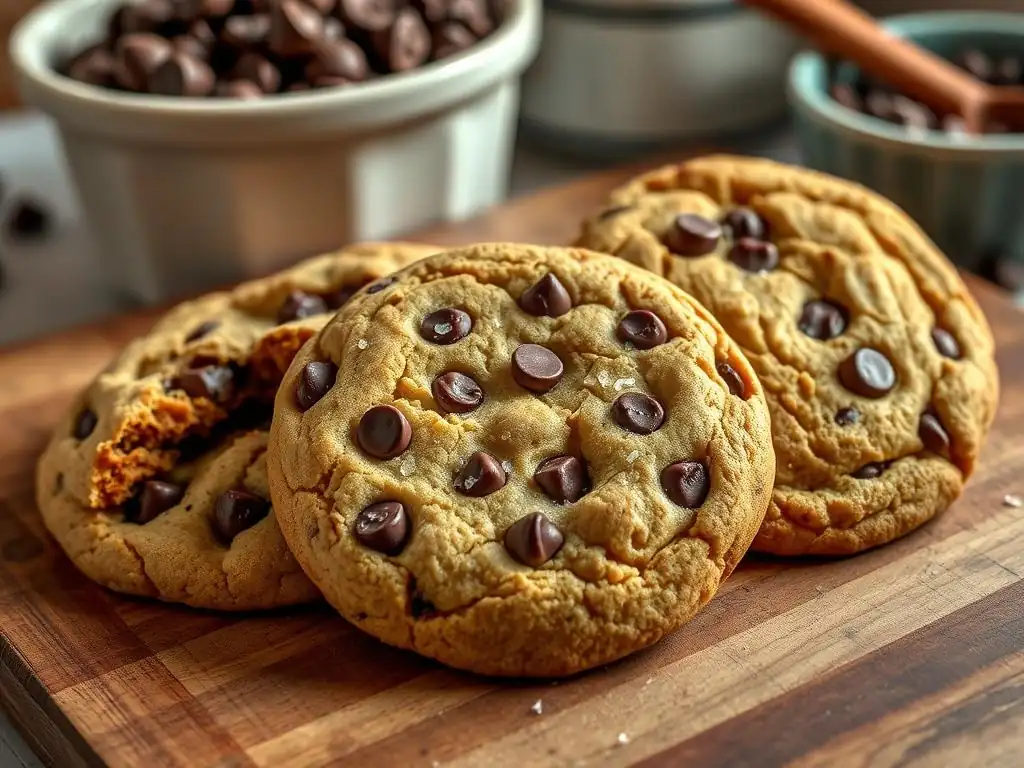
Once you've mastered the basic easy chewy cookie recipe, you can start experimenting! The beauty of a good base recipe is its versatility. You can easily adapt it to create different flavor combinations while still maintaining that desirable chewy texture.
These variations allow you to customize your cookies to suit your preferences or use ingredients you have on hand. Remember to consider how additions might affect the dough's structure and adjust slightly if needed.
Adding Nuts and Dried Fruits
Adding nuts like walnuts or pecans provides a lovely crunch and nutty flavor that pairs wonderfully with chocolate and brown sugar. Toasting the nuts lightly before adding them can enhance their flavor even further. Use about 1/2 to 1 cup of chopped nuts.
Dried fruits such as cranberries, raisins, or chopped apricots add bursts of chewy sweetness and a slightly different texture. These additions also contribute moisture, which can help reinforce the chewiness of the cookie. About 1/2 to 1 cup of dried fruit is usually sufficient.
Experimenting with Different Chocolate Types
The classic chocolate chip cookie uses semi-sweet chips, but don't stop there!
- Milk chocolate chips: Provide a sweeter, creamier flavor.
- Dark chocolate chips or chunks: Offer a more intense, sophisticated chocolate flavor that balances the sweetness of the dough. Using chopped chocolate bars instead of chips can create lovely puddles of melted chocolate in the finished cookie.
- White chocolate chips: Add a sweet, vanilla-like flavor and creamy texture.
- Combination: A mix of different chocolate types creates layers of flavor and texture in every bite.
To adapt this easy chewy cookie recipe base for oatmeal cookies, you'll typically replace some of the flour with rolled oats. A common ratio is replacing about 1 cup of flour with 1 and 1/2 cups of old-fashioned rolled oats. The oats absorb moisture and contribute to a distinct chewy texture.
You might also add spices like cinnamon or nutmeg, and perhaps swap chocolate chips for raisins or dried cranberries to create classic oatmeal raisin cookies. The browned butter technique still works beautifully in an oatmeal cookie base to enhance chewiness and flavor.
You've successfully baked a batch of perfect chewy chocolate chip cookies! Now, how do you keep them that way? Proper storage is key to maintaining their delightful texture and freshness for as long as possible.
Avoiding air exposure is the primary goal when storing cookies, as air can dry them out and make them hard. A few simple tricks can significantly extend the life of your easy chewy cookie recipe creations.
Once your cookies have cooled completely, store them in an airtight container at room temperature. Avoid storing crispy and chewy cookies together, as the moisture from the chewy ones can make the crispy ones soft.
A classic trick to keep cookies soft is to place a slice of fresh bread in the container with them. The cookies will absorb moisture from the bread, helping them retain their chewiness. Replace the bread slice every day or two as it dries out. This simple method is highly effective for preserving the texture of your easy chewy cookie recipe bounty.
If you won't eat a whole batch right away, freezing cookie dough is a great option for having fresh-baked chewy cookies on demand. Prepare the dough following the easy chewy cookie recipe through Step 4 (chilling).
Scoop the dough into balls and place them on a baking sheet lined with parchment paper. Freeze until solid (about 1-2 hours). Once frozen, transfer the dough balls to a freezer-safe bag or container. They can be stored in the freezer for up to 3 months. To bake, simply place frozen dough balls on a baking sheet and bake as directed, adding 1-3 minutes to the baking time.
Achieving chewy centers in your chocolate chip cookies doesn't require complex techniques or years of baking experience. By understanding the role of key ingredients like brown sugar and utilizing simple methods like browning butter and chilling the dough, you can consistently bake cookies with that sought-after soft, gooey interior.
This easy chewy cookie recipe provides a reliable starting point, and with a little practice and perhaps some troubleshooting along the way, you'll become a master of chewy cookie texture. Baking should be fun and rewarding, and there's little more rewarding than biting into a perfectly chewy, warm cookie you made yourself.
Now that you have the knowledge and the recipe, go bake! Experience the joy of pulling a batch of beautifully golden, perfectly chewy chocolate chip cookies from your oven. Share them with friends and family, or simply savor them yourself with a glass of milk. This easy chewy cookie recipe is sure to become a favorite in your baking repertoire.
Remember the tips about ingredient ratios, the magic of browned butter, the importance of chilling, and how to spot that perfect moment to pull them from the oven. These are the keys to consistent chewiness.
We love seeing what our community bakes! Once you've made your batch of chewy chocolate chip cookies using our easy chewy cookie recipe guide, consider sharing your photos and experience. Your success can inspire other beginner bakers to try their hand at mastering this classic treat. Happy Baking!
Frequently Asked Questions
The key is to slightly underbake them. Remove the cookies from the oven when the edges are set, but the center still looks slightly soft. They'll continue to bake on the hot sheet.
Using bread flour can contribute to a chewier texture due to its higher gluten content. This creates a stronger dough structure that results in a chewy final product.
Yes, using melted butter instead of softened butter can often lead to a chewier cookie. Melted butter helps to create a denser dough and a flatter cookie.
Chilling the dough can enhance the flavor, but it doesn't directly impact chewiness as much as other factors like butter and baking time. However, chilling can prevent excessive spreading.
Brown sugar contributes significantly to chewiness because of its molasses content. Molasses is hygroscopic, meaning it attracts and retains moisture, resulting in a softer, chewier cookie.
The quest for the perfect chewy cookie transcends mere baking; it's a pursuit of texture, a celebration of simple pleasures, and a testament to the power of a well-executed recipe. In a world obsessed with efficiency and instant gratification, taking the time to master a seemingly simple task like baking chewy cookies offers a profound sense of accomplishment and a delicious reward. This article aimed to demystify the process, providing an accessible entry point for even the most novice bakers.
The enduring appeal of the chewy cookie lies in its comforting familiarity and its ability to evoke cherished memories. It's a treat that connects generations, a symbol of home, and a small indulgence that can brighten even the dreariest of days. As I explored the science behind achieving that perfect texture, I was reminded of the importance of paying attention to detail, of understanding the subtle interplay of ingredients, and of the transformative power of a little extra care. The best things in life are simple,
a sentiment that rings especially true when considering the humble, yet deeply satisfying, chewy cookie.
Now, it's your turn. Don't just read about achieving that perfect chew; go and make it happen. Experiment with the techniques outlined in this article, adjust the recipe to your liking, and savor the experience of creating something delicious and deeply personal. The journey to the perfect chewy cookie is as rewarding as the destination itself, promising a sweet taste of success and a deeper appreciation for the art of baking. So, gather your ingredients, preheat your oven, and embark on your own chewy cookie adventure. The perfectly textured treat awaits!
Thanks for joining us on this chewy cookie adventure! We hope you've gained some valuable insights and are ready to bake up a batch of unbelievably delicious treats. Now it's time to put your newfound knowledge into practice.
- Bake a test batch today! Use your favorite recipe and incorporate the chilling and browning techniques we discussed. Track your results and note what works best for your oven.
- Share your cookie creations! Post a picture on social media using #BakeWithEaseChewyCookies and tag us – we’d love to see your perfect cookies!
- Explore other recipes on BakeWithEase.com for even more baking inspiration – you might discover your next favorite chewy treat!
Ready to experience the joy of perfectly chewy cookies? What unique twist will you add to your next batch?