
The Beginner's Secret to Perfectly Moist Quick Breads

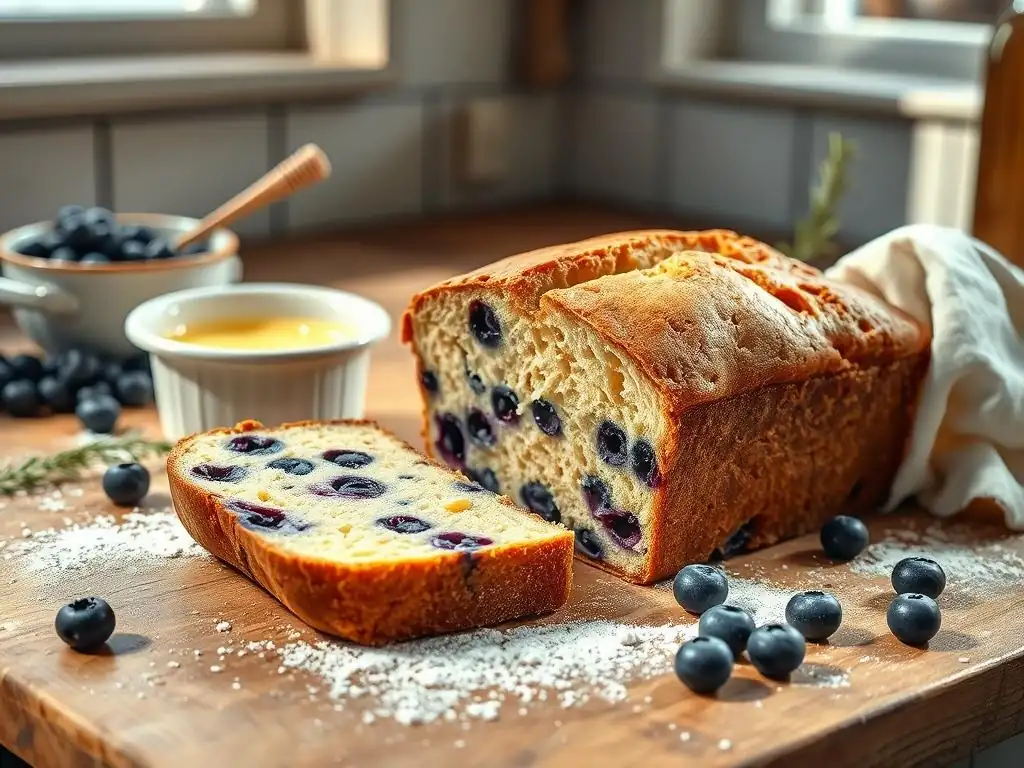
Welcome to BakeWithEase, your companion in the delightful world of baking! Ever dreamt of effortlessly creating a perfectly moist quick bread that melts in your mouth? Discover the beginner's secret right here, and unlock a world of simple recipes and techniques that will transform you into a confident baker. Ready to bake with ease? Let's get started!
- Mastering Moist Quick Breads: A Baker's Guide
- Introduction: Achieving the Perfect Texture
- Key Ingredients for Moist Quick Breads
- Essential Techniques for Moist Quick Breads
- Pro Tips for Maximizing Moisture
- Common Mistakes to Avoid
- Recipe Adaptations for Enhanced Moisture
- Storing Your Quick Bread for Lasting Freshness
- Conclusion: Baking with Confidence
-
Frequently Asked Questions
- What exactly is quick bread, and how does it differ from other types of bread?
- What are the most common mistakes beginners make when trying to bake moist quick bread?
- What ingredients are essential for achieving a perfectly moist quick bread?
- How can I prevent my quick bread from becoming too dense or heavy?
- What are some tips for storing quick bread to keep it moist for longer?
- Final Reflection: The Enduring Allure of Perfectly Moist Quick Bread
- Unlock Your Inner Baker: Perfect Moist Quick Breads Await!
Mastering Moist Quick Breads: A Baker's Guide
Introduction: Achieving the Perfect Texture
The Challenge of Dry Quick Breads
Many home bakers encounter the frustrating problem of dry, crumbly quick breads. Unlike yeast breads that rely on gluten development and fermentation for structure and moisture retention, quick breads use chemical leaveners like baking soda and baking powder. This simpler method is faster, hence the name "quick," but it also makes them more susceptible to drying out. Factors like overmixing the batter, using too much flour, or baking for too long can quickly turn a potentially perfectly moist quick bread into something resembling sawdust.
The key challenge lies in balancing the ingredients and techniques. Recipes often call for specific ratios of wet to dry ingredients, and deviating from these, even slightly, can throw off the moisture balance. Furthermore, the rapid baking time means there's a smaller margin for error compared to longer baking processes. Understanding how each ingredient and step contributes to the final texture is fundamental for consistently achieving a perfectly moist quick bread.
A Comprehensive Guide to Moist Results
This guide is designed to demystify the process of baking perfectly moist quick breads. We will explore the crucial roles that different ingredients play, from fats and liquids to flours and sweeteners, and how their interaction affects the final texture. We'll also dive deep into essential techniques, such as proper mixing methods, optimal oven temperatures, and accurate doneness testing, which are critical for preventing dryness.
Beyond the basics, we'll share pro tips and common mistakes to avoid, helping you troubleshoot potential issues before they arise. From incorporating natural humectants like fruits and vegetables to understanding the impact of pan size, you'll gain the knowledge needed to bake quick breads that are not only easy but consistently delightful. Get ready to transform your baking and consistently produce a perfectly moist quick bread every time.
Key Ingredients for Moist Quick Breads
Fats: Oils vs. Butter and Their Impact
Fats are fundamental to creating a perfectly moist quick bread. They coat flour particles, shortening gluten strands (hence "shortening"), which results in a tender crumb. Fats also trap moisture during baking. Vegetable oils, like canola or melted coconut oil, tend to produce moister quick breads than butter. This is because oil is 100% fat, whereas butter contains about 15-18% water. When butter melts in the oven, this water evaporates, potentially leading to a slightly drier result compared to using oil.
For example, a banana bread recipe using 1/2 cup of vegetable oil will typically yield a softer, more consistently moist crumb than the same recipe using 1/2 cup of melted butter. However, butter contributes unparalleled flavor, a rich aroma, and a slightly crispier crust. Many recipes for a perfectly moist quick bread strike a balance, using a combination of melted butter for flavor and oil for maximum moisture, or relying on other ingredients like yogurt or sour cream to compensate for the moisture lost when using only butter.
Liquids: Milk, Yogurt, Sour Cream, and Buttermilk
Liquids are the backbone of moisture in quick breads. They hydrate the dry ingredients, activate the leaveners, and contribute to the overall texture. Common liquids include milk, buttermilk, yogurt, and sour cream. Dairy liquids like milk contain fat and protein which can tenderize the crumb. Buttermilk, yogurt, and sour cream, being acidic, react strongly with baking soda, providing lift, and their thicker consistency and higher fat content contribute significantly to a perfectly moist quick bread.
Consider a standard 1-loaf quick bread recipe calling for 1 cup of liquid. Substituting 1/2 cup of milk with 1/2 cup of full-fat yogurt or sour cream can drastically improve moisture and tenderness. The acidity also helps break down gluten, resulting in a softer texture. For instance, in many muffin or loaf recipes, using buttermilk instead of regular milk is a classic technique for achieving a more tender and perfectly moist quick bread crumb due to its acidity and slightly higher fat content.
Flour: Choosing Between All-Purpose and Cake Flour
The type of flour used significantly impacts quick bread texture and moisture. All-purpose flour is the standard choice for most recipes, containing about 10-12% protein. This protein forms gluten when mixed with liquid, providing structure. However, too much gluten development can lead to a tough, dry quick bread. Cake flour, on the other hand, has a lower protein content (around 8-9%) and is finer milled.
Using cake flour, or a blend of cake and all-purpose flour, can result in a more tender crumb with less risk of toughness, contributing to a perfectly moist quick bread. For instance, substituting 1/4 to 1/2 cup of the called-for all-purpose flour with cake flour in a recipe might yield a noticeably softer result. While all-purpose flour is perfectly suitable when handled correctly (minimal mixing), understanding flour protein levels helps explain why some recipes are more forgiving than others in achieving that desired perfectly moist quick bread texture.
Sweeteners: Honey, Maple Syrup, and Granulated Sugar
Sweeteners do more than just add flavor; they are hygroscopic, meaning they attract and hold onto moisture. Granulated sugar is a common choice, and while it contributes moisture, liquid sweeteners like honey, maple syrup, corn syrup, and molasses are even more effective at retaining moisture over time, helping to keep your perfectly moist quick bread from drying out.
Substituting a portion of the granulated sugar with a liquid sweetener can significantly enhance moisture retention. For example, replacing 1/4 cup of granulated sugar with 1/4 cup of honey or maple syrup in a recipe that uses 1 cup of sugar can make a noticeable difference in moisture. Be mindful that liquid sweeteners also add liquid to the batter, so minor adjustments to other liquids might be necessary, typically reducing another liquid slightly (e.g., by 1-2 tablespoons). This technique is particularly useful for recipes aiming for a perfectly moist quick bread that stays fresh for several days.
Essential Techniques for Moist Quick Breads
Mixing: The Importance of a Gentle Hand
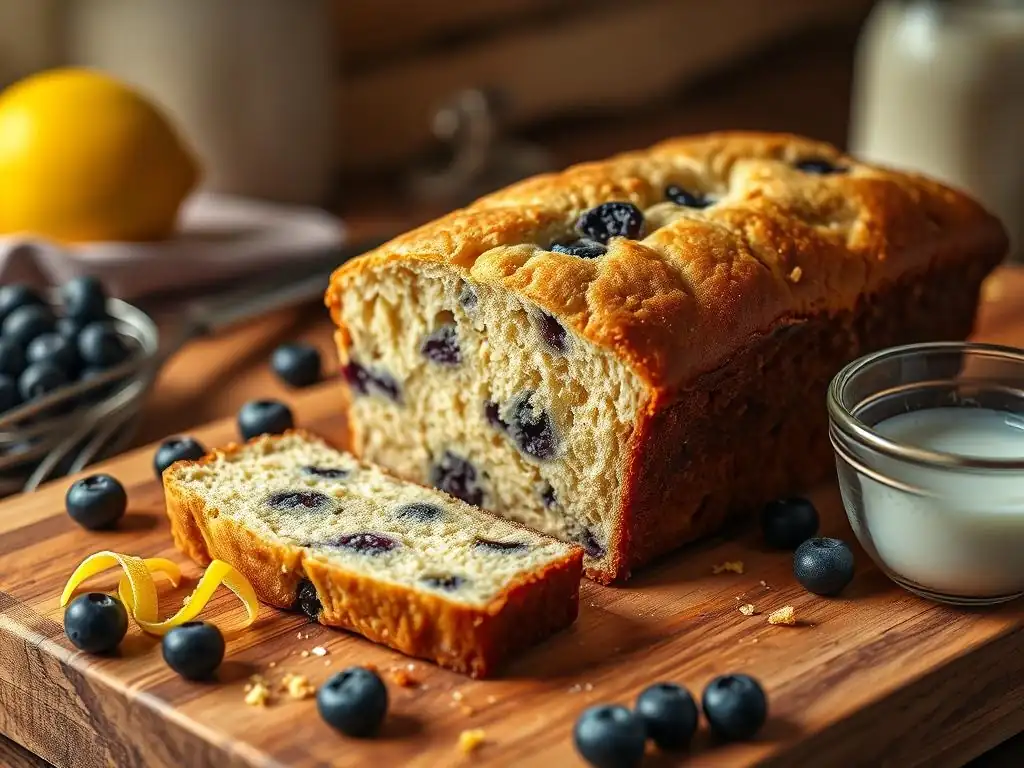
Proper mixing is paramount to achieving a perfectly moist quick bread. Quick bread batters are typically mixed using the "muffin method" or the "creaming method." The muffin method involves combining dry ingredients in one bowl, wet ingredients in another, and then quickly combining the two until just mixed. The creaming method starts by creaming fat and sugar, then adding eggs, followed by alternating wet and dry ingredients. In both methods, the key is to mix only until the dry ingredients are incorporated.
Overmixing develops gluten, which leads to a tough, dry texture. You should still see some small lumps of flour in the batter; this is perfectly fine and preferable to a smooth, overworked batter. For example, mixing for 30 seconds after adding the dry ingredients is often sufficient, compared to several minutes for yeast doughs. Gentle mixing ensures the leaveners are distributed without overdeveloping gluten, paving the way for a truly perfectly moist quick bread.
Oven Temperature: Finding the Right Balance
Baking temperature plays a critical role in quick bread texture. A common temperature is 350°F (175°C), which allows the quick bread to rise and bake through evenly. If the oven is too hot, the outside can cook and set too quickly while the inside remains raw, or the outside can dry out before the inside is fully baked. If the oven is too cool, the quick bread may not rise properly and can become dense and potentially dry from prolonged baking.
It's crucial to preheat your oven fully before placing the quick bread inside. An accurate oven thermometer can verify that your oven is indeed at the set temperature, as many home ovens can be off by 25-50°F (15-30°C). Baking at the correct temperature ensures that the quick bread bakes efficiently, minimizing moisture loss while achieving a beautiful rise and golden-brown crust, contributing significantly to a perfectly moist quick bread.
Doneness Testing: Beyond the Toothpick
Relying solely on the toothpick test can sometimes lead to overbaking, resulting in a dry quick bread. While a clean toothpick inserted into the center is a good indicator, it's not the only one. A perfectly moist quick bread is done when the top is golden brown, the edges are pulling away slightly from the pan, and the loaf springs back gently when lightly pressed.
A digital instant-read thermometer offers a more precise measure. For most quick breads, a temperature of 200-210°F (93-99°C) in the center indicates it's fully baked. For instance, inserting a thermometer into the thickest part of a banana bread loaf that's been baking for 50-60 minutes should yield a reading in this range if it's done. Combining the visual cues with a temperature check helps ensure you pull the quick bread out at the exact right moment, preserving its moisture and guaranteeing a perfectly moist quick bread.
Pan Preparation: Greasing and Flouring for Success
Proper pan preparation is essential for preventing your perfectly moist quick bread from sticking and ensuring an easy release after baking. Sticking can cause the quick bread to tear when removed, affecting its presentation, and struggling to get it out can also lead to it cooling unevenly and potentially drying out on exposed surfaces.
Typically, quick bread pans are greased and floured. This involves coating the inside of the pan with butter, shortening, or non-stick cooking spray, then adding a tablespoon or two of flour and tilting the pan to coat all surfaces, tapping out the excess.
For very moist quick breads or those with delicate additions like fruit, lining the bottom and sides with parchment paper (leaving an overhang to lift it out) is an extra layer of security. This ensures your perfectly moist quick bread releases cleanly, allowing it to cool properly on a wire rack and maintain its beautiful shape and texture.
Pro Tips for Maximizing Moisture
Fruits and Vegetables: Natural Humectants
Many popular quick breads incorporate fruits or vegetables like bananas, zucchini, pumpkin, or applesauce. These ingredients are not only flavorful but also act as natural humectants, meaning they contain a high percentage of water and sugars that help retain moisture in the baked good. Using ripe, mashed bananas (about 1 cup for a standard loaf) or grated zucchini (about 1.5 cups, squeezed of excess water) contributes significant moisture.
For example, a zucchini bread recipe often calls for 1.5 cups of grated zucchini, which provides substantial moisture. In pumpkin bread, canned pumpkin puree (about 1 cup) serves a similar purpose. The natural fibers and sugars in these additions help create a tender, perfectly moist quick bread that stays fresh longer than those made solely with dry ingredients and fats.
Chocolate and Nuts: Considerations for Texture
While chocolate chips and nuts add wonderful flavor and texture to quick breads, they can sometimes impact moisture retention. Nuts absorb some moisture from the batter during baking, and chocolate chips can create pockets that bake slightly differently. To minimize any potential drying effect from these additions, ensure the base batter is already designed for maximum moisture.
Using mini chocolate chips instead of standard-sized ones can distribute the chocolate more evenly without creating large, potentially drier pockets. For nuts, toasting them lightly before adding can enhance their flavor without excessively drying the batter. When adding ingredients like 1 cup of chocolate chips or 1/2 cup of chopped nuts to a recipe, ensure the recipe's ratios of fat, liquid, and humectants are generous enough to support these additions and still result in a perfectly moist quick bread.
Brown Butter: Adding Depth and Moisture
Browning butter is a simple technique that adds a rich, nutty flavor and can also contribute to moisture. When butter is browned, the milk solids toast, creating a complex flavor profile. While some water evaporates during the browning process, the remaining browned butter is still a fat that tenderizes the crumb.
Using brown butter in place of melted butter in a quick bread recipe requires slightly more initial butter (since some water cooks off) but the resulting flavor is well worth it. For example, if a recipe calls for 1/2 cup of melted butter, start with about 3/4 cup of butter to brown, cooking it until the milk solids are golden brown at the bottom of the pan, then measure out 1/2 cup of the browned butter. This technique not only elevates the flavor but also helps in achieving a truly perfectly moist quick bread.
Soaking Dried Fruits: Rehydration Techniques
Dried fruits like raisins, cranberries, or apricots are common additions to quick breads, providing bursts of flavor and sweetness. However, if added dry, they can absorb moisture from the batter during baking, potentially leading to a drier quick bread. Rehydrating dried fruits before adding them is a simple yet effective way to prevent this.
Soaking dried fruits in hot water, juice, or even a spirit like rum for 10-15 minutes until plump will infuse them with moisture. Drain them well before folding them into the batter. For instance, if a recipe calls for 1/2 cup of raisins, soak them in hot water first. This ensures the fruit remains plump and juicy within the baked loaf, contributing its own moisture rather than stealing it from the surrounding crumb, thus helping to maintain a perfectly moist quick bread.
Common Mistakes to Avoid
Overbaking: Recognizing the Signs
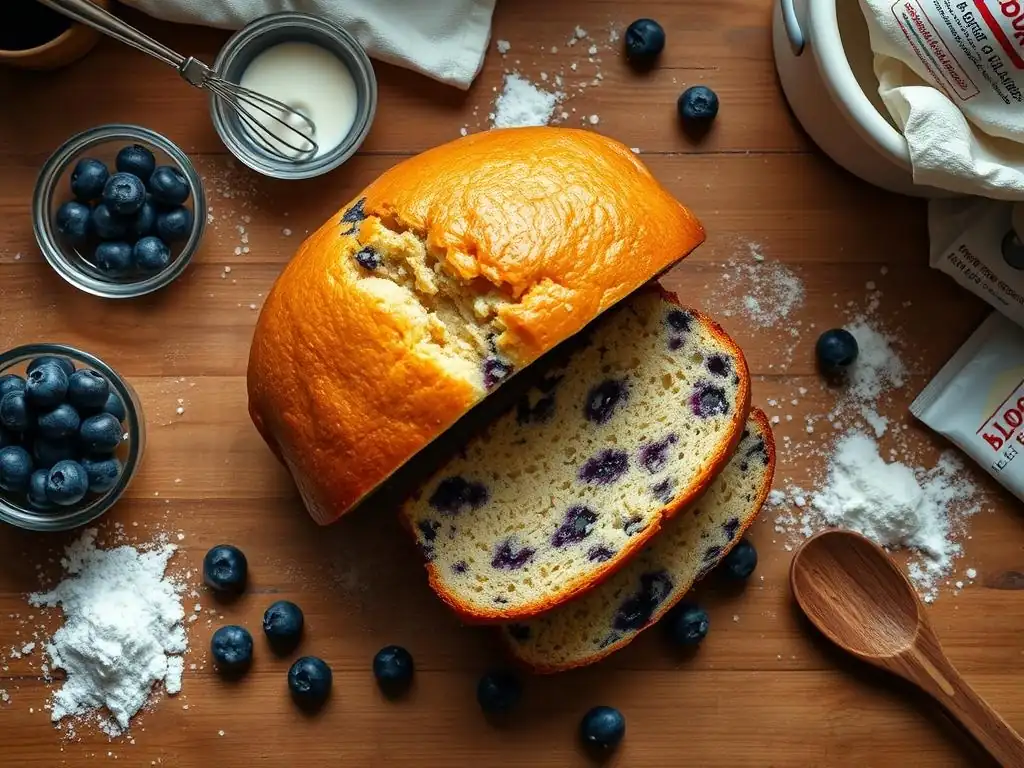
Overbaking is arguably the most common culprit behind dry quick breads. As quick breads bake, moisture evaporates. Baking for too long, even by just a few minutes, can cause excessive moisture loss, resulting in a dense, dry crumb. The signs of overbaking include a crust that is too dark, a crumb that looks crumbly or dry even when hot, and potentially a shrunken appearance as it cools.
Always start checking for doneness at the minimum time specified in the recipe, using the toothpick or thermometer test. If a recipe says bake for 50-60 minutes, check at 50 minutes. If it's not quite done, check again in 3-5 minute intervals. Pull the quick bread from the oven as soon as it meets the doneness criteria. Learning to recognize these signs and trusting your instincts (and thermometer!) is vital for achieving a perfectly moist quick bread.
Ingredient Measurement: Accuracy is Crucial
In baking, precision in measuring ingredients is key, especially for quick breads where the balance of wet and dry is so important for moisture. Using too much flour is a frequent error. Flour should ideally be measured by weight using a kitchen scale for the most accurate results. If using volume measurements, spoon the flour gently into the measuring cup and level it off without packing it down. Packing flour can add 20-30% more flour than intended to a cup.
For example, a recipe calling for 2 cups of all-purpose flour measured by scooping directly from the bag with the measuring cup might actually contain closer to 2.5 cups of flour. This excess dry ingredient will absorb more liquid, leading to a drier batter and ultimately a less perfectly moist quick bread. Liquid ingredients should be measured at eye level in liquid measuring cups.
Ingredient Freshness: Ensuring Optimal Results
The freshness of your leavening agents (baking soda and baking powder) is crucial for proper rise, but the freshness of other ingredients also impacts moisture and texture. Stale flour can absorb moisture differently. Rancid fats can impart off-flavors. Old eggs might not provide the same structure and richness. Even spices lose potency over time.
Baking powder typically has a shelf life of 6-12 months once opened, and baking soda lasts longer but can absorb odors. To test baking powder, add a teaspoon to a few tablespoons of hot water; it should bubble vigorously. To test baking soda, add a teaspoon to a few tablespoons of vinegar; it should fizz immediately. Using fresh, high-quality ingredients ensures that your recipe performs as intended, contributing positively to the flavor and texture of your perfectly moist quick bread.
Oven Calibration: Maintaining Consistent Heat
An oven that isn't calibrated correctly can bake at a temperature significantly different from what is set. As mentioned earlier, baking at the wrong temperature can lead to under or overbaking, both detrimental to moisture. An oven that runs too hot will cook the quick bread faster, potentially drying out the exterior before the interior is done. An oven that runs too cool will require a longer baking time, increasing the risk of moisture loss over that extended period.
Using an inexpensive oven thermometer placed in the center of your oven rack is the best way to check its accuracy. Bake at the temperature indicated by the thermometer, not necessarily the oven's dial. If your oven is consistently off by a large margin (more than 25°F or 15°C), you may need to have it calibrated or adjust your baking temperature accordingly (e.g., if it runs 25°F hot, set it 25°F lower). Consistent, accurate heat is fundamental for achieving a perfectly moist quick bread.
Recipe Adaptations for Enhanced Moisture
Adding Fat: Adjusting Ratios for Richness
If you find a favorite quick bread recipe consistently turns out a bit dry, subtly increasing the fat content can significantly boost moisture. Fats interfere with gluten development, resulting in a more tender crumb that feels moister. This doesn't mean doubling the butter, but a small adjustment can make a difference.
For a standard loaf recipe (using about 1.5-2 cups of flour), adding an extra 1-2 tablespoons of melted butter or oil can enhance moisture without negatively impacting the structure. For example, if a recipe calls for 1/2 cup (8 tablespoons) of fat, increasing it to 9 or 10 tablespoons can often improve the texture. Experimenting with these small increases can help you find the perfect balance for a perfectly moist quick bread.
Substituting Liquids: Applesauce, Mashed Banana, and More
Incorporating pureed fruits or vegetables is a fantastic way to naturally increase moisture and add subtle flavor. Applesauce, mashed banana, pumpkin puree, or even sweet potato puree can substitute a portion of the fat or liquid in a recipe. These purees are high in water and fiber, acting as excellent humectants.
As a general guideline, you can often substitute up to half of the fat (butter or oil) in a recipe with an equal amount of unsweetened applesauce or mashed banana. For instance, if a recipe calls for 1/2 cup of oil, you could use 1/4 cup of oil and 1/4 cup of applesauce. This substitution not only reduces fat but also ensures a perfectly moist quick bread. Just be mindful that these substitutions can add sweetness and alter the flavor profile slightly.
Pan Size Adjustments: Adapting Baking Times
Using a pan size different from what the recipe specifies will affect the baking time and can impact moisture. A larger pan will result in a thinner quick bread that bakes faster, increasing the risk of drying out if you bake for the original time. A smaller pan will result in a thicker quick bread that requires longer baking, also increasing the risk of dryness if not monitored carefully.
For example, baking a standard loaf recipe (designed for a 9x5 inch loaf pan) in an 8x4 inch pan will require a longer baking time, possibly an extra 10-15 minutes. Conversely, baking that same batter in two smaller pans or a larger square pan will shorten the baking time. Always adjust your baking time and rely on doneness tests when using a different pan size to ensure your perfectly moist quick bread bakes correctly without drying out.
Storing Your Quick Bread for Lasting Freshness
Preventing Staling: Proper Wrapping Techniques
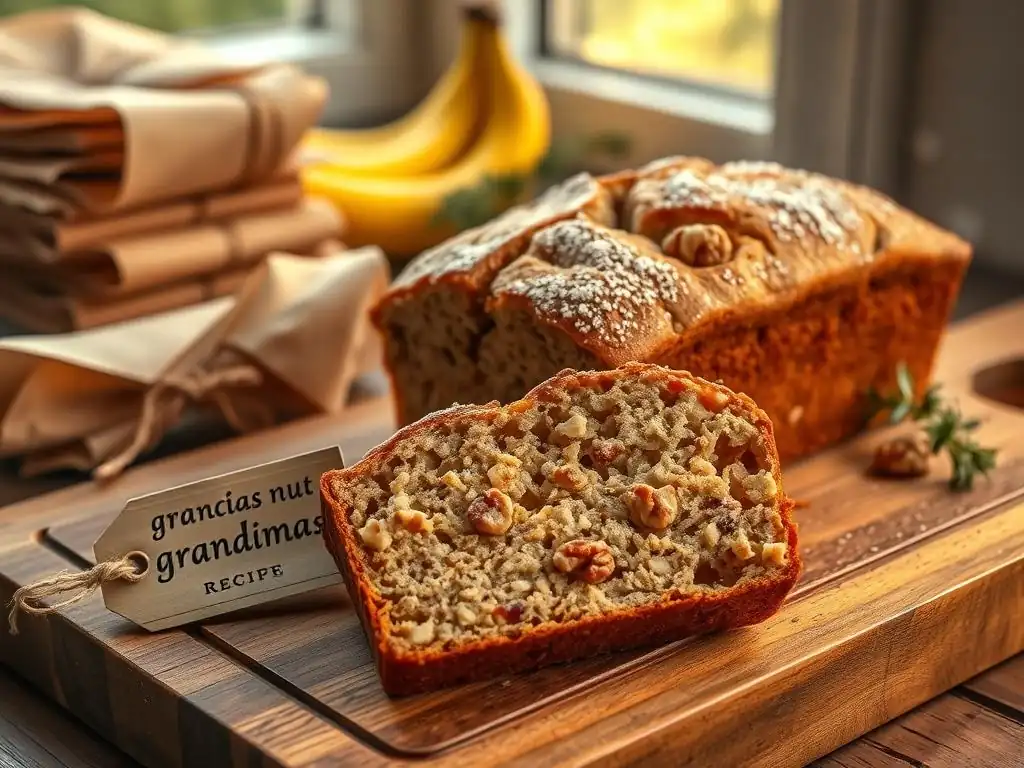
Once your perfectly moist quick bread has cooled completely on a wire rack (cooling while still in the pan can trap steam and make the bottom soggy), proper storage is essential to maintain its moisture and prevent staling. Exposure to air is the primary cause of staling, as moisture evaporates from the crumb.
The best method for short-term storage (1-3 days at room temperature) is to wrap the cooled quick bread tightly in plastic wrap, then place it in a resealable bag or wrap it again in aluminum foil. This creates a barrier that locks in moisture. For example, a banana bread wrapped this way and stored on the counter will remain significantly moister than one left uncovered or loosely wrapped.
Freezing: Maintaining Quality for Later Enjoyment
Quick breads freeze beautifully, allowing you to enjoy your perfectly moist quick bread long after it's baked. Freezing halts the staling process. Ensure the quick bread is completely cooled before freezing.
Wrap the cooled loaf or slices tightly in plastic wrap, making sure there are no air pockets. Then, wrap it again securely in aluminum foil or place it in a freezer-safe bag or container. Label with the date. Quick bread can be frozen for up to 2-3 months. To thaw, simply unwrap the quick bread and let it sit at room temperature for several hours or overnight. Thawing in the wrapping helps retain moisture.
Reviving Dry Quick Bread: Rehydration Methods
If you find yourself with a quick bread that has dried out slightly, there are a couple of tricks to bring back some moisture. While you can't fully restore a severely overbaked quick bread, you can make a slightly dry one more palatable.
One method is to gently warm slices in the microwave for 10-20 seconds; the trapped moisture will re-distribute, making it feel softer. Another technique is to brush the surface of the loaf or slices with a little milk or melted butter, then wrap it in foil and warm it in a low oven (around 300°F or 150°C) for 10-15 minutes. The added liquid and gentle heat can help rehydrate the crumb, bringing back some semblance of a perfectly moist quick bread.
Conclusion: Baking with Confidence
Recap of Key Principles
Achieving a perfectly moist quick bread is a skill that every home baker can master. It boils down to understanding the interplay of ingredients and employing careful technique. We've learned that using fats like oil or incorporating moist ingredients like mashed banana or yogurt significantly boosts moisture. Gentle mixing prevents toughness, while accurate oven temperature and precise doneness testing prevent overbaking, the nemesis of moisture.
Remember the importance of accurate measurements, especially with flour, and don't underestimate the power of proper storage to keep your baked goods fresh. By paying attention to these details – from ingredient selection and preparation to baking and storage – you set yourself up for success.
Encouragement for Home Bakers
Baking quick breads should be a joyful and rewarding experience. Don't be discouraged if your first attempt isn't a perfectly moist quick bread. Every bake is a learning opportunity. Experiment with different recipes, try the techniques discussed here, and pay close attention to how your ingredients and oven behave.
With practice and patience, you'll develop an intuition for quick bread baking. Soon, you'll be consistently turning out delicious, tender, and perfectly moist quick bread that will impress your friends, family, and most importantly, yourself. Happy baking!
Frequently Asked Questions
What exactly is quick bread, and how does it differ from other types of bread?
Quick bread is a type of bread that's leavened with chemical agents like baking powder or baking soda, not yeast. This means it requires no proofing time, making it much faster to bake than yeast breads.
What are the most common mistakes beginners make when trying to bake moist quick bread?
Overmixing the batter is a major culprit, leading to tough, dry bread. Also, using inaccurate measurements or overbaking can significantly reduce the moisture content.
What ingredients are essential for achieving a perfectly moist quick bread?
Ingredients like oil, buttermilk, or yogurt are crucial for adding moisture. Using brown sugar instead of white also helps retain moisture due to its molasses content.
How can I prevent my quick bread from becoming too dense or heavy?
Avoid overmixing the batter – mix only until just combined. Also, ensure your leavening agents are fresh and used in the correct proportions for a light and airy texture.
What are some tips for storing quick bread to keep it moist for longer?
Wrap the cooled quick bread tightly in plastic wrap or store it in an airtight container. You can also freeze it for longer storage, ensuring it stays protected from air exposure to prevent drying.
Final Reflection: The Enduring Allure of Perfectly Moist Quick Bread
The pursuit of the perfectly moist quick bread transcends mere culinary skill; it's a testament to the power of simple ingredients transformed into something truly special. This article explored the often-overlooked fundamentals – the right balance of wet and dry ingredients, the gentle hand in mixing, and the understanding of oven temperature – that elevate a humble quick bread from ordinary to extraordinary. These seemingly small details are the key to unlocking consistently delicious results, a fact that remains incredibly relevant in today's busy world where home bakers crave efficient yet rewarding recipes.
The joy of a perfectly moist quick bread extends far beyond the immediate satisfaction of a delicious bite. It's a connection to tradition, a comforting aroma that evokes memories of home, and a tangible representation of care and effort. Baking is at once child's play and adult joy. And love, of course.
This quote perfectly encapsulates the emotional resonance of baking, particularly when the result is a loaf as delightful as a perfectly moist quick bread. The simple act of sharing this bread with loved ones further amplifies its significance, fostering connection and creating lasting memories around a shared culinary experience.
Now, I invite you to consider your own baking journey. Perhaps you've been hesitant to tackle quick breads, intimidated by the potential for dryness or uneven texture. But I hope this article has empowered you to see the process differently – as an accessible and rewarding endeavor. Don't be afraid to experiment, to adjust the recipes to your liking, and to savor the journey as much as the delicious outcome. The perfectly moist quick bread awaits – go forth and bake!
Unlock Your Inner Baker: Perfect Moist Quick Breads Await!
Thanks for taking the time to explore the secrets to unbelievably moist quick breads! You’ve learned valuable techniques that will elevate your baking game. Now it’s time to put your newfound knowledge into practice.
- Bake your masterpiece! Choose your favorite recipe (or try a new one! ), and whip up a batch of perfectly moist quick bread. Don't forget to share a picture with us on social media!
- Experiment with flavors! Try substituting ingredients to create your signature quick bread. What unique flavor combinations will you discover?
- Share your baking journey! Tell us about your experience—what worked, what you learned, and what you'll bake next.
Ready to transform your baking routine and create delicious, moist quick breads that will impress everyone? What exciting flavors will you explore first?