
Easy Basic Chess Pie Recipe

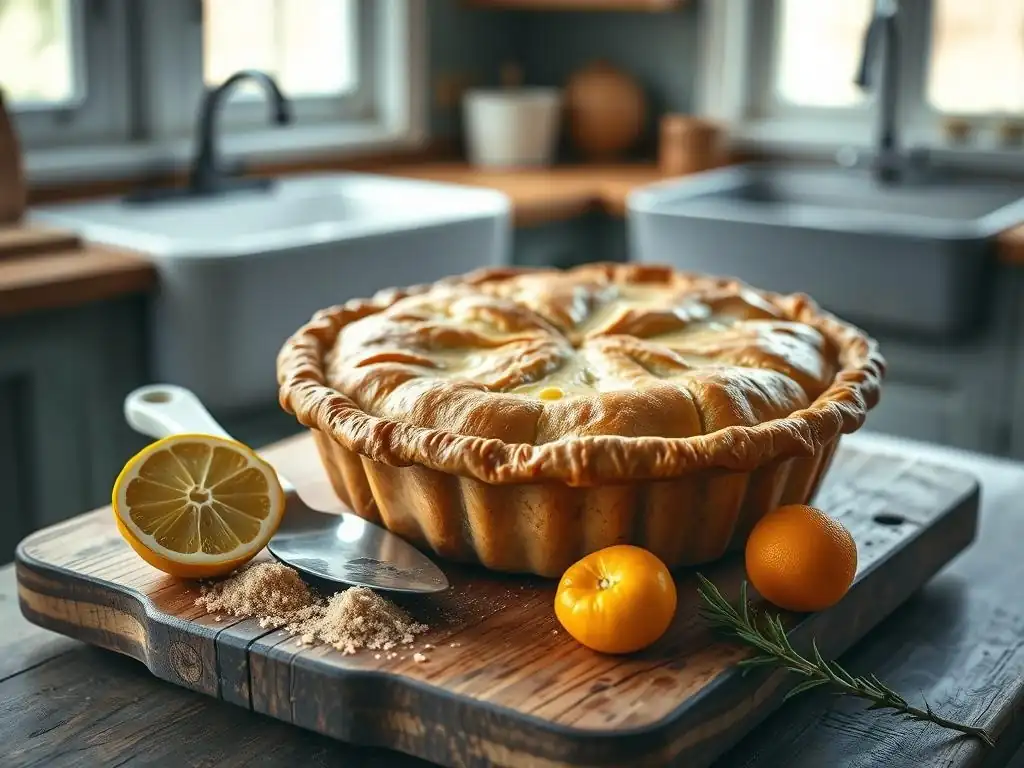
Welcome to BakeWithEase, your partner in creating delicious delights! Ever dreamed of baking a classic dessert without the fuss? We've got you covered. Dive into our Easy Basic Chess Pie Recipe, perfect for beginners eager to experience the magic of baking. But there's more than just pie here – discover a world of simple recipes and techniques to elevate your baking game, one effortless step at a time. Ready to unlock the secrets to a perfectly baked chess pie and beyond? Let's get started!
- Easy Chess Pie Recipe for Beginners: A Simple Guide to Classic Southern Baking
- Essential Ingredients for an Easy Chess Pie Recipe Beginners Can Master
- Step-by-Step Instructions: How to Make an Easy Chess Pie Recipe for Beginners
- Troubleshooting Common Issues in Easy Chess Pie Recipes for Beginners
- Serving and Storing Your Easy Chess Pie: Best Practices for Beginners
- Variations and Enhancements: Easy Chess Pie Recipe Ideas for Beginners
- Why BakeWithEase Recommends This Easy Chess Pie Recipe for Beginner Bakers
- Frequently Asked Questions
- Final Reflection: A Slice of History, A Taste of Triumph
- Unleash Your Inner Baker: Make This Chess Pie Today!
Easy Chess Pie Recipe for Beginners: A Simple Guide to Classic Southern Baking
What Is Chess Pie? Understanding This Traditional Southern Dessert
Chess pie is a beloved, classic Southern dessert known for its rich, custardy filling baked in a pie crust. Its origins are somewhat debated, with various theories ranging from it being a "chest pie" (stored in a pie chest) to a corruption of "cheese pie" (though it contains no cheese) or even a simple exclamation like "It's just pie!".
Regardless of its name's etymology, this simple pie typically features a filling made from basic pantry ingredients like sugar, butter, eggs, and a liquid such as milk, cream, or buttermilk, often flavored with vanilla or a touch of cornmeal or flour for texture. The resulting texture is dense and sweet, similar to a firm custard or a pecan pie without the nuts.
Historically, chess pie was a staple in Southern kitchens because it utilized readily available ingredients that didn't require refrigeration in a time when cooling wasn't universally accessible. The high sugar content acts as a preservative, contributing to its longevity. While countless variations exist today, the core elements remain: a sweet, smooth, and slightly tangy filling encased in a flaky pastry.
For anyone looking to master an easy chess pie recipe beginners can confidently tackle, understanding these fundamental components is the first step towards baking success. It's a dessert that embodies simplicity and comfort, making it a perfect starting point for novice bakers.
Why This Easy Chess Pie Recipe Is Perfect for Beginner Bakers
Learning to bake can feel daunting, but this easy chess pie recipe beginners will find approachable removes much of the complexity often associated with pie making. Unlike fruit pies that require precise fruit preparation and thickening agents, or delicate cream pies needing careful tempering, chess pie filling is essentially a stirred custard. It involves melting butter, whisking together a few ingredients, and pouring the mixture into a prepared crust. There's no need for complex techniques like blind baking the crust (though it can improve results) or worrying about fruit consistency.
Furthermore, the ingredients are incredibly common and inexpensive. You likely have most of them in your pantry right now: granulated sugar, eggs, butter, and a little milk or cream. The process is straightforward: measure, mix, pour, and bake. This simplicity minimizes potential errors and builds confidence. Mastering this easy chess pie recipe beginners can follow provides a solid foundation in basic baking principles, such as understanding how eggs and sugar create structure and how oven temperature affects custard setting. It's a rewarding bake that yields a delicious result with minimal fuss, encouraging new bakers to explore further.
Essential Ingredients for an Easy Chess Pie Recipe Beginners Can Master
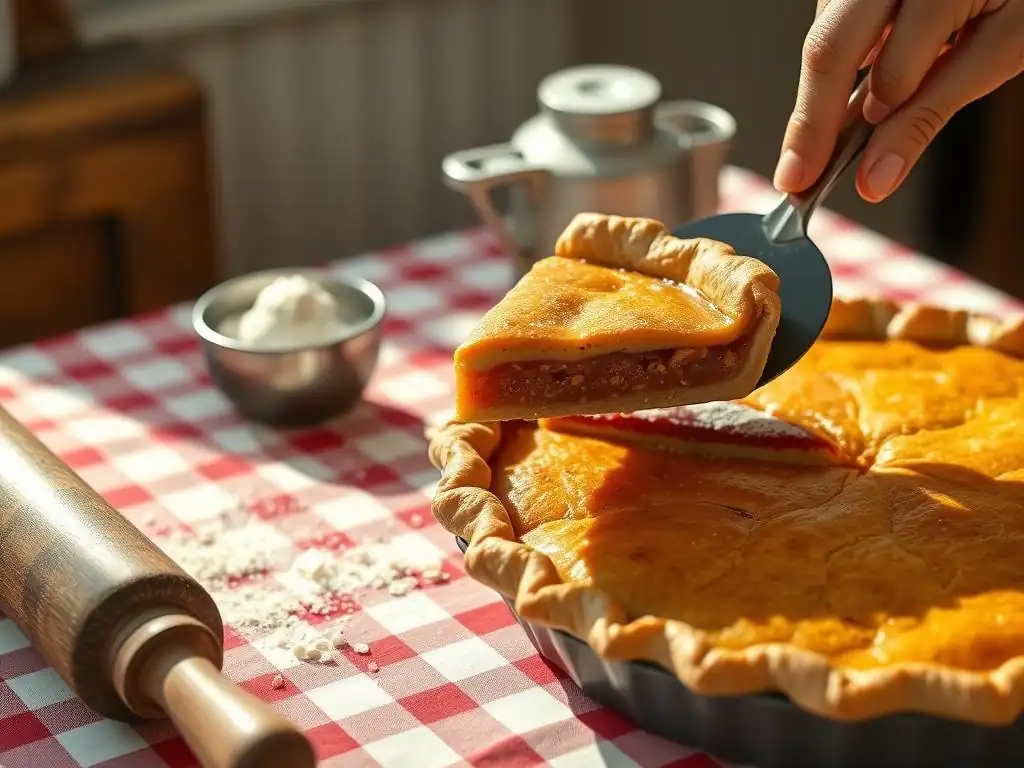
Basic Pantry Staples Needed for Classic Chess Pie
An easy chess pie recipe beginners can rely on hinges on a few core pantry staples. You'll need approximately 1 ½ cups of granulated sugar, which provides the primary sweetness and helps create the pie's structure. About ½ cup (one stick) of unsalted butter is melted and incorporated, contributing richness and a smooth texture. Four large eggs are crucial for binding the filling and creating the custard-like consistency. For the liquid component, around ¼ cup of milk or cream adds moisture and helps the filling set properly; some recipes even use buttermilk for a tangy twist.
Flavoring is typically kept simple in a classic chess pie, often just 1 to 1 ½ teaspoons of vanilla extract to enhance the sweetness and richness. A common addition for texture and stability is a small amount of cornmeal or all-purpose flour, usually about 1 to 2 tablespoons. This helps prevent the filling from separating and gives it a slightly firmer set.
And, of course, you'll need one unbaked 9-inch pie crust. Using a store-bought crust is perfectly acceptable for an easy chess pie recipe beginners are trying, making the process even simpler. These basic ingredients, when combined correctly, create the signature sweet, dense filling of a classic chess pie.
Tips for Choosing Quality Ingredients to Enhance Your Pie
While an easy chess pie recipe beginners can follow uses simple ingredients, the quality of those ingredients can subtly elevate the final taste and texture. For butter, opting for unsalted butter allows you to control the salt level in the recipe. European-style butter, with a higher fat content (often around 82% compared to standard 80%), can lend a slightly richer flavor, although standard unsalted butter works perfectly well. Ensure your eggs are fresh; fresh eggs contribute to a better set and richer flavor in the custard. Using large eggs is standard for consistency in baking recipes.
When it comes to sugar, ensure it's fresh and free-flowing. Packed or clumpy sugar can affect accurate measurement. For vanilla extract, pure vanilla extract offers a more complex and authentic flavor than imitation vanilla, although imitation can be used in a pinch for this easy chess pie recipe beginners are tackling. If using buttermilk, opt for full-fat buttermilk for the best richness. While store-bought pie crusts are convenient for beginners, choosing one made with butter rather than just shortening can significantly improve the flavor and flakiness of the final crust, complementing the rich filling.
Step-by-Step Instructions: How to Make an Easy Chess Pie Recipe for Beginners
Preparing the Perfect Pie Crust: A Beginner-Friendly Approach
For an easy chess pie recipe beginners can master, starting with the crust is key. While making pastry from scratch is a skill to develop, using a store-bought 9-inch pie crust is the simplest route. Take the crust out of the freezer or refrigerator as directed on the package. If using a frozen crust, it may need a short period to thaw slightly before handling. Carefully unroll or place the crust into your pie plate. Gently press it into the bottom and up the sides, ensuring there are no air pockets underneath.
Trim any excess dough from the edges, leaving about a ½-inch overhang. You can then crimp the edges decoratively using your fingers or a fork. Some bakers recommend partially baking (blind baking) the crust for about 10-15 minutes at 375°F (190°C) before adding the filling, especially if you prefer a crisp bottom crust. This step is optional for an easy chess pie recipe beginners are making, but it helps prevent a soggy bottom, particularly with moist fillings like chess pie. If you skip blind baking, simply place the prepared, unbaked crust aside while you make the filling.
Mixing the Classic Chess Pie Filling: Simple Techniques for Success
Creating the filling for this easy chess pie recipe beginners will love is incredibly straightforward. Begin by melting ½ cup (one stick) of unsalted butter. You can do this gently in a saucepan over low heat or in a microwave-safe bowl. In a medium mixing bowl, whisk together 1 ½ cups of granulated sugar and 1 to 2 tablespoons of cornmeal or all-purpose flour until well combined. This helps distribute the starch evenly and prevents clumps.
In a separate bowl, lightly whisk four large eggs. Add the whisked eggs to the sugar mixture, stirring until just combined. Pour in the melted butter, ¼ cup of milk or cream, and 1 to 1 ½ teaspoons of vanilla extract. Stir everything together gently with a whisk or spoon until the mixture is smooth and uniform. Avoid over-mixing, which can incorporate too much air and potentially cause the filling to crack during baking. The goal is a smooth, pourable consistency.
Baking Your Chess Pie: Temperature, Timing, and Tips for a Flawless Finish
Preheat your oven to 350°F (175°C). Place your prepared, unbaked pie crust on a baking sheet – this makes it easier to transfer the pie in and out of the oven and catches any potential spills. Carefully pour the prepared chess pie filling into the pie crust. Place the pie on the center rack of the preheated oven.
Bake for approximately 40 to 50 minutes. The exact timing can vary depending on your oven. You'll know the pie is done when the edges are set and slightly puffed, but the center still has a slight wobble when gently shaken. The top may develop a light golden-brown color.
To prevent the crust edges from burning, you can loosely cover them with foil or use a pie crust shield about halfway through the baking time. Remove the pie from the oven and let it cool completely on a wire rack. This is crucial for the filling to finish setting properly, which can take 2-3 hours. Do not cut into the pie while it's warm, or the filling will likely be too soft and run out.
Troubleshooting Common Issues in Easy Chess Pie Recipes for Beginners

How to Avoid Cracked or Overbaked Chess Pie
One common issue encountered when baking custardy pies like chess pie is the filling cracking on top. This often happens due to overbaking or cooling too quickly. When baking your easy chess pie recipe beginners should aim for that slight wobble in the center. If the center is completely firm in the oven, it's likely already overbaked. Baking at a slightly lower temperature (like 325°F or 160°C) for a longer time can also help achieve a more even set and reduce the risk of cracking compared to a hotter, faster bake.
Another tip to prevent cracking is to let the pie cool gradually. Avoid placing the hot pie directly into a cold refrigerator or in a drafty spot. Let it cool completely on a wire rack at room temperature, away from vents or open windows.
If a crack does appear, don't worry! It doesn't affect the taste and can easily be masked with a dollop of whipped cream or a dusting of powdered sugar when serving. Learning to recognize the signs of a perfectly set custard comes with practice, making this easy chess pie recipe beginners' attempts a great learning experience.
Fixing Runny or Undercooked Chess Pie Filling
Conversely, a runny or undercooked chess pie filling means the custard hasn't set properly. This is typically due to not baking the pie long enough or the oven temperature being too low. If you notice the center is still very liquid and sloshing significantly after the recommended baking time, the pie likely needs more time in the oven. Check your oven's temperature with an oven thermometer to ensure accuracy; ovens can sometimes run cooler than their setting indicates.
If you've already taken the pie out and it cools to a runny state, unfortunately, there's not much you can do to salvage the texture as a sliceable pie. However, you can still enjoy the delicious flavor! A runny chess pie filling can be repurposed as a sauce or topping for ice cream, cake, or fruit.
To prevent this in future attempts of this easy chess pie recipe beginners should bake until the edges are firm and the center has only a slight jiggle. Using the recommended amount of flour or cornmeal (1-2 tablespoons) is also important, as this starch helps stabilize the filling.
Serving and Storing Your Easy Chess Pie: Best Practices for Beginners
How to Serve Classic Chess Pie for Maximum Enjoyment
Once your easy chess pie recipe beginners have baked is completely cooled – which can take 2-3 hours at room temperature – it's ready to be served. Cooling is essential for the filling to fully set into that desirable dense, custardy texture. Chess pie is traditionally served at room temperature or slightly chilled. While some people enjoy it warm, serving it warm can result in a softer, less defined slice.
Slice the pie using a sharp knife. For the cleanest slices, you can run the knife under hot water and wipe it dry between cuts. Chess pie is wonderfully rich on its own, but it pairs beautifully with simple accompaniments. A classic pairing is a dollop of freshly whipped cream, which provides a light, airy contrast to the dense filling. A scoop of vanilla ice cream is another popular choice. Some people also enjoy a sprinkle of powdered sugar or a few fresh berries on the side.
Proper Storage Tips to Keep Your Chess Pie Fresh Longer
Proper storage is important to maintain the quality and safety of your easy chess pie recipe beginners have successfully baked. Because chess pie contains eggs and dairy (if using milk/cream), it is considered a perishable item and should be refrigerated after it has cooled completely at room temperature. Do not leave it out on the counter overnight.
To store, cover the pie loosely with plastic wrap or aluminum foil, or place individual slices in airtight containers. Stored correctly in the refrigerator, chess pie will keep well for about 3 to 4 days. The texture might firm up slightly when chilled, but the flavor remains delicious. For longer storage, chess pie can be frozen. Wrap the cooled pie tightly in plastic wrap, then in aluminum foil, or place slices in freezer-safe containers. Frozen chess pie can last for 1-2 months. Thaw it overnight in the refrigerator before serving.
Variations and Enhancements: Easy Chess Pie Recipe Ideas for Beginners
Adding Flavor Twists Without Complicating the Recipe
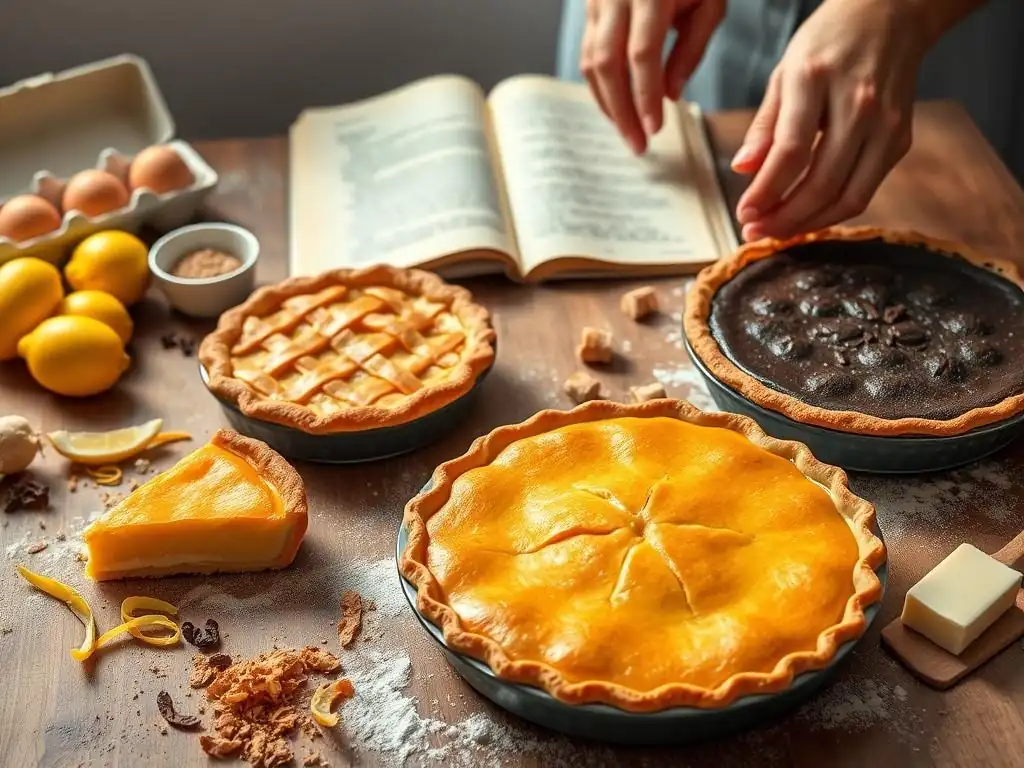
While the classic easy chess pie recipe beginners learn is delicious on its own, it's also a fantastic base for simple flavor variations. These additions don't require complex techniques and are perfect for experimenting. A popular variation is Lemon Chess Pie. To achieve this, add the zest of one lemon and about 2-3 tablespoons of fresh lemon juice to the filling mixture. The acidity of the lemon cuts through the richness and adds a bright, tangy counterpoint.
Another simple enhancement is to make a Chocolate Chess Pie. Melt about 2-3 ounces of unsweetened or bittersweet chocolate and whisk it into the melted butter before combining with the other filling ingredients. You can also add 1-2 tablespoons of unsweetened cocoa powder to the sugar mixture. For a hint of spice, a pinch of nutmeg or cinnamon (about ¼ teaspoon) can be added to the sugar mixture. These minor adjustments offer exciting new dimensions to the basic easy chess pie recipe beginners can easily adapt.
Using Alternative Sweeteners and Ingredients for Dietary Preferences
Adapting an easy chess pie recipe beginners follow for dietary preferences requires careful consideration, as the ingredients contribute significantly to the structure. Substituting the granulated sugar completely with liquid sweeteners like maple syrup or honey can alter the texture and moisture content, potentially resulting in a runnier filling. However, using a granular sugar substitute that measures cup-for-cup like sugar might work, though the caramelization on top might be different. Experimentation with small batches is recommended.
For dairy-free versions, melted vegan butter can often substitute for dairy butter cup-for-cup. Dairy milk or cream can be replaced with plant-based alternatives like almond milk, soy milk, or oat milk. Using full-fat versions of these alternatives will yield a richer result. The pie crust would also need to be dairy-free (many store-bought options are, but check the ingredients). Note that these substitutions can slightly change the flavor and texture compared to the classic version of this easy chess pie recipe beginners typically make, but they offer delicious alternatives for those with dietary needs.
Why BakeWithEase Recommends This Easy Chess Pie Recipe for Beginner Bakers
Benefits of Learning Classic Baking with Simple Recipes
Learning classic baking techniques through simple, approachable recipes like this easy chess pie recipe beginners can master provides numerous benefits. Firstly, it introduces fundamental concepts – like the role of eggs as a binder, sugar in creating structure and sweetness, and starch in thickening – without overwhelming complexity. You learn how these basic ingredients interact and transform in the oven. Mastering a classic like chess pie gives you a reference point for understanding other custard-based desserts.
Simple recipes also build confidence. Successfully creating a delicious pie from scratch, even with a store-bought crust, is a significant achievement for a beginner baker. It proves that baking isn't just for experts and encourages further exploration. This easy chess pie recipe beginners find accessible minimizes frustration because the steps are clear and the ingredients forgiving. It's a low-pressure way to gain practical experience, leading to a greater willingness to try more challenging bakes in the future.
How This Chess Pie Recipe Builds Confidence in the Kitchen
This specific easy chess pie recipe beginners' guide is designed to build confidence through its straightforward process and reliable outcome. The filling involves basic mixing – no complex techniques like folding or creaming are required. The baking process, while needing attention to doneness, is relatively forgiving compared to delicate cakes or pastries. Even if the top cracks slightly, the pie is still perfectly edible and delicious, minimizing the feeling of "failure."
Successfully baking and serving this classic Southern dessert provides a tangible sense of accomplishment. It demonstrates that you can follow instructions, manage oven time, and create something wonderful to share. Each successful attempt with an easy chess pie recipe beginners try reinforces positive baking habits and encourages experimenting with simple variations, further expanding skills without intimidation. It's a stepping stone recipe that proves baking can be easy, fun, and rewarding, paving the way for mastering more complex bakes on BakeWithEase.
Frequently Asked Questions
What makes this chess pie recipe "easy" for beginners?
This recipe focuses on simple ingredients and a straightforward mixing process, eliminating complex techniques that might overwhelm new bakers. We use common pantry staples and clear instructions.
What are the key ingredients that make a chess pie a "chess pie"?
The defining ingredients are butter, sugar, eggs, and a touch of acid, typically vinegar or lemon juice. These ingredients create the signature sweet and tangy flavor and custardy texture.
Can I substitute any ingredients in this easy chess pie recipe?
While substitutions are possible, they may alter the final result. We recommend sticking to the recipe for the best outcome, especially if you're a beginner. You could potentially experiment with different extracts for flavor, but be cautious with ratios.
How do I know when my chess pie is done baking?
The center should be slightly jiggly but not liquid. The edges should be set and lightly golden brown. A toothpick inserted near the center may come out with moist crumbs attached.
What's the best way to store leftover chess pie?
Chess pie should be stored in the refrigerator due to its egg content. Cover it loosely with plastic wrap or in an airtight container. It will last for 3-4 days when properly stored.
Final Reflection: A Slice of History, A Taste of Triumph
The seemingly simple act of baking a chess pie connects us to generations past, offering a delicious pathway to culinary heritage and a surprisingly accessible entry point into the world of baking. This recipe, designed for beginners, demystifies a classic dessert, proving that creating something beautiful and delicious doesn't require years of experience or complicated techniques. The ease of the recipe itself is a testament to the enduring appeal of this timeless treat.
The enduring popularity of chess pie speaks volumes about our collective desire for comfort food and simple pleasures. It's a dish that transcends cultural boundaries, offering a sweet reminder of home and family gatherings. The best things in life are simple,
a sentiment perfectly embodied by this humble yet satisfying pie. Its simplicity allows for creativity and personal touches, making each pie a unique reflection of the baker's own style and experience. This recipe, therefore, is not just about baking a pie; it's about connecting with a rich culinary tradition and finding joy in the process.
Now, I invite you to roll up your sleeves, gather your ingredients, and embark on this delightful baking adventure. Don't be intimidated by the prospect of creating something from scratch; embrace the challenge, savor the process, and revel in the sweet reward of a perfectly baked chess pie. Let this recipe be a springboard to explore other classic desserts and discover the joy of creating something delicious with your own two hands. The taste of success, much like the taste of a warm slice of chess pie, is truly unforgettable.
Here's a Call to Action (CTA) for a chess pie recipe article on BakeWithEase.com:
Unleash Your Inner Baker: Make This Chess Pie Today!
Thanks for taking the time to explore this easy chess pie recipe! We hope you found the instructions clear and inspiring. Now it's time to get baking!
- Bake your own delicious chess pie: Gather your ingredients and follow the steps – you'll be surprised how simple it is! This is your primary goal – that delicious pie!
- Share your creation: Snap a photo of your finished pie and share it on social media using #BakeWithEaseChessPie. Let's see those beautiful golden crusts!
- Challenge a friend: Tag a friend who loves pie and challenge them to bake along with you! Let the friendly competition begin!
Ready to experience the joy of homemade chess pie? What unexpected flavor will you add to your next attempt?