
Easy Chocolate Chip Drop Cookies: Chewy Centers!

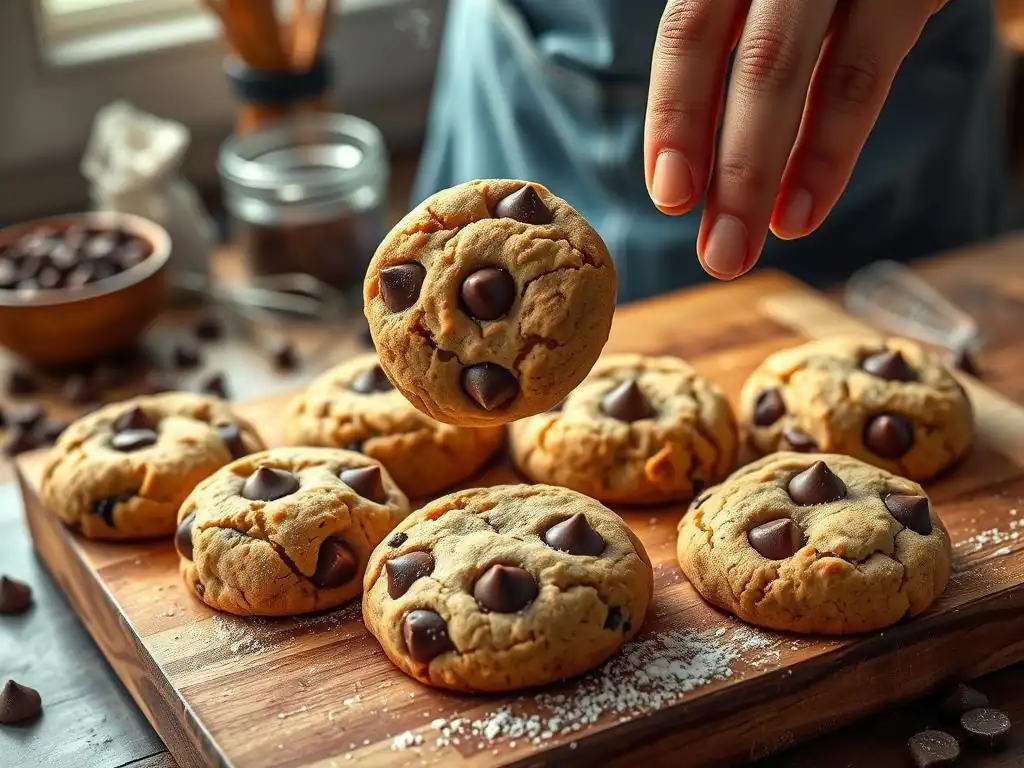
Welcome to BakeWithEase, your guide to effortless baking! Ever dreamt of perfectly chewy chocolate chip drop cookies with irresistible, gooey centers? You're in the right place! We'll reveal the secrets to achieving this classic treat with our easy-to-follow recipe. Get ready to unlock the simple steps and finally bake the chocolate chip cookies you've always craved. Let's get baking!
- Peanut Butter Chocolate Chip Cookies: Chewy & Soft!
- Introduction to Chewy Peanut Butter Chocolate Chip Cookies
- Key Ingredients for Chewy Peanut Butter Chocolate Chip Cookies
- Step-by-Step Guide: Baking Chewy Peanut Butter Chocolate Chip Cookies
- Tips and Tricks for Ultra-Chewy Peanut Butter Chocolate Chip Cookies
- Variations on the Classic Chewy Peanut Butter Chocolate Chip Cookie Recipe
- Storing Your Chewy Peanut Butter Chocolate Chip Cookies
- Troubleshooting Common Peanut Butter Chocolate Chip Cookie Problems
- Enjoy Your Homemade Chewy Peanut Butter Chocolate Chip Cookies!
- Frequently Asked Questions
- Final Reflection: The Enduring Allure of the Perfectly Chewy Cookie
- Unlock Your Inner Baker: Perfect Chocolate Chip Cookies Await!
Welcome to the wonderful world of chewy peanut butter chocolate chip cookies! At BakeWithEase, we believe baking should be a joyful and accessible experience for everyone, regardless of skill level. This guide is specifically crafted to help you achieve that coveted soft and chewy texture in one of America's most beloved cookie types. We'll walk you through each step, from selecting the right ingredients to mastering the baking time, ensuring your batch turns out perfectly every time.
Creating truly exceptional chewy peanut butter chocolate chip cookies isn't just about following a recipe; it's about understanding how the ingredients interact and the impact of small technique variations. Our approach focuses on demystifying the process, providing clear explanations and practical tips. You'll learn how the ratio of fats and sugars influences spread and chewiness, and why ingredient temperature matters. Get ready to bake a batch of chewy chocolate chip drop cookies that will disappear faster than you can make them!
The secret to achieving those wonderfully chewy centers in your peanut butter chocolate chip cookies lies in a few key factors, primarily the balance of ingredients and the baking process itself. A higher ratio of brown sugar to white sugar contributes significantly to chewiness because brown sugar contains molasses, which adds moisture and creates a softer texture that stays pliable longer. The fat content from both butter and peanut butter also plays a crucial role, inhibiting gluten development and promoting tenderness.
Furthermore, the specific baking method for these chewy chocolate chip drop cookies is designed to prevent them from becoming dry or crispy. Baking at a slightly lower temperature for just the right amount of time ensures that the edges set while the center remains soft and slightly underbaked when they come out of the oven. As they cool on the baking sheet, the residual heat finishes the cooking process, resulting in that perfect, melt-in-your-mouth chewy texture we all crave.
Beyond the star ingredients, several foundational components are critical for achieving soft and chewy peanut butter chocolate chip cookies. All-purpose flour provides the structure, but using too much can lead to dry, tough cookies, while too little results in excessive spread. Eggs bind the ingredients together and add richness and moisture; using one whole egg and one egg yolk is a common technique to boost chewiness due to the extra fat from the yolk. Leavening agents like baking soda help the cookies spread and rise, contributing to a tender crumb.
Fats, specifically butter and peanut butter, are indispensable. Unsalted butter, softened but not melted, is crucial for creaming properly with the sugars, creating air pockets that contribute to the cookie's texture. Granulated sugar contributes to spread and crispness around the edges, while brown sugar, as mentioned, adds moisture and chewiness. A typical ratio might be slightly more brown sugar than white sugar to maximize chewiness. Vanilla extract enhances all the other flavors, adding a warm, aromatic depth to the cookies.
The Secret Ingredient: Creamy Peanut Butter
Peanut butter is more than just a flavor agent in these chewy peanut butter chocolate chip cookies; it's a texture powerhouse. Creamy peanut butter, specifically the processed, no-stir varieties (like Jif or Skippy), works best for consistent results and chewiness. These types contain stabilizers that prevent oil separation and provide a consistent fat and sugar content, which is vital for predictable cookie spread and texture. Natural peanut butter, which often separates and has varying oil content, can lead to cookies that spread too much and are greasy or crumbly.
The high fat content in peanut butter contributes significantly to the soft, tender texture of the chewy chocolate chip drop cookies. It interferes with gluten development in the flour, preventing the cookies from becoming tough. A standard recipe might call for around 1 cup (240g) of creamy peanut butter, adding not only its distinctive nutty flavor but also a richness and moisture that helps create that desirable chewy bite that defines these cookies.
Choosing the Right Chocolate Chips for Optimal Flavor
The chocolate chips are the perfect counterpoint to the rich peanut butter flavor in these chewy peanut butter chocolate chip cookies. While personal preference plays a big role, semi-sweet chocolate chips are a classic choice, offering a balanced sweetness that pairs beautifully with the peanut butter. However, milk chocolate chips provide a sweeter, creamier bite, while dark chocolate chips (around 60-70% cocoa) offer a more intense, slightly bitter contrast that many find irresistible.
Consider the size of the chocolate chips as well. Standard chips (like Nestle Toll House size) are common, but mini chocolate chips distribute more evenly throughout the dough, ensuring chocolate in almost every bite. Large chunks or discs can create pockets of melted chocolate that contribute to gooeyness, enhancing the overall chewy texture. Using a mix of chip types or sizes can add complexity and visual appeal to your chewy chocolate chip drop cookies.
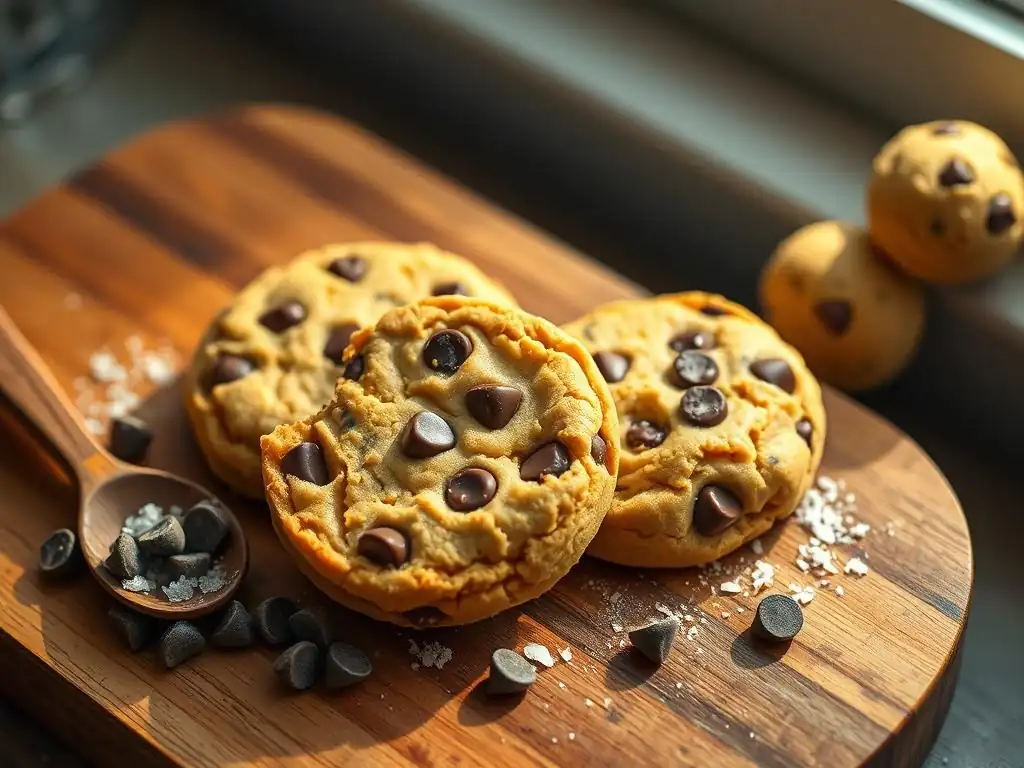
The process of preparing the dough is where the magic begins for creating truly chewy peanut butter chocolate chip cookies. Each step, from creaming the fats and sugars to gently incorporating the dry ingredients, is designed to build the right structure and texture. Starting with properly softened butter and creamy peanut butter is crucial; they should be pliable but not greasy, around 68-70°F (20-21°C). This allows them to cream effectively with the sugars, incorporating air.
The order and method of adding ingredients matter significantly. Overmixing, especially after adding the flour, can develop too much gluten, resulting in tough rather than chewy cookies. Following the steps carefully ensures that the ingredients are just combined enough to form a cohesive dough that will spread correctly in the oven, leading to those soft, chewy centers and slightly crisp edges that characterize perfect chewy chocolate chip drop cookies.
Creaming Butter, Peanut Butter, and Sugar for a Light and Airy Texture
The creaming step is vital for incorporating air into the dough, which contributes to the cookie's lift and texture. You'll beat the softened butter, creamy peanut butter, granulated sugar, and brown sugar together until the mixture is light and fluffy. This process typically takes 2-3 minutes with an electric mixer on medium speed, or slightly longer by hand. The mixture should lighten in color and increase slightly in volume.
Proper creaming ensures that the sugars dissolve partially into the fats, which helps create a tender crumb. It also creates tiny air pockets that expand during baking, giving the cookies a desirable structure. Don't rush this step; under-creaming won't incorporate enough air, potentially leading to denser cookies, while over-creaming can sometimes lead to excessive spread.
Adding Eggs and Vanilla Extract: Enhancing Flavor and Moisture
Once the butter, peanut butter, and sugars are well-creamed, you'll add the eggs (or egg and yolk combination) and vanilla extract. Add the eggs one at a time, mixing on low speed just until each one is fully incorporated before adding the next. This ensures they emulsify properly with the fat mixture. Scrape down the sides of the bowl as needed to ensure everything is evenly combined.
The eggs provide moisture, richness, and act as a binder, holding the dough together. The extra yolk, if used, adds more fat and lecithin, contributing to tenderness and chewiness. Vanilla extract deepens the overall flavor profile, complementing both the peanut butter and chocolate. Mix until the mixture is smooth and glossy, but avoid overmixing at this stage.
Incorporating Dry Ingredients: Achieving the Perfect Balance
The final step in dough preparation is adding the dry ingredients: the flour, baking soda, and salt. Whisk these together in a separate bowl first to ensure the leavening and salt are evenly distributed. Then, add the dry ingredients to the wet mixture. Mix on the lowest speed possible, or even by hand, just until the flour streaks disappear and the dough comes together.
It's absolutely critical not to overmix once the flour is added. Overmixing develops gluten, which leads to tough, hard cookies instead of soft and chewy ones. The goal is to hydrate the flour just enough. Once the dough is formed, gently fold in the chocolate chips using a spatula or wooden spoon. Some bakers also like to reserve a few chips to press into the tops of the dough balls before baking for a more appealing look.
The transition from dough to baked cookie involves precise shaping and careful monitoring in the oven to achieve that perfect chewy texture.
Dropping the Dough: Consistent Size for Even Baking
To ensure your chewy peanut butter chocolate chip cookies bake evenly, it's important to make the dough balls as uniform in size as possible. The simplest and most effective way to achieve this is by using a cookie scoop. A standard 1.5 to 2-tablespoon scoop is ideal for creating cookies that are substantial yet bake relatively quickly, promoting chewy centers. Scoop level portions of dough and release them onto your prepared baking sheets.
Spacing is also key; place the dough balls about 2 inches apart on baking sheets lined with parchment paper or silicone baking mats. This allows room for the cookies to spread without running into each other, which could result in uneven baking and misshapen chewy chocolate chip drop cookies. Using parchment or a mat also prevents sticking and makes cleanup much easier.
Baking Temperature and Time: The Key to Chewy Centers
Baking temperature and time are perhaps the most critical factors in achieving chewy peanut butter chocolate chip cookies. A standard temperature of 350°F (175°C) is often recommended. This temperature allows the edges to set and brown slightly while the center remains soft. Baking for approximately 8 to 12 minutes is typical for a 1.5-2 tablespoon scoop of dough, but this can vary significantly depending on your oven's calibration and the exact size of your cookies.
The key is to remove the cookies from the oven when the edges are set and lightly golden brown, but the centers still look slightly soft, puffy, and perhaps a little underdone. They might even look a little pale in the very center. Do not wait until the entire cookie looks golden brown and firm; by then, they will likely be overbaked and lose their desired chewiness.
Tips for Preventing Over-Baking
Over-baking is the number one culprit behind dry, crumbly, or crispy cookies when you're aiming for chewiness. Start checking your chewy peanut butter chocolate chip cookies at the lower end of the recommended baking time range (e.g., 8 minutes). If they still look raw, give them another minute or two, checking frequently. Ovens can vary by as much as 25-50°F (15-30°C), so knowing your oven is crucial.
Once the cookies are out of the oven, let them cool on the hot baking sheet for about 5 to 10 minutes before transferring them to a wire rack to cool completely. This step is vital: the residual heat from the pan continues to cook the centers gently, finishing the baking process and setting the structure while maintaining moisture. Trying to move them too soon will result in broken cookies, but leaving them on the hot pan for too long can lead to over-baking from the bottom up.
The Importance of Measuring Flour Accurately
Accurate flour measurement is paramount when baking chewy peanut butter chocolate chip cookies. Too much flour is a leading cause of dry, dense, or crumbly cookies that lack that essential chewiness. Even an extra tablespoon or two can significantly alter the texture. The most accurate method is to weigh your flour using a kitchen scale; a standard cup of all-purpose flour weighs approximately 120-125 grams.
If you don't have a scale, use the spoon-and-level method: lightly spoon the flour into your measuring cup until it's overflowing, then level off the excess with a straight edge (like a knife) without packing the flour down. Scooping directly from the flour bag with the measuring cup can compact the flour, adding up to 25% more than needed. Precision here directly impacts the final texture of your chewy chocolate chip drop cookies.
Using a cookie scoop isn't just about making pretty, uniform cookies; it's a practical step that contributes directly to achieving consistently chewy results. When all your dough balls are the same size, they bake at the same rate. This means when you determine the perfect baking time for one cookie to have that soft, slightly underbaked center, that time will apply to the entire batch on the sheet.
Inconsistency in size leads to inconsistency in doneness. Smaller cookies will overbake by the time larger ones are ready, resulting in some crispy and some chewy cookies. A standard 1.5 or 2-tablespoon scoop creates cookies that are large enough to retain moisture in the center while the edges set properly, perfectly suited for developing that desirable chewy texture in your chewy peanut butter chocolate chip cookies.
Achieving the Perfect Golden-Brown Color and Soft Texture
Visual cues are your best friend when baking chewy peanut butter chocolate chip cookies. While the centers should look slightly soft, the edges are key indicators of doneness. Look for the edges to be set and just starting to turn a light golden-brown color. This indicates they have baked long enough to hold their shape but not so long that they've dried out the center.
The surface of the cookie might still look a little puffy and perhaps slightly pale in the middle when you pull them out. This is exactly what you want for chewy cookies! The heat retained in the baking sheet will continue to set the center as they cool. If the entire cookie, including the center, looks deeply golden brown and flat while still in the oven, they are likely already overbaked for a chewy texture. Trust the slightly underdone look for ultimate chewiness.
Adding Oats for Texture and Flavor
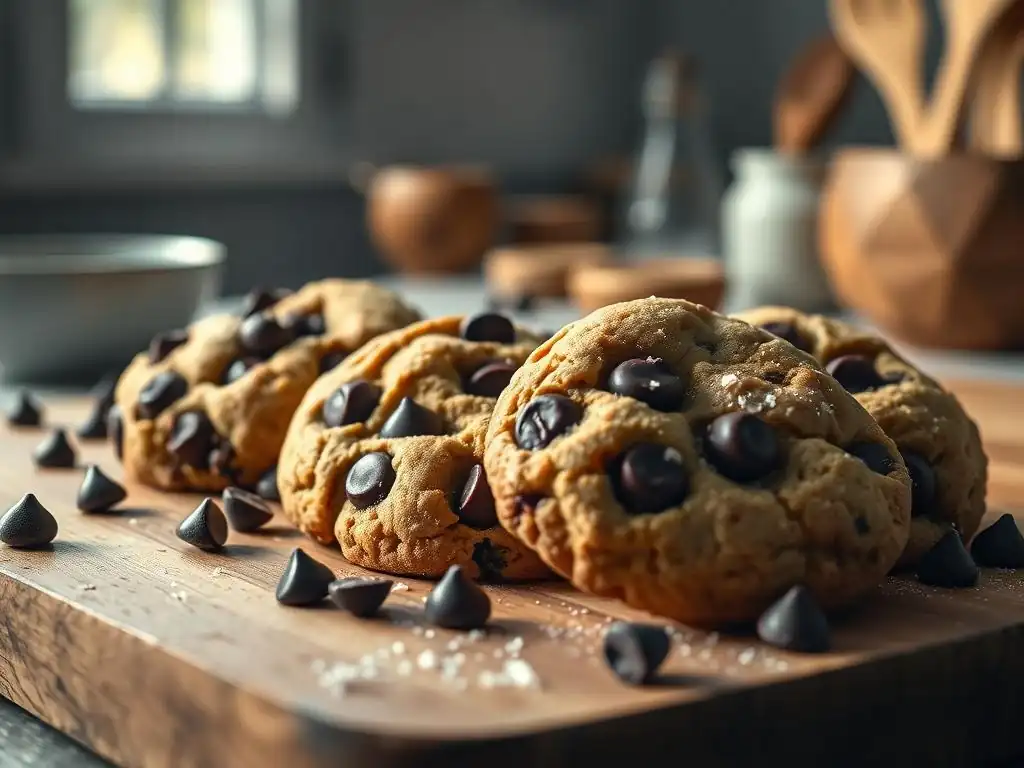
Introducing oats is a fantastic way to add another layer of texture and a subtle nutty flavor to your chewy peanut butter chocolate chip cookies. Rolled oats (old-fashioned oats) work best, providing a pleasant chewiness and structure without becoming mushy. Quick oats can be used, but they will result in a less distinct texture. You can typically substitute about 1/2 cup of flour with 1 cup of rolled oats, adjusting slightly based on dough consistency.
Adding oats also increases the fiber content slightly and can absorb some moisture, which might slightly affect the spread, potentially resulting in thicker cookies. Ensure the oats are mixed in gently with the dry ingredients. The combination of chewy oats, rich peanut butter, and melted chocolate creates a truly satisfying bite in these variations of chewy chocolate chip drop cookies.
Experimenting with Different Types of Peanut Butter
While creamy, processed peanut butter is recommended for the most consistent chewy texture due to its stable composition, experimenting with other types can yield interesting results. Natural creamy peanut butter (the kind that separates) can be used, but you'll need to stir it very well to re-incorporate the oil before measuring. Be aware that cookies made with natural peanut butter may spread more and have a slightly less uniform texture.
Crunchy peanut butter is an excellent choice if you enjoy extra texture. Use the same quantity as creamy peanut butter. The peanut pieces will add a delightful crunch that contrasts nicely with the chewy cookie base and soft chocolate chips. This variation adds another dimension to your chewy peanut butter chocolate chip cookies, offering pops of roasted peanut flavor and texture throughout.
For the ultimate chocolate lover, transforming these into double chocolate peanut butter cookies is a simple yet decadent variation. This involves adding unsweetened cocoa powder to the dry ingredients. Start by replacing about 1/4 cup of the all-purpose flour with 1/4 cup of unsweetened cocoa powder. Sift the cocoa powder with the flour, baking soda, and salt to prevent clumps.
The cocoa powder will give the cookies a darker color and a deeper chocolate flavor that pairs wonderfully with the peanut butter. You might also consider using dark chocolate chips or a mix of dark and semi-sweet chips to enhance the chocolate intensity. This variation still maintains that desirable chewy texture while delivering a powerful chocolate punch alongside the classic peanut butter flavor in your chewy chocolate chip drop cookies.
Proper storage is key to maintaining the delightful chewy texture of your homemade chewy peanut butter chocolate chip cookies. Once the cookies have cooled completely on a wire rack, transfer them to an airtight container. Layering them with parchment paper can help prevent them from sticking together. Store the container at room temperature, away from direct sunlight or heat sources.
Stored correctly, these chewy chocolate chip drop cookies should remain soft and chewy for 3 to 5 days. If they start to lose a bit of their softness, you can place a slice of bread in the container with the cookies overnight; the cookies will absorb moisture from the bread, helping to restore their chewiness. Just be sure to remove the bread slice the next day to prevent mold.
One of the best things about drop cookies is how well the dough freezes, allowing you to have freshly baked chewy peanut butter chocolate chip cookies whenever the craving strikes. Simply scoop the dough balls onto a baking sheet lined with parchment paper, just as if you were going to bake them. Place the entire baking sheet in the freezer for about 1-2 hours, or until the dough balls are firm.
Once frozen solid, transfer the dough balls to a freezer-safe airtight container or heavy-duty freezer bag. Label with the date. Frozen cookie dough can be stored for up to 3 months. When you're ready to bake, place the frozen dough balls on a parchment-lined baking sheet (you might need to add a minute or two to the baking time) and bake as directed. This method ensures you can enjoy warm, chewy chocolate chip drop cookies anytime.
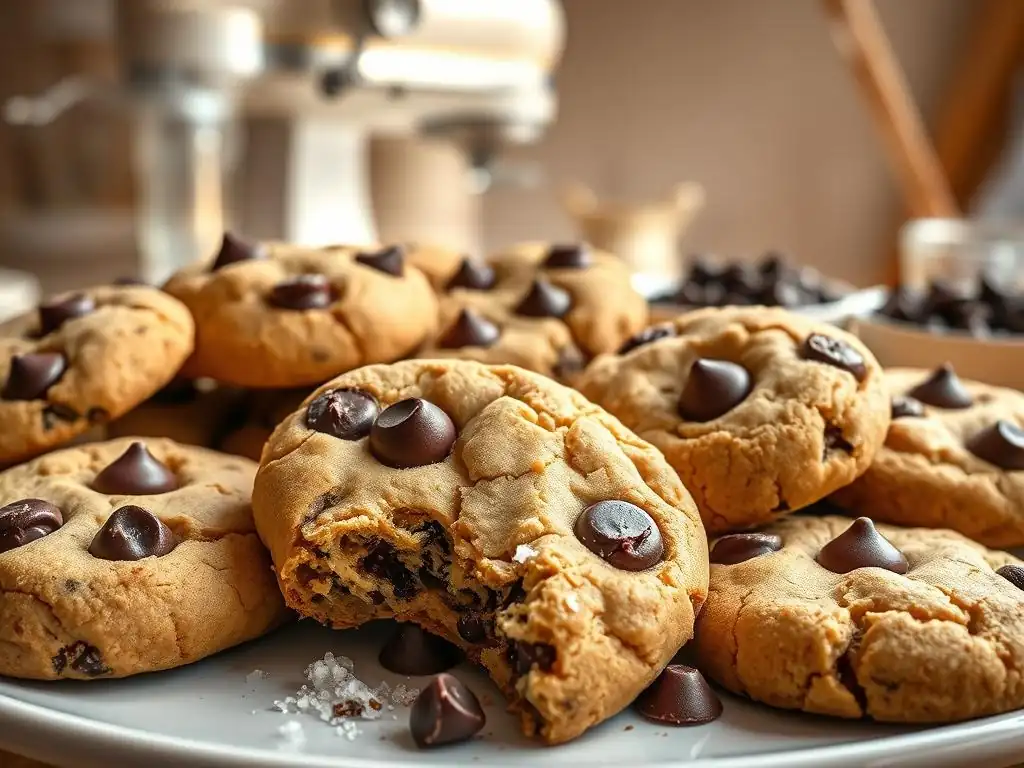
If your chewy peanut butter chocolate chip cookies are turning out crumbly instead of chewy, several factors could be at play. A common culprit is too much flour or inaccurate measurement, as discussed earlier. Excess flour absorbs too much moisture, resulting in a dry, fragile texture. Try weighing your flour next time or using the spoon-and-level method carefully.
Another reason could be insufficient fat or moisture in the dough. Ensure your butter and peanut butter measurements are accurate and that you are using creamy, processed peanut butter for reliable results. Over-baking is also a major cause of crumbliness; if the cookies bake too long, all the moisture evaporates, leaving them dry and brittle.
Having your chewy peanut butter chocolate chip cookies stick to the pan is frustrating. The most likely reasons are not using parchment paper or a silicone baking mat, or not greasing the pan adequately if you aren't using a liner. Parchment paper and silicone mats create a non-stick surface that allows the cookies to release easily once baked and slightly cooled.
Another reason could be trying to move the cookies too soon after they come out of the oven. Allow them to set on the hot baking sheet for at least 5-10 minutes before attempting to transfer them to a wire rack. This crucial cooling period on the pan allows the cookies to firm up enough to be moved without breaking or sticking. Ensure your baking sheets are clean and free of baked-on residue before use.
Dense chewy peanut butter chocolate chip cookies often result from issues during the mixing process. Overmixing, particularly after the flour has been added, is a primary cause. When you overmix, you develop the gluten in the flour excessively, leading to a tough, dense texture rather than a tender, chewy one. Mix just until the dry ingredients are incorporated.
Incorrect butter temperature can also contribute to density. If your butter is too cold, it won't cream properly with the sugar, inhibiting air incorporation. If it's melted or too soft, the dough can become greasy and the cookies may spread too much and be flat and dense. Ensure your butter is softened to the correct consistency before you begin creaming. Using the correct amount of leavening (baking soda) is also important for achieving the right texture; too little can result in cookies that don't rise or spread properly, leading to a denser result.
There's nothing quite like the feeling of pulling a batch of warm, perfectly chewy peanut butter chocolate chip cookies from the oven. We hope this guide from BakeWithEase (your Baking Bliss destination!) has empowered you to create your best batch yet. Baking is a journey, and every cookie baked is a step forward. We love seeing what our community creates!
We encourage you to share photos of your beautiful, chewy chocolate chip drop cookies! Tag us or share them on your favorite social media platform, letting us know how your baking adventure went. Your successes inspire others, and your questions help us provide even better resources. Happy baking, and enjoy every single chewy bite!
More Beginner Baking Recipes to Explore
Mastering chewy peanut butter chocolate chip cookies is a fantastic accomplishment! It utilizes many fundamental baking techniques that are applicable to a wide range of other delicious treats. Now that you've successfully tackled these chewy chocolate chip drop cookies, you might be ready to explore more beginner-friendly recipes available here at BakeWithEase.
Consider trying other drop cookies like classic oatmeal raisin or simple sugar cookies. Or perhaps venture into easy bar cookies or muffins, which often use similar mixing methods. Each recipe is designed with clear, step-by-step instructions to build your confidence in the kitchen. Keep practicing, keep exploring, and keep enjoying the sweet rewards of homemade goodness!
Frequently Asked Questions
The secret to chewy cookies lies in using melted butter and a higher ratio of brown sugar to granulated sugar. These ingredients help create a softer, moister texture.
Can I use different types of chocolate chips?
Absolutely! While the recipe calls for semi-sweet chocolate chips, you can substitute them with dark chocolate, milk chocolate, or even white chocolate chips to personalize your cookies.
Chilling the dough before baking is crucial. This allows the fats to solidify, preventing excessive spreading and resulting in thicker, chewier cookies.
Store the cookies in an airtight container at room temperature to maintain their chewiness. They should stay fresh for up to 3-4 days.
Yes! You can scoop the dough onto a baking sheet, freeze until solid, then transfer to a freezer bag. Bake directly from frozen, adding a few extra minutes to the baking time for perfectly chewy cookies.
The quest for the ultimate chewy chocolate chip cookie is far more than just a recipe; it's a reflection of our collective desire for comfort, nostalgia, and simple pleasures. The seemingly straightforward act of baking these cookies taps into something deeply ingrained within us – a yearning for warmth, sweetness, and the satisfaction of a perfectly textured bite. This recipe, focused on achieving that coveted chewy center, speaks to that universal craving.
The influence of the perfect cookie transcends mere culinary enjoyment; it's woven into the fabric of our memories and shared experiences. From childhood baking sessions with family to the comforting presence of a warm cookie on a cold day, these little treats hold a significant place in our cultural landscape. A cookie is a little bit of happiness you can hold in your hand.
This sentiment perfectly encapsulates the emotional resonance these simple cookies possess. The pursuit of the ideal chewiness, as explored in this recipe, is a testament to our ongoing desire to perfect these small moments of joy.
Now, I invite you to consider your own relationship with cookies. What memories do they evoke? What makes your perfect cookie? Don't just stop at reading; go forth and bake! Experiment with the recipe, adjust the ingredients to your liking, and savor the process of creating your own batch of perfectly chewy chocolate chip cookies. Let the aroma fill your kitchen, and share the joy with those you love. The journey to the perfect cookie is as rewarding as the destination itself.
Thanks for joining us on this delicious journey! We hope you've gained the confidence to bake incredible, chewy chocolate chip cookies. Ready to take your baking skills to the next level?
- Bake a batch today! Use our recipe as a springboard – experiment with different chocolate types or add-ins to create your signature cookie.
- Share your creations! Snap a picture of your perfect cookies and post it on social media using #BakeWithEase. We'd love to see your delicious results!
- Leave a comment below and tell us your favorite chocolate chip cookie tip – what's your secret ingredient?
What unique twist will you add to these classic cookies to make them truly your own?